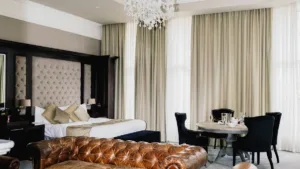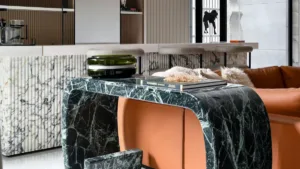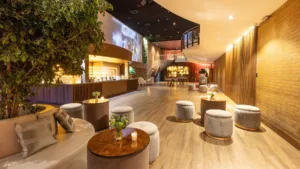
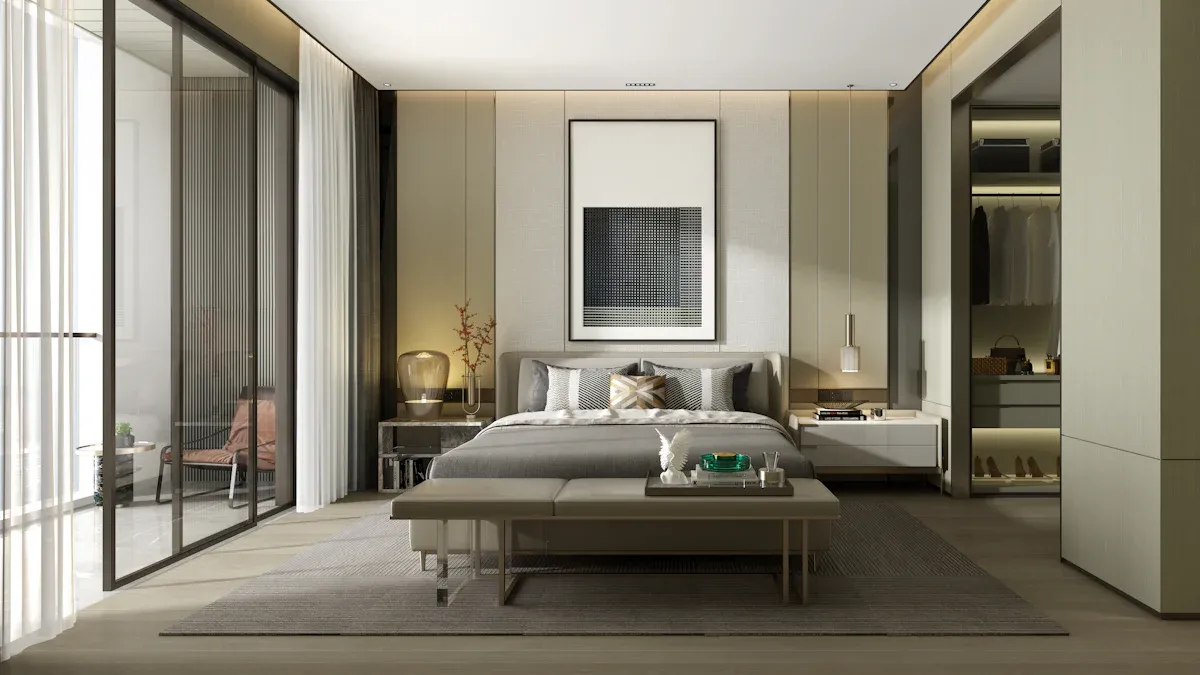
Understanding the critical stages in tailoring 5-star hotel bedroom furniture ensures unparalleled luxury and guest satisfaction. Each phase, from initial design to final installation, plays a vital role. It ensures the furniture meets the highest standards of aesthetics, durability, and functionality. This guide details crucial customization steps. It also highlights the significance of meticulous material selection in creating exceptional 5-star hotel furniture. A dedicated hotel furniture manufacturer oversees this process. This includes items like a custom hotel bedside table. The detailed work involved, extending beyond typical hotel furniture wholesale, impacts How long does hotel furniture customization take? It emphasizes the careful attention given to each step for a perfect 5 star hotel furniture bed room.
Key Takeaways
- Good design starts with understanding the hotel’s style and planning the room space well. This makes sure guests feel comfortable.
- Detailed drawings and testing furniture ideas are important. This ensures the furniture is strong, comfortable, and fits perfectly.
- Choosing the best materials like strong wood and durable fabrics makes furniture last longer. It also makes the furniture look luxurious.
- Skilled workers and strict quality checks ensure every piece of furniture is made perfectly. This meets high standards.
- Professional installation and good support after setup are key. This makes sure the furniture is placed correctly and stays in good condition.
Initial Design Consultation and Conceptualization for 5 Star Hotel Furniture Bed Room
Defining Brand Identity and Aesthetic Vision
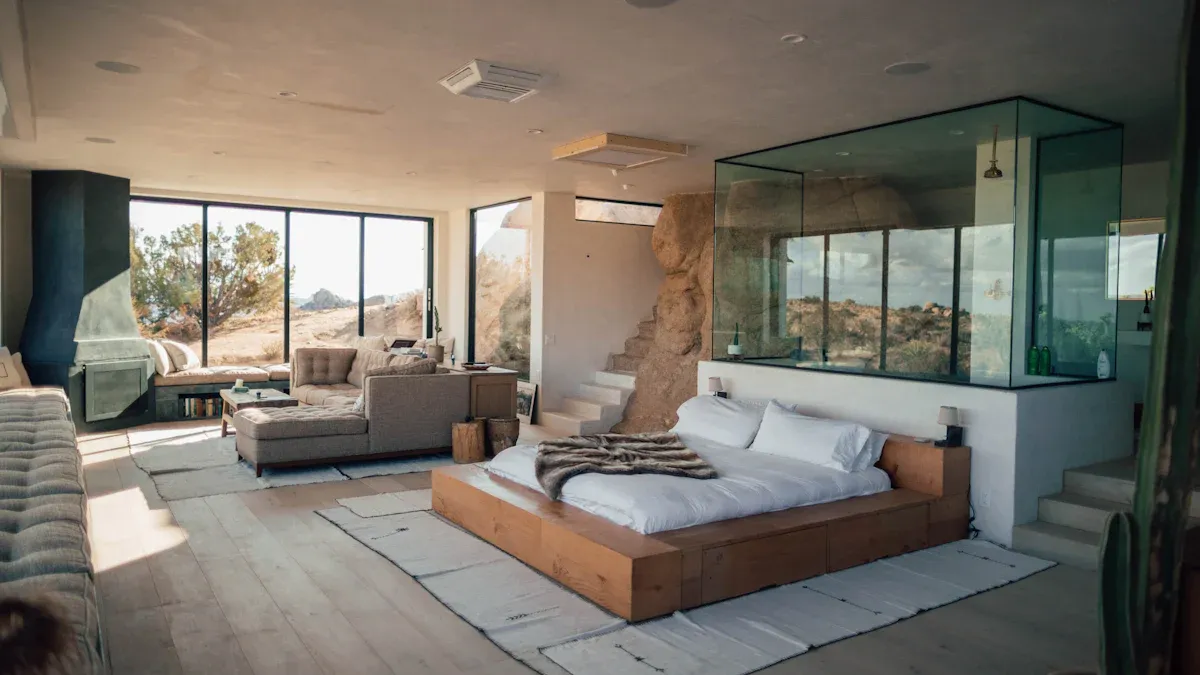
The journey for 5-star hotel furniture bed room begins with a clear understanding of the hotel’s brand. Designers define the hotel’s unique identity and aesthetic vision. This involves reflecting sophistication, comfort, and exclusivity. Luxury hotel furniture strengthens these elements. It showcases the hotel’s personality through custom fabrics, textures, and finishes. For example, custom upholstered sofas allow hoteliers to choose specific materials. Decorative mirrors with ornate frames add elegance and style. Designer tables feature bold shapes, luxurious materials, and unique textures. These choices create a distinctive atmosphere. Modern trends also influence this vision. Biophilic designs use natural materials like wood and stone. Performance fabrics offer durability. Retro influences and tailored eclecticism blend old and new elements for unique spaces.
Strategic Space Planning and Functional Requirements
Effective space planning ensures guest comfort and convenience. Designers prioritize high-quality furnishings and thoughtful placement. They maximize space with multifunctional furniture and smart storage solutions. This includes fold-down desks for flexible workspaces. They also consider increased square footage for guest comfort. The furniture must fit the room’s size and purpose. It needs to be contract-grade and easy to clean. Meeting safety and ADA standards is crucial. For instance, ADA regulations cover bed height and outlet placement. Beds must offer ultimate comfort. Bedside tables provide convenience for charging and storage. Wardrobes offer ample space for clothes and luggage. Luggage racks keep bags off the floor. Accent chairs provide relaxation and add to the room’s design.
Translating Concepts into Preliminary Visualizations
After defining the vision and planning the space, designers translate these concepts into visual forms. This step uses various tools to create preliminary visualizations. Room planner software allows interactive design. Users can modify furniture, accents, and walls. Augmented Reality (AR) apps overlay virtual furniture onto real-world environments. This provides a realistic preview of how items will look. Online furniture configurators let clients customize pieces by selecting options. Interior design software offers comprehensive room visualization capabilities. Commercial space planners and furniture manufacturers use these tools. They create functional and aesthetically pleasing layouts. This process ensures the final 5 star hotel furniture bed room aligns perfectly with the hotel’s expectations.
Detailed Technical Drawings and Prototyping for Precision
Engineering for Structural Integrity and Longevity
After initial designs, detailed technical drawings become essential. These drawings ensure each furniture piece offers structural integrity and lasts a long time. Furniture designers use advanced SolidWorks CAD software. This software creates precise designs. It blends beauty with strong construction. The software also simulates real-world conditions. It tests furniture for strength, stability, and comfort before production. Manufacturers use premium frame materials. These include solid hardwood frames, never particleboard or MDF. They also use 18-gauge steel components. Kiln-dried lumber has a moisture content below 8%. High-density polyurethane foam is rated 2.5+ pounds per cubic foot. Advanced joint systems also enhance durability:
- Multiple dowel joints replace simple screws.
- Metal corner brackets reinforce critical stress points.
- Cross-bracing prevents frames from racking.
- Dovetail joinery strengthens drawers.
- Spring suspension systems are designed for over 100,000 cycles. Contract furniture follows strict safety rules. ANSI/BIFMA standards, like BIFMA X5.1 for office chairs, ensure durability under heavy commercial use.
Prioritizing Ergonomics and Guest Comfort
Five-star hotel furniture must balance comfort and beauty. Designers carefully measure both elements. The richness of decorative details and quality of materials must support comfort and ease of use. A bedroom is a place for rest and well-being. This means ergonomic considerations are vital. Modern hotel room furniture follows ergonomic principles. Upholstery furniture offers ergonomic support and durability. This prevents a poor guest experience. Commercial-grade mattresses are crucial for comfort and heavy use. A quality bed improves guest experience and protects investments. It includes an appropriate base for ergonomic support. Hotels prioritize specific comfort features. These include:
- Mattress Types: Hybrid, memory foam, and pillow-top mattresses offer support and plushness.
- Mattress Toppers: Memory foam, down, or cooling gel toppers add extra softness.
- High-Thread-Count Sheets: Sheets above 300 thread count, like Egyptian cotton, feel luxurious.
- Pillow Options: Down, memory foam, and cooling pillows cater to different preferences.
Evaluating Full-Scale Mock-ups and Samples
After technical drawings, hotels create full-scale mock-ups. These mock-ups are vital for integrating furniture, fixtures, and equipment (FF&E). They allow stakeholders to evaluate functionality and usability. This includes bedding, lighting, and technology. Operations teams also review the mock-ups. Their input helps with room layout and workflow efficiency. The evaluation process typically involves several phases:
- Framework, rough-in phase: This step builds the room’s basic structure. It verifies dimensional layouts.
- Interior finishes phase: This phase completes the interior. It includes paint, flooring, and furniture. This stage ensures quality and brand guideline adherence.
- Team assessment & hotel brand review phase: The project team and brand representatives walk through the room. They check if all standards are met. Hotels often create one mock-up room for each style. Accessible mock-up rooms also meet ADA requirements. Building two to three mock-up rooms with different dimensions helps plan for many rooms. Room size directly affects furniture size and layout. This requires careful thought before ordering furniture.
Meticulous Material Selection: The Foundation of 5-Star Quality
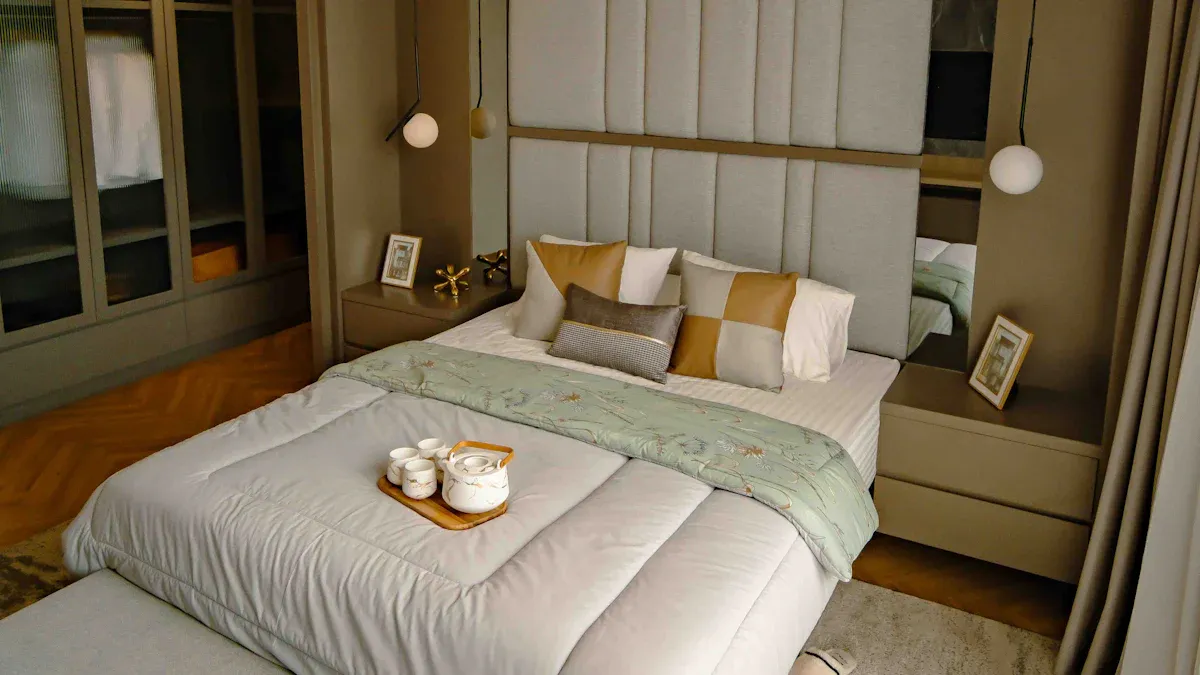
Careful material selection forms the bedrock of 5-star hotel bedroom furniture. It ensures both lasting quality and luxurious appeal. Every component, from wood to fabric and hardware, contributes to the overall guest experience. Hotels must choose materials that withstand heavy use while maintaining their beauty.
Choosing Premium Wood Species and Finishes
Selecting the right wood species is crucial for durability and aesthetics. Oak offers distinctive grain patterns and a warm color, making it highly durable for high-traffic areas. Walnut features rich, dark brown hues and a beautiful grain, providing strength and stability. Maple is exceptionally hard and dense, resisting impact and abrasion. This makes it suitable for furniture needing to withstand frequent use. Cherry wood has a fine grain and a reddish-brown color that deepens with age, offering a classic, luxurious look. Mahogany is durable and resistant to rot, valued for high-end furnishings. Teak resists moisture and insects, suitable for luxurious indoor pieces.
Finishes also protect the wood and enhance its appearance. High-pressure laminate (HP laminate) is very durable for horizontal surfaces. Low-pressure laminate (LP laminate) offers a similar look for vertical surfaces. Baked-on finishes and powder coating finishes create impressively durable surfaces for metal components. These processes use heat to form a strong, lasting bond.
Selecting High-Performance Upholstery Fabrics
Upholstery fabrics in a hotel must endure constant use and retain their appeal. High-quality performance fabrics resist stains, moisture, and wear. They combine style with practicality. Durability is measured by the Wyzenbeek test. Fabrics for heavy commercial use often need 100,000+ double rubs. Pilling resistance, seam strength, and dimensional stability are also important. Stain resistance is essential for hotel fabrics. Modern treatments use fluorochemicals or stain-resistant fibers.
Fire retardancy is a legal requirement. Fabrics must meet standards like NFPA 260 and California Technical Bulletin 117-2013 (Cal 117). Cal 117 assesses resistance to a cigarette ignition source. The fabric must not smolder for over 45 minutes. Crib 5 and Crib 7 tests are for commercial settings. Crypton fabrics resist stains, moisture, bacteria, and odors. Solution-dyed acrylics, like Sunbrella, offer exceptional fade resistance. Microfiber blends provide durability and a soft texture. Vinyl and faux leather offer practicality for high-use seating.
Specifying Robust Hardware and Elegant Accents
Robust hardware ensures furniture functionality and longevity. High-quality hinges, drawer slides, and handles withstand frequent use. They also contribute to the furniture’s overall feel. Elegant accents elevate the room’s design. Custom-built elements, such as integrated nightstands and custom headboards with hidden LED lighting, provide a tailored look. Artistic statement pieces, like dramatic wall sculptures, transform a room. Seamless smart technology integration, including wall-mounted smart TVs and smart lighting, enhances comfort without clutter. Architectural bed canopies create a cozy and private sleeping zone. Layered textures and lighting, using various materials in neutral tones, create a soft, sophisticated atmosphere. These details ensure a truly 5-star experience.
Incorporating Sustainable and Eco-Friendly Options
Five-star hotels increasingly choose sustainable and eco-friendly materials. This commitment reduces their environmental impact. It also appeals to environmentally conscious guests. Sustainable materials significantly reduce a hotel’s carbon footprint. They minimize waste by using renewable or recycled resources. This approach lowers the demand for raw materials. It also decreases deforestation rates. Furthermore, these materials improve indoor air quality. They are made without harmful chemicals and pollutants like volatile organic compounds (VOCs).
Hotels can select various certified materials. Responsibly sourced timber, like FSC-certified wood, ensures forest preservation. It supports responsible management. Recycled and recyclable plastics resist water damage and fading. They support a circular economy. Powder-coated metals, such as aluminum and steel, reduce harsh chemical paints. They extend furniture lifespan by resisting rust. Commercial outdoor furniture designed for longevity minimizes replacements. This reduces waste and conserves resources.
Certifications verify that materials are genuinely sustainable. These include FSC for wood products. GOTS certifies organic textile processing. CertiPUR-US® applies to foam products. It guarantees they are made without harmful chemicals. GOLS certifies organic latex. Woolmark ensures pure, natural wool. OEKO-TEX Standard 100 certifies textiles are free from harmful substances. GREENGUARD Certification ensures low chemical emissions. Fair Trade Certification guarantees ethical practices. USDA Organic Certification applies to natural materials. These certifications involve thorough documentation and audits. They provide essential assurance materials meet international sustainability benchmarks. By choosing sustainable furniture, hotels contribute to a positive environmental impact. They reduce carbon emissions and conserve natural resources.
Manufacturing Excellence and Rigorous Quality Control for 5 Star Hotel Furniture Bed Room
Leveraging Skilled Craftsmanship and Advanced Techniques
Manufacturing exceptional 5 star hotel furniture bed room pieces requires a blend of human skill and technological precision. Craftsmen possess expertise in creating custom hotel furniture. They show a passion for their work. They pay meticulous attention to detail in every construction aspect. These artisans understand material intricacies. They know how to enhance material characteristics. Years of experience and refined skill allow them to sculpt each piece with meticulous care. Manufacturers also invest in advanced technology. For example, Artone uses a state-of-the-art CNC machine. This machine enhances customization capabilities. It produces contour shapes with simultaneous edge banding. This significantly boosts design flexibility and efficiency. CNC (Computer Numerical Control) machines perform complex cutting and forming operations. They ensure consistency and accuracy in sizing raw materials. Laser cutting is another advanced technique. Skilled craftsmen use it for precision manufacturing. This ensures accuracy and consistency in hotel furniture production.
Implementing Multi-Stage Quality Inspections
A rigorous quality control process ensures every furniture piece meets high standards. Manufacturers implement multi-stage inspections. They check raw materials upon arrival. This ensures materials meet specifications before production begins. During manufacturing, technicians inspect components at various stages. They verify dimensions, joinery, and finishes. This prevents defects from progressing to later stages. Final inspections occur after assembly. Inspectors check the finished product for structural integrity, aesthetic appeal, and functionality. They ensure all details align with design specifications. This comprehensive approach guarantees the furniture’s durability and appearance.
Adhering to Industry Standards and Certifications
Compliance with industry standards and certifications is vital for 5 star hotel furniture bed room. These standards ensure safety, durability, and environmental responsibility. FSC (Forest Stewardship Council) certification guarantees sustainable wood sourcing. CARB/E1 certifications ensure low formaldehyde emissions. FR-rated upholstery meets fire retardancy requirements. The National Fire Protection Association (NFPA) mandates rigorous flame retardancy tests for upholstered furniture. BIFMA standards ensure furniture withstands hospitality use. They also meet guest safety and comfort expectations. ASTM standards cover fire resistance and structural integrity for commercial furniture. The American National Standards Institute (ANSI) sets comprehensive benchmarks. ADA Compliance ensures furniture is accessible to everyone. International standards are crucial for global projects, especially for fire safety regulations.
Professional Installation and Comprehensive Post-Installation Support
Expert Logistics and Seamless On-Site Assembly
Professional installation ensures the furniture arrives and is set up correctly. Planning the furnishing process is crucial. This includes designing room layouts for optimal space use and estimating furniture quantities. Managing furniture logistics involves warehouse storage before delivery and coordinating transportation. Hotels often partner with specialized logistics companies for large-scale deliveries. Efficient delivery requires pre-arranged schedules to minimize disruptions and on-site inspection for damages. Dedicated installation crews handle assembly and arrangement. Project managers coordinate with interior designers and FF&E vendors for timely furniture setup.
Installers conduct site visits to note building layouts, door dimensions, and access points. They plan how components will move and where assembly will occur. Securing heavy furniture prevents tipping. Using modular designs offers flexibility. ADA compliance ensures accessibility. Clear communication with suppliers and installers sets expectations. Thorough site preparation, like suspending parking bays, ensures unobstructed delivery. This also includes preparing surfaces by addressing imperfections.
Final Inspection and Client Handover Protocols
A comprehensive final inspection ensures furniture meets all standards. This process involves several checks. A count check verifies all parts are present. A shape check inspects lines and proportions for correct angles. A size check confirms dimensions match specifications. An appearance check looks for flaws, including veneer alignment. A structure check verifies screws, joints, and overall build quality. A craftsmanship check reviews neat stitching and smooth operation of drawers. A comfort test assesses comfort and checks for unusual noises. This final inspection also includes structural integrity, visual appearance, and functionality. It ensures dimensional accuracy and proper alignment of modular components. On-site verification is important for large projects.
Providing Warranty and Maintenance Guidance
Hotels receive warranty and maintenance guidance after installation. The industry standard for hotel furniture warranties is typically five years from the date of delivery. These warranties generally cover defects in materials and workmanship under normal use. Coverage may include damaged parts, repair, or replacement. However, they usually do not cover normal wear and tear or damage from misuse. Proper maintenance preserves furniture quality. Daily cleaning includes dusting and spot cleaning spills. Deep cleaning involves polishing wooden furniture and vacuuming upholstery weekly. Professional steam cleaning for upholstery occurs every 6–12 months. Seasonal maintenance includes protecting furniture from sunlight in summer. It also involves monitoring humidity in autumn and protecting from cold in winter. Regular inspections help identify issues early.
Customizing 5-star hotel bedroom furniture is a complex yet rewarding endeavor. It demands precision and expertise at every turn. Each crucial step, from the initial design consultation to the final installation, significantly contributes to the furniture’s overall success and longevity. Hotels prioritize meticulous planning, superior material selection, and stringent quality control. This ensures their bespoke furniture enhances their brand. It also delivers an exceptional and lasting guest experience.
FAQ
What makes 5-star hotel furniture different?
Five-star hotel furniture focuses on luxury, durability, and guest comfort. Manufacturers use premium materials and precise craftsmanship. They also follow strict quality control. This ensures the furniture lasts long and looks elegant.
How long does custom hotel furniture take to make?
The timeline varies. It depends on design complexity and order size. Initial design, prototyping, manufacturing, and installation all take time. Hotels should plan several months for the entire process.
Why is material selection so important for hotel furniture?
Material selection is crucial for quality and longevity. Premium wood, high-performance fabrics, and robust hardware ensure durability. These materials also enhance the aesthetic appeal. They provide a luxurious experience for guests.
Do hotels use sustainable furniture?
Yes, many 5-star hotels choose sustainable options. They use FSC-certified wood and recycled materials. These choices reduce environmental impact. They also appeal to eco-conscious guests. Certifications ensure genuine sustainability.