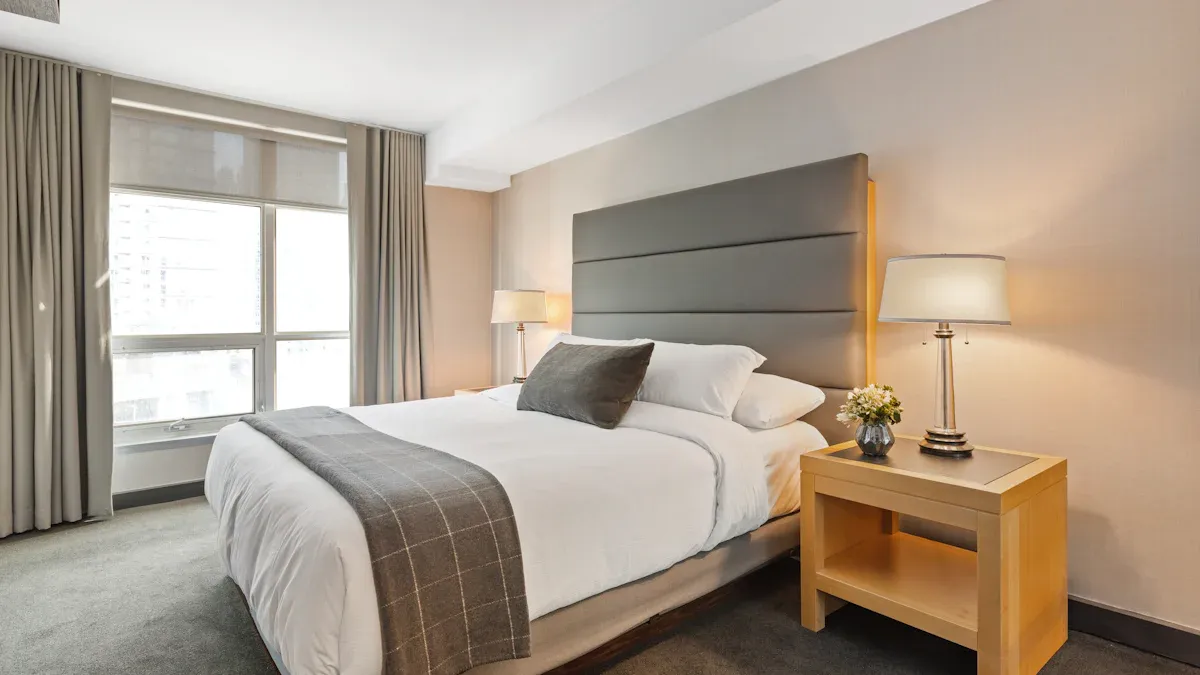
Yes, 5-star hotel beds are renowned for their exceptional durability. Their longevity is a direct result of strict adherence to evolving industry standards and meticulous manufacturing processes. Given the intensive daily use hotel beds endure, they require robust construction and materials capable of withstanding significant wear and tear. A reliable hotel furniture manufacturer is essential in ensuring this level of quality. Meeting and exceeding durability standards for 2025 is paramount for both guest satisfaction and operational efficiency within a 5 star hotel furniture bed room. A trusted hotel furniture supplier plays a crucial role in sourcing these robust items for any hotel project furniture. This unwavering focus on durability directly addresses the question of How to evaluate the durability and lifespan of hotel furniture?, especially when considering hotel furniture OEM/ODM options.
Key Takeaways
- Five-star hotel beds are very strong. They last a long time because they follow strict rules for how they are made.
- These beds use good materials. They have strong frames and special foams. This helps them stay comfortable and not break easily.
- Beds go through many tests. These tests make sure they can handle a lot of use. They check for things like sagging and how well they support people.
- Hotels take good care of their beds. They clean them often and fix small problems. This helps the beds last even longer.
- Bed makers are important. They use good materials and new ideas. They also offer help after you buy the bed. This makes sure the beds stay good for many years.
Defining Durability: 5-Star Hotel Bed Standards for 2025
Five-star hotel beds meet rigorous durability standards. These standards ensure the beds withstand constant use and maintain their luxurious feel. They involve specific certifications, performance benchmarks, and material criteria.
Key International and Industry Certifications
Hotel beds must comply with various international and industry certifications. These certifications guarantee safety, quality, and longevity. They cover aspects from structural integrity to fire resistance.
| Certification/Standard | Scope | Main Content |
|---|---|---|
| ASTM F2057-19 | Anti-tip test for furniture | This test simulates tip-over risks under various loads and impacts. It requires structural integrity during testing. |
| BIFMA X5.5-2017 | Strength and safety tests for commercial sofas and lounge chairs | This standard includes fatigue, impact, and fire resistance tests. It ensures safety over long-term use. |
| NFPA 701 | Flame resistance test for textiles | This test includes Class 1 and 2 flame resistance tests for different fire safety scenarios. |
| BS 5852 | Fire behavior of upholstered furniture and indoor decorative materials | This standard evaluates flame retardancy. It uses smoke density, combustion corrosion, and other indicators. |
| CertiPUR-US® | Foam certification | This certification ensures foam is made without ozone depleters, certain flame retardants, mercury, lead, and other heavy metals. It also guarantees low VOC emissions for indoor air quality and contributes to fire safety. |
Fabrics for hotel beds often comply with NFPA 701 (Class 1 flame resistance) or BS 5852 standards. Manufacturers use high-resilience foam certified by CertiPUR-US® for internal padding. This foam contributes to both comfort and fire safety. For example, GCON offers NFPA 701 Class 1 flame-resistant fabrics paired with CertiPUR-US® certified foam. This combination meets fire safety needs for international high-end hotels.
Structural Integrity and Performance Benchmarks
Structural integrity forms the backbone of a durable hotel bed. Manufacturers design these beds to meet specific performance benchmarks. These benchmarks ensure the bed maintains its shape and support over time.
- Beds withstand over 100,000 compression cycles. They show no more than 10% sagging after these cycles.
- They maintain motion transfer below 15%. ASTM D3574 standards measure this.
- Beds retain 90% edge support integrity. This happens even after a simulated five-year period of use.
These benchmarks demonstrate the bed’s ability to endure heavy use. They ensure guests experience consistent comfort and support.
Material Resilience and Longevity Criteria
The choice of materials significantly impacts a hotel bed’s longevity. Five-star hotels select materials known for their resilience and luxurious feel.
- Cotton: Egyptian cotton features long fibers. These fibers make sheets soft yet durable, tough, and breathable. Pima cotton offers a silky feel. Organic cotton provides a sustainable, comfortable, and breathable option.
- Linen: Flax fibers give linen strength and breathability. This contributes to longevity and comfort, especially in warm weather.
- Silk and Bamboo: Bamboo-derived fabrics are naturally hypoallergenic and antibacterial. Silk feels soft and smooth. Both materials regulate temperature well. They contribute to the luxurious feel and durability of the bedding.
- Thread Count: Sheets with a thread count of 300-600 are preferred. They offer a luxurious feel and withstand the tests of time. This is especially true when made from Egyptian cotton, Pima cotton, and linen.
These material choices ensure the bed not only feels luxurious but also lasts for many years. They resist wear and tear from frequent washing and daily use.
The Foundation of Endurance: Materials in 5-Star Hotel Furniture Bed Room
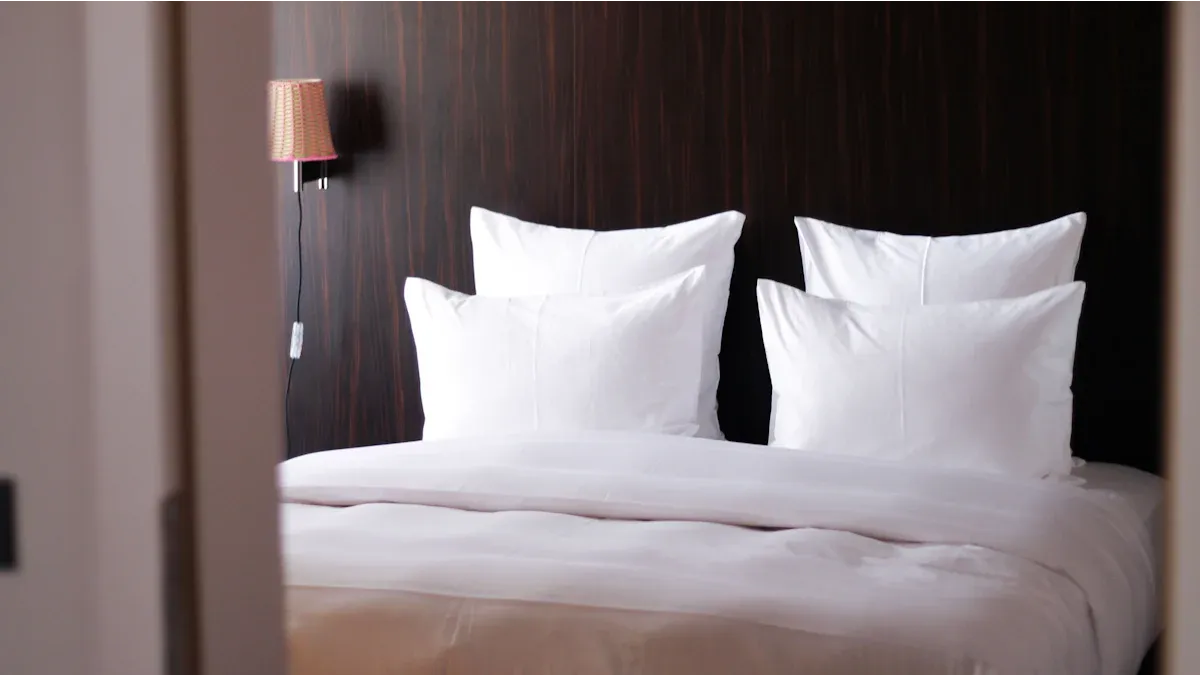
The exceptional durability of 5-star hotel beds begins with their core materials. Manufacturers carefully select each component. These materials ensure both luxurious comfort and long-lasting performance. They form the bedrock of a bed designed to withstand constant use.
Premium Frame Construction and Reinforcement
A strong frame provides the essential foundation for any durable hotel bed. Manufacturers choose robust materials for these frames. Metal bed frames are a common choice in luxury settings. Steel stands out as a primary material for these frames. This includes “superior steel” and “heavy duty high carbon recycled steel.” These materials offer immense strength and stability. They prevent warping or breaking under the stress of daily use. Reinforcements at stress points further enhance the frame’s integrity. This meticulous construction ensures the bed remains stable and supportive for many years.
Advanced Support Systems and High-Density Foams
The mattress’s internal support system directly impacts its lifespan and guest comfort. Luxury hotels utilize advanced support systems. These systems ensure proper spinal alignment and reduce motion transfer. They contribute significantly to the overall quality of a 5 star hotel furniture bed room.
- Premium Hybrid Mattresses: These mattresses combine memory foam and pocketed coil springs. They offer overall support, motion isolation, and excellent edge support. They balance pressure relief with firm support. These mattresses suit various sleep positions and effectively isolate movement.
- Best Memory Foam Mattresses: These mattresses are known for their pressure-relieving properties. They contour to the body and often feature advanced temperature control. They support the natural curvature of the spine.
- Advanced Spring Systems: Innerspring mattresses with advanced coil technology provide consistent, durable support. They feature reinforced edge support and superior motion isolation.
Manufacturers also use high-density foams within these systems. These foams resist sagging and maintain their shape over time. This ensures guests experience consistent comfort and support throughout the bed’s life.
Make sure to check out the latest mattress innovations, like zoned support systems, temperature-balancing fabrics, and hybrid technology in the following hotel-comparable mattress models:
High-Performance Upholstery and Fire Retardancy
The outer layers of a hotel bed must also meet high standards for durability and safety. Upholstery fabrics in a 5 star hotel furniture bed room endure significant wear. Manufacturers select materials for their resilience and aesthetic appeal.
- Solution-dyed fabrics: These fabrics are highly recommended for upholstery. They resist fading and wear, maintaining their appearance over time.
- Top-grain leathers: These leathers are also suggested for upholstery. They often have high Martindale rub counts (40,000+), indicating exceptional durability.
- Recycled PET fabric upholstery: This offers an eco-conscious choice. It provides a sustainable option for hotel furniture without compromising quality.
Beyond durability, fire retardancy is a critical safety feature. Hotel bed upholstery must meet strict fire safety standards.
- California TB 117-2013 Section 1: This standard serves as a minimum performance benchmark for fire resistance in upholstery. It ensures safety in high-traffic environments like hotels.
- Boston BFD IX-11: This standard specifically covers mattresses for hotels, dormitories, and healthcare facilities. It tests the ignition and flame response of bedding, box springs, and mattresses.
- ASTM E1537: This standard provides a method for testing the fire response of upholstered furniture in public occupancies. This includes hotels, when exposed to a flame in well-ventilated areas.
- ASTM E1822: This standard outlines a method for testing the fire response and heat release of stacked chairs. It applies to facilities such as hotels. It uses ignition sources that replicate common accidental and intentional flames.
These rigorous material choices and safety standards ensure hotel beds offer both lasting luxury and peace of mind.
Proving Mettle: Rigorous Quality Testing for Hotel Beds
Manufacturers subject hotel beds to rigorous quality testing. This process ensures they meet high durability standards. It involves several stages, from initial design to real-world performance checks.
Prototyping and Design Validation Processes
The journey of a durable hotel bed begins with careful prototyping and design validation. Manufacturers first define the problem. They select a relevant pain point. They break it down, often using a “5 Whys” exercise. This helps them formulate a hypothesis. Next, they enter the design phase. Here, they explore potential solutions. They use divergent thinking, like generative sketching. Then, they narrow down promising ideas for prototypes. These prototypes can be wireframes or storyboards.
Finally, they move to the testing phase. They develop a test plan and script. They conduct user research sessions with facilitators. They gather feedback, including meaningful quotes and observations. They categorize notes into positive and negative groupings. They analyze collective notes for common themes. This validates or disproves their initial hypotheses. This iterative process refines the bed’s design. It ensures the bed meets user needs and durability goals.
Simulated Use and Accelerated Wear Testing
After design validation, beds undergo simulated use and accelerated wear testing. These tests mimic years of use in a short period. Machines repeatedly compress, roll, and impact mattresses and frames. This checks for sagging, structural fatigue, and material breakdown. For example, a machine might apply pressure thousands of times. This simulates a guest sitting on the edge of the bed daily for years. These tests identify weak points. Manufacturers can then strengthen these areas. This ensures the bed maintains its integrity and comfort over its expected lifespan.
Real-World Performance in Pilot Room Environments
Hotels also test new beds in real-world settings. They install prototypes in select rooms. They gather guest feedback. Mobile surveys or in-person interviews collect this data. This feedback helps refine design elements. For example, they adjust cushion firmness or bed frame mechanisms.
Somnia Suites Hotel Group used a four-phase approach for new king mattresses. First, they defined evaluation criteria. They used a weighted scorecard. This included guest comfort, durability, and thermal regulation. Second, they scanned the market. They shortlisted six leading mattress contenders. Third, they conducted structured pilot testing. They outfitted an entire floor with different mattress models. Guests completed detailed digital surveys. This provided quantitative data on real-world performance. Finally, they performed disassembly and cost analysis. They dissected sample mattresses. This assessed material quality. They correlated physical construction with guest feedback. This comprehensive testing ensures the beds perform well under actual hotel conditions.
Sustaining Excellence: Maintenance for 5-Star Hotel Bed Longevity
Maintaining 5-star hotel beds ensures their long life and continued luxury. Hotels implement specific care routines and cleaning schedules. They also plan for repairs and component replacements. This proactive approach keeps beds in top condition for guests.
Essential Daily Care and Preventative Measures
Hotels practice daily care to extend bed life. Staff members regularly rotate and flip mattresses. This prevents uneven wear and maintains support. They also use high-quality mattress protectors. These protectors shield mattresses from spills, stains, and allergens. Promptly addressing any minor issues, like loose threads or small tears, prevents them from worsening. This attention to detail helps preserve the bed’s appearance and structural integrity.
Professional Cleaning Protocols and Schedules
Professional cleaning is vital for hygiene and durability. Hotels maintain a consistent cleaning schedule for mattresses. They vacuum mattresses using an upholstery attachment, paying special attention to seams and edges. Staff treat stains with safe cleaning solutions. They use baking soda to deodorize mattresses. For thorough cleaning, hotels employ professional-grade equipment or disinfectant sprays. After vacuuming, staff lightly apply a suitable disinfectant spray. They allow it to air dry completely before placing new bedding. This ensures a clean and sanitized sleeping surface. Safe disinfectant options include sprays specifically designed for hotel beds or a mild vinegar solution for routine freshness. The product must be fabric-safe and allow for complete drying. The most effective disinfectant eliminates bacteria without damaging mattress fibers.
Repairability and Strategic Component Replacement
Five-star hotel beds often feature designs that allow for easy repairs. Manufacturers integrate replaceable components into custom hotel furniture. This design philosophy means hotels can replace individual parts instead of the entire bed. Modular designs also allow for easy component replacement. This prevents complete furniture disposal. For example, a hotel can replace a worn spring unit or a damaged leg. This extends the bed’s lifespan significantly. It also reduces waste and long-term costs. This strategic approach to maintenance ensures beds remain functional and luxurious for many years.
Beyond Standards: The Role of Manufacturers in 5-Star Hotel Furniture Bed Room Durability
Manufacturers play a crucial role in ensuring the lasting durability of 5-star hotel beds. Their dedication to quality, innovation, and support extends the lifespan of these essential furnishings. They build beds that consistently meet high expectations for a 5 star hotel furniture bed room.
Commitment to Quality Control and Craftsmanship
Leading manufacturers implement stringent quality control measures. They ensure every bed meets high standards.
- Safety and Compliance Checks: Manufacturers ensure guest safety. They adhere to legal and industry standards.
- Fire safety compliance is crucial for upholstered furniture.
- Paints, adhesives, and finishes must be non-toxic and eco-friendly.
- Stability tests prevent tipping hazards, especially for heavy furniture.
- Child and elderly safety considerations include rounded edges and reinforced structures.
- Aesthetic and Finishing Inspections: Manufacturers verify visual quality and brand identity.
- Color and texture consistency is uniform across production batches.
- Finishing is flawless, without bubbles, scratches, or peeling.
- Upholstery integrity shows even stitching and no loose threads.
- Assembly is seamless, with components fitting perfectly.
- Functionality is smooth for drawers, doors, and hinges.
- Raw Material Testing: Manufacturers test each material thoroughly. This includes memory foam and natural fibers. They check for durability, safety, comfort, and shape retention.
- In-Process Quality Control: Manufacturers implement measures at every stage. They ensure precision in cutting and consistent stitching in sewing. They also check for uniform quilting and accurate assembly.
- Performance Testing: Various tests evaluate mattress characteristics. These include durability, firmness, motion transfer, and flammability.
- Final Inspection and Quality Assurance: Before shipment, mattresses undergo a final inspection. This checks for defects, deviations, and imperfections.
Innovation in Durable Materials and Construction Techniques
Manufacturers constantly innovate materials and construction techniques. This enhances durability for a 5 star hotel furniture bed room. They explore new options to build stronger, more sustainable beds.
| Material | Advantages (Durability Focus) | Disadvantages (Durability Focus) |
|---|---|---|
| Bamboo | – High strength-to-weight ratio, durable and resistant to warping. – Naturally resistant to pests and moisture, enhancing longevity. |
– Can be susceptible to scratches if not properly finished. |
| Reclaimed Wood | – Inherently durable due to age and previous use. – Unique character and strength, resistant to further wear. |
– Availability can be inconsistent. |
| Recycled Metal | – Extremely durable and resistant to corrosion. – Offers high structural integrity for furniture frames. |
– Energy-intensive recycling process. |
| Recycled Plastic | – Highly resistant to moisture, rot, and insects. – Long lifespan and low maintenance requirements. |
– Can be less rigid than wood or metal. |
| Water-Based Finishes | – Protects furniture surfaces from wear and tear. – Low VOCs, safer for indoor environments. |
– May require more coats for equivalent protection. |
| Organic Fabrics | – Strong natural fibers resist tearing and abrasion. – Breathable and comfortable, maintaining aesthetic appeal. |
– Can be prone to wrinkling and fading. |
| Bio-based Composites | – Combines natural fibers with bio-resins, offering strength and flexibility. | – Durability can vary significantly. |
| FSC-Certified Wood | – Sourced from sustainably managed forests. – High quality and durability. |
– Can be more expensive than non-certified wood. |
Manufacturers also use advanced mattress designs:
- Memory Foam: This material contours to the body. It distributes weight evenly and minimizes motion transfer.
- Latex: Natural latex offers responsiveness, support, and breathability. It is also hypoallergenic.
- Hybrid Mattress Designs: These combine innerspring cores with layers of memory foam or latex. This provides robust support and enhanced comfort.
Warranty and After-Sales Support for Long-Term Value
Manufacturers provide warranties and after-sales support. This offers long-term value for a 5 star hotel furniture bed room. A strong warranty demonstrates confidence in product durability. It protects hotels against manufacturing defects. After-sales support includes repair services and component replacement. This ensures beds remain functional and comfortable for many years. This commitment reduces overall ownership costs for hotels.
Five-star hotel beds are engineered for lasting durability. They meet stringent 2025 standards. Their longevity results from superior design, premium materials, rigorous testing, and consistent maintenance. Investing in beds that adhere to these high standards ensures guest comfort and operational efficiency. It also provides long-term cost-effectiveness. The ultimate verdict confirms enduring luxury in hotel beds is achievable through a commitment to quality at every stage.
FAQ
How long do 5-star hotel beds typically last?
Five-star hotel beds typically last 7-10 years. They endure rigorous daily use. Manufacturers design them for exceptional durability. High-quality materials and construction contribute to their longevity. Regular maintenance also extends their lifespan.
Why are certifications important for hotel beds?
Certifications ensure hotel beds meet strict standards. These standards cover safety, quality, and longevity. They guarantee structural integrity and fire resistance. Certifications like CertiPUR-US® confirm material safety and low emissions. This protects guests and ensures product reliability.
What role does maintenance play in bed durability?
Maintenance significantly extends bed durability. Hotels rotate and flip mattresses regularly. They use mattress protectors to prevent damage. Professional cleaning protocols keep beds hygienic. Strategic component replacement also helps. This proactive care ensures lasting comfort and support.
What materials make hotel beds durable?
Durable hotel beds use premium materials. They feature strong metal or reinforced wood frames. High-density foams and advanced spring systems provide support. Solution-dyed fabrics and top-grain leathers offer resilient upholstery. These materials withstand heavy use and maintain their quality.
How do manufacturers test hotel bed durability?
Manufacturers test hotel bed durability rigorously. They use prototyping and design validation. Simulated use and accelerated wear testing mimic years of use. These tests check for sagging and structural fatigue. Hotels also conduct real-world performance tests in pilot rooms.