
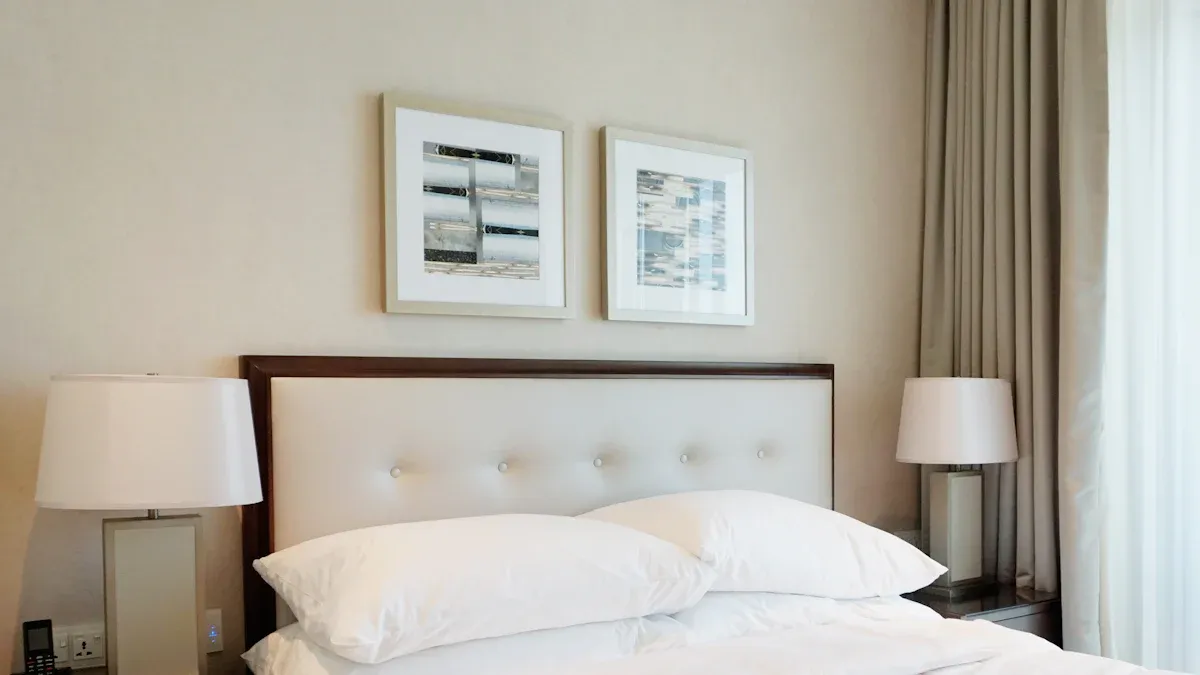
Every hotel strives to make guests feel welcome and comfortable, and this journey begins with the choices made for hotel furniture. Hoteliers must discover a strategic blend of durability, aesthetics, and functionality in each piece, as this thoughtful approach directly impacts the overall guest experience. For instance, a boutique hotel in New York observed a 15% increase in positive reviews after upgrading its guest room furnishings with high-back chairs and plush sofas. This success story underscores the critical importance of a comprehensive hotel furniture buying guide. Such a guide offers invaluable hotel furniture procurement tips, detailing precisely what to look for when buying hotel furniture, including crucial advice on how to choose hotel beds. Even exploring OEM hotel furniture options can prove to be a smart and strategic move for any establishment.
Key Takeaways
- Understand your guests and hotel brand first. This helps you choose furniture that fits their needs and your hotel’s style.
- Pick comfortable and strong beds. Good beds make guests happy and last a long time.
- Choose furniture that is easy to clean and maintain. This keeps rooms tidy and saves time for hotel staff.
- Work with reliable suppliers. They provide good quality furniture and help you after you buy it.
- Plan for furniture delivery and setup. This makes sure everything goes smoothly when new furniture arrives.
Understanding Guest Needs and Hotel Brand for Hotel Furniture
Define Your Target Guest Demographics
Before selecting any piece, hoteliers must clearly understand their target guests. Who stays at the hotel? Are they business travelers needing efficient workspaces, or families looking for durable, child-friendly options? Perhaps they are luxury seekers expecting plush, oversized seating. Defining these demographics helps hoteliers make informed decisions about the type, style, and durability of the furniture. For example, a hotel catering to young, adventurous travelers might prioritize modular and versatile pieces, while a business hotel focuses on ergonomic chairs and ample desk space.
Align Hotel Furniture with Brand Style
The furniture in a hotel room speaks volumes about its brand. Boutique hotels, for instance, often differentiate themselves significantly from larger chain hotels through their furniture choices. Boutique properties frequently feature pieces crafted specifically for their unique spaces. They often procure one-off items or specialty finishes not readily available elsewhere. This approach allows them to create a distinct identity through material, form, and feel, anchoring the property’s unique character. Custom furniture is tailored to the exact scale of the room, reinforcing flow and spatial harmony. In contrast, chain hotels typically rely on brand-approved selections with standardized specifications, often sourced from a short list of pre-vetted vendors. These mass-produced pieces offer minimal variation and are designed for generic dimensions, which can sometimes clash with the proportions of unique spaces.
Establish Your Hotel Furniture Budget
Setting a realistic budget is a crucial step in the procurement process. The cost of furniture for hotel renovations typically ranges from $500 to $2,000 per room. This range depends heavily on the quality and style of the chosen pieces. Investing in durable and stylish hotel furniture proves beneficial in the long term, enhancing guest comfort and the overall experience. A well-planned budget ensures hoteliers can acquire high-quality items that align with their brand and guest expectations without overspending.
| Cost Component | Estimated Cost Range |
|---|---|
| Furniture and Fixtures | $500 – $2,000 per room |
Key Hotel Furniture Categories and Selection Criteria
Selecting the right hotel furniture involves more than just picking attractive pieces. It means understanding the specific purpose each item serves in enhancing the guest experience. From a good night’s sleep to a productive work session, every furniture choice plays a vital role.
Choosing Comfortable and Durable Beds
A hotel bed is often the centerpiece of a guest room, and its quality directly impacts guest satisfaction. Hoteliers should prioritize beds that offer both exceptional comfort and long-lasting durability. For ultimate guest comfort, look for beds with ergonomic mattresses and pillows. These features evenly distribute body weight, which alleviates pressure points and significantly enhances sleep quality.
Consider mattresses that provide balanced support, leaving guests feeling refreshed. Adjustable headboards are a great addition, allowing guests to recline comfortably for reading or watching TV. Offering a variety of pillow options, from soft to firm, also lets guests personalize their sleep experience. Some advanced options even include adjustable firmness settings, further tailoring comfort to individual preferences. High-quality materials in both the mattress and frame ensure elegance and resilience.
Durability is just as crucial as comfort. Hotel mattresses face constant use, so they need to withstand significant wear and tear. Brands like Serta and Beautyrest Hospitality engineer their mattresses specifically for commercial environments. They use commercial-grade materials for unmatched support and durability, which helps prevent frequent mattress replacements. These specialized mattresses often feature stronger gauge coil systems, like Pocketed Coil® Springs or Continuous Support Innersprings, designed for maximum motion absorption and exceptional durability. They also incorporate robust box springs, such as EnduroTECH™ or Duraforce™, built to handle the demands of hotel use. It is important to note that these hospitality-grade products differ from retail versions and are not sold in stores. When considering warranties, Serta, for example, offers a 10-year non-prorated warranty for many of its hospitality mattresses, provided the bed frame has proper support (e.g., a king-size frame needs a minimum of six legs and three cross supports).
Evaluating Seating Options for Relaxation
Beyond the bed, seating options create inviting spaces for guests to relax, read, or socialize. The right chairs and sofas can transform a room into a cozy retreat. When selecting seating, hoteliers should balance comfort with the ability to withstand frequent use.
Consider the frame materials first. Hardwoods like oak and ash provide strong support and a long life, while metal frames offer a modern look and excellent weight capacity. For upholstery, polyester blends, vinyl, and leather are popular choices because they resist stains and offer good durability. Performance fabrics, treated with protective coatings, are especially useful in high-traffic areas as they resist spills and wear. Inside, top-quality foams ensure comfort without sagging over time, and reinforcements like sinuous springs or webbed seating contribute to lasting comfort and structural integrity. Always look for contract-grade lounge furniture. This type of furniture is specifically designed for commercial use, featuring reinforced frames, high-resilience foam, and abrasion-resistant upholstery to ensure both durability and comfort for years to come.
Designing Functional Workspaces
Many guests, especially business travelers, need a functional workspace within their room. A well-designed desk and chair can significantly enhance their stay. The goal is to create an area that is both productive and comfortable, accommodating various devices and work styles.
Modern hotel workspaces often integrate technology seamlessly. Wireless charging furniture, for instance, builds charging pads directly into nightstands, desks, or coffee tables. This offers a simple, stress-free way for guests to power their devices without dealing with tangled cords or incompatible plugs. Furniture with built-in speakers or sound systems allows guests to connect their devices for music or movies, keeping the room tidy by eliminating bulky equipment. Ergonomic and adjustable furniture is also key. This includes chairs with customizable lumbar support and desks that adjust for sitting or standing, enhancing comfort for both work and relaxation. For smaller rooms, space-saving designs like foldable desks, wall-mounted beds, or stackable seating maximize space without sacrificing functionality. Modular furniture systems offer even more flexibility, allowing easy adjustments to room layouts, such as rearranging seating or converting a bed into a workspace, to meet diverse guest needs.
Optimizing Storage Solutions
Guests bring a lot of belongings, and they need a place for everything. Smart storage solutions are crucial, especially in compact hotel rooms. They help keep spaces tidy and make guests feel more organized and comfortable. Hoteliers often look for innovative ways to maximize every inch.
Consider built-in furniture, for example. Beds with drawers underneath or lift-up storage compartments are fantastic. They hide away luggage or extra bedding without taking up precious floor space. Wall-mounted shelves and hooks also work wonders. They provide storage for toiletries, books, or coats, keeping the floor clear and the room feeling more open. Modular furniture with hidden storage, like ottomans or benches that double as storage units, offers flexibility and function. You can even find fold-out or retractable furniture, such as wall beds or drop-leaf tables, which guests can stow away when they do not need them. This flexibility truly transforms a room.
Here are some clever items hotels use to boost storage without cluttering the room:
- Over-the-door shoe organizers: These are super versatile for shoes, toiletries, or small items.
- Hanging closet shelves: They add extra space for folded clothes and shoes right inside the closet.
- Under-bed storage bins: Perfect for extra bedding, shoes, or out-of-season clothing, often with wheels for easy access.
- Bedside caddies: Guests love these for keeping phones, books, and water bottles within easy reach.
- Luggage racks with shelves: These lift luggage off the floor and offer extra shelving for clothes.
- Rolling carts: A versatile mobile unit can serve as a mini-bar, coffee station, or even a small workstation.
- Wall-mounted shelves: They use vertical space for display, toiletries, or books.
- Hanging jewelry organizers: These keep jewelry organized and tangle-free.
- Foldable storage cubes: Portable and collapsible, they save space when not in use.
- Under-sink storage: This maximizes often-overlooked space for toiletries and supplies in the bathroom.
Ultimately, multifunctional furniture integrates multiple uses into a single piece. Think about beds with built-in storage, desks, or seating areas. Modular and transformable designs allow furniture to be reconfigured, folded, or expanded to adapt to different needs. Space-saving innovations like wall-mounted or folding furniture, loft beds with integrated workspaces, and stackable/nesting furniture are all excellent choices. Smart storage solutions, such as hidden compartments, concealed cabinets, built-in shelving, and hanging systems, offer storage without compromising the room’s look.
Selecting Appropriate Casegoods
Casegoods are the essential pieces that complete a hotel room’s functionality and style. These include dressers, nightstands, TV consoles, and wardrobes. They need to be both durable and aesthetically pleasing to withstand constant use while contributing to the room’s overall design.
When choosing materials for casegoods, hoteliers often prioritize longevity and ease of maintenance. Materials like wood, metal, and laminate are popular choices. They offer inherent durability, look great, and stand up well to the demanding environment of hospitality settings. High-quality finishes and textures also play a big role. They enhance both the visual appeal and the longevity of the furniture.
Let’s look at some common materials and their characteristics:
| Material | Durability/Maintenance | Aesthetic Appeal |
|---|---|---|
| Solid Wood | Requires more maintenance | Timeless |
| Laminate | High resistance to scratches and stains | Budget-friendly |
| Metal Accents | Very durable, easy to clean | Modern/Industrial |
| Glass | Requires frequent cleaning | Adds sophistication |
Solid wood offers a classic, timeless look, but it might need more care to prevent scratches or water damage. Laminate, on the other hand, is a fantastic choice for busy hotels. It resists scratches and stains very well, making it easy to maintain and budget-friendly. Metal accents can add a modern or industrial touch, and they are incredibly durable. Glass elements can bring a touch of sophistication, but they do require frequent cleaning to keep them sparkling. The right combination of these materials ensures your hotel furniture looks great and lasts for years.
Practical Considerations for Hotel Furniture Procurement
Selecting Durable and Maintainable Materials
Choosing the right materials for hotel furniture is a big decision. It directly impacts how long the pieces last and how much work they need to stay looking good. Hoteliers want furniture that can handle constant use and still look great for guests. They also need materials that are easy to clean and maintain.
When considering wood options, hoteliers often compare solid wood and engineered wood. Each has its own set of benefits and drawbacks.
| Feature | Solid Wood (Wooden Furniture) | Engineered Wood (Panel Furniture) |
|---|---|---|
| Advantages | Highly durable, lasts generations with care, retains value, natural beauty, elegance, warmth | More affordable, lightweight, easier to mass-produce, up to 30% lower production costs |
| Disadvantages | More expensive (raw materials, manufacturing complexity), susceptible to environmental factors (humidity, temperature changes, warping, cracking) | Less durable, edges prone to chipping, surface scratches easily |
Medium-density fiberboard (MDF) is a common type of engineered wood. It offers some distinct advantages over solid wood for certain applications. For example, chemical substances in MDF can eliminate pests and woodworm. It also experiences less damage from humid conditions during long-term use. MDF offers design flexibility because of its dimensional customization. It does not crack or split during luxury hospitality furniture production, making it an economically reasonable choice.
However, MDF also has its downsides compared to solid wood. It lacks the natural wood grain that many people love. Standard MDF easily absorbs moisture, which leads to swelling, warping, or loss of structural strength. This makes it unsuitable for damp areas. MDF is dense but not as strong as solid hardwood, so shelves might sag under heavy loads. Large MDF panels are also heavy, making handling and installation challenging. Cutting or sanding MDF produces fine dust that can irritate the respiratory system. Finally, MDF is sensitive to heat and steam, which can cause finishes to peel or surfaces to bubble. Lower-quality MDF boards may also release higher levels of formaldehyde, affecting indoor air quality. However, premium MDF can meet E0/E1 emission standards, which are healthier building requirements.
Eco-friendly engineered wood offers a stable structure and is not prone to deformation. It suits mass production with controllable costs. Certified engineered wood (E0, CARB P2) has low formaldehyde emissions, meeting healthy building requirements. However, low-quality engineered wood may have adhesive pollution risks. Its surface wear resistance and impact resistance may also need enhancement through laminated finishes.
Optimizing Hotel Furniture for Room Layouts
Hotels often deal with various room sizes and shapes. This means they need furniture that can adapt. Modular furniture designs offer great flexibility for different hotel room layouts. This ability to rearrange and reconfigure furniture allows for an ever-evolving guest experience. Spaces can adapt to meet the specific needs of each guest, creating a personalized and dynamic environment that goes beyond the limits of small spaces.
Modular furniture helps hotels in several ways:
- Space-Efficient Room Layouts: Wall-mounted units, sliding wardrobes, and compact furniture for seamless movement and storage.
- Custom-Tailored Designs: Hoteliers can personalize finishes, colors, and sizes to match their property’s decor and branding.
- Quick Turnaround & Easy Installation: Factory-finished modular units assemble on-site without extended downtime.
- Comfort-Driven Guestroom Furniture: Ergonomic beds, side tables, study desks, and TV panels designed for restful experiences.
- Cohesive Aesthetic Across Zones: Lobby, dining, and guest room furniture can have a consistent material and design language.
Modular furniture adapts to different layouts, saves space while staying functional, supports sustainable practices, and improves the guest experience. It allows rooms to adjust seamlessly. For example, a sectional sofa can rearrange to open up floor space. Modular shelving can fill awkward nooks to make them functional. This flexibility makes it easy to serve different guest types, from solo travelers to families, without changing the room’s core design.
Consider these clever modular pieces:
- Sofa beds with hidden storage: These serve as seating by day and sleeping by night, with space to stow luggage or extra linens.
- Foldable desks and wall-mounted tables: These provide guests with workspace options while keeping floors clear when not in use.
- Sectional sofas: These can rearrange to create open spaces, accommodate small groups, or provide lounging options.
- Stackable or nesting chairs: Perfect for saving space, these chairs can easily store when not in use.
Modular pieces are designed to adapt over time. Reconfigurable furniture can adjust to meet new layouts or guest needs without requiring a full replacement. This long-term flexibility aligns with trends in modular construction. Applying this approach to guest room furniture allows hotels to stay adaptable, sustainable, and cost-efficient as guest demands change. Modular furniture offers the flexibility required to meet guest and planner demands quickly and efficiently. Because pieces can interchange and fit together in almost limitless combinations, guests can feel like they have designed a setup suited perfectly to them. Many pieces also offer the ability to switch out textiles, hardware, or veneers, giving planners and guests further control over the vision for their event. The flexibility of modular furniture pieces allows hotels to change the look and feel of event spaces easily, as furniture can move around to modify design layouts very quickly. This lends itself to events that take place across multiple days or at different times of the day.
Ensuring Ease of Cleaning and Maintenance
Cleanliness is paramount in any hotel. Guests expect spotless rooms, and hotels need furniture that makes this possible. Selecting materials and finishes that are easy to clean and maintain saves time and ensures a hygienic environment.
For upholstery, modern synthetic materials offer enhanced durability and design flexibility.
- Polyester offers excellent stain resistance and color retention with a soft texture.
- Solution-dyed nylon is known for exceptional durability and fade resistance in high-traffic areas.
- Olefin delivers superior moisture-wicking properties and remarkable colorfastness.
- Polyurethane fabrics provide outstanding resistance to wear, chemicals, and UV damage.
- Acrylic fabrics (like Sunbrella) offer built-in antimicrobial properties and a luxurious feel.
Advancements also blend comfort with high-performance attributes in natural fiber options:
- Wool-blend innovations incorporate stain-resistant technologies and antimicrobial properties. Nano-scale fiber treatments enhance stain resistance and increase abrasion resistance (up to 100,000+ double rubs).
- Linen-poly hybrids offer enhanced durability and stain resistance without sacrificing natural aesthetic, often with 45/55 or 40/60 linen-to-polyester ratios.
- Modern organic cotton treatments include eco-friendly flame retardants, moisture-wicking capabilities, bio-based fluorocarbon-free repellents for superior stain resistance, nano-scale antimicrobial applications using silver ions, plant-derived flame retardants, and natural enzyme stabilizers for color fastness and UV protection.
Performance fabrics with liquid-repelling finishes, such as Nanotex or Crypton, provide essential protection against food and beverage spills.
- Crypton is a popular topical treatment for commercial fabric that provides a moisture barrier and stain resistance. It can result in a stiffer fabric texture.
- Nanotex uses nanotechnology to create a stain-resistant surface without altering the fabric’s feel. It offers decent protection but may not be as long-lasting as other options.
- ALTA bonds at a molecular level with the fabric, offering superior protection against spills, stains, and microbes. It maintains the fabric’s natural softness and breathability, providing invisible, long-lasting protection without compromising aesthetics.
- Fabric backings provide structural stability, preventing sagging, stretching, and tearing. Common materials include knit backings for flexibility and latex backings for stability and slippage prevention, extending furniture life.
Beyond upholstery, all materials and finishes must be compatible with hospital-grade detergents, cleaners, and disinfectants. For wood surfaces, hoteliers must ensure they are sealed or finished to be nonporous. Upholstered furniture in patient care areas should be covered with fluid-resistant, non-porous fabrics that can withstand hospital-grade disinfectants. Hoteliers should avoid untreated woven fabrics. Upholstered surfaces should be durable and resist tearing, peeling, cracking, or splitting. They should prefer flatter upholstery fabrics with minimal texture for easier cleaning. Design considerations also include large radii on edges, minimal radii on abutting surfaces, and easily removable parts (cushions, arm pads) to facilitate cleaning and prevent contaminant entrapment.
Evaluating Hotel Furniture Supplier Reliability
Choosing the right supplier for your hotel furniture is just as important as picking the furniture itself. A reliable supplier ensures you get quality products on time and within budget. They also stand behind their products after the sale. Hoteliers need to look for partners who show a strong commitment to quality and ethical practices.
Many suppliers reinforce their commitment to quality through industry certifications and compliance standards. For example, Sara Hospitality makes sure their manufacturing processes meet or even exceed regulations for hospitality furniture. This gives buyers confidence. You can look for specific certifications like AWI “Premium Grade,” which shows top-notch woodworking. FSC-certified materials mean the wood comes from responsibly managed forests. GREENGUARD or LEED compliance indicates the products meet strict indoor air quality standards or broader green building requirements. ISO-certified production processes show a company follows international quality management standards.
Yumeya Furniture also highlights their many certificates. These prove their dedication to quality. Third parties regularly inspect their hotel room chairs. These certifications give management internal confidence. They also offer external assurance to customers, government agencies, and regulators. This shows them meeting high standards and helps them stand out from competitors. Always ask potential suppliers about their certifications and quality control processes. This helps you choose a partner you can trust.
Considering Sustainability and Eco-Friendly Options
Today, many guests care about the environment. Choosing sustainable and eco-friendly furniture options can appeal to these guests. It also shows your hotel’s commitment to corporate responsibility. Selecting rapidly renewable materials for furniture manufacturing helps the environment. It reduces the demand for new resources and minimizes harm to nature.
Consider materials like bamboo. It grows incredibly fast, reaching maturity in just 3-5 years. This makes it a highly renewable resource. It has a much lower environmental impact than slow-growing hardwoods. Bamboo also absorbs carbon faster than many trees, which helps fight climate change. Its strong root system prevents soil erosion and helps save water.
Recycled metals, like aluminum and steel, also offer great benefits. You can recycle these metals indefinitely. This saves resources and reduces waste. Using recycled metal in furniture production lowers the environmental impact of mining and mining processing. It also saves energy and reduces how many new resources we use. Recycled plastic is another excellent choice. Repurposing plastic waste into furniture helps reduce plastic pollution. It also conserves resources. This material resists moisture, insects, and UV damage, making it good for outdoor use. Advances in recycling technology now create high-quality, attractive products from recycled plastic.
Choosing furniture made from renewable materials like bamboo, reclaimed wood, and recycled metals ensures environmentally friendly production. This approach reduces the carbon footprint of furniture manufacturing. It helps preserve biodiversity and promotes conservation efforts. It also limits deforestation and habitat destruction by reducing the demand for new materials. These choices benefit the planet and can enhance your hotel’s image among environmentally conscious travelers.
The Hotel Furniture Procurement Process: From Planning to Installation
Procuring new furniture for a hotel involves many steps. It starts with careful planning and ends with installation. Each stage ensures the hotel gets the best pieces for its guests. This process helps avoid costly mistakes and ensures quality.
Developing Detailed Furniture Specifications
Hoteliers must create clear plans for every piece of furniture. These plans, called detailed specifications, guide manufacturers and suppliers. A comprehensive specification document includes:
- Item name and category (e.g., Lounge Chair, Pendant Light)
- Product image or render
- Manufacturer and vendor information
- Product code or SKU
- Dimensions and weight
- Material and finish details
- Color and fabric selections
- Certifications (e.g., fire rating, ADA compliance)
- Warranty and maintenance notes
- Sustainability labels (FSC, LEED points, etc.)
- Installation information
- Drawings (e.g., floor plans, elevations)
- Other relevant details (e.g., specific types of appliances, installation methods)
These detailed plans ensure everyone understands the exact requirements for each item.
Requesting and Reviewing Furniture Samples
After creating specifications, hoteliers ask suppliers for samples. Reviewing these samples is a critical step. It allows them to see and touch the actual materials and finishes. They check if the sample matches the specifications. They also ensure the quality meets their standards. This step helps confirm the furniture will look and feel as expected in the guest rooms.
Conducting Mock-Up Room Evaluations
Hotels often set up a mock-up room. They place all the new furniture in this sample room. This allows them to see how everything fits and functions together. They assess several key areas:
- Quality and Appearance: They check wood quality, surface finish, color consistency, upholstery, and overall look.
- Structural Integrity and Stability: They test joint strength, hardware, assembly quality, and stability. No one wants a wobbly table.
- Functionality: They ensure drawers open smoothly and all moving parts work correctly.
- Safety: They look for sharp edges and confirm compliance with flammability and chemical safety standards.
- Durability and Performance: They check load capacity, material strength, and resistance to wear.
- Compliance: They verify adherence to mandatory and recommended standards like ANSI/BIFMA or REACH.
This evaluation helps hoteliers make final decisions before ordering for all rooms.
Negotiating Contracts and Pricing
After selecting the right pieces, hoteliers must negotiate contracts and pricing. This step ensures they get the best value for their investment. Successful negotiation requires preparation, communication, flexibility, transparency, assertiveness, and thoroughness. This helps achieve a mutually beneficial partnership.
Hoteliers should conduct thorough market research. They need to understand current market trends and pricing. This includes growth projections for the luxury indoor hotel furniture market. They also select the right suppliers. These suppliers must align with the hotel’s quality standards and budget. Hoteliers communicate specific needs clearly. They leverage supplier competition by obtaining multiple bids. This encourages competitive offers and helps drive down prices.
Beyond pricing, hoteliers discuss agreement terms. These include delivery times, payment schedules, and warranties. They clarify any ambiguities and obtain written documentation. Hoteliers can leverage their business influence, especially for large quantity purchases. This helps them negotiate bulk discounts or customized pricing. Repeat customers or those with long-standing relationships often have more leverage for favorable terms. Consider the total cost of ownership. Evaluate the initial purchase price, maintenance, and potential replacement costs. Favor durable, high-quality furniture for long-term savings. Building long-term relationships with suppliers also helps. Foster positive, collaborative relationships through open communication for better pricing, quality, and service.
Planning for Delivery and Installation Logistics
Planning for delivery and installation logistics is crucial. This stage ensures a smooth transition from purchase to guest-ready rooms. Many challenges can arise during large-scale furniture delivery and installation.
Consider these common logistical hurdles:
- Direct-to-Site Delivery Issues: Furniture shipped directly to the hotel site can cause problems if rooms are not ready. This requires alternative storage solutions like meeting rooms or on-site Conex units. Missing items might only appear after installation starts, especially if the vendor is no longer in business. This causes significant delays and impacts opening dates.
- Inoperable Elevators: A non-functional elevator in multi-story buildings creates a major hurdle. It affects delivering and installing furniture on upper floors. This might mean using a tall forklift with a boom to lift furniture through windows. This method carries risks like damage due to high winds.
- Large-Scale Coordination: Projects with many guest rooms and common areas demand meticulous coordination. Efficient execution is necessary to meet deadlines while maintaining quality standards.
- Brand Standard Adherence: For branded properties, all furniture, fixtures, and equipment (FF&E) must align with specific brand image and design guidelines. This adds complexity while maintaining the hotel’s unique identity.
- Timelines and Budget Constraints: Strict project timelines and budget considerations require optimizing the installation process. This ensures on-time completion without compromising quality.
Careful planning helps avoid these issues. It ensures a seamless installation process.
Ensuring Longevity and Support for Your Hotel Furniture
Understanding Warranty and After-Sales Service
When hotels invest in new pieces, they need to know these items will last. A strong warranty and reliable after-sales service provide this assurance. The industry standard warranty period for hotel furniture is typically five years. This warranty covers defects in materials and workmanship under normal use from the delivery date. It also includes provisions for damaged parts, repair, replacement, on-site or factory service, and freight charges. A good commercial furniture warranty guarantees the furniture is free from defects. Hoteliers should look for longer warranty periods, as this often shows a manufacturer’s confidence in their product quality. The scope of coverage should ideally include manufacturing defects, material defects, and structural problems. Some warranties even cover wear and tear. Leading manufacturers also offer excellent after-sales support. They:
- Guarantee product quality.
- Provide prompt and satisfactory solutions for client feedback or issues.
- Aim to establish long-term collaborative relationships.
- Assist clients throughout the project process.
- Continue to provide support even after project completion.
Implementing a Furniture Maintenance Schedule
To make furniture last, hotels must implement a solid maintenance schedule. Regular cleaning and protection are key. Staff should dust furniture daily, use non-abrasive cleaners, and wipe up spills immediately. Applying protective coatings on wooden surfaces helps. To prevent wear and tear, use protective covers and placemats. Rotate furniture pieces periodically and avoid direct sunlight. Staff must follow proper handling procedures. For upholstery, vacuum weekly and use stain-resistant treatments. Professional deep cleaning every three to six months is also important. Avoid harsh chemicals. For wood, polish regularly and use coasters. Check and tighten loose joints. For metal, wipe with a damp cloth and apply rust-resistant coatings for outdoor items. Rotate and flip mattresses every three to six months, use mattress protectors, and replace bed linens regularly. Professional services should be scheduled at least once a year for deep cleaning, structural inspections, and refinishing. This proactive approach extends furniture life.
Planning for Future Furniture Replacements
Even with the best care, furniture eventually needs replacement. Hotels must plan for this cycle. Before the Great Recession, hotel remodels, which include replacing furniture, typically happened about every five years. While this pace slowed for a while, these remodels are now frequent again. This means hotels should budget and plan for furniture updates every five to seven years. This ensures rooms stay fresh, modern, and comfortable for guests. Planning ahead helps avoid sudden, large expenses and keeps the hotel competitive.
Thoughtful hotel furniture procurement is a strategic investment. It ensures guest comfort and satisfaction. This directly translates into repeat business and loyalty. Always prioritize a guest-centric approach when buying. This focus creates memorable experiences and builds lasting relationships with visitors. Ultimately, quality choices today secure success for tomorrow.


