
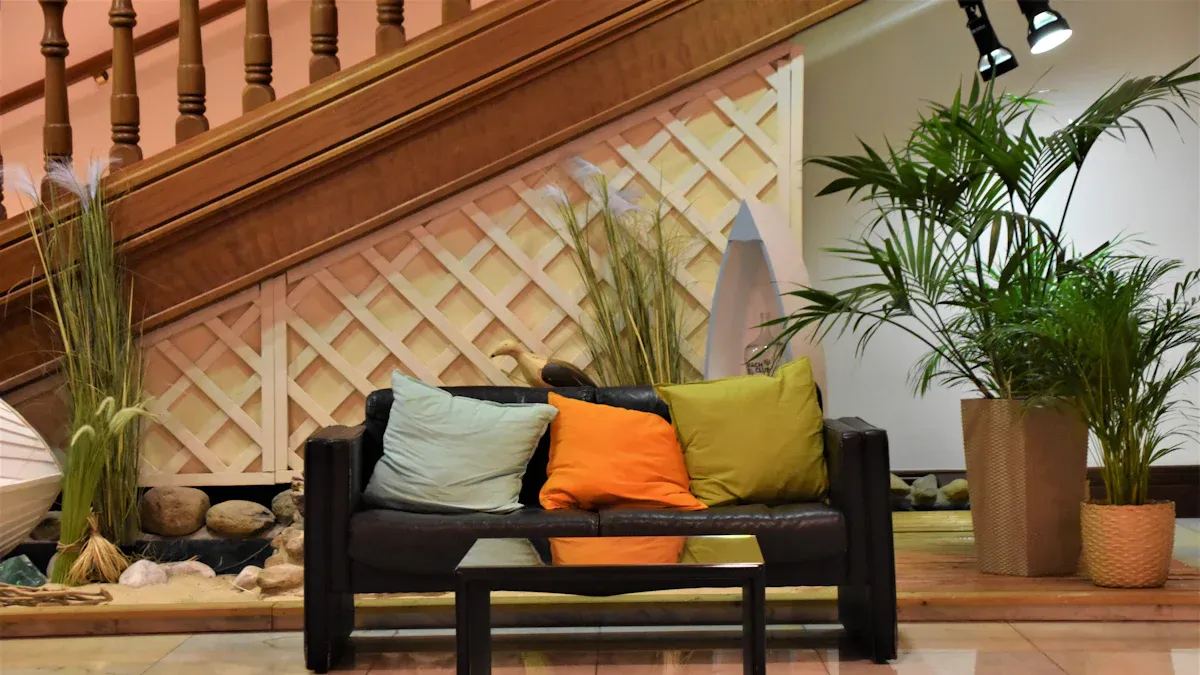
The top hotel furniture materials for custom hotel furniture today are diverse, ranging from various woods and metals to advanced composites and textiles. Each material offers unique benefits, depending on a hotel’s positioning and design goals. This demand for tailored solutions drives significant growth in hotel furniture customization. The global five-star hotel furniture market, for instance, projects an 8.5% growth through 2033 for hotel project furniture, emphasizing the need for quality Contract Furniture for Hotels. Many ask, "What are the best materials for hotel furniture?" A Custom Hotel Furniture Manufacturer understands these diverse needs.
Key Takeaways
- Hotels choose furniture materials based on their brand and guest needs. Luxury hotels use premium materials. Mid-range hotels balance style and value. Budget hotels focus on durability and easy care.
- Wood, metal, and upholstery fabrics are key material choices. Hardwoods offer lasting beauty. Metals provide modern strength. Upholstery fabrics add comfort and style, with many options for durability and easy cleaning.
- Stone, glass, and acrylic add sophistication and modern appeal. Stone materials like marble and engineered quartz offer elegance and resilience. Glass and acrylic provide lightness and are easy to clean.
- Durability, easy maintenance, and cost are important factors. Hotels need furniture that lasts in busy areas. Materials should be simple to clean. Investing in good quality saves money over time.
- Sustainability and safety are also key. Hotels choose eco-friendly materials. Fire retardant treatments protect guests and property. These choices help hotels meet safety rules and care for the environment.
Aligning Hotel Furniture Customization with Property Positioning
A hotel’s brand and target audience heavily influence its furniture choices. Different property types demand specific material selections to meet their unique aesthetic, functional, and budgetary needs. Thoughtful material selection ensures the furniture aligns perfectly with the hotel’s overall vision.
Luxury Properties: Premium Materials for Exclusivity
Luxury hotels aim to create an exclusive and opulent experience for their guests. They often choose materials that exude sophistication and offer lasting beauty. For instance, they frequently use rich hardwoods such as mahogany, oak, walnut, and teak for their furniture frames and surfaces. Metal finishes like brass, stainless steel, and aluminum add a touch of modern elegance. Upholstery often features luxurious fabrics like velvet, leather, and fine linen, providing both comfort and visual appeal. Marble is a popular choice for lobby tables, reception desks, bathroom countertops, and dining surfaces, offering a timeless, high-end look. Many luxury properties also incorporate eco-friendly materials such as reclaimed wood, recycled metals, and bamboo, reflecting a commitment to sustainability. Fire-resistant materials, including treated hardwood and flame-retardant upholstery, ensure guest safety.
Mid-Range and Boutique Hotels: Balancing Style, Quality, and Value
Mid-range and boutique hotels seek to offer a stylish and comfortable experience without the extravagant costs of luxury properties. They prioritize materials that strike a balance between aesthetics, durability, and value. For furniture frames, they often select hardwoods like oak and ash for strong support, or metal frames for a modern, industrial look. Upholstery commonly includes polyester blends, vinyl, and leather, chosen for their stain resistance and durability. Performance fabrics with protective coatings are also popular in high-traffic areas. These hotels often use finishes like laminate, which is durable and scratch-resistant, mimicking wood or stone. Veneer offers a natural wood look, while lacquer provides a smooth, glossy finish. Paint allows for endless color variety and custom looks. They also combine materials, such as wood grain tops with painted drawers or metal legs, to create a layered aesthetic. Detail touches like brass edging or leather-wrapped handles elevate the furniture’s appearance.
Budget and Extended Stay Properties: Prioritizing Durability and Low Maintenance
Budget and extended-stay properties focus on providing comfortable, functional, and highly durable furniture that withstands constant use and requires minimal upkeep. These hotels need materials that are robust, easy to clean, and cost-effective. They often select materials known for their resilience against wear and tear, ensuring the furniture maintains its appearance over time. The emphasis here is on practical solutions that can handle frequent guest turnover and rigorous cleaning protocols. This approach to hotel furniture customization helps these properties manage operational costs effectively while still offering a pleasant stay.
Essential Material Choices for Custom Hotel Furniture

Choosing the right materials for custom hotel furniture is a crucial step. These choices directly impact the furniture’s look, feel, and how long it lasts. Hoteliers consider many factors, including durability, aesthetics, and maintenance, when selecting materials.
Wood: Enduring Elegance and Versatility
Wood remains a timeless choice for hotel furniture. It offers natural beauty and warmth. Hardwood options like oak, maple, and walnut provide excellent longevity. Softwoods such as pine and fir offer more budget-friendly alternatives.
Different wood types bring unique characteristics to furniture design. Oak is a highly durable and strong hardwood. It features a prominent grain and offers rich color options, making it versatile for many interior styles. Maple is known for its lighter finish, smooth grain, and durability. Designers often choose maple for contemporary and minimalist designs because it stains or paints easily. Walnut is valued for its rich, dark color and striking grain patterns. It offers a luxurious choice for high-end custom furniture. Walnut is strong, stable, and adds sophistication to any space.
Other popular wood choices include mahogany, known for its rich and elegant aesthetic, and cherry, which offers a warm and rich look. Pine is an affordable and lightweight softwood. It has a distinctive grain, adding rustic charm, and is easy to work with for intricate designs. Cedar is a softwood prized for its natural resistance to moisture, insects, and decay. It also has aromatic properties and a reddish-brown color, making it versatile for both indoor and outdoor furniture. Fir is another versatile softwood with a straight grain and uniform texture. People use it for its workability and strength. Its light color can be stained or painted to match various decors. Beech and ash also offer good durability and contemporary aesthetics.
Metals: Modern Strength and Design Flexibility
Metals bring modern strength and design flexibility to hotel furniture. They offer sleek lines and a contemporary feel. Common metal types utilized in custom hotel furniture construction include stainless steel, aluminum, iron, and steel.
Metal furniture is inherently strong. It resists wear and tear, scratches, dents, and moisture. This makes it very durable for high-traffic areas within a hotel. Stainless steel provides a polished, modern look and resists corrosion. Aluminum is lightweight and versatile, often used for outdoor furniture or contemporary indoor pieces. Iron offers a classic, robust feel, while steel provides excellent structural integrity. Designers appreciate metals for their ability to create intricate shapes and minimalist forms. They also combine metals with other materials, like wood or glass, to achieve unique design statements.
Upholstery Fabrics: Comfort, Aesthetics, and Performance
Upholstery fabrics are essential for comfort, aesthetics, and performance in hotel furniture. They add color, texture, and softness to a space. Hoteliers choose from a wide range of fabric types, each with specific benefits.
Leading upholstery fabric types for hotel furniture include modern nylon fibers. These are popular for their durability and ease of cleaning because they do not absorb moisture easily. Natural leather is very durable and easy to keep clean, though it comes at a higher price. Ecological leather offers a more affordable alternative. It is also easy to clean but less durable than natural leather.
Other options include artificial fibers like cellulose and viscose. Synthetic fibers are also widely used. These include polyester, polypropylene, elastane, polyurethane (often seen in eco-leather), and acrylic. Natural fibers like cotton, silk, jute, linen, and wool provide different textures and feels. Linen and hemp are robust, plant-based fibers with good stretch. Cotton is strong and durable, often appearing in cotton mix weaves. Viscose, a man-made fiber from wood-pulp, drapes well and feels soft. It is often blended with natural fibers. Polyester is a synthetic fiber that adds strength and crease resistance. Recycled polyester is a good choice for commercial upholstery. Wool is versatile, naturally fire-resistant, and sustainable. Velvet, a pile fabric, often uses viscose mixes for lower maintenance. Hide, such as leather and suede, is a very sturdy, resilient, and durable natural product.
When considering performance, different fabrics offer varying characteristics against wear and tear.
- Nylon is one of the strongest synthetic fibers. It offers high resistance to wear and tear, mildew, and abrasions. Nylon also maintains its shape and appearance well.
- Polyester is durable and long-lasting. It resists wrinkles, shrinking, stretching, fading, and stains. However, it can have static and piling issues.
- Olefin is highly resistant to moisture, mildew, and stains. It is one of the most durable performance fabrics and resists fading. However, it is sensitive to higher heat temperatures.
- Acrylic mimics wool but with added durability. It resists UV rays, mildew, and stains, and is fade-resistant. However, it is not the most abrasion-resistant fabric and is known to pill.
- Specialized fabrics like Crypton offer exceptional stain resistance and durability. They are highly resistant to spills, odors, and bacteria. Sunbrella is incredibly resistant to fading, even in direct sunlight, and resists water and mildew. Microfiber is durable and holds up well under heavy use, offering excellent resistance to stains and water. These performance fabrics are crucial for maintaining the furniture’s appearance and hygiene in busy hotel environments.
Stone and Composites: Sophistication and Resilience
Stone and composite materials bring sophistication and resilience to hotel furniture. They offer both beauty and long-lasting performance. Furniture makers often use marble as an accessory in hotel furniture. It significantly enhances the elegance and aesthetic value of items like console tables and cabinets. Marble’s unique texture makes it stand out. It also helps with room lighting. Marble reflects light effectively, creating a comfortable atmosphere for guests.
Many types of composite stone exist. Engineered quartz, for example, contains about 93% natural quartz. It is extremely hard, non-porous, and offers consistent color with a wide range of designs. Sintered stone uses 100% natural minerals like porcelain, glass, and quartz. It is UV stable, heatproof, scratchproof, and lightweight, making it suitable for outdoor use. Polymer concrete uses aggregates like granite and sand. It has high strength, excellent chemical resistance, and cures quickly. Terrazzo uses marble, granite, or glass chips. It offers a classic decorative look, is highly customizable, and very durable.
Hotels use composite stone in many commercial projects. Boutique hotels use it for luxurious and durable interiors. For instance, a reception desk can be crafted from dramatic black composite stone with gold veining. The same material can be used for lobby flooring. This helps it withstand heavy foot traffic. In guest bathrooms, white composite stone is applied for vanities and shower walls. This creates a bright, clean, and hygienic environment that is easy to maintain.
Natural stone has great structural integrity. It has inherent strength and functionality under pressure. This includes resistance to compression, tension, and shear forces. Density, hardness, and structural integrity show how well natural and built environments handle and recover from environmental stress. Different stones also resist chemical weathering and pollutants in different ways. Granite and quartzite resist acid rain and atmospheric pollutants very well due to their crystalline structure. Limestone and marble, however, are more easily damaged by acidic environments because they contain calcium carbonate. Modern sealants and treatments can improve their chemical resistance.
Stone also performs well in extreme conditions. Stone expands and contracts with heat and cold cycles. This can cause structural stress. Granite generally resists temperature changes well. Some limestones are more vulnerable. Moisture makes deterioration worse through freeze-thaw cycles. Resilience against moisture varies. Dense stones like granite absorb little water, less than 0.4%. Porous sandstones can absorb up to 8%. Freeze-thaw cycles, where water expands by 9% when freezing, can cause cracking. Many natural stones have natural defenses. Modern testing measures their resilience.
Glass and Acrylic: Lightness and Contemporary Appeal
Glass and acrylic bring lightness and a contemporary appeal to hotel furniture. They offer sleek, modern looks. Designers frequently use acrylic materials in modern furniture. This includes tables and chairs, to achieve a minimalist aesthetic. Designers also use acrylic accents to update existing furniture. This gives it a contemporary feel. Furthermore, acrylic appears in furniture designs like coffee tables or shelving. It introduces a modern touch while maintaining durability. You can even find acrylic hotel utility stands.
Glass and acrylic provide durable, easy-to-clean surfaces. This is very important for high-use areas in hotels. These materials contribute to modern design schemes. They also offer practical benefits for hospitality settings.
Consider the durability of these materials. Acrylic (PMMA) has excellent UV resistance, lasting 15–20 years. Glass has variable UV resistance. Acrylic offers moderate impact resistance, 10–20 times that of glass. Glass is brittle and has low impact resistance. Acrylic has excellent weather resistance against salt, rain, and sun. Glass also has excellent weather resistance. Acrylic is about 50% lighter than glass. Glass is heavy. Acrylic typically lasts 15–20 years. Glass can last 20–30 years.
Acrylic scratches more easily than tempered glass. However, hard-coated acrylic options are available. These reduce maintenance. You should use non-abrasive cleaners to keep acrylic optically clear. Acrylic offers 10–20 times the impact strength of glass. This makes it good for moderate-impact architectural zones. Modern UV-stabilized acrylic panels last 15–20 years outdoors. They keep over 85–90% optical clarity and resist yellowing. Acrylic works reliably between -40°C and +80°C. It resists rain, snow, and salt spray without cracking or becoming brittle. You can flame-polish or buff scratches on acrylic to restore clarity. Protective coatings can extend its service life in high-traffic interiors.
Key Factors in Selecting Materials for Hotel Furniture Customization
Durability and Longevity for High-Traffic Environments
Hotels need furniture that lasts. High-traffic areas demand robust materials. Consider specific needs for different spaces:
| Hotel Area | Durability Considerations & Materials |
|---|---|
| Lobbies | Must maintain pristine condition; ceramic tile for floors, laminated glass for walls resist scuffs and scrapes. |
| Corridors | Prone to damage from luggage and carts; composite or metal for baseboards, tile for walls prevent frequent repairs. |
| Breakfast Areas | Require sturdy tables and chairs that resist stains and damage from spills due to constant foot traffic and furniture movement. |
| Guest Rooms | Furniture must resist wear and tear from cleaning products, environmental factors, and daily guest use. |
High-quality materials like metal moldings (stainless steel, brass) offer superior resistance. AWI-approved materials work well for casegoods. Quartz or high-pressure laminate are good for frequently used surfaces. Stronger finishes, such as high-pressure laminate or baked-on coatings for metal, also help. Commercial-grade furniture withstands constant guest interaction. This reduces frequent replacements. It also often complies with strict safety regulations, like fire-retardant fabrics.
Ease of Maintenance and Cleaning Protocols
Easy maintenance saves hotels time and money. Furniture should be simple to clean. Daily cleaning involves dusting wooden furniture with microfiber cloths. Staff uses soft brushes for intricate designs. They wipe high-touch areas with disinfectant. Spills on upholstered furniture need immediate blotting. Mild detergent works for fabric stains.
For deeper cleaning, wooden furniture needs pH-neutral polish. Wood touch-up pens fix scratches. For upholstery, vacuum weekly. Use fabric cleaner for stains, always testing first. Professional steam cleaning every 6-12 months is a good idea. Metal frames clean with a damp cloth and mild detergent. Dry them immediately. Glass cleaner works for mirrors and tabletops.
- Remove excess moisture with a paper towel.
- Clean with a mild soap and warm water solution using a clean cloth.
- For stains, use a mild spot cleaning solution. Test it in an inconspicuous area first.
Cost-Effectiveness and Budget Alignment
Hotels must balance initial costs with long-term value. Cheap furniture seems cost-effective at first, but repairs and replacements add up. Structural repairs can cost $600 to $1,800, often more than better alternatives. Investing in durable furniture, despite a higher upfront cost, saves money over time. It means fewer replacements.
Here is a look at average furniture costs: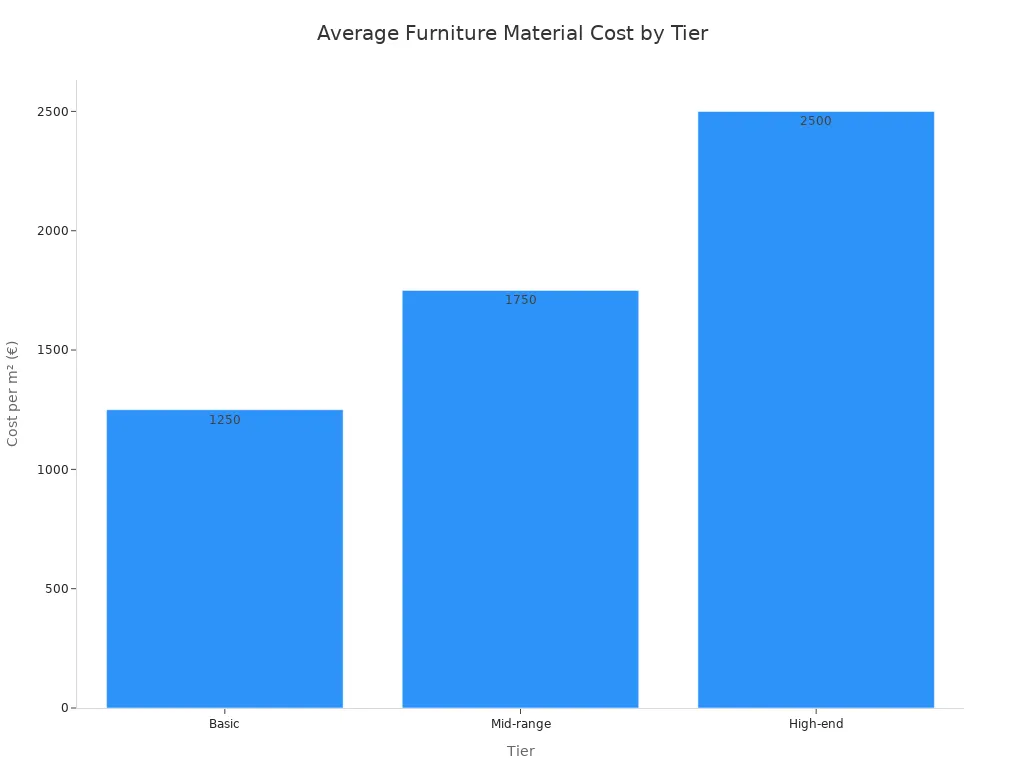
| Tier | Cost per m² (Average) |
|---|---|
| Basic | €1,000 – €1,500 (€1,250) |
| Mid-range | €1,500 – €2,000 (€1,750) |
| High-end | €2,000 – €3,000 (€2,500) |
MDF can cost as low as €100. High-end wood like mahogany can exceed €5,000. Refinished furniture needs minimal ongoing maintenance, usually just occasional cleaning every ten years. New furniture often needs more frequent repairs. Durable furniture also enhances comfort and aesthetics, increasing enjoyment and potential resale value. It supports sustainability by reducing waste. This makes hotel furniture customization a smart financial and environmental choice.
Aesthetic Harmony and Brand Identity
A hotel’s furniture materials play a big role in its overall look and feel. They help create a strong brand identity. For example, luxury hotels often choose rich hardwoods and polished metals. These materials give a sense of opulence. Boutique hotels might mix modern and vintage pieces. This adds charm and individuality. They also use bold colors to create visual interest. Many hotels now choose calming aesthetics. They use soothing blues, greens, and natural materials like wood and stone. This creates a serene atmosphere for guests. Some properties even use handcrafted furniture. These unique pieces reflect local materials and motifs. This helps tell a story about the region. Hotel furniture customization allows properties to select materials that perfectly match their desired aesthetic. This ensures every piece contributes to the brand’s unique story.
Sustainability and Environmental Impact
Today, many hotels care about sustainability. They want to reduce their environmental footprint. Choosing eco-friendly materials for furniture helps them do this. The production of furniture has several environmental impacts. For example, making metals uses a lot of energy. Wood can be sustainable if people source it responsibly. Plastics come from non-renewable resources. Fabric impacts vary depending on if they are natural or synthetic. Material acquisition, especially for wood, can lead to deforestation. Manufacturing processes also create emissions. They use energy-hungry machines and various chemicals. These chemicals can harm the environment.
Hotels can look for certifications to ensure materials are sustainable. The Forest Stewardship Council (FSC) certifies wood from responsibly managed forests. This ensures harvesting does not harm ecosystems. The Natural Stone Council (NSC) sets standards for natural stone materials. This includes marble and granite. GreenGuard Certification ensures products have low chemical emissions. This creates healthier indoor environments. Cradle to Cradle (C2C) assesses material health and recyclability. LEED certification also applies to furnishings. It rates products on energy efficiency and indoor air quality. These certifications help hotels make responsible choices. They show a commitment to protecting the planet.
Enhancing Hotel Furniture Customization with Finishes and Treatments
Finishes and treatments significantly boost the performance and appearance of hotel furniture. They protect materials, extend furniture life, and improve guest experiences. These applications are vital for maintaining quality and hygiene in busy hotel environments.
Protective Coatings for Wood and Metal Surfaces
Protective coatings shield wood and metal from daily wear and tear. For wood, hotels can choose from several effective solutions. Waterproof wood solutions create a barrier against moisture, preventing rot. UV-resistant wood protectants stop fading and discoloration from sunlight. Eco-friendly wood finishes use natural ingredients and low VOCs, offering protection while being kind to the environment. Wood restoration coatings can rejuvenate old surfaces, saving replacement costs.
When choosing wood coatings, hotels often consider options like PU (polyurethane) and PE (polyester) coatings. PU coatings are flexible and impact-resistant. They come in matte to high gloss finishes. PE coatings are very hard and scratch-resistant, offering ultra-high gloss. They are ideal for luxury surfaces. For guest rooms and restaurants, PU coatings work well because they are durable and easy to touch up. Lobbies and bathrooms often benefit from PE coatings due to their high-gloss look and resistance to moisture and chemicals.
Powder coatings, like TIGER Drylac® Wood, offer an eco-friendly option for industrially made wooden furniture, especially MDF. These coatings contain no heavy metals and have a low CO2 footprint. They provide strong, decorative surfaces for kitchen, office, and children’s room furniture.
Advanced Stain and Water-Resistant Fabric Treatments
Upholstery fabrics in hotels need protection from spills and stains. Advanced treatments make fabrics more durable and easier to clean. Crypton fabrics, for example, have an impenetrable moisture barrier. Spills bead up, making them easy to wipe away. Crypton also resists stains and odors, and it is antimicrobial. Inside Out Fabrics are very durable and resist fading and pilling. They repel liquids, so spills clean up easily with soap and water. Indoor-Outdoor Fabrics, made from solution-dyed acrylic, resist fading from the sun. They also resist soil, mildew, and shrinkage. Revolution Fabrics use naturally stain-resistant Olefin yarn. They are durable, fade-resistant, and easy to clean, even with bleach.
These treatments offer enhanced durability. They help luxury fabrics resist daily wear and tear. They also repel dirt and stains, keeping fabrics vibrant. This protects the hotel’s investment in furniture. Advanced technology creates an invisible layer that stops liquids and dirt from soaking into fabric fibers. This simplifies cleaning and maintenance.
Antimicrobial and Hygienic Finishes
Maintaining hygiene is crucial in hotels. Antimicrobial finishes help keep furniture surfaces cleaner. Some wooden furniture uses catalyzed lacquer with an antimicrobial formula. Certain vinyl and polyurethane upholstery also have built-in antimicrobial formulas. For fabrics, treatments often include heavy metals like silver or zinc, silane (Si-Quat), or chlorine retentive/regenerative agents.
These finishes help reduce the spread of germs. However, bacteria can develop resistance to common treatments. Studies show a high prevalence of bacteria with significant resistance to many antibiotics. This highlights the need for effective and regularly monitored antimicrobial solutions in hotel furniture customization.
Fire Retardant Applications for Safety Compliance
Fire safety is a top priority for hotels. Fire retardant applications are crucial for furniture materials. They help protect guests and property. These treatments significantly reduce the risk of fire spreading. They also ensure hotels meet strict safety regulations.
Hotels commonly use flame-retardant textiles in many areas. You will find them in furniture upholstery, curtains, drapes, and carpets. Bedding also often includes these treated fabrics. These applications are essential in hospitality and public spaces. They help hotels comply with fire safety rules. They also keep everyone safe.
Different regions have specific fire safety standards for hotel furniture. In the United States, several important standards exist:
- California Technical Bulletin 117-2013 (TB 117-2013): This applies to fabrics and filling materials in upholstered furniture. It requires specific flammability tests.
- ASTM Standards: These include tests for upholstered furniture (ASTM E1537) and stacked chairs (ASTM E1822). They also cover ignition strength for bedding (ASTM E2187).
- NFPA Standards: These standards address cigarette ignition resistance for upholstered furniture components (NFPA 260) and material assemblies (NFPA 261).
The California Bureau of Household Goods And Services (CBHGAS) oversees product certification. This ensures products meet safety and quality standards. Certification processes confirm that products meet national and international safety standards. This gives assurance to manufacturers, suppliers, and consumers. Hotels must adhere to these regulations. They also need to maintain up-to-date test reports and compliance certificates.
Many certifications and standards guide furniture safety and quality:
| Certification/Standard | Scope |
|---|---|
| NFPA (National Fire Protection Association) | Fire, electrical, and building safety |
| UL (Underwriters Laboratories) | Product Safety Certification |
| ASTM International | Standards for materials, products, systems, and services |
| CE Marking | European Conformity |
These certifications help hotels choose furniture that meets necessary safety requirements. They also show a commitment to guest well-being.
Choosing the right materials for custom hotel furniture is a strategic decision that directly impacts a property’s guest experience, operational costs, and brand image. Guests truly notice furniture quality; 79.1% consider room furnishings important when they choose a hotel. High-quality furniture creates a "home away from home" feeling, fostering emotional connections. This leads to favorable guest reviews and increased loyalty.
- Hotel furniture solutions establish the initial ambiance.
- Ergonomic designs provide physical comfort.
- Functional furniture optimizes space and layout.
- Furniture helps create a ‘home away from home’ feel.
- Custom designs enhance personality.
Investing in durable, well-designed pieces ensures long-term value and guest satisfaction. This approach also reduces replacement costs and builds a strong reputation for excellence.
FAQ
What is the most durable material for hotel furniture?
The most durable materials depend on the specific area. Metals like stainless steel and hardwoods such as oak offer great strength. Performance fabrics like Crypton resist stains and wear. These choices ensure furniture lasts a long time in busy hotel environments.
How do hotels choose materials for different property types?
Hotels align material choices with their brand. Luxury properties use premium woods and polished metals for exclusivity. Mid-range hotels balance style and value with durable laminates and performance fabrics. Budget hotels prioritize robust, low-maintenance materials for high traffic.
Are sustainable materials important for hotel furniture?
Yes, many hotels prioritize sustainable materials. They use reclaimed wood, recycled metals, and bamboo. Certifications like FSC and GreenGuard help ensure eco-friendly choices. This reduces environmental impact and appeals to eco-conscious guests.
What are fire retardant applications for hotel furniture?
Fire retardant applications treat fabrics and materials to slow fire spread. Hotels use them on upholstery, curtains, and bedding. These treatments help protect guests and property. They also ensure compliance with strict fire safety regulations.


