

Ready-made furniture options are increasingly failing hotels in 2025. This is because they cannot meet evolving guest expectations, specific brand identity requirements, and daily operational demands. Guests now expect personalized experiences, with 75% of travelers seeking tailored services. They also prioritize sustainability, smart technology, and health and wellness in their rooms. These shifts highlight the critical need for hotel furniture customization. Hotels require specialized solutions like Bespoke Hotel Casegoods. They often partner with a reliable contract furniture supplier China for wholesale custom hotel bedroom sets or a custom headboard hotel. Understanding What is the difference between hotel furniture and commercial/residential furniture? helps hotels make more informed choices.
Key Takeaways
- Ready-made furniture does not meet modern hotel needs. It fails to offer unique designs or handle daily use.
- Custom furniture helps hotels stand out. It creates a special brand look and improves guest satisfaction.
- Custom furniture lasts longer. It uses better materials, which saves hotels money over time.
- Custom furniture makes guests happier. It offers comfort, technology, and a unique local feel.
The Inflexibility of Ready-Made: Why One-Size-Fits-All Fails Hotel Design

Ready-made furniture often creates problems for hotels. It struggles to meet the specific needs of modern hospitality. This “one-size-fits-all” approach simply does not work in today’s competitive market.
Compromised Aesthetics and Brand Identity
Ready-made furniture often makes hotels look generic. It fails to capture a hotel’s unique personality. Custom furniture, however, allows hotels to tell their brand’s story. They choose materials, colors, and designs that make a statement. This creates an environment guests instantly connect with the brand. This is especially important for boutique hotels that need to stand out.
Consider the impact of furniture choices on a hotel’s image:
| Issue | Impact on Guest Experience | Business Consequence |
|---|---|---|
| Inefficient Space Use | Reduced comfort and functionality | Lower room utilization rates |
| Limited Durability | Frequent repairs and visible wear | Increased maintenance costs |
| Lack of Brand Alignment | Weakens brand perception | Reduced guest loyalty |
| Generic Aesthetics | Less memorable stays | Fewer social media shares |
Hotels using custom furniture see a 27% increase in guest satisfaction. Customized furniture improves guest satisfaction by 35%. Also, 60% of hotels now prioritize design that reflects their brand. Reviews for major furniture brands dropped from 79% positive in 2011 to just 9% in 2022. This shows guests notice the difference.
Suboptimal Space Utilization
Hotel rooms come in many shapes and sizes. Ready-made furniture often does not fit these unique layouts well. This leads to wasted space or awkward arrangements.
- Ready-made hotel furniture is pre-designed. This limits choices. It may not fit the varying sizes and types of furniture needed for different interior designs.
- Mass-produced items lack exclusivity and personalization for unique hotel layouts.
- Ready-made furniture offers less flexibility in design. It might not fit the space perfectly. It also might not match the hotel’s unique style.
- Mass-produced pieces lack the special touch custom furniture provides. This makes the hotel less memorable.
When furniture does not fit, it reduces comfort and functionality for guests. This can lead to lower room utilization rates for the hotel. Custom pieces ensure every corner of a room serves a purpose. They maximize both comfort and style.
Durability and Longevity: Where Ready-Made Falls Short in High-Traffic Environments
Hotels are busy places. Furniture in these environments faces constant use and wear. Ready-made options often cannot handle this demand. They simply do not last as long as custom pieces.
Inferior Material Quality and Construction
Mass-produced hotel furniture often uses lower-grade materials. Manufacturers choose these materials to keep costs down. However, this choice leads to furniture that breaks down quickly. For example, fabrics might not meet commercial-grade standards. They wear out fast from frequent use, spills, and different guest habits.
Consider these common material weaknesses in ready-made furniture:
| Weakness Category | Specific Weakness/Lack Of | Impact on Premature Wear |
|---|---|---|
| Fabric Durability | Not meeting commercial-grade standards (e.g., residential fabrics) | Leads to rapid wear, pilling, and structural failure due to high usage, spills, and varied guest habits. |
| Abrasion Resistance | Low Wyzenbeek test scores (e.g., below 15,000 double rubs for light commercial use) | Fabric wears out quickly from repeated friction. |
| Pilling Resistance | Low rating (e.g., below 4 on a 1-5 scale) | Formation of unsightly fabric balls, degrading appearance and texture. |
| Seam Strength | Weak seams | Upholstered furniture breaks down easily with frequent movement and use. |
| Dimensional Stability | Fabrics that shrink or stretch significantly | Furniture loses its shape and fit after cleaning. |
| Stain Resistance | Lack of effective stain-resistant treatments | Permanent staining from common spills (coffee, wine, makeup), requiring early replacement. |
| Color Fastness | Poor light fastness or wash fastness | Fading and discoloration from sunlight, artificial lighting, or cleaning, ruining aesthetic appeal. |
Beyond fabrics, structural issues also arise. Loose connectors and bolts are common problems. With prolonged use or poor maintenance, these can cause furniture to collapse. This contributes to premature wear and safety concerns.
Higher Long-Term Replacement Costs
Many hotels choose ready-made furniture for its lower upfront price. However, this initial saving often disappears quickly. Ready-made items simply do not last. Hotels must replace them much more often. This leads to higher costs over time.
Look at the replacement frequency over a five-year period:
| Furniture Type | Average Lifespan | Replacement Frequency (5-year period) |
|---|---|---|
| Ready-Made | 3-5 years | 1-2 times |
| Custom-Made | 10+ years | 0 times |
For specific items, the difference is clear. A ready-made bedside table might last only four years. This means hotels replace it at least once in five years. A custom-made bedside table, however, can last ten years or more. This eliminates replacement costs within that same period.
| Item | Ready-Made Lifespan | Custom-Made Lifespan | Ready-Made Replacements (5 yrs) | Custom-Made Replacements (5 yrs) |
|---|---|---|---|---|
| Bedside table | 4 years | 10 years | 1.25 (approx. 1-2) | 0 |
| Wardrobe | 5 years | 12 years | 1 | 0 |
These frequent replacements add up. They include not just the cost of new furniture but also labor for removal and installation. Custom furniture, built to last, offers better value in the long run.
Elevating Guest Experience with Hotel Furniture Customization
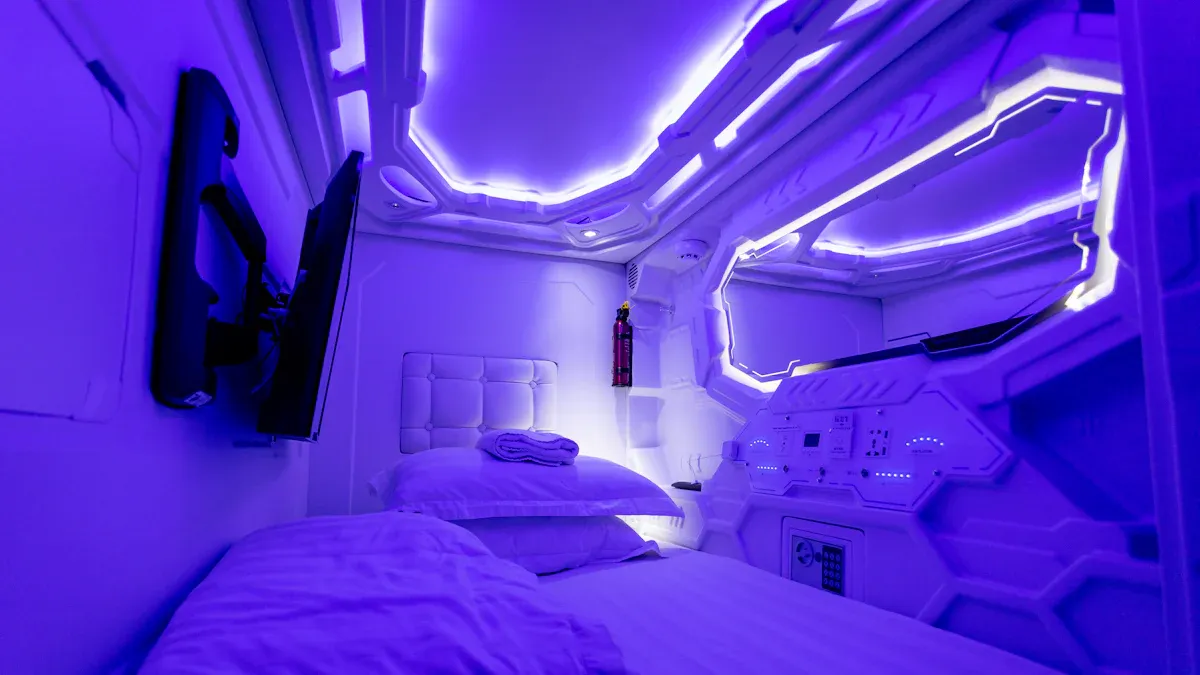
Hotels today understand that guest experience drives loyalty. Custom furniture plays a vital role in creating memorable stays. It allows hotels to craft environments that truly resonate with their visitors. This approach goes beyond just looks; it deeply impacts comfort and convenience.
Tailored Comfort and Ergonomics
Guests expect more than just a place to sleep. They want comfort and relaxation. Custom furniture delivers this by focusing on tailored comfort and ergonomics. Hotels can choose designs that offer optimal support. For example, they can select desk chairs with lumbar support. These chairs promote better posture, especially for guests who work during their stay. Lounge chairs with appropriate seat depth provide a comfortable space for guests to unwind. Ottomans offer leg support, allowing guests to truly relax.
Ergonomics focuses on comfort, safety, and efficiency. It addresses the human body’s physical needs. Luxury hotel furniture incorporates these ergonomic designs to ensure maximum guest comfort. Without proper ergonomic support, guests might experience discomfort or stiffness. This can lead to a negative stay. Providing ergonomically supported sofas, for instance, ensures a comfortable and enjoyable experience. Sofas should also have proportionate sizes, appropriate heights, and accommodating seat depths and widths to suit various body types and room layouts.
Research shows that comfortable hotel seating significantly enhances perceived value. One study found that ergonomic seating improved the overall hospitality experience through physical and mental relaxation. J.D. Power’s North America Hotel Guest Satisfaction Index also noted that better guest room conditions and amenities, including seating, led to higher satisfaction scores. Interior designer Kelly Wearstler emphasizes creating “alone-together” spaces. These spaces allow guests to feel connected yet private, boosting overall satisfaction. Custom furniture helps achieve this balance. Hotels can reflect their unique identity through custom pieces, like intricate geometric designs for art deco hotels or natural wood tones for coastal resorts. Guests notice these details. A survey by the International Luxury Hotel Association found that 72% of guests are more likely to return to a property with distinct, well-designed interiors. This shows how hotel furniture customization directly impacts guest loyalty and satisfaction.
Tip: Consider the overall design and aesthetic of your hotel. Furniture should align with it, whether modern, minimalist, or traditional luxury. This creates a cohesive experience for guests.
Seamless Technology Integration
Modern travelers rely on technology. They expect their hotel rooms to keep pace. Custom furniture offers a perfect solution for seamless technology integration. Hotels can embed smart features directly into their furnishings.
Imagine nightstands and desks with built-in wireless charging pads. Guests no longer need to search for charging ports or carry extra cables. Integrated power outlets and USB ports in smart desks and side tables make device charging incredibly convenient. Smart lighting systems offer dimmable lights, motion sensors, and color-changing options. Guests can customize their room’s ambiance with ease.
Custom furniture also allows for more advanced integrations. Hotels can install adjustable beds with customizable firmness. Ergonomic chairs can have memory settings for personalized comfort. Voice-activated controls can integrate into furniture, letting guests manage room settings like temperature and entertainment systems effortlessly. Smart mirrors and wardrobes can feature digital interfaces for weather updates, news, or room control. Some smart beds even include sleep monitoring technology. This level of hotel furniture customization transforms a standard room into a high-tech haven. It significantly enhances guest convenience and elevates their overall stay.
Note: Convertible and multi-functional furniture is becoming essential, especially for smaller urban spaces. This allows hotels to maximize utility while integrating technology.
Operational Efficiency and Maintenance: The Custom Advantage for Hotels
Hotels face constant demands for efficiency. Daily operations, like cleaning and repairs, can be costly and time-consuming. Custom furniture offers significant advantages here. It helps hotels run more smoothly and reduces long-term expenses.
Simplified Repairs and Component Replacement
Ready-made furniture often means replacing an entire piece when one part breaks. This creates unnecessary waste and expense. Custom furniture, however, allows for much simpler repairs. Hotels can design pieces with modular components. For instance, if a drawer front on a custom vanity gets damaged, workers only need to replace that specific part. They do not need to replace the whole vanity. This approach uses standardized components from custom suppliers. It drastically reduces both repair time and the costs involved. This means less downtime for rooms and happier guests.
Meeting Specific Operational Needs
Custom furniture helps hotels meet their unique operational demands. Designers can create pieces that streamline daily tasks, especially for housekeeping.
- Streamlining Operations: Multi-purpose pieces reduce clutter. Desks can double as dressing tables. Bedside tables can have built-in charging. This makes room setups easier and cleaning faster.
- Optimizing Storage: Bespoke storage solutions maximize space. Custom closet organizers with adjustable shelves reduce clutter. This helps with quicker cleaning turnarounds.
- Improving Maintenance: Custom designs can include easy-to-clean surfaces. They can also have replaceable parts. This reduces upkeep time and costs. Durable materials ensure longevity, minimizing frequent replacements.
Custom furniture also helps housekeeping staff work more efficiently.
- Optimizing layout: Housekeeping closets and staff workstations can have optimized layouts. This minimizes time and effort for daily tasks.
- Ergonomic furniture: Adjustable desks and chairs reduce staff fatigue. Easily reachable shelves also help.
- Simplifying room layouts: Proper bed heights reduce bending for sheet changes. Certain carpet choices offer easier care. Simplifying bedding, like using fewer pillows, cuts cleaning time.
- Transitioning from bed skirts to platform beds: This saves cleaning time and improves how rooms look.
Custom-made sizing ensures furniture fits perfectly. This avoids wasted space and blocked pathways, especially in smaller rooms. Commercial-grade materials provide durability and reduce maintenance. These materials include high-pressure laminates and strong hardware. Stain-resistant upholstery is also essential for heavy hotel use.
Consider how layout impacts daily tasks:
| Task | Slow Layout | Optimized Layout |
|---|---|---|
| Changing linens | Bed too close to wall | Equal space on both sides |
| Cleaning floor | Many tight corners | Clear, open walkway |
| Delivering meals | Trolley gets stuck | Path supports easy movement |
Clear pathways are crucial for housekeeping. They allow service carts to move without obstruction. Beds should have enough clearance for quick sheet changes. Storage should be reachable without blocking movement. A minimum of 90 cm (36 inches) allows housekeeping to move quickly with tools and linens. Convenient outlet placement reduces frustration for staff. Fewer obstructions make vacuuming and wiping surfaces much faster.
Strategic Advantages of Hotel Furniture Customization
Hotels today need every advantage to succeed. Custom furniture offers powerful strategic benefits. It helps hotels stand out and create truly memorable experiences for guests.
Differentiating Your Brand and Guest Experience
In a crowded market, hotels must offer something special. Custom hospitality furniture helps them do just that. It lets hotels move beyond common, mass-produced items. This gives them a chance to create something truly unique. This special approach makes furniture more than just practical. It turns pieces into art. This leaves a lasting impression on guests. It also sets the stage for unforgettable stays. This greatly improves a hotel’s unique selling proposition.
Consider how technology plays a role. Custom hospitality furniture can include USB charging ports, wireless charging pads, and built-in touch controls. These smart solutions turn furniture into convenient, multi-functional hubs. This makes guests happier. It also helps properties stand out in a competitive market.
The Gladstone Hotel shows this well. They used bespoke room furniture designs. These designs mixed modern looks with historical details. This helped the hotel keep its unique character. This approach directly boosts the hotel’s unique selling proposition. Hotels that invest in custom-designed interiors see big results. They report a 23% increase in guest satisfaction. This shows how custom furniture directly helps a hotel’s unique selling proposition. It does this by making the guest experience better. For luxury hotels, custom furniture is very important. It lets them create a special experience for guests. They can make unique spaces that fit their brand. This improves the whole atmosphere. It also helps them stand out from competitors. This strengthens their unique selling proposition.
Incorporating Local Culture and Materials
Guests often want to feel a connection to the place they visit. Custom furniture helps hotels weave local culture and heritage into their design. This creates a deeper, more authentic experience.
The Granger Hotel in San Diego is a great example. They use custom furniture and design elements to show local culture. Their design includes custom murals. These murals get ideas from coastal landscapes. Hand-forged metal fixtures honor the Gaslamp Quarter’s industrial past. The hotel chose custom furniture, special art, and unique lighting. They wanted to create emotion and curiosity. They avoided generic decorations. This turned the hotel into a “living gallery” that celebrates local art.
The InterContinental Rome Ambasciatori Palace also shows this well. They used custom furniture to reflect local heritage. Their renovation included special furnishings made by local artisans. Details like brass handles in guest rooms remind guests of Roman columns. This creates a strong sense of place.
Using real materials and custom-made items by local artisans makes a hotel’s design better. It also strengthens its sense of place. This includes handwoven fabrics and custom-made furniture. It also means using local artifacts. Hotels can use local wood and stone. This creates a timeless and special guest experience.
The ORIGINS Astral Luxury Lodge in Costa Rica is another great example. They successfully used custom furniture to show local culture. The design team worked with the Maleku community. They learned about their life, crafts, and colors. This information guided the interior design. Over 80% of the hotel’s furniture and equipment was custom-made on-site. They used local wood. Local artisans also made handmade decorations. This ensured guests had a real, authentic experience. This level of hotel furniture customization truly connects guests to the destination.
Ready-made furniture clearly fails hotels in 2025. It falls short in design, durability, guest experience, and daily operations. Hotels now see custom furniture as a strategic necessity. They want to differentiate their brand and create unique spaces. This shift towards hotel furniture customization delivers higher quality and durability, reducing long-term costs. Custom pieces offer memorable guest experiences and allow for great flexibility in design. Ultimately, customization helps hotels stand out, offering exceptional, branded, and sustainable stays in a competitive market.
FAQ
Why are ready-made furniture options failing hotels in 2025?
Ready-made furniture struggles to meet modern guest expectations. It often lacks unique brand identity and cannot handle daily operational demands. This leads to generic looks and frequent replacements. Hotels find these options inflexible for their specific needs.
How does custom furniture improve the guest experience?
Custom furniture offers tailored comfort and ergonomics. It also allows seamless integration of technology like wireless charging. This creates a more personalized and convenient stay for guests. They appreciate the thoughtful design and functionality. ✨
What are the long-term cost benefits of choosing custom hotel furniture?
Custom furniture uses higher quality materials and construction. This means it lasts longer than ready-made options. Hotels save money over time by avoiding frequent replacements and costly repairs. It offers better value in the long run. 💰
How can custom furniture help a hotel differentiate its brand?
Custom furniture allows hotels to create unique designs. They can reflect their specific brand story and local culture. This helps hotels stand out from competitors and leaves a lasting impression on guests. It builds a stronger brand identity. 🏨


