
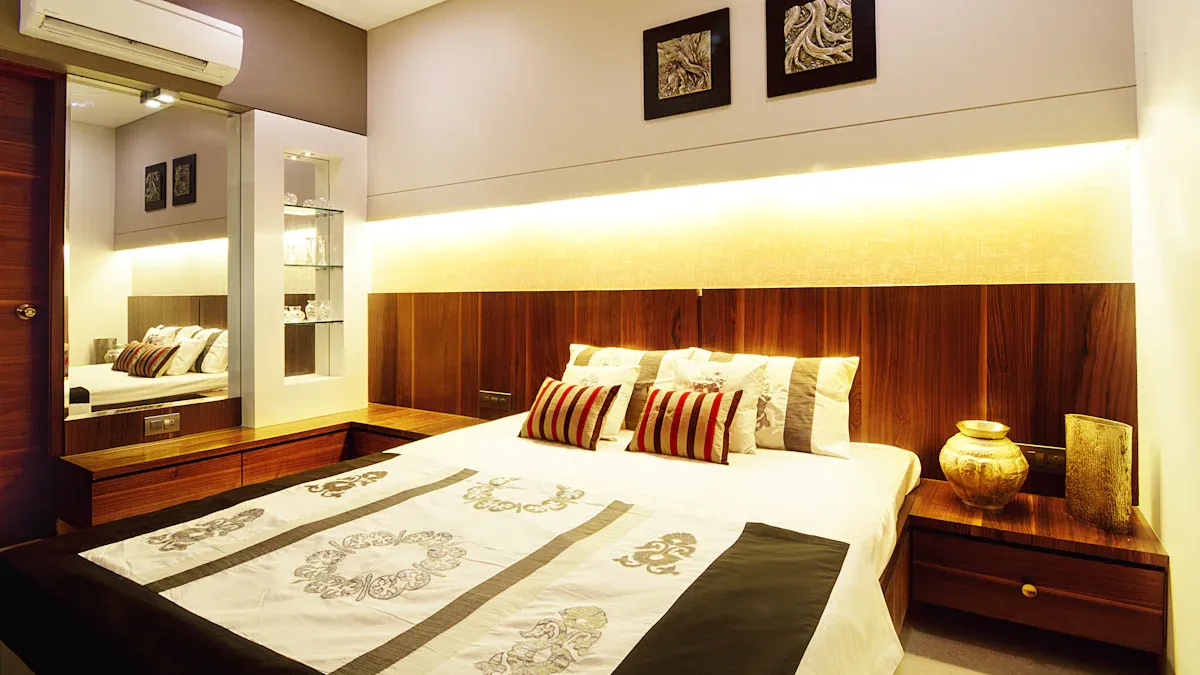
Maximizing hotel furniture customization options is crucial for differentiating a property and enhancing guest experience without the luxury price tag. The global mid-range hotel market is a significant sector, valued at hundreds of billions of dollars and projected for steady growth, making strategic customization a powerful tool. This approach offers unique branding opportunities and a competitive edge. Understanding how to leverage affordable hotel furniture solutions is key to creating a memorable and appealing environment. For instance, knowing "What is the process of customizing hotel furniture?" and "What materials are best for hotel room furniture?" becomes essential when planning custom hospitality furniture projects. This strategic focus avoids the need for luxury hotel furniture customization while still delivering impact.
Key Takeaways
- Mid-range hotels can use smart furniture choices to stand out. They do not need to spend a lot of money to make their spaces unique and inviting.
- Focus on key areas like the lobby and guest rooms for customization. This helps create a strong first impression and a memorable stay for guests.
- Choose good materials and finishes for furniture. This makes standard pieces look high-end and last longer, even on a budget.
- Work closely with furniture makers. They can help bring your design ideas to life and ensure good quality within your budget.
Understanding Hotel Furniture Budgets and Customization Potential
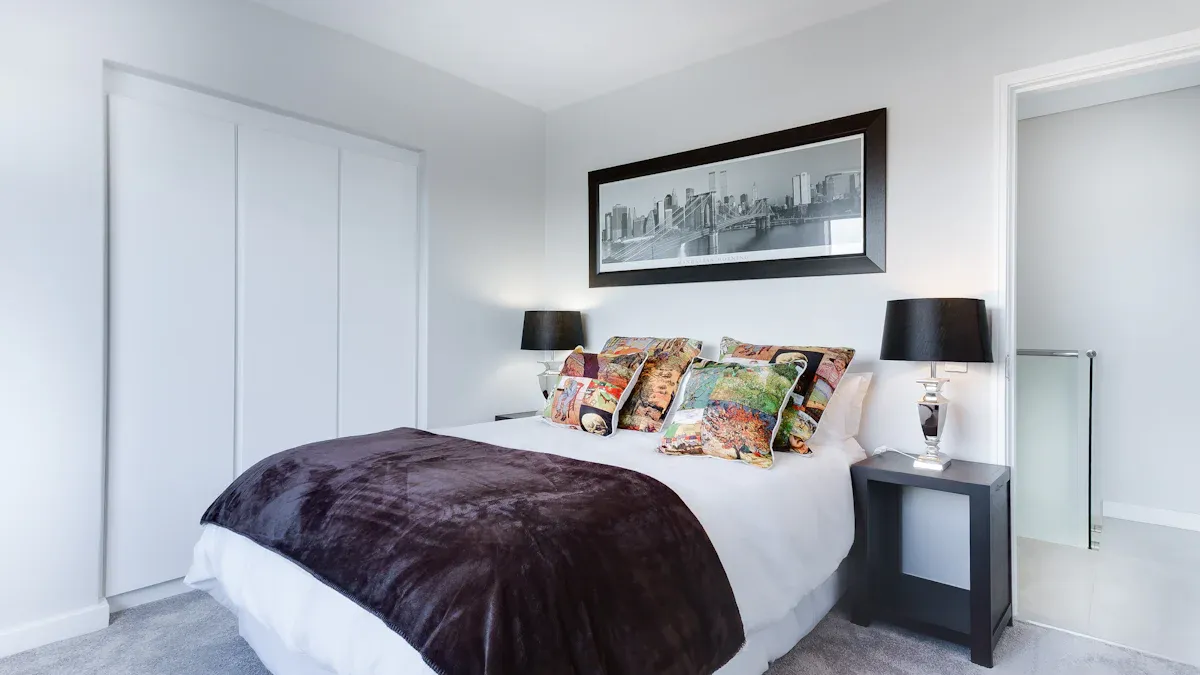
Understanding how different hotel types allocate their furniture budgets helps clarify the potential for customization. Each tier has distinct priorities, influencing design choices and material selection.
Economy Hotels: Prioritizing Functionality and Durability
Economy hotels focus on providing essential comfort and long-lasting pieces. Their furniture choices emphasize practicality and resilience to withstand frequent use. For 2-star hotels, which fall into this category, average FF&E (furniture, fixtures, and equipment) budgets typically range from $4,500 to $7,000 per room. In some regions, like India, a standard budget hotel (2-star to 3-star) might see furniture costs per room between $1,250 and $3,300. This price usually covers beds, desks, chairs, and wardrobes. Customization here often means selecting from a limited range of durable finishes or standard designs.
Mid-Range Hotels: The Sweet Spot for Value and Hotel Furniture Customization
Mid-range hotels occupy a unique position. They balance cost-effectiveness with a desire to offer guests a more distinctive and comfortable experience. This segment presents the ideal opportunity for strategic hotel furniture customization. Properties can elevate their aesthetic and brand identity without the high costs associated with luxury. They often choose to customize key pieces, like headboards or lounge seating, to create a memorable atmosphere. This approach allows them to achieve a unique look and feel, setting them apart from competitors.
Luxury Hotels: Embracing Bespoke Design and Premium Materials
Luxury hotels operate with significantly larger budgets, allowing for extensive customization and high-end materials. These properties often have furniture budgets exceeding $50,000 per room. For luxury suites, budgets can range from $30,000 to over $50,000 per room. They prioritize bespoke designs, premium finishes, and unique artistic elements. Every piece of furniture in a luxury hotel often reflects a specific design vision, creating an exclusive and opulent environment for guests.
Strategic Hotel Furniture Customization for Mid-Range Properties
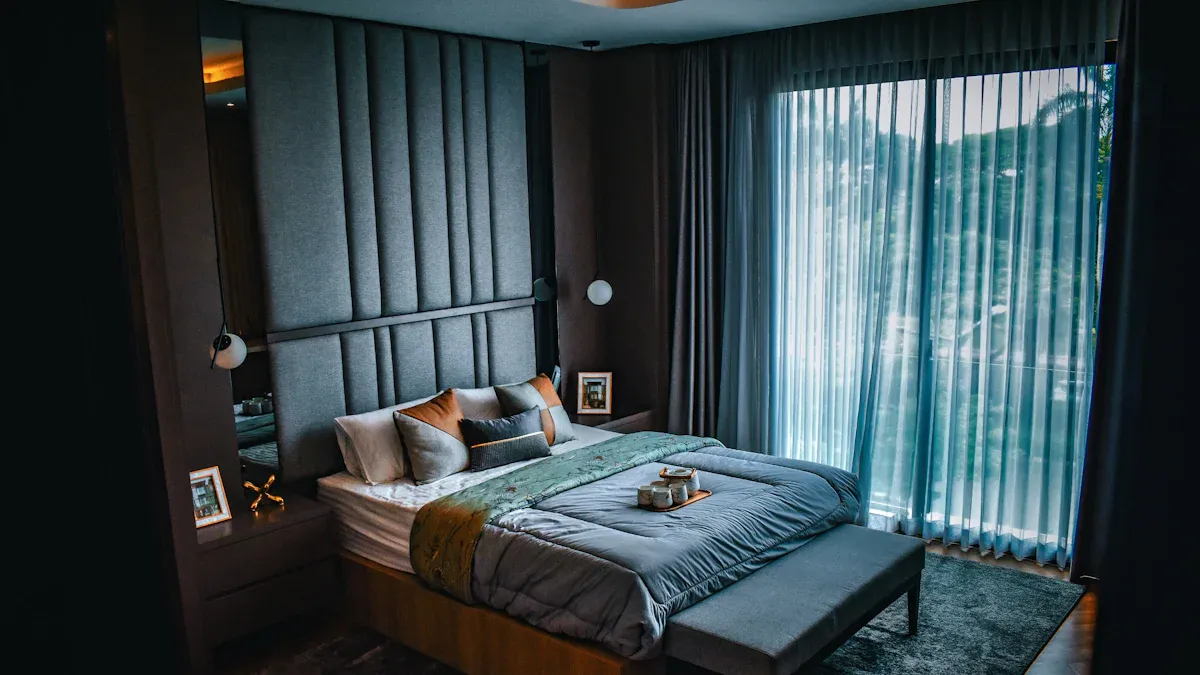
Mid-range hotels can truly shine by making smart choices about their furniture. They do not need to spend a fortune to create a unique and inviting atmosphere. Strategic hotel furniture customization allows these properties to stand out, offering guests a memorable experience without the luxury price tag.
Identifying High-Impact Areas for Customization
When considering customization, hotels should focus on areas that make the biggest impression on guests. The lobby and reception areas are crucial. They form the first impression. Guests also spend significant time in their rooms, so headboards, desks, and seating can greatly enhance comfort and style. Common areas like lounges, breakfast nooks, or co-working spaces also benefit from thoughtful design. Customizing pieces in these key locations helps define the hotel’s brand identity. It also creates a cohesive and appealing environment that guests remember.
Elevating Standard Pieces Through Material and Finish Choices
Even standard furniture pieces can look high-end with the right materials and finishes. Mid-range hotels can transform basic designs into something special.
- Frame Materials: Hardwoods like oak and ash offer strong support and last a long time. Metal frames give a modern, industrial look and hold a lot of weight.
- Upholstery: Polyester blends, vinyl, and leather are popular choices. They resist stains and last a long time. Performance fabrics with protective coatings work especially well in busy areas.
- Foams and Reinforcements: Top-quality foams and sinuous springs or webbed seating ensure comfort. They also prevent sagging over time, keeping furniture looking good for longer.
For surfaces, hotels often choose materials for their durability and easy care. Leather, vinyl, and high-grade synthetics are excellent for areas that see a lot of use. They maintain their appearance well. Plastic and acrylic offer modern versatility and design flexibility. They are also lightweight, making rearrangement easy for hotels wanting a fresh, adaptable look. Composite materials, such as particleboard and MDF, balance cost-effectiveness with visual appeal. They provide a consistent surface for finishes and veneers, especially for furniture surfaces that do not bear heavy loads. These materials help hotels manage costs while keeping design standards high.
Leveraging Modular and Adaptable Designs for Custom Configurations
Space optimization is vital for mid-range hotels, especially in common areas. Adaptable furniture designs help common areas easily change for different uses throughout the day. For example, a breakfast area can become a co-working space during the day. It can then transform into a casual lounge bar by evening. This flexibility maximizes revenue potential and operational efficiency.
💡 Tip: Reconfigurable furniture and movable partitions in meeting rooms can cater to various event sizes and types. This makes the space much more versatile.
Custom hospitality furniture is crucial for making the most of space, even in challenging layouts. Think about compact urban rooms or large, open lobbies. Furniture can be designed specifically to fit awkward spaces, like angled walls or tight corners. This maximizes usability without sacrificing style. This includes built-in storage solutions, foldable furniture, and multifunctional designs. A custom desk, for instance, can serve as both a workspace and a vanity table. Modular seating in common areas can be easily rearranged for different events or layouts. This directly helps with efficient space utilization. Modular seating solutions are key because they can change based on current needs. This provides flexibility in layout and use. It allows for thoughtful design of seating arrangements that offer both privacy and social interaction. Also, incorporating elements like charging stations within tables or armrests greatly improves the functionality of waiting areas. This caters to tech-savvy travelers and makes the most of the available space.
Effective Collaboration with Hotel Furniture Customization Manufacturers
Working closely with the right manufacturer makes all the difference for successful hotel furniture customization. Hotels need a partner who understands their vision and can deliver quality within budget. When selecting a manufacturer, hotels should look for several key qualities. They need to ensure the furniture can withstand significant wear and tear, especially for casegoods and seating. This means the manufacturer uses durable materials and shows excellent craftsmanship. High-quality finishes also protect against daily use and frequent cleaning.
A good manufacturer offers strong customization capabilities. This allows hotels to express their unique brand and create distinctive environments. They should provide flexibility in design for various hotel areas. Many hotels also prioritize sustainability. They look for manufacturers committed to eco-friendly practices and transparent processes, often backed by certifications. This appeals to environmentally conscious travelers. Hotels should discuss their budget early with suppliers to prevent overruns. Investing in high-quality furniture initially can reduce long-term maintenance and replacement costs. Finally, hotels investigate a manufacturer’s track record, client testimonials, and case studies. This provides insight into their ability to deliver on-time, high-quality products and handle complex projects.
Effective communication is crucial for successful hospitality projects. Manufacturers should respond quickly to queries and feedback. They need clarity in technical discussions and design revisions. Good coordination during installation and delivery also helps. A collaborative relationship with the manufacturer ensures smooth project execution and minimizes disruptions. After finalizing the concept, the next step involves creating detailed designs and specifications for custom furniture. This includes selecting materials, finishes, and textures that align with the hotel’s brand. Collaboration with manufacturers is vital at this stage. It ensures designs are feasible within budget and timeframe. Throughout production, regular communication between the design team and manufacturers helps address issues and keeps the project on track.
Hotels often use specific documents to communicate their needs. An effective cut sheet details dimensions, materials, finish, construction, installation, and safety precautions. This ensures correct construction and adherence to project requirements. Hotels should use clear and concise language, avoiding technical jargon. They incorporate detailed drawings and images to illustrate dimensions, materials, and construction. Providing specific and detailed information for correct construction and installation is also important. They double-check all dimensions and instructions for accuracy. Including contact information helps address questions or issues promptly. Similarly, an FF&E schedule uses clear and concise language. It maintains a consistent format for each item, including description, delivery/installation dates, location, and budget. Hotels provide specific and detailed information for correct delivery and installation. They double-check all information for accuracy and update the schedule regularly.
Branding Your Property Through Unique Custom Elements
Custom furniture plays a huge role in reinforcing a hotel’s brand identity. It creates a consistent, immersive environment that guests remember and associate with quality. Beautifully furnished rooms, achieved with custom furniture, feel more luxurious and thoughtfully designed. This enhances aesthetics and contributes to a higher-end perception. Custom furniture creates a ‘wow’ factor. It allows hotels to add signature pieces and create Instagram-worthy design moments. This leads to better online reviews, more social sharing, and stronger guest loyalty. The style, materials, colors, and finishes of custom furniture communicate the hotel’s brand personality. Whether it is luxury, modern, boutique, or warm, it reinforces the brand at every touchpoint. Custom furniture in the lobby influences first impressions. It signals the hotel’s quality and attention to detail before guests even interact with staff or see their room.
Mid-range hotels can use many unique custom elements to brand their property. They can add subtle touches of brass, copper, or bronze to spruce up headboards or nightstands. Built-in tech items like wireless charging, outlets/data ports, and LED/mood/circadian lighting in casegoods furniture are also popular. Digitally printed veneers on headboards, cabinet doors, drawer facings, nightstands, and wall panels can feature images like a rainforest or the New York skyline, or unique patterns. Hotels can even use 3D printed statement pieces for unique, artisan-like designs.
For a cheerful holiday atmosphere, hotels might use natural elements like rattan and solid wood with tropical leaf prints and bright shades such as turquoise or coral orange. For a professional look, they can use clean lines and a modern feel with metal, leather, and marble. They combine these with neutral tones like gray, beige, or black, and add bright accents. To showcase cultural heritage, hotels can incorporate local traditional elements such as wood carvings and embroidery. They use vintage shapes and rich, deep colors. Artistic sculptural benches with flowing curves, unexpected shapes, or local cultural symbols also make a statement. Oversized custom reception desks can feature soft curves, striking silhouettes, integrated lighting, or even water features. Custom bookshelves or display cabinets filled with local art or curated objects help tell the hotel’s story. Modular sofas with varied textures create flexible, semi-private seating areas. Capsule lounge pods with charging ports and reading lights offer quiet spaces. Custom coffee tables with built-in charging ports, sensor lights, or small plant landscapes enhance functionality and aesthetics.
Practical Hotel Furniture Recommendations Across Budget Tiers
Hotels of all types can make smart furniture choices. Each budget tier has specific recommendations to maximize impact and guest satisfaction.
Economy: Smart Buys and Minimalist Customization Options
Economy hotels prioritize durability and function. They often choose furniture that withstands heavy use and is easy to clean. Smart buys include sturdy beds with simple frames, compact desks, and chairs made from resilient materials like metal or laminate. Customization here usually involves selecting from a limited range of standard finishes or colors. This helps maintain a consistent brand look without adding significant cost. The focus remains on providing essential comfort and a clean, functional space for guests.
Mid-Range: Strategic Hotel Furniture Customization for Distinctive Spaces
Mid-range hotels find the sweet spot for value and unique design. They can use strategic hotel furniture customization to create memorable spaces. For example, they might invest in custom hotel lobby furniture like modular sofas for flexible group seating or statement reception desks that convey brand identity. In guest rooms, ergonomic beds and headboards reflecting local art or brand narratives make a big difference. Nightstands specifically sized for compact spaces and wardrobes with built-in storage solutions enhance functionality. Desks that also function as vanities offer versatility. For dining areas, tables sized for both large groups and intimate couples, along with banquette seating, create warmth and use space efficiently. Conference areas benefit from ergonomic office chairs and modular desks for adaptable layouts.
Luxury: Unlimited Possibilities for Bespoke Hotel Furniture Customization
Luxury hotels embrace bespoke design and premium materials. They often incorporate iconic and signature pieces by renowned artists or designers, such as sculptural tables, adding artistic value and prestige. Personalized details like engravings, decorative embellishments, or custom upholstery with unique embroidery create an exclusive environment. Designers often use organic shapes and sculptural silhouettes, like curved sofas and fluid coffee tables, for effortless elegance. Multi-material luxury is common, layering brushed brass with rich walnut or honed stone with soft leather. Built-in functionality, such as credenzas with charging hubs and integrated low-profile storage, caters to modern travelers. Nature-inspired color palettes and textures, using materials like FSC wood and woven textiles, create sensory warmth. Lighting often extends into the furniture design, with custom bedside lamps and backlit headboard panels creating an immersive rhythm.
Mid-range hotels can significantly maximize their furniture customization. They do this by strategically focusing on key pieces and leveraging material and finish options. Working closely with manufacturers allows them to create a distinctive and appealing environment within a sensible budget. This approach enhances guest satisfaction and reinforces brand identity. It also provides a crucial competitive advantage in the market. 🏨✨
FAQ
What is the typical budget for mid-range hotel furniture customization?
Mid-range hotels balance cost-effectiveness with unique design. They do not have luxury budgets. Instead, they focus on strategic customization for key pieces. This approach helps them create a distinctive look without spending too much money.
How can mid-range hotels make standard furniture look high-end?
They choose quality materials and finishes. Hardwoods, durable upholstery, and good foams elevate standard pieces. Performance fabrics and composite materials also add value. These choices make furniture look and feel more luxurious for guests.
What are high-impact areas for customization in a mid-range hotel?
Focus on the lobby, reception, and guest rooms. Headboards, desks, and lounge seating make a big impression. Common areas like lounges and breakfast nooks also benefit. Customizing these spots defines the hotel’s brand identity.
How do mid-range hotels work with furniture manufacturers?
Hotels collaborate closely with manufacturers. They share their vision and budget. Manufacturers provide durable, quality furniture. They also offer design flexibility. This partnership ensures the project stays on track and meets expectations.


