
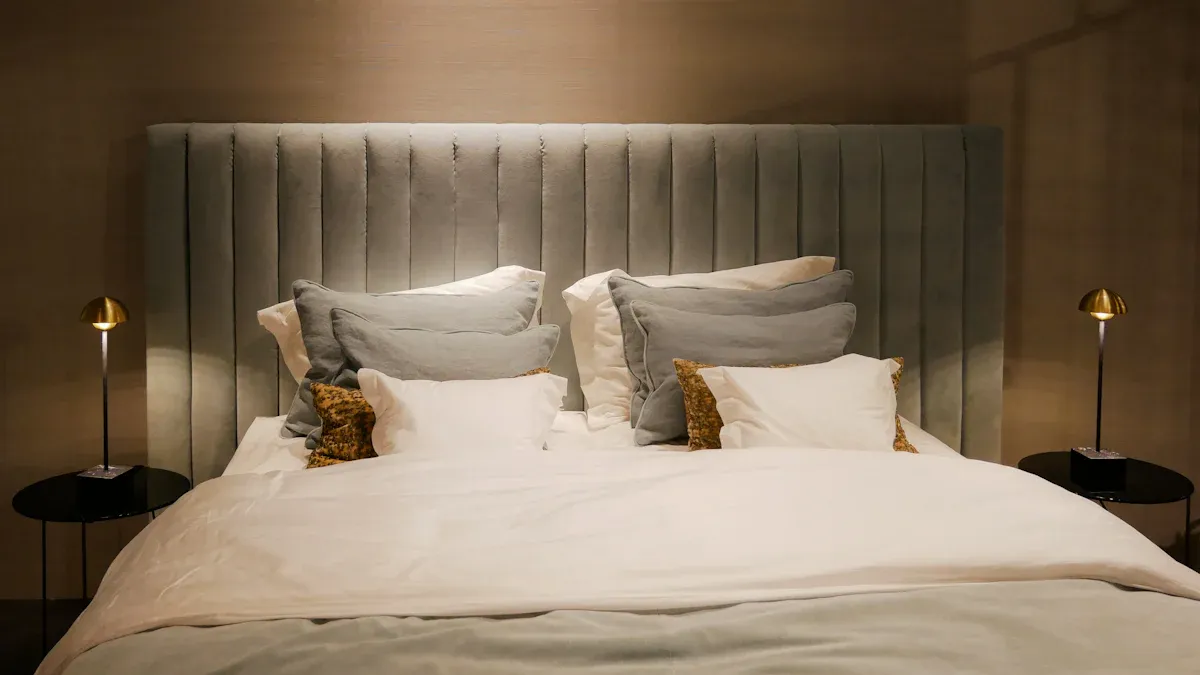
Luxury and boutique hotels must stay ahead in design. The boutique market projects growth from $99.83 billion in 2025 to $106.46 billion in 2026 (6.6% CAGR). 2026 hotel bedroom furniture trends profoundly shape guest experience and brand identity. Understanding these trends, including 2026 Modern Hotel Room Furniture Trends for Hotels, is crucial. It guides owners, designers, and procurement managers in selecting optimal Hotel Bedroom Furniture, Custom Hotel Furniture, Hotel Bedroom Sets, and even small hotel bedroom furniture ideas.
Key Takeaways
- Hotels will focus on furniture that is good for the environment and uses smart technology.
- Hotel furniture will feel more like home and connect guests with nature.
- Hotels will choose furniture that is custom-made and lasts a long time.
Overarching 2026 Hotel Bedroom Furniture Trends
The landscape of luxury and boutique hospitality constantly evolves. Several overarching trends will shape hotel bedroom furniture in 2026. These trends reflect a deeper understanding of guest expectations, environmental responsibility, and technological advancements.
Sustainable and Ethical Sourcing in Hotel Bedroom Furniture
Sustainability is no longer a niche concern; it is a core expectation for luxury hotels. This trend significantly impacts brand reputation and global standards. Hotels prioritize furniture that meets environmental requirements, durability, and design quality. Consumers are increasingly aware of environmental issues. They make purchasing decisions based on a business’s green practices, which attracts eco-conscious guests. Differentiating as eco-friendly can be a deciding factor for guests comparing options. They prefer establishments that align with their values. Travelers increasingly want their choices to reflect their values. Boutique guests book properties that demonstrate environmental stewardship and social responsibility. Younger demographics are willing to pay more for accommodations that uphold these standards. Guests actively seek out hotels where every detail shows care.
A growing segment of environmentally conscious consumers drives the popularity of sustainable hotel furniture. This leads manufacturers to incorporate eco-friendly materials and designs. Focus areas include eco-friendly boards, low-emission finishes, and certified sustainable materials. Certifications are becoming essential for ethically sourced materials. The Forest Stewardship Council (FSC) guarantees wood products originate from responsibly managed forests. GREENGUARD Certification ensures products meet strict limits for chemical emissions, promoting healthier indoor air quality. While LEED (Leadership in Energy and Design) is a building certification, using certified furniture can contribute to a hotel’s overall LEED score. Cradle to Cradle Certified assesses products based on material health, reutilization, renewable energy, water stewardship, and social fairness. The BIFMA e3 Furniture Sustainability Standard evaluates commercial furniture sustainability across various categories, from materials to end-of-life management.
Smart Technology Integration in Hotel Bedroom Furniture
Functionality evolves with aesthetics to support modern lifestyles. Smart furniture integrates technology to make hotel rooms more intuitive and user-friendly. Standard features include integrated USB charging ports, intelligent lighting systems, and hidden storage. These upgrades enhance guest convenience while maintaining a clean, uncluttered visual environment. Examples include adjustable beds, nightstands with wireless charging, and touchless controls. These features allow guests to personalize their stay effortlessly. Desks with built-in charging ports eliminate the need to search for outlets. This enables guests to relax or work productively without interruption. These features contribute to ergonomic goals by reducing stress and making spaces function seamlessly for users.
Smart furniture features like wireless charging spots, built-in LED lights, and hidden sensors enhance guest convenience. They also provide valuable data for hotel staff, aiding in preventive maintenance and energy management. Hotels should prioritize smart furniture with easily accessible electronics for service. They should also choose suppliers committed to software updates and long-term support. Early coordination between furniture manufacturers, tech teams, and hotel operations is crucial. This ensures reliable smart features and prevents costly errors. Adopting smart room features allows hotels to offer premium rooms or loyalty perks. This improves guest satisfaction and provides data to reduce maintenance issues. Discreet IoT readiness and sensor-friendly fittings further enhance guest convenience and operational data collection.
Residential Comfort and Homeliness in Hotel Bedroom Furniture
Guests increasingly seek an experience that feels less like a temporary stay and more like a home away from home. This trend emphasizes residential comfort and homeliness in hotel bedroom furniture. Designers achieve this by selecting pieces that evoke warmth, familiarity, and personal style. Plush upholstery, soft textures, and inviting silhouettes replace stark, minimalist designs. The goal is to create a sanctuary where guests can truly relax and unwind. This involves incorporating elements found in high-end residential interiors, such as comfortable armchairs, decorative throw pillows, and curated art. The overall effect is a space that feels lived-in and welcoming, rather than purely functional.
Biophilic Design Principles for Hotel Bedroom Furniture
Connecting guests with nature enhances well-being and relaxation. Biophilic design principles are increasingly integrated into hotel bedroom furniture. This trend brings the outdoors inside, creating a calming and restorative environment. Biophilic elements in hotel bedroom furniture designs for 2026 include the use of organic fabrics, breathable linens, indoor plants, and natural wood finishes. For 2026, hotel bedroom furniture designs incorporate biophilic elements through the use of natural materials such as bamboo, stone, and sustainable woods. The ‘Biophilic Luxury’ trend for 2026 integrates raw, unrefined natural elements like stone, mineral plaster, and living greenery into hotel bedroom furniture designs. These elements foster a sense of peace and connection to the natural world, enhancing the overall guest experience.
Key Hotel Bedroom Furniture Styles and Innovations
Multifunctional Hotel Bedroom Furniture Pieces
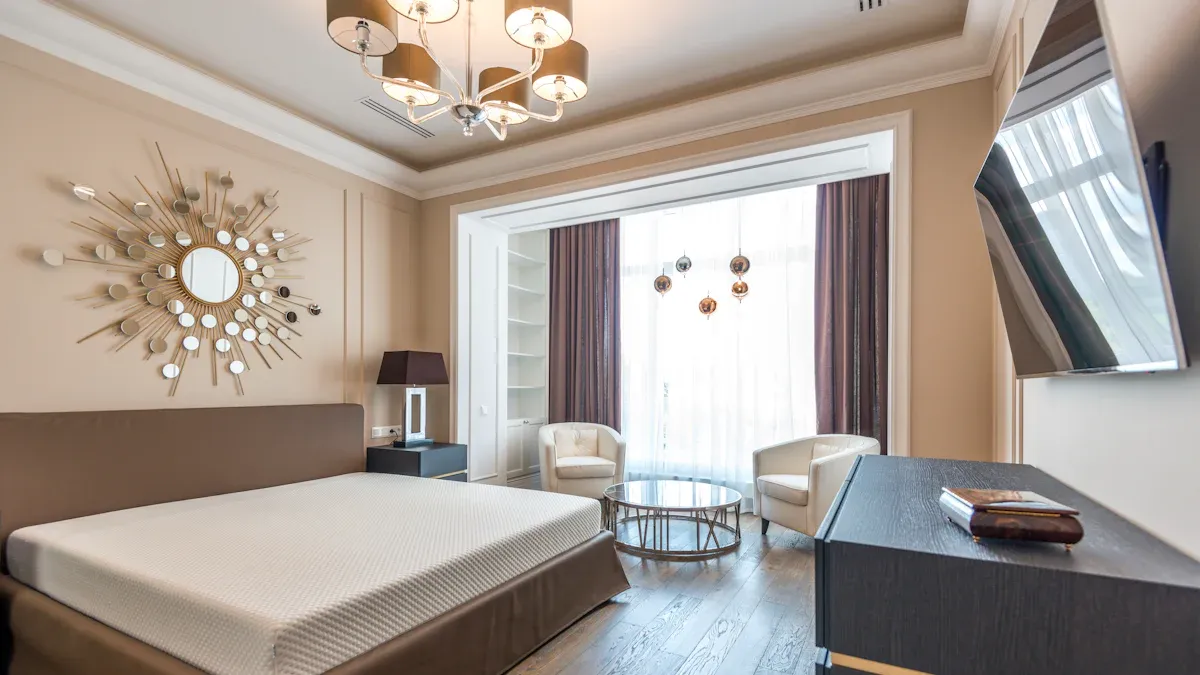
Hotels increasingly adopt furniture serving multiple purposes. This maximizes space and enhances guest convenience. Innovative pieces include daybeds for versatile seating and window-side seating areas for both work and leisure. Layouts now blend work-friendly zones with sleeping areas. Guests find sofa beds, expandable tables, and storage-integrated seating common. Modular pieces adapt for various uses, such as co-working areas or social lounges. Headboards often feature built-in wireless chargers. Desks offer hidden power outlets and adjustable lighting.
Bespoke and Artisanal Hotel Bedroom Furniture Craftsmanship
Authenticity drives demand for bespoke and artisanal craftsmanship. Furniture crafted by local artisans connects guests with regional culture. This approach helps hotels tell their story and supports local communities. Handcrafted pieces reflect regional materials and motifs. Cultural elements like heritage patterns, carvings, and textures add depth. Hotels embrace custom ceramic tables, handwoven textiles, or locally sourced wooden furniture. Combining traditional motifs with modern aesthetics creates an inviting atmosphere.
Curated Vintage and Upcycled Hotel Bedroom Furniture Elements
Incorporating curated vintage elements creates unique and timeless spaces. This blends nostalgia with modernity. Vintage pieces craft an emotional experience for guests, fostering loyalty. They differentiate the brand in a competitive market. Vintage furniture imbues spaces with character and history. It offers a familiar yet unique sanctuary. Signature items come from the craftsmanship and stylized forms of vintage furniture. This serves as a powerful branding tool, reflecting the hotel’s ethos.
Modular and Adaptable Hotel Bedroom Furniture Solutions
Modular and adaptable Hotel Bedroom Furniture solutions offer significant advantages for hotel operators. They enhance flexibility, allowing spaces to adapt quickly to different events and guest needs. Hotels can refresh room layouts with minimal effort. This includes simple swaps or adjustments to match trends. Modular systems also contribute to cost-efficiency. They reduce long-term maintenance costs through selective part replacement. Interchangeable parts like swapable tabletops minimize downtime. Magnetic joinery systems reduce labor costs for reconfigurations.
Material and Texture Trends for Hotel Bedroom Furniture
Materials and textures play a crucial role in defining the ambiance of hotel bedrooms. In 2026, trends emphasize sensory experiences and environmental responsibility.
Natural and Organic Materials in Hotel Bedroom Furniture
Hotels increasingly favor natural and organic materials. These choices create calming and sophisticated environments. Designers blend warm beige tones with nature-inspired wall panels. Elegant furniture often features dark wood tones and warm leather seating. Natural white oak is a popular choice for floors, walls, and ceilings. This creates rich, serene spaces. Honey-toned woods are also widely used on surfaces like headboards and wall paneling. They contribute to a soulful ambiance.
Advanced Performance Fabrics for Hotel Bedroom Furniture
Advanced performance fabrics are essential for luxury hospitality. These materials offer superior repellency against spills and stains. They meet stringent fire code regulations without compromising comfort. These fabrics provide superior softness and an enhanced feel. They also boast unmatched stain and dirt repellency. Enhanced durability ensures a longer lifespan. Easy care and maintenance simplify upkeep for hotel staff.
Textured and Tactile Surfaces in Hotel Bedroom Furniture
Textured and tactile surfaces add depth and visual comfort to rooms. Leather-wrapped panels serve as headboard feature walls. They provide a soft, tactile surface. Upholstered wall sections offer similar soft experiences. Silks, velvets, wools, and linens are favored for soft furnishings. They create an opulent atmosphere. Natural stones with bold veining add dramatic elegance.
Sustainable Wood and Reclaimed Metals for Hotel Bedroom Furniture
Sustainability drives material selection. Hotels increasingly specify sustainable wood and reclaimed metals. Pine, oak, maple, and white ash are common sustainable wood choices. Recycled aluminum and recycled steel are frequently used reclaimed metals. These materials allow rooms to age gracefully.
Color Palettes and Finishes for 2026 Hotel Bedroom Furniture
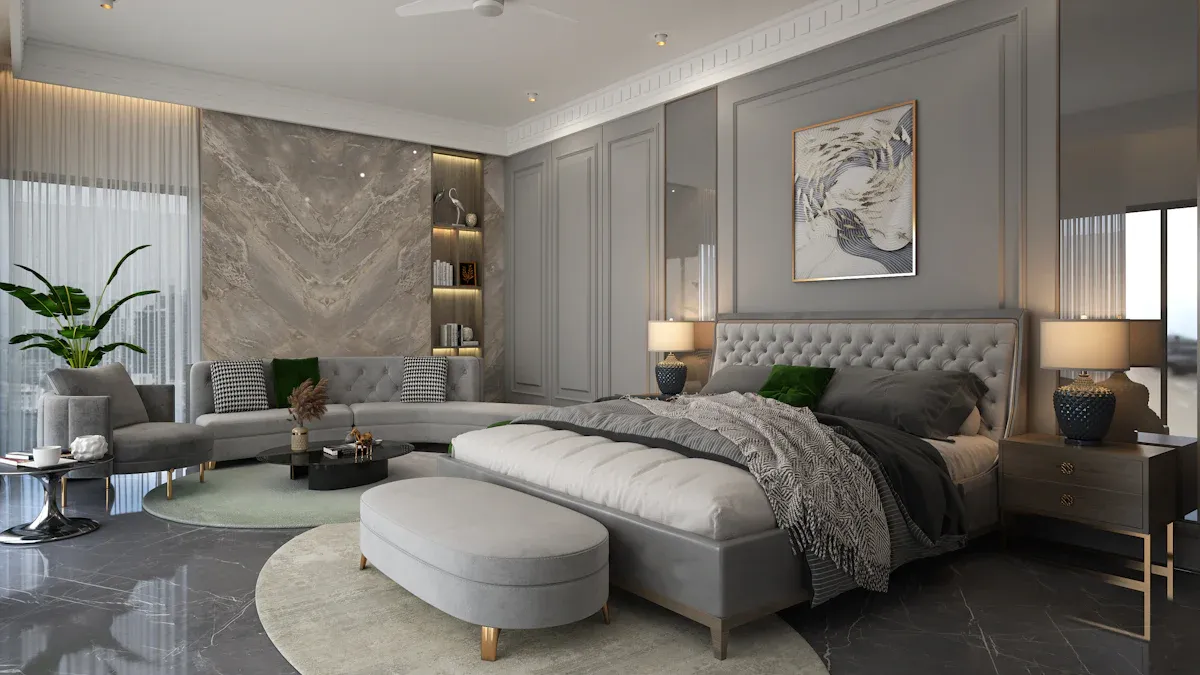
Color palettes and finishes significantly influence the mood and perceived luxury of hotel bedrooms. In 2026, designers will focus on creating inviting, sophisticated, and visually rich environments.
Earthy Neutrals and Warm Tones in Hotel Bedroom Furniture
Earthy neutrals and warm tones continue to dominate, offering guests a sense of calm and comfort. Designers create a calm, hotel-inspired retreat with layered beige tones, using soft beige walls and slightly darker bedding with linen textures and wood accents. Greige, a blend of warmth and coolness, features greige walls, crisp white bedding, and light wood furniture, often accented by black or charcoal. Cream with texture incorporates cream-on-cream palettes with boucle headboards, chunky knit throws, and woven rugs. Earthy taupe provides a grounded feel with taupe walls, beige bedding, and darker wood furniture, complemented by stone or ceramic decor. Soft brown incorporates light brown bedding with cream walls and wooden accents for a cozy atmosphere. White with warmer woods uses creamy whites paired with oak or walnut furniture for a soft and warm balance.
Deep Jewel Tones and Rich Hues for Hotel Bedroom Furniture
Deep jewel tones and rich hues introduce drama and luxury into hotel bedrooms. Hotels use deep burgundy and deep-blue benches, green velvet loveseats, and striking royal blue sofas as focal points. Deep blues, purples, and magentas convey a sense of depth and luxury, often creating striking focal points or a calm, regal ambiance.
If you’re looking for a touch of drama, consider deep jewel tones such as emerald, green, sapphire blue, or rich burgundy to add a regal feel.
Matte and Low-Sheen Finishes on Hotel Bedroom Furniture
Matte and low-sheen finishes offer both aesthetic appeal and practical benefits for Hotel Bedroom Furniture. These finishes provide even coverage for a smooth, consistent look without glossy reflections. They hide surface flaws like bumps, cracks, and patches due to their non-reflective quality. Matte finishes diffuse light to create a soft, warm, and cozy atmosphere, offering depth of color and a rich, luxurious appearance. They are durable and resistant to minor scratches and marks. Advancements in technology have made newer matte formulations easier to clean and maintain, making them ideal for low-traffic areas like bedrooms.
Metallic Accents and Mixed Finishes in Hotel Bedroom Furniture
The trend for metallic accents and mixed finishes moves away from matching all hardware. A combination of brass, bronze, and stainless steel in the interior palette is trending. Silvery metals like stainless steel serve as visual negative space, a neutral anchor for bolder elements. Designers avoid black steel framing, opting for off-black, such as dark purple steel. Burnished brass pairs with walnut and Calacatta Viola, while blackened steel pairs with oak and soapstone. Experts recommend keeping metals to a maximum of two and matching their undertones. White and gold furniture is a natural fit, with gold adding warmth and a soft, reflective glow. Glam in 2026 emphasizes refined shine, quality materials, and relevant furniture. Pinterest’s 2026 ‘Neo Deco’ forecast points to brass-leaning metallics, described as ‘glam meets bold’. Warm gold lighting creates a polished, high-end atmosphere, and gold trims with soft grey layers bring in hotel-level elegance.
Sourcing Strategies for 2026 Hotel Bedroom Furniture
Effective sourcing strategies are vital for luxury and boutique hotels. These strategies ensure the acquisition of high-quality, trend-aligned furniture. They also support a hotel’s brand identity and operational efficiency. Careful planning in this area leads to successful outcomes.
Partnering with Specialized Hotel Bedroom Furniture Manufacturers
Selecting the right manufacturing partner is a critical decision for hotels. Specialized manufacturers offer expertise in the hospitality sector. They understand the unique demands of hotel environments. Hotels look for manufacturers with a proven track record in contract furniture for five-star properties. These manufacturers often hold international certifications like ISO 9001:2015 for quality management and ISO 14001:2015 for environmental management. They also demonstrate environmental commitment through certifications such as ‘China Environmental Labeling Product’ or FSC COC. Industry recognition, like being a ‘Top Ten Hotel Furniture Manufacturer,’ further validates their capabilities.
When evaluating potential partners, hotels consider several factors. The quality of products is essential for luxury hotels. This requires durable and aesthetically pleasing furniture made with premium materials and craftsmanship. Suppliers should offer a diverse range of products to match various design styles and budgets, whether modern, contemporary, or traditional. Excellent customer service, timely delivery, and responsive after-sales support are also crucial. Balancing budget constraints with the necessity of high quality is always a consideration. A manufacturer’s reputation and reliability are evident through reviews, testimonials, and direct observation of their work in other hotels. Their experience and expertise in the hospitality industry, including providing custom solutions, are invaluable. These specialized manufacturers often provide turnkey solutions, from concept to installation, supported by engineering design. They showcase high-quality joinery, finishes, and fabric work in their portfolios for luxury brands. Robust systems for supply chain analysis and demand forecasting ensure timely project completion.
Custom Design and Fabrication for Hotel Bedroom Furniture
Custom design and fabrication offer significant advantages for hotels aiming to create a unique brand identity. Custom furnishings are instrumental in developing signature looks. These looks accurately reflect a property’s unique identity and its target market. This includes the ability to specify precise colors, materials, and finishes. These elements align perfectly with brand standards.
Custom furniture allows hotels to tailor aesthetics to their specific theme and branding. It enables the creation of one-of-a-kind interiors that distinguish the hotel from competitors. Hotels can select high-quality materials that embody their brand’s personality. This ensures all furniture pieces contribute to a unified aesthetic throughout the property. Customized furniture allows hotels to differentiate themselves. It reflects their unique style, ethos, and values. This creates a memorable impression and distinguishes them from competitors. Custom furniture helps hotels achieve a harmonious and unique ambiance. This ambiance perfectly matches the overall design. Every aspect, from materials and finishes to shapes and sizes, is tailored to create a visually stunning space that resonates with guests.
Evaluating Supplier Sustainability Practices for Hotel Bedroom Furniture
Sustainability is a growing concern for guests and hotel operators alike. Evaluating a supplier’s sustainability practices is crucial. Hotels should assess the supplier’s commitment to sustainability. This includes the materials used in their products and their production processes. A proven track record of producing sustainable, high-quality furniture is important. Certifications like FSC for wood and GREENGUARD for indoor air quality demonstrate a supplier’s adherence to environmental standards.
Hotels should investigate a supplier’s sustainable practices throughout their entire supply chain. This includes sourcing, manufacturing, packaging, and shipping methods. They should confirm the use of responsibly sourced materials, such as FSC-certified wood or recycled materials. Energy-efficient production methods and waste reduction in manufacturing are also key indicators. Hotels should ask if suppliers use sustainably sourced or recycled materials. They should also inquire if production processes minimize energy consumption and reduce waste. Certifications from recognized environmental organizations are important. Hotels should also review company policies and initiatives for sustainability. Finally, they should understand how suppliers contribute to local communities and minimize their broader environmental impact.
Quality Control and Durability Considerations for Hotel Bedroom Furniture
Investing in high-quality, durable furniture is a strategic decision for hotels. It leads to significant long-term savings. If durability is not a priority, furniture quickly shows signs of wear. This leads to increased maintenance costs and a negative public perception. While high-quality, durable furniture may have a higher initial cost, it results in long-term savings. It reduces the need for frequent replacements and repairs. Choosing superior furniture and finishes extends the lifespan of furnishings. It also maintains a positive guest impression. Hotels can achieve durable design without sacrificing aesthetics by collaborating with skilled manufacturers and selecting appropriate materials.
Quality control measures are essential for ensuring the durability and longevity of Hotel Bedroom Furniture. These measures begin with material selection and inspection. Wood components must be free of defects. Upholstery fabrics should be fire-retardant and stain-resistant. Metal hardware needs to be corrosion-resistant. Surface finishes must resist scratches and moisture. Oversight of the manufacturing process includes precision cutting and assembly, seamless finishing, and reinforced joinery and fastening. Durability and performance testing are vital. This involves weight-bearing, impact resistance, cycle, abrasion/scratch resistance, and humidity/moisture resistance tests. Safety and compliance checks verify fire safety, chemical safety, stability, and child/elderly safety considerations. Aesthetic and finishing inspections ensure color/texture consistency, flawless finishing, upholstery integrity, seamless assembly, and smooth functionality. Well-constructed pieces have a longer lifespan. They withstand daily use and require fewer replacements. Durable materials like hardwood and premium upholstery resist wear and tear. Sturdy furniture minimizes the need for frequent refurbishments. Hotels achieve cost savings by decreasing repair and replacement expenses. From a lifecycle cost perspective, laminate furniture generally offers superior durability and lower maintenance costs. A strategic combination of materials, such as using laminate extensively in guestrooms and veneer selectively in public areas, can balance budget and design impact. Well-planned furniture budgets contribute to higher asset efficiency and more sustainable long-term returns.
The 2026 trends transform hotel bedrooms. They enhance guest satisfaction and operational efficiency. Strategic implementation of these designs creates unique experiences. This ensures hotels remain competitive. The future landscape of luxury and boutique Hotel Bedroom Furniture design emphasizes personalized, sustainable, and technologically advanced spaces.
FAQ
What is the primary focus of 2026 hotel bedroom furniture trends?
The trends prioritize guest experience, sustainability, and technological integration. They aim for comfort, unique identity, and environmental responsibility.
How does smart technology enhance hotel bedroom furniture?
Smart technology integrates features like charging ports and intelligent lighting. This enhances guest convenience and personalizes the stay.
Why is custom design important for hotel bedroom furniture?
Custom design allows hotels to create unique, branded spaces. This reflects their identity and differentiates them from competitors.


