
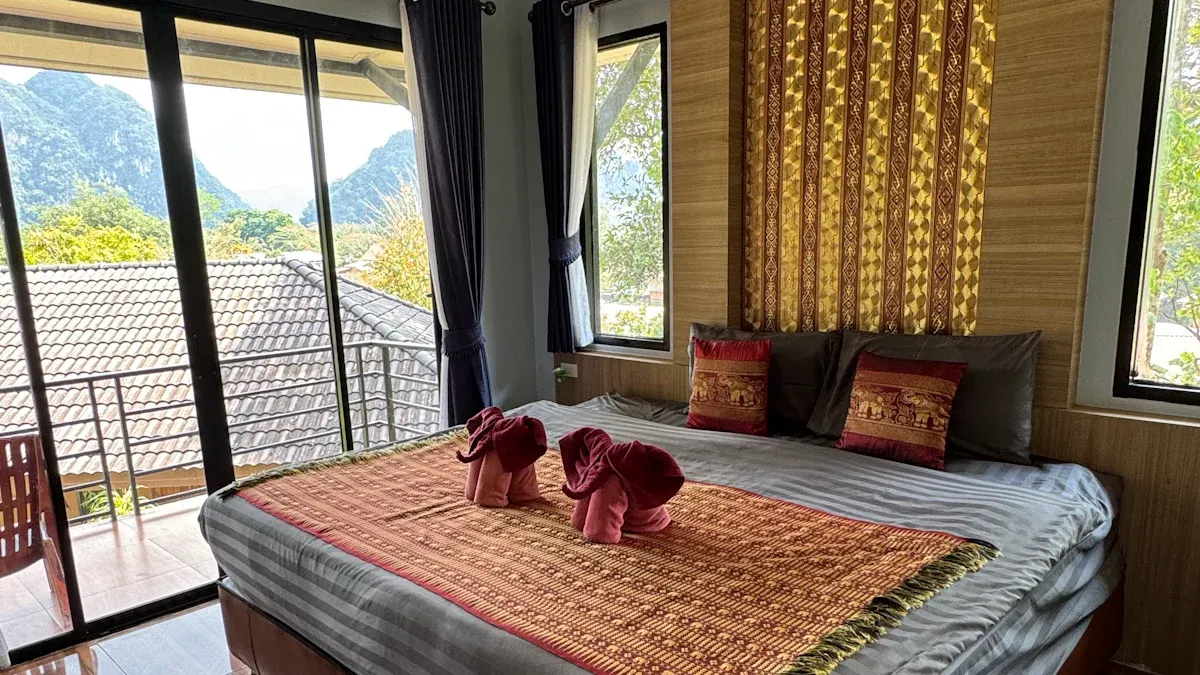
Custom hotel furniture solutions refer to tailor-made furnishings designed specifically for the unique needs of hotels. These hotel furniture customization solutions enhance both aesthetic appeal and functionality, allowing hotels to create distinctive environments that resonate with their brand identity. Nearly 40% of hotels now choose custom furniture solutions over standard options, reflecting a growing recognition of their benefits.
Investing in such furniture significantly impacts guest satisfaction. Hotels that have embraced Taisen project furniture report a 23% increase in guest satisfaction. This trend aligns with the luxury hotel furniture market, which has seen over $2.3 billion allocated for renovations in 2023-2024. Such investments not only elevate the visual appeal but also improve operational efficiency through the use of multifunctional hotel furniture. As a leading commercial furniture manufacturer, we also offer hotel furniture OEM/ODM services to meet diverse client needs.
Key Takeaways
- Custom hotel furniture enhances guest satisfaction by providing personalized comfort and unique designs, leading to improved experiences.
- Investing in custom furniture increases property value, allowing hotels to stand out and potentially charge higher room rates.
- Durability is a key advantage of custom furniture, as it withstands high usage and reduces the need for frequent repairs or replacements.
- Effective budget management and planning are essential when investing in custom furniture to avoid financial strain and ensure quality.
- Collaboration with designers is crucial for creating custom pieces that align with a hotel’s brand identity and operational needs.
Characteristics of Custom Hotel Furniture
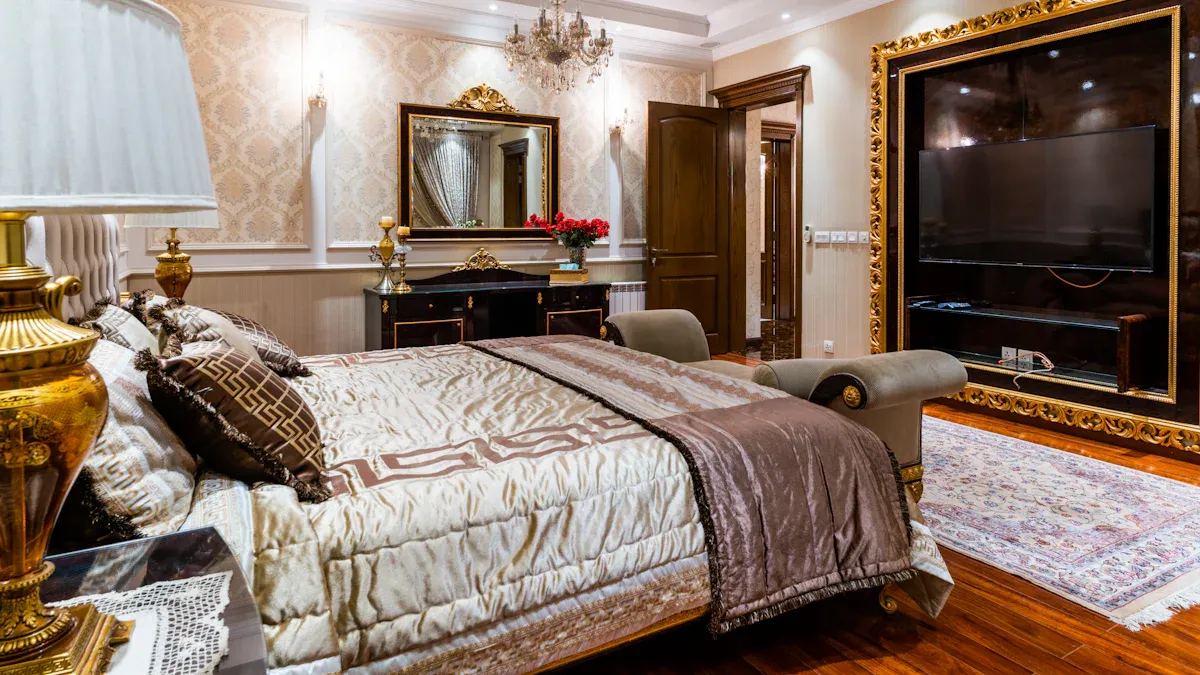
Custom hotel furniture stands out due to several defining features that enhance both functionality and aesthetics. These characteristics include:
- Superior craftsmanship: Artisans create each piece with meticulous attention to detail, ensuring high-quality finishes and durability.
- Exclusive design: Custom furniture allows hotels to showcase unique styles that reflect their brand identity and local culture.
- Premium materials: The selection of high-quality materials, such as solid wood and metal, contributes to both durability and visual appeal.
- Enhanced guest experience through personalization: Tailored designs cater to specific guest needs, creating a more inviting atmosphere.
Reggi Nichols notes, "Modern travelers’ quest to experience authentic, local culture during their hotel stay is a key factor prompting the shift to more custom furniture. Mass-produced furniture may not always offer specific characteristics or a specific style tailored to achieve a locally inspired design aesthetic.”
Additionally, custom hotel furniture offers flexibility in design, allowing for the integration of special functional needs. Hotels can implement tailor-made storage solutions that maximize space and improve organization.
The choice of materials significantly affects both durability and aesthetics. For instance, solid wood options like oak and mahogany provide warmth and sophistication while enduring heavy usage. Metal elements, such as stainless steel, offer a modern aesthetic and require low maintenance. Upholstery choices, including leather, add comfort and style, making them ideal for high-traffic areas.
Benefits of Investing in Custom Hotel Furniture
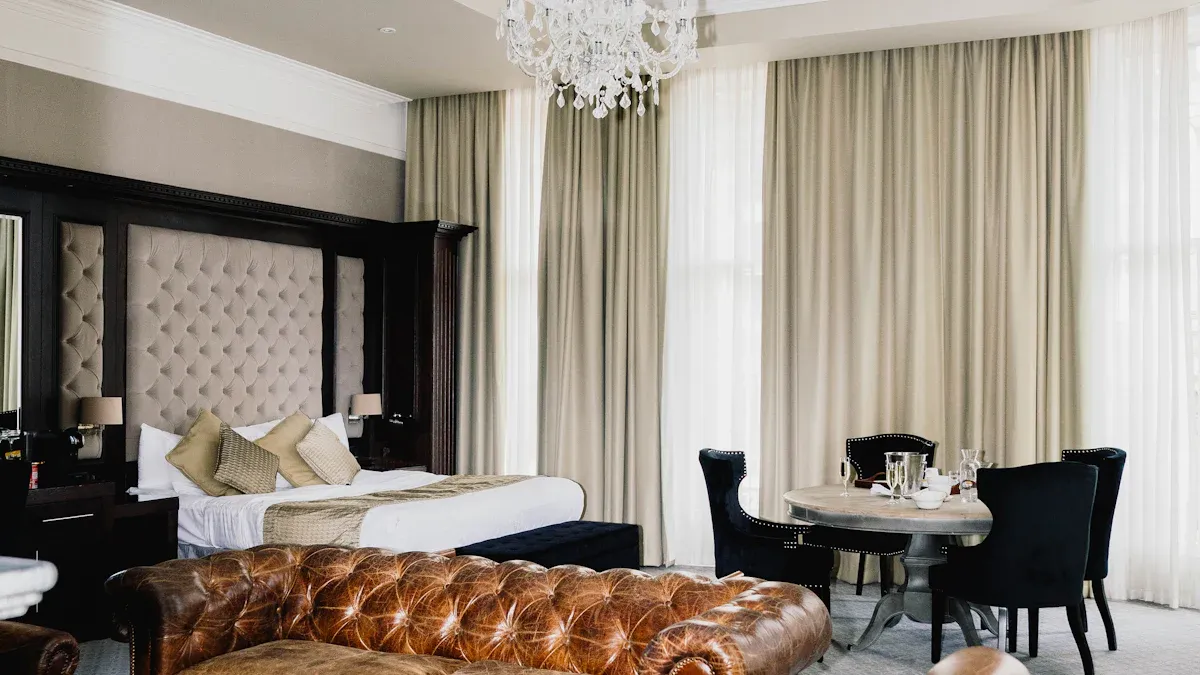
Investing in custom hotel furniture offers numerous advantages that can significantly enhance a hotel’s overall appeal and operational efficiency. Here are some key benefits:
-
Enhanced Guest Experience: Custom hotel furniture allows for personalization in various spaces, creating memorable experiences for guests. Thoughtfully designed elements contribute to comfort and privacy, which can enhance guest satisfaction by up to 30%. This improvement is crucial in today’s competitive hospitality market.
-
Increased Property Value: Unique custom pieces can elevate a hotel’s design, making it stand out in a crowded marketplace. Such differentiation can lead to higher room rates, as guests often associate distinctive environments with luxury and quality.
-
Durability: Custom furniture is crafted with greater attention to detail compared to mass-produced options. Hotels benefit from durable materials that withstand high guest turnover, resulting in a longer lifespan for the furniture. This durability reduces costs associated with frequent repairs or replacements.
-
Cost-Effectiveness: Although the initial investment in custom hotel furniture may be higher, the long-term savings are significant. The longevity of these pieces and their lower maintenance costs make them more economical over time.
| Benefit | Description |
|---|---|
| Enhanced Guest Experience | Custom furniture allows for personalization in different spaces, creating memorable experiences for guests. |
| Increased Property Value | Unique custom pieces can enhance the hotel’s design, making it stand out and potentially allowing for higher room rates. |
| Durability | Custom furniture is built with quality materials, ensuring longevity and reducing the need for frequent replacements. |
| Cost-Effectiveness | Although the initial investment is higher, the long lifespan and lower maintenance costs make it more economical over time. |
Furthermore, custom furniture solutions contribute to brand differentiation in the hospitality industry. They create unique spaces that enhance guest experiences and reflect the distinct brand identity of each hotel or resort. This alignment with the hotel’s image fosters customer loyalty and brand recall, essential for attracting guests who resonate with the brand’s style.
Practical Considerations for Custom Hotel Furniture
When hotels consider investing in custom hotel furniture, several practical factors come into play. Understanding these considerations can help hotel managers make informed decisions that align with their operational goals and guest expectations.
Budget Management
Budget constraints often pose challenges when implementing custom furniture solutions. Hotels should consider the following strategies to manage costs effectively:
- Thorough Planning: Understanding total costs upfront is essential to avoid financial strain. This includes not only the initial purchase price but also ongoing maintenance costs.
- Contingency Fund: Setting aside a contingency fund for unexpected expenses helps maintain budget integrity.
- Mock Assessments: Conducting mock assessments allows hotels to identify design shortcomings early, minimizing costly changes later.
Lead Times
The timeline for designing and manufacturing custom hotel furniture can vary significantly. Below is a table outlining the typical stages and durations involved in the process:
| Stage | Typical Duration | Description |
|---|---|---|
| Design & Prototyping | 4-8 weeks | Initial concept development, detailed drawings, material selection, and potentially a physical prototype for approval. |
| Material Procurement | 2-6 weeks | Sourcing and ordering specialized fabrics, foams, frames, and hardware. Lead times vary based on material availability. |
| Production | 8-16 weeks | Actual manufacturing, including frame construction, upholstery, and finishing. This phase is influenced by order volume. |
| Quality Control & Packaging | 1-2 weeks | Inspection to ensure specifications are met, followed by secure packaging for transit. |
| Shipping & Logistics | 2-8 weeks | Duration depends on origin, destination, and shipping method. |
| Installation | Varies | On-site delivery and placement of furniture. |
Total Estimated Lead Time (Excluding Installation): 17 – 40+ weeks (approximately 4-10 months).
Compliance with Standards
Ensuring compliance with safety and accessibility standards is crucial in custom furniture design. Hotels must adhere to regulations such as the Americans with Disabilities Act (ADA), which mandates accessible design requirements. Key compliance aspects include:
- Safety Standards: Compliance with relevant safety standards and regulations, including fire safety and materials.
- Accessibility Compliance: Furniture design must accommodate guests using wheelchairs or other mobility devices. For example, entrances to guest rooms should have at least 32 inches of clear passage.
Material Selection for Sustainability
Sustainability is an increasingly important consideration in custom hotel furniture design. Hotels should evaluate materials based on their environmental impact. Here are some sustainable options:
- Reclaimed Wood: Reduces waste while maintaining a classic look.
- Bamboo: A rapidly renewable material ideal for high-end hotel furniture.
- Low-VOC Finishes: Minimize harmful chemical emissions in enclosed spaces.
Investing in durable, high-quality furniture is essential for hotels. Quality furnishings endure significant wear and tear, requiring less maintenance and reducing the need for frequent replacements.
Long-Term Maintenance Requirements
Evaluating long-term maintenance requirements is vital for ensuring the longevity of custom hotel furniture. Hotels should consider the following:
- Warranties: Look for comprehensive warranties that cover various damages without hidden exclusions.
- Manufacturer Reputation: Researching the manufacturer’s history helps assess long-term reliability.
By addressing these practical considerations, hotels can successfully implement custom furniture solutions that enhance guest experiences while optimizing operational efficiency.
Collaborating with Designers for Custom Hotel Furniture
Collaboration between hotels and designers is crucial for creating custom hotel furniture that meets specific needs. This partnership ensures that the final products align with the hotel’s brand identity and operational requirements. Effective communication and clear expectations play significant roles in this process.
When engaging with designers, hotels should consider the following best practices:
- Define Objectives: Clearly outline the goals for the project. This includes aesthetic preferences, functional requirements, and sustainability goals.
- Maintain Transparency: Keep detailed records linking products to their origins and delivery times. This enhances transparency and builds trust between parties.
- Organize Feedback: Structure feedback by urgency and importance. Provide clear timelines and updates to keep everyone informed.
Custom hotel furniture allows for better oversight of materials and sustainability practices. Hotels can showcase their commitment to environmental responsibility through thoughtful material selection. For instance, using non-toxic finishes and sustainably sourced materials enhances the hotel’s brand image.
Designers also play a vital role in optimizing space utilization. They can create custom pieces that maximize functionality while maintaining aesthetic appeal. Built-in storage solutions and multifunctional designs help utilize awkward spaces effectively. This adaptability is essential for hotels catering to the growing trend of ‘bleisure’ travel, where guests seek both work and relaxation spaces.
To address potential conflicts during the design process, hotels and designers should establish clear communication and documentation. Well-defined agreements outline responsibilities and clarify expectations. Coordination among architects, interior designers, and developers ensures alignment and helps prevent misunderstandings.
By collaborating effectively with designers, hotels can create custom hotel furniture that not only enhances guest experiences but also reflects their unique brand identity.
Case Studies of Custom Hotel Furniture Implementations
Several hotels have successfully implemented custom hotel furniture solutions, showcasing the benefits of tailored designs.
-
The Lancaster Hotel: This historical hotel enhanced its lobby by collaborating with local artisans. They created custom seating that blends classic and contemporary styles. This initiative significantly improved the guest experience, making the lobby a welcoming space.
-
The Sam Houston Hotel: This boutique hotel revitalized its suites with bespoke furniture, including tailored bedframes and luxurious headboards. Guests praised the unique interior design, which increased comfort and satisfaction.
The impact of custom furniture on these hotels is notable.
| Hotel Type | Custom Furniture Impact |
|---|---|
| Boutique Hotel | Created a unique, luxurious experience with bespoke pieces, leading to rave reviews from guests. |
| Large Chain Hotel | Ensured consistency across locations while incorporating regional touches, enhancing guest experience and brand identity. |
However, these projects faced challenges.
| Challenge | Solution |
|---|---|
| High upfront costs | Collaborating with suppliers for furniture buyback programs to reduce waste and costs. |
| Resistance to change | Engaging in cooperative procurement initiatives to enhance purchasing power. |
| Limited supplier networks | Establishing partnerships with local craftsmen for repairs and repurposing furniture. |
| Financial constraints | Exploring leasing models to avoid ownership costs and ensure periodic updates. |
| Logistical complexities | Creating industry-wide frameworks for circular economy implementation. |
The measurable improvements in guest satisfaction were significant.
| Improvement Type | Percentage Increase/Effect |
|---|---|
| Cleanliness and overall comfort | 8-12% increase |
| Net Promoter Score | Improvement within 6-12 months |
| Carbon emissions reduction | 22-30% decrease |
These case studies highlight valuable lessons for future hotel furniture projects.
- Early and clear communication about project goals is crucial to avoid challenges later in the process.
- Defining all project needs before construction can streamline implementation and reduce change orders.
Investing in quality custom hotel furniture significantly impacts customer satisfaction, leading to positive reviews and repeat visits.
Custom hotel furniture solutions play a vital role in enhancing both guest satisfaction and operational efficiency. These tailored furnishings allow hotels to create unique environments that reflect their brand identity. By investing in custom hotel furniture, hotels can maximize space utilization and maintain design cohesiveness, which ultimately leads to improved guest experiences.
Hotels should consider custom options to meet their specific needs. The benefits include enhanced comfort, durability, and sustainability, which align with modern consumer preferences. As hotels strive to differentiate themselves in a competitive market, custom furniture solutions offer a pathway to achieving these goals.
Investing in quality custom hotel furniture not only elevates the guest experience but also supports long-term operational success.
FAQ
What is custom hotel furniture?
Custom hotel furniture refers to tailor-made furnishings designed specifically for hotels. These pieces enhance aesthetics and functionality, allowing hotels to create unique environments that reflect their brand identity.
How long does it take to receive custom furniture?
The lead time for custom furniture typically ranges from 17 to 40 weeks, depending on design complexity, material availability, and production schedules.
Are custom furniture solutions cost-effective?
While the initial investment may be higher, custom furniture often proves cost-effective over time due to its durability and lower maintenance costs, leading to long-term savings.
Can custom furniture improve guest satisfaction?
Yes, custom furniture enhances guest experiences by providing personalized comfort and unique designs. Hotels that invest in custom solutions often see increased guest satisfaction ratings.
How do I choose the right materials for custom furniture?
Selecting materials involves considering durability, aesthetics, and sustainability. Options like solid wood, metal, and eco-friendly finishes can enhance both the look and longevity of the furniture.


