
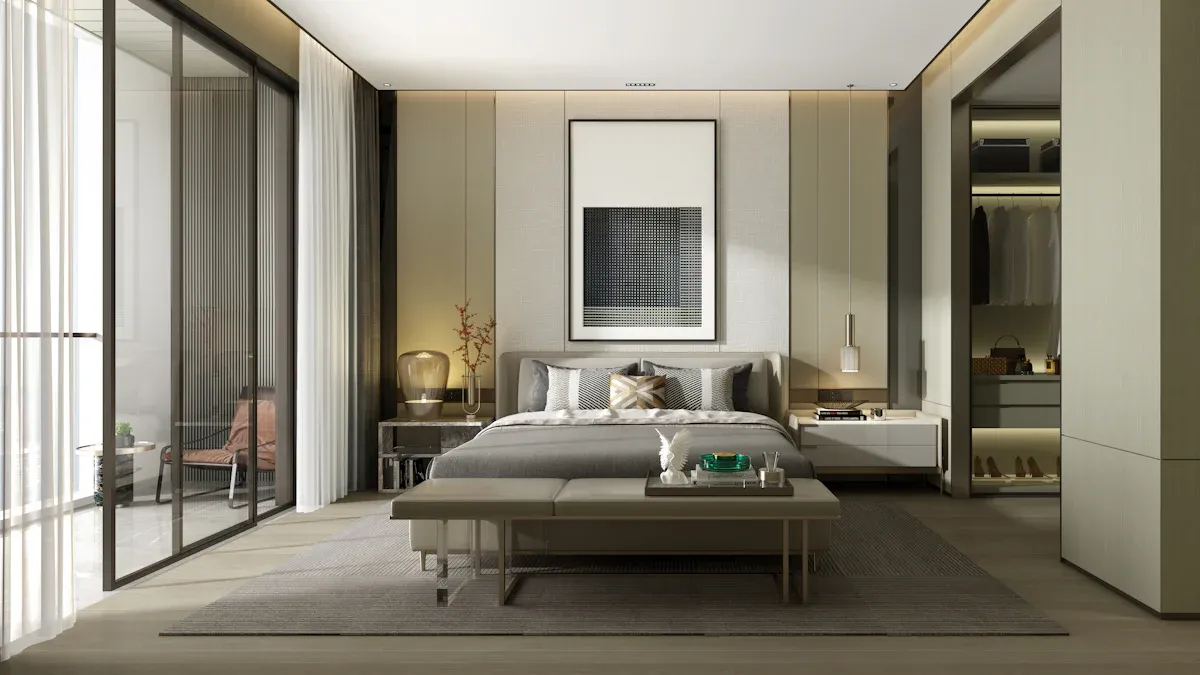
International hotel brands play a pivotal role in establishing hotel furniture brand standards that significantly shape the hospitality industry. Their influence extends beyond mere aesthetics; it encompasses essential aspects such as sustainability practices and functional requirements that enhance guest comfort, aligning with international hotel furniture guidelines. For instance, research indicates that 58.8% of participants reported satisfaction with hotel room decoration, with an average score of 7.59 out of 10. This correlation highlights how modern design and high-quality materials in furniture compliance hospitality directly impact guest satisfaction. As these brands continue to evolve, they set benchmarks that resonate with both guests and industry stakeholders alike, including the specific hotel room furniture requirements that ensure a comfortable stay. Taisen Hotel Furniture Solutions is committed to meeting these hospitality brand furniture standards, providing innovative and stylish options that cater to the needs of the modern hotel environment.
Key Takeaways
- International hotel brands shape furniture standards that enhance guest comfort and satisfaction.
- Sustainability is key; hotels increasingly use eco-friendly materials to reduce their environmental impact.
- Functionality matters; modern furniture serves multiple purposes, catering to the needs of today’s travelers.
- Cultural integration in furniture design creates a unique atmosphere, making guests feel more connected to their surroundings.
- Technology is transforming furniture; smart features enhance convenience and improve the overall guest experience.
The Evolving Role of Furniture in Hospitality
Over the past two decades, the role of furniture in hospitality has undergone significant transformation. Initially, hotel designs focused on luxury, featuring opulent materials and grand styles. However, the modern traveler demands more than just aesthetics. Today, functionality and minimalism take precedence, reflecting the needs for convenience and efficiency.
Key aspects of this evolution include:
- Shift Toward Functionality: Hotels now prioritize furniture that serves multiple purposes. For instance, beds with built-in storage or desks that double as dining tables enhance space efficiency.
- Sustainability: Eco-friendly materials and processes have become essential. Hotels increasingly opt for sustainable options, reducing their carbon footprint while appealing to environmentally conscious guests.
- Guest Comfort: High-quality, ergonomic furniture enhances the overall guest experience. Comfortable seating and well-placed furniture contribute to a relaxing atmosphere, leading to higher satisfaction rates.
International hotel brands define specific functional requirements for their furniture. The following table outlines key furniture types and their essential features:
| Furniture Type | Key Functional Requirements |
|---|---|
| Wardrobe | Durable, moisture-resistant materials; efficient storage design; standard sizes for guest convenience. |
| Sofa | Aesthetic appeal; comfort; durability; wear resistance; appropriate foam density. |
| Nightstand | Height aligned with mattress; durable surfaces; functionality with drawers and power outlets. |
| TV Cabinet | Storage efficiency; design consistency; effective cable management. |
The emphasis on durability and quality is crucial due to high wear and tear in hotel environments. Comfort and functionality must remain priorities to ensure guest satisfaction. Additionally, consistency with the hotel’s brand and style is vital for creating a cohesive experience.
Sustainability practices also influence furniture selection in the hospitality industry. Hotels recognize the benefits of using eco-friendly materials, which include:
- Environmental Responsibility: Sustainable materials reduce carbon footprints and waste.
- Enhanced Brand Image: A commitment to sustainability attracts eco-conscious guests.
- Cost Savings: Durable eco-friendly furniture minimizes replacement frequency and maintenance costs.
- Improved Indoor Air Quality: Many eco-friendly options are free from harmful chemicals, enhancing guest health.
Investing in high-quality, sustainable, and functional furniture not only enhances guest comfort but also strengthens brand identity and improves ambiance. As international hotel brands continue to set furniture standards, they shape the future of hospitality, ensuring that furniture meets evolving guest needs and industry trends.
Key Global Trends in Furniture Design
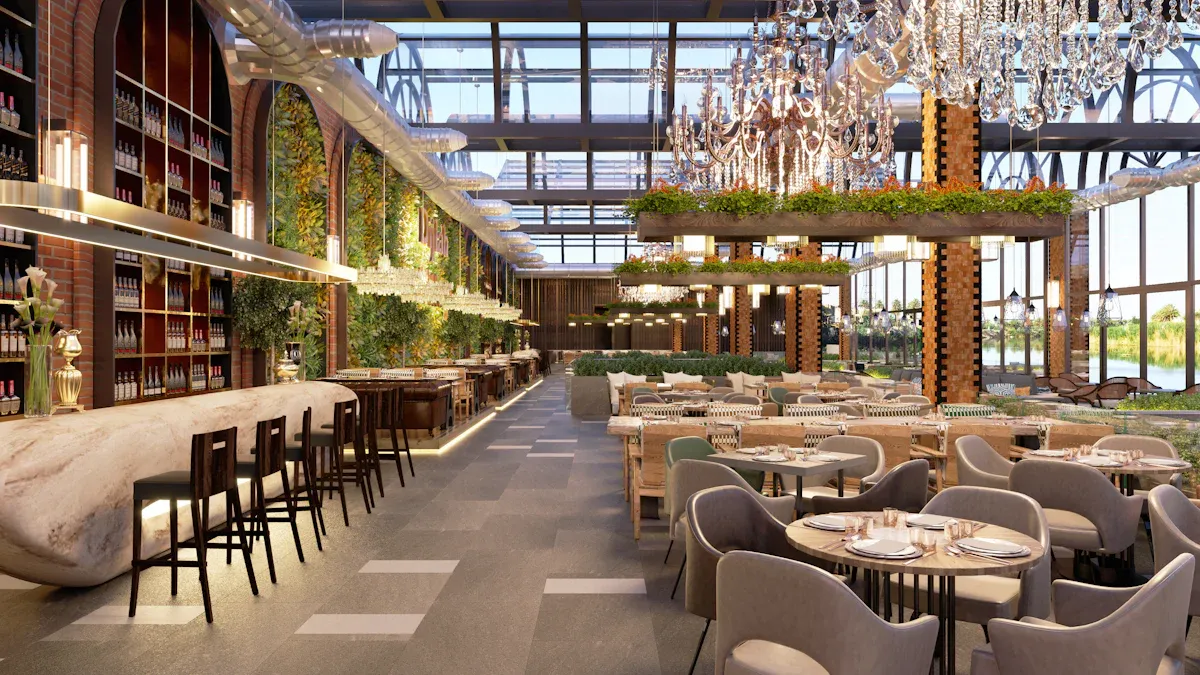
The landscape of hotel furniture design has evolved significantly in recent years, driven by changing guest expectations and emerging trends. International hotel brands have embraced several key global trends that shape their furniture standards. These trends reflect a commitment to enhancing guest experiences while maintaining functionality and aesthetic appeal.
-
A More Personal Approach to Furniture Design: Modern travelers seek unique and personalized experiences. Hotels now focus on creating furniture that resonates with local culture and guest preferences. This approach fosters a sense of belonging and connection, making guests feel more at home during their stay.
-
Multitasking for the Modern Traveler: As guests increasingly blend work and leisure, hotels have adapted by incorporating multifunctional furniture. For example, desks that convert into dining tables or sofas that transform into beds cater to diverse needs. This flexibility enhances the usability of hotel spaces, aligning with the evolving lifestyle of travelers.
-
New & ‘New Old’ Materials: The use of innovative materials has gained traction in hotel furniture design. Brands are exploring sustainable options, such as reclaimed wood and recycled metals, alongside traditional materials. This blend of old and new not only adds character but also supports eco-friendly practices.
-
Sustainability: Sustainability remains a top priority for international hotel brands. Many are adopting eco-friendly materials and practices in their furniture design. For instance, responsible material sourcing involves using FSC-certified wood and rapidly renewable resources like bamboo. Additionally, low-impact manufacturing processes emphasize energy efficiency and non-toxic finishes, minimizing environmental impact.
-
Colors & Patterns: Vibrant colors and bold patterns have made a comeback in hotel furniture design. These elements create visually stimulating environments that enhance guest experiences. By incorporating local art and cultural motifs, hotels can create unique atmospheres that reflect their surroundings.
The integration of technology also plays a crucial role in current furniture design trends. Smart furniture solutions, such as charging ports and built-in technology, enhance guest convenience. Features like keyless door entry and health-focused amenities cater to the needs of tech-savvy travelers.
Moreover, modular and flexible furniture solutions have emerged as a response to changing guest needs. This adaptability allows hotels to create personalized experiences that cater to various preferences and group sizes. Event planners and guests increasingly seek setups that feel tailored to individual requirements, enhancing the overall guest experience.
Leading international hotel brands often standardize key design elements across their properties. These elements include lobby design, brand colors, furniture types, flooring materials, and room layouts. While local adaptations may occur, a unifying design thread remains consistent, ensuring that guests can identify the brand regardless of the hotel’s geographical location.
As international hotel brands continue to set furniture standards, they reflect the evolving demands of guests and the hospitality industry. By embracing these trends, hotels can create inviting spaces that enhance comfort and satisfaction.
Case Studies of Leading Hotel Brands
Leading hotel brands exemplify how to implement furniture standards effectively across various regions. They adapt their designs to meet local preferences while maintaining a cohesive brand identity. Here are some notable trends observed in their furniture strategies:
| Trend | Description |
|---|---|
| Sustainability | Use of sustainable materials and practices to enhance environmental responsibility. |
| Modular Design | Furniture that can be easily reconfigured for different uses, promoting flexibility in space usage. |
| Technology Integration | Incorporation of tech features in furniture to enhance guest experience and operational efficiency. |
| Wellness | Focus on ergonomic and health-promoting designs to improve guest comfort and wellbeing. |
| Durability | Emphasis on high-performance materials that withstand heavy use and cleaning protocols. |
These trends reflect a commitment to enhancing guest experiences while adhering to hotel furniture brand standards. However, leading hotel brands face several challenges in maintaining these standards globally:
- Supply Chain Issues: Delays in receiving products can complicate delivery schedules and project timelines.
- Quality Control: Ensuring that all procured items meet required quality standards is crucial for maintaining brand reputation and guest satisfaction.
- Sustainability Concerns: Sourcing eco-friendly products that align with environmental goals can be challenging but is increasingly important to guests.
By addressing these challenges, hotel brands can ensure that their furniture not only meets aesthetic and functional requirements but also aligns with the evolving expectations of their guests. This proactive approach helps them maintain a competitive edge in the hospitality industry.
The Impact of Cultural Influences
Cultural influences play a significant role in shaping hotel furniture choices across different regions. International hotel brands recognize that integrating local culture into furniture design enhances guest experiences. Handcrafted furniture, for instance, often features unique, artisan-made pieces that reflect regional materials and motifs. This connection to local culture allows guests to feel a deeper bond with their surroundings.
Several factors drive the adaptation of furniture to cultural aesthetics:
- Guest Preferences: The tastes and preferences of guests greatly influence furniture choices. Hotels strive to create environments that resonate with their clientele.
- Brand Image and Consistency: Maintaining a consistent brand image is crucial. Hotels align furniture with their overall theme while incorporating local elements.
- Sustainability: Growing environmental consciousness prompts many hotels to choose eco-friendly furniture options, further enhancing their appeal.
Examples of cultural integration in hotel furniture design abound. Rich teak and dark-stained timber finishes create warmth and reflect local material use. Low-profile furniture designs maintain open sightlines, enhancing connections to ocean views. In regions like Bali, craftsmanship shines through rattan accents and carved panels, showcasing cultural authenticity.
Incorporating local culture significantly enhances guest satisfaction. Guests desire a connection to their destination, and furniture that reflects local aesthetics creates a memorable atmosphere. Traditional craftsmanship and locally sourced materials enrich the ambiance, allowing guests to engage with the local culture during their stay.
As globalization shapes cultural trends, hotels must adapt to cater to diverse guests. Understanding these influences enables hotels to tailor their offerings, ensuring that all guests feel valued and included. This approach directly impacts guest satisfaction and loyalty.
Future Directions in Hotel Furniture Brand Standards
As the hospitality industry evolves, hotel furniture brand standards will increasingly reflect emerging trends and technologies. The integration of smart technology will play a pivotal role in enhancing guest experiences. Hotels will adopt features such as keyless room entry and voice-controlled lighting, which will provide convenience and comfort for guests.
Sustainability will remain a core principle in furniture design. Hotels will prioritize eco-friendly materials, such as bamboo, reclaimed wood, and recycled metals. This shift aligns with growing environmental consciousness among travelers. By adopting circular economy practices, hotels can significantly reduce their environmental footprint. Durable designs and reuse strategies will lower waste and support sustainability efforts.
Customization will also become essential. Guests will seek personalized experiences, prompting hotels to offer furniture that caters to individual preferences. This trend will enhance guest satisfaction and create memorable stays.
The future will also see a focus on adaptability in furniture design. Spaces will serve multiple functions, such as lobbies transforming into co-working lounges during the day and social areas at night. Modular furniture will facilitate this flexibility, allowing hotels to maximize their space efficiently.
However, challenges will accompany these advancements. Hotels may face delays in furniture delivery, cost overruns, and the need for sustainability certifications. Additionally, suppliers must understand local market operations to meet the evolving demands of hotel furniture brand standards.
International hotel brands will continue to shape furniture standards, reflecting evolving guest needs and industry trends. Their influence extends to various aspects, including:
- Sustainability: Hotels increasingly opt for eco-friendly materials like reclaimed wood and recycled metals, reducing waste and supporting a circular economy.
- Technology Integration: Modern furniture now features smart solutions, such as wireless charging and modular designs, enhancing guest convenience and extending furniture life.
- Cultural Relevance: Respecting local culture in design fosters emotional connections with guests, enhancing loyalty and satisfaction.
As these trends evolve, hotels that prioritize thoughtful furniture choices will likely see improved guest experiences and operational efficiency.
FAQ
What are the key factors influencing hotel furniture design?
Hotel furniture design is influenced by functionality, sustainability, guest comfort, and cultural relevance. Brands prioritize durable materials and multifunctional pieces to enhance guest experiences while reflecting local aesthetics.
How do international hotel brands ensure sustainability in furniture?
International hotel brands adopt eco-friendly materials, such as reclaimed wood and recycled metals. They also implement low-impact manufacturing processes to minimize environmental impact and promote responsible sourcing.
Why is cultural integration important in hotel furniture design?
Cultural integration enhances guest experiences by creating a sense of connection to the local environment. Unique, locally crafted furniture fosters emotional bonds, making stays more memorable and enriching.
How do hotel furniture standards impact guest satisfaction?
High-quality, functional furniture directly influences guest comfort and satisfaction. When furniture meets aesthetic and practical needs, guests are more likely to enjoy their stay and return in the future.
What trends are shaping the future of hotel furniture?
Future trends include smart technology integration, customizable furniture, and a focus on sustainability. Hotels will prioritize adaptable designs that cater to diverse guest needs and preferences.


