
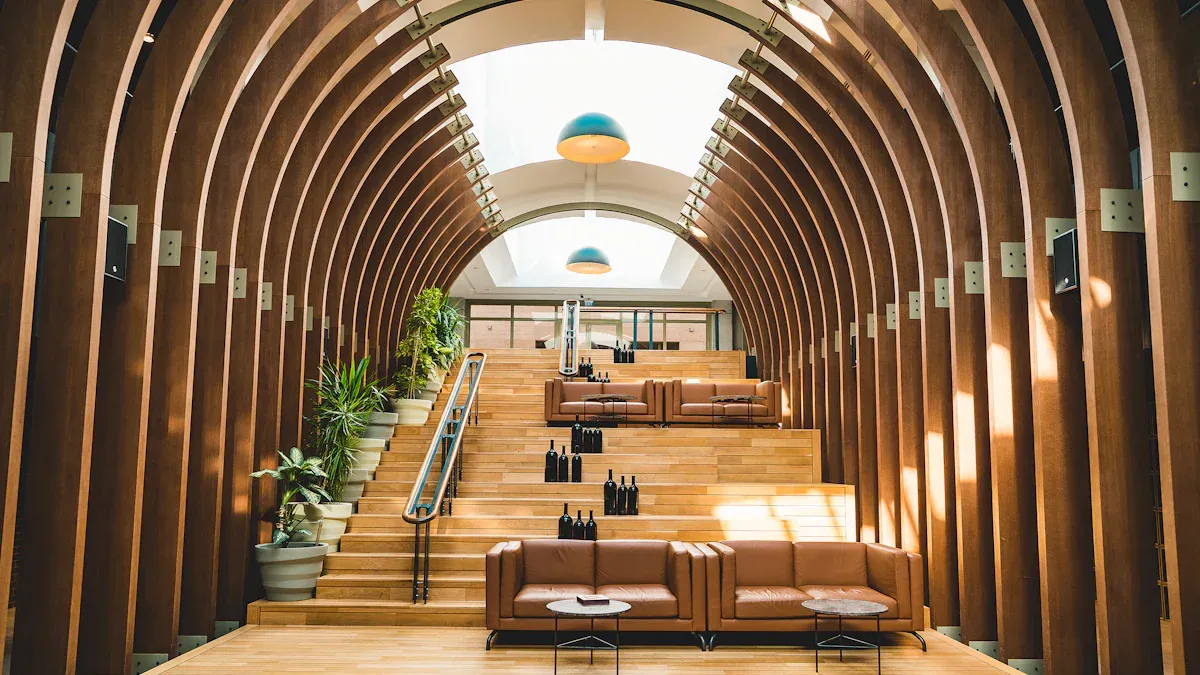
Custom hotel furniture benefits significantly enhance guest experience and strengthen hotel brand identity. Hotels that invest in tailored hotel furnishings often report a remarkable 20% increase in guest satisfaction ratings. This increase stems from the unique aesthetics that custom designs provide, allowing hotels to stand out from competitors. Flexibility in design caters to various spaces, ensuring that each area reflects the hotel’s theme and values. Furthermore, hotel custom furniture solutions utilize eco-friendly materials, promoting sustainability in the hospitality industry. This commitment to quality and design not only meets specific needs but also ensures durability and longevity, making it a cost-effective choice for hotel owners. When considering why choose custom furniture, it becomes clear that it aligns perfectly with the vision of creating a distinctive atmosphere that resonates with guests. Additionally, partnering with an OEM hotel furniture provider can further enhance the customization process, ensuring that every piece contributes to the overall aesthetic and functionality of the space.
Key Takeaways
- Custom furniture enhances guest satisfaction by creating inviting and comfortable environments, leading to positive reviews.
- Tailored solutions address unique hotel needs, ensuring accessibility and compliance with safety standards for all guests.
- Investing in custom furniture proves cost-effective over time, reducing maintenance and replacement costs significantly.
- Unique designs strengthen brand identity, allowing hotels to stand out and create memorable experiences for guests.
- Sustainable materials in custom furniture not only support eco-friendly practices but also attract environmentally conscious guests.
Enhanced Guest Experience
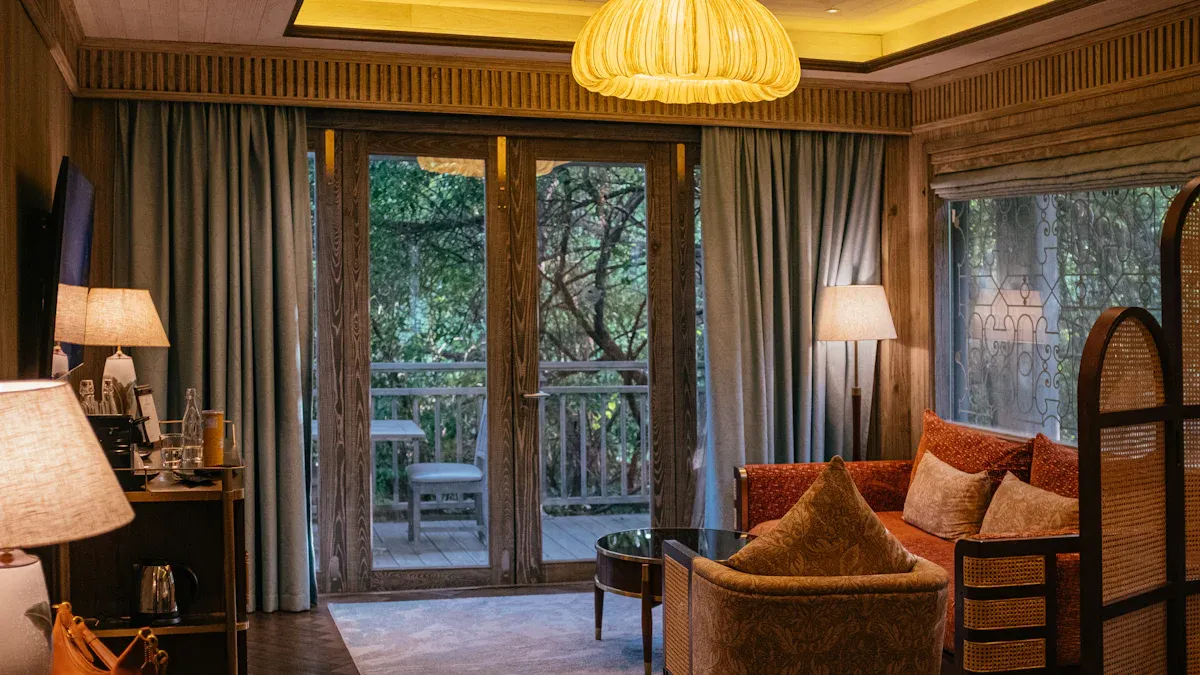
Custom hotel furniture benefits significantly enhance the overall guest experience. Hotels that invest in tailored furnishings create inviting environments that resonate with their guests. The right furniture not only boosts comfort but also contributes to a hotel’s unique atmosphere.
Consider the following aspects of how custom furniture improves guest satisfaction:
| Evidence Type | Description |
|---|---|
| Customization and Adaptability | Custom furniture can be tailored to fit hotel designs perfectly, enhancing the overall aesthetic. |
| Creating a Cozy Environment | The right furniture significantly boosts the comfort level of hotel rooms, making them inviting. |
| Enhanced Brand Identity | Unique furniture designs contribute to a hotel’s brand, attracting more loyal customers. |
Guest reviews often reflect the impact of quality furnishings. Hotels with custom furniture frequently receive higher ratings due to the following factors:
- High-quality furniture significantly enhances guest satisfaction.
- Comfortable beds and seating improve sleep quality, leading to better reviews.
- Elegant lobby decor creates a positive first impression.
- Thoughtfully designed public spaces contribute to memorable guest experiences.
Boutique hotels, which focus on discovery and comfort, often outperform standard hotels that prioritize cost-efficiency and uniformity. Custom furniture plays a crucial role in creating a memorable experience, fostering guest loyalty, and encouraging repeat business.
Tailored Solutions for Unique Needs
Custom hotel furniture benefits extend beyond aesthetics; they provide tailored solutions that address the unique needs of each hotel. Hotels often face specific challenges that require innovative furniture designs. Custom solutions can accommodate various requirements, including accessibility, safety, and operational efficiency.
Accessibility is a critical consideration in hotel design. Custom furniture can be crafted to meet the needs of all guests, including those with disabilities. The following table outlines essential accessibility considerations for different furniture types:
| Furniture Type | Accessibility Considerations |
|---|---|
| Beds | Must be designed for easy access for wheelchair users |
| Vanities | Should be at a height that is reachable from a wheelchair |
| Desks | Need to provide enough space for wheelchair maneuverability |
| Built-in Wardrobes | Should allow for easy access without obstruction |
Additionally, custom furniture supports hotels in meeting regulatory requirements for safety and accessibility. Compliance with ADA standards ensures that all guests enjoy a comfortable stay. The table below highlights key points regarding safety and legal compliance:
| Evidence Description | Key Points |
|---|---|
| Accessibility Standards | Custom furniture ensures compliance with ADA standards, providing comfort for guests with disabilities. |
| Safety in Emergencies | The materials used in custom furniture can help control fire spread, enhancing guest safety. |
| Legal Compliance | Proactive investment in accessible furniture prevents costly lawsuits and fines related to ADA non-compliance. |
While implementing custom furniture, hotels may encounter challenges such as sourcing issues, disruption of operations, and budget constraints. However, the long-term benefits of tailored solutions far outweigh these obstacles. Custom furniture not only enhances the guest experience but also aligns with the hotel’s brand identity, making it a worthwhile investment.
Cost-Effectiveness of Custom Hotel Furniture Benefits
Investing in custom hotel furniture offers significant cost-effectiveness over time. While the initial investment may appear higher than standard options, the long-term savings become evident through reduced maintenance and replacement costs. Custom furniture typically boasts a lifespan of 10 to 15 years, while standard modular furniture lasts only 5 to 7 years. This difference leads to lower cumulative costs for hotels that choose custom solutions.
- Lower Maintenance Costs: Custom hotel furniture requires less frequent repairs and replacements. Over a 15-year period, hotels may need to replace modular furniture two or three times, incurring additional logistics and labor costs.
- Total Cost of Ownership (TCO): Evaluating TCO is crucial when comparing custom and modular furniture. TCO includes not only the purchase price but also maintenance, repairability, and replacement costs. Custom furniture generally results in lower TCO due to its durability.
Custom furniture projects also streamline renovation timelines and budgets. A strategic procurement timeline ensures timely delivery of furniture and fixtures, aligning with design ambitions and brand standards. This approach helps manage renovation budgets effectively and reinforces operational efficiency during renovations.
- Quick Upgrades: Custom furniture allows for quick upgrades without major renovations. This flexibility can be completed at a lower cost compared to full structural rebuilds.
- Enhanced Guest Experience: High-quality furniture enhances the guest experience while maintaining operational efficiency. Investing in professional hospitality furniture design leads to spaces that work effectively for both the business and its guests.
By choosing high-quality custom hotel furniture, hotels can ensure a better long-term return on investment. This choice directly contributes to operational efficiency by keeping the space looking fresh and reducing the frequency of replacements.
Unique Aesthetics and Brand Identity
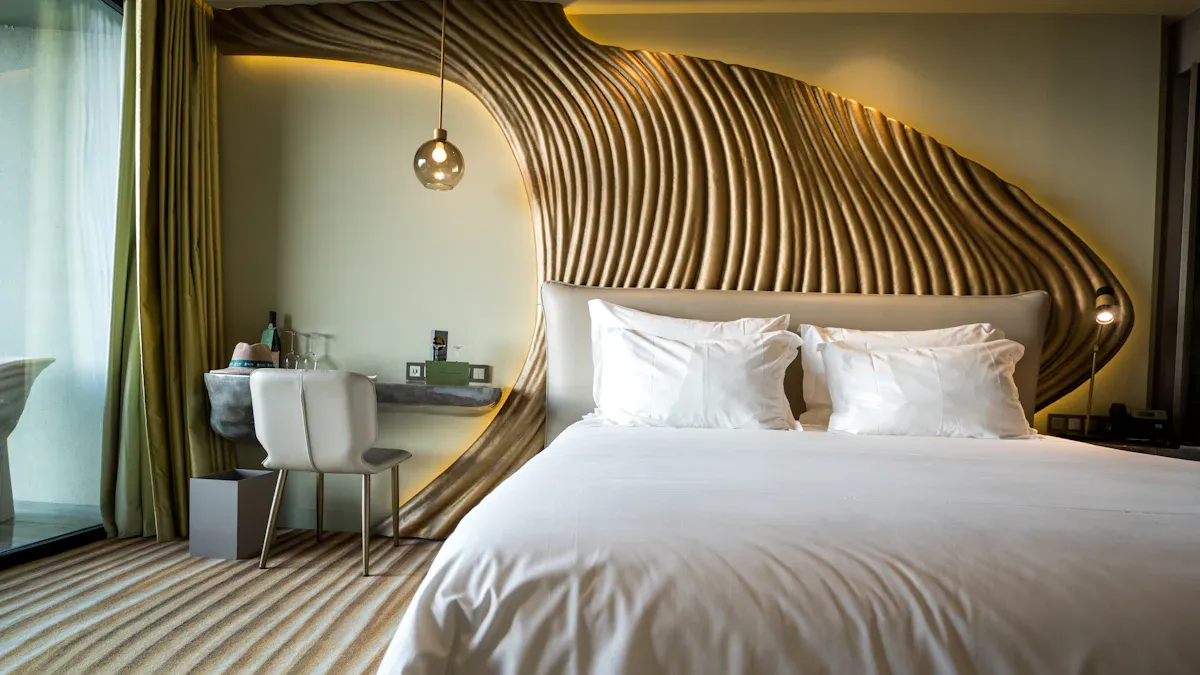
Custom hotel furniture plays a vital role in shaping a hotel’s unique aesthetic appeal and reinforcing its brand identity. The selection of furniture significantly influences the overall ambiance, impacting both comfort and visual appeal. Hotels that invest in custom solutions create memorable experiences for their guests.
- Custom-made furniture offers flexibility in design, allowing for tailored pieces that align with specific branding needs.
- The use of eco-friendly materials, such as reclaimed wood and bamboo, adds unique textures while supporting sustainability. This approach enhances the hotel’s aesthetic and aligns with modern consumer values.
Custom furniture design is an increasingly essential tool for hospitality businesses seeking to differentiate their brand. It elevates guest experiences by creating spaces that are memorable and aligned with the brand’s core values.
Off-the-shelf furniture often lacks uniqueness and personality. Generic designs can dilute a brand’s distinctiveness, leading to forgettable guest experiences. In contrast, custom hotel furniture benefits allow hotels to craft environments that resonate with their target audience. This tailored approach ensures that every piece not only looks aesthetically pleasing but also contributes to a cohesive and memorable space.
Hotels can further enhance their brand identity through the careful selection of colors, materials, and styles. By choosing furniture that reflects their core values and mission, hotels create an inviting atmosphere that attracts guests and fosters loyalty. The result is a distinctive environment that stands out in a competitive market.
Design Flexibility for Various Spaces
Custom hotel furniture benefits extend significantly to the design flexibility it offers for various hotel spaces. Hotels often require unique solutions to accommodate diverse environments, from guest rooms to public areas. Custom furniture allows for tailored designs that meet specific spatial requirements and functional needs. This adaptability enables hotels to create multi-functional pieces that enhance both aesthetics and utility.
Key modifications often made to custom furniture include:
- Tailoring furniture to enhance guest experience
- Maximizing space with built-in storage and foldable designs
- Ensuring inclusivity by meeting accessibility standards
- Integrating modern aesthetics and technology, such as charging ports
- Creating multifunctional spaces for ‘bleisure’ travel
- Using eco-friendly materials to align with sustainability goals
- Crafting a cohesive theme that reflects the hotel’s brand identity
Custom furniture also optimizes space utilization in guest rooms and public areas. For instance, beds with built-in storage and desks that double as vanity areas maximize room efficiency. This thoughtful selection of furniture directly contributes to guest comfort and satisfaction, enhancing the overall guest experience.
Collaboration between custom furniture manufacturers and hotel designers plays a crucial role in achieving project goals. This teamwork ensures that the furniture aligns with the hotel’s brand and enhances the guest experience. Designers and manufacturers work together to translate architectural concepts into manufacturable designs, focusing on material intelligence and prototype development.
Sustainability in Custom Furniture
Sustainability plays a crucial role in the design and manufacturing of custom hotel furniture. Hotels increasingly recognize the importance of eco-friendly practices, with over 30% focusing on sustainability in their furniture projects. This trend reflects a growing commitment to environmental responsibility.
Custom furniture manufacturers adopt sustainable practices that significantly reduce waste and utilize eco-friendly materials. These practices promote energy-efficient production processes, which minimize the carbon footprint. Hotels that embrace sustainable furniture not only enhance their brand image but also improve the guest experience.
Innovative materials are at the forefront of sustainable custom hotel furniture. Some of the most popular options include:
- Organic fabrics
- Bamboo
- Sustainable wood
- Cork
- Reclaimed materials
- Stone
By incorporating these materials, hotels can create beautiful and functional spaces while supporting environmental initiatives. Additionally, many manufacturers are now using renewable energy sources in their production processes. This approach lowers emissions and aligns with eco-friendly practices.
Hotels can effectively market their commitment to sustainability by highlighting the use of custom furniture made from recycled materials and biodegradable finishes. This strategy enhances their reputation as responsible accommodation providers. Boutique hotels, in particular, implement green certifications and various eco-friendly initiatives to minimize their carbon footprint.
Focusing on sustainability not only attracts environmentally conscious guests but also helps hotels build a reputation as responsible businesses. Supporting local craftsmanship further enhances the hotel’s image while reducing the overall carbon footprint.
Increased Functionality for Diverse Guest Needs
Custom hotel furniture benefits significantly enhance functionality, catering to the diverse needs of guests. Hotels must recognize that each guest has unique preferences and requirements. Custom furniture addresses these needs through several key features:
| Feature | Description |
|---|---|
| Adaptability | Modular furniture can be rearranged to create different atmospheres for private moments or social gatherings. |
| Multifunctionality | Many pieces serve dual purposes, such as sofas that convert to beds or tables with hidden storage. |
| Personalization | Guests can customize the arrangement of furniture to suit their style and needs, enhancing comfort. |
| Space Efficiency | Compact designs like foldaway desks and beds with storage optimize smaller rooms for functionality. |
Modern hotel room design emphasizes the principle that no two guests are the same. This approach blends comfort with cultural elements and technology, appealing to a wide range of demographics, including both retirees and younger guests. Custom furniture solutions transform hotel spaces into distinctive environments tailored to guest needs.
Effective space planning balances aesthetic appeal with functionality, considering guest comfort and traffic flow. Hotels can enhance guest satisfaction by aligning their design visions with specific needs.
To measure the effectiveness of custom furniture, hotels often track key performance indicators (KPIs). These metrics include:
| KPI Type | Description |
|---|---|
| Guest Satisfaction | Metrics such as room review scores and NPS |
| Maintenance & Durability | Time-to-first-failure and repair frequency |
| Operational Efficiency | Housekeeping time per room and installation hours |
| Cost Metrics | Cost per room installed and lifecycle cost |
By focusing on these aspects, hotels can ensure that their custom furniture not only meets the diverse needs of guests but also contributes to a memorable and functional experience.
Custom furniture is essential for creating memorable hotel experiences. It enhances brand identity and aligns with guest expectations. Hotels that invest in custom hotel furniture benefits report significant advantages, including improved aesthetics and increased comfort.
- Custom designs maximize space efficiency, catering to unique layouts.
- High-quality materials ensure longevity, reducing maintenance costs.
- Personalized furniture enhances guest satisfaction, leading to positive reviews and repeat business.
Ultimately, investing in custom solutions pays off in the long run, elevating both the guest experience and the hotel’s market value.
FAQ
What are the main benefits of custom furniture for hotels?
Custom furniture enhances guest comfort, aligns with brand identity, and offers unique aesthetics. It also provides tailored solutions for specific needs, ensuring durability and cost-effectiveness over time.
How does custom furniture improve guest satisfaction?
Custom furniture creates inviting environments that resonate with guests. Unique designs and high-quality materials enhance comfort, leading to positive reviews and increased guest loyalty.
Is custom furniture more expensive than standard options?
While the initial investment may be higher, custom furniture proves cost-effective in the long run. Its durability reduces maintenance and replacement costs, ultimately lowering the total cost of ownership.
Can custom furniture be designed for small spaces?
Yes, custom furniture can optimize space in smaller areas. Designers create multifunctional pieces that maximize utility while maintaining aesthetic appeal, ensuring comfort in compact environments.
How do hotels ensure sustainability in custom furniture?
Hotels prioritize eco-friendly materials and sustainable manufacturing practices. By using renewable resources and minimizing waste, they enhance their brand image and attract environmentally conscious guests.


