
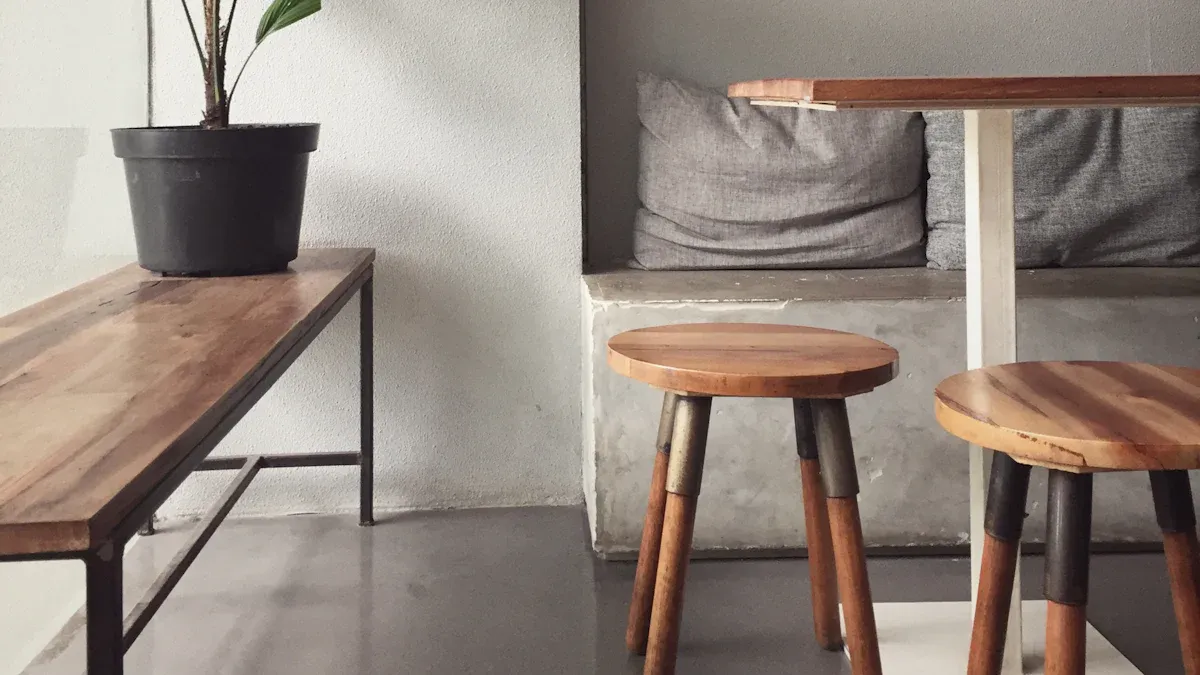
The hotel furniture trends in 2026 will reflect a growing emphasis on sustainability and innovation. The projected market size for hotel furniture is expected to reach USD 5.22 billion by 2026, indicating robust growth. Recent studies show that sustainable hotel furniture solutions significantly enhance guest satisfaction scores. Hotels that prioritize eco-friendly practices and innovative technologies not only attract more guests but also foster loyalty. This shift towards sustainable and custom hotel furniture will redefine guest experiences, making them more memorable and impactful. Additionally, a comprehensive hotel furniture trend analysis reveals that the integration of eco-friendly hotel furniture solutions will be crucial in meeting the evolving demands of travelers.
Key Takeaways
- Sustainability is key. Hotels should prioritize eco-friendly materials like reclaimed wood and bamboo to enhance guest satisfaction and reduce environmental impact.
- Personalization enhances loyalty. Custom furniture allows hotels to reflect their brand identity and create unique guest experiences that foster attachment.
- Innovative materials are on the rise. Using biophilic designs and integrated smart technology improves durability and guest convenience, aligning with sustainability goals.
- Aesthetic appeal matters. Hotels should focus on organic forms and tactile richness to create inviting environments that enhance comfort and luxury.
- Multi-functional furniture optimizes space. Versatile designs cater to diverse guest needs, making hotel environments more adaptable and inviting.
Sustainability in Hotel Furniture
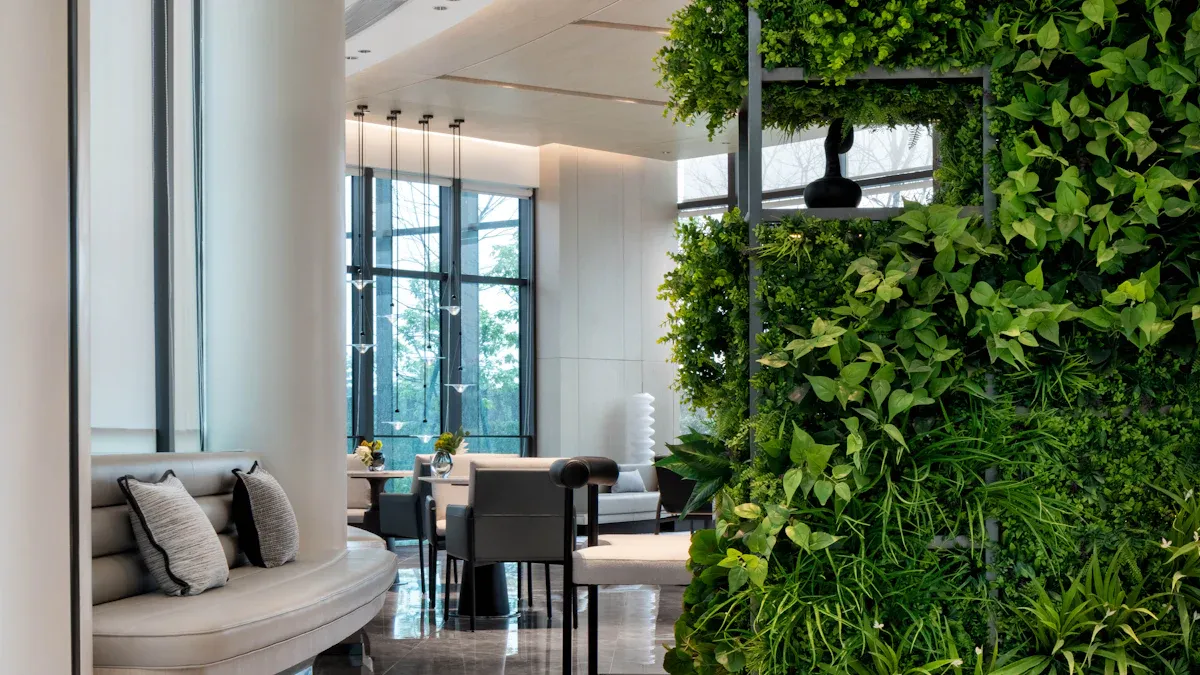
Sustainability plays a pivotal role in shaping hotel furniture trends for 2026. Hotels increasingly prioritize eco-friendly practices, recognizing their impact on guest satisfaction and operational efficiency. Sustainable furniture choices not only enhance the aesthetic appeal of hotel interiors but also contribute to environmental conservation.
Several materials stand out in sustainable hotel furniture manufacturing:
- Reclaimed Materials
- Bamboo
- Sustainable Wood
- Cork
- Stone
- Organic Fabrics
Using these materials significantly reduces deforestation and ecosystem degradation. For instance, reclaimed wood sourced from salvaged structures helps preserve forests and lowers carbon footprints. Additionally, eco-friendly materials like bamboo and recycled metals minimize waste and conserve natural resources, further enhancing sustainability in hotel design.
Hotels that invest in sustainable furniture often experience operational benefits. Enhanced guest satisfaction emerges as eco-friendly practices resonate with travelers, leading to higher satisfaction scores. Furthermore, sustainable furniture typically boasts durability, which reduces long-term replacement costs. Compliance with environmental standards can also serve as a selling point, attracting eco-conscious guests.
Moreover, eco-friendly hotel furniture is often made from non-toxic materials, avoiding harmful chemicals found in conventional furniture. This focus on low-emission materials improves indoor air quality, creating healthier environments for guests. As hotels adapt to these trends, they not only meet the evolving demands of travelers but also position themselves as leaders in sustainability.
Personalization in Hotel Furniture
Personalization in hotel furniture is set to become a defining trend in 2026. Hotels increasingly recognize that tailored experiences enhance guest satisfaction and loyalty. Custom furniture allows hotels to reflect their unique brand identity. For instance, bespoke headboards and distinctive lounge chairs create memorable environments that resonate with guests.
Several key trends in personalization are emerging:
| Trend Type | Description |
|---|---|
| Customization | Hotels focus on bespoke furniture that reflects their brand identity, enhancing the guest experience. |
| Sustainability | There is a growing demand for eco-friendly furniture made from reclaimed materials and low-VOC finishes, appealing to environmentally conscious guests. |
| Technology Integration | Furniture increasingly incorporates technology, such as built-in charging stations and media-ready headboards, improving guest convenience and operational efficiency. |
Personalized furniture contributes significantly to guest loyalty. Guests appreciate the ability to customize their room experience, such as selecting layouts and furnishings. This sense of ownership fosters a stronger attachment to the hotel. Studies indicate that small interventions, like allowing guests to rearrange furniture, can significantly enhance their satisfaction. Suzanne Shu, a coauthor of a relevant study, emphasizes that fostering psychological ownership through customization can be a cost-effective strategy to enhance customer loyalty.
Moreover, technology plays a crucial role in personalization. Smart rooms allow guests to control their environment through tablets or smartphones, adjusting lighting and temperature. Features like charging ports in nightstands and desks enhance convenience. As hotels invest in personalized furniture solutions, approximately 40% of hospitality businesses are willing to enhance their brand identity through customization.
Innovative Materials in Hotel Furniture
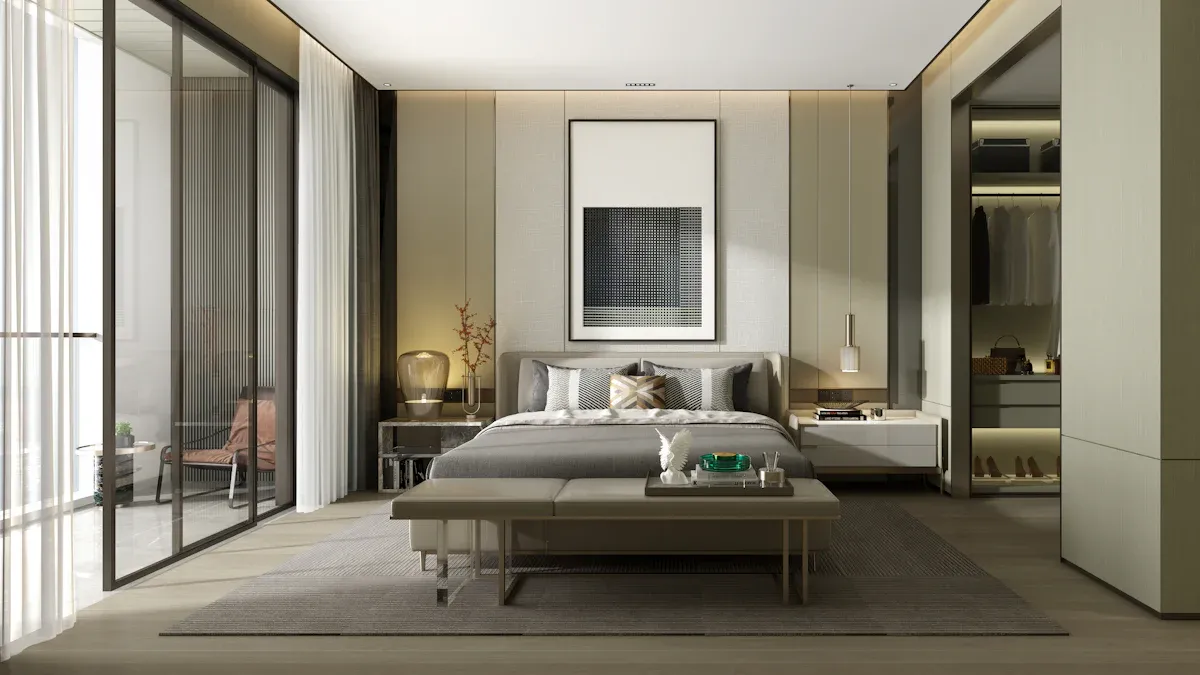
The hotel furniture market is evolving rapidly, with innovative materials taking center stage in 2026. Hotels increasingly prioritize eco-friendly options, driven by consumer preferences for sustainability. This shift not only enhances guest experiences but also aligns with broader environmental goals.
Several innovative materials are gaining traction:
| Material Type | Description | Popularity Forecast |
|---|---|---|
| Biophilic and Sustainable | Natural wood, stone, and rattan are increasingly favored for their eco-friendliness. | High |
| Integrated Smart Technology | Features like wireless charging and voice-activated controls are becoming standard. | Rising Demand |
These materials improve durability and maintenance through advanced surface treatments. For example, UV-resistant coatings protect against fading caused by sunlight. Scratch and abrasion-resistant finishes help maintain the furniture’s appearance despite heavy usage. Such technologies reduce the need for repairs, supporting sustainability efforts by minimizing waste and VOC emissions.
Hotels also benefit from the cost implications of using advanced materials. Higher quality materials lead to increased durability, making them a better long-term investment. Common materials include solid wood, engineered wood, metal, glass, and sustainable options. While laminate offers cost-effective scratch and moisture resistance, wood veneer provides a premium look but incurs higher maintenance costs.
As hotels embrace these innovative materials, they enhance their brand reputation and operational efficiency. The integration of smart technology in furniture further elevates guest experiences, making it a key focus for future hotel designs. By investing in these trends, hotels can create inviting spaces that resonate with environmentally conscious travelers.
Aesthetic Trends in Hotel Furniture
Aesthetic trends in hotel furniture for 2026 emphasize the importance of creating inviting and engaging environments. Hotels increasingly focus on designs that enhance guest experiences through visual appeal and comfort. Several key trends are emerging in this area:
- Organic Forms: Furniture with soft, organic shapes reduces visual stress and fosters a calming atmosphere. This design approach connects guests to nature, promoting relaxation.
- Natural Materials: The use of responsibly sourced materials, such as FSC-certified woods and reclaimed materials, is on the rise. These choices not only enhance aesthetics but also align with sustainability goals.
- Tactile Richness: A variety of textures in fabrics and materials invites guests to engage physically with the furniture. This tactile experience enhances comfort and perceived luxury, making stays more memorable.
- Biophilic Design: Integrating natural elements into hotel environments remains a dominant trend. Furniture that incorporates natural materials like wood and stone enhances aesthetics while improving guest engagement.
Color palettes and textures also play a crucial role in shaping guest perceptions. Thoughtful color choices can evoke specific moods, while fabric selections enhance tactile comfort. These elements significantly affect how guests perceive comfort and luxury, which are vital for their satisfaction and likelihood of returning.
Moreover, technology integration in furniture design is becoming more subtle. Features like hidden wireless charging pads and integrated smart lighting controls maintain visual harmony in public spaces. This approach ensures that technology enhances the guest experience without being visually disruptive.
As hotels adapt to these aesthetic trends, they create environments that resonate with guests, ultimately enhancing their overall experience. The focus on aesthetics in hotel furniture trends reflects a broader commitment to guest satisfaction and brand identity.
Multi-functional Furniture in Hotels
Multi-functional furniture is becoming essential in hotel design as it addresses the need for adaptability and space optimization. In 2026, hotels will increasingly rely on versatile furniture solutions to enhance guest experiences. This trend allows hotels to cater to diverse guest needs while maximizing limited space.
The benefits of multi-functional furniture are numerous:
- Adaptability: It accommodates various guest requirements, from business travelers needing workspaces to families seeking relaxation areas.
- Dual-purpose functionality: Furniture serves multiple roles, such as a sofa that converts into a bed, providing comfort without sacrificing space.
- Enhanced comfort: Thoughtfully designed pieces create open and inviting environments, making guests feel at home.
Hotels can leverage multi-functional furniture to optimize their spaces effectively. For instance, incorporating Murphy beds allows rooms to transition seamlessly from sleeping areas to social spaces. This flexibility is particularly valuable in compact hotel environments, where maximizing every square foot is crucial.
Popular types of multi-functional furniture include:
| Type of Furniture | Description |
|---|---|
| Modular Sofas & Sectionals | Easily reconfigured for gatherings, relaxation, or events. |
| Mobile Work Pods | Sound-dampening pods with charging and privacy features. |
| Convertible Height Tables | Adjustable tables for lounging or working/dining. |
| Moveable Dividers | Lightweight screens for quick room zoning. |
| Rolling Ottomans & Benches | Lightweight seating for flexible arrangements. |
As travelers become more discerning, the demand for hotels that provide both comfort and functionality in compact environments continues to rise. Creative furniture designs allow for versatile living areas where guests can sleep, work, or relax without feeling cramped. This innovation not only enhances the overall guest experience but also positions hotels as leaders in the evolving landscape of hotel furniture trends.
In summary, the hotel furniture trends for 2026 highlight the importance of sustainability, personalization, innovative materials, aesthetic appeal, and multi-functional designs. Adapting to these trends offers hotels a competitive advantage by enhancing guest experiences and operational efficiency.
Key benefits of embracing these trends include:
- Improved guest satisfaction through personalized environments.
- Increased efficiency with adaptable furniture solutions.
- Alignment with sustainability goals, reducing waste.
Hotel managers should prioritize innovation and sustainability in their furniture choices. By doing so, they can create inviting spaces that resonate with guests and foster loyalty.
FAQ
What are the key furniture trends for hotels in 2026?
Hotels will focus on sustainability, personalization, innovative materials, aesthetic appeal, and multi-functional designs to enhance guest experiences and operational efficiency.
How does sustainability impact hotel furniture choices?
Sustainable furniture reduces environmental impact and enhances guest satisfaction. Hotels that prioritize eco-friendly materials attract environmentally conscious travelers.
Why is personalization important in hotel furniture?
Personalized furniture creates unique guest experiences, fostering loyalty. Custom designs reflect a hotel’s brand identity and cater to individual preferences.
What innovative materials are trending in hotel furniture?
Biophilic materials like natural wood and stone, along with integrated smart technology, are gaining popularity for their durability and eco-friendliness.
How does multi-functional furniture benefit hotels?
Multi-functional furniture optimizes space and adapts to various guest needs. It enhances comfort and functionality, making hotel environments more inviting.


