
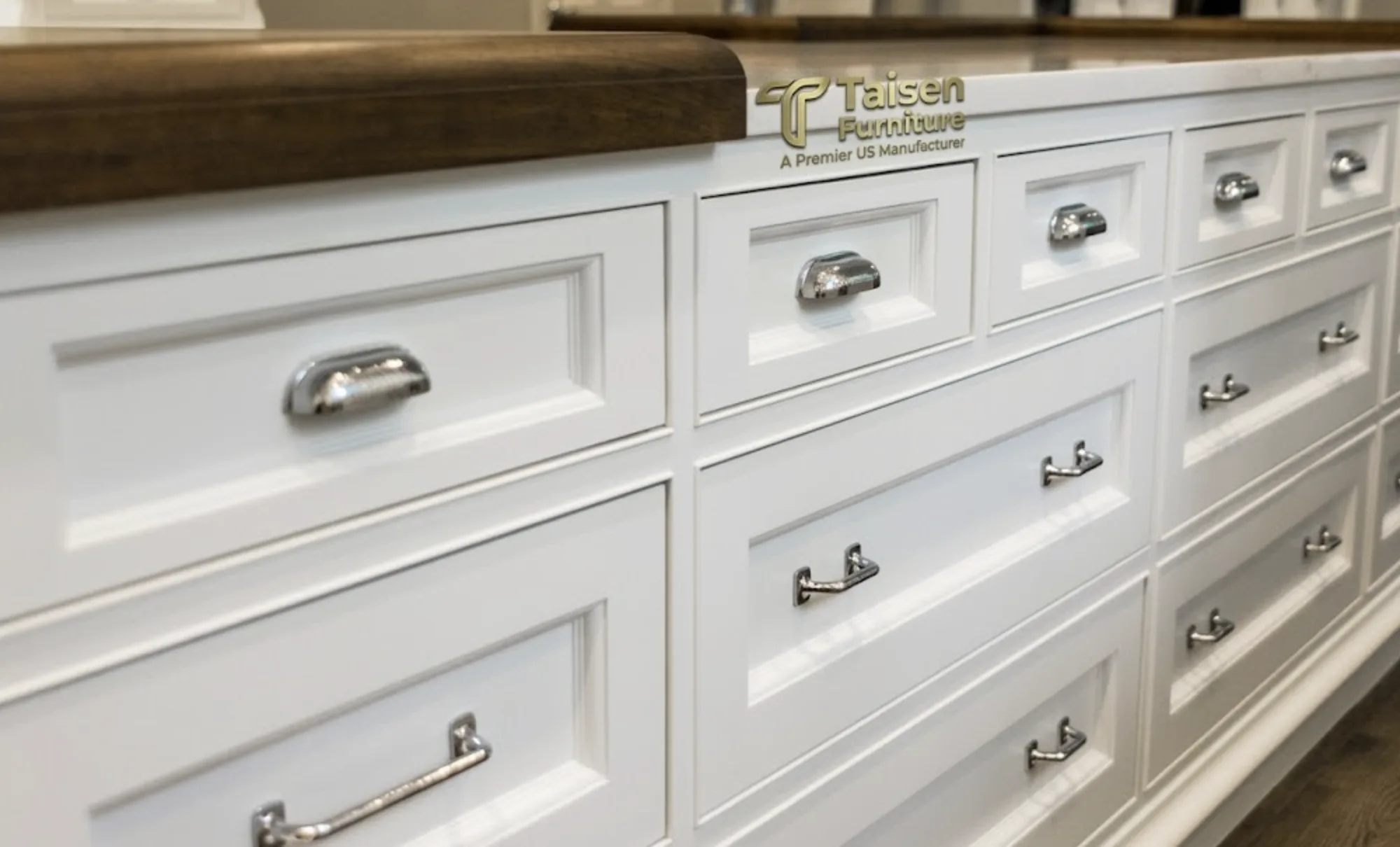
“How to Price Custom Cabinets: An Accurate Estimation Guide”
Do you want custom cabinets for your project but feel confused by vague quotations? Pricing custom cabinets is rarely a fixed number—it is influenced by multiple variables such as material grade, craftsmanship complexity, and installation standards. For property owners and contractors, mastering an accurate cabinet estimation guide is the foundation of a successful project. It not only helps you develop a well-structured budget but also effectively avoids “hidden costs” and budget overruns later on. In this guide, we will break down the key factors affecting cabinet pricing—materials, design complexity, dimensions, and installation requirements—and provide practical tips for reviewing quotations, helping you make the most informed decisions throughout the customization process.
Types of Custom Cabinets and Their Price Tiers
Custom cabinets can generally be divided into three categories: basic, semi-custom, and fully custom. Each type differs in both price and functionality.
Basic Custom Cabinets:
These cabinets typically feature simpler designs, standard materials, and minimal detailing. They lack luxurious finishes and intricate craftsmanship, making them the most budget-friendly option.
Semi-Custom Cabinets:
These offer more flexibility in design. While still tailored to your space, semi-custom cabinets often include unique features or special finishes, resulting in a higher price than basic options.
Fully Custom Cabinets:
High-end fully custom cabinets provide complete freedom in design, materials, and functionality. They are handcrafted and tailored to specific preferences, which significantly increases the cost.
Understanding the Factors That Affect Cabinet Pricing
In addition to cabinet type, several other factors influence pricing. Material selection, design complexity, and craftsmanship quality all impact the final cost. The type of cabinet you need—such as kitchen cabinets, bathroom vanities, or built-in cabinets—also plays a role.
When estimating costs, it’s essential to break the project down into core components:
Material Selection
One of the most critical cost drivers is material choice. Solid wood, while the most expensive, is favored for its durability and aesthetics. Metal cabinets offer an industrial look and strong durability at a mid-range price. Laminate materials are the most cost-effective option.
Size and Specifications
Cabinet dimensions significantly affect total cost. Larger cabinets require more materials and labor, increasing the price. Even smaller units, such as bathroom vanities, can be expensive if they involve custom designs or premium materials.
Small cabinets with intricate details or specialized features for unique spaces may also carry higher costs.
Labor and Installation Costs
Custom cabinets are often handcrafted, so labor costs depend on the craftsman’s expertise. Skilled artisans specializing in fine customization charge higher fees, which are reflected in the final price.
Labor costs also vary by region and project complexity. Simple designs cost less than those with carvings, custom finishes, or complex joinery.
Custom Features
Additional features such as glass doors, pull-out shelves, or soft-close hinges increase both material and labor costs, raising the final quotation.
Estimating Cabinet Hardware Costs
Cabinet hardware—including hinges, handles, and knobs—may seem minor but can significantly impact the overall budget. High-quality materials such as premium brass, bronze, or stainless steel typically cost more, reflecting their durability and visual appeal.
More intricate or unique hardware, such as antique finishes or custom designs, further increases costs due to specialized craftsmanship. Choosing the right hardware not only enhances aesthetics but also plays an important role in budget planning.
The Impact of Geography on Cabinet Pricing
Location can significantly influence cabinet pricing, including both material and labor costs. In high-cost urban areas, skilled labor and premium materials tend to drive prices higher.
In contrast, rural areas may offer lower labor costs due to reduced demand, but material prices may increase if transportation from distant suppliers is required. Local market conditions, competition, and resource availability also contribute to regional price differences.
Budgeting for Custom Cabinets: Practical Tips
When planning your budget, always set aside a contingency fund for unexpected expenses, as unforeseen costs can disrupt your financial plan.
To stay within budget, consider choosing cost-effective materials, minimizing custom features, or opting for semi-custom designs that balance aesthetics and affordability. While saving money is important, investing in high-quality cabinets can improve durability and enhance the overall look of your space.
A well-planned and flexible budget ultimately leads to a more satisfying and successful project outcome.
Custom Cabinets vs. Stock Cabinets
Although custom cabinets are more expensive, their level of personalization and craftsmanship surpasses that of stock cabinets. They are tailored to your exact preferences.
Stock cabinets, on the other hand, are more affordable but often lack the unique features and premium quality needed to elevate both the functionality and aesthetics of a space.
FAQ
Q1.How much do custom cabinets typically cost?
The cost depends on various factors such as materials, design complexity, and project scale. Hardware selection, finishes, and labor also influence the final price.
Q2.What is the most important factor affecting cabinet pricing?
Material choice is the most significant factor. Solid wood is generally more expensive than particleboard or plywood. Design complexity, including custom features and finishes, also has a major impact, along with labor and installation costs.
Q3.Is it cheaper to install cabinets yourself?
Yes, self-installation can save labor costs and is usually more affordable than hiring professionals. However, you should also consider the cost of tools, materials, and potential mistakes that could lead to additional expenses.
Q4.How can I save money on custom cabinets?
To reduce costs, opt for simpler designs and materials. Requesting multiple quotes from different manufacturers can also help you find the best price for your specifications.
Q5.Do custom cabinets increase home value?
Yes, custom cabinets can significantly increase a property’s value by improving both aesthetics and functionality, making the space more attractive to potential buyers. Compared to standard cabinets, their superior quality and craftsmanship often lead to higher resale value.
Conclusion
The pricing of custom cabinets involves many factors, so it is essential to understand what influences the total cost. Key factors include the choice of materials, such as the type of wood and finishes, which significantly affect the durability and appearance of the cabinets. Labor costs—including design, fabrication, and installation—also play a major role in determining the final price, as skilled craftsmanship often comes at a premium. Although custom cabinets are a considerable investment, Taisen will help you plan and budget carefully, enabling you to create a space that is both beautiful and functional, tailored to your specific needs and style preferences.
TaisenFurniturer Introduce
We are a professional manufacturer specializing in custom commercial hotel furniture. Our customized product range covers various hotel furniture categories, including hotel cabinets, custom chairs, decorative and functional lighting, and vanity bases.You can browse our FAQ for convenient answers to your questions.
We have provided custom furniture solutions for many internationally renowned hotel brands, including Hilton, Hyatt, Marriott, and IHG. We strictly follow each brand’s design specifications and quality standards, ensuring that every product meets the high requirements of international hotel projects.You can visit our website or directly contact us!


