
What is Accor Brand Hotel Furniture?
Accor Hotel Furniture is committed to perfectly blending superior durability with modern elegance. Through the combination of ergonomics and exquisite craftsmanship, it creates bespoke spaces for high-end hotels worldwide that are both internationally aesthetically pleasing and culturally relevant, aiming to provide every guest with an ultimate, comfortable, tranquil, and stylish sensory experience.
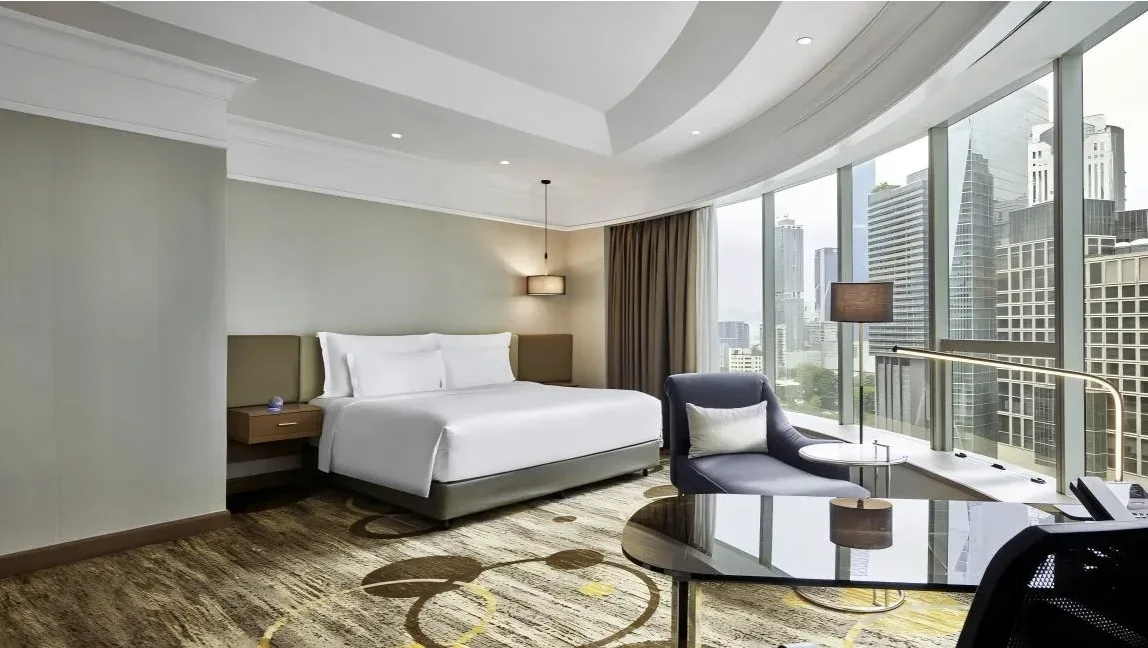
Accor hotel furniture must support high guest turnover, daily cleaning cycles, luggage impact, and continuous use. As a result, the most common failures usually appear in seating joints, bed systems, surface finishes, drawer hardware, and moisture-sensitive panels. Preventive maintenance is more cost-effective than emergency replacement. According to the BSI hospitality standards resources, lifecycle planning and routine inspection reduce unexpected asset downtime. For hotels operating under brand standards, consistent furniture condition also supports guest satisfaction scores and review performance. Selecting durable hotel furniture manufacturer solutions and structured maintenance schedules is therefore a strategic operational decision.
Accor Hotel Furniture Stress Points in Daily Operations
Hotel furniture in Accor properties experiences heavier use than residential furniture. Beds may be used more than 300 nights per year in many urban markets. Chairs are moved frequently for housekeeping. Desks support luggage, laptops, food trays, and cleaning chemicals. The Statista hospitality market data continues to show strong global travel demand through 2026, which means more room turnover and faster wear cycles. High-contact assets such as custom hotel room furniture should be specified with commercial-grade laminates, reinforced frames, and replaceable hardware.
| Furniture Category | Main Stress Source | Common Failure |
|---|---|---|
|
Bed Base |
Repeated load cycles |
Noise, frame looseness |
|
Desk |
Impact, abrasion |
Edge damage |
|
Chair |
Lateral movement |
Joint wobble |
|
Vanity |
Moisture exposure |
Swelling panels |
Loose Chair Frames and Seating Joint Failure
Loose chairs are among the most reported room furniture problems because guests move chairs repeatedly. Fastener loosening, weak glue lines, and low-density timber cores often cause instability. A wobbling chair can create safety risk and negative guest perception. The OSHA workplace safety guidance emphasizes stable seating in commercial environments.
Maintenance tips:
Inspect joints every quarter.
Retighten screws using torque-controlled tools.
Replace stripped inserts immediately.
Use commercial adhesives during repair.
Hotels sourcing hospitality seating furniture with metal corner brackets often reduce long-term repair frequency.
Bed Noise, Sagging Bases, and Headboard Damage
Guest complaints often focus on sleep quality. Even a quality mattress can underperform when the bed base is noisy or uneven. Common failures include loose slats, worn connectors, cracked center rails, and detached upholstered headboards. The Sleep Foundation notes that stable sleep surfaces directly affect perceived comfort.
Recommended actions:
Tighten frame hardware monthly.
Replace damaged slats in matched sets.
Check headboard wall anchors twice yearly.
Use anti-squeak washers on metal contact points.
Choosing hotel bed frame solutions with modular parts simplifies maintenance and room downtime planning.

Surface Scratches, Laminate Peeling, and Finish Wear
Room desks, bedside tables, and luggage benches often show cosmetic damage first. Hard suitcases, cleaning agents, and moisture rings gradually wear the top surface. Low-pressure laminates may peel at corners when edge sealing fails. Surface damage reduces perceived cleanliness even when hygiene standards are high.
Use this maintenance approach:
| Surface Type | Risk | Best Maintenance Method |
|---|---|---|
|
Laminate Top |
Chipping |
Edge band repair |
|
Veneer Panel |
Scratches |
Refinish touch-up |
|
Powder-Coated Metal |
Abrasion |
Spot repaint |
|
Stone Composite |
Staining |
Neutral cleaner |
Hotels investing in durable hotel casegoods furniture with sealed edges usually achieve longer refurbishment cycles.
Drawer Slides, Hinges, and Hardware Failure
Storage furniture is opened and closed multiple times daily. Drawer slides collect dust, hinges loosen, and handles fatigue over time. In premium hotel rooms, soft-close systems improve user experience but require calibration. According to NIST materials resources, repeated friction cycles accelerate wear where lubrication is absent.
Maintenance checklist:
Vacuum debris from runners monthly.
Lubricate approved metal tracks lightly.
Replace bent slides in pairs.
Re-align doors after hinge sag.
Standardize spare hardware inventory.
Reliable hotel wardrobe cabinet furniture programs reduce room-out-of-order incidents.
Moisture Damage in Bathroom and Coastal Properties
Hotels in humid climates often face swollen MDF panels, rusted legs, and mold around vanity bases. Coastal properties face additional salt-air corrosion. The NOAA climate resources consistently highlight elevated moisture risk in coastal environments. Furniture near bathrooms should use marine plywood, stainless hardware, PVC edging, or powder-coated aluminum.
| Environment | Main Risk | Better Material Choice |
|---|---|---|
|
Bathroom Zone |
Steam |
Moisture-resistant board |
|
Coastal Hotel |
Salt corrosion |
Stainless steel |
|
Tropical Region |
Mold |
Sealed laminate |
|
Spa Area |
Constant humidity |
Aluminum frame |
Preventive Maintenance Program for Accor Hotel Furniture
The most efficient furniture strategy is preventive maintenance instead of reactive replacement. A room-by-room audit every 90 days can identify minor issues before they become visible defects. Digital asset tagging helps engineering teams track age, repair history, and replacement budget cycles.
Key conclusions include:
Inspect high-touch furniture first.
Standardize spare parts by room type.
Use commercial-grade finishes only.
Replace unsafe items immediately.
Refresh visible surfaces before guest complaints rise.
Hotels using commercial hotel furniture systems with standardized dimensions simplify procurement and future renovations.
FAQ
What is the most common failure in hotel room furniture?
Loose seating joints, damaged drawer slides, bed noise, and laminate edge peeling are among the most common issues. These failures usually result from repeated use rather than single incidents, which is why routine inspection is essential.
How often should hotel furniture be inspected?
High-use guest room furniture should be checked every 90 days. Premium suites or family rooms with heavier luggage traffic may benefit from monthly spot checks for beds, chairs, and storage hardware.
Is repair better than replacement for hotel furniture?
Repair is usually better when structural integrity remains sound and parts are available. Replacement is more practical when frames crack, moisture swelling spreads, or repair cost approaches the value of a new item.
Which materials last longer in hotel environments?
High-pressure laminate, powder-coated steel, marine plywood, stainless hardware, and reinforced upholstery frames generally perform well in commercial hospitality environments with frequent cleaning and heavy turnover.
How can hotels reduce furniture lifecycle cost?
Hotels can reduce lifecycle cost by specifying durable materials, using preventive maintenance schedules, keeping spare hardware in stock, and choosing modular furniture designs that allow component replacement instead of full-unit disposal.


