
Compared to styles emphasizing French elegance, Best Western hotel furniture focuses on a balance between practicality and a warm, local feel.
As a manufacturer, our Best Western style furniture prioritizes excellent value and functional reliability. The designs often feature modern minimalism or classic American styles with natural and inviting color palettes. The core experience lies in creating a reliable, efficient, and comfortable living environment for business travelers through solid craftsmanship and ergonomically designed layouts.
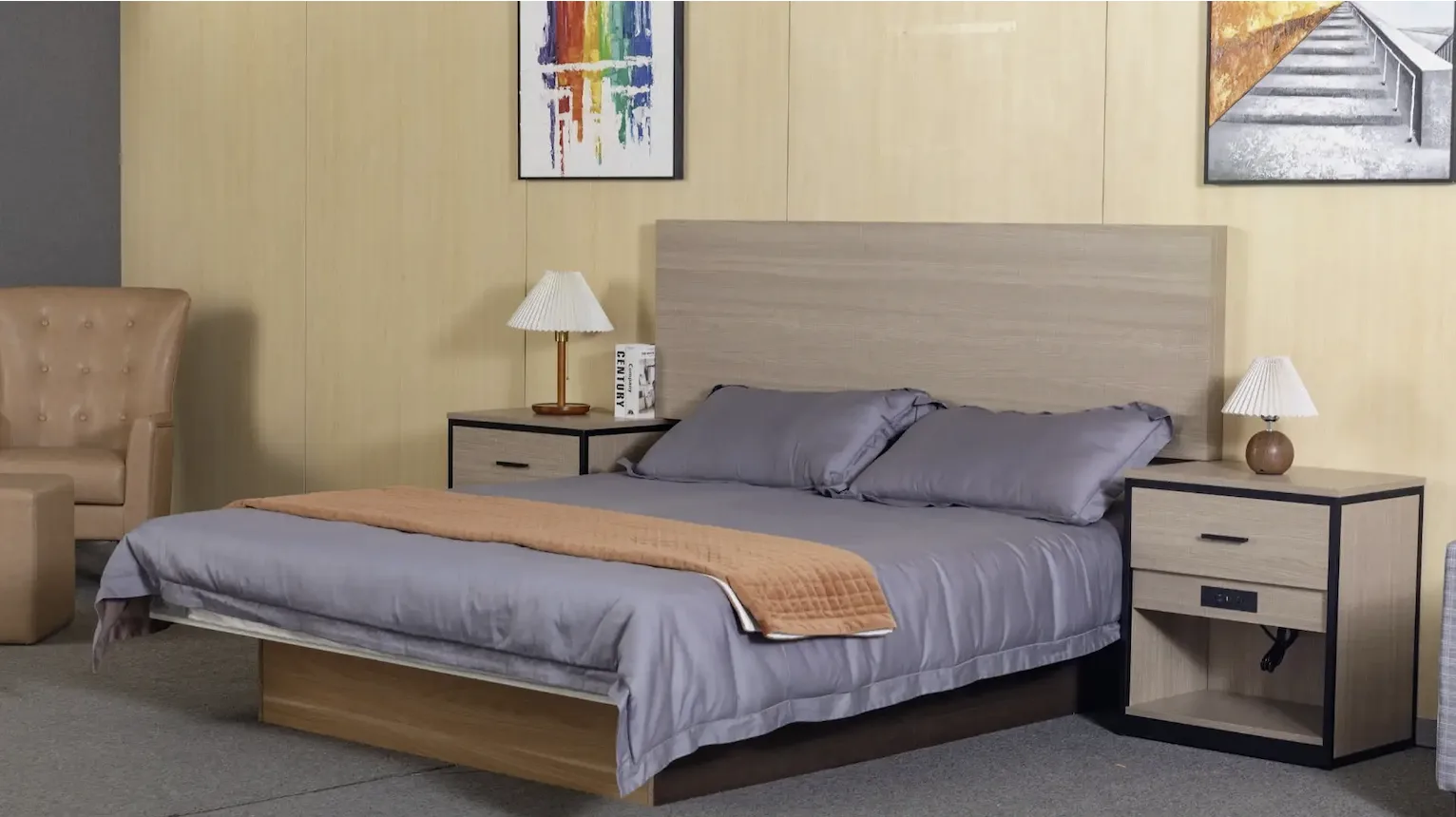
What is The Brand of Best Western Hotel Furniture?
Best Western hotel furniture is typically designed around four operational priorities: durability, guest comfort, brand consistency, and lifecycle cost control. Unlike residential furniture, hotel furniture must withstand frequent turnover, housekeeping chemicals, luggage impact, and long daily use. The design logic therefore combines commercial materials, efficient room layouts, and maintenance-friendly construction. According to the American Hotel & Lodging Association, guest room quality remains a major factor in satisfaction scores and repeat bookings. Choosing practical hotel furniture manufacturer solutions is not only a design decision, but also an operational strategy that affects maintenance budgets, room downtime, and guest perception.
Best Western Hotel Furniture Design Priorities
Best Western properties often operate across economy, midscale, and upscale segments, so furniture systems need flexibility. The same room furniture concept may be adapted across multiple property formats while maintaining consistent functionality. Design priorities usually include clean lines, durable finishes, and efficient storage.
Key conclusions include:
-
Furniture must support high occupancy rates.
-
Furniture should be easy to clean and repair.
-
Furniture should align with brand standards.
-
Furniture should maximize usable guest room space.
Hotels sourcing custom hotel room furniture often request modular specifications that fit renovation cycles.
Why Durability Drives Best Western Hotel Furniture Design
Durability is often the first design requirement because hotel furniture receives more stress than residential furniture. Chairs are moved daily, desks receive luggage impact, and bed systems handle repeated load cycles. According to NIST materials resources, repeated friction and load stress are major causes of material fatigue in commercial products.
Common durability specifications include:
| Furniture Item | Typical Stress | Preferred Solution |
|---|---|---|
|
Bed Base |
Repeated weight load |
Reinforced steel frame |
|
Desk |
Impact and abrasion |
High-pressure laminate |
|
Chair |
Side movement |
Mortise joint or metal bracket |
|
Wardrobe |
Door cycles |
Commercial hinges |
Using commercial hotel furniture systems with replaceable components can lower long-term replacement cost.
Guest Comfort Logic in Best Western Hotel Room Furniture
Guest comfort is a measurable business factor. A practical desk height, supportive seating angle, and stable bed platform directly influence room usability. The Sleep Foundation regularly notes that sleep environment quality affects rest perception. In hotels, bed noise or unstable seating can quickly create negative reviews.
Comfort logic often includes:
-
Ergonomic desk heights for laptop work
-
Upholstered headboards for back support
-
Quiet bed frames with anti-noise fittings
-
Luggage benches that reduce floor clutter
Many renovations prioritize hotel bed frame solutions and ergonomic seating because these items affect guest experience most directly.
Space Efficiency in Best Western Hotel Furniture Layout
Room size efficiency is critical, especially in urban hotels where square meters directly affect revenue. Furniture design must provide storage, movement clearance, and multi-use surfaces without making the room feel crowded. This is why integrated millwork and compact furniture are common in modern hospitality projects.
| Room Need | Space-Saving Furniture Logic |
|---|---|
|
Luggage Storage |
Bench with open shelf |
|
Work Area |
Narrow-depth desk |
|
Bedside Access |
Floating nightstand |
|
Closet Use |
Sliding wardrobe door |
Hotels selecting space saving hotel furniture can often improve room functionality without structural renovation.
Maintenance Logic Behind Best Western Hotel Furniture
Maintenance efficiency is a hidden but essential design principle. A beautiful furniture piece that requires frequent repair creates room downtime and labor cost. Therefore, many hotel specifications prioritize stain-resistant upholstery, removable hardware, and standardized spare parts.
According to BSI facilities management guidance, preventive maintenance planning reduces service interruptions and replacement waste.
Best practices include:
-
Use stain-resistant laminate surfaces.
-
Specify common hinge and slide sizes.
-
Select replaceable drawer runners.
-
Use edge protection on luggage benches.
Hotels often choose durable hotel casegoods furniture for this reason.
Brand Identity and Consistency in Best Western Furniture Design
Best Western properties vary by region, but guests still expect a recognizable hospitality standard. Furniture helps create that consistency through coordinated finishes, neutral palettes, practical layouts, and dependable comfort. Design identity does not always require identical furniture; it requires consistent quality signals.
The Statista travel data indicates continued global hotel demand through 2026, increasing the value of brand-recognizable room standards.
Typical brand consistency elements:
-
Matching wood-tone palettes
-
Standardized headboard style
-
Similar workstation function
-
Reliable storage solutions
-
Predictable lighting integration
Many operators use brand standard hotel furniture packages during multi-property upgrades.
Sustainability Logic in Hotel Furniture Selection
Sustainability now influences procurement decisions. Hotels increasingly evaluate lifecycle cost rather than purchase price alone. Longer-lasting furniture reduces landfill waste and replacement freight emissions. The U.S. Environmental Protection Agency supports lifecycle thinking in commercial purchasing decisions.
| Procurement Factor | Short-Term Choice | Lifecycle Choice |
|---|---|---|
|
Cost Focus |
Lowest purchase price |
Lower total ownership cost |
|
Material |
Thin board |
Commercial-grade board |
|
Hardware |
Basic residential |
Heavy-duty hardware |
|
Replacement Cycle |
Frequent |
Extended |
Selecting sustainable hotel furniture solutions often aligns cost control with environmental targets.
Final Design Logic Summary for Best Western Hotel Furniture
The design logic behind Best Western hotel furniture is practical rather than decorative. Furniture must survive heavy use, support guest comfort, fit limited room space, reduce maintenance, and reinforce brand consistency. The most effective hospitality furniture balances engineering, operations, and guest expectations.
Key conclusions include:
-
Durability protects operating budgets.
-
Comfort supports reviews and repeat stays.
-
Efficient layouts improve room usability.
-
Standardized parts simplify maintenance.
-
Lifecycle purchasing improves long-term value.
FAQ
Why is hotel furniture different from residential furniture?
Hotel furniture is engineered for heavier daily use, faster cleaning cycles, and higher turnover. Materials, joints, hardware, and finishes are usually specified to commercial standards rather than household standards.
What furniture item matters most in guest satisfaction?
Bed systems often matter most because sleep quality strongly affects reviews. However, ergonomic desks, comfortable seating, and organized storage also influence overall room perception.
How often should hotel furniture be replaced?
Replacement cycles depend on occupancy, brand level, and maintenance quality. Many casegoods last several years longer when hardware and surfaces are repaired early.
Is custom hotel furniture better than standard furniture?
Custom hotel furniture can be better when room sizes, brand standards, or renovation goals require exact dimensions, coordinated finishes, or modular replacement planning.
What materials are commonly used in hotel furniture?
Common materials include high-pressure laminate, engineered wood cores, powder-coated steel, commercial upholstery fabrics, and heavy-duty hinges or drawer slides.


