
Hotel Furniture Maintenance Tips: Extend Lifespan of Room Casegoods
Proper hotel furniture maintenance significantly reduces replacement costs and preserves guest room aesthetics. Casegoods—including nightstands, dressers, desk units, and headboards—experience constant use in commercial hospitality environments. This guide provides actionable maintenance strategies to extend casegood lifespan, protect your furniture investment, and maintain high standards for guest satisfaction. Hotel owners and property managers will find practical cleaning protocols, preventive measures, and repair techniques applicable to both independent properties and major brand properties like Best Western hotels.
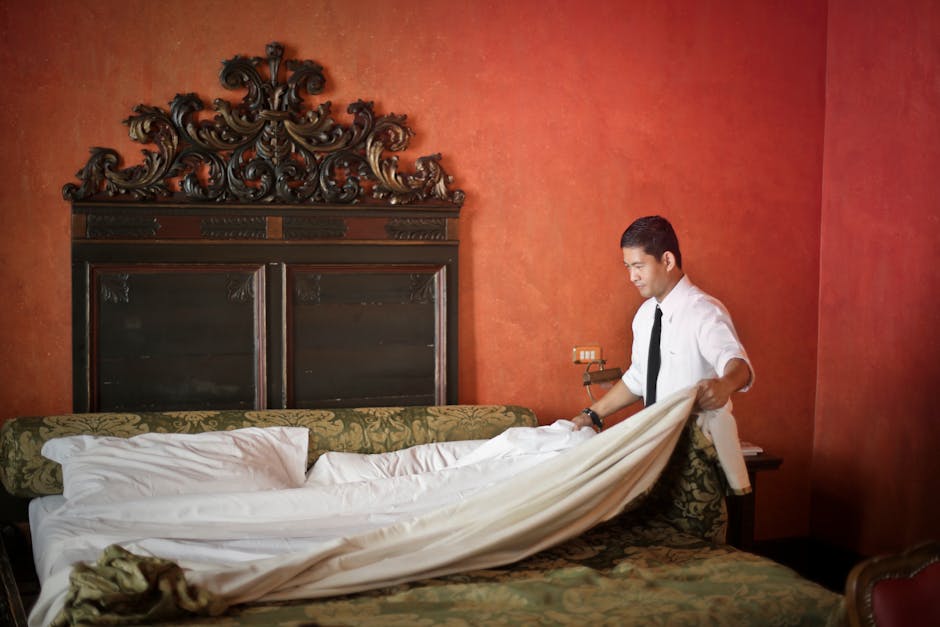
What Are Hotel Casegoods?
Casegoods refer to stationary furniture pieces constructed from wood, wood composites, or engineered materials. In hotel contexts, room casegoods encompass several essential items that define guest room functionality. These pieces typically include bedside tables, dressers, writing desks, minibar cabinets, and wardrobe interiors. Unlike upholstered furniture, casegoods feature flat surfaces, drawers, doors, and hardware components that require specific maintenance approaches. Understanding the construction materials of your casegoods—whether solid wood, particleboard with veneer, or high-pressure laminates—directly influences which maintenance products and procedures prove most effective for your hotel furniture customization investments.
Daily Maintenance Protocol for Hotel Room Casegoods
Consistent daily maintenance prevents progressive damage that shortens casegood lifespan. Housekeeping staff should follow a systematic approach during turndown and departure cleaning cycles. The foundation of daily care involves removing surface debris before applying any cleaning products. Dust accumulation in drawer tracks accelerates hardware wear and causes drawer misalignment over time. Wiping surfaces with microfiber cloths captures particles without scratching finishes. Implementing these practices across your property ensures uniform condition across all guest rooms, whether you operate boutique properties or luxury hotel guestroom furniture installations.
Essential Daily Tasks
- Dust all horizontal surfaces using microfiber materials
- Clean drawer interiors and tracks with soft-bristle brushes
- Wipe door faces and handles with appropriate wood-safe cleaners
- Inspect hardware for loose screws or damaged components
- Address liquid spills immediately with absorbent materials
Weekly Deep Cleaning Procedures
Weekly maintenance addresses accumulated soil that daily routines cannot fully remove. Deep cleaning sessions should target drawer mechanisms, door hinges, and areas beneath furniture pieces where dust and debris collect. Drawer slides require lubrication every three to six months depending on usage volume, but weekly inspections identify early signs of binding or wear. Steam cleaning and aggressive chemical products can damage protective finishes on wood veneer casegoods, so always verify product compatibility before application. Properties featuring high-end materials in their Marriott boutique hotel guest room furniture collections may require specialized cleaning products recommended by manufacturers.
Preventive Measures to Protect Casegoods
Preventive strategies cost less than reactive repairs and preserve furniture condition more effectively. Strategic placement of furniture coasters and felt pads prevents scratches from vacuuming and reduces moisture transfer from flooring. Controlling room humidity between 30-50% minimizes wood expansion and contraction that causes joint separation and finish cracking. Staff training on proper handling techniques prevents damage during room reconfigurations or maintenance activities. Implementing these measures extends service intervals and reduces total ownership costs for your hotel vanity base installations and other casegoods throughout your property.

Handling Common Damage Scenarios
Hotel casegoods face predictable damage patterns that require specific remediation approaches. Water rings from glasses and condensation represent the most frequent surface damage type in guest rooms. Treatment involves applying thin layers of mayonnaise or commercial ring removers, allowing penetration time, then buffing gently with soft cloths. Scratches in wood veneer require color-matched markers or wax fill sticks applied perpendicular to scratch direction. Deep scratches or gouges may require wood filler compounds followed by refinishing of affected areas. Understanding damage severity helps maintenance teams determine whether spot repair suffices or complete component replacement becomes necessary.
Hardware Maintenance and Replacement
Drawer pulls, door handles, hinges, and locking mechanisms experience significant wear in hospitality environments. Monthly hardware inspections should document loose screws, worn finishes, and mechanical failures. Tightening loose screws promptly prevents strip-out situations that require replacement drilling and anchor repairs. Hinge adjustments correct door alignment issues caused by building settlement or normal usage patterns. Establishing a preventive hardware replacement schedule—typically every three to five years depending on quality—avoids guest-facing failures. Properties using standardized https://www.taisenfurnitureblog.com/product-category/hotel-casegoods/best-western-brand/ casegoods benefit from consistent hardware specifications that simplify inventory management and replacement sourcing.
Casegood Maintenance Schedule Template
Implementing a structured maintenance schedule ensures consistent care across your property portfolio. The following table outlines recommended intervals for various maintenance activities based on furniture usage levels and quality tiers.
| Maintenance Task | Daily | Weekly | Monthly | Quarterly |
|---|---|---|---|---|
| Surface dusting and wiping | ✓ | |||
| Drawer track cleaning | ✓ | |||
| Hardware inspection | ✓ | |||
| Hinge lubrication | ✓ | |||
| Finish restoration | ✓ |
Repair vs. Replace Decision Framework
Determining whether damaged casegoods warrant repair or replacement requires evaluating multiple cost factors. Repair costs exceeding 50-60% of replacement value typically favor purchasing new units, especially when accounting for labor downtime and potential guest complaints during extended repair periods. Structural damage involving compromised joints, water-damaged particleboard cores, or severely warped components generally indicates replacement necessity. Cosmetic damage affecting large surface areas may prove more economical to address through complete refinishing rather than targeted spot repairs. This decision framework applies whether evaluating budget-friendly https://www.taisenfurnitureblog.com/hotel-furniture-customization-solution/ options or premium custom installations.
Professional Refinishing Considerations
Professional refinishing extends casegood lifespan by addressing accumulated wear, finish damage, and outdated aesthetics. Refinishing costs typically range from 30-40% of replacement costs for solid wood pieces, making it economically viable for quality furniture. The process involves stripping existing finishes, repairing surface damage, applying new stains or clear coats, and reinstalling hardware. Properties considering refinishing should verify that construction quality justifies the investment—furniture made from particleboard or low-quality veneers typically cannot be successfully refinished and should be replaced instead.
Environmental Factors Affecting Casegood Longevity
Environmental conditions significantly influence casegood lifespan regardless of maintenance quality. Direct sunlight exposure causes finish fading and wood color changes, particularly problematic in south-facing rooms. UV radiation breaks down both wood fibers and protective coatings over extended periods. Properties in humid climates experience more frequent swelling and contraction damage, while arid regions cause joint separation and veneer delamination. Installing UV-blocking window films, maintaining consistent HVAC operation, and using room humidifiers in dry seasons address these environmental challenges proactively.
Staff Training for Furniture Care
Effective maintenance programs require consistent staff training across all shifts and departments. Housekeeping teams need clear guidelines on approved cleaning products and prohibited practices that damage furniture finishes. Maintenance technicians require training on hardware adjustment procedures and when to escalate issues to specialized contractors. Creating illustrated reference materials posted in service areas reinforces training and reduces procedural drift. According to quality management principles from www.iso.org, documented procedures and regular training refreshers maintain service consistency across properties.
Documentation and Tracking Systems
Maintaining furniture condition records supports budgeting decisions and warranty claims. Each piece should have documentation including purchase date, manufacturer, model specifications, warranty expiration, and maintenance history. Digital maintenance management systems enable tracking of repair costs, replacement schedules, and condition assessments across entire property portfolios. Photographs documenting condition at regular intervals provide evidence for insurance claims and warranty negotiations with manufacturers. This documentation approach proves particularly valuable for properties with extensive casegood inventories requiring coordinated replacement cycles.
Frequently Asked Questions
How often should hotel casegoods be replaced?
Hotel casegoods typically require replacement every 8-15 years depending on construction quality, usage intensity, and maintenance consistency. High-quality pieces in moderate-use properties may exceed 15 years with proper care, while budget furniture in high-traffic properties may need replacement within 5-7 years.
What cleaning products are safe for wood veneer casegoods?
Mild soap diluted in warm water, specialized wood cleaning sprays, and microfiber dusters safely clean wood veneer surfaces. Avoid abrasive cleaners, ammonia-based products, and excessive moisture that can damage veneer adhesion and finish integrity.
Can damaged drawer slides be repaired rather than replaced?
Drawer slides with minor binding or noise issues can often be repaired through cleaning, lubrication, and adjustment. Slides with broken mechanisms, severely worn tracks, or structural damage require complete replacement. Most residential-grade slides are replaceable, while some integrated European hardware systems may require manufacturer service.
How do I prevent guests from damaging furniture?
Clear in-room information about proper furniture use, strategic placement of coasters and protective pads, and prompt response to reported damage prevents escalation. However, some damage represents normal hospitality operations; budgeting for predictable replacement cycles proves more practical than attempting complete prevention. For additional guidance on accessibility standards that may influence furniture placement and design decisions, consult the www.w3.org resources.
Is refinishing cost-effective for hotel casegoods?
Refinishing becomes cost-effective when furniture construction quality justifies the investment, damage is cosmetic rather than structural, and replacement costs significantly exceed refinishing expenses. Properties should evaluate each piece individually rather than applying blanket policies across entire inventories.


