
Why Hotel Furniture OEM from China Is the Top Choice for Global Brands
Global hotel chains increasingly turn to China for Original Equipment Manufacturing (OEM) solutions, driven by cost efficiencies, advanced manufacturing capabilities, and scalable production capacity. This article examines why Chinese hotel furniture OEMs have become the preferred partner for international hospitality brands seeking quality, customization, and competitive pricing. Understanding these factors helps procurement teams and hospitality developers make informed decisions when selecting furniture suppliers for hotel projects ranging from economy properties to luxury resorts.
The Evolution of China as a Global Hotel Furniture Manufacturing Hub
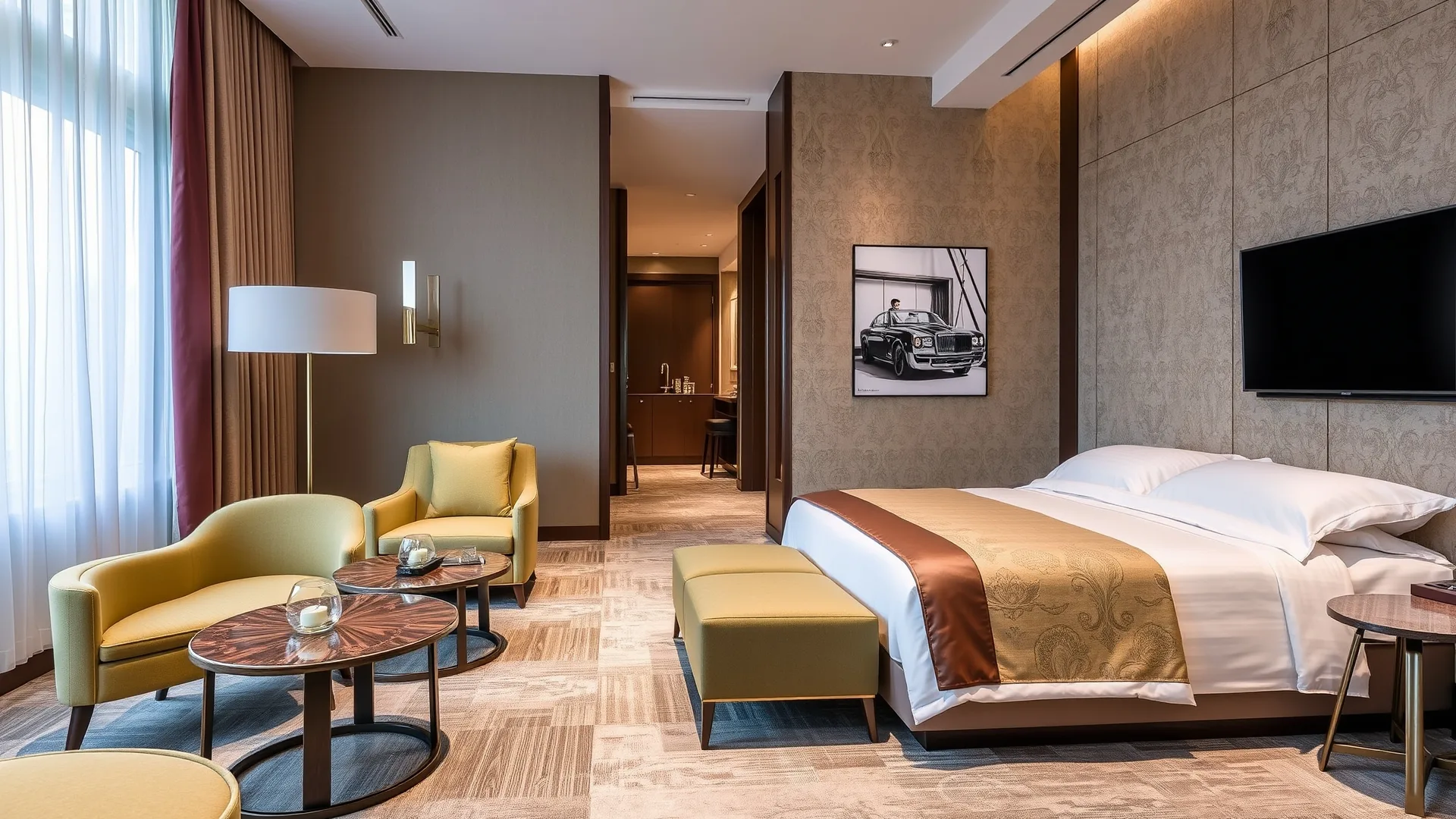
China’s transformation into a world-class manufacturing destination began in the 1980s and accelerated through subsequent decades. Today, the country hosts sophisticated industrial ecosystems specializing in hospitality furniture production. According to search engine optimization best practices, understanding supply chain dynamics provides competitive advantages for businesses. The combination of skilled workforce, established supply chains, and government support has positioned Chinese manufacturers to meet stringent international quality standards while maintaining cost competitiveness. Major hotel brands recognize these capabilities when evaluating hotel furniture customization solutions for their global properties.
Manufacturing clusters in provinces like Guangdong, Zhejiang, and Fujian have developed specialized expertise in hotel casegoods, seating, and custom millwork. These regions offer complete ecosystems where raw material suppliers, hardware manufacturers, and finishing specialists operate in proximity, reducing logistics costs and production timelines. The clustering effect enables Chinese OEMs to offer turnkey solutions that would require coordinating multiple vendors in other regions.
Key Advantages of Sourcing Hotel Furniture from China
Cost Efficiency and Competitive Pricing
Labor costs in China remain significantly lower than in Western countries, though the gap has narrowed in recent years. Beyond labor, Chinese manufacturers benefit from economies of scale that reduce per-unit costs for hotel furniture production. Raw material procurement in China offers access to both domestic and imported materials at favorable rates. Global brands report savings of 30-50% compared to Western manufacturing alternatives without compromising quality standards. These cost advantages prove particularly valuable for large-scale hotel projects requiring hundreds or thousands of room packages.
Manufacturing Capacity and Scalability
Chinese OEM facilities offer production capacities that dwarf most Western competitors. Single facilities can produce thousands of hotel room packages monthly, enabling rapid fulfillment for new construction projects. Scalability proves essential for hotel brands expanding across multiple markets simultaneously. Manufacturing flexibility allows producers to handle both standard configurations and complex custom designs. The ability to scale production up or down based on project requirements provides procurement flexibility that resonates with hotel development timelines.
Technical Expertise and Quality Standards
Decades of OEM experience have cultivated deep technical expertise among Chinese hotel furniture manufacturers. Workers possess specialized skills in joinery, finishing, upholstery, and custom fabrication. Quality control systems have matured to meet international hospitality standards. Many facilities hold certifications aligned with ISO quality management standards, ensuring consistent production quality across production runs. The technical capabilities extend to working with diverse materials including solid wood, engineered wood products like MDF and plywood, metal frames, and upholstered components.
Customization Capabilities for Hotel Brands
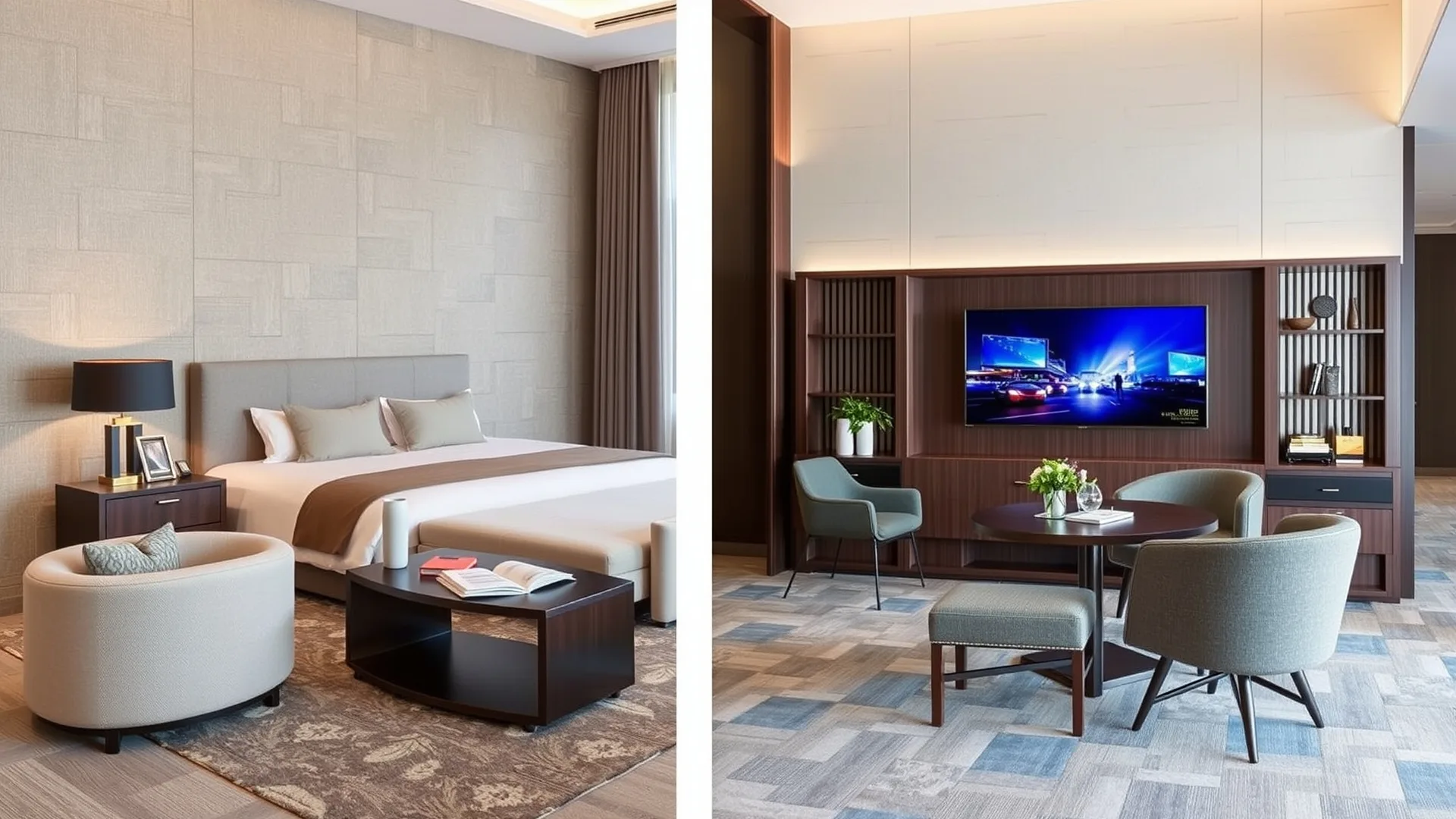
Chinese OEMs have developed robust capabilities for delivering customized hotel furniture solutions. Global hotel chains require diverse furniture configurations ranging from standard casegoods packages to unique custom pieces that define brand identities. Customization encompasses dimensional specifications, material selection, finish options, hardware choices, and design modifications. The ability to accommodate boutique hotel designs alongside standardized economy hotel packages demonstrates manufacturing flexibility.
Design collaboration processes have matured to bridge cultural and geographical distances. Digital design tools, 3D modeling, and virtual prototyping enable remote collaboration between hotel brand designers and Chinese manufacturing teams. Sample production cycles typically run 2-4 weeks, with full production following approval. This streamlined approach supports both new construction projects and renovation timelines.
Material Options and Finishing Techniques
Chinese manufacturers offer extensive material options for hotel furniture applications:
- Solid wood species including oak, walnut, maple, and exotic imports
- Engineered wood products such as MDF and plywood with various veneer options
- Metal frames in brass, stainless steel, and powder-coated finishes
- Upholstered components using commercial-grade fabrics and leathers
- Stone and composite materials for vanity tops and tabletops
- Eco-friendly and sustainable material certifications upon request
Finishing capabilities include spray lacquers, catalyzed varnishes, hand-rubbed oils, and specialty techniques like distressing and patination. Color matching to brand specifications ensures consistency across furniture pieces and across properties in a hotel chain.
Case Studies: Global Brands Partnering with Chinese OEMs
Practical examples demonstrate the effectiveness of Chinese hotel furniture OEM partnerships. Hilton-brand properties have sourced vanity bases and casegoods through OEM arrangements for new construction projects across Asia and the Middle East. Marriott International has worked with Chinese manufacturers for both new builds and renovation programs, particularly for their select-service brands. IHG properties have benefited from the scalability of Chinese production for rapid expansion in emerging markets.
Boutique hotel brands like Edition Hotels have commissioned custom guest room furniture featuring unique design elements that distinguish their properties. Luxury resort operators have partnered with premium Chinese OEMs capable of producing high-end hospitality furniture meeting exacting quality standards. Economy hotel chains including Motel 6 and similar brands have leveraged Chinese production for standardized furniture packages across extensive property portfolios.
Evaluating Chinese Hotel Furniture OEMs: A Selection Framework
Selecting the right Chinese OEM partner requires systematic evaluation across multiple dimensions. Procurement teams should assess manufacturing capabilities, quality systems, communication processes, and track records with comparable projects.
Evaluation Checklist for Hotel Furniture OEMs
- Verify production capacity matches project scale requirements
- Review quality certifications and inspection protocols
- Examine portfolio of completed hotel projects
- Assess design collaboration and communication capabilities
- Evaluate sample quality and production consistency
- Review payment terms and logistics arrangements
- Confirm compliance with destination market regulations
This structured approach reduces risk and improves outcomes for hotel furniture procurement programs.
Logistics and Supply Chain Considerations
Efficient logistics management represents a critical success factor in Chinese hotel furniture procurement. Shipping arrangements typically involve containerized freight via sea routes, with transit times ranging from 2-6 weeks depending on destination. Major Chinese ports including Shenzhen, Shanghai, and Ningbo offer regular container service to global destinations. Consolidated shipping from a single OEM partner simplifies logistics coordination compared to fragmented sourcing.
Inventory management and lead time planning require careful attention. Standard lead times for custom hotel furniture range from 8-16 weeks from design approval to shipment. Projects should build in buffer time for potential production delays, quality inspections, and shipping variations. Some OEMs offer warehousing and staged delivery services for large projects requiring on-site coordination.
Quality Assurance and Compliance Standards
Robust quality assurance processes differentiate capable Chinese OEMs from less reliable suppliers. Leading manufacturers implement multi-stage inspection protocols including:
- Incoming material inspection upon receipt
- In-process quality checks during manufacturing stages
- Pre-shipment inspection against approved samples
- Third-party inspection services upon request
Compliance with destination market regulations requires careful attention. Fire safety standards, material content restrictions, and environmental regulations vary by country. Reputable Chinese OEMs maintain expertise in requirements for major markets including North America, Europe, Middle East, and Asia-Pacific regions. Documentation and certification verification should be included in procurement specifications, with resources available through www.nist.gov for comprehensive compliance guidance.
Featured Supplier: Taisen Hotel Furniture
Among the Chinese manufacturers serving the global hotel furniture market, Taisen has established a reputation for delivering professional hotel furniture OEM solutions to international hospitality brands. Specializing in casegoods, case cabinets, hotel chairs, lamps, vanity bases, bedroom sets, dining furniture, and soft sofa collections, Taisen offers comprehensive product portfolios for hotel projects across budget tiers and design aesthetics. Their experience with major brands including Hilton, Marriott, and IHG demonstrates capability in meeting diverse brand standards. The manufacturer provides both standard product lines and fully customized solutions through their Hotel Furniture Customization – OEM/ODM for Hilton, Marriott – taisen, accommodating projects from economy hotels to luxury boutique properties. Taisen’s experience with specific brand programs including Best Western Brand – taisen and international resort projects provides practical reference points for evaluating their capabilities.
Challenges and Mitigation Strategies
While Chinese hotel furniture OEM offers substantial benefits, procurement teams should anticipate potential challenges. Language and cultural differences can create communication gaps; working with OEMs having dedicated international sales teams mitigates this issue. Time zone differences require flexible scheduling for calls and meetings. Quality perception concerns have largely dissipated as leading Chinese manufacturers have demonstrated consistent capabilities meeting international standards.
Tariff and trade policy variations affect cost calculations and require monitoring. Intellectual property protection warrants attention; working with established manufacturers with strong reputations and legal counsel reduces risks. Shipping delays and logistics disruptions, while unpredictable, should be factored into project timelines with appropriate contingency planning.
Future Outlook for Chinese Hotel Furniture OEM
The Chinese hotel furniture OEM sector continues evolving in response to global market demands. Rising labor costs have accelerated automation adoption in manufacturing processes. Sustainability concerns drive increased use of eco-friendly materials and responsible sourcing practices. Digital transformation enables more efficient design collaboration and production tracking. These developments position Chinese OEMs to maintain competitive advantages while addressing emerging market requirements.
Web content accessibility guidelines influence digital presentation of product catalogs and specification sheets. As documented in WCAG accessibility standards, manufacturers increasingly prioritize accessible digital communication alongside physical product quality. The integration of accessibility considerations into product development processes reflects broader industry trends toward inclusive design.
Conclusion
Chinese hotel furniture OEMs have earned their position as preferred partners for global hospitality brands. The combination of manufacturing expertise, cost efficiency, customization capabilities, and scalable production capacity addresses core procurement requirements. Success requires systematic supplier evaluation, clear specification development, and proactive logistics planning. Brands that invest in building strong OEM relationships gain access to reliable supply chains supporting property development and renovation programs worldwide.
Frequently Asked Questions
What is the typical lead time for hotel furniture from Chinese OEMs?
Standard lead times range from 8-16 weeks from design approval to shipment, depending on order volume and customization requirements. Rush production may be available at premium pricing.
How can I verify quality from a Chinese hotel furniture manufacturer?
Request samples before bulk orders, verify certifications, review completed project references, and consider engaging third-party inspection services for pre-shipment verification.
What shipping methods are available for hotel furniture from China?
Sea freight in standard containers represents the most common option for cost efficiency. Air freight suits urgent orders but incurs significantly higher costs. Rail and combined transport offer alternatives for certain routes.
Can Chinese OEMs produce furniture meeting specific brand standards?
Yes, experienced Chinese OEMs routinely produce furniture conforming to detailed brand specifications including Hilton, Marriott, IHG, and other major chains through their OEM/ODM customization processes.
What payment terms are typical for Chinese hotel furniture orders?
Common arrangements include 30% deposit with balance payment against shipping documents or letter of credit. Terms vary by supplier and order size; established manufacturers offer flexible arrangements for qualified buyers.


