Lighting profoundly shapes guest perception and brand identity. Flawless Hospitality Lighting Solutions are critically important in hospitality environments. Boutique Hotel Custom Lamps define unique aesthetics. Poor Hotel Guest Room Lighting, including the Hotel Bedside Lamp and Hotel Wall Lamp, significantly impacts guest satisfaction. Common project missteps carry significant repercussions, making it vital to know how to choose the right Hospitality Lighting Solutions supplier.
Key Takeaways
- Use different types of lights together to make hotel spaces look good and work well for guests.
- Choose strong, long-lasting lights and smart controls to save energy and make guests happy.
- Think about how lights affect guests and the environment to make good choices for your hotel.
Neglecting Layered Lighting Design in Hospitality Lighting Solutions
Avoiding Over-Reliance on Single Light Sources
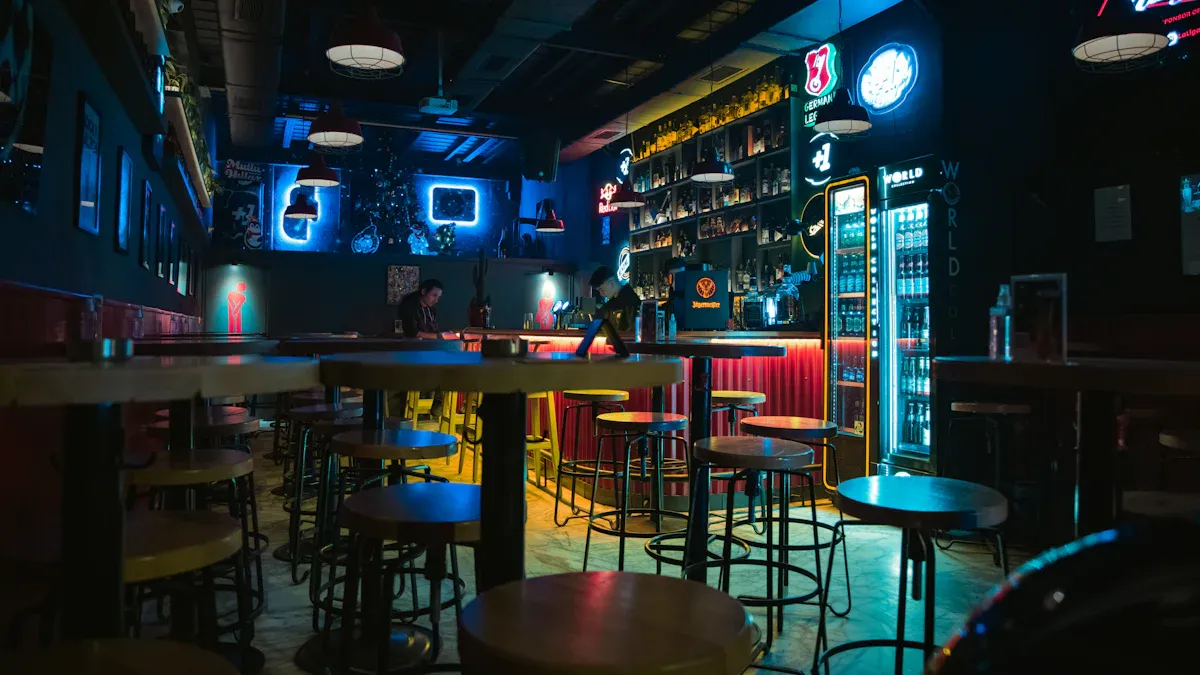
Many hospitality projects make the mistake of relying on a single, dominant light source. This approach often results in flat, uninviting spaces. Guests experience discomfort when a room lacks varied illumination. Incorrect lighting—too harsh, too dim, or poorly placed—can make even the most luxurious interiors feel unwelcoming or impractical. A single light source fails to adapt to different times of day or guest activities. This oversight diminishes the overall guest experience.
Implementing a Comprehensive Multi-Layered Approach
A comprehensive multi-layered approach is essential for effective Hospitality Lighting Solutions. This strategy involves combining various light types to create depth and functionality. Without a layered lighting scheme, flexibility, the highlighting of architectural features, and the creation of varying moods throughout the day are compromised. For guest rooms, this includes adjustable bedside lights, dimmable ceiling fixtures, and targeted task lighting. Other crucial elements are portable luminaires like floor and desk lamps for reading, wall lights for bedside illumination, and vanity lighting in bathrooms, which can include LED backlit mirrors or dual mirror sconces. Can lights also find use in bath areas.
Addressing Poorly Placed and Harsh Overhead Lighting
Poorly placed and harsh overhead lighting significantly detracts from guest comfort. A lack of lighting variation creates a stale, uninteresting atmosphere. Guests find it difficult to relax or perform tasks when faced with glaring or insufficient light. Poor lighting placement can ruin a guest’s stay as it complicates their routine. Designers must consider how light interacts with the space and its occupants. Strategic placement and dimming capabilities prevent harsh shadows and create a more inviting environment.
Ignoring Guest Comfort and Functionality in Hospitality Lighting Projects
Prioritizing Aesthetics Without Practicality
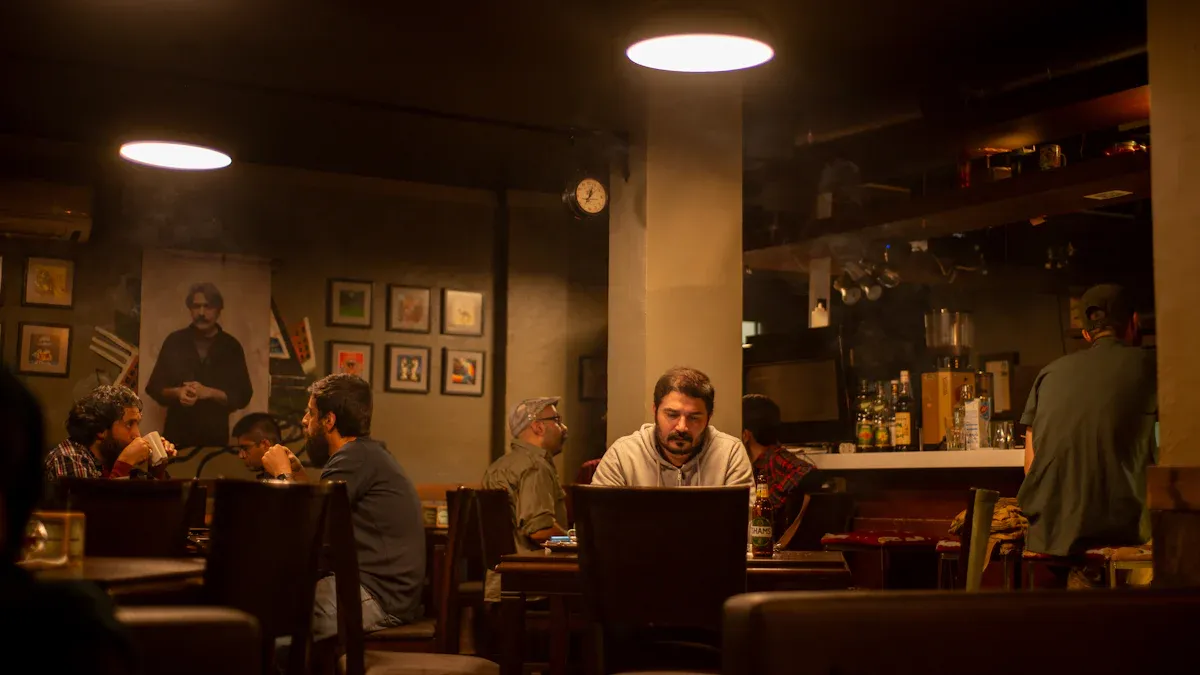
Designers sometimes focus solely on visual appeal, overlooking the practical needs of guests. This oversight often results in uncomfortable lighting. Guests frequently complain about lighting that is too bright or harsh, creating a cold, hospital-like feel in relaxation areas. Incorrect color temperature, such as cool light above 4000K in hotel restaurants or rooms, makes spaces appear unpleasant. Poorly placed lighting, including overhead lights that blind guests or inadequately lit bathroom mirrors, leaves a bad impression and creates unflattering shadows. Beyond aesthetics, practical considerations for hotel bathroom lighting include ensuring sufficient illumination for grooming without being overly bright. Fixtures must be properly installed and directed to prevent unflattering appearances in the mirror.
Designing for Diverse Guest Needs and Activities
Effective lighting design caters to various guest activities. A hotel suite requires different lighting for reading, working, and relaxing. For relaxation, soft light with a warm tone helps create a calming atmosphere. Warm white bulbs around the bed encourage rest. A desk area needs a task light that shines down without casting harsh shadows or bleeding into sleeping areas. A focused reading lamp near the bed allows individual use without disturbing others. Offering multiple lighting options, such as warm colors for relaxation and white light for tasks like applying cosmetics, enhances both functionality and guest experience. This contributes to a luxurious, spa-like atmosphere.
Optimizing Light Switch Placement for User Convenience
Guests appreciate intuitive control over their environment. Install a central light switch, preferably a three-way switch, with one switch by the doorway and another in the main guest area, such as near the bedroom. Utilize dimmer switches to offer guests greater control over lighting and to help reduce energy consumption. Ensure all light switches are placed in easily discoverable and accessible locations. Avoid using too many individual switches for numerous small fixtures. This prevents guests from moving around the room excessively to control lighting. Thoughtful placement significantly improves the overall guest experience with Hospitality Lighting Solutions.
Underestimating Maintenance and Longevity in Hospitality Lighting Solutions
Choosing Inadequate Fixtures and Lamps
Many projects overlook the long-term implications of fixture and lamp choices. Selecting inadequate lighting fixtures and lamps creates significant problems. Traditional light sources often have a short lifespan, typically ranging from 2,000 to 4,000 hours. This necessitates frequent replacements. Insufficient lighting causes discomfort and safety hazards for guests. Dimly lit spaces hinder productivity. Uneven lighting creates shadows, disrupts visual harmony, and leads to glare. This causes discomfort and visual disturbances. These issues make tasks more difficult to perform.
Selecting Durable and Serviceable Lighting Solutions
Prioritizing durability and serviceability is crucial for Hospitality Lighting Solutions. Hotel lighting fixtures, especially in star-rated establishments, should last at least ten years. This aligns with major renovation cycles. Look for energy-efficient LED models with dimming capabilities. Utilize robust metal or composite materials. Consider IP-rated protection for high-humidity zones. Avoid overly decorative fixtures that compromise longevity or safety. High-quality LEDs are capable of delivering 50,000 hours or more of operation. This significantly reduces replacement frequency.
Avoiding Low-Quality Bulbs and Frequent Replacements
Low-quality bulbs lead to increased energy consumption and higher repair costs. Upgrading to LED lighting can reduce energy consumption by 10-15% annually. Preventive maintenance alongside LED upgrades also contributes to these energy cost reductions. Frequent replacements disrupt operations and negatively impact guest experiences. This can lead to lost revenue. Choosing durable, high-quality lighting solutions ensures operational efficiency and asset health in the long run.
Failing to Integrate Smart Lighting Controls in Hospitality Lighting Projects
Missing Opportunities for Efficiency and Ambiance Control
Many hospitality projects miss significant opportunities by not integrating smart lighting controls. They often retain manual switches, which are prime candidates for smart system replacement and automation upgrades. This oversight prevents real-time energy monitoring and automated adjustments at the lighting circuit level. Consequently, facilities lack detailed insights for cost savings and operational efficiency that energy dashboards provide. Without smart systems, hotels miss automatic light adjustments based on occupancy and ambient daylight. This leads to wasted energy when spaces are empty or when natural light is sufficient. They also lack tailored lighting solutions for specific needs, such as creating a calming atmosphere or enhancing productivity, due to the absence of dimmers and programmable settings. Furthermore, the inability to manage lighting remotely via smartphone apps or voice commands reduces convenience and flexibility for both guests and staff.
Adopting Intuitive and Integrated Control Systems
Adopting intuitive and integrated control systems transforms the guest experience and streamlines operations. These systems prioritize user experience (UX) design, making them easy to buy, build, and live with. They cater to diverse stakeholders, from specifiers seeking proven performance to occupants desiring simple controls without training. Good design anticipates real-world challenges, providing clear workflows and error prevention. Intuitive controls offer enhanced ambiance for guests, allowing for customized atmospheres like a calming spa or a vibrant restaurant. They also provide preset lighting scenes for specific activities, such as dining or reading. Facility managers benefit from streamlined staff operations, adjusting lighting across multiple zones from a single interface.
Leveraging Smart Controls for Varied Moods and Features
Smart controls allow hotels to leverage varied moods and features, significantly enhancing guest satisfaction and operational efficiency. These systems enable personalized comfort and convenience through intuitive controls, often via smartphone apps, allowing guests to adjust settings effortlessly. This creates a luxurious atmosphere. Smart lighting also contributes to energy efficiency and sustainability. Hospitality businesses can expect a reduction of up to 50-70% in energy consumption when implementing smart lighting solutions. Presence-based smart lighting control reduces energy consumption by automating lighting adjustments, contributing to substantial cost savings. Hotels like Rosewood Villa Magna, Novotel Bangkok, and Atlantis The Royal utilize connected lighting to optimize energy use, showcasing the power of advanced Hospitality Lighting Solutions for energy-efficient innovation.
Overlooking Energy Efficiency and Sustainability in Hospitality Lighting Solutions
Disregarding Long-Term Operational Costs and Environmental Impact
Many hospitality projects often disregard the long-term operational costs and environmental impact of their lighting choices. This oversight leads to significant financial drains and increased carbon footprints. Lighting accounts for 15% to 45% of electricity consumption in small hotels. Hotels converting to LED lighting can achieve average annual savings of $15,000-$25,000 per 100 rooms. Transitioning to LED lighting throughout a property can lead to a 75% reduction in lighting energy consumption. The Prague Marriott Hotel saved approximately 58% on lighting electricity by switching to more efficient bulbs, equating to about €40,000 per year in cost savings.
| Feature | Traditional Lighting (e.g., Incandescent) | LED Lighting |
|---|---|---|
| Lifespan | Short | Up to 17 years (10x longer) |
| Energy Efficiency | Low (high heat generation) | High (15x less energy than halogens, 3x less than CFLs) |
| CO2 Emissions | Up to 4,500 pounds annually | Around 450 pounds annually |
| UV Emissions | Significant | Almost none |
| Toxic Chemicals | Contains mercury, etc. | Chemical-free |
| Recyclability | Poor disposal challenges | Recyclable, contributes to circular economy |
| Waste Generation | High | Significantly reduced |
Investing in Eco-Friendly and Energy-Saving Lighting Solutions
Investing in eco-friendly and energy-saving lighting solutions offers substantial benefits for hotels. LED lighting uses a fraction of the power compared to traditional bulbs, leading to significant cost savings on electricity bills and a substantial reduction in energy consumption. The long lifespan of LED bulbs minimizes replacement costs, making them a cost-effective investment. LED lights are low-voltage fixtures that work well with dimming and control systems without flickering or reduced lifespan. Motion sensor lighting provides an effortless way to save energy by ensuring lights are only on when a person is nearby in hallways, bathrooms, common areas, and outside walkways. This approach reduces greenhouse gas emissions and waste, as LED systems last longer and do not contain mercury. New LED fixtures offer the widest range of design options and often come with built-in features like dimming and motion sensors, enhancing Hospitality Lighting Solutions.
Utilizing Natural Light and Daylighting Strategies
Hotels can significantly reduce energy consumption by effectively utilizing natural light and implementing daylighting strategies.
Having large windows can be very aesthetically pleasing and the size doesn’t need to be compromised in order to retain heat. With the use of solar gain, large windows and doors can be environmentally friendly, create a more comfortable living space and save the hotel owner money.
This quote from Joe Halsall, Digital Marketing Manager at Origin Global, highlights the benefits. When fitting more efficient windows, consider the U-factor, which measures heat escape, and the Solar Heat Gain Coefficient (SHGC), which indicates heat radiated from the sun. To avoid overheating, shade windows from direct sunlight with blinds, curtains, or deciduous trees. An optimized building footprint maximizes south- and north-facing facade areas. Daylighting must integrate with electric lighting design, using continuously dimming fixtures controlled by luminous sensors. Strategies include increasing perimeter daylight zones, allowing daylight penetration high in a space, reflecting daylight, and sloping ceilings.
Well-executed lighting design profoundly transforms hospitality spaces. It shapes guest experiences and strengthens brand identity. Proactive planning and avoiding common pitfalls yield significant long-term benefits. A strategic, informed approach to all hospitality lighting endeavors ensures guest satisfaction, operational success, and a positive environmental impact.
FAQ
What is layered lighting?
Layered lighting combines different light types. It creates depth, functionality, and varied moods in a space. This approach enhances the guest experience.
How do smart lighting controls benefit hotels?
Smart controls offer energy efficiency and ambiance management. They allow personalized guest comfort and streamline staff operations. Hotels save costs and improve guest satisfaction.
Why is energy efficiency important for hotel lighting?
Energy-efficient lighting reduces operational costs significantly. It lowers the hotel’s environmental impact. This choice supports sustainability and long-term financial health.