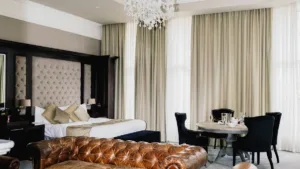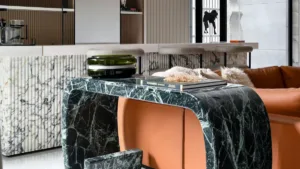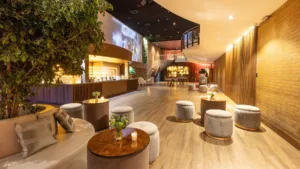
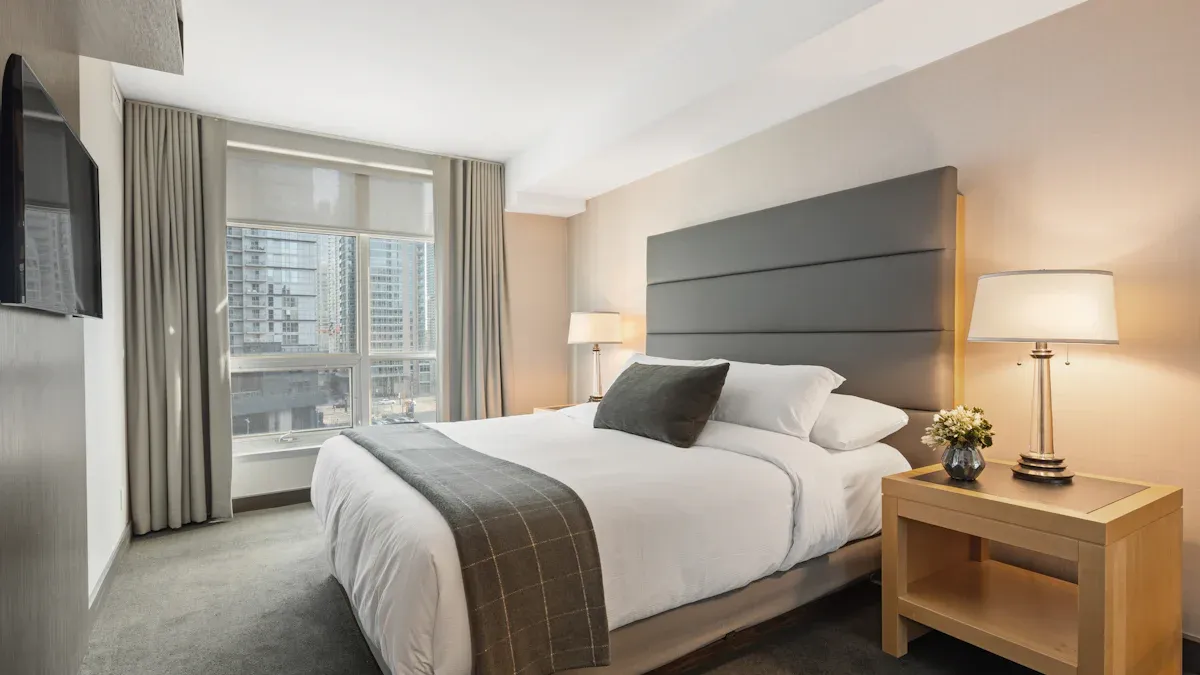
Furniture configuration plays a crucial role in enhancing the guest experience in hotels. The hotel tier significantly influences furniture selection, as different tiers cater to varying customer expectations. For instance, luxury hotel furniture often features premium materials and unique designs, while budget hotel furniture prioritizes functionality and cost-effectiveness. Mid-range hotel furniture strikes a balance between quality and affordability, making it suitable for a wide range of guests. When considering a hotel project furniture plan, it’s essential to incorporate guestroom furniture setup tips that align with the specific furniture needs by hotel tier. Aligning furniture with guest expectations ensures comfort and satisfaction throughout their stay.
Key Takeaways
- Choose furniture based on hotel tier to meet guest expectations. Luxury hotels need high-quality, unique designs, while budget hotels should focus on functionality and cost-effectiveness.
- Prioritize comfort and functionality in furniture selection. Ergonomic designs enhance guest satisfaction and promote a restful experience.
- Invest in multi-functional furniture to maximize space and reduce costs. Versatile pieces improve guest experiences and operational efficiency.
Defining Hotel Tiers
Luxury Hotels
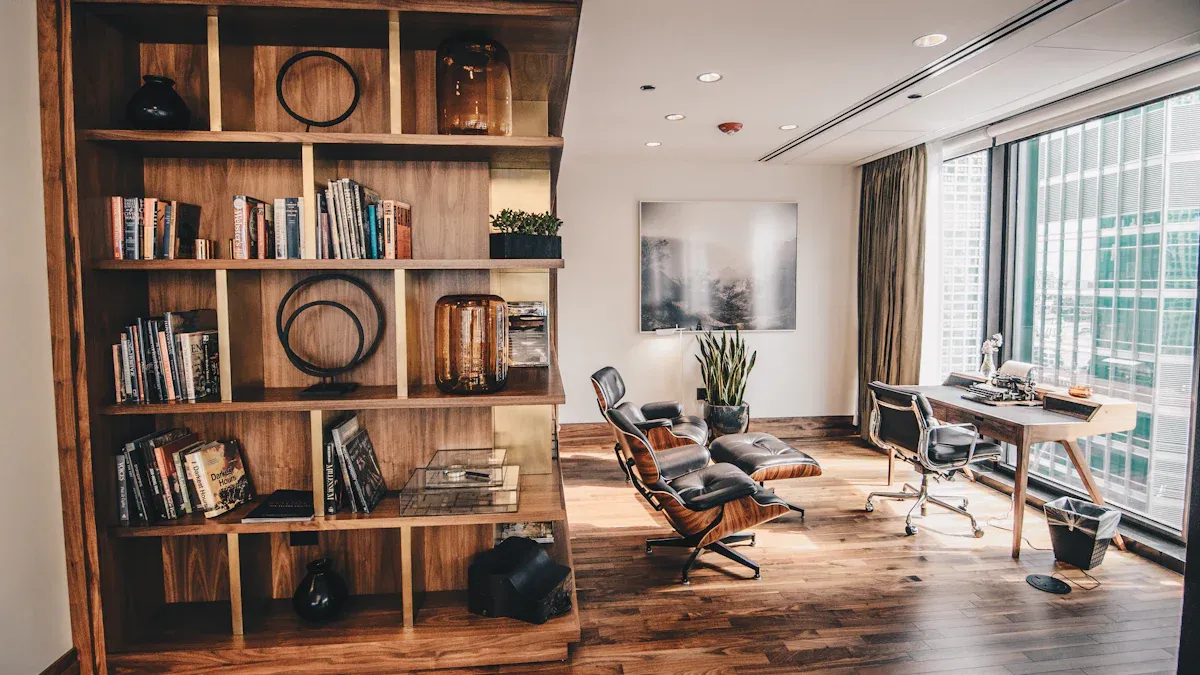
Luxury hotels offer premium service, exclusivity, and unforgettable experiences. They focus on curated experiences and meticulous design. Guests expect features like Michelin-starred dining and plush wellness centers. The furniture in these hotels often includes bespoke designs made from high-quality materials, such as hardwoods and luxurious upholstery.
Upscale Hotels
Upscale hotels provide refined hospitality tailored for business gatherings and social events. They feature high-end dining options and stylish spaces. Flexible event areas and experienced event teams enhance guest experiences. Furniture in upscale hotels often combines comfort with advanced technology, ensuring a sophisticated atmosphere.
Mid-Range Hotels
Mid-range hotels balance consistent service with strong value. They cater to diverse guests by offering affordable group blocks and essential amenities. Furniture selection focuses on durability and functionality, with an emphasis on comfort. Mid-range hotels typically invest in quality materials while maintaining cost-effectiveness, ensuring guest satisfaction without overspending.
Budget Hotels
Budget hotels prioritize affordability and functionality. They provide clean rooms and reliable accommodations. Furniture must serve multiple purposes, especially in small spaces, to maximize utility. Common features include compact dimensions and durable materials like laminate. Budget hotels often focus on style cohesion to create a welcoming environment while keeping operational costs low.
Key Factors in Furniture Selection
Comfort and Functionality
Comfort and functionality are paramount in hotel furniture selection. Guests expect a restful experience, and the right furniture can significantly enhance their stay. High-quality furniture enhances guest comfort and aesthetic appeal, which are critical for guest satisfaction. The choice of furniture impacts perceptions of luxury and professionalism, especially in higher-tier hotels.
To maximize comfort, hotels should consider ergonomic designs. For instance, ergonomic lounge chairs with adjustable seat heights and supportive backrests promote proper posture and reduce back pain. Similarly, ergonomic beds with adjustable firmness cater to individual preferences, enhancing sleep quality.
Tip: When selecting furniture, prioritize options that balance space-saving solutions with practical use. This approach ensures that guests enjoy both comfort and functionality in their accommodations.
Durability and Maintenance
Durability and maintenance are crucial factors that influence furniture selection across different hotel tiers. High-quality materials ensure durability and compliance with hospitality-grade standards. Furniture must withstand constant use, spills, and heavy traffic.
| Material | Benefits |
|---|---|
| High-pressure laminates | Scratch and moisture resistance |
| Solid wood | Adds strength, prevents wear and structural damage |
| Metal reinforcements | Enhances durability of seating and tables |
| Performance fabrics | Stain-resistant, maintains appearance despite heavy use |
Luxury hotels often prioritize high-quality materials that ensure strength and longevity. In contrast, budget hotels may face higher maintenance needs due to the use of inferior materials. High-quality hotel furniture features solid hardwoods like oak and teak, which age beautifully and require less maintenance. Budget options typically rely on particleboard or low-grade plywood, which may not withstand wear and tear as effectively.
Aesthetic Appeal
Aesthetic appeal plays a vital role in guest satisfaction across hotel tiers. Stylish designs enhance the ambiance and guest experience. Aesthetic appeal enhances guest satisfaction by providing immediate sensory responses to visual and tactile qualities. For example, a handcrafted ceramic bowl at a luxury resort exemplifies aesthetic appeal through its sleek design and unique glazing technique.
- Artifacts can evoke feelings that connect guests to their travel memories.
- Objects can carry cultural or personal significance, enhancing guest satisfaction.
- Handcrafted items reflect local heritage and sustainability, allowing travelers to connect with the cultural narrative.
Incorporating unique designs tailored to the hotel’s branding and needs can create a memorable experience for guests. Statement pieces and sculptural designs serve as functional decor and conversation starters, further enriching the overall atmosphere.
By focusing on these key factors—comfort and functionality, durability and maintenance, and aesthetic appeal—hotels can create an inviting environment that meets the diverse needs of their guests. This thoughtful approach to hotel project furniture selection ensures a positive experience that encourages repeat visits.
Practical Tips for Layout and Arrangement
Space Optimization
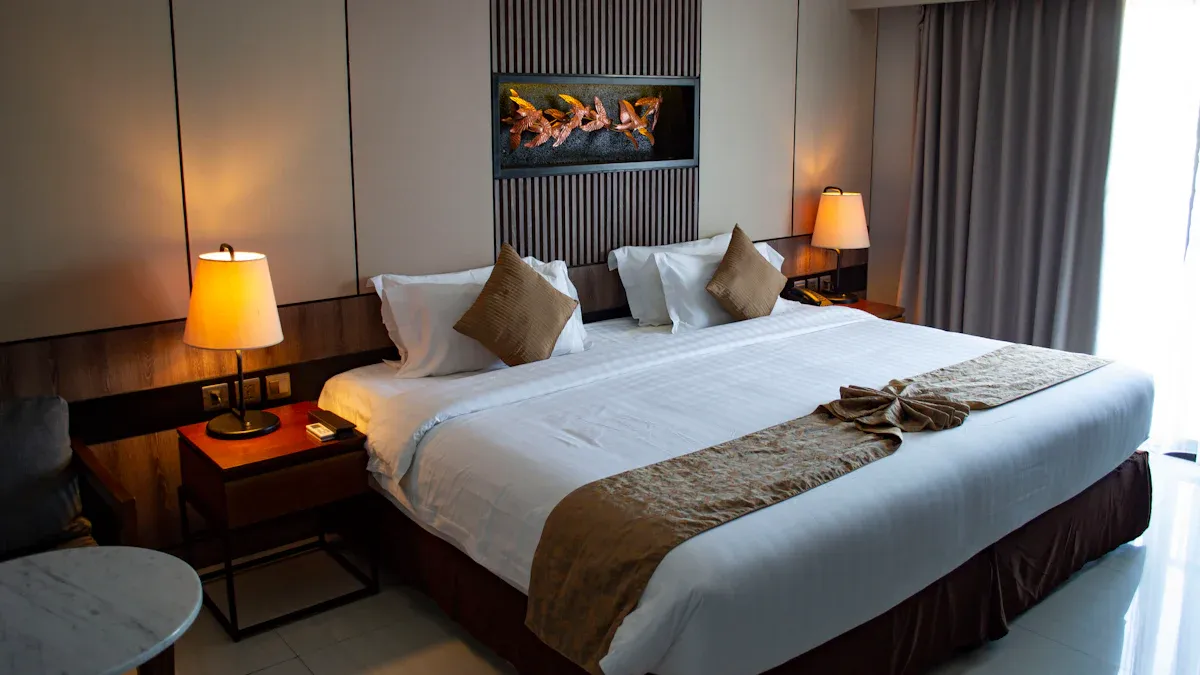
Effective hotel space planning is crucial for maximizing guest satisfaction and operational efficiency. Hotels should ensure that every square foot is utilized efficiently. A well-organized environment feels welcoming and functional, creating a positive first impression. Here are some strategies for optimizing space:
- Utilize vertical space for storage and decor. Tall potted plants and artwork can create a more expansive feel.
- Incorporate modular seating arrangements. This flexibility allows easy rearrangement to accommodate different events and guest preferences.
- Invest in multi-functional furniture. Pieces like ottomans with hidden storage maximize space without sacrificing functionality.
Guest Flow Considerations
Furniture arrangement significantly impacts guest movement and accessibility within hotel rooms. A thoughtful layout fosters a sense of home, enhancing relaxation. Conversely, poor arrangements can lead to discomfort and cramped spaces. Here are key aspects to consider:
| Aspect | Description |
|---|---|
| Clear Pathways | Ensure unobstructed paths from the entrance to key areas like the bed and bathroom. |
| Open Floor Plans | Use low-profile furniture to define areas without blocking sightlines, enhancing spaciousness. |
| Strategic Spacing | Position large furniture at appropriate distances to avoid cramped spaces. |
| Enhancing Comfort | Thoughtful arrangement ensures easy access to amenities, improving overall guest comfort. |
A clutter-free layout improves the perception of room size and functionality. Guests appreciate layouts that allow them to navigate easily, enhancing their overall experience.
Multi-Functional Furniture
Multi-functional furniture offers numerous benefits for hotel operations. Investing in versatile pieces can lead to significant savings on purchase and maintenance. Here are some advantages of using multi-functional furniture:
| Benefit | Description |
|---|---|
| Cost Efficiency | Investing in fewer, versatile pieces can lead to significant savings on purchase and maintenance. |
| Space Optimization | Multi-functional furniture maximizes limited space, providing flexibility for rearrangement. |
| Enhanced Guest Experience | Practical solutions improve guest satisfaction and encourage repeat visits. |
| Modern Aesthetic Appeal | Contemporary designs elevate the hotel’s visual appeal, contributing to a positive impression. |
Examples of multi-functional furniture include storage ottomans that serve dual purposes and sofa beds that function as a lounge area during the day and a bed at night. These adaptations can lead to increased revenue through higher room occupancy and upsell opportunities.
By implementing these practical tips for layout and arrangement, hotels can create inviting environments that cater to diverse guest needs. Thoughtful furniture configuration not only enhances guest experiences but also optimizes operational efficiency.
Hotel Project Furniture Considerations
Material Selection
Selecting the right materials for hotel project furniture is essential for creating a lasting impression. Consider the following key factors:
- Define Your Hotel’s Brand and Style: Establish the ambiance you want to deliver. Consistency in furniture style enhances the overall guest experience.
- Make Durability and Quality a Top Priority: Invest in sturdy, stain-resistant, and easy-to-clean materials. This ensures furniture withstands wear and tear.
- Consider Comfort and Functionality: Choose ergonomic furnishings that meet guests’ needs. Comfortable seating and beds enhance satisfaction.
- Define Spaces and Plan Layouts: Finalize room sizes and layouts to avoid purchasing ill-fitting furniture.
- Meet and Exceed Safety Standards: Ensure all furnishings comply with safety regulations, including fire safety.
| Material Type | Durability Level | Aesthetic Appeal | Common Uses |
|---|---|---|---|
| Solid Wood | High | High | Furniture in high-traffic areas |
| Metal | High | Moderate | Lobbies, restaurants |
| High-Quality Veneers | Moderate | High | Upscale furniture |
| Leather | Moderate | High | Upscale hotel restaurants |
| Reclaimed Wood | Moderate | High | Rustic-themed hotels |
| Industrial Metals | High | Moderate | Contemporary designs |
Customization Options
Customization enhances the guest experience by tailoring furniture to specific needs. Popular requests include:
- Custom reception desks with integrated technology.
- Modular lounge seating with ergonomic designs.
- Platform beds with built-in lighting and USB ports.
- Custom wardrobes with smart storage solutions.
- Weather-resistant lounge chairs for outdoor areas.
These options allow hotels to create unique environments that resonate with their brand identity.
Supplier Reliability
Choosing reliable suppliers is crucial for successful hotel project furniture procurement. Evaluate potential partners based on:
| Criteria | Description |
|---|---|
| Proven Track Record and Industry Reputation | Suppliers with a strong history in the hotel sector demonstrate reliability through successful collaborations and customer testimonials. |
| Manufacturing Capabilities | Assessing a supplier’s investment in machinery ensures they can meet durability and aesthetic standards required in hotels. |
| Product Quality and Material Sourcing | Reliable suppliers use durable materials suitable for hospitality, and customization options should be available to match hotel design requirements. |
| Compliance with Safety Standards | Suppliers must adhere to safety regulations, providing necessary certifications to protect guests and the business from legal liabilities. |
Strong supplier partnerships enhance the quality and delivery of hotel furniture projects. They ensure high standards of durability and design, fostering reliability and promoting cost savings through volume discounts.
Choosing the right furniture configuration is vital for enhancing guest experiences across hotel tiers. Luxury hotels require furniture that withstands heavy use while maintaining aesthetic appeal. Upscale hotels benefit from a balance of comfort and functionality. Mid-range hotels should focus on durability and cost-effectiveness, while budget hotels prioritize multi-functional designs. Assessing individual hotel needs ensures optimal results and guest satisfaction.
FAQ
What factors should hotels consider when selecting furniture?
Hotels should prioritize comfort, durability, and aesthetic appeal to enhance guest satisfaction and align with their tier.
How can multi-functional furniture benefit hotels?
Multi-functional furniture maximizes space, reduces costs, and improves guest experiences by serving multiple purposes.
Why is supplier reliability important in hotel furniture procurement?
Reliable suppliers ensure high-quality materials, timely delivery, and compliance with safety standards, enhancing overall project success.