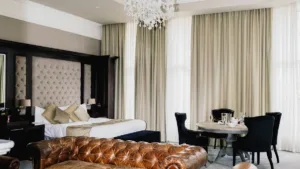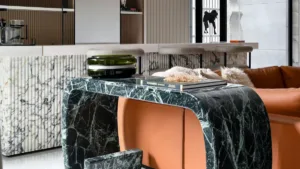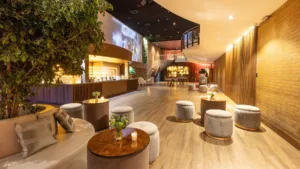
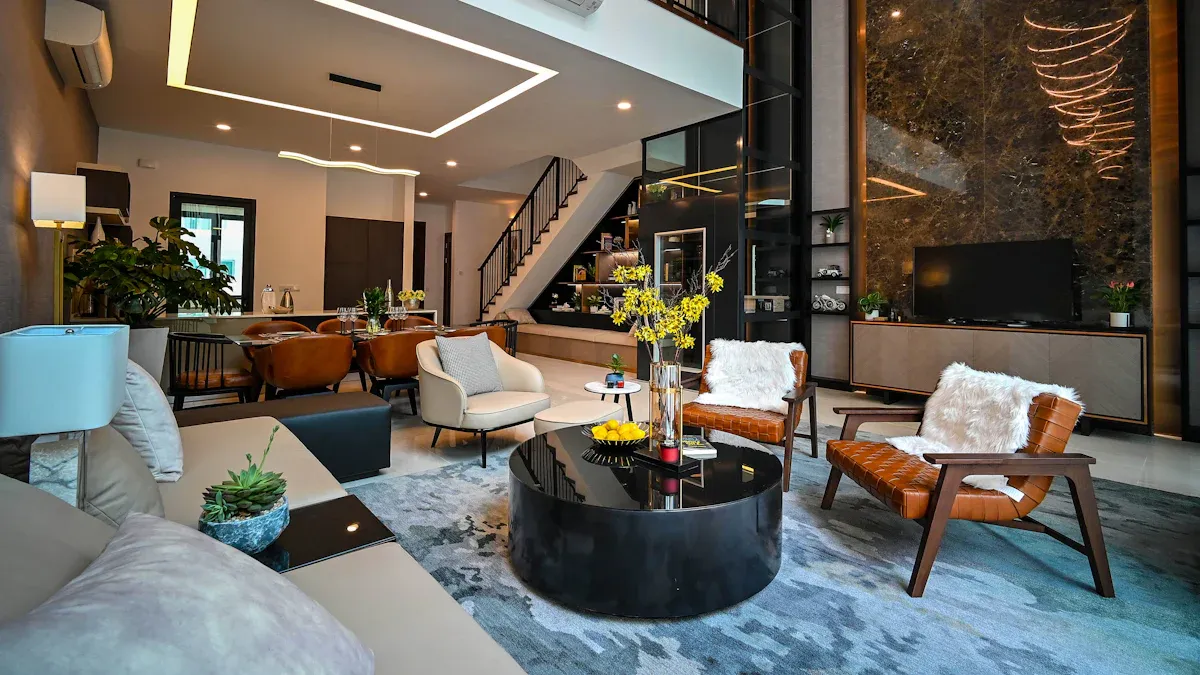
Custom Hotel Project Furniture is the cornerstone of a distinctive brand identity. It crafts an unforgettable guest experience unique to your hotel. A professional hotel furniture manufacturer helps achieve this vision. This furniture directly communicates your brand’s values and aesthetic. When hoteliers consider hospitality furniture solutions, they often ponder questions like, “How long does it take to produce hotel project furniture?” or “What is the standard size of hotel room furniture?” The right answer always enhances brand consistency. Understanding “How to choose hotel project furniture?” ensures a perfect match for your specific brand.
Key Takeaways
- Custom hotel furniture makes a hotel special. It helps guests have a unique and memorable stay.
- This furniture shows what the hotel is about. It matches the hotel’s look and feel.
- Custom furniture is strong and lasts a long time. It saves money because it does not need to be replaced often.
- It helps hotel staff work better. It also makes guests more comfortable.
- Custom furniture helps hotels stay popular. It keeps guests coming back.
Unlocking Brand Differentiation with Custom Hotel Project Furniture
Crafting Unique Guest Experiences
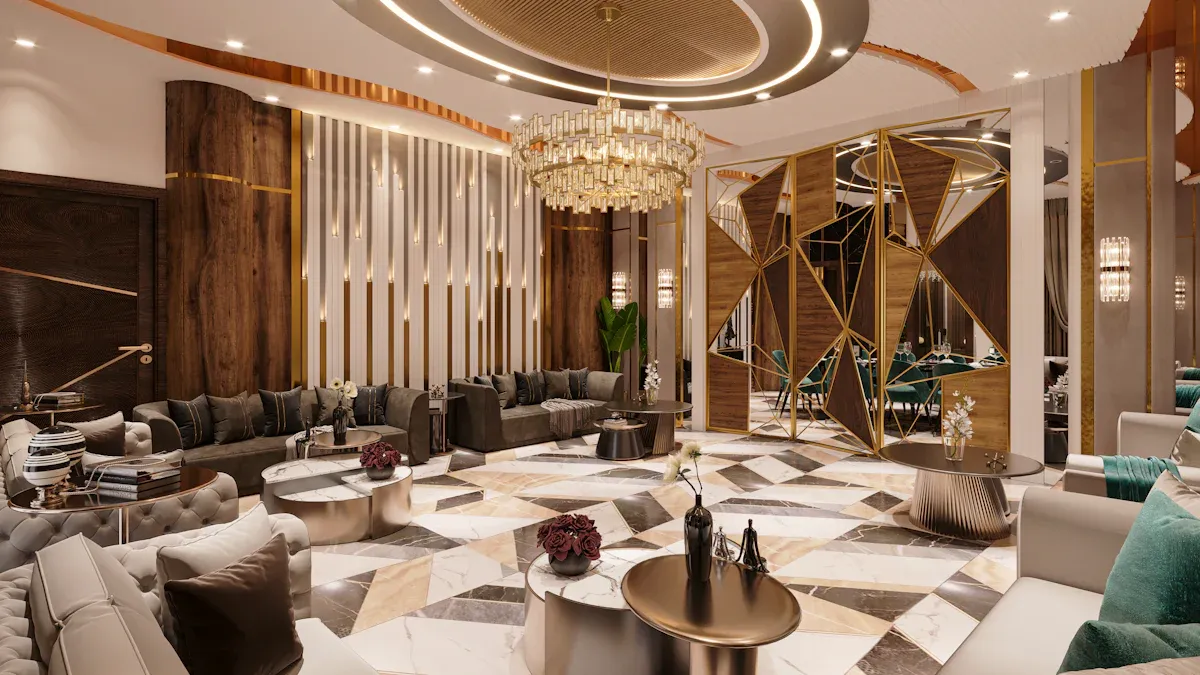
Custom Hotel Project Furniture serves as a powerful tool for creating memorable and distinct guest experiences. It allows hotels to move beyond generic offerings, providing an environment that truly reflects their unique identity. When designing custom pieces, several elements contribute to a unique guest experience:
- Overall Theme and Style: Custom furniture reflects the hotel’s atmosphere and branding. It uses specific materials, colors, and shapes that align with the overall design concept. For example, a modern hotel might use sleek, minimalist furniture. A rustic bed and breakfast might choose distressed wood and vintage accents.
- Functionality: Furniture must be practical and comfortable. It considers ergonomics, durability, and ease of maintenance. This is especially important given high traffic and frequent use in hospitality settings.
- Guest Experience Considerations: This includes comfort, such as comfortable seating for extended periods. It also includes convenience, like tables at appropriate heights. Accessibility, such as adequate lighting for various activities, is also key.
- Target Clientele’s Specific Needs: Custom furniture caters to the demographic and expectations of guests. A family-friendly restaurant might need high chairs. A luxury hotel might require oversized armchairs and plush bedding.
- Local Culture and Heritage: Incorporating local materials, craftsmanship, and design elements creates a sense of place and authenticity. This enhances the overall guest experience and leaves a lasting impression.
Custom hospitality furniture allows for a high level of personalization. It caters to the unique brand identity and style of each establishment. This customization enhances the overall guest experience. It also helps to create a strong and memorable brand presence. It enables hotels to create a cohesive and harmonious design throughout their space. This ensures each element complements the other. It contributes to the overall ambiance, comfort, and enjoyment of guests.
Aligning with Architectural Vision
Custom furniture integration significantly enhances a hotel’s architectural vision. It enables a distinctive and cohesive aesthetic throughout its spaces. Each piece can be meticulously designed to integrate flawlessly with existing interior elements. This creates a harmonious blend of functionality and visual appeal. Furthermore, custom furniture allows hotels to reflect their unique brand identity in every aspect of their interior decor. This applies whether through sleek, modern designs or ornate, luxurious finishes. It also serves as an important storytelling element. It crafts a captivating narrative that resonates with guests on an emotional level. This enriches the visual allure and encapsulates the essence and character of the hospitality establishment.
Custom Hotel Project Furniture transcends expectations. It turns lobbies and guest rooms into immersive hospitality experiences. It is meticulously crafted to a brand’s unique identity. The mastery of both custom furniture and architectural millwork ensures cohesive interiors. Every detail is engineered with expertise, from concealed drawers to built-in lighting.
Storytelling Through Bespoke Design
Bespoke design allows hotels to tell a unique story. Each custom piece of furniture becomes a chapter in the hotel’s narrative. This narrative communicates the brand’s values, history, and aspirations. For instance, a hotel might commission furniture that reflects the local history of its location. This creates a deeper connection with guests. The design choices, materials, and craftsmanship all contribute to this story. They evoke specific emotions and memories. This approach transforms a simple stay into an immersive cultural experience. Guests do not just occupy a room. They become part of a larger, carefully curated narrative. This makes their visit more meaningful and memorable.
Ensuring Superior Quality and Durability for Brand Integrity
A Strategic Investment in Longevity
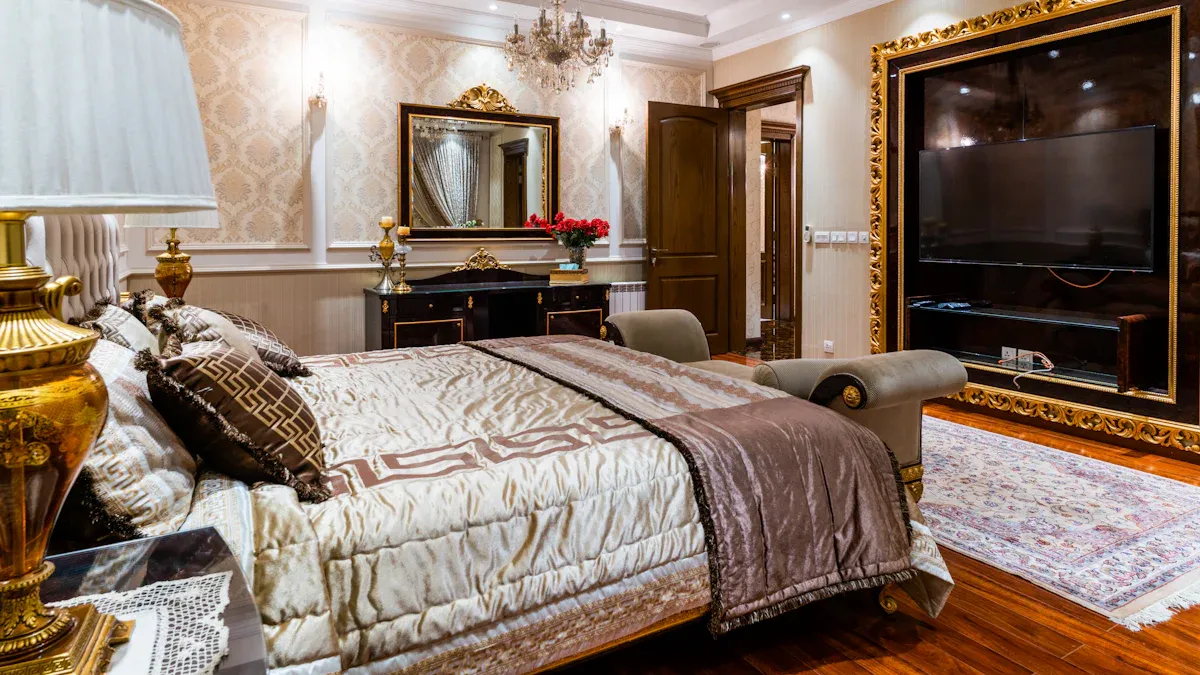
Custom furniture represents a strategic investment for hotels. It ensures longevity and maintains brand integrity. High-quality materials and expert craftsmanship reduce the need for frequent replacements. This saves money over time. Hoteliers should consider specific materials for superior durability. Hardwoods like oak, maple, and cherry offer strength and resist wear. Solid construction is crucial. Wood treated with a protective finish prevents scratches, stains, and water damage. Stainless steel and aluminum are good choices for metal components. They resist rust and corrosion. Regular cleaning helps prevent tarnishing.
For upholstery, durable and easy-to-clean fabrics are best. Crypton and Sunbrella are excellent options. Removable and washable slipcovers extend the life of upholstered items. Velvet, leather, linen, polyester, and microfiber also offer durability and easy maintenance. Glass adds sophistication. Plastic is lightweight and easy to clean, ideal for outdoor or high-traffic areas. Composite materials like MDF and plywood balance affordability and durability. Furniture joints must be strong. Reinforcing them with dowels, screws, or brackets prevents wobbling. Investing in high-quality materials and craftsmanship is essential. Regular inspections help catch minor issues before they become major problems.
Meeting High Traffic Demands with Robust Solutions
Hotel environments place significant demands on furniture. High traffic areas require robust solutions. Furniture must withstand constant use and maintain its appearance. Certifications like BIFMA/ANSI testing standards ensure commercial-grade furniture meets these demands. These standards involve rigorous tests. They check weight load, stability, impact, and long-term wear. These tests simulate about 10 years of heavy use.
For seating, specific tests exist. These include backrest strength and drop tests. Seating durability tests involve 140,000 cycles of weight pressing into the seat. Chair stability tests check for tipping. Arm strength, leg strength, and structural durability are also tested. For tables, tests include stability, unit strength, and leg strength. A unit drop test also occurs. These tests ensure safety. Furniture will not tip, collapse, or fail. They also guarantee durability. Furniture withstands heavy use and repetitive stress. This ensures consistency across the industry. Contract-grade furniture undergoes more extensive testing than home furniture. Seating tests use 250-pound weights for 100,000 cycles. Table tests require handling distributed loads. They also include impact tests and stability assessments when fully loaded. Storage tests ensure file cabinets and units handle full loads. Drawers open smoothly even when full. This rigorous testing ensures Hotel Project Furniture can handle the busiest environments.
Reflecting Uncompromising Brand Standards
Luxury hotel brands define and maintain uncompromising standards through furniture selection. They focus on craftsmanship and attention to detail. This involves meticulous care at every step. It ranges from selecting fine materials to delicate carving or upholstering. Precision in every stitch, joint, and finish is paramount. Hotels strive for perfection to achieve excellence. They use high-quality materials. Each piece is constructed using top-grade wood, upholstery, and metals. This guarantees longevity and resilience. It ensures furniture withstands heavy usage without losing charm or functionality. This elevates the guest experience.
Material and finish selection is an art form. It considers brand identity, durability, and functionality. This includes solid wood for warmth. Engineered wood offers versatility. Metal provides a contemporary flair. Upholstery fabrics are chosen for durability, stain resistance, and fire safety. Collaboration with the design team is vital. Close communication ensures finishes complement the ambiance. It also maintains longevity and ease of maintenance. This ensures each piece meets and exceeds desired standards. The fabrication process is meticulous. It starts with material selection and preparation. This involves sourcing premium materials. Precision cutting uses state-of-the-art equipment. Joinery involves mastery of techniques for sturdy connections. Assembly requires meticulous care for harmonious alignment. Finishing includes bespoke applications like staining, varnishing, and protective coatings. These enhance aesthetics and durability. Quality control is non-negotiable. Stringent measures occur at various stages. These include material selection, assembly, and finishing touches. Rigorous testing checks for color consistency, texture, and resilience. This ensures durability, functionality, and aesthetic appeal meet or surpass industry standards. Brands like Four Seasons blend timeless design with local culture. Aman focuses on minimalist serenity. Rosewood reflects local culture and history. St. Regis embodies glamorous heritage. Waldorf Astoria is known for Art Deco sophistication. These brands all use furniture to reflect their unique, uncompromising standards.
Achieving Strategic Cost-Effectiveness in Hotel Project Furniture
Optimizing Budget Allocation for Maximum Value
Hotels can achieve maximum value by optimizing budget allocation for custom furniture projects. Strategic planning helps manage costs effectively. For example, direct material sourcing allows hotels to buy major materials like panels, hardware, and paint themselves. This leverages bulk pricing and avoids supplier markups, leading to significant savings. Smart material substitutions also help. Opting for real wood veneer or engineered alternatives can mimic expensive options. These choices often offer comparable durability and cost efficiency. Creating one or two sample rooms early in the project is also beneficial. This allows for testing designs and confirming actual costs per piece. It refines production processes and prevents waste in mass production. Thorough market research helps understand material and production costs. This enables better negotiation with suppliers and helps propose cost-saving ideas. Partnering with efficient manufacturers also results in better pricing, quality, and timely delivery.
Reducing Replacement Cycles Through Tailored Solutions
Custom Hotel Project Furniture reduces replacement cycles. This saves money over time. Quality-made furniture, fixtures, and equipment (FF&E) may have a higher upfront cost. However, its longevity justifies this initial investment. Superior materials and workmanship ensure these items last longer. This reduces the frequency of replacements. It prevents the cumulative cost of repeatedly replacing poorly constructed FF&E from surpassing the initial investment. Investing in custom hotel furnishings leads to long-term cost savings. These items are generally more durable and sustainable than mass-produced counterparts. This superior quality reduces the need for frequent repairs and replacements.
Delivering Value Beyond the Initial Investment
Custom furniture delivers value far beyond its initial purchase price. It is built with superior materials and handcrafted techniques. This design ensures longevity, saving money on frequent replacements. It also eliminates wasted money on furniture that does not fit or function ideally in a space. This ensures optimal use of the investment. A well-crafted custom piece, like a solid wood dining table, can last over 50 years. This significantly outlasts cheaper alternatives needing replacement every 5–10 years. This long lifespan translates to substantial savings. Custom furniture also retains its value and can even appreciate over time. It offers potential resale value. These pieces often become cherished family heirlooms, passed down through generations. This adds intangible value beyond monetary cost.
Streamlining Operations with Tailored Hotel Project Furniture
Enhancing Functional Efficiency
Custom furniture significantly improves daily hotel operations for both guests and staff. For guests, ergonomic design elements in rooms enhance comfort and productivity. Beds often feature adjustable headboards for reading or reclining, and comfortable mattresses ensure refreshed sleep. Seating includes desk chairs with lumbar support for better posture during work and lounge chairs with appropriate seat depth for relaxation. Workspaces provide desks at the right height to prevent strain, good lighting, and convenient power outlets. Storage solutions offer easy-to-reach closets, luggage racks, and smooth-gliding drawers for convenience. For staff, ergonomic solutions are equally important. Features like counterbalance hinges on heavy lids or doors decrease the force needed to operate them. This contributes to a more comfortable and efficient work experience. Custom furniture also allows for precise space customization, utilizing otherwise unused areas. It incorporates useful features like working height desks and lighted nightstands. This turns imaginations into reality for both staff and guests. Additionally, custom Hotel Project Furniture is sturdy. It withstands heavy usage over prolonged periods, meaning less frequent replacements and long-term value for hotel operations.
Simplifying Maintenance and Upkeep
Custom furniture designs reduce maintenance efforts for hotel staff. Hotels often select high-quality materials such as hardwood, stainless steel, and leather to ensure furniture longevity. Commercial hospitality furniture is designed for rugged and repetitive use. It endures intense usage without quickly deteriorating. It is built to withstand wear and tear. A crucial design aspect allows for considerable ease of upkeep and hygiene maintenance. Manufacturers use stronger frames, such as solid hardwood combined with heavy-gauge metal or reinforced jointed frameworks. They also use robust materials like commercial-grade upholstery fabrics, high-density foams, scratch-resistant finishes, and durable laminates. Furniture should be waterproof and moisture-proof to prevent damage from spills, bathroom moisture, and seasonal climate changes. Consideration for fire prevention and high-temperature resistance is crucial to avoid damage from ignited items. Furniture also needs to be wear-resistant. This prevents scratches and extends its effective life despite daily use of various items.
Adapting to Unique Space Constraints
Custom furniture effectively adapts to unique space constraints in hotels. Designers tailor furniture to fit tight or unusual spaces perfectly. This maximizes every square foot. Hotels utilize foldable designs for tables or chairs, allowing for flexible room configurations. Integrating storage directly into desks keeps rooms tidy and organized. Incorporating sofa beds optimizes space in smaller rooms or suites, providing extra sleeping arrangements when needed. Custom-built wardrobes fit compact guest rooms precisely, offering ample storage without wasting space. Modular seating arrangements allow for varied layouts in lobbies or common areas. This adapts to different group sizes and functions.
Future-Proofing Your Brand Through Custom Furniture Solutions
Adaptability to Evolving Design Trends
Custom furniture allows hotels to remain current with changing design trends. It offers flexible choices for size, material, and design. This flexibility helps hotels adapt their spaces. For example, modular furniture collections can be reconfigured or expanded as needs change. Designers also use multifunctional pieces, like room dividers that offer shelving or storage. A return to luxurious dark woods, such as walnut, adds timeless appeal. Versatile color palettes, including deep greens and terracotta hues, allow for more personality. Mixing different metal finishes, like brushed brass and matte black, creates dynamic contrasts. These choices ensure furniture feels curated and not mass-produced.
Sustaining Competitive Market Advantage
Custom furniture helps hotels stand out from competitors. It creates a truly memorable guest experience. High-quality standards and durability reduce long-term maintenance costs. Furniture reflecting the hotel’s brand image attracts guests who align with its style. This consistency strengthens customer loyalty and brand recall. Custom pieces offer exclusivity, differentiating the property. They also ensure efficient use of space by fitting exact room dimensions. Hotels can choose sustainable materials, appealing to eco-conscious travelers. Custom designs allow for specific functional needs, such as built-in storage.
Cultivating Enduring Guest Loyalty
Custom furniture significantly contributes to guest loyalty. Investing in high-quality, functional, and sustainable furniture enhances the hotel’s ambiance. It strengthens branding and improves guest satisfaction. This creates memorable stays that encourage repeat visits and positive reviews. Well-designed lobby furniture, for instance, influences guest satisfaction and profitability. Ergonomically designed furniture enhances guest comfort and well-being. Integrating technology into furniture provides convenience and connectivity. Thoughtful furniture investments enhance the guest experience, leading to higher satisfaction and loyalty.
Custom hotel furniture forms the foundation of a strong brand identity. It crafts memorable guest experiences. This bespoke furniture also reinforces a hotel’s unique brand values. Investing in these tailored solutions drives long-term success. It cultivates enduring guest loyalty. This strategic approach ensures a competitive market advantage.
FAQ
What is custom hotel furniture?
Custom hotel furniture is specially designed and manufactured for a specific hotel. It matches the hotel’s unique style, space, and brand identity. This furniture is not mass-produced. It meets exact specifications for aesthetics and function.
How does custom furniture benefit a hotel’s brand?
Custom furniture helps a hotel stand out. It creates a unique guest experience. This furniture reflects the hotel’s values and aesthetic. It builds a strong brand image. Guests remember unique designs, which encourages loyalty and positive reviews.
What materials are best for durable hotel furniture?
Durable hotel furniture often uses hardwoods like oak or maple. It also uses commercial-grade upholstery fabrics. Stainless steel and aluminum are good for metal parts. These materials withstand heavy use. They ensure longevity and maintain appearance.
What is the typical process for ordering custom hotel furniture?
The process usually starts with design consultation. Then, the manufacturer creates prototypes. After approval, production begins. This includes material sourcing, fabrication, and finishing. Finally, the furniture is delivered and installed. This ensures a tailored solution.