Hotels constantly evolve. They now face higher guest expectations for comfort and design. For most 2025 hotel projects, ready-made hotel furniture simply will not meet these elevated quality standards. A generic approach often falls short. A discerning hotel furniture supplier understands this need for unique, high-quality pieces.
Key Takeaways
- Ready-made hotel furniture often fails to meet the high quality standards expected by 2025 guests. It lacks durability and unique design.
- Custom hotel furniture offers better materials, lasts longer, and perfectly matches a hotel’s brand. It creates a special experience for guests.
- Choosing ready-made furniture can lead to hidden costs. These include faster wear, more repairs, and bad guest reviews.
- Hotels should consider custom furniture as a smart, long-term investment. It ensures guest satisfaction and protects the hotel’s reputation.
Defining 2025 Quality Standards for Hotel Furniture
Durability and Longevity
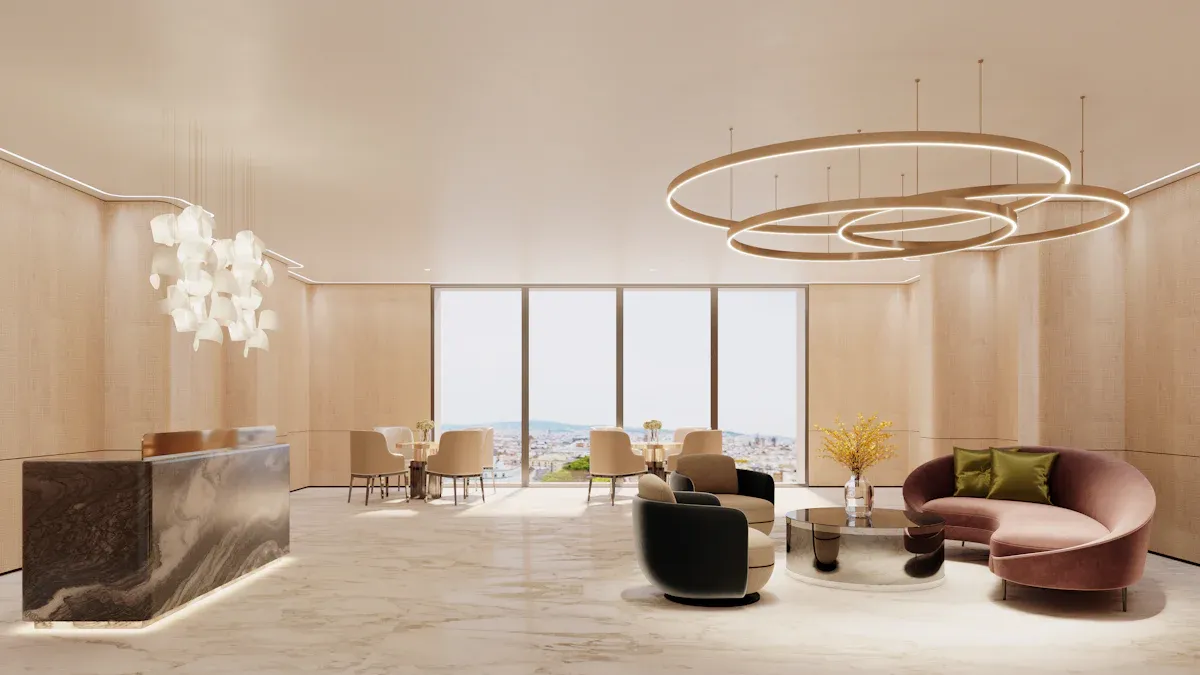
For 2025, hotel furniture must withstand constant use. Guests expect items to look new, even after many stays. This means furniture needs to be built to last. Hotels aim for a long lifespan from their investments. For example, beds should last 7-10 years. Lobby sofas and chairs need to hold up for 5-7 years. Dining chairs also require a 5-7 year lifespan. Tables should endure for 7-10 years. This focus on durability reduces replacement costs and keeps guest spaces looking fresh.
| Furniture Type | Projected Average Lifespan (Years) |
|---|---|
| Beds | 7-10 |
| Sofas and Chairs (Lobby/Public Areas) | 5-7 |
| Dining Chairs | 5-7 |
| Tables | 7-10 |
Design Integrity and Aesthetics
Hotel design in 2025 moves beyond simple looks. It focuses on creating memorable experiences. Designers are embracing “accessible luxury.” This means hotels offer personalized experiences for all types of travelers. You will see diversified spaces that welcome families, couples, and solo guests.
“Accessible luxury. Luxury hospitality is challenging itself to innovate in the personalization of experiences to suit the interests and lifestyle of the evolving guest. We’re noticing a shift toward diversified hotel spaces to simultaneously host and service families, couples, friend groups, and solo travelers. Making luxury available to everyone means a hotel visit will be more than time well spent—it’s an experience to connect with. As professional couples with young children continue to expect accessible luxury for more quality family experiences, we’re going to see this growing market flourish.” —Joanna Breda, IA Hospitality Design Director.
Expect to see biophilic design, which brings nature indoors with living walls and natural materials. Sustainable luxury is also key, using eco-friendly materials without losing elegance. Technology integration will be common, with smart rooms and voice controls. Public areas will become multifunctional, offering flexible spaces for privacy and community. Rich color palettes, like jewel tones and colored marble, will add vibrancy. Layered textures, bold accents, and unique finishes will create visually striking interiors. The goal is to create evocative designs that connect with guests on an emotional level.
Guest Experience and Comfort
Guest comfort is a top priority for 2025. Comfortable hotel seating significantly boosts how guests perceive value. Ergonomic design is crucial. Features like lumbar support and adjustable armrests help guests relax. High-quality cushioning in lounge chairs encourages guests to stay longer. Studies show that comfortable seating improves overall satisfaction scores. Guests often form their first impression of a hotel based on the lobby ambiance, including seating quality.
- Research indicates that comfortable hotel seating can significantly enhance perceived value.
- One study on hospitality environments found that ergonomic seating enhanced the overall hospitality experience through physical and mental relaxation.
- According to J.D. Power’s North America Hotel Guest Satisfaction Index, improvements in guest room conditions and amenities, including seating arrangements, have led to rising satisfaction scores despite increasing room rates.
Comfortable seating turns a standard room into an unforgettable experience. Well-maintained lounge chairs show professionalism. Happy guests are more likely to post positive reviews, often mentioning comfortable amenities. Luxury lounge chairs are strategic assets. They help manage a hotel’s reputation and encourage repeat business. This focus on comfort ensures guests feel relaxed and valued during their stay.
Brand Alignment and Identity
A hotel’s furniture tells a story. It speaks volumes about its brand and identity. In 2025, guests expect a cohesive experience. Every piece of furniture should reflect the hotel’s unique character. Generic, ready-made items often fail to capture this essence. They can make a luxury boutique feel ordinary or a modern design look dated. Hotels want to create a distinct atmosphere. They use furniture to reinforce their brand message. This could be a sense of classic elegance, cutting-edge modernity, or cozy comfort. When furniture aligns with the brand, it enhances the guest’s perception. It builds loyalty and makes the hotel memorable. A strong brand identity helps a hotel stand out in a crowded market.
Material Grade and Sustainability
The quality of materials and their environmental impact are crucial for 2025. Guests increasingly care about sustainability. Hotels must choose furniture made from high-grade, durable materials. These materials should also come from responsible sources.
- Green Building Certifications: Many hotels now aim for certifications like LEED (Leadership in Energy and Environmental Design) and BREEAM (Building Research Establishment Environmental Assessment Method). These programs set strict rules for furniture materials and how manufacturers make them.
- Engineered Wood Certifications: For engineered wood, E0 and CARB P2 certifications are important. They ensure low formaldehyde emissions. This helps create healthier indoor environments.
- Material Sourcing Certification: FSC (Forest Stewardship Council) certification is a priority for wood boards. It shows the wood comes from forests managed in an environmentally responsible way.
Beyond certifications, hotels look for materials with low formaldehyde emissions. They also seek low VOC (Volatile Organic Compounds) emissions. These choices protect the health of both guests and staff. They reduce indoor air pollution. High-quality, sustainable materials are not just good for the planet. They also ensure the furniture lasts longer. This reduces the need for frequent replacements. It also supports a hotel’s commitment to a greener future.
Inherent Limitations of Ready-Made Hotel Furniture
Ready-made furniture often seems like an easy choice. However, it comes with significant drawbacks. These limitations make it unsuitable for the high standards hotels expect in 2025.
Material Quality Compromises
Ready-made furniture often uses cheaper materials. Manufacturers choose these materials to keep costs low. This means they might use particle board instead of solid wood. They might use thin veneers instead of durable laminates. These materials simply do not hold up to constant use. Hotel guests are not always gentle. They expect furniture to look good, even after many people use it.
Ready-made furniture, designed for residential use, rarely meets these durability standards. It may start peeling or wobbling after a few years, leading to costly replacements and inconsistent room quality.
This leads to quick wear and tear. Hotels then face higher maintenance costs and frequent replacements. This impacts the guest experience.
Standardized Construction
Mass production is the core of ready-made furniture. This means every piece looks the same. Manufacturers build these items to fit a general market. They do not consider specific hotel layouts or design needs. This “one-size-fits-all” approach creates problems. A standard dresser might not fit a unique room corner. A generic chair might not match the lobby’s specific dimensions. This lack of flexibility forces hotels to adapt their spaces to the furniture. It should be the other way around.
Lack of Design Customization
Hotels want to create a unique atmosphere. They want their brand to shine through every detail. Ready-made furniture offers very little design customization. You cannot choose specific fabrics, finishes, or dimensions. You pick from a limited catalog. This makes it hard to achieve a distinct look. Your hotel might end up looking like many others. It loses its special charm. This lack of personalization prevents hotels from truly expressing their brand identity. It also makes it difficult to create memorable guest experiences.
Inconsistent Supply Chain
Ready-made furniture often relies on complex, global supply chains. This creates many challenges for hotels. For example, furniture sourced from Asia typically takes 12 to 20 weeks to arrive. Manufacturing alone can consume 6 to 8 weeks. Ocean transit adds another 4 to 6 weeks. Customs clearance and final delivery extend this even further, sometimes totaling nearly five months.
During this long period, hotels have limited visibility. Inventory sits on a ship for weeks without inspection. This forces hotels to predict demand five months in advance. Rapidly changing trends make this forecasting very difficult. Significant capital gets tied up for months. Hotels pay for inventory long before they generate revenue. Supply disruptions, like a two-week container delay, can have magnified impacts. This might even cause a missed selling season.
Cost unpredictability also plagues these supply chains. The initial purchase price often represents only 40-60% of the total landed cost. Ocean freight costs fluctuate dramatically. For instance, a container might cost $4,000 in 2019 but over $20,000 in 2021-2022. Port charges and customs duties also vary. This makes accurate cost allocation challenging. Hotels risk sacrificing margins if they price based on estimates. Furniture items are large, heavy, and complex. This makes them harder to move. The pandemic worsened existing issues, creating a ‘perfect storm’ of chaos. Transit times for a 20-day ocean journey now fluctuate wildly, sometimes taking 65 or even 80 days. Industry leaders expect these supply chain challenges to persist.
Limited Long-Term Performance
Ready-made hotel furniture often shows its limitations over time. Its construction and materials are not designed for the constant wear and tear of a busy hotel. Joints can loosen quickly. Surfaces scratch and chip easily. This means hotels face frequent replacements. These replacements add significant costs. They also lead to inconsistent room quality. Guests notice worn-out items. This negatively impacts their perception of the hotel. It can damage the brand’s reputation. Ultimately, ready-made options offer poor long-term value. They become a recurring expense rather than a lasting asset.
Where Ready-Made Hotel Furniture Falls Short
Ready-made furniture often presents itself as a convenient solution. However, it consistently fails to meet the high expectations of modern hotels. These shortcomings become clear in several key areas.
Failing Durability Demands
Hotels are busy places. Their furniture faces constant use and wear. Ready-made items simply cannot handle this demand. Manufacturers design these pieces for homes, not for commercial environments. This means they use less robust materials and simpler construction methods. Joints might loosen quickly. Surfaces can scratch or chip with ease. A chair that looks good on day one might look worn out after just a few months in a hotel lobby. This rapid deterioration leads to frequent repairs and replacements. Hotels then spend more money in the long run. They also struggle to maintain a consistent, high-quality look across all their rooms and public spaces.
Inability to Achieve Unique Visions
Every hotel wants to tell its own story. It wants to create a unique atmosphere that guests remember. Ready-made furniture makes this very difficult. It often lacks the distinctiveness and character a hotel needs to reflect its brand identity. This can lead to generic designs. A hotel might then become indistinguishable in a crowded market. This results in a forgettable guest experience. Even if the service is perfect, a bland design can undermine a hotel’s ability to connect deeply with guests. This can affect their satisfaction and loyalty.
While ready-made furniture offers many styles and designs from manufacturers, it generally provides less flexibility and creativity. Hotels can easily find pieces that fit their aesthetic. However, custom furniture allows for specific tailoring to a hotel’s unique style and brand. This enables a truly unique and personalized design. It reflects the individual identity of the establishment. This helps the hotel stand out from competitors.
Choosing off-the-shelf items means hotels miss the chance to create something truly special. They cannot fully express their brand’s personality. This limits their ability to forge a strong, memorable identity.
Suboptimal Guest Comfort
Guest comfort is paramount in the hospitality industry. Ready-made furniture often falls short here. Manufacturers prioritize cost-effectiveness over ergonomic design and premium materials. This leads to pieces that might look acceptable but feel uncomfortable. Guests quickly notice this difference. A hard sofa in the lobby discourages lingering. A poorly designed desk chair makes working difficult.
Common complaints directly link to the discomfort of ready-made items:
- Springy, uncomfortable mattresses
- Outdated sheets, pillowcases, and blankets
These issues directly impact guest satisfaction. Uncomfortable furniture can lead to negative reviews. It can also prevent guests from returning. A hotel’s reputation suffers when guests do not feel truly relaxed and at ease. Investing in comfortable, well-designed Hotel Furniture is crucial for a positive guest experience.
Detrimental Brand Perception
Ready-made furniture often sends the wrong message. It can undermine a hotel’s carefully crafted image. Guests expect a unique experience. They want to feel special. Generic pieces make a hotel look like any other. This dilutes its brand identity. A hotel might aim for luxury. However, common, off-the-shelf items contradict that goal. This creates a disconnect. Guests notice this lack of originality. They might feel disappointed. This can lead to negative perceptions. It affects how guests view the entire establishment.
A hotel’s furnishings are a key part of its storytelling. Every piece of Hotel Furniture should reinforce the brand’s narrative. Ready-made options often fail to do this. They lack the distinct character needed to make a lasting impression. This makes it harder for a hotel to stand out. It also makes it difficult to build strong guest loyalty.
Ultimately, a hotel’s brand is its promise to guests. Ready-made furniture can break that promise. It suggests a lack of attention to detail. It implies a compromise on quality. This damages the hotel’s reputation. It makes it harder to attract and retain discerning travelers.
Challenges with Future Replacements
Hotels operate for many years. Furniture will eventually need replacement. Ready-made options create significant problems here. Manufacturers frequently discontinue styles. They change product lines. This makes it nearly impossible to find exact matches later. Imagine a hotel needs to replace one damaged nightstand. The original model might no longer exist.
This forces hotels into difficult situations. They might have to buy a completely different piece. This creates an inconsistent look within a room. It can also lead to mismatched aesthetics across different rooms. This patchwork appearance detracts from the hotel’s overall quality. It looks unprofessional.
Furthermore, even if a similar item exists, color variations can be an issue. Different production batches often have slight color shifts. This means a new piece might not perfectly match existing furniture. These small discrepancies add up. They make the hotel look less polished. This leads to higher long-term costs. Hotels might have to replace entire sets of furniture. They do this even if only a few pieces are damaged. This avoids a mismatched appearance. This logistical headache and added expense make ready-made furniture a poor long-term investment.
Strategic Scenarios for Ready-Made Hotel Furniture
Ready-made furniture often falls short of high standards. However, specific situations make it a practical choice. Hotels can use these options strategically. They must understand the limitations. This helps them make informed decisions.
Budget-Constrained Projects
Some hotel projects operate with very tight budgets. In these cases, ready-made furniture offers a lower initial cost. It allows hotels to furnish spaces without a large upfront investment. This can be crucial for new ventures or renovations with limited funds. Hotels must accept the trade-offs. They might compromise on durability or unique design. The goal here is to achieve functionality at the lowest possible price point. This approach helps manage immediate financial pressures.
Non-Critical or Low-Traffic Areas
Not every area in a hotel experiences heavy guest traffic. Some spaces are less visible or used primarily by staff. For these areas, ready-made furniture can be a smart choice. It provides necessary functionality without the need for custom quality.
For less visible areas like back-of-house spaces or staff areas, seeking out cost-effective solutions is an effective way to manage the budget while ensuring functionality and comfort.
This strategy saves money. It allows hotels to allocate more resources to high-impact guest areas. Examples include staff break rooms, storage areas, or maintenance offices. These spaces do not require the same investment as a lobby or guest room.
Temporary Installations
Hotels sometimes need furniture for a short time. This could be for a pop-up event or a seasonal promotion. Ready-made options are ideal for these temporary installations. They offer flexibility. Hotels can acquire them quickly. They also avoid the long lead times and higher costs of custom pieces. This allows hotels to adapt spaces for specific events. They do not commit to long-term investments. This approach is practical for short-term needs. It provides a cost-effective solution for temporary setups. This helps hotels remain agile.
Niche Market Needs
Some hotels serve very specific markets. These markets often have different expectations for their accommodations. For example, hostels, budget hotels, or extended-stay properties prioritize functionality and cost-effectiveness. They do not always need bespoke luxury. Ready-made furniture can be a practical choice for these niche segments.
Consider a hostel catering to young backpackers. Guests expect a clean, safe, and affordable place to sleep. They do not typically look for custom-designed furniture. Durable, easy-to-clean, and readily available pieces make more sense here. The focus remains on maximizing bed count and communal space efficiency.
Similarly, budget hotels aim to provide essential comforts at a lower price point. They need furniture that performs its basic function well. They also need it to withstand moderate use. Ready-made options allow these hotels to furnish rooms quickly and economically. This helps them maintain competitive pricing.
Extended-stay hotels also fit this category. Guests often stay for weeks or months. They appreciate functional furniture that feels like home. However, they might not require high-end custom pieces. A comfortable, standard sofa and a sturdy desk from a ready-made collection can meet their needs perfectly.
“For niche markets like hostels or budget hotels, the primary goal is often to provide essential comfort and functionality at an accessible price point. Ready-made furniture helps achieve this balance effectively.”
These hotels understand their target audience. They know their guests value different aspects of their stay. They might prioritize location, amenities, or price over unique furniture design. Ready-made furniture helps these businesses meet their specific operational and guest demands efficiently. It allows them to allocate resources to other areas that matter more to their particular clientele.
The Unseen Costs of Ready-Made Hotel Furniture
Ready-made furniture often looks like a good deal at first. However, it carries many hidden costs. These expenses can quickly add up. They often make the initial savings disappear.
Accelerated Depreciation
Ready-made furniture simply does not last long in a hotel. Manufacturers design these pieces for homes. They do not expect constant use by many different people. This means the furniture wears out much faster. Chairs become wobbly. Table surfaces scratch easily. Upholstery frays quickly. Hotels then need to replace these items sooner than expected. This early replacement costs more money. It also means hotels spend less time with fresh-looking spaces.
Negative Guest Reviews
Poor quality furniture directly impacts guest happiness. Guests notice when things look cheap or worn. A furniture retailer once saw low customer satisfaction scores for a sofa design in one city. After they redesigned the sofa and trained staff better, satisfaction went up by 15%. Returns also dropped by 10% in three months. This shows a clear link between product quality and fewer negative experiences.
| Metric | Description | Business Impact |
|---|---|---|
| Customer Satisfaction Score (CSAT) | Average satisfaction ratings per product/location | Direct indicator of product appeal |
| Return Rate | Percentage of products returned due to dissatisfaction | Signals product or regional quality issues |
| Sentiment Scores | Trends in positive versus negative feedback | Monitors shifts in customer perception over time |
Bad experiences lead to negative reviews. These reviews hurt a hotel’s reputation. They can also stop new guests from booking. Investing in quality Hotel Furniture helps avoid these problems.
Increased Maintenance Expenses
Ready-made furniture often needs more repairs. Its weaker construction means parts break easily. Hotels then spend more money on fixing things. They also pay staff to handle these repairs. This includes tightening screws, patching upholstery, or replacing broken parts. These small costs add up over time. They become a significant drain on the budget. This constant need for maintenance also takes staff away from other important tasks.
Missed Differentiation Opportunities
Ready-made furniture often makes hotels look similar. It prevents them from creating a unique identity. In a competitive market, hotels need to stand out. They need to offer something memorable. Generic furniture makes this very difficult. It limits a hotel’s ability to tell its own story.
Pre-manufactured furniture is especially useful for hotels that need furniture quickly or when the hotel owner has a small budget. These pieces are mostly cheaper and easier to get.
However, relying on these options means hotels miss a big chance. They cannot fully express their brand. Customization is a powerful tool. It helps hotels overcome competition. It allows them to create a distinct atmosphere.
- Customization helps hotels stand out in a tough industry.
- Hotels can order fitted furniture. They can brand it with their own design, color, or material.
- This approach helps create an atmosphere. It sets the hotel apart from its rivals.
When hotels choose off-the-shelf items, they lose this opportunity. They cannot build a truly unique guest experience. This makes it harder to attract and keep guests.
Environmental Impact
Ready-made furniture often comes with a hidden environmental cost. Its production can use many resources. Manufacturers often prioritize speed and low cost. This sometimes means they use less sustainable materials. They might also use processes that create more pollution.
The journey of ready-made furniture also impacts the planet. It often travels long distances. This involves shipping across oceans and continents. These long trips burn a lot of fossil fuels. This releases greenhouse gases into the air. This adds to the hotel’s carbon footprint.
Furthermore, ready-made items do not last long. Hotels replace them more often. This creates more waste. Old furniture often ends up in landfills. This adds to the growing problem of waste disposal. Choosing durable, custom furniture helps reduce this cycle. It means fewer items go to waste. It also supports more sustainable practices. Hotels can make a positive environmental impact. They do this by choosing furniture made with care and designed to last.
Custom Hotel Furniture: The 2025 Quality Benchmark
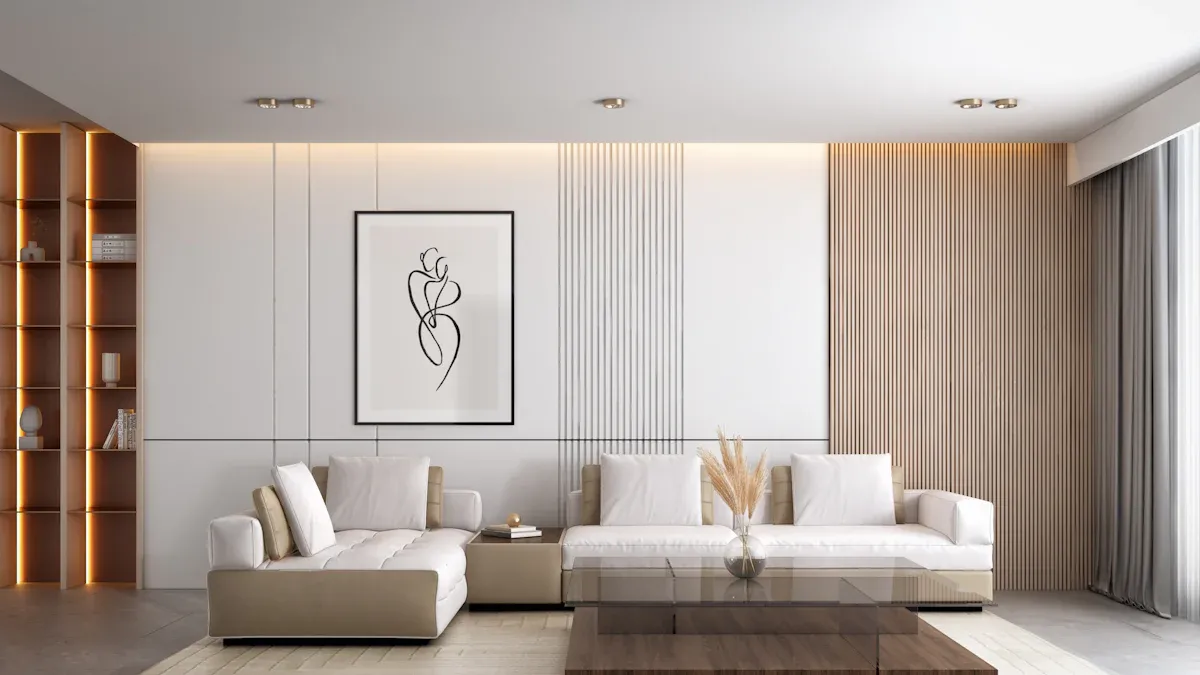
Custom Hotel Furniture stands as the true benchmark for quality in 2025. It offers hotels a way to meet and exceed guest expectations. This approach ensures every piece perfectly fits the hotel’s vision and operational needs.
Tailored Design and Brand Integration
Custom furniture allows hotels to create a truly unique space. It helps them tell their brand’s story through every detail. Hotels can incorporate brand-specific elements, logos, or color schemes. This ensures a consistent and branded experience for guests. Each custom piece is carefully made to match the brand’s unique identity. This transforms spaces into immersive hospitality experiences. Hotels use custom finishes to strengthen their brand identity. The hotel’s brand identity and design concept guide the selection of furniture. Customization options create a unique and branded experience. This is especially true in important areas like lobbies or special suites.
Superior Material and Craftsmanship
Choosing custom furniture means choosing better materials and skilled work. Custom pieces are built to exact specifications. They use commercial-grade materials that can handle heavy use. This leads to furniture that lasts longer. Longer furniture lifecycles mean fewer disruptions and lower replacement costs. Custom specifications can include special features. These might be antimicrobial finishes, moisture-resistant materials, and reinforced joints. You usually do not find these in standard furniture lines. Premium materials and construction techniques give a sophisticated look and commercial-grade durability. This ensures each piece withstands constant guest use. It also keeps its upscale appeal. Careful attention to form and function ensures comfort and visual appeal. This includes ergonomic design and materials that feel luxurious and look sophisticated.
Enhanced Durability and Longevity
Custom hotel furniture lasts a long time. Manufacturers build it with premium materials and expert craftsmanship. This means the pieces are made to endure. Skilled artisans ensure the furniture is strong and will last. Hotels can reduce replacement costs with these custom advantages. They also keep a high-end look for many years. Custom finishes and coatings reduce wear and tear over time.
A product warranty gives assurance and security. It confirms that the products and services are good and of the right quality. It is important to know about the warranty and its limits for purchases. It protects against technical problems, unexpected issues, and defects. Working with custom hospitality furniture manufacturers who offer a warranty is helpful.
| Material | Expected Lifespan (with proper care) |
|---|---|
| Commercial Fabric Upholstery | 7–12 years (reupholstery possible to extend life) |
| Top-Grain Leather | 7–15 years (depending on traffic and maintenance) |
| Solid Wood / Veneer | 10–20 years (if protected from moisture and UV) |
| Metal (Stainless Steel, Powder-Coated) | 10+ years (with corrosion prevention) |
| Glass / Stone | Durable but susceptible to scratches and surface etching |
Partnering with a manufacturer like MINGSUN makes warranty claims, OEM part sourcing, and custom repairs easier. To communicate well, keep original specifications, purchase records, and photos. Manufacturers can provide matching veneers, fabrics, or replacement parts. This helps keep the original design. For custom hotel lobby furniture, using OEM parts and factory-recommended products helps maintain warranty coverage. It also ensures a consistent finish across repaired pieces.
Optimized Guest Experience
Custom furniture significantly improves the guest experience. It balances comfort with style. Pieces are not just good-looking. They also offer ergonomic support and durability. This careful approach involves working with hotels. Designers understand their specific needs. They turn these needs into lasting products. These products enhance the hotel’s feel and how well things work. For example, seating in a hotel lobby or restaurant gets designed for both looks and comfort. This helps guests have a good time. It also makes things easier for staff to maintain.
Blending comfort and style is a core idea. It creates spaces where people feel welcome, relaxed, and at ease. This happens amid refined elegance. Customization also allows for personal touches. Every piece perfectly matches the hotel’s brand and space needs. This gives the hotel a special edge.
Hotels investing in custom-designed interiors see a 23% increase in guest satisfaction. This shows the direct impact of thoughtful design. Guests prefer hotels with smart storage solutions and multi-functional furniture. In fact, 67% of guests look for these features. Hotels that put money into premium upholstered seating report a 15% rise in guest satisfaction scores. This highlights the importance of comfortable seating.
Many hospitality brands believe working with experienced designers improves how people see their brand. About 85% of them think this. Travelers also have clear preferences. For instance, 78% prefer hotels with clean, clutter-free designs. Also, 67% of luxury travelers like hotels that mix old and new styles.
- Life House hotels use clever space-saving ideas. They have custom-built wardrobes and small seating. This makes guests more comfortable in smaller rooms.
- Gladstone Hotel uses unique room furniture designs. They mix modern looks with old features. This keeps its special character.
- Hilton uses simple design ideas. They put sleek furniture with smart storage. This keeps things elegant and useful.
- Life House hotels also use unique furniture designs. They blend old charm with modern comfort. This creates a stylish yet cozy feel.
Well-designed hotel lobby furniture greatly affects guest happiness, loyalty, and profits. A welcoming and comfortable lobby makes the whole guest experience better. This leads to happier guests, more return visits, and good reviews. Even with more self-service options, the physical lobby remains very important. It offers chances for people to connect. It also strengthens the brand through good design. Lobbies are changing. They feel more like living rooms or social spots. They have flexible furniture that encourages guests to relax and talk. Good design helps make arrival more personal. It makes it a key part of the brand.
Strategic Long-Term Investment
Choosing custom hotel furniture is a smart long-term investment. While the initial cost might seem higher, the benefits far outweigh it over time. Custom pieces are built to last. They use superior materials and expert craftsmanship. This means hotels replace furniture less often. This saves money on purchasing new items and installation costs. It also reduces the hassle of constant renovations.
Custom furniture maintains its appearance and function for many years. This helps a hotel keep a consistent, high-quality image. It avoids the worn-out look that ready-made furniture quickly develops. This consistency protects the hotel’s brand reputation. It also ensures guests always have a positive experience.
Furthermore, custom furniture allows hotels to adapt to future trends. They can easily update fabrics or finishes on existing custom pieces. This is often more cost-effective than replacing entire sets of furniture. It also gives hotels flexibility to refresh their look without a complete overhaul. This strategic approach ensures the hotel remains competitive and appealing to guests for years to come. It turns furniture into a lasting asset, not a recurring expense.
Ready-made Hotel Furniture generally falls short of the elevated quality standards expected for 2025 hotel projects. Hotels truly need a strategic investment in custom pieces for long-term success. Always weigh the initial cost against the significant long-term value, guest satisfaction, and your brand’s reputation. This thoughtful approach ensures lasting quality and memorable guest experiences.
FAQ
Why won’t ready-made hotel furniture meet 2025 quality standards?
Ready-made items often lack durability and design flexibility. They use lower-grade materials. They cannot match a hotel’s unique brand vision. Guests now expect higher comfort and lasting quality. This makes off-the-shelf options fall short. 📉
What are the main advantages of custom hotel furniture?
Custom furniture offers tailored design, superior materials, and enhanced durability. It perfectly aligns with a hotel’s brand. It also provides optimal guest comfort. This makes it a strategic long-term investment. ✨
When should a hotel consider using ready-made furniture?
Hotels can use ready-made furniture for budget-constrained projects or low-traffic areas. It also works for temporary installations or niche markets like hostels. These situations prioritize cost over bespoke quality.
What are the hidden costs of choosing ready-made furniture?
Hidden costs include:
- Faster wear and tear 📉
- More maintenance expenses 🛠️
- Negative guest reviews 😠
- Missed brand differentiation opportunities 🚫
- Environmental impact 🌍