Hotel furnishings significantly impact a guest’s stay. They shape first impressions and overall comfort. This directly influences whether a visit feels ‘drab’ or ‘fab’. Understanding how to choose hotel furniture is vital for any hotelier. This hotel furniture buying guide explores key aspects. It shows how hotel furniture and guest experience are deeply linked. The hotel furniture quality importance truly stands out. Ultimately, it ensures hotel guest comfort furniture, making every stay memorable.
Key Takeaways
- Good hotel furniture makes a great first impression. It shows the hotel’s style and makes guests feel welcome.
- Comfortable and useful furniture helps guests relax and work. This includes good beds and smart workspaces.
- Strong, easy-to-clean furniture lasts longer. It also keeps guests healthy and saves the hotel money over time.
- Furniture helps build the hotel’s brand. It makes guests happy and encourages them to return and tell others.
The First Impression: How Hotel Furniture Sets the Tone
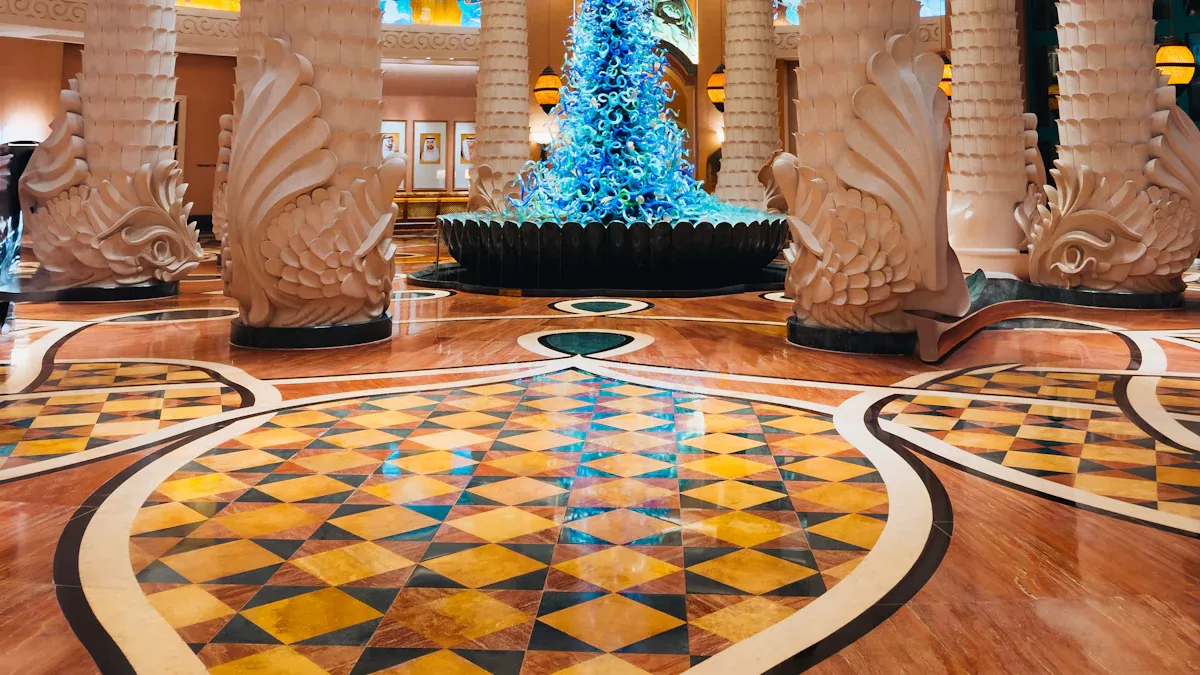
The moment guests step into a hotel, the furniture immediately speaks volumes. It sets the stage for their entire stay. Thoughtful design transforms a simple space into an inviting experience.
Lobby and Common Area Hotel Furniture: The Welcome Statement
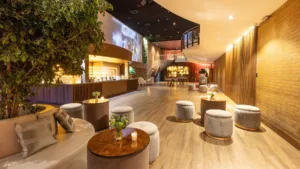
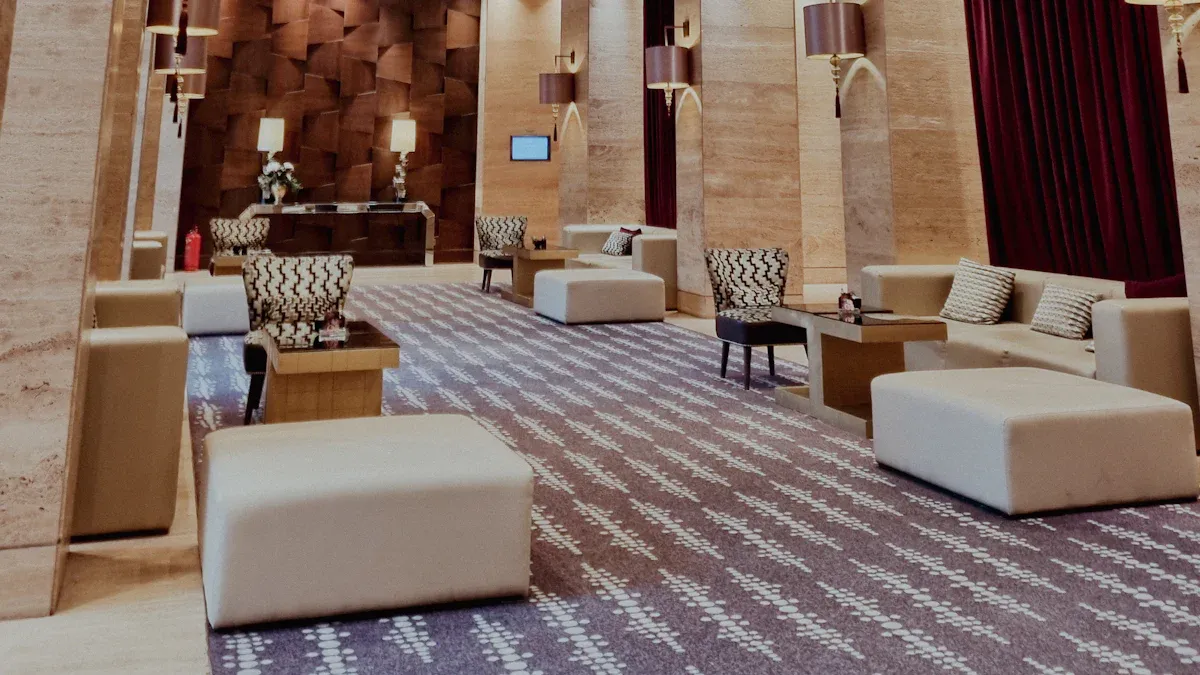
Lobby and common area hotel furniture acts as the hotel’s welcome statement. It instantly communicates the hotel’s personality and values. Plush sofas, comfortable armchairs, and stylish ottomans create a cozy and relaxing atmosphere. Guests feel encouraged to linger. The furniture’s design should complement the hotel’s overall theme, whether modern, traditional, or eclectic. This creates a cohesive and pleasing look.
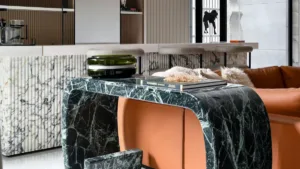
Hotels often use specific design elements to make a strong first impression. For example, artistic sculptural benches with unexpected shapes or oversized custom reception desks with integrated lighting become memorable focal points. Comfortable seating arrangements, like modular sofas or capsule-style seating, offer flexible options for guests. These often include charging ports and reading lights. Strategic placement of furniture guides guest flow and encourages interaction. It also creates functional zones for socializing, working, or quiet moments. Materials like rattan, solid wood, metal, leather, and marble, combined with specific colors, further communicate the hotel’s culture.
Guest Room Hotel Furniture: Visual Appeal and Style
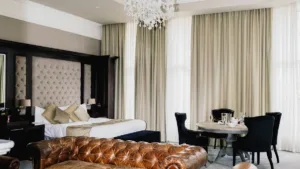
Guest room hotel furniture plays a crucial role in visual appeal and style. It makes the room feel both luxurious and functional. Current trends focus on creating visually expansive and stylish spaces. Many hotels add a floor mirror to make the room appear larger and brighter. A bold headboard, perhaps made of velvet or leather, can instantly elevate the room’s decor.
Layering different materials and fabrics adds depth and texture. This includes elements like plants, unfinished wood, jute baskets, or braided wool rugs. Hotels also prioritize multi-functional furniture. A small desk next to the bed can double as a workspace. Pullout sofas and bed benches offer extra seating, storage, or surface area. Full-length wall mirrors are practical and create an illusion of space. They double the light, making rooms feel airy. Wall lights, like swiveling sconces, provide good lighting for reading while maintaining a cozy atmosphere with warm white lightbulbs. These design choices ensure guests find their rooms both beautiful and practical.
Comfort and Functionality: Beyond Aesthetics of Hotel Furniture
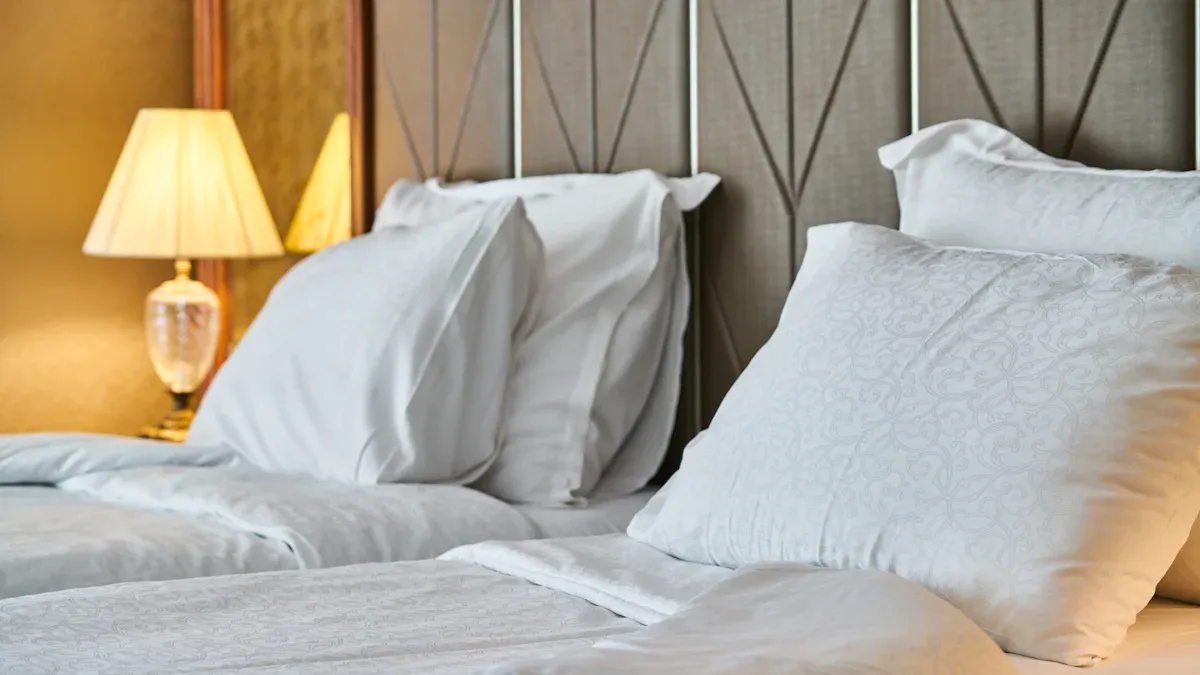
Hotel furniture does more than just look good; it profoundly impacts a guest’s comfort and how well they can use the space. Thoughtful design ensures every piece serves a purpose, making a stay truly enjoyable and productive.
The Sleep Experience: Beds, Mattresses, and Headboards
A good night’s sleep is paramount for any guest. Hotels prioritize the sleep experience, focusing on beds, mattresses, and headboards that offer both luxury and support. Many hotels choose memory foam mattresses because they contour to the body, providing excellent pressure relief and spinal alignment. This leads to more restorative sleep. Hybrid mattresses also combine foam and innerspring systems, balancing comfort and support effectively. Some hotels even offer adjustable beds, allowing guests to personalize firmness levels for optimal comfort. Feather-top options add a soft, luxurious sensation.
Beyond the mattress, ergonomic support and spinal alignment are key. High-density foam and advanced spring systems prevent back and joint discomfort. Motion isolation is crucial, especially in shared rooms, ensuring one guest’s movement does not disturb another’s sleep. Temperature regulation also plays a big role; gel-infused foams and breathable fabrics keep sleepers cool, which is vital for deep sleep. Hotels consider thermal comfort, offering bedding choices that balance insulation and breathability for different climates. They also provide hypoallergenic and hygienic options, like hypoallergenic comforters and antimicrobial treatments, to enhance guest wellness. Some innovative hotels even include silent air purifiers within the mattress to improve localized air quality, tackling issues like moisture, microbes, and dust mites. Integrated bed controls, accessible via in-room tablets or mobile apps, allow guests to prepare their room for sleep with a single command, creating ‘invisible tech’ moments. Premium feel and aesthetic appeal come from custom hospitality pillows and high-thread-count fabrics like cotton, Tencel®, or bamboo, conveying a sense of luxury.
Seating and Workspaces: Practicality Meets Comfort
Guests often need spaces for both relaxation and productivity. Hotel furniture in seating and workspaces must meet these diverse needs. Hotels now offer flexible and multipurpose furniture that adapts to various uses, maximizing space efficiency. This includes convertible furniture, integrated technology like desks with built-in charging ports, and hidden storage. For remote workers, hotels provide mobile desks and ergonomic chairs, along with well-placed charging ports, creating flexible workspaces without sacrificing aesthetics.
Wellness and comfort drive design choices. Hotels feature lounge chairs, adjustable beds, and seating that supports good posture, promoting relaxation and rejuvenation. In common areas, you might find collaborative clusters, where seats group in pods to encourage teamwork. Private corners, like lounge seating with higher backs or booth-like arrangements, offer spaces for focused work. Flexibility is key; movable chairs and modular banquettes allow spaces to adapt for different tasks. Casual seating in breakout and lounge areas, such as sofas or armchairs, helps guests recharge. Research shows short breaks in comfortable seating boost creativity and reduce stress. Many hotels transform lobbies into multi-functional areas, serving as co-working spaces during the day and social hubs in the evening. These technology-infused spaces benefit both business and relaxation, often incorporating biophilic design with natural elements like living walls to reduce stress.
Storage Solutions: Convenience and Organization
Clutter can quickly make a hotel room feel small and uninviting. Thoughtful storage solutions enhance guest convenience and organization, making a stay much more pleasant. Open wardrobe solutions are a popular choice. They offer easy accessibility and visibility of personal belongings. Guests can quickly scan their clothing without opening and closing doors, which makes packing and unpacking more efficient. This design allows guests to effortlessly find their attire, reducing disruptions to their routines and improving overall satisfaction.
These open wardrobes often come customized with adjustable shelves, dedicated storage compartments, and integrated lighting. They seamlessly integrate into various room sizes and layouts. By removing the need for bulky doors, they provide a clear view of outfits and accessories. Smart storage features like built-in drawers, shelves, and hanging spaces help guests organize their belongings easily. Hotels also increasingly use eco-friendly materials like bamboo or recycled wood for room cabinets, appealing to environmentally conscious guests. Some hotels even offer personalized storage solutions, such as additional drawers or hanging rods, allowing guests to tailor their storage space to their specific needs.
Durability and Maintenance: The Long-Term Impact of Quality Hotel Furniture
Hotels operate in a demanding environment. Furniture faces constant use and wear. Therefore, durability and easy maintenance are not just conveniences; they are crucial for a hotel’s success. Investing in quality pieces ensures longevity, keeps spaces looking fresh, and ultimately saves money.
Longevity and Wear-and-Tear: Why Quality Pays Off
Choosing high-quality furniture is a smart financial decision for any hotel. It withstands the rigors of daily use much better than cheaper alternatives. High-quality furniture, built with robust structures and superior materials, is designed to endure extensive use and frequent cleaning. While the initial investment may be higher, its extended lifespan reduces the need for frequent replacements, proving more economical over time.
Consider the differences in lifespan:
| Furniture Quality | Average Lifespan (Years) |
|---|---|
| Lower-Quality | 5-7 (or less) |
| High-Quality Custom | 10+ |
This table clearly shows how quality pays off. A notable benefit of investing in commercial-grade furniture is the inclusion of warranties and support, such as extended warranties and service plans. These offerings provide reassurance and potential cost savings on future replacements or repairs. They significantly decrease maintenance costs and minimize downtime caused by damaged furniture. This approach ensures long-term cost efficiency by balancing initial investment with reduced future expenses.
Investing in durable hospitality furniture, despite a potentially higher initial cost, leads to significant long-term savings. This is because high-quality furniture lasts longer, reducing the need for frequent replacements and the associated expenses. It lowers the overall cost of ownership and provides a solid return on investment. To achieve long-term savings and optimize capital expenditure, you must select furniture made with long-lasting materials. Specifically, choosing furniture with scratch-resistant surfaces and vandalism-proof features, especially for high-traffic areas, ensures greater longevity. It also reduces the need for frequent repairs or replacements.
Here are some ways quality furniture saves money:
- Reduced Maintenance Costs: High-end contract furniture, built with premium materials and expert craftsmanship, is more durable and less prone to wear and tear. This means fewer touch-ups, refinishing jobs, or upholstery replacements, leading to lower ongoing maintenance expenses.
- Lower Labor Costs: Less frequent maintenance translates to reduced labor time and material costs for upkeep tasks, whether internal staff or external service providers perform them.
- Extended Replacement Cycles: The enhanced durability of high-end furniture lengthens its usable life. This significantly reduces the frequency of outright replacements. It minimizes capital expenditures over time and improves cash flow management by deferring new furniture purchases.
- Lower Lifecycle Costs: When considering the full lifecycle cost, which includes maintenance, repair, refurbishment, and replacement, high-end furniture’s superior quality leads to measurable cost savings compared to lower-cost options that require more frequent repairs and early replacement.
Cleanliness and Hygiene: Easy to Maintain, Better for Guests
Guest health and safety are top priorities for any hotel. Easy-to-clean furniture plays a vital role in maintaining high hygiene standards. Choosing the right materials makes a big difference.
Consider these materials and finishes for easy cleaning:
- High-Pressure Laminates (HPL): These are highly resistant to scratches, stains, and heat. They are very durable for commercial use.
- Engineered Quartz/Solid Surfaces: These non-porous, durable, and hygienic surfaces often appear on vanity tops and upscale tabletops.
- Solid Wood (with a protective coating): While offering a premium aesthetic, it requires additional care.
- Tempered Glass: This provides a modern look but can pose safety risks if chipped in high-traffic areas.
Design also impacts cleanability. Surfaces should have large radii along edges and inside radii on adjacent surfaces to prevent material entrapment. Abutting surfaces should have minimal radii to avoid crevices. Flat or minimally textured upholstery fabrics are preferred. Designs should avoid crevices, piping, and zippers that can trap contaminants. If zippers are used, barrier materials behind them and sealed zippers are encouraged. All exposed wood surfaces should be sealed to be non-porous. Materials that do not absorb fluids are encouraged. For upholstery, high-performance fabrics like PVC (vinyl), PU (polyurethane), composites, and silicone are recommended. Woven fabrics treated with stain-resistant finishes and fluid barriers, or 100% polyester with high-energy dyes and fluid barriers, are also suitable. Upholstered surfaces should be impervious, durable, and resist tearing or cracking. Furniture parts like cushions and arm pads should be easily removable or have removable covers to facilitate cleaning and replacement. Materials and construction should also be moisture-resistant to prevent damage from heat or steam treatments for pest eradication. Fasteners and components should resist rust and corrosion when exposed to moisture or cleaning agents.
Hotels follow specific cleaning protocols to ensure guest health:
- Guest Room Furniture: Housekeeping dusts all surfaces including headboards, nightstands, desks, chairs, and lamps, focusing on hard-to-reach areas. They polish wooden furniture with appropriate cleaners to restore shine. They vacuum upholstered furniture and spot-clean stains with suitable fabric cleaners. They also disinfect high-touch surfaces like light switches and remote controls with antibacterial spray. After disinfection, housekeeping proceeds with other cleaning tasks.
- Lobby Furniture: Staff dusts and polishes all furniture, and cleans upholstery as needed.
- Dining Room Furniture: Staff wipes down and sanitizes all table and chair surfaces, paying attention to chair backs and seats.
- Public Area Furniture: Hotels periodically deep clean upholstery in lobbies, hallways, and elevators. They regularly clean and disinfect furniture in high-traffic areas daily. This includes lobbies, elevators, corridors, and reception desks. In gyms, pools, and business centers, staff wipes down equipment and sunbathing chairs to prevent germ spread.
- Pool and Spa Furniture: Staff cleans and sanitizes lounge chairs, tables, and umbrellas.
Brand Perception and Loyalty: The ROI of Thoughtful Hotel Furniture Design
Thoughtful hotel furniture design does more than just furnish a space. It significantly impacts how guests perceive a brand and whether they choose to return. This investment offers a strong return.
Reflecting Brand Identity: Consistency and Uniqueness
A hotel’s furniture tells a story about its brand. Custom-designed pieces ensure every detail matches the hotel’s identity. This creates a consistent and memorable guest experience. For instance, the multinational hospitality organization Aman uses sleek, minimalist designs across all its locations. This reflects the tranquility and reliability they are known for. This meticulous attention to detail helps a brand stand out from competitors.
Visual elements greatly influence how guests perceive a hotel. Consistent aesthetics, from logos to marketing materials, ensure immediate brand recognition. Furniture should mirror the brand’s color schemes, textures, and shapes. High-quality materials convey credibility and meticulousness. Comfortable seating encourages guests to stay longer and engage more. Unique furniture elements also differentiate a hotel. Hotels can use tailored designs that pay homage to past eras or tell a unique brand story. They might choose elegant curves over stark angular forms for a luxurious ambiance. Sourcing pieces from local artisans supports the local economy. It also gives guests a genuine sense of place. This creates a unique, culturally rich environment. Artisanal hotel furniture embodies craftsmanship and unique storytelling. These handcrafted items add character and visual interest. They help guests explore local culture and foster cultural immersion.
Guest Reviews and Repeat Business: The Word-of-Mouth Effect
Thoughtful furniture design directly impacts guest satisfaction. This leads to positive reviews and repeat business. Guest satisfaction surveys often show that comfortable seating and a pleasant lobby ambiance significantly improve the overall guest experience. These improvements frequently lead to more repeat bookings. Guests are also more likely to recommend the hotel to others. Hotels with superior seating arrangements often see higher occupancy rates. They can also charge better room rates. Comfortable guests are more inclined to pay premium prices and return for future stays. High Net Promoter Scores (NPS) linked to physical comfort show that investing in good furniture significantly builds guest loyalty. When guests feel comfortable and valued, they share their positive experiences. This word-of-mouth effect is invaluable for a hotel’s reputation and long-term success.
Investing in quality, well-designed pieces is not just an expense. It is a strategic investment. This profoundly elevates guest experience. It drives satisfaction. It also fosters loyalty. Thoughtful design turns every stay from ‘drab’ to ‘fab’. Guests remember comfortable and stylish spaces. They often return. This creates a positive cycle for the hotel.