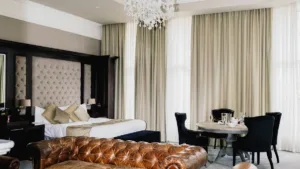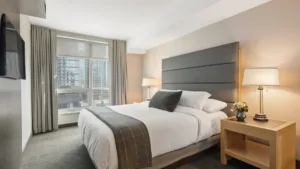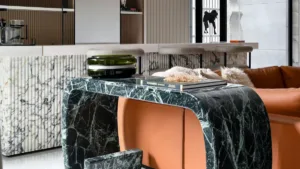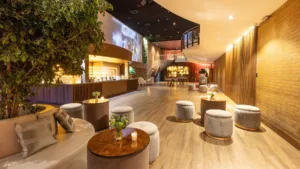
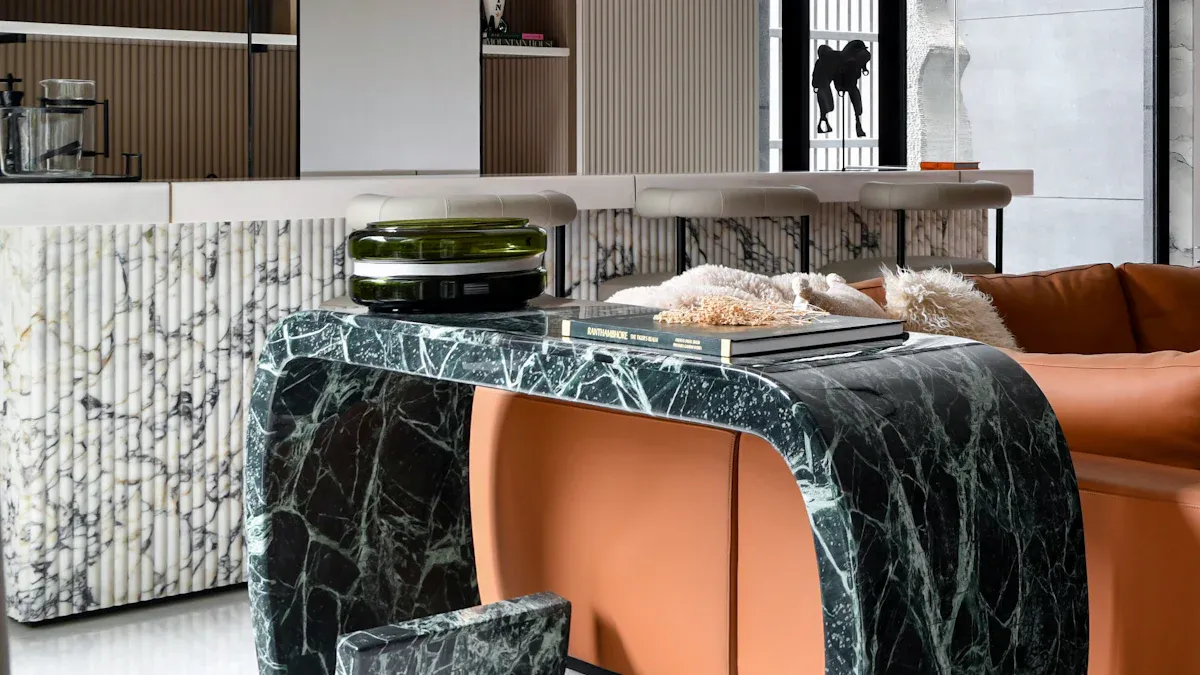
Custom furniture significantly shapes hotel identity. It serves as a crucial element in enhancing the hotel furniture visual experience. Thoughtful design choices influence guest perceptions and elevate their experiences. Innovation in custom guestroom furniture cases fosters memorable environments, allowing hotels to stand out and reinforce their hotel furniture brand strategy effectively. By focusing on custom furniture brand value, hotels can create unique atmospheres that resonate with guests, while also drawing inspiration from international brand furniture cases to elevate their offerings.
Key Takeaways
- Custom furniture enhances hotel branding by creating unique atmospheres that resonate with guests, leading to memorable experiences.
- Incorporating statement pieces and themed collections can boost guest satisfaction and social media engagement, making hotels more appealing.
- Sustainable furniture options, like recycled materials and energy-efficient designs, not only improve brand image but also contribute to long-term cost savings.
Unique Hotel Furniture Design Concepts
Statement Pieces
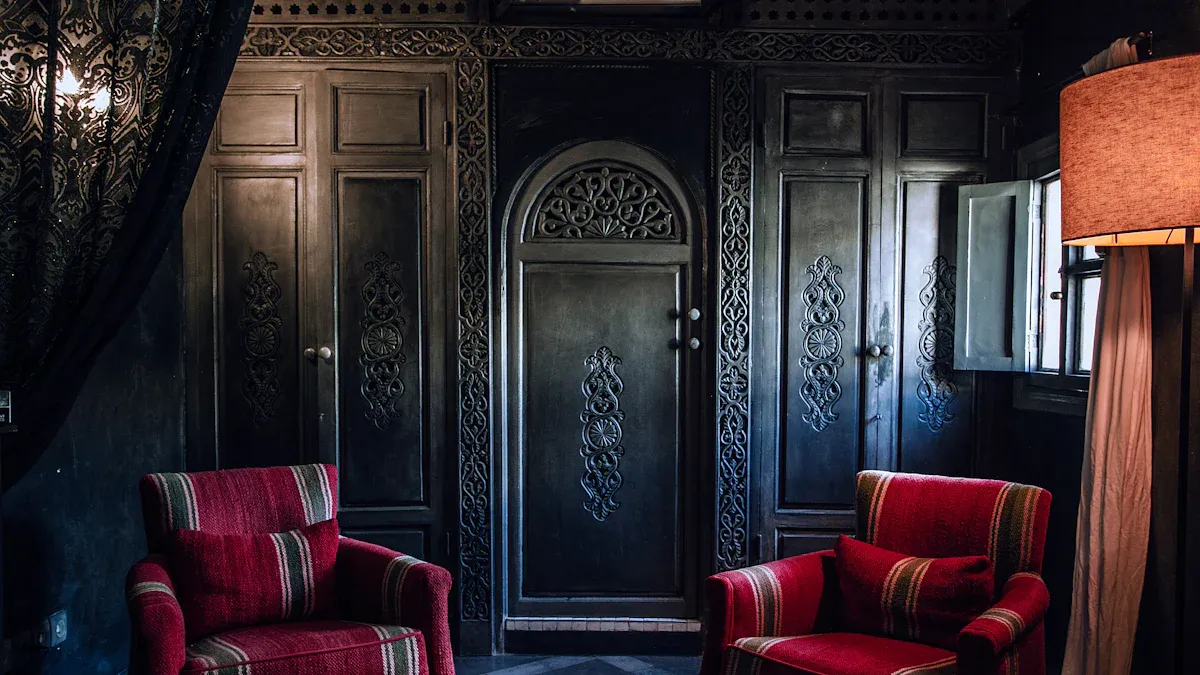
Statement furniture pieces play a pivotal role in defining a hotel’s character. These unique items serve as focal points that draw guests’ attention and create memorable experiences. Hotels can leverage statement pieces to enhance guest satisfaction and boost social media engagement. For instance, iconic lobbies like The Ritz-Carlton’s timeless elegance and W Hotel’s eclectic boldness rely on carefully curated furniture to mirror their brand identity.
Statement furniture pieces significantly enhance guest satisfaction and social media engagement in hotels by creating memorable and visually appealing environments that encourage guests to share their experiences online.
Hotels should consider the following benefits of incorporating statement pieces:
- Unique, eye-catching pieces enhance the ambiance and attract guests eager to capture Instagram-worthy moments.
- A well-crafted lobby design reflects attention to detail, making every guest feel valued.
- Statement pieces can also serve as conversation starters, fostering social interactions among guests.
Themed Furniture Collections
Themed furniture collections are essential in creating environments that reflect a hotel’s brand identity and enhance guest experiences. By aligning furniture design with the venue’s theme, hotels can ensure that guests feel comfortable and engaged. For example, a beachfront resort may use weather-resistant materials and light colors to echo the ocean, while an urban boutique hotel might opt for sleek, contemporary designs.
Hospitality-themed furniture collections decisively enhance a guest’s experience by creating inviting environments that reflect the brand ethos. Plush armchairs in a luxury hotel lobby encourage guests to linger and socialize, while bar stools promote spontaneous interactions.
Hotels should keep in mind the following aspects when developing themed furniture collections:
- Furniture must be visually appealing to match the brand identity.
- It should be durable enough for frequent use.
- The design contributes to the overall ambiance, influencing guest perceptions.
By investing in unique hotel furniture designs, hotels can create spaces that not only attract guests but also reinforce their brand image.
Functional Hotel Furniture Solutions
Multi-Use Furniture
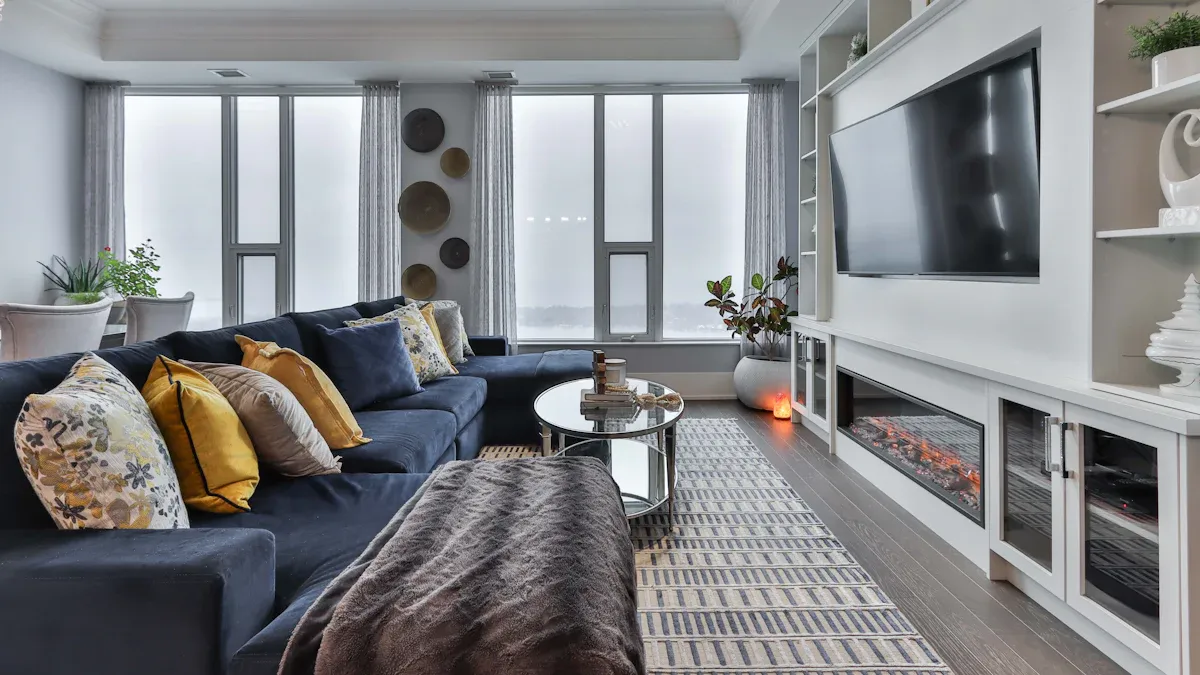
Multi-use furniture has become a cornerstone of modern hotel design. This type of furniture maximizes space while providing flexibility for various guest needs. Hotels can benefit from modular designs that adapt to different situations, enhancing both functionality and aesthetics. For instance, Murphy beds and convertible sofas allow guests to transform their rooms from sleeping areas to living spaces effortlessly.
Hotels should consider the following popular types of multi-use furniture:
- Modular designs that are adaptable and multifunctional to meet a range of guest needs.
- Customized furniture that reflects the unique brand identity of hotels.
- Murphy or sofa beds that save space while providing comfort.
- Ottomans with hidden storage to keep rooms organized.
- Folding desks or extendable tables that can be tucked away when not in use.
The integration of multi-use furniture not only enhances operational efficiency but also improves guest comfort. By allowing for adaptable spaces, hotels can create inviting atmospheres suitable for both private moments and social gatherings. For example, modular furniture can be easily reconfigured to accommodate different group sizes, making it ideal for both business travelers and families.
Space-Saving Innovations
Space-saving innovations play a crucial role in maximizing room occupancy rates and enhancing guest satisfaction. Hotels can implement various strategies to optimize limited space, ensuring that every square foot serves a purpose. Recent innovations in space-saving furniture design include:
| Innovation Type | Description |
|---|---|
| Modular and Multifunctional | Furniture that serves multiple purposes, optimizing space usage in hotel environments. |
| Sustainable Materials | Use of eco-friendly materials in furniture design, promoting sustainability in hotel operations. |
| Bespoke Designs | Custom furniture solutions tailored to specific hotel needs, enhancing functionality and aesthetics. |
| Vertical Storage | Custom-designed shelving units that maximize vertical space, keeping essentials organized and stylish. |
| Multifunctional Bar Counters | Bar counters designed to integrate preparation areas and storage, optimizing workflow in compact areas. |
| Elegant Minimalist Seating | Bar stools with a minimalist design that provide comfort without taking up too much space. |
| Strategic Lighting | Use of lighting to enhance the perception of space, making small areas feel larger and more inviting. |
These innovations not only improve the functionality of hotel rooms but also contribute to a more comforting atmosphere. For example, Murphy furniture allows guests to free up floor space when not in use, which enhances the overall guest experience. Additionally, space-saving solutions can streamline maintenance processes, ensuring that hotels maintain high hygiene standards.
Investing in functional furniture solutions can lead to increased guest satisfaction ratings. Recent data indicates that hotels utilizing custom-designed furniture experience a 27% increase in guest satisfaction compared to those that opt for standard commercial furnishings. While the initial costs may seem high, the durability and longevity of these pieces can significantly lower replacement costs over time.
By adopting innovative furniture solutions, hotels can create environments that not only attract guests but also foster brand loyalty.
Sustainable Hotel Furniture Options
Recycled Materials
Sustainable hotel furniture increasingly incorporates recycled materials, reflecting a growing trend among luxury and boutique hotels. Brands now prioritize sourcing furniture made from renewable resources, such as bamboo and reclaimed wood. This shift not only conserves natural resources but also minimizes the need for virgin materials. By using recycled materials, hotels help preserve forests, reduce mining activities, and protect biodiversity.
Moreover, reclaimed materials contribute to waste reduction by giving items that would otherwise end up in landfills a second life through upcycling. This creative repurposing transforms old items into new products, enhancing the hotel’s commitment to sustainability.
- Many hotels are adopting recycled materials in their custom furniture production.
- Companies like Amazon and Starbucks are leading the way in incorporating recycled resources into their offerings.
Energy-Efficient Designs
Energy-efficient furniture designs play a crucial role in enhancing hotel sustainability. These designs not only reduce the environmental impact of hotels but also improve guest experiences. For instance, smart lighting solutions utilize commercial LED lighting and LED mirrors to create a warm atmosphere while being cost-effective.
Hotels can also benefit from durable choices, such as metal bed frames, which offer long-lasting, pest-free options that lower long-term costs and energy consumption.
Implementing energy-efficient furniture options can lead to:
- Improved brand image, attracting eco-conscious travelers.
- Higher occupancy rates by appealing to environmentally aware guests.
- Contributions to sustainability certifications, such as the Green Key Eco-Rating Program, which assesses hotels based on energy conservation and indoor air quality.
By investing in sustainable furniture, hotels not only enhance their public image but also achieve significant cost savings over time.
Local Artistry in Hotel Furniture
Collaborations with Local Artisans
Collaborating with local artisans can significantly enhance a hotel’s authenticity and guest engagement. By integrating unique local stories and products, hotels foster emotional connections with guests. For example, The Lancaster Hotel refurbished its lobby seating with local craftsmanship, blending classic and contemporary designs. Similarly, The Sam Houston Hotel worked with local craftspeople to create tailored bedframes and bespoke seating, improving both comfort and aesthetic appeal.
Hotels can further engage guests by hosting workshops and live demonstrations. These experiences create lasting memories and authentic interactions between guests and artisans. Incorporating artisan designs throughout the hotel reinforces the local connection, enriching the overall guest journey.
Incorporating Regional Styles
Incorporating regional styles into hotel furniture design enhances cultural immersion and influences guest perceptions. Hotels can draw inspiration from various design movements, such as:
- Art Deco: Featured in the Peninsula Shanghai, showcasing geometric motifs and luxurious materials.
- Mid-Century Modern: Seen in Il Sereno, characterized by clean lines and organic materials.
- Tropical Modernism: Captured by Six Senses Zil Pasyon, blending modernist design with tropical elements.
- Industrial Chic: Exemplified by the Silo Hotel in Cape Town, using reclaimed materials and industrial aesthetics.
- Rustic: Highlighted by Sextantio Le Grotte Della Civita, reflecting traditional architectural styles.
Incorporating these styles creates environments that resonate with local and global aesthetics. Guests increasingly prioritize immersive experiences over material luxuries, seeking connections with local culture and traditions. By investing in local artistry, hotels not only enhance guest experiences but also support community development and economic growth.
Custom furniture plays a vital role in shaping hotel branding. It enhances guest experiences and influences perceptions. Hotels should explore innovative furniture ideas to stand out in a competitive market.
- High-quality, durable furniture improves guest satisfaction by enhancing their sensory experience.
- Guests associate well-maintained furniture with overall accommodation quality, boosting brand loyalty.
Investing in thoughtful design leads to memorable stays and encourages repeat bookings.
FAQ
What are the benefits of custom furniture in hotels?
Custom furniture enhances guest experiences, reflects brand identity, and promotes social interactions among guests.
How can hotels incorporate sustainability into their furniture choices?
Hotels can use recycled materials and energy-efficient designs to minimize environmental impact and appeal to eco-conscious travelers.
Why is local artistry important in hotel furniture design?
Local artistry fosters authenticity, supports community development, and creates unique guest experiences that resonate with regional culture.