

Hotel furniture profoundly shapes your stay. It defines comfort, aesthetics, and the overall atmosphere. This is not just about utility; it crafts an experience. Thoughtful furniture styling differentiates hotel types and elevates guest satisfaction. Understanding how to choose hotel furniture is crucial for every establishment. For example, boutique vs chain hotel furniture design varies significantly. Modern Hotel Furniture often sets a contemporary tone. When considering how to choose furniture for a boutique hotel, unique pieces are key. Chain Hotel Furniture prioritizes consistent comfort.
Key Takeaways
- Hotel furniture does more than just look good. It makes guests feel comfortable and sets the mood for their stay.
- Boutique hotels use special, unique furniture to tell a story. Chain hotels use strong, standard furniture to make sure every guest has the same good experience.
- Good furniture helps guests feel relaxed and sleep well. This includes soft beds and chairs that support your back.
- Hotels are now choosing furniture that is good for the Earth. They also use furniture with new technology, like phone chargers built right in.
The Foundational Role of Hotel Furniture in Guest Experience
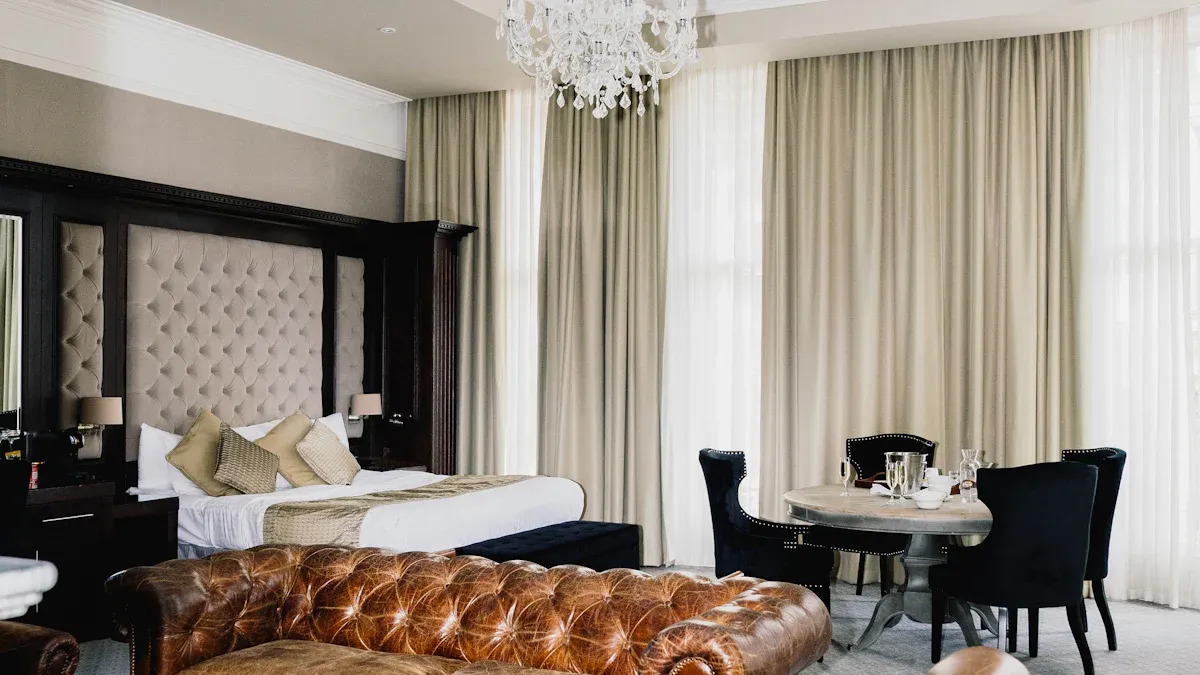
Beyond Function: How Hotel Furniture Creates Ambiance
Hotel furniture does more than simply provide a place to sit or sleep. It actively shapes the atmosphere and mood of a space. Thoughtful furniture choices transform a room from a mere functional area into an inviting environment. Designers carefully select pieces to evoke specific feelings, whether relaxation, sophistication, or excitement.
The arrangement and style of furniture dictate the flow and comfort of a space. Plush sofas in a lobby invite relaxation, while streamlined tables and chairs in a café signal efficiency. Furniture also serves as a medium for branding, with custom designs enhancing a space’s personality.
This strategic placement and design allow furniture to communicate the hotel’s identity and enhance the guest’s emotional connection to the surroundings.
First Impressions: Lobby and Common Area Hotel Furniture
The lobby often provides a guest’s first physical interaction with a hotel. Therefore, the furniture in these common areas plays a crucial role in establishing a positive initial impression. Designers consider multiple elements to create an engaging and welcoming space.
- Sensory Experiences: Furniture contributes to an inviting ambiance that engages more than just sight. Strategic lighting, including ambient, accent, and task lighting, highlights architectural features and creates intimate zones. Warm, soft lighting (2700-3000 Kelvin) creates a welcoming and comfortable environment.
- Style and Furnishings: Furniture is integral to the overall look and feel. Luxurious sofas for relaxation and ergonomically designed desk areas for co-working are examples. Furnishings encourage collaboration and offer varied seating options. High-backed seating helps create semi-private areas.
- Multi-functional and Flexible Spaces: Furniture choices allow for easy reconfiguration to accommodate different activities. Modular seating, adaptable tables, and movable partitions are common. Lobbies are evolving into residential-like living rooms or social gathering places.
- Aesthetic Appeal and Brand Identity: Furniture must align with the hotel’s overall theme, whether classic elegance, contemporary chic, or boutique style. Trends for 2025 emphasize richly textured interiors, bold accents, vintage furnishings, and curated elements reflecting local narratives. Designers embrace vibrant colors, patterns, and rich textures like jewel-toned velvets and geometric prints to create memorable spaces. Biophilic design, integrating natural elements like plants and organic forms, creates a calming atmosphere.
Different hotel types utilize furniture to define their personality:
- Tropical Resort Hotels: These hotels use natural elements like rattan and solid wood. Cushions and pillows often feature tropical leaf prints. Bright shades such as turquoise and coral orange create a cheerful holiday atmosphere.
- Business Boutique Hotels: These establishments opt for clean lines and a modern feel. They use materials like metal, leather, and marble. Neutral tones (gray, beige, black) with bright color accents convey professionalism.
- Historical and Cultural Hotels: These hotels incorporate local traditional elements such as wood carvings and embroidery. They choose vintage shapes and rich, deep colors to reflect cultural heritage.
Focal furniture pieces also capture attention. An artistic sculptural bench, made with high-quality materials and featuring flowing curves or local cultural symbols, serves as both seating and art. An oversized custom reception desk, designed with soft curves or a striking silhouette, can include integrated lighting or a water feature as a visual centerpiece. Custom bookshelves or display cabinets, filled with books, local art, or curated objects, offer guests something to explore. Comfortable ‘little corners’ also enhance the guest experience. Modular sofas allow for flexible, semi-private seating areas with varied textures. Capsule-style seating provides semi-private single seats or mini cubicles with charging ports and reading lights for quiet moments. Multifunctional coffee tables feature built-in charging ports, sensor lights, or small plant landscapes for convenience and character.
Personal Sanctuary: Bedroom Hotel Furniture and Comfort
The guest room serves as a personal sanctuary, and the furniture within it directly impacts comfort and sleep quality. Thoughtful design ensures guests feel relaxed and refreshed.
- Mattress support and quality: Comfortable mattresses with balanced support are crucial for a refreshing sleep.
- Adjustable headboards: These allow guests to customize their position for activities like reading or reclining, enhancing comfort.
- Pillow options: Offering a variety of pillow types (soft to firm) ensures guests find their ideal fit for optimal sleep.
High-quality materials ensure both durability and elegance, contributing to a luxurious and comfortable experience. Adjustable firmness provides personalized comfort for each guest, catering to individual preferences. A supportive mattress reduces pressure points, which is crucial for enhancing sleep quality and preventing discomfort.
| Ergonomic Feature | Benefit to Guest Sleep Quality and Comfort | Example Features |
|---|---|---|
| Adjustable Furniture | Personalizes comfort, helping guests find ideal sleeping positions | Reclining chairs, height-adjustable beds |
| Ergonomic Chairs | Supports both work and relaxation, reducing discomfort | Swivel and adjustable office chairs |
| Multi-functional Furniture | Adds flexibility and space efficiency, promoting relaxation | Sofa beds, foldable tables |
| Thoughtful Room Layouts | Encourages relaxation and easy movement, indirectly aiding sleep | Strategic placement of beds and furniture |
| Smart Storage Solutions | Keeps rooms organized and stress-free, enhancing comfort | Built-in drawers, under-bed storage |
| Guest-Centric Amenities | Includes wellness touches and tech that reduce stress | Wireless charging, air purifiers, luxury bedding |
High-quality beds with supportive frames and premium mattresses are essential for a restful night’s sleep. Adjustable furniture, such as reclining chairs and height-adjustable beds, allows guests to personalize their comfort. Additionally, upholstered chairs and sofas contribute to a more inviting and relaxing room atmosphere. Modern ergonomic furniture also includes smart beds and nightstands with wireless charging, enabling guests to easily control their environment. This reduces stress and improves sleep quality. A well-designed room layout, with strategic placement of beds, chairs, and storage, also promotes relaxation and ease of movement.
Boutique Hotel Furniture: Crafting Unique Narratives

Defining Boutique: Individuality and Storytelling
Boutique hotels distinguish themselves through unique narratives, and their furniture plays a central role in telling these stories. Unlike conventional establishments, boutique hotels prioritize individuality and a strong conceptual theme.
| Characteristic | Boutique Hotel Furniture | Regular Hotel Furniture |
|---|---|---|
| Design Intent | Starts with a strong concept (cultural history, artistic theme, mood); expressive and unique; no set formula. | Rooted in consistency; guided by clear brand standards; aims to reassure, not surprise. |
| Procurement & Sourcing | More flexible and involved; often calls for one-off pieces, specialty finishes, or custom FF&E; designers, owners, and artists weigh in. | Sourced from pre-vetted vendors using brand-selected SKUs; mass-produced with minimal variation; predictable costs and delivery. |
| Space Planning & Layouts | Room layouts often vary, even within the same property; designers work around unique architecture or break from standard footprints; may require customized casegoods. | Standardized and repeatable layouts; planned for efficiency; furniture ordered in bulk and dropped into mirrored room shells. |
| Overall Approach | Smaller, design-focused properties reflecting location or central concept; built around a story (local history, culture, owner’s direction). | Often part of a franchise or chain; designs focus on consistency, efficiency, and operational control; brand standards define many aspects. |
Boutique Hotel Furniture focuses heavily on expression, reflecting the hotel’s unique theme, story, or location. This contrasts with average hotel furniture, which often lacks personality. Designers emphasize distinctive features and visual appeal, incorporating interesting shapes, unusual materials, vintage pieces, or designer items. Boutique hotels prioritize a thoughtful selection process, emphasizing detail, unique character, and durability, even with fewer pieces. This careful selection creates a sense of place, enhancing the hotel’s aesthetic presence and providing an authentic experience related to themes and cultural motifs. The goal is to evoke the feeling of a posh private residence.
Boutique hotel furniture, particularly in luxury settings, features handcrafted design. Each piece possesses its own identity, much like art. Unlike uniform, mass-produced items, these furnishings are chosen specifically for the space, acting as emotional anchors that set the tone and leave a lasting impression. This emphasis on purpose-made, artisanal furniture reflects a shift towards experience and authenticity, with craftsmanship providing depth, warmth, and soul. Guests feel the human touch in subtle grain variations, precision joinery, and rich hand-applied finishes, transforming furniture from mere objects into experiences that machines cannot replicate.
Styling Principles: Bespoke and Artisanal Hotel Furniture
Boutique hotels frequently incorporate bespoke pieces to imbue each space with unique character and charm, distinguishing them from larger hotels that use standardized furniture. High-end materials and custom furnishings are hallmarks of boutique hotel design, contributing to an overall sense of luxury. Charter Furniture specializes in crafting custom hospitality furniture, transforming initial concepts, even simple sketches, into sophisticated, tangible designs. They create bespoke furnishings for boutique hotels and contemporary furniture for luxury hotels, helping to realize diverse interior design visions.
Case Study: The "Art Gallery" Boutique Hotel Furniture
Consider "The Curator’s Retreat," a boutique hotel designed to immerse guests in an art gallery experience. The hotel uses custom-designed furniture pieces that double as sculptural installations. In the lobby, a reception desk crafted from reclaimed wood and polished concrete features an integrated LED light display, mimicking a modern art piece. Guest rooms showcase unique, locally sourced armchairs with bold, abstract upholstery, each a conversation starter. Beds feature headboards made from stretched canvas, displaying original, rotating artworks. Even the coffee tables are bespoke, with glass tops revealing curated collections of miniature sculptures beneath. This approach ensures every piece of Hotel Furniture contributes to the hotel’s artistic narrative, making the stay an immersive cultural journey.
Case Study: The "Historic Charm" Boutique Hotel Furniture
"The Grand Relic" exemplifies a boutique hotel embracing historic charm. This establishment features uniquely personal architecture and interior design styles. Its home-like designs create a comfortable atmosphere for guests. The hotel maintains an upscale and luxurious outlook, combining it with historical and cultural elements. The design team carefully curates unique furniture and decor. They often look for pieces reflecting the hotel’s theme, ensuring it stands out from generic options.
The hotel incorporates vintage furniture into its design. This approach creates an ambiance both unique and memorable. Refurbishing with vintage furniture adds character and helps reduce the carbon footprint. By repurposing existing items, the hotel eliminates the need for new manufacturing and decreases waste. Vintage items have also proven their durability over time. Choosing vintage pieces adds a unique feeling to the hotel decor. This cannot be replicated by mass-produced items. Guests appreciate the personalized touch of each carefully chosen piece, which tells its own story through its wear and tear. Incorporating vintage furniture creates a unique feeling that differentiates the property. It transports guests to another time, creating an unforgettable experience.
Impact on Stay: Memorable Experiences with Unique Hotel Furniture
Unique boutique interiors significantly enhance guest loyalty and encourage repeat stays. Thoughtfully designed interiors increase direct bookings and reduce reliance on third-party platforms. Hotels prioritizing boutique interiors position themselves as destinations, leading to increased demand and occupancy. Guests consistently experience high quality and comfort when hotels maintain their unique furnishings well. This increases their likelihood of rebooking. Conversely, negative experiences with broken or uncomfortable Hotel Furniture can deter guests from returning. Therefore, consistent furniture maintenance represents an investment in long-term customer relationships. These distinctive environments foster a strong emotional connection, making each visit a cherished memory rather than just a transaction.
Chain Hotel Furniture: Balancing Consistency and Comfort
Defining Chain: Brand Standards and Scalability
Chain hotels operate on a model of consistency and scalability. They ensure a predictable guest experience across numerous locations. This approach requires strict brand standards for all aspects, including furniture. All Hotel Furniture undergoes rigorous quality inspections. It adheres to international safety and environmental standards. This includes using non-toxic materials, stable structures, and fire-resistant finishes. Chain hotels also prioritize competitive pricing and long-term value. Furniture durability reduces replacement frequency. Aesthetic appeal enhances guest satisfaction. These establishments demand hotel-grade durability, full customization support, and brand-aligned design flexibility. They also require high-traffic resistance and guest comfort optimization. Chain hotels support full customization from color matching to size adjustments and style modifications. This aligns with the hotel’s brand image. They also integrate functional and space-saving features. These include ample storage drawers, built-in nightstands, and space-saving layouts. This maximizes usable space and enhances guest convenience.
Styling Principles: Durable and Ergonomic Hotel Furniture
Chain hotels prioritize durability and ergonomics in their furniture selections. They choose high-quality materials to withstand frequent guest turnover. These materials include hardwood, stainless steel, and leather. They also use stain-resistant fabrics. Manufacturing processes involve advanced techniques and rigorous quality controls. This ensures longevity and ease of maintenance. For example, chain hotels often select solid wood, metal frames, and high-quality upholstery fabrics that resist stains and scratches. They also use FSC-certified wood, aluminum, and teak. These materials are corrosion and fade resistant. Cushions feature water-repellent and UV-resistant fabrics.
Comfort is a primary concern. Chain hotels ensure guests feel at ease. They provide high-quality, medium-firm mattresses with balanced support and softness. Chairs and sofas offer good back support. Lobby sofas feature plush cushions. Ergonomic desk chairs are standard. Bedding and linens use soft, breathable fabrics like Egyptian cotton or bamboo fibers. Modular furniture, such as reconfigurable sofas or customizable desks, adds flexibility. Adjustable beds or extra bedding accommodate special needs. Furniture designs are ADA compliant. This ensures accessible heights, space for wheelchair maneuverability, and easy-to-use features.
Case Study: The "Business Traveler" Chain Hotel Furniture
A prominent chain hotel, catering primarily to business travelers, exemplifies these principles. The hotel designs its guest rooms for productivity and relaxation. Each room features an ergonomic desk chair and a spacious work surface. This allows guests to work comfortably. The bed offers a high-quality mattress and premium linens, ensuring a restful night’s sleep. Power outlets are easily accessible near the bed and desk. This accommodates charging multiple devices. The room also includes a comfortable armchair and a small table. This provides a space for informal meetings or unwinding. All furniture pieces are robust. They withstand constant use while maintaining a professional aesthetic.
Case Study: The "Family-Friendly" Chain Hotel Furniture
A well-known chain, "Family Fun Stays," designs its properties with children and parents in mind. Their guest rooms feature robust, easy-to-clean Hotel Furniture. For instance, many rooms include bunk beds with built-in safety rails, maximizing sleeping space for children. Pull-out sofas offer additional sleeping arrangements for larger families. Designers select durable, stain-resistant fabrics for all upholstered items. This ensures longevity and easy maintenance. Round edges on tables and nightstands prevent accidental bumps, prioritizing child safety. Bright, cheerful color palettes create an inviting atmosphere for younger guests. Common areas often include low-height activity tables and comfortable seating for adults. This thoughtful approach ensures both safety and enjoyment for families during their stay. The hotel also provides child-sized chairs and tables in dining areas. This caters specifically to their younger clientele.
Impact on Stay: Reliable and Predictable Hotel Furniture Comfort
Guests value the reliable comfort chain hotels provide. Consistent design languages enable guests to recognize and associate quality experiences with the brand. This consistency is crucial for maintaining brand identity. It also allows for local adaptations within established guidelines. Hotels that successfully integrate their brand story into their physical spaces foster emotional connections. This leads to increased guest satisfaction and loyalty. Precise execution of furniture installations is essential for maintaining brand consistency across numerous rooms. This uniformity directly impacts guest satisfaction scores. Every piece of furniture contributes to how guests perceive the brand and its quality. Furniture significantly shapes guest experiences and perceptions. It extends beyond mere aesthetics. It profoundly influences emotions and behaviors. The careful selection of furniture, color palettes, and design contributes to guests’ moods, comfort, and overall satisfaction. Comfortable guest room furniture, particularly ergonomic designs, is pivotal for guest satisfaction. It promotes relaxation and impacts their decision to return or recommend the hotel. Guests appreciate knowing they will receive a consistent level of comfort and quality, regardless of the location. This predictability builds trust and reinforces brand loyalty.
Key Styling Differences in Hotel Furniture
Material Choices: Luxurious vs. Durable Hotel Furniture
Hotels make distinct material choices for their furniture, balancing luxury with durability. Upscale and luxury properties often select wood veneer. This material offers a premium look and feel. Midscale and upper-midscale hotels frequently choose laminate. Laminate provides a durable and modern appearance at a more affordable price. The quality gap between these options has closed significantly.
| Feature | Wood Veneer | Laminate |
|---|---|---|
| Finish | Real wood | More affordable, advanced finishes |
| Appearance | Premium look & feel | Durable & modern |
| Hotel Type | Upscale / luxury | Midscale / upper-midscale |
| Cost | Upscale investment | More economical, closed quality gap |
Hospitality-grade furniture typically has a commercial viability of five to seven years. Soft seating often requires replacement every three to five years. Investing in long-lasting quality, even with a slightly higher upfront cost, yields a better return. It extends the furniture’s lifespan beyond the average eight-year hotel renovation cycle. Luxury properties increase decorative allocations to 20-25% of their budgets. This meets higher guest expectations and justifies premium pricing.
Color Palettes: Bold Statements vs. Soothing Neutrals
Color palettes significantly influence guest mood and the overall atmosphere of a hotel space. Hotels choose colors to evoke specific feelings, ranging from calm to energetic.
| Color Category | Mood Influence |
|---|---|
| Neutral Colors | Calming, tranquility, relaxation |
| Warm Tones (red, orange, earthy browns) | Energy, warmth, coziness |
| Cool Tones (purple, blue, green, soft gray) | Calmness, tranquility |
| Bold Accents (rich blues, deep purples, striking greens) | Visual interest, personality |
Neutral colors like whites, grays, and browns are essential for establishing brand identity. They create balanced schemes. These colors act as a blank canvas, allowing other colors to stand out. They make spaces feel open and airy. Neutral tones are ideal for calming areas such as spas and guest rooms. They promote relaxation. Their versatility allows for creating atmospheres from cozy to sleek. They highlight key features and provide contrast for accent colors.
Bold colors make strong statements and add personality.
- Red: This color is stimulating and attention-grabbing. It energizes dining rooms.
- Orange: This color suggests warmth and creativity. Hotels use it in living rooms, bedrooms, and outdoor spaces. Burnt orange and terracotta offer earthy variations.
- Yellow: This color conveys happiness and spontaneity. It cultivates a sunny ambiance in lobbies, cafés, and patios. Pale shades feel uplifting yet mellow.
Layout and Space Utilization: Intimate vs. Open Hotel Furniture
Hotels strategically arrange furniture to create either intimate or open environments. This depends on the desired guest experience.
For intimate environments, hotels prioritize privacy and comfort.
- They avoid overcrowding tables to enhance comfort and service flow.
- Soft lighting creates intimacy in fine dining settings.
- Privacy, elegance, and spacious seating are crucial in fine dining layouts. Round tables are used for intimate dining. Luxurious booths are reserved for VIP sections.
- At least 36 inches between tables in fine dining maintains exclusivity.
- Upholstered chairs enhance comfort in upscale dining.
- Booth seating offers a cozy and space-saving option.
For open environments, hotels focus on accessibility and social interaction.
- They maintain open sightlines for easy staff monitoring.
- Seating arrangements maximize natural light and ambiance.
- Mirrors and light-colored furniture make smaller spaces feel larger and more inviting.
- Bright lighting suits fast-casual settings.
- Adjustable LED lighting allows for mood customization across different dining hours.
- In casual dining and bistro layouts, hotels feature a mix of booths, two-person tables, and communal seating. This encourages a relaxed yet social environment.
- They arrange tables in clusters rather than rows for a more inviting atmosphere in casual settings.
- For fast-food and quick-service layouts, hotels focus on high seating turnover. They use compact, easy-to-clean, and often fixed or bar-style seating. This ensures clear traffic flow.
Hotels also use flexible strategies for space utilization. They combine fixed and movable seating to adapt to varying occupancy levels. They create diverse atmospheres, such as intimate booths and communal tables, to cater to different guest preferences. Modular and stackable furniture, especially for banquet halls, allows for quick reconfigurations. This maximizes booking flexibility. Hotels separate active and restful zones within guestrooms and food and beverage areas. This prevents conflicts between activities. They select furniture that is appropriately scaled to room dimensions. This avoids overcrowding or overly sparse spaces. They incorporate modular pieces that adapt to guest needs, such as rollaway desks or foldable dining tables. This offers flexibility and potential upsell opportunities.
The Role of Accessories: Personal Touches vs. Standardized Decor
Accessories play a crucial role in defining a hotel’s character. They transform a space from functional to inviting. These smaller elements, like artwork, decorative pillows, and amenity trays, significantly influence guest perception. They either create a unique, personalized atmosphere or reinforce a consistent brand identity.
Personal Touches: Crafting Individuality
Boutique hotels excel at using accessories to tell a story. They often source unique, curated items. These pieces reflect the local culture, history, or a specific artistic theme. For example, a boutique hotel in Santa Fe might display handcrafted pottery or woven textiles from local artisans. Another hotel with a literary theme could feature antique typewriters and framed quotes from famous authors.
- Sourcing: Boutique hotels often collaborate with local artists, antique dealers, or specialized designers. This ensures each accessory possesses a distinct character.
- Impact: These personal touches create a strong sense of place. They make the guest experience feel intimate and memorable. Guests often appreciate the individuality and the feeling of discovering something special. This approach avoids the generic feel of mass-produced decor.
Consider a hotel that uses vintage maps as wall art. Each map tells a story of exploration and history. This choice makes the room feel less like a temporary stay and more like a curated personal space. Such details contribute significantly to the overall ambiance.
Standardized Decor: Ensuring Consistency
Chain hotels prioritize consistency and brand recognition. Their accessories are typically standardized across all locations. This ensures guests receive a predictable experience, regardless of where they stay. The decor reinforces the brand’s image and promises a familiar level of comfort and quality.
- Sourcing: Chain hotels procure accessories in bulk from approved vendors. This process ensures uniformity and cost-effectiveness.
- Impact: Standardized decor builds trust and familiarity. Guests know what to expect. This predictability is a key selling point for many travelers. For instance, a specific brand of Hotel Furniture might always feature a particular style of lamp or a branded amenity kit. These consistent elements reassure guests. They confirm they are in a familiar and reliable environment.
This approach simplifies maintenance and replacement. It also ensures every room meets the brand’s specific aesthetic guidelines. The goal is to provide a reliable and comfortable experience every time.
| Feature | Personal Touches (Boutique) | Standardized Decor (Chain) |
|---|---|---|
| Sourcing | Local artisans, antique dealers, custom designers | Bulk from approved vendors, mass-produced |
| Purpose | Individuality, storytelling, unique guest experience | Brand consistency, predictability, operational efficiency |
| Aesthetic | Eclectic, curated, reflective of local culture/theme | Uniform, branded, familiar |
| Guest Perception | Memorable, intimate, sense of discovery | Reliable, comfortable, trustworthy |
| Maintenance | Potentially harder to replace unique items | Easy replacement, consistent stock |
Both approaches, though different, aim to enhance the guest experience. Personal touches create unique narratives. Standardized decor provides reliable comfort. Each strategy effectively uses accessories to achieve its specific hospitality goals.
The Psychology Behind Hotel Furniture Choices
How Hotel Furniture Design Influences Guest Mood
Hotel furniture design significantly impacts guest mood. Ergonomic designs in guest room furniture promote relaxation. They make guests feel pampered, contributing to satisfaction and a positive perception of their stay. The strategic use of colors in furniture design also impacts emotions.
- Neutral colors create tranquility and relaxation.
- Warm tones like red, orange, and earthy browns evoke energy, warmth, and coziness.
- Cool tones such as purple, blue, green, and soft gray promote calmness and tranquility.
- Bold accents, including rich blues, deep purples, and striking greens, add visual interest and personality when used sparingly.
Lobby furniture, both comfortable and stylish, sets a positive tone. It creates an inviting atmosphere that puts guests at ease from the outset.
Creating a Sense of Place with Hotel Furniture
Hotel furniture design helps create a unique sense of place. It embodies the cultural temperament and brand spirit of the property. Natalie Smith, design director and principal of ROAM Interior Design, stated:
“Incorporating and working with local artisans has become a trend in lobby and guestroom design, bringing authenticity and a strong sense of place to interiors. Handcrafted furniture, textiles, and artwork not only celebrate regional culture, but also create unique, memorable spaces that resonate with guests seeking deeper connection and storytelling.”
Furniture design integrates local culture by incorporating traditional handicrafts. Wood carving or metalwork add authenticity to the hotel’s interior. These pieces serve as functional items and conversation starters. They enable guests to connect with the local culture on a deeper level.
Ergonomics and Guest Well-being in Hotel Furniture
Ergonomic design in Hotel Furniture is crucial for supporting good posture. It minimizes discomfort and reduces the risk of strain for guests. This includes prioritizing accessible design elements. Comfortable seating heights, ample legroom, and appropriate support create an inclusive atmosphere. High-quality materials like kiln-dried hardwood for frames and high-density foam for cushions contribute to comfort and longevity.
Ergonomically designed furniture promotes proper posture. It reduces strain. Beds with ergonomic mattresses and pillows distribute body weight evenly. This alleviates pressure points and enhances sleep quality. Adjustable features like seat height, recline angle, or lumbar support allow for personalized comfort. This minimizes discomfort and promotes relaxation, leading to higher satisfaction.
Sustainability and Future Trends in Hotel Furniture
Eco-Friendly Materials for Hotel Furniture
Hotels increasingly prioritize sustainability, choosing eco-friendly materials for their furnishings. This commitment reduces environmental impact and appeals to conscious travelers. Designers select materials for their renewability and low footprint.
- Bamboo: This sustainable material has a low environmental impact.
- Reclaimed wood: Repurposed wood reduces the need for new timber.
- Recycled materials: These include wood, metal, and glass, chosen for their reusability.
- FSC-certified wood: This wood comes from sustainably managed forests.
- Organic cotton: Growers produce this cotton without harmful pesticides or chemicals.
- Natural latex: This sustainable material often appears in mattresses and upholstery.
- Recycled metal and recycled steel: These materials reduce waste and energy for new production.
- Non-toxic finishes: These ensure environmental friendliness and guest health.
Hotels also use low-VOC and non-toxic finishes. These improve indoor air quality, as traditional finishes can significantly pollute the air.
Technology Integration in Hotel Furniture
Modern guests expect integrated technology, and Hotel Furniture now reflects this trend. Hotels incorporate smart features to enhance convenience and comfort.
- Wireless Charging Stations: These stations, built into nightstands and desks, eliminate the need for guests to search for charging ports.
- Integrated Power Outlets and USB Ports: Smart desks and side tables offer convenient device charging.
- Smart Lighting: Furniture with built-in smart lighting systems provides customizable ambiance.
- Adjustable and Modular Designs: Beds with customizable firmness and ergonomic chairs with memory settings enhance comfort.
- Voice-Activated Controls: Furniture integrated with voice assistants enables effortless control of room settings.
Smart desks with built-in charging stations and wireless connectivity facilitate work. Smart beds with adjustable firmness offer a personalized sleep experience. This integration enhances guest satisfaction and positions the hotel as innovative.
Adaptable and Multi-Functional Hotel Furniture Pieces
Adaptable and multi-functional furniture pieces are gaining popularity in hotel design. These items maximize space and offer flexibility, meeting diverse guest needs.
- Modular pieces like sectional seating in common areas offer guests choices for individual or open layouts.
- Sofas that double as beds provide dual functionality.
- Tables with hidden storage offer practical space-saving solutions.
- Compact workstations are easily adjustable to guest preferences.
This approach emphasizes multi-functionality, easy customization, and space-saving solutions. It allows hotels to adapt quickly as guest needs evolve.
The Economic Impact of Hotel Furniture Choices
Value Perception from Boutique Hotel Furniture
Boutique hotels leverage their unique Hotel Furniture to create a distinct value perception. Guests often associate bespoke and artisanal pieces with luxury and exclusivity. This allows boutique establishments to command higher room rates. The unique design and curated ambiance enhance the guest experience, making it memorable. This distinctiveness fosters loyalty and encourages positive word-of-mouth, which translates into sustained revenue.
Cost-Effectiveness in Chain Hotel Furniture
Chain hotels prioritize cost-effectiveness in their furniture procurement. They implement several strategies to manage expenses without compromising quality. These strategies include forming long-term partnerships with suppliers, which ensures consistent quality and loyalty. Strategic contract negotiation, supported by thorough market research and competitive bidding, helps drive down prices. Chain hotels also utilize volume discounts for bulk purchasing, optimizing cost-per-unit savings. They streamline logistics through real-time inventory systems and optimized shipping routes. This reduces operational costs. Sourcing from wholesalers and partnering with local suppliers also provides high-quality, cost-effective options. Additionally, focusing on multi-functional pieces maximizes space and functionality, further optimizing budgets.
Long-Term Investment in Quality Hotel Furniture
Investing in high-quality furniture offers significant long-term returns for hotels. While premium banquet chairs might cost $100 each, lasting 10 years, cheaper chairs at $50 each require replacement after 5 years. Both options result in a $20,000 total cost over a decade for 200 chairs. However, quality furniture enhances the guest experience, leading to positive reviews and increased revenue. It also contributes to aesthetic appeal and brand identity, attracting high-profile clients. Operational efficiency improves with features like stackable designs and easy-to-clean materials. This reduces labor costs. Durable furniture also reduces the need for frequent replacements and repairs, saving substantial money. This approach aligns with sustainability goals and appeals to environmentally conscious guests.
Hotel furniture serves as a powerful tool. It transforms a simple stay into a distinct and memorable experience. Thoughtful furniture styling is paramount for achieving guest satisfaction. This careful design shapes how visitors remember their time away, whether through unique charm or reliable comfort. Ultimately, Hotel Furniture defines the overall impression of any visit.
FAQ
How does hotel furniture influence a guest’s experience?
Hotel furniture significantly shapes a guest’s stay. It defines comfort, aesthetics, and the overall atmosphere. Thoughtful design creates a specific mood, from relaxation to productivity. It transforms a functional space into an inviting environment, enhancing guest satisfaction.
What distinguishes boutique hotel furniture from chain hotel furniture?
Boutique hotel furniture emphasizes individuality and unique narratives. It often features bespoke, artisanal pieces reflecting a specific theme or local culture. Chain hotel furniture prioritizes consistency, durability, and brand standards across multiple locations, ensuring a predictable comfort level.
Why do hotels prioritize ergonomic furniture?
Hotels prioritize ergonomic furniture to enhance guest well-being and comfort. Ergonomic designs support good posture, minimize discomfort, and reduce strain. This includes supportive mattresses, adjustable chairs, and accessible features. It promotes relaxation and contributes to a positive guest experience.
How do hotels incorporate sustainability into furniture choices?
Hotels increasingly choose eco-friendly materials for sustainability. They use bamboo, reclaimed wood, recycled metals, and FSC-certified timber. Organic cotton and natural latex are also common. Non-toxic finishes improve indoor air quality. This commitment reduces environmental impact and appeals to conscious travelers.


