

Understanding international brand standards guides hotel room furniture selection. Hoteliers prioritize durability, guest comfort, and brand-aligned aesthetics. A skilled hotel furniture manufacturer meets these stringent demands. Future trends and compliance requirements shape choices for 2025. Consider Hilton canopy furniture requirements for specific brand adherence. Luxury hotel room furniture solutions elevate guest experiences. What is included in a hotel bedroom set? This question guides comprehensive planning. A reliable hospitality furniture supplier is crucial for success.
Key Takeaways
- Hotels must choose furniture that matches their brand. This ensures guests have a consistent experience.
- Future hotel furniture will focus on green materials and smart technology. These choices improve guest comfort and save space.
- Durable furniture is very important for hotels. It lasts longer and saves money on repairs.
- Custom furniture helps hotels stand out. It creates a unique look and feel for guests.
- Hotels should pick furniture makers carefully. They need to check their quality and experience.
Defining International Brand Standards for Hotel Room Furniture

Core Principles of Brand Alignment for Hotel Room Furniture
Hotels establish their identity through every detail, including the furniture in guest rooms. Brand alignment means selecting pieces that reflect the hotel’s unique character and promise to its guests. A luxury brand, for example, demands sophisticated designs, premium materials, and exceptional comfort. A budget-friendly brand, conversely, prioritizes durability and practical, space-saving solutions. Each choice, from the style of a headboard to the finish of a desk, communicates the brand’s values. This careful selection ensures a consistent guest experience across all properties, reinforcing brand recognition and loyalty.
Future-Proofing Design Aesthetics in Hotel Room Furniture
As 2025 approaches, hotel furniture trends emphasize sustainability, functionality, and innovative aesthetics. Guests now seek inspiring spaces that function beautifully and reflect their values. Design innovations focus on space-saving furniture, smart storage solutions, and clean, modern lines.
Several key trends shape future-proof design:
- Sustainable Sourcing: Low-impact designs prioritize renewable resources. Sustainable material options include recycled wood and metal, organic textiles and fabrics, and low-VOC finishes.
- Biophilic Design: This incorporates elements like indoor greenery, maximizes natural light, and uses earthy color palettes.
- Bespoke Furniture: Custom shapes, sizes, unique fabric patterns, colors, and tailored details create a distinctive look.
- Modular and Flexible Layouts: These designs offer multi-functionality, easy customization, and space-saving solutions.
- Comfort-Driven Design: Guests expect spaces that feel as good as they look. Custom banquettes with extra-thick foam and ergonomic designs enhance satisfaction. High-end fabrics, such as performance velvet or leather, resist wear while maintaining an upscale aesthetic.
- Bold Colors and Textures: These elements create memorable designs and set a space apart in a competitive market.
These trends contribute to personalized guest experiences and a distinctive design.
Durability and Longevity Expectations for Hotel Room Furniture
International brand standards place a high premium on the durability and longevity of hotel furniture. Commercial-grade hotel bed frames, for instance, are specifically engineered for stability, guest safety, and long-term performance. They handle high guest turnover, daily housekeeping, heavy weight loads, and years of continuous use. A well-designed hotel bed frame is expected to last 8–12 years, significantly impacting guest satisfaction and brand consistency.
Key durability and structural integrity requirements include:
- Commercial-grade reinforced bases.
- Anti-squeak construction.
- High load-bearing capacity.
- Moisture-resistant finishing.
- Strong brackets and joinery.
- Mock-up room testing.
Brand standards also specify bed height, required safety features, mattress support systems, material and color compliance, and integrated headboard standards. Cleaning and maintenance efficiency are also crucial. Furniture designs often include space below for vacuum/robots, rounded corners for guest safety, easy-to-wipe surfaces, and minimal dust-collecting gaps. Room size and layout planning ensure comfortable circulation space, correct distance from furniture, ADA/accessibility compliance, and balanced room proportions.
Durable materials like hardwoods, metal frames, and high-quality finishes withstand daily use. Sustainable construction practices, such as using reclaimed wood, recycled metals, and responsibly sourced fabrics, minimize waste. Eco-friendly production processes, including recycling material scraps and lowering emissions, contribute to longevity by reducing environmental impact.
Selecting Specific Hotel Room Furniture Types
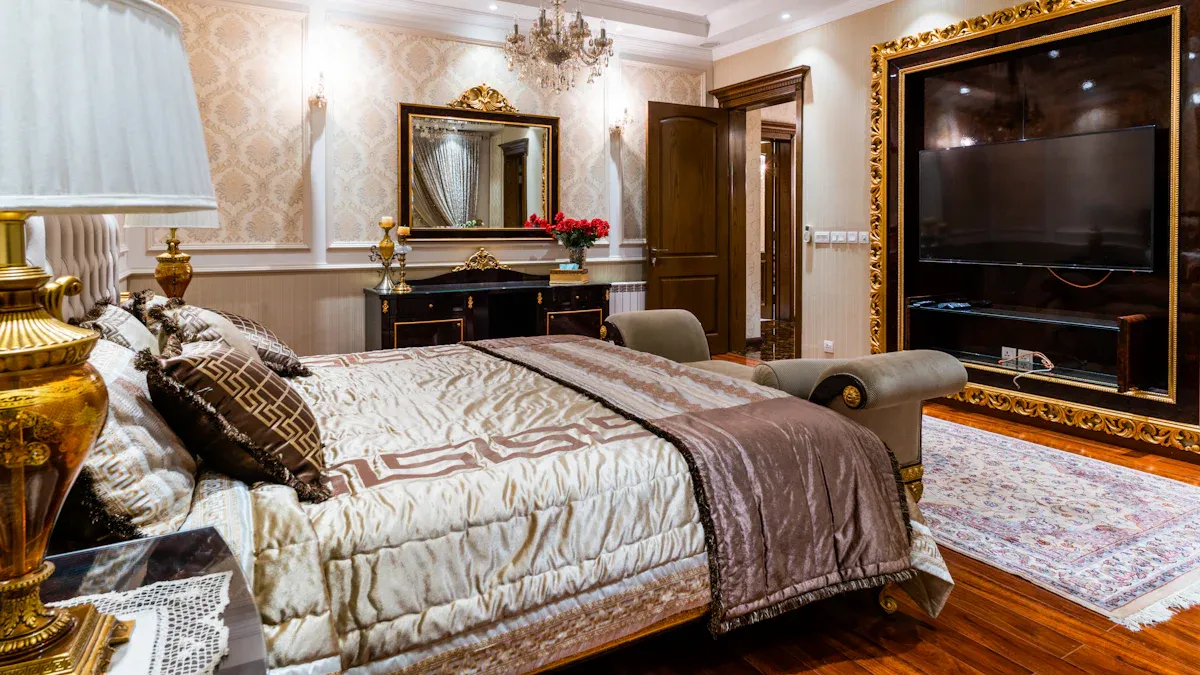
Selecting the right Hotel Room Furniture is a critical step. It ensures guest satisfaction and brand consistency. Each furniture type has specific criteria. Hoteliers must consider these carefully.
Criteria for Beds and Sleep Systems in Hotel Room Furniture
Hotels prioritize guest comfort. Beds and sleep systems are central to this goal. They must offer excellent support and durability. Mattresses come in various types. Memory foam, innerspring, and hybrid options exist. Each type provides different levels of firmness and contouring. Bed frames must be commercial-grade. They ensure stability and reduce noise. Headboards contribute to the room’s design. Their material and style integrate with the overall aesthetic. High-quality linens enhance the sleep experience. Hypoallergenic options cater to guest needs. Brand standards often dictate specific mattress firmness and bed height.
Choosing Casegoods and Storage Solutions for Hotel Room Furniture
Casegoods include dressers, nightstands, and wardrobes. They also include desks. These pieces provide essential storage. Manufacturers use various materials. Wood, laminates, and metal are common choices. Finishes must be durable and aesthetically pleasing. Functionality is key. Drawers should have smooth glides. Soft-close mechanisms improve user experience. Ample storage space helps guests organize belongings. Space optimization is important in smaller rooms. Modular designs offer flexibility. Some casegoods integrate technology. Charging ports are a common feature. Safes provide security for valuables.
Ergonomics of Seating and Lounge Hotel Room Furniture
Seating and lounge pieces enhance guest comfort. Armchairs, sofas, and desk chairs are common. Ergonomic design is crucial. It ensures proper support and comfort. Upholstery materials must be durable. They also need to be easy to clean. The material’s aesthetic should match the brand. The size and scale of seating must fit the room. Multi-functional seating, like sofa beds, maximizes space. Lounge areas offer guests places to relax or work. Thoughtful selection of these items improves the guest experience.
Functionality of Desks and Workspace Hotel Room Furniture
Desks and workspace furniture serve a vital role in modern hotel rooms. They provide guests with a dedicated area for productivity or personal tasks. A well-designed workspace enhances the guest experience, whether for business travelers or leisure guests needing to check emails. Hoteliers carefully consider several factors when selecting these pieces.
First, power access is paramount. Guests require convenient outlets for charging laptops, phones, and other electronic devices. Desks often integrate USB ports and standard electrical outlets directly into their surface or a nearby panel. This eliminates the need for guests to search for wall sockets.
Second, proper lighting is essential. A task light, such as a desk lamp, illuminates the workspace effectively. This prevents eye strain and allows guests to work comfortably. The lighting should be adjustable, offering different brightness levels or color temperatures.
Third, ergonomic design contributes significantly to guest comfort. A desk chair should provide adequate back support and allow for proper posture. Adjustable features, like seat height and armrests, cater to various body types. The desk height itself must also be appropriate for comfortable use.
Fourth, the size and layout of the workspace must fit the room’s dimensions. A desk should not overcrowd the room, yet it must offer sufficient surface area for a laptop and other items. Some designs feature pull-out shelves or hidden compartments to maximize functionality without sacrificing space.
Finally, the materials and finish of the desk and chair contribute to durability and aesthetics. Surfaces must resist scratches and spills, enduring frequent use and cleaning. The style should complement the overall room design, reinforcing the hotel’s brand identity. A functional workspace demonstrates a hotel’s commitment to guest convenience and productivity.
Material Innovation and Customization for Hotel Room Furniture
Sustainable Sourcing and Advanced Materials for Hotel Room Furniture
Hotels increasingly prioritize sustainability in their furniture choices. They seek materials that minimize environmental impact. Sustainable sourcing includes reclaimed materials, FSC-certified wood, and pure new wool. Unfinished timbers, reprocessed wood, plastic, metals, and bamboo also contribute to eco-friendly designs. These materials offer both durability and aesthetic appeal. Designers favor recycled wood, bamboo, rattan, wicker, and cane for their eco-friendliness. Advanced materials also enhance durability and aesthetics. These include wood, stone, leather, and wool for biophilic designs. Specific wood types like light woods with darker finishes or dark woods with rich grains offer natural beauty. Statement stones such as marble, granite, onyx, and travertine provide elegance and resilience. Performance fabrics like linens and velvets withstand heavy use. Modern metal finishes, including silver, chrome, and steel, offer a contemporary look for hardware.
Integrating Smart Technology into Hotel Room Furniture
Modern hotels integrate smart technology into furniture to enhance guest experiences. Built-in USB ports and outlets offer convenient device charging in beds, tables, and desks. Adjustable furniture pieces, such as desks, chairs, and bedside tables, provide personalized comfort. Smart mirrors offer weather updates and local recommendations. Wireless charging pads are incorporated into bedside tables and desks for cord-free charging. Built-in Bluetooth speakers allow guests to connect devices for music. Smart lighting systems, controllable via mobile apps, offer adjustable brightness and color. Smart TVs provide streaming capabilities and voice-activated controls for entertainment. Customizable voice-activated controls manage various room functions.
Achieving Unique Brand Identity with Custom Hotel Room Furniture
Custom furniture allows hotels to make a statement. It provides unparalleled personalization and attention to detail. These bespoke pieces extend the hotel’s story, creating an exclusive ambiance. This sets them apart from competitors. Custom furniture offers unlimited scope for creativity. It expresses a unique style and vision. This ensures no two hotels have the same look. It elevates the establishment. This blend of artistry and functionality creates an immersive experience and a lasting impression. Custom furniture enables hotels to achieve a distinctive and cohesive aesthetic. Designers meticulously integrate it with existing interior elements. It reflects a hotel’s unique brand identity in every aspect of its decor. A modern hotel might choose clean lines. A historic one might embrace ornate details. Custom furniture becomes an important storytelling element. It crafts a captivating narrative that resonates with guests. For example, a boutique hotel uses furniture to immerse guests in an authentic journey through time.
Optimizing Space and Functionality with Custom Hotel Room Furniture
Hotels often face the challenge of maximizing space within guest rooms. Custom furniture provides an effective solution. It allows designers to create pieces that fit perfectly into unique room layouts. This approach ensures every square inch serves a purpose. Guests benefit from more usable space and a less cluttered environment.
Custom furniture excels at multi-functionality. A single piece can serve several roles. For example, a custom-built desk might include a pull-out vanity mirror. This saves space by combining two essential items. Sofa beds are another excellent example. They offer comfortable seating during the day and transform into a bed at night. This is ideal for family suites or smaller rooms.
Integrated storage solutions are crucial for optimizing functionality. Custom wardrobes can fit precisely into wall alcoves. This utilizes otherwise wasted space. Beds can feature built-in drawers underneath. These drawers provide discreet storage for luggage or extra linens. Nightstands can incorporate charging stations and hidden compartments. These features keep surfaces clear and organized.
Modular furniture also offers great flexibility. Guests can rearrange components to suit their needs. A modular seating unit might separate into individual chairs or combine into a larger sofa. This adaptability enhances the guest experience. It allows guests to personalize their space.
A skilled furniture manufacturer works closely with hotels. They understand specific spatial constraints and brand requirements. They design and produce pieces that are both beautiful and highly functional. This collaboration results in rooms that feel spacious, organized, and efficient. Ultimately, optimizing space and functionality through custom furniture enhances guest comfort and satisfaction.
Evaluating Manufacturers for Hotel Room Furniture Projects
Assessing Manufacturer Capabilities and Quality Control for Hotel Room Furniture
When selecting a manufacturer for Hotel Room Furniture projects, hotels must thoroughly assess their capabilities. Key performance indicators (KPIs) offer a clear picture of a manufacturer’s operational efficiency and financial health. These metrics help evaluate a potential partner’s reliability and performance.
| KPI | Benchmark | Description |
|---|---|---|
| Gross Profit Margin | 25% – 55% | Measures profitability by subtracting Cost of Goods Sold (COGS) from total revenue, indicating efficiency in using labor and materials. |
| Overall Equipment Effectiveness (OEE) | 60% – 85% | Assesses manufacturing productivity by analyzing equipment availability, performance, and quality. |
| First Pass Yield (FPY) | 90% – 95% | Represents the percentage of products passing all quality checks on the first attempt without rework, directly measuring production quality. |
Beyond financial metrics, quality control is paramount. Manufacturers should hold specific certifications. These certifications ensure adherence to international standards and best practices.
- ISO9001: For quality management systems.
- ISO14001: For environmental management.
- FSC: Ensures responsible forestry practices.
- BIFMA: Pertains to commercial furniture performance.
Global Project Experience in Hotel Room Furniture Manufacturing
A manufacturer’s global project experience is invaluable for international hotel brands. Companies with extensive international exposure understand diverse market demands and logistical complexities. They have successfully delivered projects to various countries across different continents. This experience demonstrates their ability to meet varied brand standards and regulatory requirements worldwide. For instance, a manufacturer exporting to the United States, Canada, India, and European nations proves its adaptability and understanding of global markets. Such a background ensures they can handle the specific needs of any international hotel brand. This global reach also indicates a robust supply chain and efficient project management capabilities.
Ensuring Consistent Quality and Production Technology for Hotel Room Furniture
Consistent quality in hotel furniture relies heavily on advanced production technology. Manufacturers invest in modern machinery to achieve precision and uniformity in every piece.
Advanced production technology ensures every piece meets international standards.
Fully computer-controlled systems minimize human error. They ensure exact cuts, precise assembly, and flawless finishes. Advanced central dust collection systems maintain a clean working environment. This improves product quality and worker safety. Dust-free paint rooms guarantee superior, blemish-free finishes. These technologies collectively ensure each furniture piece consistently meets high international brand standards. They reflect a manufacturer’s commitment to excellence, durability, and long-term performance.
## Conclusion

Strategic selection of Hotel Room Furniture is crucial for brand reputation. It communicates a hotel's identity and values to guests. Quality furniture ensures long-term guest satisfaction and improves operational efficiency. Durable pieces [reduce replacement costs](https://www.taisenfurnitureblog.com/cost-effective-hotel-renovation-suppliers-for-luxury-refurbishment/) and maintenance. Hotels must prepare for the evolving landscape of design in 2025. They should embrace new technologies and sustainable practices. This forward-thinking approach keeps hotels competitive and relevant.
FAQ
What defines international brand standards for hotel furniture?
International brand standards ensure consistent guest experiences. They cover design, quality, and functionality. These standards reflect the hotel’s identity. They also meet global guest expectations.
Why is furniture durability crucial for hotels?
Durable furniture withstands frequent use and cleaning. It reduces replacement costs. It also maintains a high-quality appearance. This ensures guest satisfaction and operational efficiency.
How can hotels achieve a unique brand identity with furniture?
Hotels use custom furniture to create a distinctive look. Bespoke pieces reflect the brand’s unique style. This personalization sets the hotel apart. It offers guests an exclusive ambiance.
What role does smart technology play in modern hotel furniture?
Smart technology enhances guest convenience. It includes USB ports, wireless charging, and smart lighting. These features improve the guest experience. They also meet modern travelers’ expectations.


