
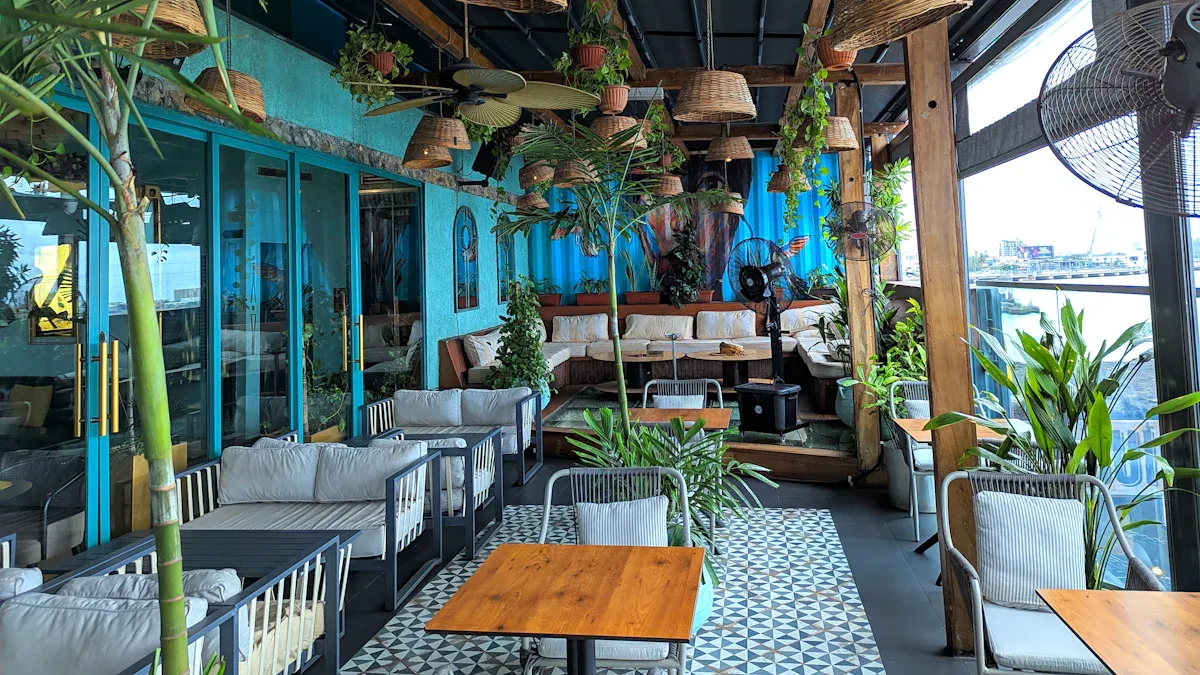
Luxury sustainable hotel furniture melds opulent design with environmental responsibility. This approach ensures each piece enhances the guest experience while minimizing ecological impact. The hospitality sector increasingly recognizes the importance of sustainable luxury. Guests now actively seek accommodations reflecting their values. In fact, 42% of consumers consider it "very important" to choose hotels demonstrating strong sustainability policies. This figure shows a significant increase from previous years. Sourcing Taisen hotel furniture, for example, allows hoteliers to meet this demand. As a bulk hotel furniture supplier, Taisen also helps hoteliers align with the growing need for commercial grade hotel furniture that meets hotel room furniture compliance standards. This shift underscores how sustainability has become a core expectation, not just a trend, for hotel furniture. When considering "What is the best material for hotel room furniture," Taisen offers durable and eco-friendly options that satisfy both aesthetic and functional requirements.
Key Takeaways
- Luxury sustainable hotel furniture combines beautiful design with care for the environment. It uses eco-friendly materials and ethical ways of making things.
- Choosing the right materials is important. Use reclaimed wood, fast-growing plants like bamboo, and non-toxic finishes. This helps the planet and keeps guests healthy.
- Ethical manufacturing means making furniture with less energy and waste. It also means treating workers fairly. Look for suppliers who use clean energy and recycle.
- Design furniture to last a long time. Choose classic styles and pieces that can be fixed or changed easily. This reduces waste and saves money.
- Check for certifications like FSC or GREENGUARD when buying furniture. These show that a supplier meets high standards for being green and ethical.
Defining Luxury Sustainable Hotel Furniture
Key Characteristics of Sustainable Luxury
Sustainable luxury in hotel furnishings transcends mere aesthetics; it embodies a profound commitment to environmental and social responsibility. This approach prioritizes materials and processes that minimize ecological impact while maintaining an elevated sense of design and comfort. A key characteristic involves sourcing locally.
“We like to rely on local artisans, resources, and suppliers for as much of the FF&E (furniture, fixture and equipment) and materials as possible so that we can reduce the emissions cost associated with transporting materials from other parts of the world. This also gives us an opportunity to include true local flavor, culture, and history into the project.”
This strategy reduces carbon emissions and infuses projects with authentic local culture. Designers once felt limited by sustainable material options. However, new innovations now make these materials luxurious and desirable. Vendors actively improve existing sustainable products to enhance their appeal. Natural dyes are a significant trend for wall coverings and fabrics. Suppliers find innovative ways to elevate these sustainable materials to ‘status symbols’. Marketing and brand partnerships are crucial for increasing the adoption of these materials. Producers make them feel more ‘sparkly and sexy’, which is central to this type of luxury. Sustainable luxury in hotel design is a conscious approach. It does not involve austerity. Instead, it integrates meaning, purpose, and intelligence. It involves sourcing materials that age gracefully over time. It utilizes systems that are restorative rather than harmful. It creates experiences deeply connected to the local place.
The Dual Imperative: Aesthetics and Ethics
The pursuit of luxury sustainable hotel furniture presents a dual imperative: balancing exquisite aesthetics with unwavering ethical standards. Hoteliers must select pieces that enhance guest experiences and reflect a commitment to responsible practices. This balance requires careful consideration of a product’s entire lifecycle. A significant portion, approximately 60-70%, of a hotel’s total lifetime emissions are embedded within the building itself. This includes the carbon footprint from the manufacturing, transportation, installation, and eventual disposal of construction materials, finishes, and all furniture, fixtures, and equipment (FF&E). Therefore, every choice, from raw material to final finish, carries ethical weight. Designers and procurement teams must ensure that the beauty of the furniture does not come at the expense of the planet or its people. This means prioritizing durability, timeless design, and materials with low embodied carbon.
Strategic Material Selection for Sustainable Hotel Furniture
Embracing Reclaimed and Recycled Materials
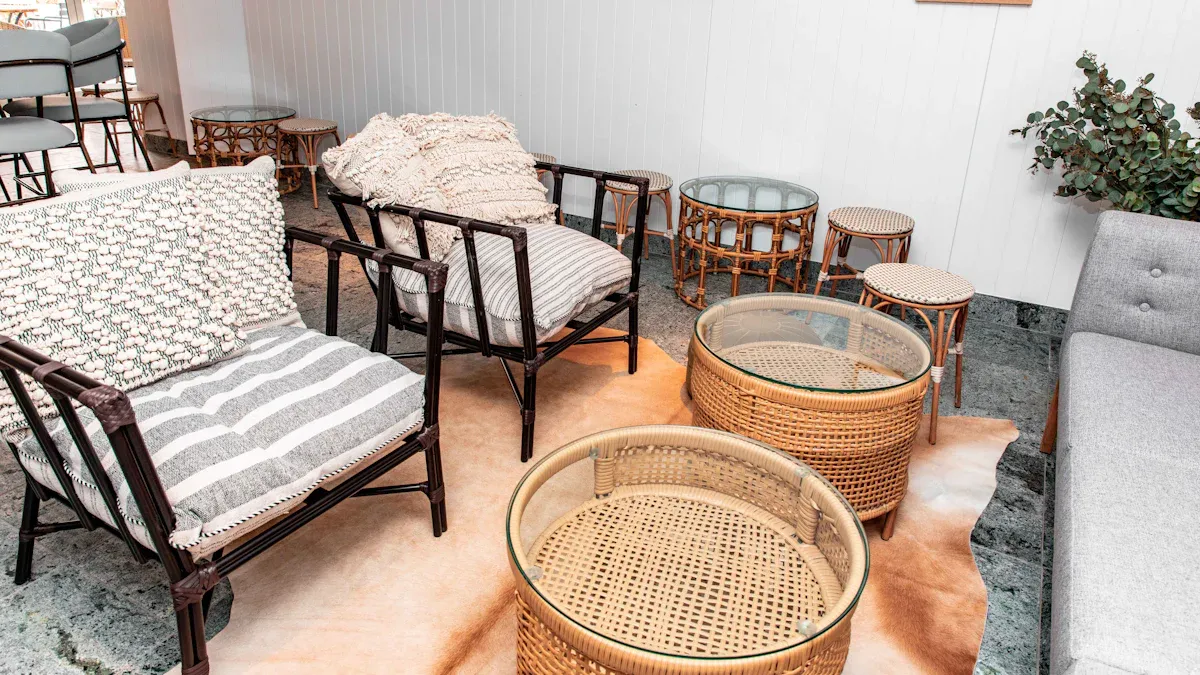
Selecting materials with a minimal environmental footprint is crucial for sustainable hotel furniture. Reclaimed wood offers timber a second chance at life. It repurposes salvaged wood from old structures like warehouses and barns. This practice extends the lifecycle of timber. Well-cared-for wood can last for decades or centuries. Choosing reclaimed wood is environmentally friendly. It helps combat deforestation, a major global environmental issue. Reclaimed wood can also be more durable than new timber. Its natural aging process allows it to dry out completely. This reduces splitting or warping. Recycled metals also contribute to sustainability. They reduce the need for new mining and processing.
Utilizing Rapidly Renewable Resources
Rapidly renewable resources offer excellent sustainable options for hotel furniture. These materials grow and replenish quickly. Bamboo is a highly sustainable choice. It grows rapidly, self-regenerates, and is abundant. Modern processing allows its use in various applications, including boards, panels, and fabrics. Bamboo possesses tensile strength greater than steel, making it durable for hospitality furniture. Cork is another renewable resource. Harvesters obtain it from bark. Cork is lightweight, soft, and very durable. It offers excellent insulation for heat and sound. Designers can incorporate cork into headboards, end tables, nightstands, chairs, and benches.
Prioritizing Non-Toxic Finishes and Adhesives
Prioritizing non-toxic finishes and adhesives is vital for guest and staff well-being. Chemicals in furniture can contaminate the environment. They create a toxic atmosphere with significant health risks. These risks are especially amplified in confined hotel rooms. Specifying eco-friendly interior design materials helps create a safer environment. Paints, sealants, adhesives, composite woods, and synthetic fabrics often emit Volatile Organic Compounds (VOCs). VOCs are linked to headaches, fatigue, and respiratory irritation. Other chemicals like formaldehyde and flame retardants can persist in the human body. These compounds accumulate indoors. Indoor air can be five times more contaminated than outdoor air. Non-toxic interiors use Zero-VOC paints, natural plasters, and plant-based finishes. These materials allow air circulation and surfaces to ‘breathe’. Low-VOC lacquers, water-based stains, and solvent-free glues reduce hazardous off-gassing. They make indoor spaces healthier for both employees and visitors.
Ethical Manufacturing Practices for Hotel Furniture
Ensuring Energy Efficiency in Production
Ethical manufacturing prioritizes energy efficiency to reduce environmental impact. Manufacturers adopt various strategies. They use renewable energy sources like solar and wind to power facilities. Many source materials locally. This practice reduces transportation-related emissions. Factories also recycle wood scraps and cardboard on-site. They reuse excess materials. Some repurpose items that would otherwise go to waste, such as using unused wood to build pallets. Investing in advanced machinery, like state-of-the-art CNC machines, also improves efficiency. These machines offer greater precision, reduce waste, and decrease labor time. Other facilities depend on low-impact energy sources, such as hydroelectricity. These methods significantly lower the carbon footprint of hotel furniture production.
Implementing Waste Reduction and Circularity
Manufacturers actively implement waste reduction and circularity strategies. These practices minimize landfill contributions and promote resource longevity. Extended Producer Responsibility (EPR) is one policy approach. It extends a producer’s responsibility to a product’s post-consumer stage. This legally requires manufacturers to manage disposal or recycling. EPR encourages circular design practices from the outset. Marriott’s MindClick Sustainability Assessment Program (MSAP) also drives circularity. This program places the burden of circularity on their supply chain. It incentivizes manufacturers to design products for disassembly, reuse, and recycling. These initiatives ensure products have a longer life cycle and less environmental impact.
Upholding Fair Labor and Social Responsibility
Ethical manufacturing also upholds fair labor and social responsibility. This ensures humane and equitable working conditions. Manufacturers prohibit forced labor and child labor. Employers must not discriminate in employment or treatment of workers. Workers have the right to form associations and engage in collective bargaining. Work conditions must adhere to Health and Safety and Product Safety standards. Organizations like the International Labour Organization (ILO) set global standards. The Fair Labor Association (FLA) also establishes labor rights in manufacturing. The World Fair Trade Organization (WFTO) enforces Ten Principles of Fair Trade. These principles align with ILO standards and human rights. These frameworks ensure ethical practices throughout the production process.
Designing Durable and Timeless Hotel Furniture
Crafting Timeless Aesthetics and Adaptability
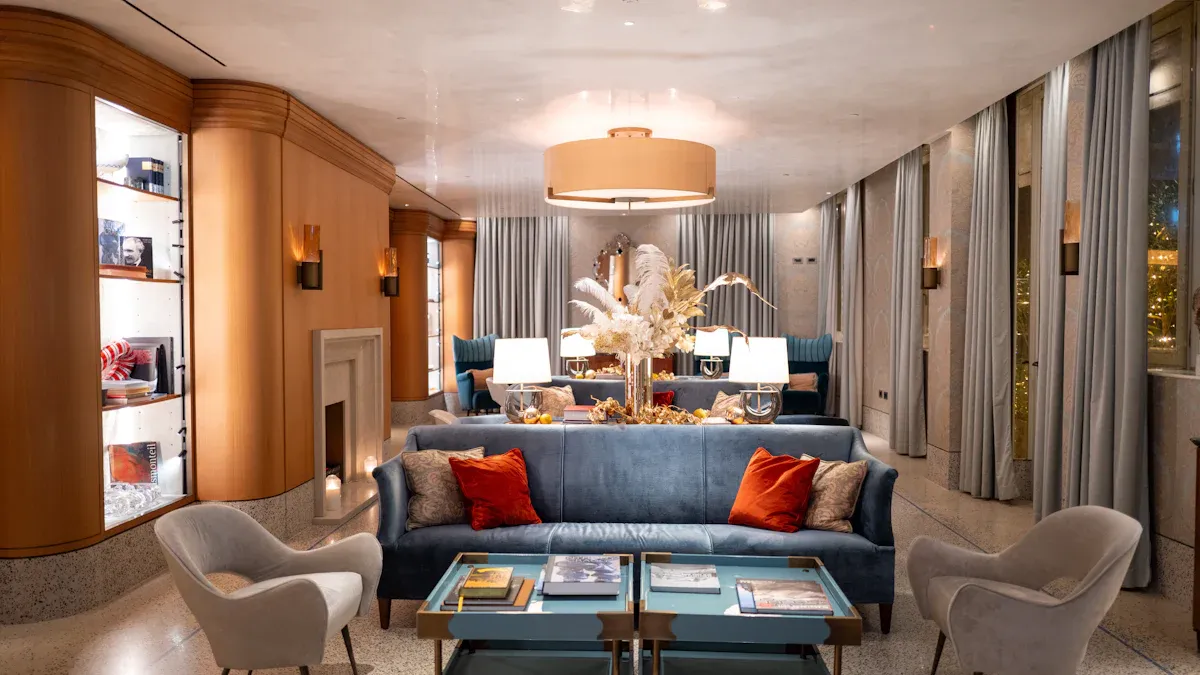
Designing hotel furniture for longevity requires a focus on timeless aesthetics and adaptability. This approach ensures pieces remain relevant and appealing for years, reducing the need for frequent replacements. Key principles include simplicity and minimalism, characterized by clean lines and uncluttered spaces. Hoteliers prioritize quality over quantity, investing in durable, high-quality materials and craftsmanship. Neutral color palettes, such as earthy tones, whites, and blacks, create versatile backdrops. These colors complement other design elements and allow for future updates. Harmonious proportion and balance ensure furniture visually aligns with the architecture. Designers also select enduring materials like marble, hardwood, and natural stone. These materials age gracefully and enhance acoustics and thermal regulation. Functional layouts prioritize guest flow and space utilization, making areas intuitive and comfortable. Premium quality materials, such as solid wood and luxurious upholstery, provide opulence, comfort, and durability for high-traffic areas.
Incorporating Modular and Repairable Designs
Modular and repairable designs significantly extend the lifespan of hotel furniture. This design strategy allows for easier replacement of worn elements, minimizing disruption during refurbishment. Modular furniture contributes to sustainability because individual modules can be replaced during reconfiguration. This avoids discarding entire pieces, which reduces waste and enhances the furniture’s overall service life. Such designs are inherently durable, constructed from materials built to withstand frequent use. This reduces the need for complete replacements. Hotels can simply update or rearrange sections. When components require updating, individual parts can be replaced instead of the entire unit. This significantly minimizes waste and costs, contributing to a longer product life.
Integrating Biophilic Elements for Well-being
Integrating biophilic elements into hotel furniture design enhances guest well-being. Biophilic design significantly reduces stress and promotes relaxation. It fosters psychological well-being, creating feelings of connection, contentment, and engagement. Natural elements create a calming atmosphere, promoting peace and tranquility. Biophilic design aids in memory restoration, enhanced perception, and psychological responsiveness. For example, wood with visible grain in furniture relaxes the autonomic nervous system, directly impacting stress levels. Integrating natural patterns, colors, and elements in furniture promotes comfort and tranquility. Warm wooden tones, earth-inspired hues, and natural textiles make spaces feel restorative. This approach enhances the human experience and contributes to a healthier environment, fostering a deeper connection to the outdoors.
Evaluating Global Suppliers of Sustainable Hotel Furniture
Sourcing luxury sustainable hotel furniture requires careful evaluation of global suppliers. Hoteliers must identify partners who align with their commitment to both opulence and environmental responsibility. This process involves scrutinizing a supplier’s reputation, certifications, and capabilities.
Identifying Reputable Manufacturers and Vendors
Identifying reputable manufacturers and vendors forms the foundation of successful sustainable sourcing. Reputable vendors prioritize sustainability and eco-friendliness. They source materials responsibly. They also utilize sustainable production practices. These suppliers offer eco-friendly furniture options. Furthermore, suppliers with certifications or partnerships with sustainable organizations demonstrate a strong commitment to environmental responsibility. Beyond sustainability, reputable suppliers possess experience, a strong reputation, and deliver high-quality products. They also provide custom solutions.
Several manufacturers stand out in the global market for their commitment to sustainable luxury. Harman Furnishings, for example, utilizes eco-friendly materials and offers stable craftsmanship. Wisanka Furniture is known for solid wood craftsmanship and eco-friendly finishes. Fable, a British manufacturer, focuses on fashionable and eco-friendly furniture for hospitality, emphasizing high-quality craftsmanship and sustainability. AA Corporation, one of Vietnam’s largest furniture manufacturers, receives recognition for quality, sustainability, and innovation in hotel furniture solutions. ScanCom International leads in sustainable outdoor furniture for hospitality, combining dedication to sustainability with stylish and durable designs. Green Furnishings is a top choice for environmentally-friendly furniture. They commit to using sustainable materials and practices. Their furniture is chic and contemporary. Eco Furniture leads in providing eco-friendly furniture solutions. They utilize recycled materials and sustainable sources. XYZ Interiors is known for innovative designs and top-notch craftsmanship with a focus on sustainability. They create stylish and environmentally friendly furniture.
Verifying Environmental and Ethical Certifications
Verifying environmental and ethical certifications is a critical step in evaluating suppliers. These certifications provide independent assurance of a product’s sustainability claims. They confirm adherence to stringent environmental and social criteria.
Hoteliers should look for several key environmental certifications:
- ANSI/BIFMA e-3 Furniture Sustainability Standard – level® certified: The US EPA recognizes this standard for furniture sustainability.
- Cradle to Cradle Certified™ Product Standard: This comprehensive certification covers products designed for circularity and environmental health.
- Good Environmental Choice Australia (GECA) Furniture, Fittings, and Foam: This Australian certification applies to environmentally preferable furniture products.
- TÜV Rheinland® Green Product Mark: This mark indicates a product meets specific environmental criteria set by TÜV Rheinland.
- International Living Future Institute: Living Product ChallengeSM1.0: This rigorous certification applies to products that are healthy, transparent, and give back more than they take.
- Sustainable Furnishings Council Exemplary: This recognition highlights companies demonstrating leadership in sustainable practices within the furnishings industry.
- Sustainable Materials Rating Technology (SMaRT): This multi-attribute standard evaluates the sustainability of materials and products.
- GOTS Certified: The Global Organic Textile Standard ensures furniture components like cotton and wool use at least 95% certified organic raw materials. It also enforces worker protections.
- GREENGUARD Certified: This certification indicates furniture meets strict standards for low volatile organic compounds (VOCs) and chemical emissions. It improves indoor air quality.
- OEKO-TEX Certified: This independent system verifies all components of a furniture item, including textiles, wood, and metal, are free from harmful substances.
- FSC Certified: The Forest Stewardship Council ensures wood and paper products originate from responsibly managed forests.
Ethical certifications also play a vital role.
- Fair Trade Certification: This certification guarantees fair wages for workers, supply chain transparency, and the use of ethically sourced materials.
- B Corporation: B Corps meet high standards for social and environmental performance, transparency, and legal accountability. They balance profit with purpose.
- Climate Neutral Certified: Brands with this certification measure and offset their entire carbon footprint. They actively work to reduce future emissions.
Certifications like level™ assess a product’s entire supply chain against environmental and social criteria. They evaluate corporate policies, manufacturing facilities, and product performance in material use, energy, human/ecosystem health, and social responsibility. GREENGUARD certification ensures products meet Indoor Air Quality Standards. This is particularly relevant for buildings seeking LEED certification. FSC® certification aims to increase certified manufacturing facilities and eliminate unwanted wood sources.
Assessing Customization and Scalability Capabilities
Assessing a supplier’s customization and scalability capabilities is crucial for hotel projects. Hotel furniture often requires tailoring to specific spatial functions and design requirements. Hoteliers should inquire if suppliers offer custom hotel furniture solutions. These solutions must align with the hotel’s theme. They should also ask if suppliers can modify dimensions, materials, or finishes based on specific requirements.
Suppliers must ensure custom designs align with hotel furniture quality assurance standards. They should confirm the materials they primarily use, such as solid wood, engineered wood, or metal. They must also follow strict quality guidelines. High-quality, sustainable materials prevent frequent replacements. This is crucial for sustainable projects.
A reputable supplier often has an internal team of designers. This team can mix and match existing products for various themes. They offer flexible products adaptable to different styles. Their commitment to sustainability and eco-friendly practices, including furniture made from recycled materials and environmentally friendly production processes, is paramount.
Hoteliers should assess full-chain customization capabilities, from design to production. A complete R&D and design team can tailor furniture solutions based on a hotel’s style and functional needs. This allows flexible adjustments in material selection and craftsmanship. International certifications such as FSC, CARB, and ISO provide strong support for sustainable projects. They ensure products meet global standards for environmental protection, safety, and quality. Taisen, for example, specializes in OEM (custom) chair and hotel project furniture. They have over ten years of experience making hotel project furniture. This demonstrates their capability to handle custom and scalable projects.
The Tangible Benefits of Sourcing Sustainable Hotel Furniture
Enhancing Brand Reputation and Guest Experience
Sourcing sustainable hotel furniture offers significant advantages for a hotel’s brand and guest satisfaction. A commitment to sustainability greatly improves a hotel’s brand image. Consumers increasingly consider environmental issues when making purchasing decisions. This approach attracts a larger demographic of eco-conscious guests. Hotels differentiate themselves as eco-friendly, gaining a competitive edge in a crowded market. This appeal often becomes a deciding factor for guests comparing options. They prefer establishments aligning with their values. Hotels with thoughtfully designed furniture see a 20% increase in positive reviews related to comfort. Sustainable design, including eco-friendly furniture from reclaimed wood, bamboo, and recycled materials, attracts these travelers. It contributes to a memorable guest experience and positive reviews. A study of LEED hotels in Europe and the U.S. found a strong link between sustainable design and customer satisfaction. Design in rooms, including sustainable elements, can create positive emotions in customers. This leads to a memorable experience.
Achieving Long-Term Cost Savings and ROI
Investing in durable sustainable hotel furniture provides substantial long-term cost savings and a strong return on investment. Eco-friendly furniture proves more economical over time, despite a potentially higher initial investment. The durability and high quality of these pieces minimize the need for frequent replacements. Durable materials and high-quality construction in sustainable furniture lead to less frequent repairs and replacements. The inherent durability of sustainable furnishings extends their lifespan. This further reduces the need for new purchases. A commitment to sustainability can also attract environmentally conscious guests. This potentially leads to increased revenue and financial benefits.
Contributing to Environmental Stewardship
Sourcing sustainable hotel furniture significantly contributes to environmental stewardship. Utilizing eco-friendly materials like sustainable woods, recycled materials, bamboo, and reclaimed wood minimizes environmental harm. Non-toxic finishes further protect the environment. Implementing sustainable production practices, such as waste reduction and using energy-efficient equipment, decreases environmental impact. Local material sourcing also reduces transportation emissions. Prioritizing durability and longevity in furniture reduces the need for frequent replacements. This lowers associated environmental impacts. Using recycled materials reduces the need to mine and process new raw materials. This saves energy and lessens environmental impact. It gives waste materials a second life, reducing waste volume. This conserves valuable resources and helps avoid high disposal costs. Recycled materials contribute to global climate goals by conserving resources and reducing waste. This approach reduces the ecological footprint associated with conventional furniture production.
Mastering sustainable luxury sourcing requires a holistic approach. Hoteliers must integrate exquisite aesthetics with unwavering ethical standards. This involves strategic material selection, ethical manufacturing, and durable design. The future of hotel furniture design clearly points towards greater responsibility. It emphasizes environmental stewardship and enhanced guest well-being. Hotels increasingly prioritize these elements for long-term success.
FAQ
What defines luxury sustainable hotel furniture?
Luxury sustainable hotel furniture blends opulent design with environmental responsibility. It uses eco-friendly materials and ethical production methods. This approach minimizes ecological impact while enhancing the guest experience.
Why are certifications important for sustainable furniture?
Certifications like FSC or GREENGUARD verify a product’s sustainability claims. They ensure adherence to strict environmental and social standards. These certifications provide independent assurance of ethical sourcing and production practices.
How do reclaimed materials contribute to sustainability?
Reclaimed materials, such as wood from old structures, give resources a second life. This practice reduces waste and combats deforestation. It also often provides more durable and unique furniture pieces for hotels.
Can sustainable hotel furniture save money long-term?
Yes, sustainable furniture often offers greater durability and quality. This reduces the need for frequent repairs and replacements. Its longer lifespan leads to significant cost savings over time for hoteliers.
What is biophilic design in hotel furniture?
Biophilic design integrates natural elements into furniture. It uses natural patterns, colors, and materials like wood grain. This design approach enhances guest well-being, reduces stress, and promotes relaxation.


