
Custom hotel furniture projects typically involve a total lead time of 14 to 18 weeks. This timeframe spans from initial design to final delivery. Many factors influence this duration. Some customization efforts experience delays.
- 41% of hotel furniture customization projects face supply delays from disrupted material sourcing and international logistics.
- 42% of projects see delays due to extended design-to-delivery cycles.
- Custom furniture orders need 35% more time for fabrication.
A reliable Hospitality Furniture Supplier understands these complexities. They manage detailed Hotel Project Furniture Specifications. A thorough China Furniture Factory Audit ensures quality. This process helps determine what makes Taisen Furniture a reliable OEM partner. Choosing a Custom Casegoods Supplier with experience is key.
Key Takeaways
- Custom hotel furniture projects usually take 14 to 18 weeks. This time includes design, making the furniture, and shipping it.
- Many things can make projects take longer. These include hard-to-find materials, complex designs, and slow approvals.
- You can speed up your project. Plan early, talk clearly with everyone, and choose materials that are easy to get.
- Approving designs quickly is very important. Delays in approvals can stop the whole project from moving forward.
- Working with experienced furniture makers helps a lot. They can make sure your furniture arrives on time and is good quality.
Understanding the Overall Timeline for Custom Hotel Furniture Projects
Average Project Duration
When you plan for custom hotel furniture, understanding the timeline is crucial. Typically, the entire process, from final approvals and deposit to the actual installation, takes about 8 to 14 weeks. This timeframe covers a lot of ground. However, some projects might need a bit more time. For instance, if your design includes intricate metalwork or requires special finishes, you can expect an additional two to three weeks. These specialized elements demand extra care and precision during manufacturing. Therefore, planning for these potential extensions helps manage expectations for your hotel furniture projects.
Key Stages Overview
Creating custom hotel furniture involves several distinct phases. Each step ensures the final product meets your vision and quality standards. Here is a breakdown of the key stages:
- Concept Development: This initial phase involves brainstorming ideas and gathering inspiration. Designers create a vision for the furnishings, considering aesthetics, functionality, and comfort. They might use mood boards, sketches, and mock-ups to bring ideas to life.
- Detailed Design and Specification: Next, teams create detailed designs. They select specific materials, finishes, and textures. Collaboration with manufacturers is very important here. This ensures the designs are feasible to produce within your budget and timeline.
- Sampling and Prototyping: Before full production, manufacturers often create samples or prototypes. You can evaluate these for quality and design. This stage allows for feedback and testing for comfort, aesthetics, and durability. Any necessary adjustments happen here before final production begins.
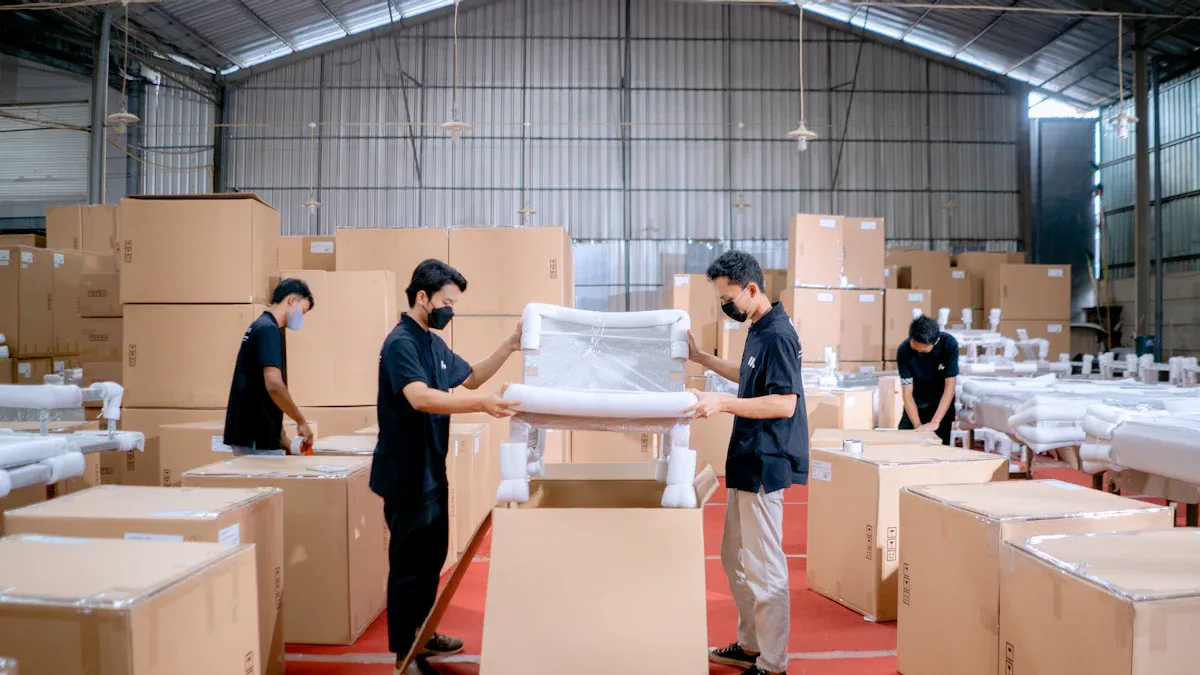
- Production/Manufacturing: Skilled craftsmen then bring the approved designs to life. They focus on quality and precision. Regular communication between the design team and manufacturers is essential during this phase.
- Installation and Quality Assurance: The final stage involves careful coordination for delivery and installation. Professional installers ensure each piece is placed correctly according to the design plans. After installation, a comprehensive quality assurance check identifies and addresses any defects or inconsistencies.
Breaking Down the Custom Hotel Furniture Project Timeline
Initial Design Phase (1-2 Weeks)
The journey of creating custom hotel furniture begins with the initial design phase. This stage typically takes about 1 to 2 weeks for the first consultation. During this time, teams brainstorm and conceptualize ideas. They envision the space’s look and discuss brand identity, values, and design aesthetics with the hotel. Designers then translate these concepts into initial design sketches. This brings the hotel’s vision into a physical form.
This phase also includes a design refinement stage. Here, designers delve deeper into translating conceptual designs into practical schematics. Open communication and feedback from the hotel shape iterations until everyone achieves a refined design. They review the hotel’s ambiance, brand essence, target audience, and budget to define clear objectives. They also develop comprehensive 3D visualizations. These help preview furniture placement, textures, and finishes. While the initial consultation might be quick, the entire design and planning phase can range from 2 to 6 weeks, or even 6 to 12 weeks for more complex designs.
Drawing and Approval Phase (4-5 Weeks)
After the initial design, the project moves into the drawing and approval phase. This crucial step often takes 4 to 5 weeks. Furniture manufacturers convert initial design concepts into detailed shop drawings. These drawings include scaled elevations, sections, material and finish specifications, ergonomic adjustments, compliance information, and installation requirements. This stage helps identify and resolve any technical or material limitations before production starts.
The designer then reviews these shop drawings. They ensure the drawings align with the original vision. This includes checking visual integrity, functionality, and buildability. This iterative review process protects the brand image and helps manage project budgets. This approval phase is the final opportunity for all decision-makers to review choices. They sign off on sales orders and drawings and make the down payment. It confirms the design matches the vision before manufacturing begins.
Teams must thoroughly check key details. These include wood species and finish colors, door and drawer styles, hardware, countertop materials, and sink styles. All decision-makers should participate in this review. Manufacturing lead time begins only after securing all approvals and processing the down payment. Timely approval is essential for keeping the project on schedule. Drawings are typically sent to the customer for review in week 2. Customers return any edits, approvals, or questions by week 3. Prompt feedback at this stage is crucial for maintaining the project schedule for hotel furniture projects.
Manufacturing and Production Phase (8-12 Weeks)
Once everyone approves the drawings, the project enters the manufacturing and production phase. This stage typically spans 8 to 12 weeks. Skilled craftsmen begin production, using high-quality materials and techniques. They pay meticulous attention to detail, from material selection to the finishing touches. Manufacturers provide updates on progress throughout this phase.
This phase also integrates sustainability and environmentally-friendly practices. This involves using responsibly sourced materials, such as FSC-certified wood and eco-friendly finishes. These practices minimize environmental impact. After manufacturing, the furniture undergoes careful inspection and packaging. Finally, delivery and installation are coordinated to ensure safe arrival and setup to the client’s satisfaction. While a specific project might complete production in 23 days, the general timeframe of 8 to 12 weeks assumes all necessary fabrics and special materials arrive on schedule after the drawings have been approved.
Factors Influencing Lead Times for Hotel Furniture Projects

Material Availability and Sourcing
The materials you choose for your custom hotel furniture significantly impact how long your project takes. Sometimes, getting specific materials can cause delays. For example, supply chain disruptions, perhaps from geopolitical conflicts or natural disasters, can affect material availability and even pricing. This means manufacturers might wait longer for certain woods, fabrics, or metals. When you choose custom-made luxury furniture, these pieces often require unique or rare materials. This can lead to longer lead times, which might delay your entire hotel project. Manufacturers work hard to source materials efficiently, but external factors can always play a role.
Design Complexity and Customization
The complexity of your furniture design directly affects the production timeline. Think about it: a simple, standard chair takes less time to build than an intricately carved headboard with multiple finishes. A general rule says that the more complex the customization, the more time it will take to produce. This inevitably pushes back the delivery date. This holds especially true for innovative or multi-functional pieces. These items often demand unique dimensions, specific styles, and custom components. The production timeline for custom hotel furniture is directly influenced by the complexity of its design. More intricate designs generally require a longer production period. The process involves various stages like cutting, shaping, assembling, and finishing. Each of these stages can take longer because of design complexity.
Order Volume and Production Capacity
The size of your order and the manufacturer’s ability to produce it also play a big role in lead times. Manufacturers’ monthly output capabilities vary a lot. This depends on their facility size and the complexity of the designs they handle. Large manufacturers can produce thousands of pieces monthly. However, specialty producers focus on custom designs. This leads to lower output but higher detail in each piece. If a manufacturer has a full order book, it can delay new orders.
A manufacturer’s production capacity directly impacts the time needed for production. This production time is a key part of the overall project lead time. So, higher manufacturing capacity generally means shorter production times. This, in turn, reduces the total project lead times. Manufacturers also use smart strategies to speed things up. For instance, they use batch grouping. This means they consolidate similar items. This becomes more effective as the number of panel components increases. It significantly reduces equipment adjustment time and overall processing time. For example, optimizing 80 panels into 10 batches reduced completion time from 1318 seconds to 1278 seconds. For 200 panels, grouping into 13 batches reduced completion time from 3208 seconds to 2866 seconds. For very large orders, like 2000 panels, batch production optimized the production cycle by 30.2%, reducing completion time from 36,210 seconds to 25,675 seconds. These methods help keep your hotel furniture projects on schedule.
Shipping Logistics and Destination
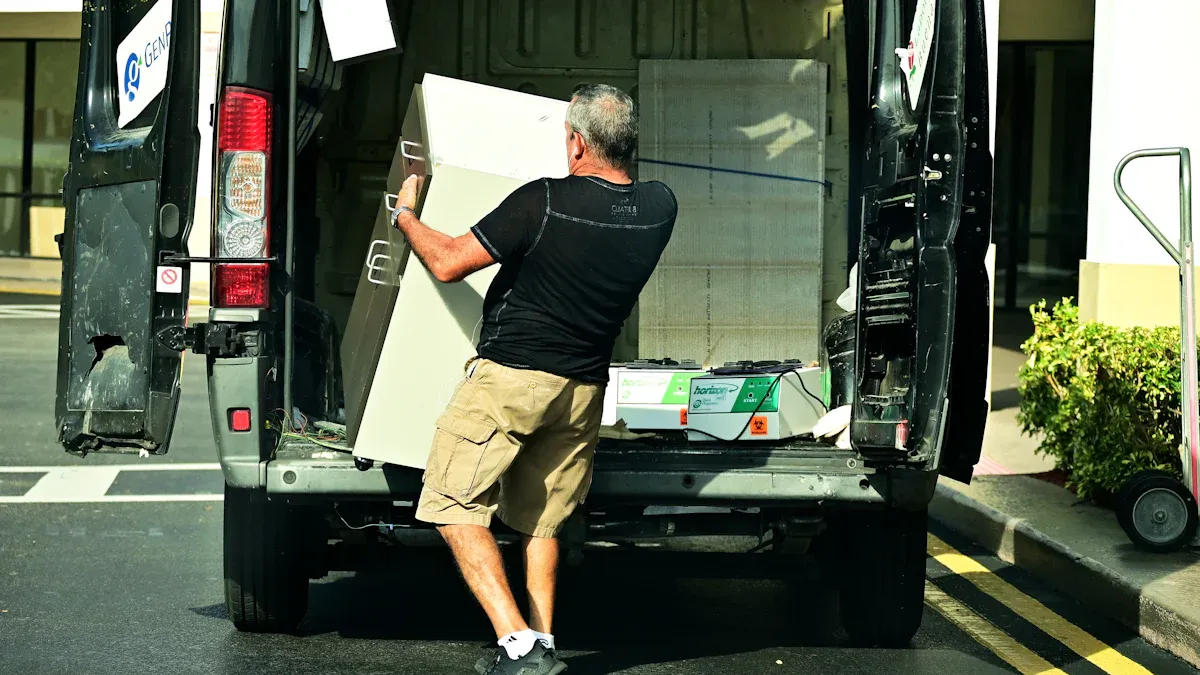
The journey of your custom hotel furniture does not end when it leaves the factory. Shipping logistics and the final destination significantly influence the overall delivery timeline. Different shipping methods cater to various needs and sizes. For smaller items, carriers like UPS offer services such as UPS Ground. For larger or multiple pieces that need palletizing or crating, TForce Freight is an option. UPS Worldwide Express Freight handles international shipments. FedEx provides similar services, including FedEx Ground for smaller items and FedEx Freight for larger pieces or those needing special packaging. FedEx International Freight manages global shipping.
For items too large for parcel carriers but not requiring an entire truck, LTL (Less Than Truckload) freight shipping is a cost-effective choice. It consolidates shipments from multiple customers. If you have large quantities or oversized items that need a whole truck, FTL (Full Truckload) freight shipping offers faster transit times and fewer handling points. A premium service called white-glove furniture delivery includes delivery, unpacking, assembly, placement, and removal of packaging materials. You can also choose between expedited freight, which is faster but more costly, and economy freight, which is less expensive but slower. National carriers like UPS and FedEx are common for domestic shipping, while local carriers work well for shipments within the same city or county.
International shipping times for custom hotel furniture face significant impacts from customs clearance processes. Each country has unique import and export regulations, which can vary greatly. A primary cause of delays is incomplete or incorrect documentation. This includes missing invoices, inaccurate value declarations, or absent necessary certificates. Such errors can lead to additional checks, fines, or requests for more documents. This potentially adds days or even weeks to the delivery schedule. International shipping regulations for custom hotel furniture are also subject to evolving customs rules and import duties. Key changes that can impact delivery times include updated Harmonized System (HS) codes for furniture categories, new sustainability requirements for wood-based products, and stricter documentation for antique or high-value furniture.
Client Responsiveness and Approvals
Client responsiveness plays a critical role in keeping custom furniture projects on schedule. Delays in approvals, especially when they push accessories sourcing to the last minute, can lead to substantial budget overruns, frustrating stock shortages, and logistical complications. This is particularly true for specialty items, which often have extended lead times. Early planning and timely approvals are crucial for a seamless project and avoiding delays.
Client approval delays, particularly concerning brand and franchise checkpoints for design, FF&E (Furniture, Fixtures, and Equipment), and signage, can significantly impact project timelines. Missing these crucial approval stages often leads to extensive rework or, in severe cases, delayed hotel openings. The custom design process for hotel furnishings inherently includes seeking approvals as a critical step. Delays in this approval stage directly affect the overall project schedule, alongside other elements like material selection, design, manufacturing, and delivery.
To ensure timely client responsiveness, manufacturers and designers employ several best practices. They define the project timeline and process clearly, explaining phases, decision points, and feedback mechanisms to set expectations. They focus on milestones, not micro-updates, sharing progress at significant stages like concept approval or final review. This keeps clients informed without overwhelming them. Using visuals whenever possible, such as mood boards, renders, or spec sheets with images, conveys information quickly and effectively, avoiding miscommunication.
"We offer a premium service, but sending clients Excel files made it seem anything but premium," says Lukas from Senkus Design. "thesheet just looks better – everything’s in one place, and it’s easy to share."
Simplifying how they share updates also helps. They utilize tools that allow clients to access all project information in one place, streamlining communication and engagement. Making feedback clear and structured involves asking specific questions, like "Do you prefer Option A or B?" instead of general ones, to elicit actionable feedback. Offering product alternatives upfront provides backups and accelerates decision-making if a client dislikes an initial choice. Being proactive, not reactive, means flagging potential issues early to maintain transparency and build trust, especially concerning budgets or timelines.
"You can offer different options, clip products straight into the project, and have conversations directly with the client," says Paola from Own Space Interiors about using her preferred tool – thesheet.
Here are some detailed steps for managing client approvals:
- Be honest about time, budget, and possibilities. Set clear boundaries early on regarding what is achievable within the client’s budget and timeframe to prevent misunderstandings and frustration.
- Break the project into clear milestones. Divide the project into manageable phases, such as concept development, sourcing, and installation, with clear beginnings and ends. This helps clients track progress and provides logical points for feedback or approvals.
- Set decision points and deadlines. Establish specific deadlines for client approvals on materials, layouts, or furniture selections, and communicate the implications of delays to ensure accountability and maintain the project timeline.
- Communicate clearly, not constantly. Focus on providing essential updates at the right time, avoiding information overload. Use visuals over long descriptions to keep clients informed without overwhelming them.
- Schedule weekly or bi-weekly check-ins. Bundle updates into regular, scheduled check-ins to ensure consistent communication and maintain client engagement, rather than scattering information across various channels.
- Handle mid-project changes like a pro. Document and track all changes, no matter how small, and ensure every adjustment receives approval in writing within the project management platform to avoid disputes and maintain project integrity.
"Most clients don’t want long emails. With thesheet, they can see images, links and my notes all in one place. It’s just easier for them to follow." says Paola Castillo, Founder, Own Space Interiors.
Designers also use specific techniques to get clear feedback. They ask clients flat out why they do not like any of the options presented. This direct, tactful questioning can uncover the root cause of client dissatisfaction and clarify their preferences. They put in provision revisions in their contract. This includes revision clauses in contracts to set expectations early and encourages clients to be more deliberate with their choices, as they understand potential costs. Limiting the interior design options to only two or three variants prevents client paralysis from too many choices and maintains a professional image. Asking clients to sort images of design styles, furniture, and accessories into ‘love’ and ‘hate’ piles, or having them find images themselves, helps designers better understand their vision. They also ask "inverted pyramid" questions, starting with broad questions like ‘What colors do you like?’ and gradually moving to more specific ones like ‘How will this room be used?’ to guide clients in articulating their needs. Finally, using mood board tools helps present design intent visually, allowing clients to get a better feel for ideas and facilitating easier updates.
Strategies for Expediting Your Custom Hotel Furniture Projects
Early Planning and Clear Communication
Expediting custom furniture projects starts with early planning and clear communication. Dedicated project management greatly improves communication. Project managers ensure everyone understands expectations. This includes designers, architects, contractors, and clients. They make sure all specific needs are met. Specialized digital tools act as a central hub for all project information. This goes from initial specifications to final installation. These tools provide real-time visibility. They help make quick, informed decisions. This prevents errors and delays. These tools also improve collaboration. They connect all parties no matter where they are. This ensures items match visual appeal, function, and budget. Project managers keep open and consistent communication with suppliers. They give regular updates. They also find potential issues early to prevent delays. Regular meetings and proactive communication for common project changes keep everyone informed. This minimizes disruptions and ensures smooth project progress.
Meticulously coordinate delivery schedules to ensure items arrive precisely when needed. This avoids unnecessary storage costs and potential damage. Make adequate arrangements for temporary storage if necessary.
Streamlining Approval Processes
Streamlining approval processes is another key strategy. This helps speed up your project. Using 3D model rendering gives clients a realistic view of the finished design. It shows all design aspects, finishes, and accessories. This ensures accurate representation and clear understanding. Creating a model room, ideally on-site, helps test the design in a real space. Designers, brands, and ownership teams can review it. They can make necessary changes before mass production. This fully vets and tests all design elements. CAD services also improve collaboration and communication. They allow digital sharing of models and real-time comments. This ensures all parties work from the same information. CAD services help save money too. They allow quick revisions and modifications. This leads to faster lead times. It also reduces costly errors or delayed production. Assigning a dedicated project manager to oversee each phase of FF&E procurement ensures smoother coordination and decision-making.
Selecting Readily Available Materials
Choosing readily available materials can significantly shorten your project timeline. Key materials often available include engineered wood and veneers. MDF is a popular choice for its flexibility and customizability. Hardwood is a traditional favorite. People value it for its durability and comfort. Upholstery materials like leather, foam cushion, or fabric are important for comfort and looks. These are used in items that people touch directly. Metal, such as steel, aluminum, and brass, adds hardness and durability. It often lasts longer than wood. Marble also serves as an accessory. It adds elegance and beauty to pieces like console tables or cabinets. Other readily available options include strong materials like teak or aluminum. Synthetic wicker offers natural charm. Eco-friendly choices include FSC-certified wood, bamboo, recycled metals or plastics, and natural fabrics like hemp or organic cotton. These choices help avoid delays from hard-to-find items.
Partnering with Experienced Manufacturers
Choosing the right manufacturer makes a huge difference for your custom hotel furniture. An experienced partner can speed up your project and ensure you get high-quality pieces. What should you look for?
First, consider their communication. Do they respond quickly to your questions and concerns? This is especially important if you work with international suppliers due to time zone differences. They should also provide detailed drawings before production starts. This ensures everyone agrees on the exact specifications. Look for manufacturers with strong engineering capabilities, offering technical drawings, 3D modeling, and even prototypes for your approval. This helps catch issues early.
An experienced manufacturer also offers full customization capabilities. They can handle unique dimensions, brand-specific designs, and special accessories. They should meet global standards and compliance, like fire safety rules and environmental certifications. Ask about their sustainability practices, including eco-friendly materials and energy-efficient processes.
Think about their lead times for production and how quickly they can provide replacement parts. A good partner often offers factory storage for phased deliveries, which prevents damage from moving furniture too much. Always understand their warranty coverage and duration.
How do these manufacturers speed up your project?
- Shorter Lead Times: Manufacturers with local production or hybrid supply chains (mixing local and offshore) can deliver faster. This avoids long international shipping times and material sourcing delays.
- Reduced Risk: They help you avoid problems like finding defects only after delivery or dealing with counterfeit products.
- Faster Replacements: If a part needs replacing, they can get it to you quickly, preventing long project delays.
- Better Project Management: Experienced suppliers manage timelines, supervise installations, and coordinate logistics. They can even pack furniture by room number, making installation smoother. This reduces communication gaps and keeps everything on track.
By choosing a manufacturer with a strong track record and excellent customer feedback, you set your project up for success. They bring reliability and prompt distribution, ensuring your furniture arrives on time and as expected.
Custom hotel furniture projects typically have an average lead time of 14 to 18 weeks. Early planning and clear communication are crucial for successful project delivery. Early collaboration prevents costly rework and consistently maintains the original design intent, effectively shortening potential delays. Understanding each project phase helps manage expectations and project timelines effectively. For example, ensuring detailed and easy specifications and discussing realistic timelines upfront helps set achievable expectations for design approvals, production, and delivery.
FAQ
How long does custom hotel furniture usually take to deliver?
Custom hotel furniture projects typically take 14 to 18 weeks from initial design to final delivery. This timeframe includes design, approvals, manufacturing, and shipping. Complex designs or unique materials might extend this period.
What factors can delay a custom furniture order?
Several factors can cause delays. These include material availability, complex designs, large order volumes, and international shipping logistics. Client responsiveness during approval phases also significantly impacts the timeline.
Can a hotel speed up the delivery of its custom furniture?
Yes, they can. Early planning and clear communication help. Streamlining approval processes and selecting readily available materials also accelerate projects. Partnering with experienced manufacturers often ensures smoother, faster delivery.
Why is the approval process so important for the timeline?
Timely approvals are crucial. Delays in approving designs or specifications can halt production. Each approval step ensures the furniture meets your vision before manufacturing begins, preventing costly rework later.
Does the type of material affect delivery time?
Absolutely. Rare or specialized materials often have longer sourcing times. Choosing readily available materials like engineered wood or common metals can help shorten the overall project timeline. 🪵