
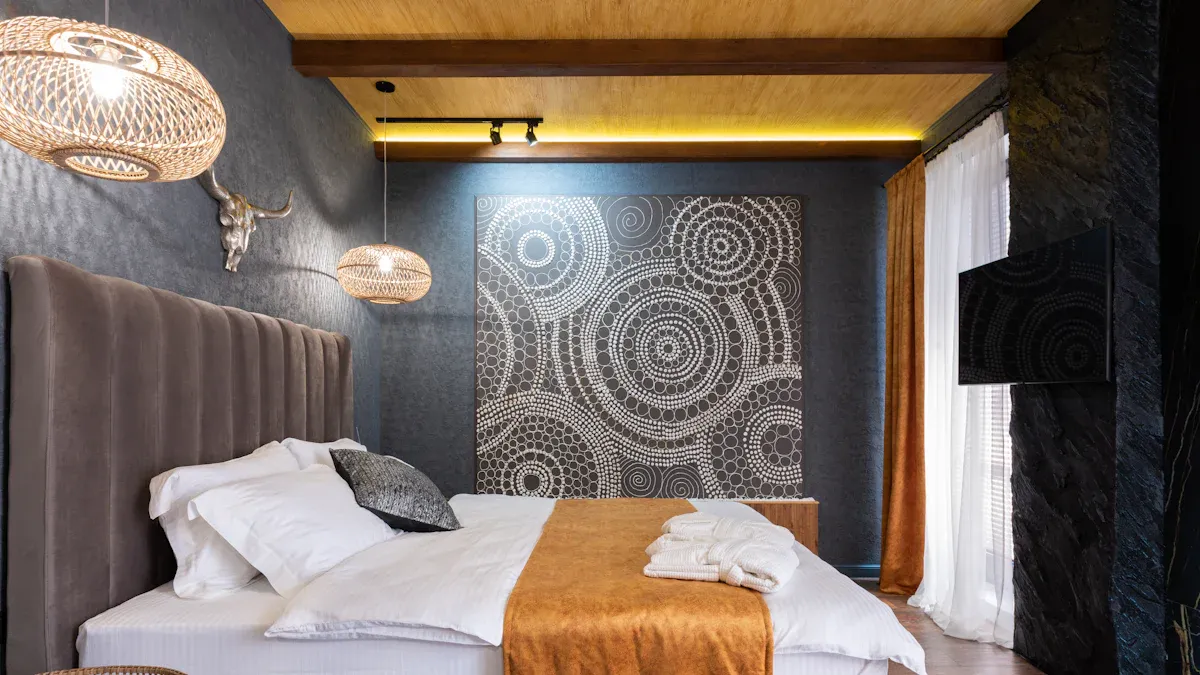
Optimizing guestroom design and comfort begins with understanding standard furniture dimensions. This approach significantly enhances operational efficiency and cost-effectiveness in hotel furniture procurement. Understanding what furniture is required for hotel guestrooms, along with precise sizing, offers a strategic advantage for guest satisfaction and brand consistency. Knowing what are standard sizes for hotel room furniture is crucial. A reputable hotel project furniture factory China can provide high-quality solid wood hotel furniture that meets these exact needs, streamlining the entire hotel furniture procurement process for hotel guestroom furniture.
Key Takeaways
- Standard furniture sizes help hotels make rooms comfortable and use space well.
- Hotels must choose bed sizes carefully for guest comfort and to meet ADA rules.
- Nightstands and wardrobes should fit the room and offer useful features for guests.
- Desks need to be the right size and height so guests can work easily, including those with disabilities.
- Hotels balance custom furniture with standard options and choose strong materials for long-lasting use.
Standard Bed Sizes for Hotel Guestrooms
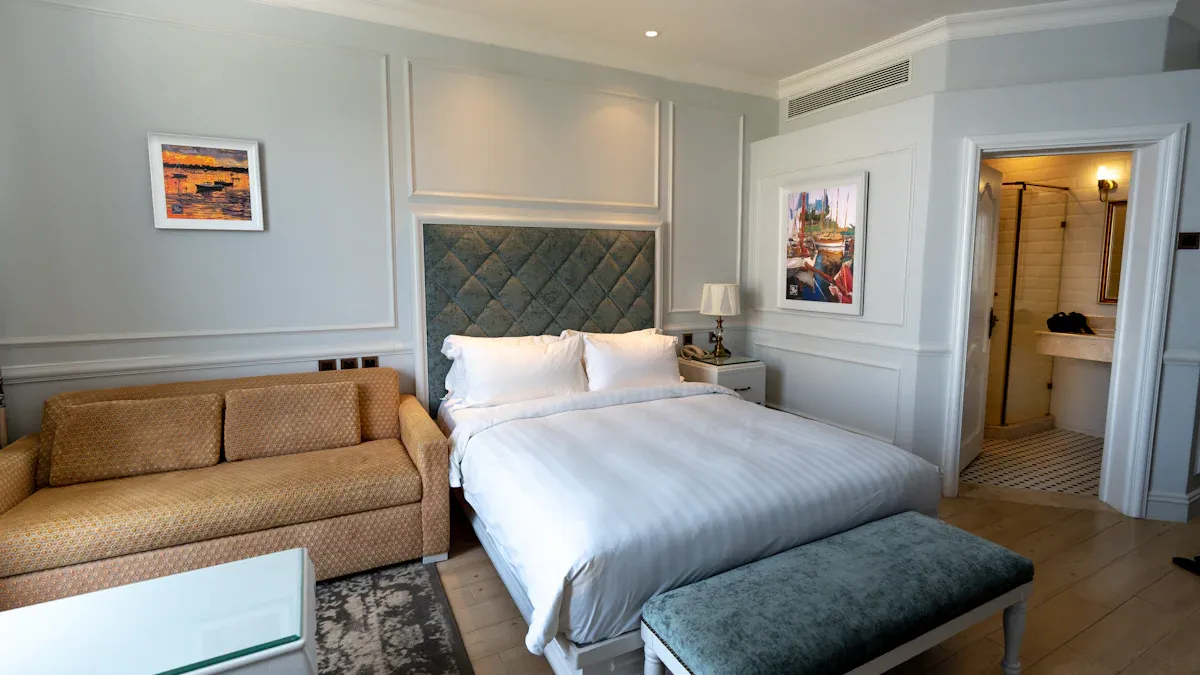
Selecting the correct bed sizes is fundamental for guest comfort and efficient room design. Hotels must consider various factors, including room dimensions and target guest demographics, when choosing bed types. Understanding standard dimensions helps procurement teams make informed decisions.
Twin and Twin XL Dimensions
Twin beds offer a practical solution for rooms accommodating individual travelers or children. These beds are the smallest standard hotel bed size. Twin beds in hotel guestrooms typically measure 38 inches in width and 75 inches in length. A standard twin bed, often found in hotel twin rooms, has dimensions of 38 inches wide by 75 inches long, making it suitable for one person. Twin XL beds provide extra length, usually measuring 38 inches by 80 inches. This added length benefits taller guests, ensuring a more comfortable stay.
Full and Queen Bed Dimensions
Full-size beds, also known as double-size beds, provide more space than twin beds. They typically measure approximately 53 inches wide by 75 inches long. Manufacturers may have slight variations, usually within a quarter or half an inch. For instance, Serta specifies their full-size mattress measurements as 53 inches by 74.5 inches. Generally, a full-size mattress is 54 inches by 75 inches, as seen with futon mattresses, though other sizes can be found. Queen beds are a popular choice for couples, offering even more room. They commonly measure 60 inches wide by 80 inches long, providing ample space for two adults.
King and California King Bed Dimensions
King-size beds represent the pinnacle of spaciousness in hotel guestrooms. A standard king bed measures 76 inches wide by 80 inches long. This generous size offers maximum comfort for guests desiring extra room. California king beds provide a slightly different configuration. They are narrower but longer than standard king beds, typically measuring 72 inches wide by 84 inches long. Hotels often choose California king beds for rooms with specific layouts or to cater to very tall guests.
ADA Compliance for Bed Heights and Clearances
Ensuring accessibility for all guests is a critical aspect of hotel design and hotel furniture procurement. The Americans with Disabilities Act (ADA) sets guidelines to make public accommodations, including hotels, accessible. While the ADA does not specify exact height requirements for beds in hotels, it emphasizes accessibility. Guidelines suggest bed height should allow for easy transfers from a wheelchair. This principle ensures guests with mobility limitations can comfortably use the bed.
Accessibility experts and best practices recommend the top of the mattress be between 17 to 23 inches (43.18 cm to 58.42 cm) from the floor. This range accommodates the majority of guests with mobility limitations. It also helps the general public achieve safe transfers. The proposed International Building Code-American National Standards Institute (IBC-ANSI) recommendation aligns with this 17-23 inch range. Hotels should require beds in accessible guest rooms to measure within this height from the floor to the top of an uncompressed mattress.
Consider the type of mattress as well. Memory foam and form-fitting mattresses are less friendly for transfers. Mattresses offering support for transfer and comfortable sleep are recommended. Simply removing the bed frame to reach the recommended height is not an acceptable solution. This creates stability issues. Adjustable bed frames can provide appropriate clearance for lifts and safe transfers. These are not yet common but offer a promising solution. Hotels must also make information about bed heights readily available. This includes on the property’s website, with the reservation department, and at the front desk.
Nightstand Dimensions in Hotel Furniture Procurement
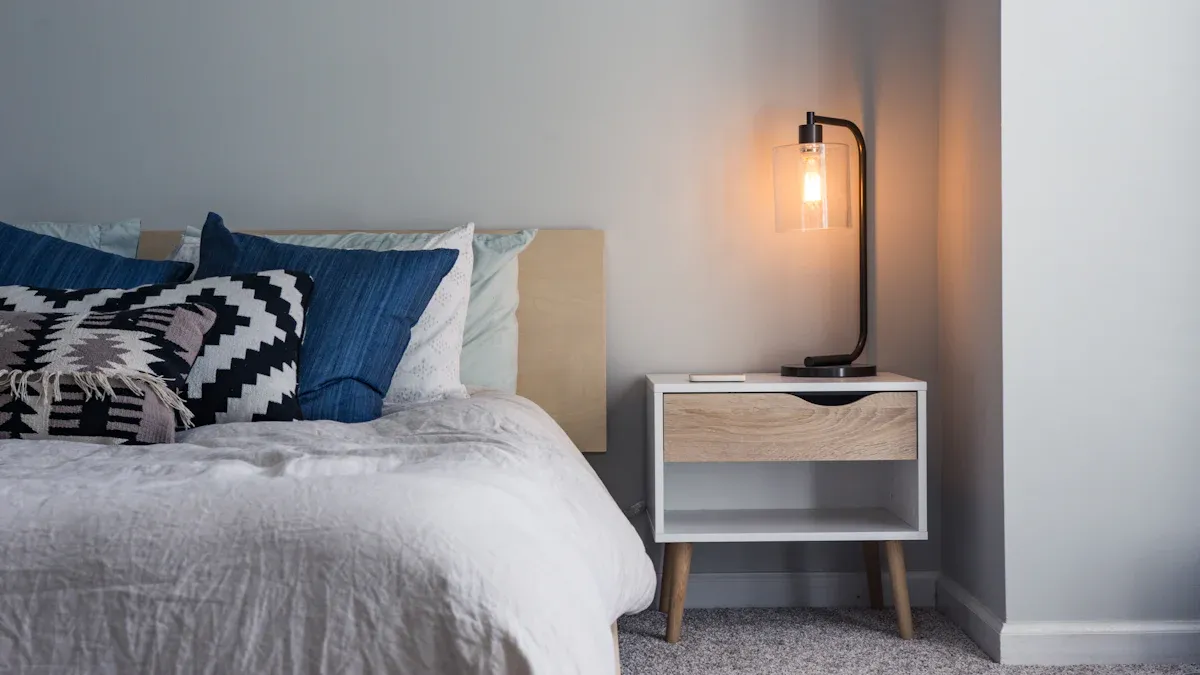
Nightstands play a crucial role in guestroom functionality and comfort. They offer convenient surfaces for personal items and often integrate essential features. Careful consideration of nightstand dimensions during hotel furniture procurement ensures guest satisfaction and efficient space utilization.
Standard Widths and Depths for Functionality
Hotels select nightstand dimensions based on room size and guest needs. Standard nightstands balance utility with space.
| Category | Width (inches) | Depth (inches) |
|---|---|---|
| Standard | 22-28 | 12-18 |
| Narrow (tight spaces) | 18-21 | 10-14 |
| Wide (large rooms) | >28 | 19-30 |
For compact or economy rooms, narrower nightstands are often necessary. Premium or executive rooms can accommodate wider options.
| Room Type | Width (inches) |
|---|---|
| Compact/Economy | 16-20 |
| Premium/Executive | 22-28 |
These dimensions help hotels maximize space while providing guests with adequate surface area.
Optimal Heights Relative to Bed Mattresses
The ideal nightstand height aligns with the top of the bed mattress. This positioning allows guests easy access to items like phones, lamps, or water glasses. A nightstand that is too low requires guests to reach down, while one that is too high can be awkward. Most designers recommend a nightstand height within two to four inches of the mattress top. This range ensures comfortable interaction for guests.
Design Considerations for Integrated Features
Modern nightstands often include integrated features that enhance guest convenience. These features influence design and functionality. Many nightstands now incorporate USB charging ports and electrical outlets. This allows guests to charge devices easily. Some designs include built-in reading lights, saving space on the tabletop. Storage options, such as drawers or open shelving, provide guests with places for personal belongings. Hotels consider these integrated features to improve the overall guest experience.
Wardrobe Sizing for Guest Storage Needs
Wardrobes provide essential storage for guests. Hotels must choose sizes that meet guest needs and fit room dimensions. Careful planning ensures both functionality and aesthetic appeal.
Compact Wardrobe Dimensions for Space Efficiency
Hotels often need space-saving solutions for guest storage. Compact wardrobes maximize efficiency, especially in smaller rooms. The space required for a hotel wardrobe depends on room size and wardrobe type. Boutique hotels, for example, often choose smaller wardrobes for their compact rooms. Factors like furniture type and overall room organization influence these choices. Luxurious hotels increasingly use bespoke wardrobes for optimal dimensions.
Here are common compact wardrobe dimensions:
| Category | Width (inches) | Depth (inches) |
|---|---|---|
| Minimum | 36 | 24 |
| Standard | 36 – 60 | 24 – 30 |
| Budget Hotel | 36 – 48 | N/A |
| Luxury Hotel | 60+ | N/A |
| Height | 70 – 80 | N/A |
Standard Wardrobe Sizes for Comprehensive Storage
Standard wardrobes offer more comprehensive storage for guests. These designs provide ample space for clothing and personal items. A typical standard hotel wardrobe features specific dimensions and design elements.
- Height: 72 inches
- Width: 36 inches
- Depth: 22 inches
- Design: A contemporary two-door wardrobe, vertically oriented, specifically suits hotel rooms.
- Storage Features: Full-height double doors, ample shelf space, and integrated hanging rods offer optimal storage.
- Additional Features: Soft-close hinges and a laminate finish resistant to scratches and stains enhance durability. Customization options are also available.
Built-in vs. Freestanding Wardrobe Considerations
Hotels choose between built-in and freestanding wardrobes based on several factors. Built-in wardrobes integrate seamlessly into the room’s architecture. They create a sleek, custom look and save floor space. However, built-ins offer less flexibility for future room reconfigurations. Freestanding wardrobes provide more versatility. Hotels can move or replace them easily. They also offer a wider range of styles and finishes. Hotels weigh initial cost, installation complexity, and long-term flexibility when making this decision.
Desk Dimensions for Guest Productivity
Guestroom desks serve as essential workspaces for many travelers. Hotels must select desks with dimensions that promote guest productivity and comfort. Proper sizing ensures guests can work efficiently during their stay.
Standard Widths and Depths for Workspaces
Effective desk dimensions are crucial for a functional workspace. A functional hotel guestroom desk should be at least 24 inches deep. This depth provides ample room for a laptop, documents, and other work essentials. Furthermore, a functional hotel guestroom desk should be at least 48 inches long. This length allows guests to spread out materials comfortably. These standard measurements ensure guests have sufficient space for their tasks. They can work without feeling cramped or disorganized.
Ergonomic Heights for Guest Comfort
Desk height significantly impacts guest comfort and posture. An ergonomically designed desk prevents strain during work sessions. Most standard desks stand between 29 and 30 inches high. This height accommodates a wide range of users. It allows guests to sit comfortably with their feet flat on the floor. Proper desk height also helps maintain a neutral wrist position. This reduces the risk of discomfort for guests using computers or writing.
ADA Compliant Desk Heights
Hotels must provide accessible desks for guests with disabilities. The Americans with Disabilities Act (ADA) sets specific requirements for these workspaces. An ADA-compliant desk must offer clear knee and toe space underneath. This space measures at least 27 inches high, 30 inches wide, and 19 inches deep. The work surface itself must not exceed 34 inches in height. These specifications ensure guests using wheelchairs can approach and utilize the desk comfortably. Hotels prioritize these dimensions to offer an inclusive experience for all guests.
Strategic Hotel Furniture Procurement: Custom vs. Standard
Hotels often face a choice between custom-made and standardized furniture. This decision impacts design, budget, and operational efficiency. Understanding the benefits of each approach helps hotels make informed choices for their guestrooms.
Balancing Customization with Standardized Solutions
Hotels seek unique guest experiences. Custom furniture allows for specific designs and branding elements. It creates a distinct atmosphere. However, custom pieces often cost more and take longer to produce. Standardized solutions offer consistency and faster delivery. They also provide proven durability. Many hotels find a balance. They use standard pieces for core items like beds and nightstands. Then, they add custom accents or artwork for unique touches. This approach combines efficiency with personalized design.
Cost-Benefit Analysis of Standardized Furniture
Standardized furniture offers significant cost advantages. Manufacturers produce these items in larger volumes. This reduces per-unit costs. Hotels benefit from lower purchasing prices. Standardized furniture also simplifies the hotel furniture procurement process. It reduces design time and approval cycles. This leads to faster project completion. While custom furniture might offer a unique look, its higher initial cost and longer lead times can outweigh the aesthetic benefits for many properties. Standardized options provide reliable quality at a more predictable price point.
Sourcing Durable Materials for Longevity
Durability is a key factor in hotel furniture procurement. Hotels need furniture that withstands heavy use. They also need items that require minimal maintenance. Prioritizing specific materials ensures longevity. For example, kiln-dried hardwood or powder-coated steel frames offer structural strength. High-resilience foam for cushions maintains shape over time. Performance upholstery fabrics, such as Crypton or treated textiles, resist stains and wear. These materials reduce long-term costs.
| Metric | Custom Hotel Lobby Furniture (Estimated) |
|---|---|
| Typical Lifespan | 8–15 years (with quality materials) |
| Maintenance Frequency | Lower (replaceable parts & durable finishes) |
Hotels should include detailed specifications in contracts. These include load testing, abrasion ratings, and fire safety certificates. They also need maintenance instructions. Negotiating clear warranties and spare-part agreements is crucial. This ensures furniture remains functional and attractive for many years.
Future Trends in Hotel Furniture Procurement
The hotel industry constantly evolves. Future trends in hotel furniture procurement focus on technology, sustainability, and changing guest needs. Hotels must adapt their furniture choices to stay competitive.
Impact of Smart Technology on Furniture Design
Smart technology is transforming hotel furniture. Guests now expect more personalized and convenient experiences. Furniture designs integrate features like adjustable beds and nightstands with wireless charging. Desks often include built-in charging ports, eliminating the search for outlets. Hotels like YOTEL feature beds that adjust with a touch and integrated LED lighting. Some hotels use smart room systems. These systems connect bedside sensors, motorized curtains, and LED lights. Guests control these features through a mobile app. This allows them to select modes like "Rest" or "Work." Other innovations include smart wardrobes with motion-sensor lighting and AI-responsive mattresses that adjust firmness for better sleep.
Sustainable Sourcing and Modular Furniture
Sustainability is a growing concern for travelers. Hotels increasingly prioritize eco-friendly furniture options. Approximately 20% of hotel guests prioritize accommodations that incorporate green practices, including sustainable furniture. This trend drives demand for furniture made from recycled materials or sustainably harvested wood. Modular furniture also gains popularity. Its design allows for easy reconfiguration and repair. This extends furniture life and reduces waste. Hotels choose suppliers committed to responsible manufacturing processes.
Adapting to Evolving Guest Expectations
Guest expectations continue to change. Modern travelers seek comfort, functionality, and unique experiences. Furniture must support both work and relaxation. Ergonomic chairs and height-adjustable desks cater to business travelers. Comfortable lounges and versatile seating options appeal to leisure guests. Hotels also consider furniture that reflects local culture or offers a residential feel. This helps create memorable stays. Furniture choices directly impact guest satisfaction and loyalty.
Standard sizing is indispensable for successful hotel furniture procurement. It ensures guest comfort and operational efficiency. Hotels balance design aesthetics with practical needs. They prioritize durable materials for high-traffic areas. Furniture offers comfort and supports guest activities. Style consistency creates a cohesive look. Smart room controls and multifunctional spaces enhance guest experience and optimize space. These strategies prepare hotels for future innovations in guestroom furniture.
FAQ
What is the importance of standard furniture sizes in hotel guestrooms?
Standard furniture sizes ensure consistent guest comfort and optimize room design. They streamline the procurement process. This approach enhances operational efficiency and helps manage costs effectively.
What are the key considerations for bed heights in hotel guestrooms?
Hotels consider guest comfort and ADA compliance. The top of the mattress should be 17 to 23 inches from the floor. This height allows easy transfers for guests with mobility limitations.
How do hotels choose between built-in and freestanding wardrobes?
Hotels weigh design integration, flexibility, and cost. Built-in wardrobes offer a seamless look but less flexibility. Freestanding units provide versatility and a wider range of styles.
What makes a desk ADA compliant in a hotel guestroom?
An ADA-compliant desk has clear knee and toe space. This space measures at least 27 inches high, 30 inches wide, and 19 inches deep. The work surface must not exceed 34 inches in height.
How does sustainability influence hotel furniture procurement?
Sustainability drives demand for eco-friendly furniture. Hotels prioritize items made from recycled materials or sustainably harvested wood. Modular furniture also gains popularity. It extends furniture life and reduces waste.


