
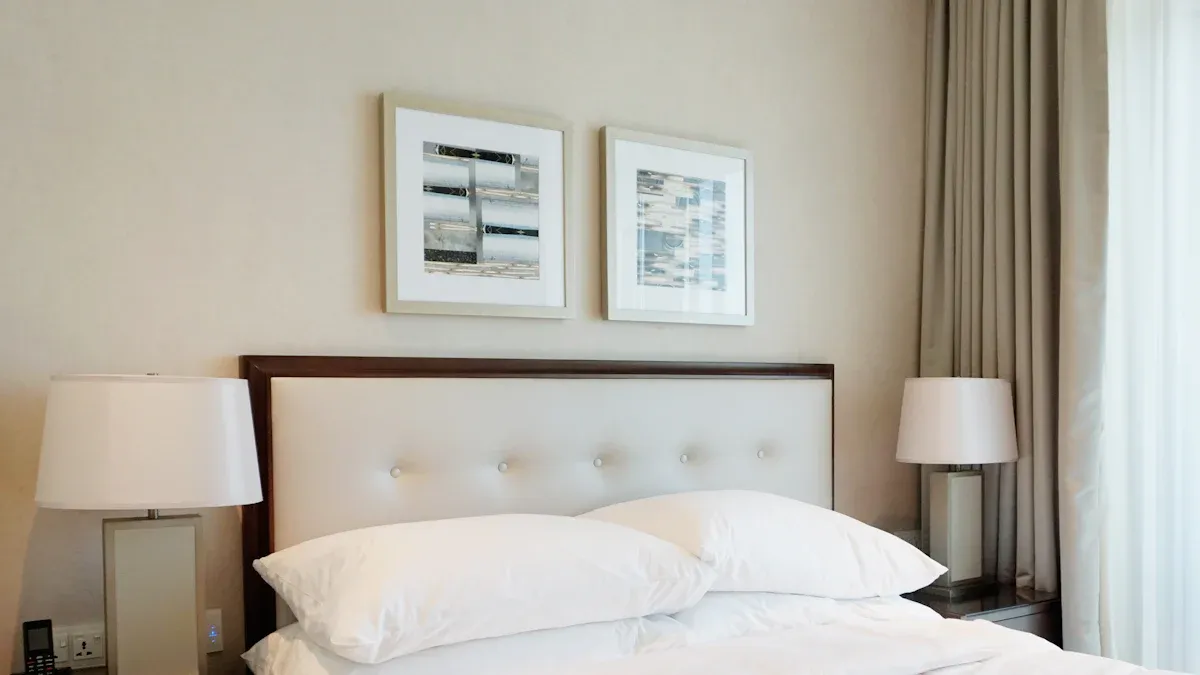
Discover the top 10 hotel room furniture suppliers for 2025. The global hotel room furniture market expects significant growth, projected to reach approximately USD 15.2 billion by the end of 2025. Selecting the right hotel furniture manufacturer is crucial for any hospitality project. This guide highlights leading companies offering everything from a comfortable Guest room bed to sophisticated Luxury hotel furniture. Property owners seek innovative designs and durable pieces. Many top suppliers provide Modern hotel furniture and Customizable hotel furniture solutions to meet diverse brand needs.
Key Takeaways
- Choosing the right hotel furniture supplier is important. It affects how guests feel and how well the hotel works.
- Top suppliers offer strong, good-looking furniture. They also use eco-friendly materials and new designs.
- Hotels should look for suppliers who offer custom furniture. This helps the hotel match its unique style.
- Good suppliers provide great customer service. They also offer warranties and help with installation.
- New trends include smart furniture and designs that connect to nature. These make hotel rooms better for guests.
Our Top 10 Hotel Room Furniture Suppliers for 2025
1. Kimball Hospitality: Large-Scale Project Expertise
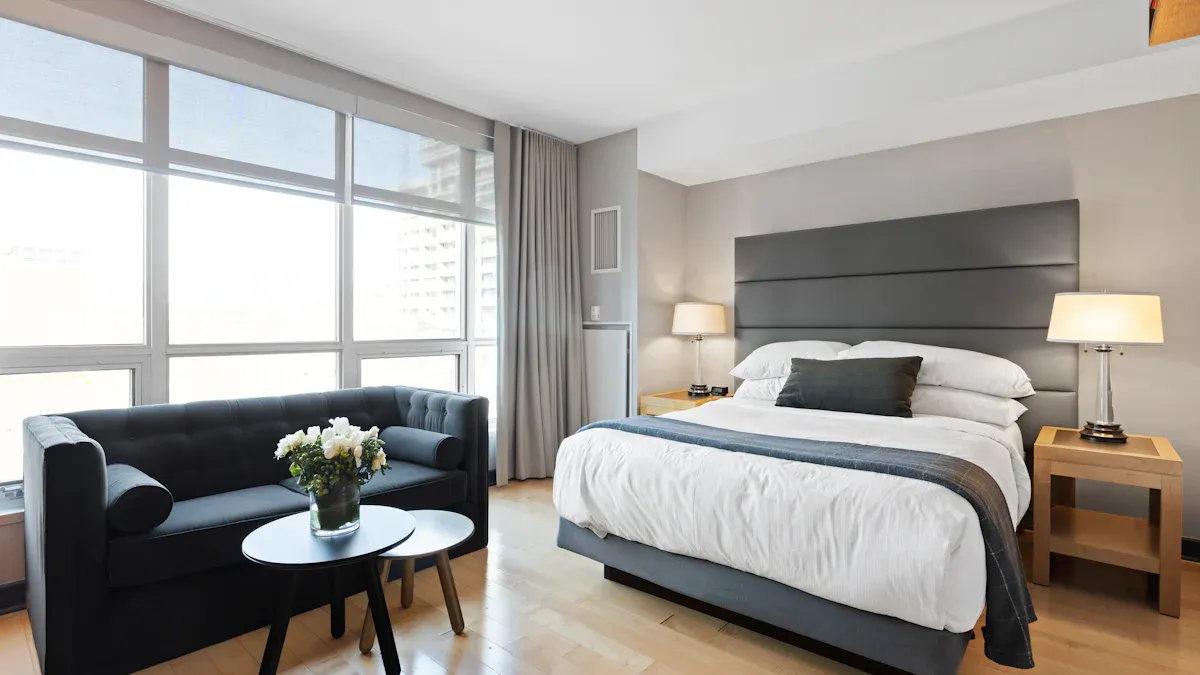
Kimball Hospitality stands as one of the largest hotel furniture manufacturers in the United States. They supply casegoods, seating, and complete guestroom solutions for major hotel brands. The company possesses strong engineering and project management capabilities. They serve as a preferred partner for major hotel chains. These include Marriott, Hilton, Hyatt, and IHG. Industry experts recognize Kimball Hospitality as a top U.S.-based supplier. They are known for high-end quality, long-term brand partnerships, and excellent project execution.
Kimball Hospitality has established a solid reputation in the hotel furnishings industry. They focus on sustainability and innovation. They offer eco-friendly methods and sustainable materials. The company provides a variety of hotel furniture alternatives. These options suit both boutique hotels and large chains. They also offer custom design services. These services tailor to each project’s specific needs. Kimball Hospitality ensures their furniture meets both functional and visual standards. They provide extended warranties and committed customer service.
2. Herman Miller: Innovative Design and Quality Hotel Room Furniture
Herman Miller is globally recognized for its innovative design and high-quality furnishings. While famous for office furniture, they also bring their expertise to the hospitality sector. They focus on ergonomic solutions and timeless aesthetics. Their products enhance guest comfort and elevate the overall hotel experience. Herman Miller’s commitment to durability and thoughtful design makes them a strong contender for hotels seeking modern and functional pieces. They offer sophisticated options that blend seamlessly into various hotel room designs.
3. Sara Hospitality: Leading US-Based Hotel Room Furniture Manufacturer
Sara Hospitality distinguishes itself as a leading US-based hotel room furniture manufacturer. They offer a comprehensive manufacturing process. This process begins with communication and outlining. They understand the hotel’s ambiance, brand identity, target audience, and budget. This helps them define project objectives. Next, they create vision and 3D designs. These comprehensive 3D visualizations allow clients to preview furniture placement, textures, and finishes.
The company then moves to picking materials. They select durable, high-quality materials. These include various wood types, metals, marble, or eco-friendly fabrics. They choose materials for both style and longevity. Before full-scale production, they try a sample. They produce a sample piece for review and adjustments. Finally, they handle building and setting up. This involves meticulous construction followed by professional delivery and installation.
Sara Hospitality achieves best-rated sturdiness through significant investments and high-quality materials. This ensures furniture longevity and minimal maintenance. They offer customization and personalization. Clients can design pieces to align with their brand and vision. The company focuses on trend-forward design. They incorporate current hotel furniture trends while also offering timeless pieces. They provide end-to-end project management. This includes consultation, design, manufacturing, delivery, and setup. Sara Hospitality also specializes in hotel renovation projects. They possess deep experience in this area. This ensures smooth adaptation to new demands. They combine innovative industrial techniques with age-old artistry skills. This allows them to exceed client expectations. They also create bespoke furniture. This includes unique pieces for exclusive suites and public areas in high-end resorts.
4. Elite Hospitality Group: High-Quality Craftsmanship
Elite Hospitality Group earns recognition for its commitment to high-quality craftsmanship. They provide durable and aesthetically pleasing furniture solutions for the hospitality sector. The group focuses on creating pieces that withstand the demands of hotel environments. They use premium materials and employ skilled artisans. This ensures every item meets strict quality standards. Elite Hospitality Group offers a wide range of products. These include casegoods, seating, and custom millwork. Their furniture enhances guest comfort and elevates the hotel’s overall ambiance. They work closely with clients to deliver tailored solutions. This ensures the furniture perfectly matches the hotel’s design vision and functional needs.
5. Beaufurn: Modern and Diverse Hotel Room Furniture Collections
Beaufurn stands out with its modern and diverse hotel room furniture collections. They offer a wide array of styles. These styles range from contemporary to transitional. Beaufurn focuses on innovative designs and versatile pieces. Their furniture helps designers create unique and inviting guest spaces. The company sources high-quality materials. They prioritize both aesthetics and durability. Beaufurn’s collections include seating, tables, and casegoods. They provide options for various hotel types, from boutique properties to large resorts. Their commitment to design flexibility allows hotels to achieve a distinct look.
6. Bernhardt Hospitality: Luxury and Bespoke Hotel Room Furniture
Bernhardt Hospitality specializes in luxury and bespoke hotel room furniture. They cater to high-end hospitality projects. The company creates custom pieces that reflect sophistication and elegance. Bernhardt Hospitality offers fully custom casegoods, upholstery, and outdoor furnishings for lodging. They provide specific custom guestroom items. These include beds, headboards, bedside pieces, dressers & chests, desks, and media cabinets. This allows hotels to achieve a truly unique and tailored aesthetic. Bernhardt Hospitality highlights a ‘PROJECT SPOTLIGHT’ featuring the ‘FOUR SEASONS RESORT RANCHO ENCANTADO‘. This showcases their involvement in providing furnishings for luxury hotel establishments. Their expertise ensures every piece meets the highest standards of design and quality.
7. Dickson Furniture: Durable and Stylish Hotel Room Furniture Solutions
Dickson Furniture Manufacturers offers best-in-class casegoods, soft seating, and other furniture solutions for hotels. They provide high-quality solutions at an affordable price. Dickson serves a wide range of brand hotel chains and independent hotels. This company stands as an established industry leader and trusted partner for over 1000 properties.
Dickson Furniture Manufacturers constructs products with HPL tops, elite finishes, and fully-edge banded solutions. This ensures lasting durability, functionality, and beauty. They offer customization of existing designs to fit specific styles. This ensures furniture is durable, safe, and built with high-quality materials. Dickson offers collections designed for independent hotels and brands without design restrictions. These collections provide different levels of style and sophistication. They manufacture these collections with best-in-class quality. They come in a range of standard colors, materials, and finishes. Specific collections include SIMPLI, SABLE, ULTRA, MOTIF, and VOGUE. These options provide excellent hotel room furniture solutions.
8. Tropitone: Outdoor and Indoor Hotel Room Furniture Excellence
Tropitone excels in both outdoor and indoor hotel room furniture. They offer a wide range of products. Their Cushion Seating and Cushion Deep Seating provide “INDOOR COMFORT FOR THE OUTDOORS.” These pieces feature RELAXplus® cushions. They design these cushions for outdoor demands. They offer comfort comparable to indoor furniture. Tropitone’s Strap, Cross Strap, and EZ Span™ Strap Segments represent “THE CLASSIC” Tropitone outdoor experience. People know them for style, comfort, durability, and maintainability in commercial and residential outdoor spaces. EZ Span™ segments offer enhanced comfort and on-site replaceability.
TropiKane® Woven Seating replicates the timeless texture of wicker and rattan. It features durable, hand-entwined designs. This adds warmth to any space. They offer a wide variety of Patio, Garden, and Café Tables for any outdoor occasion. These include framed glass, acrylic, slat aluminum, cast aluminum, and patterned aluminum. They also offer Stoneworks® faux granite and summit tabletops. Modular and Crescent Sectional Seating provides versatility for outdoor spaces. It allows various configurations for lounging or conversation. These pieces feature RELAXplus® cushions for indoor-comparable comfort with outdoor durability. Basta Sole® Patio & Market Umbrellas and Cabanas are known for elegant details, masterful construction, and enduring quality. They provide shade and shelter.
Tropitone Furniture Company and the Tropitone® brand were created in 1954. They served the contract market, including hotels, motels, clubs, and resorts. They provided high-performing outdoor patio furniture. Travelers encountered Tropitone® products at hotels and resorts. They then sought to purchase them for their homes. This led Tropitone to offer commercial-quality products for retail sale. Tropitone defines high performance in outdoor patio furniture through several methods. They use the highest quality materials, such as aluminum, stainless steel, UV-resistant vinyl straps, and weather-resistant fabrics. They conduct vigorous product testing. This includes weather and seating simulators for longevity, and sturdiness and scratch resistance for tables. They also provide responsive customer service. Their furniture is uniquely beautiful, comfortable, ruggedly functional, and durable. Their powder coating processes are three times thicker than paint. This enhances resilience against sun and storm.
9. Artone Manufacturing: Custom Hotel Room Furniture Solutions
Artone Manufacturing specializes in custom hospitality furniture. They manufacture pieces to fit individual needs and design styles. They focus on hospitality casegoods furniture design. Artone provides solutions for boutique hotels, resorts, and themed guest rooms. They create custom hotel furniture packages that align with design visions and guest needs.
Artone handles the design, manufacturing, and installation of custom hospitality furniture. They serve boutique and theme hotels, casinos, and resorts. Artone helps clients realize custom hotel furniture packages. These packages fit their design vision and meet guest needs. Artone has been a hospitality casegoods manufacturer in the U.S. since 1974. They possess the expertise to custom design furniture packages for hotels.
10. Steelcase: Ergonomic and Smart Hotel Room Furniture
Steelcase earns global recognition for its leadership in innovative and ergonomic furniture solutions. While primarily known for office environments, Steelcase extends its expertise to the hospitality sector. They provide cutting-edge designs that prioritize guest comfort and well-being. Steelcase focuses on creating adaptable spaces within hotel rooms. Their products enhance the overall guest experience.
The company integrates advanced ergonomic principles into its designs. This ensures guests enjoy optimal support and comfort during their stay. Steelcase understands the importance of a restful environment. They design chairs, desks, and other pieces to promote good posture and relaxation. This attention to detail elevates the functionality of each hotel room furniture item.
Steelcase also leads in smart furniture integration. They incorporate technology seamlessly into their pieces. This includes built-in charging stations, intuitive lighting controls, and adaptable workspaces. These features meet the demands of today’s tech-savvy travelers. Guests can work efficiently and relax comfortably. Steelcase’s commitment to durability and sustainable practices further strengthens its appeal. They use high-quality materials and responsible manufacturing processes. This ensures their furniture withstands heavy use while minimizing environmental impact. Hotels seeking modern, functional, and technologically advanced furnishings often choose Steelcase.
Key Criteria for Selecting Hotel Room Furniture Suppliers
Selecting the right hotel room furniture supplier requires careful consideration of several key factors. These factors ensure the furniture meets both aesthetic and functional demands.
Uncompromising Quality and Durability Standards
Hotels need furniture that withstands constant use. Therefore, quality and durability are paramount. Industry benchmarks guide these standards. For example, guest room furniture typically has an expected lifespan of 8-12 years. Lobby sofas and chairs often last 5-7 years. Tables and freestanding furniture generally last 7-10 years.
| Furniture Category | Expected Lifespan (Years) |
|---|---|
| Freestanding Furniture | 7 |
| Guest Room Furniture | 8-12 |
| Sofas and Chairs (Lobby) | 5-7 |
| Dining Chairs | 5-7 |
| Tables | 7-10 |
| Bedside Tables | 5-10 |
Suppliers must also adhere to strict regulations. ADA regulations ensure accessibility for guests with mobility devices. This impacts furniture dimensions, such as a 32-inch clear passage and bed heights of 20-23 inches. Fire safety standards mandate fire-resistant materials. They require compliance with flammability tests for upholstered items. Architectural Woodworking Standards (AWI) set quality benchmarks for wood products. ‘Custom Grade’ is recommended for high-quality hotel furniture. ‘Premium Grade’ applies to high-use items. A 5-year industry standard warranty reflects a manufacturer’s confidence in product durability.
Innovative Design and Aesthetic Appeal
Furniture design significantly impacts a hotel’s brand and guest experience. Innovative designs and aesthetic appeal are crucial. Current trends include a personalized approach, offering custom, bespoke furniture. This helps differentiate hotels. Multitasking functionality is also popular. Sofa beds, modular seating, and nesting tables save space. Smart furniture integrates technology like built-in charging ports and touch controls.
Biophilic designs use natural materials such as wood, stone, leather, and wool. These connect indoor spaces with nature. Material trends favor light and dark woods, statement stones like marble, and performance fabrics. Retro influences and tailored eclecticism mix old and new designs. Modern metal finishes, like silver, chrome, and steel, replace gold for hardware. Color palettes move towards subdued earth tones and vibrant maximalist designs. Elegant curves and sophisticated forms create luxury. Plush, oversized seating prioritizes guest comfort.
Exceptional Customer Service and Support
A supplier’s commitment to customer service is vital. Exceptional support is evident through a reputation for superior service. Positive customer ratings and reviews, along with readily available testimonials, indicate this. Key metrics also include comprehensive after-sales support. Clear warranties and reliable maintenance services contribute to a hassle-free experience. This support lasts for the entire duration of the furnishings’ use.
Commitment to Sustainability and Ethical Practices
Hotels increasingly prioritize sustainability. They seek suppliers who share this commitment. Responsible suppliers adopt environmentally friendly practices. They use sustainable materials. They also focus on reducing waste in their operations. Many employ energy-efficient manufacturing processes. Choosing suppliers with certifications or clear sustainability policies supports responsible business. This also enhances a hotel’s brand image.
Suppliers demonstrate their commitment through various certifications. Green Building Certifications like LEED and BREEAM set requirements for furniture materials. These often demand environmental testing reports for low formaldehyde emissions and recyclability. Material Certifications, such as CARB P2 and FSC-certified boards, show a dedication to eco-friendly materials. For outdoor furniture, recycled plastics and aluminum alloy structures reduce maintenance. They also extend service life. Suppliers optimize processes by using water-based paints instead of solvent-based ones. This reduces VOC emissions. Adding moisture-proof treatments during board edge sealing enhances durability. A focus on health and safety means emphasizing low formaldehyde and low VOC emissions. This reduces indoor air pollution. It also protects the health of guests and staff.
Customization Capabilities for Hotel Room Furniture
Customization is crucial for hotels. It allows them to tailor pieces to specific branding needs. Suppliers can incorporate high-end materials. They can also integrate ergonomic features. Innovative space-saving techniques are also possible. Custom-designed headboards often include integrated functionalities. These might be lighting, USB ports, or soundproofing. Bespoke dressers and wardrobes optimize space. They also create cohesive aesthetics. Suppliers can use eco-friendly materials like reclaimed wood, bamboo, or recycled metals. They also use commercial-grade durable materials. These include engineered wood, reinforced upholstery, and scratch-resistant surfaces.
The Gladstone Hotel shows bespoke room furniture designs. It blends contemporary aesthetics with historical elements. This maintains its unique character. Hilton uses bespoke designs. They incorporate premium materials and functional elements in headboards. These include built-in USB ports, reading lights, and soundproofing. Life House hotels use customized dressers and wardrobes. These align with their boutique branding. They maximize space efficiency with stylish elements. Hotels investing in custom-designed interiors report a 23% increase in guest satisfaction. Customization is key in luxury hotel suites. It allows designers to create pieces that perfectly fit the space. It also reflects the hotel’s unique style. Personalized hotel furniture projects add exclusivity and sophistication.
Proven Track Record and Industry Reputation
A strong track record and industry reputation are vital for a hotel furniture supplier. This means a proven history of delivering high-quality products. It also includes excellent customer service. Such suppliers have worked with a diverse range of hotels. They have established a reputation for reliability and professionalism.
A strong reputation is built upon a portfolio of successful projects. It also includes collaborations with prestigious clients. This demonstrates their expertise. It assures hoteliers of the quality and reliability of their furniture selections.
Competitive Pricing and Value Proposition
Hotels seek furniture that offers excellent value. This means a balance between cost and quality. Suppliers provide competitive pricing by offering durable, stylish pieces that last. For example, some furniture is specifically designed to be more rugged than typical hotel furnishings. This helps it withstand impacts from buckles and helmets. Despite its toughness, the furniture remains stylish and elegant. Rooms often include custom features. These might be tile entrances, hooks for leathers, or a workbench for boots and helmets. These elements contribute to an upscale yet durable aesthetic. Such thoughtful design choices enhance the guest experience and justify the investment. They ensure the furniture provides long-term value.
Efficient Logistics and Installation Services
Efficient logistics and installation are crucial for any hotel furniture project. Suppliers plan supply chain transportation ahead of time. They arrange transport once they know the furniture’s readiness. This allows them to use slower, less expensive options like ocean freight. Strategic warehousing is also important. It acts as a safety net for construction delays. Warehousing prevents damage and avoids costly last-minute storage. It also prevents paying installation crews for idle time. When delays occur, logistics partners manage communication and coordination. They adjust schedules with all involved parties.
Suppliers perform quality assurance at each step. They identify and address issues like incorrect colors or damage early. This prevents problems from becoming critical. They also train general contractors on delivery sign-off processes. Contractors inspect items closely and note any issues. This prevents refusal of goods and claims headaches. Hotels should use professional FF&E installation teams. These specialized teams offer better efficiency and expertise than general movers.
Effective installation requires clear communication. Hotels establish open lines of communication with their FF&E installer from the beginning. They designate a point-of-contact for efficient communication. Requesting prototypes after a site survey helps. It allows hotels to test product reception. It ensures the casegoods meet expectations before full-scale production. Hotels also agree on a clear, realistic schedule with their FF&E installer. This streamlines deliveries, manpower, and resources. It avoids costly delays. Finally, they create a detailed day-of attack plan for installation.
FF&E storage is a critical, often overlooked, aspect of hotel furniture logistics. Project delays can necessitate third-party storage. This significantly impacts the budget. Planning for storage and its associated expenses at the project’s outset is crucial. It avoids logistical nightmares and budget overruns.
When choosing an FF&E installer, hotels have several options:
- The FF&E Manufacturer: This is often the most ideal option. They know the product best. They simplify budgeting and streamline logistics.
- A Manufacturer’s Recommendation: This option offers built-in peace of mind. It provides product familiarity due to the manufacturer’s endorsement.
- An Independent Installer: This option requires more upfront vetting. Hotels ensure they can handle the job and meet deadlines.
Hotels vet potential hotel FF&E installers carefully. They consider the installer’s experience in hotel FF&E installation. They understand their level of involvement in the project. They inquire if the installer offers integrated manufacturing and installation services. They also request and check references.
Suppliers choose the right transport method. They select Full Truckload (FTL) for larger projects. They use Less-Than-Truckload (LTL) for smaller deliveries. This ensures cost efficiency. They optimize routes and tracking. They use advanced logistics solutions like GPS tracking. This minimizes fuel costs and avoids delivery bottlenecks. Partnering with an end-to-end logistics provider helps. A Third-Party Logistics (3PL) partner offers comprehensive services. These include warehousing, white-glove delivery, and on-site installation. This streamlines the entire supply chain. Suppliers also integrate sustainability measures. They use eco-friendly packaging and carbon-neutral shipping options. This reduces environmental impact.
Technology also plays a role in efficient logistics. Real-time tracking increases visibility. It allows adaptation to changing delivery schedules. Inventory management software helps track inventory. It reduces overstocking or misplaced shipments. Digital freight matching improves efficiency. It matches freight with available transport. Automated warehouse management systems (WMS) enable real-time inventory tracking. Cloud-based communication tools ensure seamless coordination. They connect suppliers, transport teams, and customers. AI-powered demand forecasting predicts future needs. It optimizes supply chain strategies. This reduces unnecessary storage expenses.
Current and Future Trends in Hotel Room Furniture
The Rise of Sustainable and Eco-Friendly Materials
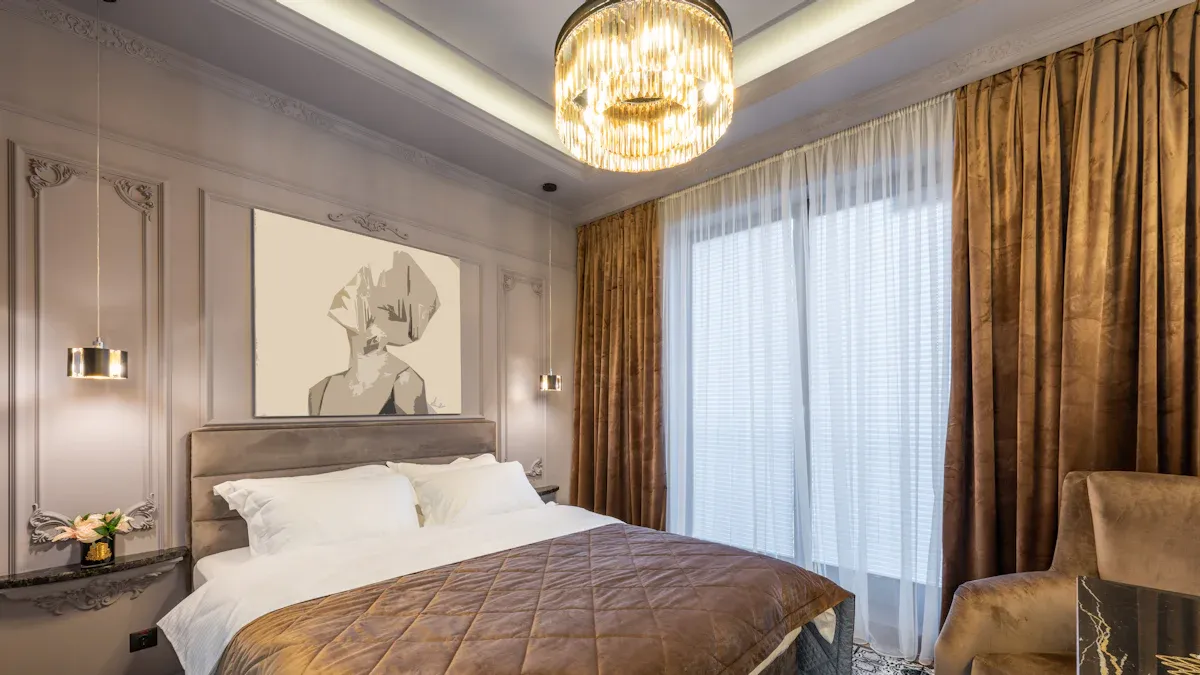
Hotels increasingly adopt sustainable practices. They choose eco-friendly materials for hotel room furniture. This trend reflects a growing environmental awareness. Manufacturers now use natural materials like bamboo, wood, and unfinished timbers. They also incorporate reclaimed materials such as reclaimed wood and recycled metal. For upholstery, options include faux leathers like polyurethane cork and waxed cotton. Organic fabric options and handwoven textiles also gain popularity. Sustainable paints and finishes, made from organic materials and natural solvents, complete the eco-conscious approach.
Integration of Smart Technology and Connectivity
Smart technology transforms hotel room furniture. Guests expect seamless connectivity. Wireless charging furniture offers convenience. Built-in charging pads appear in nightstands, desks, and coffee tables. This eliminates tangled cords. Integrated speakers and sound systems provide entertainment. Guests connect devices to furniture with built-in speakers, keeping rooms tidy. Smart mirrors and interactive displays offer personalized information. They show weather, flight updates, and streaming content. Guests customize settings, adjust lighting, or set personal calendars. Ergonomic and adjustable furniture enhances comfort. Chairs offer customizable lumbar support. Desks adjust for sitting or standing. Beds provide options for firmness or elevation. Newly renovated hotels feature multi-plug and USB ports, LED lighting, and Bluetooth speakers. Designers conceal plugs and ports to maintain aesthetics. They ensure adequate power supply, often using floor outlets. Pull-out platforms on bedside stands support device charging.
Adaptable and Multi-Functional Hotel Room Furniture Designs
Hotel furniture designs now prioritize adaptability and multi-functionality. This meets diverse guest needs. Modular furniture allows guests to rearrange pieces. They define work and relaxation areas. Pull-down desks and convertible sofas create flexible spaces. Guests use them for work or relaxation. Ergonomic chairs with ottomans support comfortable postures. Fold-out workstations hidden within wall panels transition rooms from relaxation to productivity. Convertible sofa beds with integrated storage save space. Rotating TV panels and movable partitions create dynamic layouts. Integrated headboards include lighting, charging ports, and shelving. Stackable or collapsible seating adapts rooms for various activities. These designs offer personalization and maximize functionality. They align with a hotel’s brand identity.
Focus on Health, Wellness, and Biophilic Design
Hotels increasingly focus on guest health and wellness. This trend extends to furniture design. Biophilic design, which connects indoor spaces with nature, plays a significant role. Furniture now incorporates nature-inspired textiles. These include bark-like jacquards and warm boucles for statement sofas. Headboards and bench cushions feature soft, earthy tones. Desk chairs can come in mossy green colors. This brings a sense of calm to workspaces. Designers add natural textures to lounge seating, booths, and common areas. Neutral performance fabrics soften high-traffic zones.
“Clients are asking for calm, wellness-focused interiors—especially post-pandemic. Natural textures and colors make people feel safe and at ease. The fact that Revolution’s biophilic patterns are also stain-resistant is the icing on the cake.” — Alicia H., Residential Interior Designer
Biophilic design influences hotel furniture trends. It increases the use of natural, organic materials. These include reinforced wood, wool, cotton, ceramics, clay, and mycelium. Biomorphic patterns, which are nature-inspired shapes, appear in interior design. They show up in rugs, wallpaper, and fabrics. This makes spaces more visually captivating and comfortable. The Treehouse Hotel London exemplifies biophilic design. Guest rooms feature wood-patterned walls, ceilings, and flooring. Furnishings heavily incorporate leafy patterns and colors. This extends to public areas with wood and leaf patterns on wallcoverings, flooring, and furniture. Color palettes evoke connectivity to nature. Shades of blue and grey represent the sky. Warm earthy tones like terracotta, tan, and taupe are common. Greens, sages, and browns connect deeply to plants. Designers often pair them with indoor foliage. These nature-inspired color palettes are typically neutral. They aim to create peace and calm. They establish an emotional connection with the space for guests.
Personalization and Unique Guest Experiences
Hotels strive to offer unique and personalized guest experiences. Furniture plays a key role in this effort. Custom-designed pieces reflect a hotel’s specific brand identity. They create memorable stays for guests. Hotels might commission bespoke furniture for luxury suites. These pieces often feature unique materials or intricate details. Boutique hotels use personalized furniture to tell a story. This helps them create a distinct atmosphere. Guests appreciate spaces that feel thoughtfully curated. This moves beyond standard, mass-produced items. Furniture can also adapt to individual guest preferences. For example, adjustable lighting or modular seating allows guests to customize their environment. This focus on personalization enhances guest satisfaction. It also builds brand loyalty.
Making the Right Choice for Your Hotel Room Furniture Project
Assessing Your Hotel’s Brand and Target Audience
Hotels must carefully assess their brand and target audience when selecting furniture. The furniture should align with the hotel’s overall image. It also needs to meet the expectations of its guests. A luxury boutique hotel will require different furniture than a budget-friendly family resort. Understanding guest demographics helps inform design choices. This ensures the furniture enhances the guest experience and reinforces the brand identity.
Budgeting and Return on Investment Considerations
Proper budgeting for hotel furniture projects is crucial. It maximizes the return on investment (ROI). A full budget includes costs beyond the products themselves. These include design, shipping, materials, and labor. Hotels often underestimate the total cost of ownership. This includes installation, logistics, and modifications. They also neglect ongoing maintenance costs. These cover repairs and replacements. Failing to plan for unexpected expenses, like emergency repairs, can derail a budget. Market conditions and supplier costs can also fluctuate. Monitoring these trends and building flexibility into the budget is important.
Investing in quality-made furniture, though potentially costing more upfront, is a long-term investment. It helps ensure a positive ROI. Poorly constructed items require more frequent replacement. This can ultimately surpass the initial cost of higher-quality products. Durable materials and superior workmanship lead to longer-lasting items. This reduces replacement frequency. It also protects the integrity of the investment. Hotels should keep ‘attic stock,’ about 1% of furniture, in storage. This allows quick replacement of damaged items. It avoids reordering issues and future costs. Balance quality and cost by spending more on items guests use daily. These include chairs and bed bases. They have a greater impact on experience and durability.
A new look can enhance guest satisfaction, elevate the brand, and drive long-term revenue. Balancing quality, aesthetics, and durability while controlling expenses is key to a successful renovation.
Hotels should include a separate line item in their annual budget for furniture expenses. This prepares for both expected and unexpected costs. Develop a hotel furniture budget plan to prevent costly surprises. Include a dollar reserve amount. It incrementally increases annually until it plateaus when new furniture investment is expected. For example, budget a reserve of about two percent the year after purchasing new furniture. Then, increase it to three, four, and five percent over the next three years. Continue at five percent in subsequent years. These percentages are benchmarks. They depend on property type and furniture needs.
Long-Term Partnership and Support
Choosing a supplier for a long-term partnership offers significant benefits. A reliable supplier provides consistent quality and support over time. They understand the hotel’s evolving needs. This leads to smoother future projects. Strong relationships with suppliers ensure better communication. They also offer more responsive service. This includes warranty claims and maintenance support. A trusted partner helps hotels maintain their furniture. This extends its lifespan. It also preserves the hotel’s aesthetic appeal.
Navigating International vs. Domestic Hotel Room Furniture Suppliers
Hotels face a crucial decision when sourcing furniture: choosing between international and domestic suppliers. Each option presents distinct advantages and disadvantages. Hotels must weigh these factors carefully.
Domestic suppliers often offer faster lead times. They provide easier communication. This simplifies project management. Quality control also becomes more straightforward. Hotels can visit factories. They can inspect production processes directly. Domestic suppliers often adhere to local labor laws and environmental regulations. This supports sustainability goals. However, domestic options sometimes carry higher price tags.
International suppliers, particularly from regions like Asia, frequently offer lower manufacturing costs. They provide a wider range of design options. This can be attractive for budget-conscious projects. However, international sourcing introduces complexities. Lead times extend significantly due to shipping. Logistics become more intricate. Communication barriers may arise. Quality control can be challenging to monitor remotely. Hotels might also face less transparency regarding labor practices and environmental impact. Import duties and tariffs add to the overall cost.
Hotels should consider several factors. Project timeline is important. Budget constraints guide decisions. The desired level of quality control matters. Sustainability goals also play a role. A hotel seeking quick delivery and strong oversight might prefer a domestic supplier. A hotel prioritizing cost savings and unique designs might explore international options. Some hotels use a hybrid approach. They source certain items domestically and others internationally. This balances cost, quality, and efficiency.
Comparative Analysis: What Sets the Best Hotel Room Furniture Apart
Understanding the distinct characteristics of top suppliers helps hotels make informed decisions. Different manufacturers offer unique strengths. These strengths set them apart in the competitive market.
Design Philosophy and Signature Styles
Leading hotel furniture suppliers each possess a unique design philosophy. Their signature styles cater to various hotel aesthetics.
| Supplier | Design Philosophy & Signature Style |
|---|---|
| Simplicity Sofas (USA) | Specializes in handmade, customizable, durable, and functional sofas and sectionals, with a sustainable approach and eco-friendly materials. |
| Drexel Heritage (USA) | Renowned for elegant, traditional-style furniture, focusing on craftsmanship, durability, and customizable options to suit various hotel interior themes. |
| Molteni&C (Italy) | A leader in luxury hotel furniture, known for contemporary, minimalist designs, high-end custom solutions, innovative design, and impeccable quality. |
| Cassina (Italy) | Blends timeless design with cutting-edge innovation, offering exclusive, high-end products from internationally recognized designers, focusing on comfort, durability, and aesthetics. |
| Baker Furniture (USA) | Creates timeless, classic pieces with a long-standing reputation for elegant traditional furniture, high standards of quality, and customizable options for a luxurious and sophisticated ambiance. |
| Restoration Hardware (USA) | Offers high-end furniture with designs ranging from vintage to modern industrial, known for unique, timeless pieces that create distinctive character and a high-end feel. |
| Fendi Casa (Italy) | A luxury brand known for exclusive, high-fashion furniture designs, combining craftsmanship with innovative materials, bold, unique designs, and luxurious finishes. |
| Giorgetti (Italy) | Produces sophisticated, modern furniture with a focus on functional beauty, craftsmanship, attention to detail, and the finest materials for comfort and visual appeal. |
| Luxo Living (Norway) | Offers Scandinavian-inspired designs that are functional, stylish, and modern, creating a clean, minimalist aesthetic with high-quality craftsmanship and environmentally friendly materials. |
These diverse approaches allow hotels to find furniture that perfectly matches their brand identity.
Material Sourcing and Manufacturing Processes
Top hotel furniture manufacturers use advanced technologies and materials. This ensures product durability, comfort, and aesthetic appeal. They often prioritize sustainability. They employ eco-friendly materials and practices to minimize environmental impact. This includes using recycled materials and sustainable sources. This aligns with the growing focus on environmentally-conscious products in the hotel furniture market.
Suppliers use various materials for hotel furniture:
- Hardwood: This traditional and durable material often forms the basic structure for custom hotel furniture. Its characteristics contribute to high-quality hospitality furniture.
- Engineered Wood and Veneer: This alternative to hardwood includes materials like MDF, poly wood, and chipboard. Advanced technology allows customization in terms of dimension, hardness, and duration.
Project Scale and Scope Capabilities
Suppliers differ in their ability to handle projects of various sizes. Some specialize in large-scale projects for major hotel chains. Others focus on bespoke solutions for boutique hotels. Their capabilities include managing complex logistics and custom design requirements. Hotels should choose a supplier whose capacity matches their project’s scope. This ensures efficient execution and timely delivery.
Post-Purchase Support and Warranty for Hotel Room Furniture
Understanding post-purchase support and warranty options is crucial when selecting hotel room furniture suppliers. A good supplier offers comprehensive support long after the initial sale. This ensures the longevity and performance of your investment.
Standard hotel room furniture warranties typically last five years. These warranties generally cover defects and damaged parts. They also include repair or replacement services. Suppliers often provide on-site or factory service. They may also cover freight charges for these services.
However, these warranties usually exclude certain issues. They do not cover normal wear and tear. Damage or defects from misuse or improper handling are also excluded. Warranties do not cover damage due to unsuitable environmental conditions. Failure to perform manufacturer-recommended routine maintenance also voids coverage. Other consequential damages, warehousing, or storage costs are not included. Third-party maintenance also falls outside standard warranty terms.
Good post-purchase support extends beyond just the warranty. Hotels should inquire about product warranty and post-purchase service policies from quality suppliers. They must check the delivery process. Hotels should also ask about installation support. Researching available support services provided after sales are completed is important. Good service extends beyond the initial purchase. It ensures a smooth experience throughout the furniture’s lifespan.
Strategic supplier selection is crucial for hotel room furniture. It directly impacts guest satisfaction and operational success. Hotels must prioritize quality, innovative design, and sustainability in their choices. These elements ensure durability, aesthetic appeal, and environmental responsibility. For a successful investment, hotels should conduct thorough research. They should also assess their brand needs and foster long-term partnerships. This approach guarantees furniture enhances the guest experience and provides lasting value.
FAQ
What are the key criteria for selecting hotel room furniture suppliers?
Hotels consider several factors. They look for uncompromising quality and durability. Innovative design and aesthetic appeal are also crucial. Exceptional customer service and support are important. Suppliers must commit to sustainability and ethical practices. Customization capabilities and a proven track record also guide selection.
Why is sustainability important for hotel room furniture?
Sustainability helps reduce environmental impact. It aligns with growing guest expectations for eco-friendly practices. Sustainable materials and manufacturing processes minimize waste. This enhances a hotel’s brand image. It also contributes to a healthier indoor environment for guests and staff.
What are current design trends in hotel room furniture?
Current trends include sustainable and eco-friendly materials. Smart technology and connectivity are integrating into furniture. Adaptable and multi-functional designs are popular. Hotels focus on health, wellness, and biophilic design. Personalization creates unique guest experiences.
How does customization benefit a hotel’s furniture project?
Customization allows hotels to tailor furniture to their specific brand. It incorporates high-end materials and ergonomic features. Innovative space-saving techniques are possible. Custom designs create a unique and cohesive aesthetic. This enhances guest satisfaction and reinforces brand identity.


