
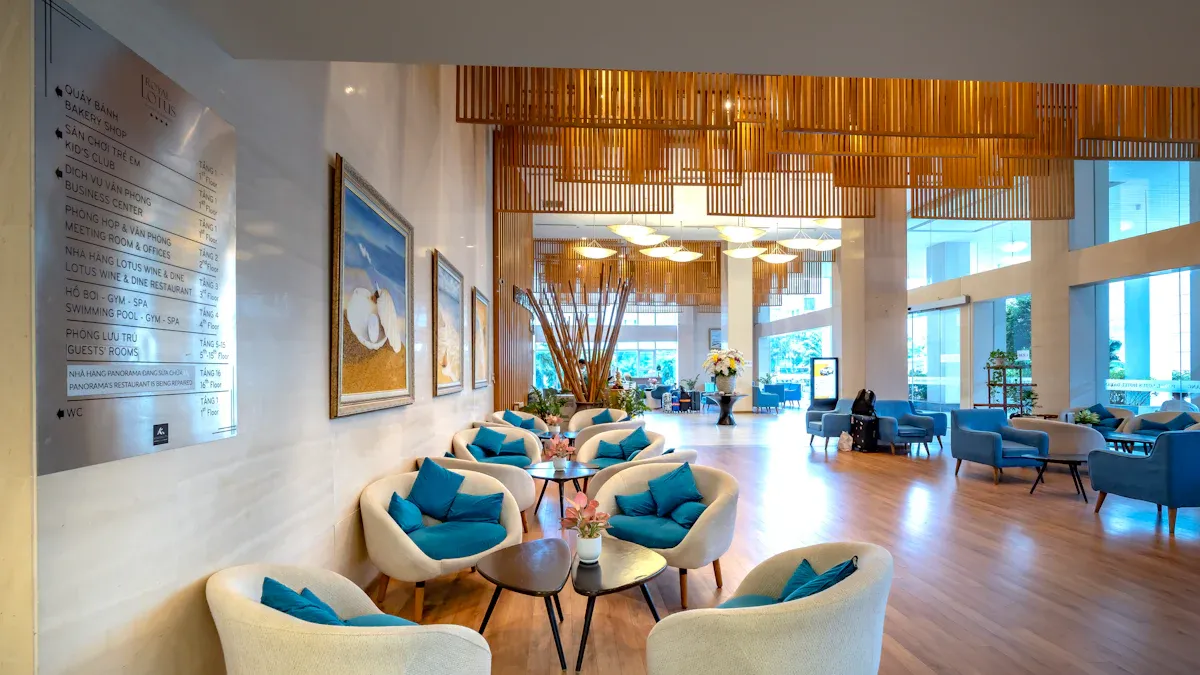
Selecting hotel chairs requires a careful balance of aesthetics, durability, comfort, and functionality. Informed decisions in this area significantly enhance the guest experience and improve operational efficiency. When considering modern hospitality furniture, it’s clear that well-chosen pieces can truly elevate a space. Taisen Furniture, a leading hotel furniture supplier, specializes in providing custom hotel furniture solutions. They are experts in guiding clients on what chairs are best for small hotel rooms, offering practical advice and innovative designs. Furthermore, Taisen Furniture can also assist in answering the question of where to find custom hotel furniture manufacturers, leveraging their extensive industry knowledge and network.
Key Takeaways
- Choose hotel chairs that are strong and comfortable. This makes guests happy and helps the hotel run well.
- Think about who your guests are and what they like. This helps you pick chairs that fit their needs and the hotel’s style.
- Always test chairs before buying many. This makes sure they are good quality and will last a long time.
Strategic Planning for Hotel Chair Selection
Defining Project Needs and Aesthetic
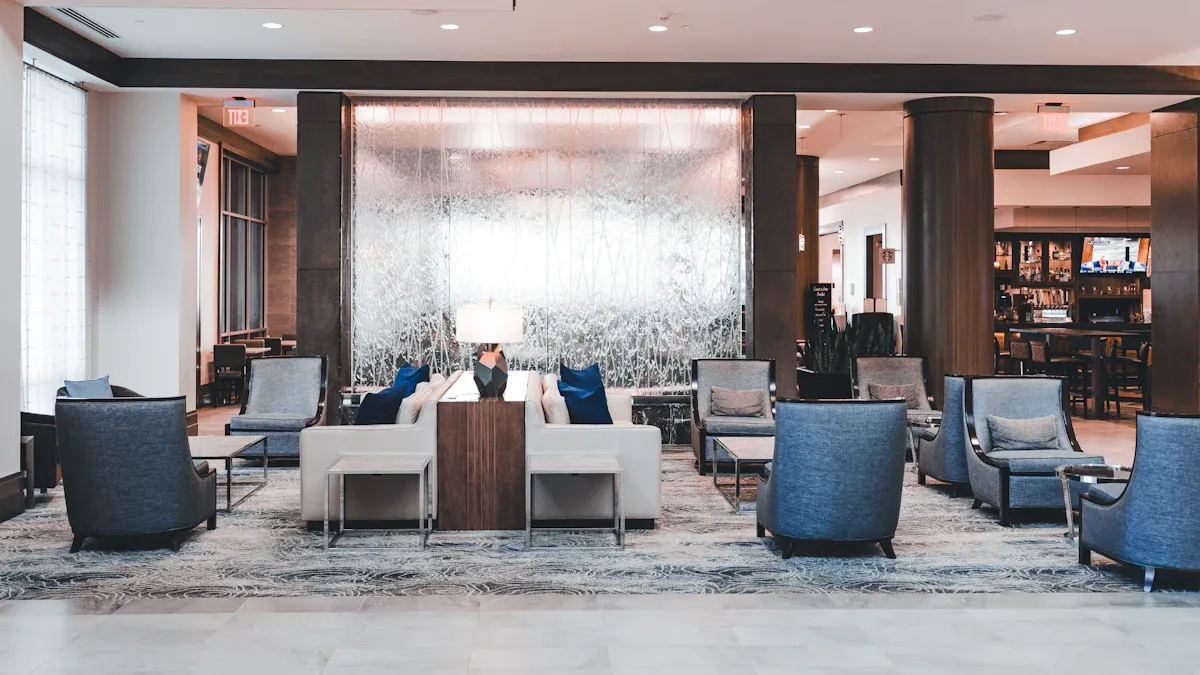
Successful hotel chair selection begins with a clear understanding of project needs. Project managers must define the specific purpose of the chairs. They also need to establish the desired aesthetic. This initial step ensures all subsequent decisions align with the overall vision for the hospitality space. Consider the function of each area, whether it is a lobby, guest room, or dining area.
Understanding Guest Demographics and Expectations
Guest demographics significantly influence furniture choices. Different generations have distinct expectations for hotel furniture design. Baby Boomers often seek familiar comfort and modern amenities. They appreciate easy-to-use technology and health options. Generation X guests look for a balance of comfort and functionality. They value practical amenities and reliable Wi-Fi. Millennials prioritize authentic, unique, and tech-integrated experiences. They expect seamless connectivity and communal spaces. Generation Z, as digital natives, demand hyper-connectivity, personalized technology, and visually appealing designs. They also value sustainability. Understanding these preferences helps select chairs that resonate with the target audience.
Measuring Space and Considering Traffic Flow
Accurate space measurement is crucial for effective chair placement. Designers must consider how guests will move through the area. They should select versatile furniture that matches the lobby’s design. Modular furniture allows for rearrangement, accommodating various events. Offering different seating options caters to diverse preferences. Designers must ensure furniture does not block movement. They should maintain open space between pieces for smooth traffic flow. Integrating technology like charging stations also supports guest needs.
Aligning with Brand Identity and Design Theme
Every hotel has a unique brand identity and design theme. Chair selection must reflect this identity. The chosen furniture should complement the hotel’s overall aesthetic. This includes colors, textures, and materials. For example, a luxury boutique hotel might opt for elegant, custom hotel furniture with unique fabrics. A modern business hotel might choose sleek, functional designs. Consistent design elements reinforce the brand and create a cohesive guest experience.
Prioritizing Key Characteristics and Custom Hotel Furniture
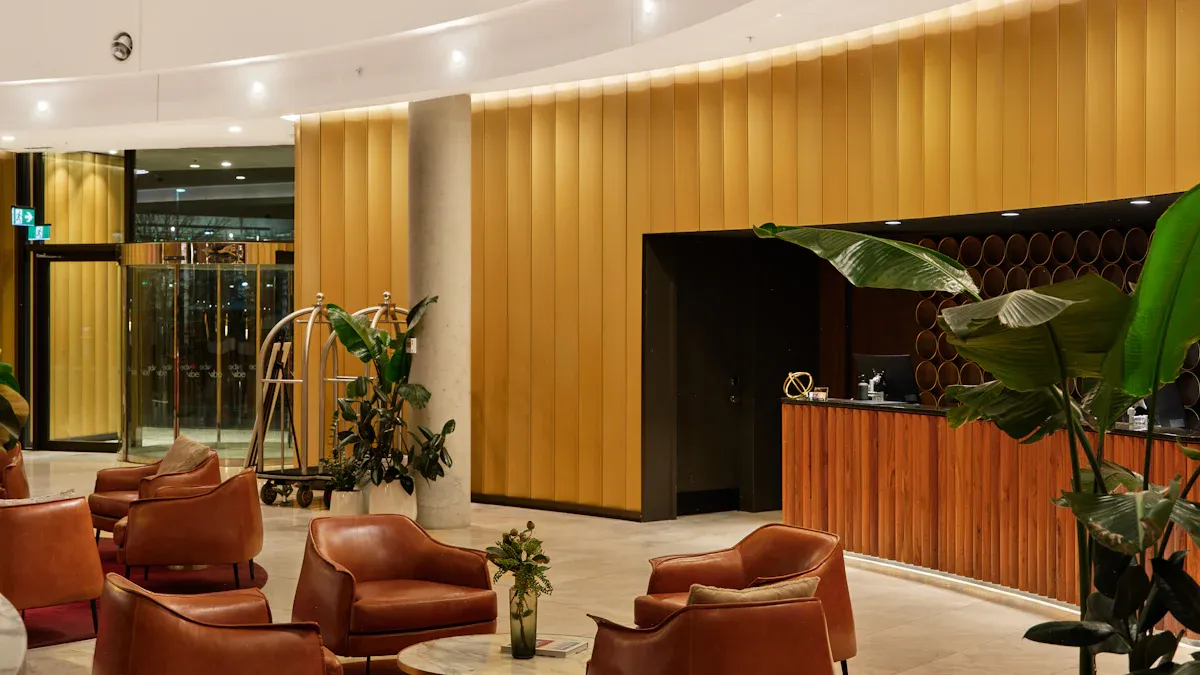
Selecting hotel chairs involves more than just aesthetics. Project managers must prioritize key characteristics to ensure long-term satisfaction and operational efficiency. This includes evaluating durability, comfort, functionality, and maintenance requirements.
Evaluating Durability and Material Suitability
Durability stands as a paramount consideration for hotel chairs. Hotel furniture in high-traffic areas must withstand constant use. Commercial-grade pieces are specifically engineered for heavy use. This ensures longevity and reduces the need for frequent replacements. Investing in high-quality materials significantly contributes to the furniture’s lifespan and comfort. For instance, kiln-dried hardwood frames offer strength and resist warping. High-density foam for cushions provides support and retains shape, minimizing maintenance costs over time.
Various materials offer different benefits for hotel chairs:
- Metal (steel, aluminum, iron) provides a sturdy structural basis. It suits modern environments and withstands heavy use.
- Plastic and acrylic are lightweight and adaptable. Good-quality versions offer surprising firmness and allow for easy rearrangement. However, thin plastic can crack under stress.
- Rattan and wicker offer a cozy look. Their durability in humid areas depends on proper sealants and care. Protection from heavy rain prevents fiber weakening.
- Glass, especially tempered glass, appears sleek and resists minor bumps. Large impacts can cause cracks, requiring gentle care.
- Upholstered furniture uses materials like cotton blends, leather, or synthetic fabrics. Consider stain resistance and fading in direct sunlight. Occasional cleaning or conditioning maintains longevity.
The selection of materials is crucial for durability. Premium hardwoods like walnut, oak, and maple, along with commercial-grade fabrics, high-pressure laminates, and robust metal components, are more resilient than residential alternatives. This directly impacts the furniture’s lifespan.
Assessing Comfort and Ergonomics
Guest comfort directly impacts their experience and satisfaction. Uncomfortable seating can lead to guest complaints. Guests often complain about uncomfortable beds, inadequate climate control, or missing amenities. Therefore, assessing comfort and ergonomics is vital.
General ergonomic principles guide hotel furniture design:
- Comfort: Provides proper support to reduce strain. This creates a welcoming and relaxing environment.
- Functionality: Serves clear purposes and supports guest activities. This makes the space practical and efficient.
- Flexibility: Adapts to various guest preferences and needs. This accommodates a wider range of travelers.
- Accessibility: Caters to all guests regardless of physical ability. This improves inclusivity.
For lounge chairs, specific ergonomic principles apply:
- Lounge chairs with the right seat depth offer a cozy spot to unwind.
- Ottomans provide leg support, allowing guests to stretch out and relax.
- Proper spinal alignment, alleviation of pressure points, and better circulation are essential.
- Optimal back support and a pleasant tactile experience enhance comfort.
- Safety is always a primary concern.
Ergonomic design also offers health benefits. It improves circulation by positioning feet at a 90-degree angle, minimizing cardiovascular disease risk. It minimizes hip pressure through sufficient padding and depth. It supports posture and alleviates back pain for individuals with musculoskeletal ailments. This requires careful adjustment of design. Factors like climate, average temperature, and the clientele’s clothing influence size, shape, and upholstery options. Dimensional variety in seat depth, height, width, and angular positioning is necessary. Custom hotel furniture solutions can provide bespoke models that offer full customization to meet diverse needs.
Determining Functionality and Versatility
Hotel chairs must offer functionality and versatility to adapt to various uses and events. Many banquet chair designs prioritize easy stacking and efficient storage. This is crucial for dynamic event spaces requiring flexibility and quick room turnarounds. This practical design makes them ideal for venues that frequently change layouts or need to store chairs neatly. Some banquet chairs are engineered for remarkable versatility and durability. They withstand heavy, consistent use and various weather conditions for both indoor and outdoor events.
Consider these versatile options:
- Stackable chairs are invaluable for storage efficiency in multipurpose spaces like banquet halls or breakfast zones.
- Customizable options, such as chairs with interchangeable cushions or fabric colors, offer flexibility. They adapt to changing decor.
- Multi-purpose seating transitions seamlessly between casual and formal settings. This is ideal for dynamic dining spaces.
- Outdoor compatibility uses weather-resistant materials like resin, aluminum, or treated wood. This is essential for alfresco dining or poolside restaurants.
Investing in modular furniture, specifically stackable chairs and adjustable, movable tables, allows for quick reconfigurations of event spaces.
Considering Maintenance and Cleaning Requirements
Maintenance and cleaning requirements significantly impact operational costs and guest satisfaction. Low-maintenance materials significantly reduce ongoing expenses. These include cleaning supplies, labor hours, and repair costs. Quality furniture contributes to positive guest experiences. It prevents negative impressions from wobbly chairs and faded cushions that impact reviews and repeat business.
Filthy furniture appears unprofessional and unsanitary. It leads to wasted labor time for cleaning and premature replacement if stains are permanent. Selecting smart, low-maintenance materials prevents these issues. Examples include easy-to-wipe-down fabrics and surfaces like vinyl, treated fabrics, laminate tabletops, and non-porous solid surfaces. Easy-to-clean furniture keeps spaces looking new and saves time and money.
Implement consistent daily cleaning routines to extend upholstery life. Spot clean spills immediately to prevent stains from setting. Keep cleaning kits stocked with enzyme cleaners for protein-based stains, solvent cleaners for oil-based marks, and gentle pH-neutral solutions for everyday dirt. Vacuum chair surfaces with a soft-bristled attachment, focusing on seams and crevices. For leather upholstery, wipe with a slightly damp microfiber cloth, followed by a dry cloth to prevent moisture absorption. Identify fabric type from upholstery tags to use correct cleaning products. Apply fabric protector spray every two weeks to maintain stain resistance. Test cleaners on an inconspicuous spot first and avoid oversaturating the fabric. Work from the outside of stains inward to prevent spreading. Allow chairs to dry completely before returning them to service.
| Treatment Type | Frequency | Purpose |
|---|---|---|
| Deep Steam Clean | Quarterly | Removes embedded dirt, sanitizes fabric |
| Protective Coating | Semi-annually | Repels stains, extends fabric life |
| Seam Repair | As needed | Prevents splitting, maintains structure |
| Leather Conditioning | Every four months | Prevents cracking, maintains suppleness |
Budgeting for hotel furniture involves considering not just the initial sticker price. It also includes long-term maintenance and replacement costs. Hotel furniture must endure continuous wear and tear from thousands of guests annually. This necessitates materials and designs that extend furniture lifespan, reducing maintenance frequency. Although the capital expense is higher, hotel furniture often provides better value over time. It minimizes unexpected replacement and repair costs. Hotels increasingly seek furniture made from durable materials that withstand heavy use. These materials, such as high-quality hardwoods, metal alloys, and durable fabrics, may require a higher upfront investment. They offer substantial long-term benefits by extending furniture lifespan.
Integrating Tables and Complementary Pieces
Chairs rarely stand alone in a hospitality setting. They form part of a larger furniture ecosystem. Integrating tables and complementary pieces ensures a cohesive and functional space. When selecting chairs, consider how they will pair with dining tables, coffee tables, side tables, and other lounge furniture. The materials, finishes, and design language of these complementary pieces should align with the chosen chairs. This creates a harmonious aesthetic. For example, a modern dining chair pairs well with a sleek, minimalist table. A plush lounge chair might complement a rustic wooden coffee table. Custom hotel furniture allows for perfect coordination across all elements. This ensures every piece contributes to the overall design theme and guest experience.
Budgeting, Sourcing, and Practical Implementation
Setting a Realistic Budget per Chair
Establishing a realistic budget per chair is a critical first step. Project managers must understand that several factors influence the final cost. Custom designs often incur higher expenses. This happens due to specialized materials, engineering time, and production labor. These costs are higher compared to standard catalog furniture. The type and quality of materials requested also significantly impact the overall price. Shorter lead times can increase costs. Suppliers may charge more for rushed material delivery. The origin of the product, whether domestic or overseas, affects pricing. The overall scale of the project also influences the total cost.
Material costs and quality directly influence the price. For example, solid wood, metal, glass, or sustainable options vary in expense. Higher quality materials lead to increased durability and cost. Bespoke designs, handcrafted elements, and unique finishes for custom hotel furniture result in higher prices. This is due to specialized labor and design requirements. Manufacturing and production expenses also vary. These depend on whether furniture is handmade or mass-produced. The level of automation used and raw material sourcing expenses also play a role. Transportation and logistics contribute to the final price. Shipping distance, freight, customs fees, and warehousing costs are all factors. Local suppliers can potentially reduce these expenses. Hospitality furniture market trends, such as demand for sustainable furniture or changes in design, can influence pricing. Broader economic conditions also affect prices. Raw material shortages, inflation, tariffs, and trade policies can cause fluctuations.
Selecting Reputable Suppliers and Manufacturers
Choosing reputable suppliers and manufacturers is essential for a successful project. Project managers should look for suppliers with years of experience. They should also have successful collaborations and positive testimonials. Visiting showrooms or factories offers insights into their expertise. Assess their manufacturing capabilities and factory standards. This includes advanced machinery, skilled artisans, and strict quality control. Factory certifications, production capacity, and quality assurance procedures are also important.
Verify the durability and suitability of materials. This includes treated wood, high-grade upholstery, and corrosion-resistant metal. Inspect samples and detailed specifications. Inquire about customization options. Ensure the supplier adheres to regulations. These include fire retardancy, toxicity limits, and ergonomic design. Request certifications such as ISO standards and fire safety certificates. Evaluate shipping timelines, packaging, and delivery guarantees. Also, assess warranty coverage, repair support, and parts availability. Seek a balance between competitive pricing and uncompromised quality. Request detailed breakdowns to avoid hidden costs.
Suppliers should demonstrate flexibility and customization capabilities. They must adapt to specific needs. This includes offering bespoke designs, unique finishes, and particular dimensions. Flexibility in order sizes and delivery arrangements is also important. For large orders, understand their capacity to guarantee timely delivery without compromising quality. This is especially true for tight project timelines. Evaluate the clarity of pricing models and the absence of hidden costs. Clear payment terms and flexible payment options are also important. Assess warranty terms, repair services, and the availability of replacement parts. This ensures prompt resolution of defects. Examine the supplier’s design capabilities and portfolio. Their ability to accommodate bespoke projects and respond to evolving hospitality design trends is also key. Verify their capacity for timely delivery and packaging standards. This prevents damage. Contingency plans for bulk shipments are also important.
💡 Tip: Look for suppliers with certifications like ISO 9001 for quality management. BIFMA standards ensure sustainability and safety for commercial furniture. LEED Certification promotes sustainable building practices. GREENGUARD certifies low-emission products for better indoor air quality. FSC Certification promotes responsible forest management for wood products. SAVIP Certification ensures safety and performance in food service equipment. CE Marking indicates compliance with European health and safety standards. These certifications demonstrate a commitment to quality and ethical practices.
Testing Chairs Before Bulk Purchase
Testing chairs before a bulk purchase is a crucial step. It ensures the chosen furniture meets all expectations. Project managers should request samples of the chairs. They must conduct thorough physical inspections. Check for any defects in craftsmanship or materials. Assess the chair’s stability and structural integrity. Sit in the chairs for an extended period. This evaluates comfort and ergonomic support. Consider how the chair feels to different body types. This ensures broad guest satisfaction. Test any moving parts or adjustable features. Ensure they operate smoothly and reliably. This pre-purchase testing helps identify potential issues early. It prevents costly problems after a large order arrives.
Ensuring Compliance with Safety and Accessibility Standards
Compliance with safety and accessibility standards is non-negotiable. Hotel chairs must meet specific codes and legal requirements. This includes flammability standards. These standards ensure furniture does not easily catch fire and spread flames. Commercial seating must meet CAL 117 fire uphold restrictions. These are essential for fabric fillers. Fabrics should comply with NFPA 701 (Class 1 flame resistance) or BS 5852 standards. Often, fabrics are treated with fire-retardant coatings. Internal padding, such as high-resilience foam, should be certified by CertiPUR-US® for both comfort and fire safety.
Stability standards require furniture to be sturdy. Chairs must not easily topple over. Material standards mandate the use of non-toxic materials. They also prevent sharp edges or protrusions that could cause injury. BIFMA X5.5-2017 covers strength and safety tests for commercial sofas and lounge chairs. It incorporates fatigue, impact, and fire resistance tests. This ensures long-term safety.
ADA compliance for hotel seating is a legal mandate. It ensures equal access for individuals with disabilities. A minimum of 30 inches by 48 inches (760 mm by 1220 mm) clear floor space must be provided. This allows for wheelchair approach at all accessible seating locations. The accessible seat height typically ranges between 17 and 19 inches (430 mm to 485 mm). This measurement is from the floor to the top of the seat surface. If armrests are present, they should provide support. They must not hinder transfer. A certain percentage of seating in public areas must comply with these guidelines. This includes lobbies, restaurants, and lounges. It ensures accessible seating at tables, counters, and lounge areas. Modern universal design principles combine functionality with elegant aesthetics. Accessible furniture can be stylish and luxurious. It seamlessly integrates into the hotel’s design.
Understanding Warranties and After-Sales Support
Understanding warranties and after-sales support is crucial for long-term satisfaction. A comprehensive after-sales support system ensures furniture longevity. It also addresses any issues that arise. This support typically begins with reception and recording. Customer consultation happens via hotline or online platform. Detailed information recording includes hotel name, contact, problem description, and expected resolution. This generates a work order.
The next step involves problem diagnosis and confirmation. This includes initial communication with customers. Professional on-site diagnosis may be needed. This leads to a plan for repair, replacement, or compensation. Implementation of solutions follows. This involves performing repair services, either on-site or at the factory. Replacement services include logistics delivery and guidance for replacement.
Follow-up and acceptance are also important. This includes post-repair quality inspection. Customer acceptance and feedback collection occur. Satisfaction surveys are also conducted. After-sales record and summary involve archiving service records. This includes work orders, communication, reports, and feedback. Regularly analyzing data helps optimize service processes. Customer care and maintenance involve regular follow-up visits. These understand furniture usage. Establishing long-term relationships happens through value-added services. These include maintenance knowledge and preferential activities.
The comprehensive after-sales support, including a generous warranty and proactive maintenance services, underscores their commitment to long-term client satisfaction. Overall, Starjoy exemplifies the ideal balance of quality, efficiency, and service that a luxury hotel demands.
Strategic planning and careful selection of hotel chairs are crucial. These efforts ensure long-term guest satisfaction and operational success. Project managers make confident choices when they prioritize durability, comfort, and functionality. This elevates the hospitality project. Thoughtful chair selection enhances the overall guest experience. It also supports efficient hotel operations.
FAQ
What is the most important factor when choosing hotel chairs?
Durability, comfort, and aesthetics are paramount. Hotels require chairs that endure heavy use. They also need chairs that offer a pleasant guest experience.
How does custom hotel furniture benefit a project?
Custom furniture aligns perfectly with brand identity. It fulfills specific design and functional needs. This creates a unique, cohesive guest environment. ✨
Why is testing chairs before bulk purchase important?
Testing chairs ensures they meet quality and comfort standards. It prevents costly problems after a large order. This guarantees guest satisfaction and operational efficiency.


