
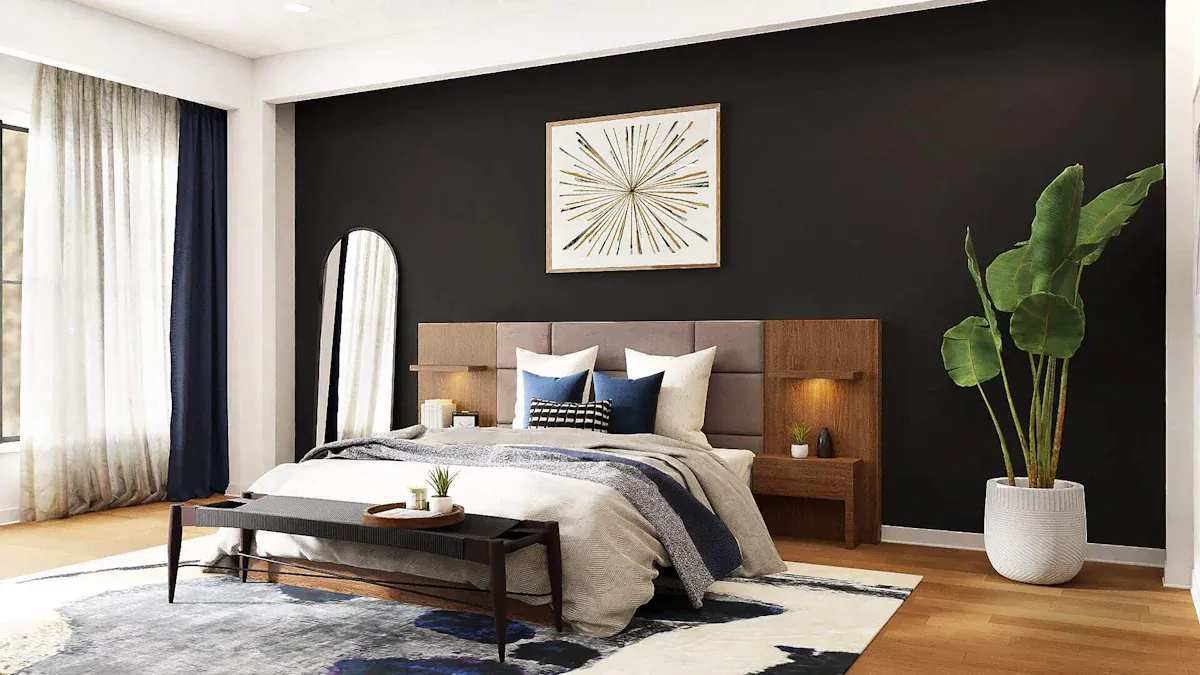
Selecting durable hospitality furniture, particularly hotel guestroom casegoods, is crucial for ensuring a seamless guest experience in high-traffic hotels. These resilient furnishings significantly enhance operational efficiency by reducing replacement costs and minimizing interruptions caused by frequent use. High-quality materials, such as solid wood, maintain a polished appearance that positively influences guest perceptions, aligning with luxury hotel interior design standards.
However, resorts face several challenges when choosing these essential items. A comprehensive FF&E procurement guide can help navigate these challenges, which include:
- Compliance with ADA regulations
- Selection of durable materials
- Integration of technology
- Adherence to architectural woodworking standards
- Importance of warranties
Additionally, custom hotel furniture design can address specific needs and preferences, ensuring that resorts provide a comfortable and appealing environment for all guests. Addressing these challenges ensures that resorts can effectively choose furniture for high-traffic hotels, creating an inviting atmosphere for their clientele.
Key Takeaways
- Choose durable materials like high-pressure laminate and solid wood for hotel furniture. These options withstand heavy use and maintain their appearance over time.
- Incorporate modular and multi-functional designs in guestroom furniture. This flexibility allows for easy updates and maximizes space efficiency.
- Implement regular maintenance routines to keep furniture in top condition. Daily cleaning and preventive checks can extend the life of casegoods and enhance guest satisfaction.
- Gather and analyze guest feedback to inform furniture choices. Understanding guest preferences helps improve comfort and encourages repeat visits.
- Invest in high-quality furnishings for long-term savings. While the initial cost may be higher, durable furniture reduces replacement needs and enhances overall guest experience.
Key Factors in Selecting Hotel Guestroom Casegoods
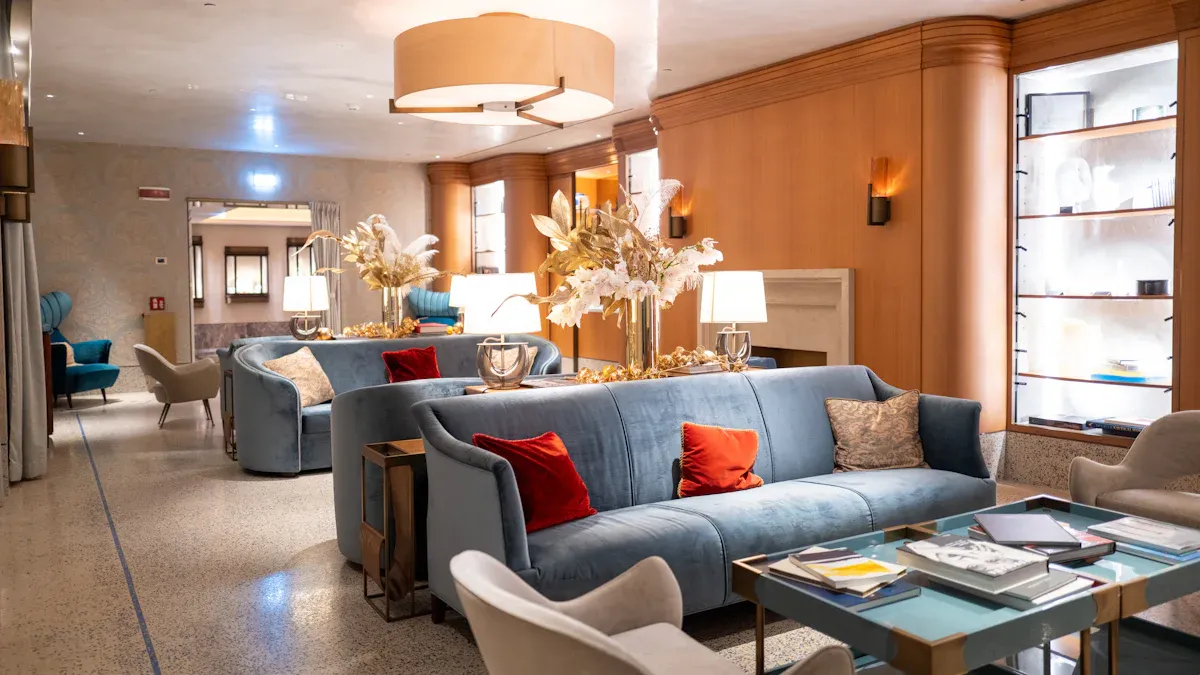
Selecting hotel guestroom casegoods involves careful consideration of several key factors that directly impact both guest satisfaction and operational efficiency. The following sections delve into material durability, design features, and maintenance requirements, which are essential for high-traffic resorts.
Material Durability
Durability stands as a primary concern when choosing hotel guestroom casegoods. High-traffic areas demand materials that can withstand constant use while maintaining their aesthetic appeal. The following factors influence material selection:
- Laminate and Wood Veneer: Laminate, especially high-pressure laminate (HPL), is favored for its durability and resistance to scratches and moisture. It often outlasts wood veneer, making it a smart investment for resorts.
- PVC and 3DL: These materials offer excellent impact resistance and are easy to clean, making them suitable for modern casegoods. Their seamless design prevents moisture and bacteria entry, enhancing hygiene.
- Testing for Longevity: Durability testing ensures that furniture can endure the demands of high-traffic environments, with expectations of lasting 7–10 years.
Design Features
Design features play a crucial role in extending the lifespan of hotel guestroom casegoods. Effective design not only enhances aesthetics but also improves functionality. Consider the following:
- Modular Designs: These allow for easy updates and maintenance, which is vital for operational efficiency. They can adapt to changing trends without requiring complete replacements.
- Multi-functional Furniture: This maximizes space and offers practical solutions without sacrificing style. For instance, beds with built-in storage or desks that double as dining tables can enhance usability.
- Ergonomics: Ergonomic design supports good posture and minimizes discomfort, contributing to guest satisfaction. Comfortable seating and well-placed furniture can significantly enhance the overall guest experience.
| Design Feature | Description |
|---|---|
| Metal Moldings | Offer superior resistance to damage and corrosion, ideal for high-traffic areas. |
| Durable Furniture Surfaces | Materials like quartz or high-pressure laminate ensure scratch resistance and easy maintenance. |
| Protective Features | Metal accents on corners prevent damage and can enhance the overall design. |
| Stronger Finishes | Options like HP laminate and baked-on metal finishes provide durability against wear and tear. |
Maintenance Requirements
Maintenance requirements significantly impact the operational costs of high-traffic resorts. Proper maintenance protocols can minimize downtime and extend the life of hotel guestroom casegoods. Key maintenance tasks include:
- Daily Room Maintenance: Housekeeping staff perform essential tasks such as making beds and dusting surfaces to keep rooms inviting.
- Deep Cleaning: Periodic thorough cleaning, including shampooing carpets and polishing furniture, helps maintain a fresh appearance.
- Preventive Maintenance: Regular checks can prevent issues, ensuring that furniture remains in good condition and operational costs stay low.
| Maintenance Task | Description |
|---|---|
| Daily Room Maintenance | Performed by housekeeping staff, includes making beds, dusting surfaces, cleaning bathrooms, etc. |
| Deep Cleaning | More thorough cleaning done periodically, such as shampooing carpets and polishing furniture. |
| Preventive Maintenance | Regular checks to prevent issues, including inspecting electrical and plumbing systems. |
| Guest Room Inspection | Supervisors inspect rooms before check-in to verify cleanliness and setup standards. |
By prioritizing these key factors, resort managers can ensure that their selections of hotel guestroom casegoods meet the demands of high-traffic environments while enhancing guest satisfaction.
Material Durability of Hotel Guestroom Casegoods
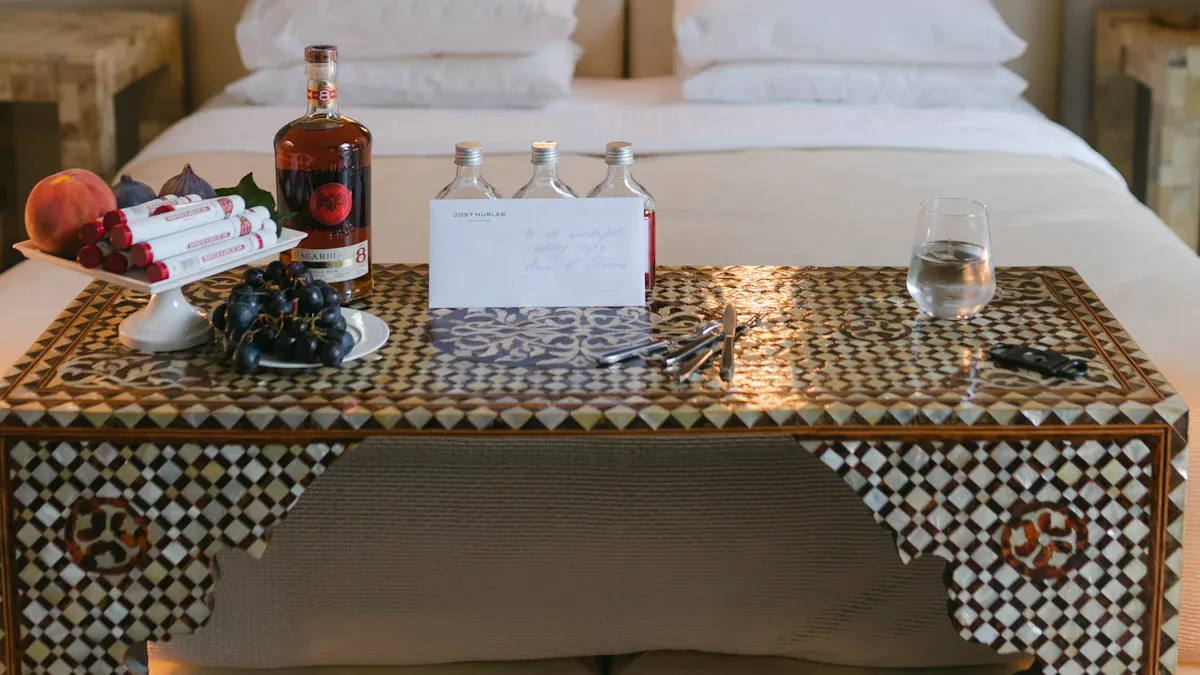
Selecting the right materials for hotel guestroom casegoods is essential for durability and longevity. Each material offers unique advantages and challenges, particularly in high-traffic environments.
Pros and Cons of Wood
Wood remains a popular choice for hotel guestroom casegoods due to its aesthetic appeal and durability. However, it is important to weigh its pros and cons:
| Advantage/Disadvantage | Description |
|---|---|
| Advantage | Solid wood offers durability and a premium aesthetic, making it a desirable choice for high-traffic environments. |
| Disadvantage | Potential wear and maintenance challenges in high-traffic areas require careful consideration. |
Statistical data shows that solid hardwood and engineered wood (like plywood) provide high durability, making them suitable for headboards and casegoods.
| Material | Durability | Best Use |
|---|---|---|
| Solid hardwood (FSC) | High | Headboards, high-end lobby pieces |
| Engineered wood (plywood/HDF) | High (with quality core) | Casegoods, bedside tables |
Benefits of Metal
Metal casegoods offer several advantages that enhance their suitability for high-traffic hotel environments:
- Metal casegoods provide structural integrity, making them ideal for high-traffic hotel areas.
- They are easy to clean, which is essential for maintaining guestroom hygiene.
- Metals like aluminum and steel offer strength while being lightweight, enhancing durability.
- Metal elements require minimal maintenance, making them practical for hotel environments.
Advantages of Upholstered Options
Upholstered casegoods contribute significantly to guest comfort and overall experience. Their benefits include:
- Upholstered elements enhance acoustic performance, contributing to a quieter environment for guests.
- Designers prioritize sound control in hotel design, indicating that guests increasingly expect a comfortable and acoustically pleasing experience.
- Thoughtfully designed furniture, including upholstered casegoods, leads to a significant increase in positive guest reviews related to comfort.
Hotels with well-designed furniture, including upholstered options, see a 20% increase in positive reviews related to comfort.
Cleaning and maintenance for upholstered casegoods involve:
- Regular vacuuming and immediate stain treatment using appropriate cleaners.
- Using non-abrasive cleaners and polish to protect finishes from moisture rings.
- Periodically checking and tightening bolts on tables and chairs, especially in high-use dining areas.
By understanding the material durability of hotel guestroom casegoods, resort managers can make informed decisions that enhance both guest satisfaction and operational efficiency.
Design Features of Hotel Guestroom Casegoods
Aesthetic Considerations
Aesthetics play a vital role in hotel guestroom casegoods. Guests often form their first impressions based on the visual appeal of their surroundings. Therefore, resorts should prioritize durable furniture and materials that maintain their beauty over time. Popular choices include:
- Metal mouldings for their durability and ease of maintenance.
- Upgraded surfaces for furniture, such as nightstands and desks, which enhance the overall look.
- Protective features like metal accents on furniture to prevent damage and maintain a polished appearance.
These elements not only contribute to the visual appeal but also reflect the quality of the resort.
Functional Layouts
The layout of hotel guestroom casegoods significantly impacts guest comfort and convenience. Effective design ensures that guests can navigate their rooms easily while accessing essential amenities. Key considerations include:
- Utilizing multifunctional furniture, such as beds with built-in storage or desks that double as dining tables.
- Smart storage solutions that maximize limited space, particularly in high-traffic environments.
- Balancing comfort and space to allow guests to move freely without feeling cramped.
Thoughtful placement of furniture enhances the overall experience, making it essential for resorts to invest in high-quality furnishings.
Space Optimization
Space optimization is crucial in high-traffic resorts. The design of guest rooms must facilitate effective use of space while providing comfort. Strategies for achieving this include:
- Arranging furniture to create open pathways, allowing guests to navigate easily.
- Incorporating modular designs that can adapt to changing needs without requiring complete replacements.
- Ensuring that every piece of furniture serves a purpose, contributing to both functionality and aesthetics.
By focusing on these design features, resorts can create inviting environments that enhance guest satisfaction and operational efficiency.
Maintenance Requirements for Hotel Guestroom Casegoods
Maintaining hotel guestroom casegoods is essential for ensuring longevity and guest satisfaction. Effective maintenance strategies can significantly reduce operational costs while enhancing the overall guest experience.
Cleaning Protocols
Implementing proper cleaning protocols helps preserve the appearance and functionality of hotel guestroom casegoods. Consider the following recommendations:
- Keep doors and windows closed to control humidity levels.
- Avoid frequent and sudden changes in humidity.
- Maintain moderate temperatures of around 70–72 degrees Fahrenheit and about 50–55% humidity.
- Avoid storing furniture in a warehouse if possible.
- Keep furniture away from heat sources like fireplaces or radiators.
- Use a dehumidifier in damp rooms or during wet seasons to reduce moisture.
- Keep furniture out of direct sunlight.
These practices help prevent damage and maintain the aesthetic appeal of the furnishings.
Repair and Replacement Strategies
Strategic planning for repairs and replacements is vital for maintaining guest satisfaction and managing costs. The following table outlines different types of capital expenditures (CapEx) related to hotel guestroom casegoods:
| Type of CapEx | Description | Impact on Guest Satisfaction and Costs |
|---|---|---|
| PIP / Renovation CapEx | Brand mandated upgrades for various hotel areas. | Enhances guest experience but requires significant investment. |
| Maintenance CapEx | Ongoing costs to keep hotel operations running smoothly. | Preserves guest satisfaction by ensuring functionality. |
| Lifecycle Replacement CapEx | Addresses wear and tear of casegoods and other items. | Timely replacements can improve guest perception and comfort. |
To streamline the repair process, resorts can standardize on modular components for quick replacements. Utilizing dedicated service lifts minimizes disruption during repairs, while real-time communication keeps guests informed about ongoing maintenance activities.
Long-term Care Tips
Long-term care of hotel guestroom casegoods involves proactive measures to extend their lifespan. Regular inspections can identify potential issues before they escalate. Additionally, staff should receive training on proper handling techniques to prevent accidental damage.
Investing in high-quality materials and finishes can also reduce the frequency of repairs and replacements. By treating maintenance as an investment rather than a cost, resorts can enhance their competitive advantage and improve guest satisfaction.
Enhancing Guest Experience with Hotel Guestroom Casegoods
Comfort and Usability
Comfort and usability are paramount in high-traffic resorts. Guests expect their accommodations to provide a restful and functional environment. Durable furniture enhances guest comfort and satisfaction. Well-maintained hotel guestroom casegoods withstand the rigors of constant use while maintaining their aesthetic appeal. This durability is essential for a pleasant guest experience.
To illustrate the benefits of different finishes, consider the following table:
| Finish Type | Best For | Key Benefits |
|---|---|---|
| PU (Polyurethane) | Hotel rooms, casegoods, tabletops | High chemical resistance, stronger surface hardness, superior moisture protection, longer lifespan |
| NC (Nitrocellulose) | Decorative pieces, accent furniture | Faster to spray, smoother initial appearance, lower cost, but less durable over time |
Investing in high-quality furnishings ensures compliance with safety standards, further enhancing the overall guest experience.
Brand Identity Reflection
Hotel guestroom casegoods play a significant role in reflecting a resort’s brand identity. The choice of materials, colors, and designs communicates the resort’s values and aesthetic. Strategic interior design focused on materiality, lighting, durability, and sense of place enhances guest satisfaction and reinforces brand identity.
"Investing in elevated guestrooms and suites strengthens the entire resort ecosystem, supporting longer stays and repeat visitation."
This connection between design and brand identity is crucial. Guests often associate their experiences with the quality of the furnishings. Therefore, resorts must prioritize the selection of casegoods that align with their brand image.
Guest Feedback Integration
Integrating guest feedback into the selection of hotel guestroom casegoods is essential for continuous improvement. Resorts can gather insights through surveys and reviews to understand guest preferences and expectations. This feedback can guide future purchases and renovations, ensuring that the furnishings meet the evolving needs of guests.
By analyzing guest feedback, resorts can identify trends and preferences that inform their design choices. For example, if guests frequently mention the comfort of upholstered furniture, resorts may choose to invest more in these options. This proactive approach not only enhances guest satisfaction but also fosters loyalty and repeat business.
Budget Considerations for Hotel Guestroom Casegoods
Selecting hotel guestroom casegoods involves careful budget considerations. Managers must balance upfront costs with long-term value to ensure a wise investment.
Cost vs. Quality Analysis
When evaluating cost versus quality, resorts should recognize that higher-quality furnishings often come with a higher initial price tag. However, these investments yield significant benefits over time. Consider the following points:
- Quality-made FF&E may have a higher initial cost but last longer due to superior materials and workmanship.
- Replacing poorly constructed FF&E can lead to higher overall costs over time.
- Investing in durable products reduces the frequency of replacements, enhancing long-term value.
| Factor | Ready-Made | Custom-Made | Impact |
|---|---|---|---|
| Upfront cost | Lower | Higher | Custom = 20–40% more |
| Durability | 3–5 years | 10+ years | Lower replacement cost |
| ROI | Short-term | Long-term | 2–3× better lifespan value |
Long-term Investment Value
Investing in durable hotel guestroom casegoods proves beneficial in the long run. While the upfront costs may be higher, the longevity of quality furnishings leads to lower replacement rates. This results in a better return on investment (ROI) for resorts. By choosing casegoods designed for durability, resorts can expect to see a significant reduction in replacement costs over time.
Sourcing Options
Sourcing options for hotel guestroom casegoods can greatly impact overall costs. Different suppliers offer various advantages, which can help resorts manage their budgets effectively. Here are some notable options:
| Supplier | Offerings | Pricing Impact | Lead Times Impact |
|---|---|---|---|
| HotelSupplyDepot.com | Hospitality-ready guest room furniture and coordinated casegoods | Periodic promotions help reduce project costs | In-stock items ship faster; larger orders may require scheduling |
| Hotel Liquidation Warehouse | Bulk buys of high-end furniture from major brands | Liquidation pricing is typically well below new, making large projects cost-effective | Fast turnaround if items are on hand; popular sets may sell out quickly |
| Wholesale Interiors | Stylish hotel bedroom and lobby furniture at discounted prices | Positioned at discounted pricing relative to comparable styles | Lead times vary; confirm timelines early for multi-room packages |
| American Hotel | Spec-ready FF&E and casegoods for uniform room packages | Pricing scales with volume; in-stock items move faster | Made-to-order or coordinated packages require more lead time |
By carefully considering these budget factors, resort managers can make informed decisions that align with their financial goals while ensuring a high-quality guest experience.
Selecting hotel guestroom casegoods requires thoughtful consideration. The right choices enhance guest experiences and reflect the resort’s brand identity. Balancing durability, functionality, and aesthetics is crucial for high-traffic environments.
| Factor | Importance |
|---|---|
| Guest experience | High-quality, aesthetically pleasing furniture enhances room appeal and comfort. |
| Brand identity | Case goods must align with the hotel’s theme to create unique impressions and stand out. |
| Durability & functionality | Robust designs ensure longevity and reduce replacement costs, enhancing usability for guests. |
Resorts should prioritize guest experience in their decision-making process. This approach fosters satisfaction and loyalty among guests.
FAQ
What are hotel guestroom casegoods?
Hotel guestroom casegoods refer to the furniture items found in hotel rooms, such as beds, dressers, desks, and nightstands. These pieces are designed for durability and functionality, catering to the needs of guests in high-traffic environments.
How do I choose durable materials for casegoods?
Selecting durable materials involves considering options like solid wood, metal, and high-pressure laminate. Each material offers unique benefits, such as resistance to wear and ease of maintenance, making them suitable for high-traffic areas.
What design features should I prioritize?
Focus on aesthetic appeal, functional layouts, and space optimization. Modular designs and multi-functional furniture enhance usability while maintaining a stylish appearance, ensuring guest satisfaction in limited spaces.
How can I maintain hotel guestroom casegoods?
Regular cleaning, preventive maintenance, and timely repairs are essential. Establishing a routine for inspections and addressing issues promptly can extend the lifespan of casegoods and enhance guest experiences.
Why is guest feedback important in selecting casegoods?
Guest feedback provides valuable insights into preferences and expectations. Analyzing this feedback helps resorts make informed decisions about furniture selections, ultimately improving guest satisfaction and loyalty.


