

Hotel furniture quality control is essential in the international procurement process. Ensuring high standards in hotel furniture quality control greatly impacts guest satisfaction. Research indicates that guests have a strong preference for wood, which positively shapes their overall impression. Consequently, implementing a comprehensive hotel furniture inspection checklist and adhering to furniture quality standards hotel are critical steps in the hotel furniture selection process. Additionally, using a detailed furniture defect checklist helps maintain the highest quality, ultimately enhancing the guest experience.
Key Takeaways
- Select high-quality materials for hotel furniture to enhance durability and guest satisfaction. Wood, metal, and upholstery each offer unique benefits that align with different hotel styles.
- Conduct regular inspections and quality checks to ensure furniture meets safety and aesthetic standards. This practice helps identify issues early and maintains a positive guest experience.
- Implement a maintenance plan that includes routine cleaning and staff training on proper furniture care. This approach reduces long-term costs and keeps the hotel environment attractive.
Key Factors in Hotel Furniture Quality Control

Material Selection
Choosing the right materials is crucial for hotel furniture. Different materials offer unique characteristics that can influence durability, maintenance, and overall guest experience. Here are some commonly used materials in hotel furniture manufacturing:
| Material Type | Characteristics | Suitability for International Markets |
|---|---|---|
| Wood | Timeless appeal, durable, varies in weight, requires maintenance | Ideal for high-end hotels seeking a classic look |
| Metal | Modern vibe, strong, lightweight options, easy to clean | Suitable for contemporary designs and high-traffic areas |
| Upholstered Furniture | Soft fabrics, stain-resistant options, requires upkeep | Great for comfort-focused spaces, family-friendly hotels |
| Engineered Wood | Cost-effective, versatile designs, moisture-sensitive | Good alternative for budget-conscious hotels |
| Leather | Luxurious, durable, requires care, symbolizes high-end experience | Perfect for upscale hotels aiming for sophistication |
Selecting materials that align with the hotel’s brand and target market enhances the overall guest experience. For instance, hardwoods like teak and oak provide high durability, while softer woods like pine may not withstand heavy use as effectively.
Structural Integrity
Ensuring the structural integrity of hotel furniture is vital for safety and longevity. Buyers should prioritize furniture that meets industry standards for durability and performance. Key aspects to consider include:
| Quality Control Aspect | Description |
|---|---|
| Material Selection and Inspection | Ensures components are free of defects and suitable for heavy use. |
| Manufacturing Process Oversight | Involves strict oversight to minimize defects during production. |
| Durability and Performance Testing | Includes weight-bearing, impact resistance, and cycle testing to ensure furniture longevity. |
| Safety & Compliance Checks | Ensures adherence to fire safety, chemical safety, and stability standards. |
| Aesthetic and Finishing Inspections | Verifies color consistency, flawless finishing, and smooth functionality of furniture components. |
Regular inspections during the manufacturing process help identify potential issues early. Compliance with safety standards, such as fire-retardant materials for upholstered furniture, is essential to protect guests and staff alike.
Aesthetic Considerations
Aesthetic appeal plays a significant role in the selection process for hotel furniture. The visual aspects of furniture contribute to the overall atmosphere and branding of the hotel. The philosophy of the project team at Taisen Commercial Hotel Custom Furniture is:
- Organic and irregular wood shapes that mimic natural body contours.
- Freehand artistry characterized by hand-painted motifs emphasizing fluidity.
- Intricate textures on wood surfaces, enhancing a handmade appearance.
- A focus on sustainability, with a move toward unique, locally crafted pieces.
The appearance of furniture creates a welcoming atmosphere for guests. Updated and stylish furniture reflects the hotel’s brand character, influencing guest perceptions and enhancing their overall experience.
Hotel Furniture Quality Control Checklist
Initial Checks
Before accepting any hotel furniture, buyers must conduct thorough initial checks. These checks ensure that the furniture meets aesthetic, durability, and safety standards. Essential items to include in an initial hotel furniture quality control checklist are:
- Aesthetic Appeal: Verify that the furniture complements the hotel’s theme and design.
- Durability: Assess the material strength and longevity to withstand heavy use.
- Safety Standards: Ensure there are no sharp edges, loose parts, or weak joints that could pose risks.
- Functionality: Confirm that each piece serves its intended purpose effectively.
Additionally, buyers should perform a material quality check to ensure that wood, metal, and upholstery meet specifications. Inspecting the assembly and structural strength is crucial; all screws and bolts must be tightly fixed. Surface and finishing inspections should reveal smooth and even surfaces without rough edges. Functionality testing is also vital; drawers should open and close smoothly, and seating cushions must have adequate foam density.
Assembly Inspections
Assembly inspections play a critical role in maintaining the quality of hotel furniture. During these inspections, buyers should focus on several key areas. Common issues found during assembly inspections include:
| Inspection Step | Common Issues Found |
|---|---|
| Frame and Structural Integrity | Weak or poorly constructed frames leading to sagging and instability. |
| Cushion Quality and Resilience | Low-density materials causing discomfort and quick degradation. |
| Upholstery and Stitching | Defects like discoloration, loose threads, and uneven patterns. |
| Seat and Back Support | Poorly designed suspension systems resulting in sagging and creaking noises. |
| Functionality and Mechanisms | Weak hinges and misaligned tracks in reclining or convertible sofas. |
| Fire Resistance and Safety Standards | Non-compliance with fire safety regulations, risking liability. |
| Finishing and Aesthetic Evaluation | Visible glue marks and misaligned seams indicating poor workmanship. |
To conduct effective assembly inspections, buyers should gather necessary tools and prepare for the inspection. Visual checks for any visible flaws are essential. Assessing structural integrity ensures safety, while functional testing confirms usability.
Compliance with Safety Standards
Compliance with safety standards is non-negotiable in the hotel furniture industry. International buyers must ensure that their furniture adheres to various safety regulations. For instance, environmental protection standards have gained importance. The Greenguard certification ensures that furniture products meet strict chemical emissions standards, crucial for maintaining good indoor air quality in hotels.
Additionally, several certifications and standards are vital for hotel furniture:
| Certification/Standard | Scope | Main Content |
|---|---|---|
| ASTM F2057-19 | Anti-tip test for furniture | Simulates tip-over risks under various loads and impacts, requiring structural integrity during testing. |
| BIFMA X5.5-2017 | Strength and safety tests for commercial sofas and lounge chairs | Includes fatigue, impact, and fire resistance tests to ensure safety over long-term use. |
| NFPA 701 | Flame resistance test for textiles | Class 1 and 2 flame resistance tests for different fire safety scenarios. |
| BS 5852 | Fire behavior of upholstered furniture and indoor decorative materials | Evaluates flame retardancy based on smoke density, combustion corrosion, and other indicators. |
By adhering to these standards, buyers can protect their investments and ensure a safe environment for guests and staff alike.
Common Issues in Hotel Furniture
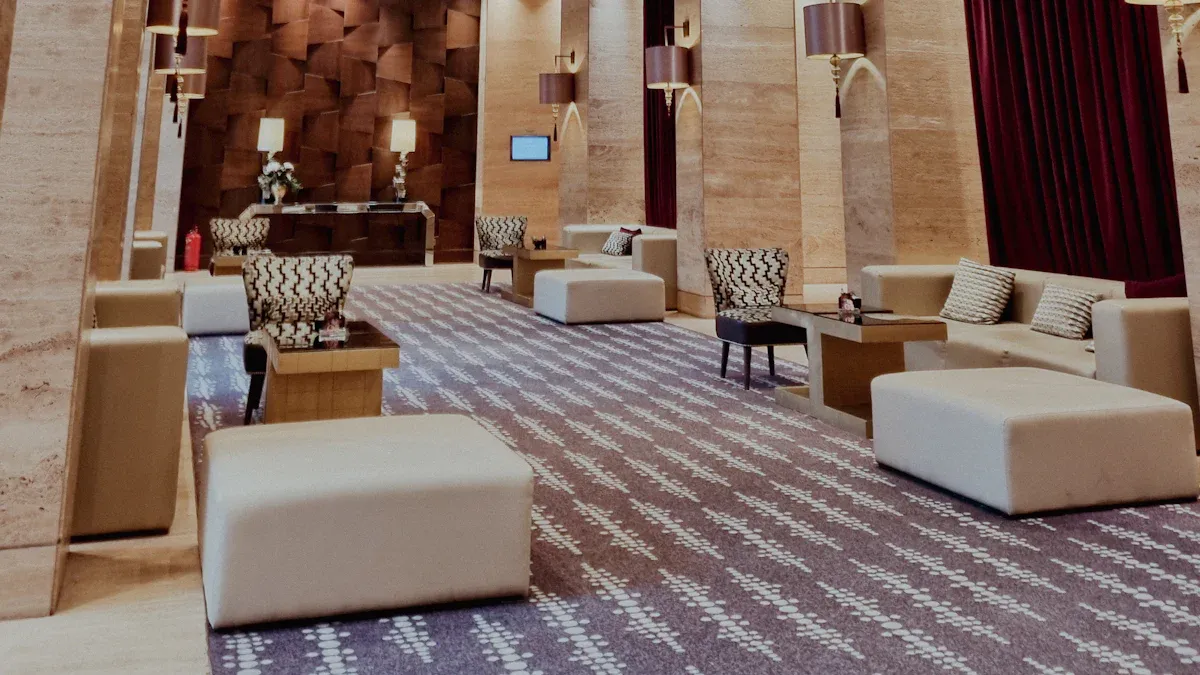
Defects in Materials
Material defects can significantly increase long-term maintenance costs for hotels. Inferior materials often lead to frequent repairs and replacements. Selecting durable materials ensures stable hotel performance during peak occupancy seasons. Common defects include:
- Cracks or splits in wood
- Weak seams in upholstery
- Inconsistent finishes that affect aesthetics
These issues can detract from the guest experience and lead to negative reviews.
Poor Craftsmanship
Poor craftsmanship can severely impact the quality of hotel furniture. Indicators of subpar manufacturing include:
- Use of low-quality materials, such as particleboard instead of solid hardwood
- Weak joinery methods, like stapled butt joints rather than dovetail joints
- Inadequate finishing processes that leave surfaces vulnerable to wear
Worn-out or damaged furniture creates negative impressions among guests. Such impressions often result in poor reviews, harming a hotel’s reputation. Maintaining high-quality furniture through repairs enhances the overall guest experience and fosters loyalty.
Incompatibility with Design
Design incompatibility in hotel furniture can disrupt the overall aesthetic, negatively impacting the guest experience. When furniture pieces come from various designers, they may not coordinate well in color, style, or scale. This dissonance requires additional planning and coordination, affecting hotel operations’ efficiency. Ensuring a cohesive design enhances the atmosphere and satisfaction for guests.
Implementing a Maintenance Plan for Hotel Furniture
Regular Inspections
Regular inspections are essential for maintaining hotel furniture. These inspections help identify early signs of wear and tear. Key practices include:
- Routine Cleaning: Tailor cleaning methods to the specific materials used in the furniture, such as wood, leather, or fabric.
- Scheduled Inspections: Conduct inspections at regular intervals to catch potential issues before they escalate.
- Use of Protective Measures: Employ mats, coasters, and pads to prevent surface damage and extend the lifespan of furniture.
By implementing these practices, hotels can maintain an attractive and well-kept environment without major renovations.
Repair and Replacement Strategies
Effective repair and replacement strategies enhance guest experience and reduce costs. Consider the following approaches:
- Prioritize High-Impact Areas: Focus on repairing furniture in lobbies, guest rooms, and dining areas to maintain aesthetics and functionality.
- Invest in Repairs: Repairing furniture often costs less than full replacements, optimizing budget allocation.
- Schedule Repairs Wisely: Plan repairs during off-peak hours to minimize disruptions and maintain guest satisfaction.
These strategies not only improve brand reputation but also support sustainability by minimizing waste.
Staff Training on Care
Training staff on proper furniture care significantly reduces maintenance costs. Best practices include:
| Best Practice | Description |
|---|---|
| Train Staff on Proper Handling Techniques | Educate staff on careful movement of furniture to prevent damage. |
| Use Furniture Sliders or Dollies | Prevents scratching of floors and furniture legs. |
| Avoid Dragging Heavy Furniture | Reduces risk of damage to both furniture and flooring. |
By ensuring consistency in cleaning protocols and educating staff on gentle handling techniques, hotels can maintain their furniture effectively and enhance guest satisfaction.
A quality control checklist is vital for ensuring high standards in hotel furniture. Taisen Hotel Furniture Manufacturer enhances guest satisfaction and maintains brand reputation by providing well-crafted and durable furniture. This approach helps achieve long-term cost savings, meet safety standards, improve guest experience, increase guest loyalty, and earn positive reviews.
Key Benefits of Implementing Quality Control:
- Enhanced guest comfort and satisfaction.
- Improved durability, reducing maintenance costs.
- Strengthened hotel brand identity through consistent quality.
FAQ
What is the most important factor in hotel furniture quality control?
Material durability and structural integrity rank highest. They ensure safety, longevity, and guest comfort, which directly affect hotel reputation and operational costs.
How often should hotels inspect their furniture for quality issues?
Hotels should conduct inspections at least quarterly. Frequent checks catch wear early, preventing costly repairs and maintaining guest satisfaction.
Are international safety standards different for hotel furniture?
Yes, standards vary by region. Buyers must verify compliance with local fire, chemical, and structural regulations to ensure safety and legal adherence.


