
Introduction
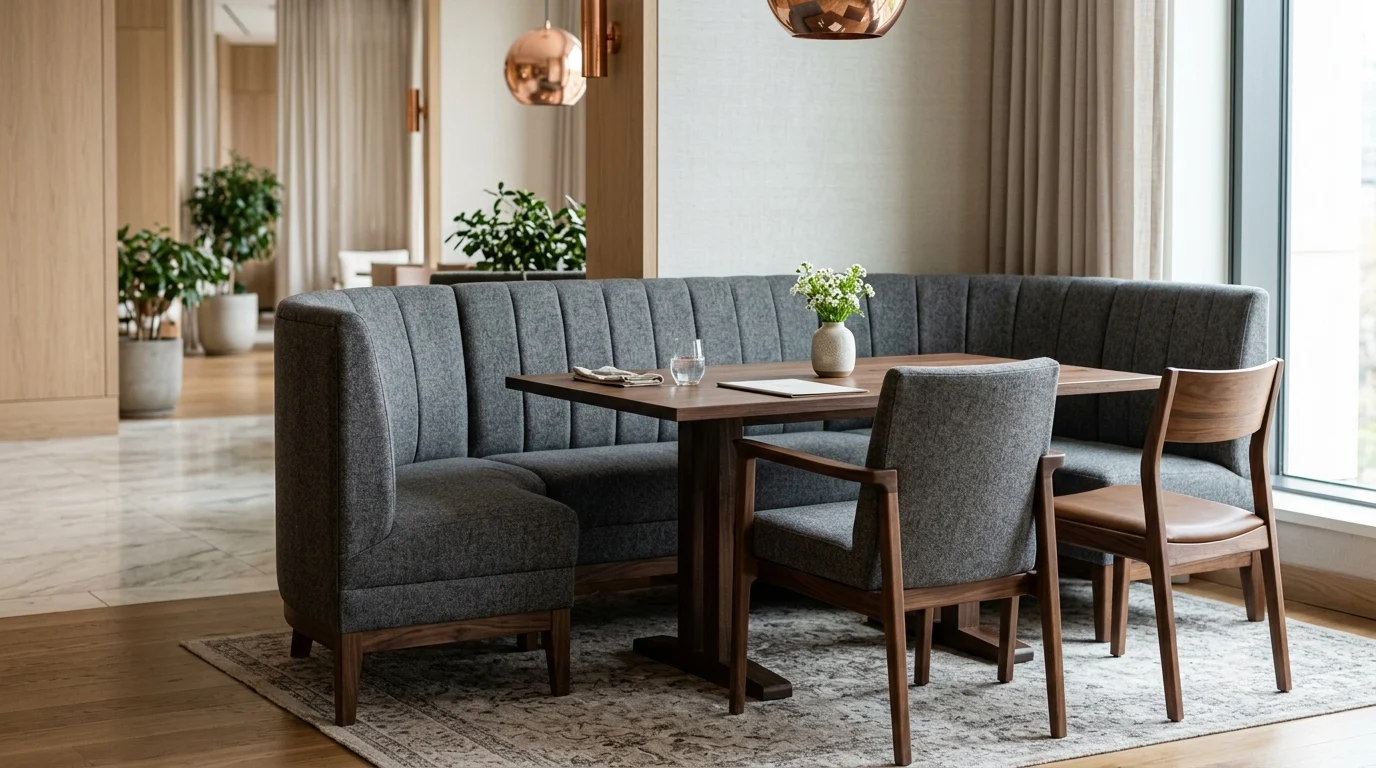
Top hotel brands rarely treat furniture as a simple procurement line item. In hospitality, every chair, headboard, and casegood shapes how guests perceive quality, comfort, and brand identity. Custom hospitality furniture gives operators greater control over design consistency, space planning, durability, and long-term value than standard catalog products typically allow. It also helps properties create distinctive interiors that support pricing power and guest loyalty in a crowded market. This article explains why major hotel groups continue to invest in bespoke furniture, focusing on the brand, operational, and commercial advantages that make customization a strategic decision rather than just a design preference.
Why Leading Hotel Brands Choose Custom Hospitality Furniture
The hospitality industry operates in a hyper-competitive landscape where differentiation is paramount. Leading hotel brands increasingly bypass off-the-shelf catalog options in favor of custom hospitality furniture to solidify their market presence. This strategic shift reflects a broader understanding that furniture, fixtures, and equipment (FF&E) are not merely functional assets but critical extensions of the brand identity.
To remain relevant in a crowded market, hotel developers recognize that generic interiors fail to capture the modern traveler’s attention. By investing in bespoke manufacturing, properties can tailor every dimension, material, and finish to support a cohesive and memorable guest experience.
Brand Positioning Benefits
By commissioning bespoke pieces, hotel groups can ensure that every touchpoint aligns with their distinct brand narrative. Whether a property is a boutique urban retreat or an expansive resort, custom furniture allows designers to integrate specific motifs, colors, and textures that resonate with the target demographic.
Industry data suggests that properties undergoing comprehensive renovations with custom FF&E can experience a Revenue Per Available Room (RevPAR) increase of 12 to 15 percent. This measurable uplift is largely driven by the enhanced perceived value of the space, which encourages higher average daily rates and stronger guest loyalty.
Commercial Drivers
Beyond aesthetics, the commercial drivers for custom furniture are substantial. Customization enables hoteliers to engineer products that maximize space efficiency in smaller rooms, thereby increasing the overall room count or upgrading room classifications without altering the building’s footprint.
Furthermore, aligning production with international quality management frameworks, such as those established by the International Organization for Standardization, ensures that custom pieces meet rigorous lifecycle expectations. High-quality custom manufacturing ultimately reduces long-term replacement costs and improves the total return on investment for ownership groups.
What Defines Custom Hospitality Furniture
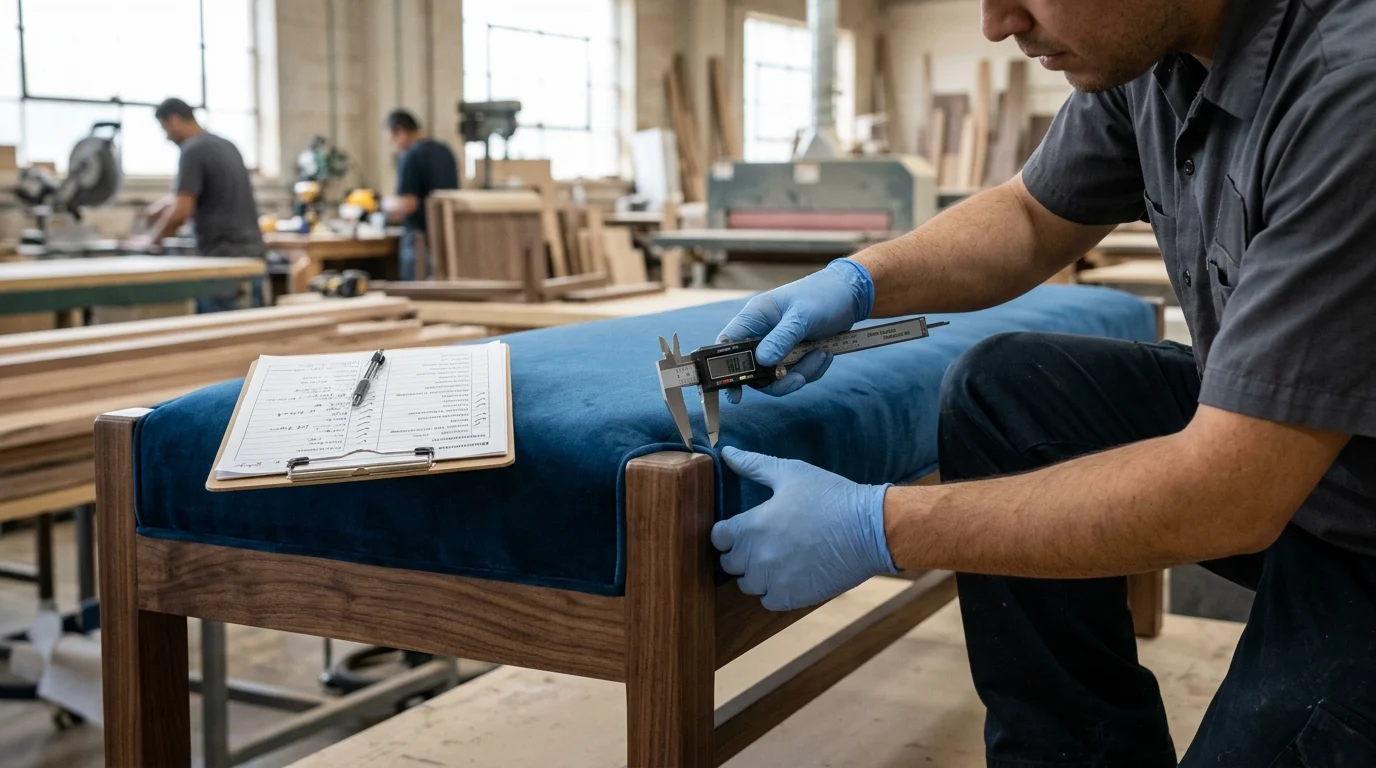
Custom hospitality furniture is defined by its bespoke engineering, tailored specifically to the spatial, aesthetic, and operational requirements of a given property. Unlike standard retail furniture, these pieces are developed from scratch through a collaborative process involving interior designers, procurement agents, and specialized manufacturers.
The defining characteristic of this furniture is its purpose-built nature. Every joint, fabric choice, and veneer is selected not just for its appearance, but for its ability to perform in a high-traffic commercial environment.
Product Scope and Categories
The scope of custom FF&E encompasses nearly every movable and semi-permanent item within a hotel. This includes casegoods (wardrobes, nightstands, desks), upholstered seating, and specialized metalwork or millwork.
| Category | Custom Examples | Typical Commercial Specification |
|---|---|---|
| Casegoods | Built-in wardrobes, media consoles | High-Pressure Laminate (HPL) minimum 0.030 inches thick |
| Upholstery | Banquettes, lounge chairs, headboards | Minimum 50,000 double rubs (Wyzenbeek test) |
| Metalwork | Custom luggage racks, table bases | 16-gauge tubular steel, powder-coated finish |
This breadth allows properties to maintain strict visual consistency across guestrooms, lobbies, and high-traffic dining areas, ensuring no design element feels out of place.
Design Standards and Durability
Durability is the cornerstone of custom hospitality furniture design. Items must withstand rigorous daily use, frequent cleaning with industrial chemicals, and heavy impact from luggage and housekeeping carts.
To meet these demands, custom pieces utilize commercial-grade substrates like marine-grade plywood rather than standard particleboard, and feature reinforced joinery such as double-doweled and corner-blocked frames. Finishes often require a minimum of a 30-degree sheen conversion varnish to resist scratches and moisture, ensuring the asset maintains its visual appeal over a typical 7 to 10-year renovation cycle.
Custom vs Standard Hospitality Furniture
The decision between custom and standard hospitality furniture involves weighing immediate convenience against long-term strategic value. While off-the-shelf products offer a path of least resistance for rapid deployments, custom manufacturing provides tailored solutions that standard catalogs simply cannot match.
Understanding the fundamental differences in how these two categories are produced, priced, and delivered is essential for accurate capital expenditure planning.
Cost, Lead Time, and Quality
The most immediate differences lie in cost structures and timelines. Standard furniture typically offers a lead time of 4 to 6 weeks, making it suitable for emergency replacements or highly expedited openings. In contrast, custom furniture requires a comprehensive development cycle, with lead times ranging from 12 to 16 weeks after shop drawing approval.
Minimum Order Quantities (MOQs) for custom production often sit at 50 to 100 units per item to achieve economies of scale. While custom pieces may carry a 15 to 30 percent initial cost premium over mid-tier standard options, the superior commercial-grade quality often results in a significantly lower total cost of ownership over a decade of heavy use.
Key Trade-Offs
Navigating these procurement options requires a clear understanding of the inherent trade-offs between speed, cost, and design fidelity.
| Criterion | Custom Hospitality Furniture | Standard Catalog Furniture |
|---|---|---|
| Design Flexibility | Unlimited (materials, dimensions, finishes) | Limited to available stock options |
| Lead Time | 12 to 16+ weeks standard | 4 to 6 weeks standard |
| Minimum Order | Typically 50+ units per item | Often 1 unit (no MOQ requirement) |
| Space Optimization | Exact fit for irregular room footprints | May leave dead space or impede traffic flow |
Hotels must balance the need for rapid deployment against the desire for a highly optimized, brand-specific guest environment that maximizes spatial efficiency.
Operational and Compliance Advantages
Beyond aesthetics and basic durability, custom hospitality furniture offers profound operational and compliance advantages. By controlling the manufacturing specifications from the ground up, hoteliers can proactively address regional regulations, safety codes, and complex supply chain logistics.
This level of control minimizes the risk of costly post-installation modifications and ensures a smoother transition from construction to the grand opening.
Codes, Accessibility, and Material Performance
Custom manufacturing ensures strict adherence to local building codes and accessibility standards. For instance, the Americans with Disabilities Act (ADA) mandates specific clearances in the United States, such as a maximum 34-inch height for accessible desks and a minimum 27-inch vertical knee clearance.
Custom builders integrate these exact dimensions seamlessly into the design without compromising the aesthetic. Additionally, materials can be specifically sourced to meet stringent fire retardancy standards, such as California Technical Bulletin 117-2013 (CAL 117-2013) for upholstery foam, ensuring full regulatory compliance prior to installation.
Sourcing, Logistics, and Installation
The logistics of outfitting a 200-key hotel are immensely complex. Custom manufacturing allows for strategic packaging and container optimization right at the factory level.
By engineering pieces to flat-pack or nest efficiently, factories can maximize the capacity of a standard 40-foot High Cube (40HQ) shipping container, significantly reducing per-unit freight costs. Furthermore, as global trade patterns evolve, monitoring supply chain resilience through resources provided by the World Trade Organization helps procurement teams select manufacturing hubs that offer the most reliable transit times and favorable tariff structures.
Procurement Risks
Engaging directly in custom procurement mitigates several operational risks, including intellectual property infringement and material shortages. Factories dedicated to custom hospitality FF&E implement rigorous Quality Assurance and Quality Control (QA/QC) protocols.
These specialized manufacturers typically target a defect rate of less than 1.5 percent prior to shipping. This precision drastically reduces the likelihood of discovering damaged or out-of-spec items during the critical installation phase, ensuring the property opens on schedule and starts generating revenue without delay.
How Hotel Owners Should Decide
For hotel owners and developers, choosing the right FF&E strategy is a pivotal decision that impacts both the capital expenditure budget and the property’s long-term market positioning. A structured, data-driven approach is essential to navigate the complexities of custom furniture procurement.
By establishing clear criteria and following a rigorous approval process, stakeholders can de-risk the investment and ensure the final product meets all operational and aesthetic goals.
Specification and Approval Process
The specification and approval process is the most critical phase in custom furniture deployment. It typically begins with detailed shop drawings and the production of a physical model room.
This mock-up phase, which generally takes 30 to 45 days, allows stakeholders to physically inspect the furniture, test ergonomics, and verify that dimensions align perfectly with the architectural space. Only after rigorous review and the written approval of control samples for all finishes, veneers, and fabrics does mass production commence, safeguarding the multi-million dollar capital investment.
Decision Criteria
Ultimately, the decision criteria hinge on the property’s market tier, total budget, and project runway. Luxury and upper-upscale properties, where FF&E budgets frequently exceed $15,000 to $25,000 per key, almost exclusively demand custom solutions to meet elevated guest expectations.
Mid-scale properties must evaluate if their project timeline can accommodate the 16 to 20-week end-to-end runway required for custom sourcing. When the budget aligns and the schedule permits, investing in custom hospitality furniture remains the most effective strategy for maximizing durability, ensuring ADA compliance, and delivering a highly differentiated brand experience.
Key Takeaways
- The most important conclusions and rationale for Custom Hospitality Furniture
- Specs, compliance, and risk checks worth validating before you commit
- Practical next steps and caveats readers can apply immediately
Frequently Asked Questions
Why do leading hotel brands choose custom hospitality furniture?
It helps hotels express a distinct brand identity, improve guest perception, and better match each space. Custom pieces also support long-term value through stronger durability and a more memorable stay experience.
How is custom hospitality furniture different from standard catalog furniture?
Custom furniture is built for a specific property’s layout, style, and traffic needs. Standard furniture is generic, while custom FF&E is tailored in size, materials, finish, and performance.
What hotel furniture items are commonly customized?
Hotels often customize wardrobes, desks, nightstands, headboards, lounge chairs, banquettes, media units, and metal bases. This keeps guestrooms and public areas visually consistent.
Does custom hospitality furniture improve durability?
Yes. Commercial-grade materials, reinforced joinery, and protective finishes are chosen for heavy daily use, cleaning chemicals, and impact. This can reduce replacement frequency over a 7 to 10-year cycle.
Where can I learn more about custom hospitality furniture solutions?
You can explore more guides and industry insights at Taisen Furniture Blog: https://www.taisenfurnitureblog.com. It covers custom hospitality furniture, FF&E trends, and hotel project considerations.


