
Robust Quality Assurance (QA) protocols are crucial for large-volume Hotel room Furniture production. Effective QA ensures consistent quality, minimizes defects, and upholds brand standards. A comprehensive, multi-stage approach is essential for durability and aesthetic consistency. Ningbo Taisen Furniture, a respected Hotel Project Furniture Manufacturer, prioritizes these protocols. They understand the importance of clear Warranty terms for hotel guest room seating. This commitment helps clients understand How to choose hotel project furniture, ensuring they partner with NFPA 260 Compliant Hotel Furniture Suppliers.
Key Takeaways
- Good quality checks are very important for hotel furniture. They make sure all furniture is strong and looks good. This helps hotels keep their good name.
- Quality checks start early, even before making the furniture. This means picking good materials and checking designs. This stops problems later on.
- During furniture making, checks happen all the time. This helps find and fix mistakes quickly. It makes sure each piece meets high standards.
- After furniture is made, final checks are done. This includes testing how strong it is and how it works. It also checks how it is packed before it leaves the factory.
- Using computers and data helps make quality checks better. It helps find problems and makes sure furniture is always made well. This keeps hotels happy.
Understanding Unique Demands for Hotel room Furniture QA

Durability and Longevity Requirements
Hotel furniture faces constant use. It must withstand heavy traffic and frequent cleaning. Manufacturers design pieces to last for many years. This means using strong materials and robust construction methods. For example, ADA Regulations require specific clearances for furniture. Beds must be 20-23 inches high. These standards ensure accessibility for guests with disabilities. Quality benchmarks like Architectural Woodworking Standards (AWI) also ensure superior craftsmanship for wood products.
Aesthetic Consistency and Brand Standards
Hotels maintain a specific look and feel. Furniture must match this aesthetic perfectly. Every piece in every room should look the same. Inconsistent aesthetics can include delicate materials or low-quality construction. Mismatched sizes also create problems. QA processes ensure colors, finishes, and designs are uniform across all units. This consistency reinforces the hotel’s brand image.
Safety and Compliance Regulations
Safety is a top priority in hotels. Furniture must meet strict safety standards. These regulations protect guests and the hotel. Fire safety standards are critical. Materials in upholstered furniture must meet flammability standards. They also undergo ignition resistance tests. NFPA 701 applies to vertical textiles, ensuring fire safety compliance. Trevira fibers are inherently flame-retardant. They are used in upholstery, curtains, and carpets. In the U.S., EPA’s standards on volatile organic compounds (VOCs) influence furniture production. Fire safety certifications are also crucial. Hotels increasingly seek furniture that contributes to LEED green building certifications. This shows an indirect compliance requirement for suppliers.
High Volume Production Challenges
Producing Hotel room Furniture in large volumes presents distinct quality assurance challenges. Manufacturers must ensure consistent product quality across thousands of units. This involves managing variations in materials, finishes, and production techniques. Inconsistent materials from suppliers, variable finishing processes, and a lack of standard procedures can all lead to quality issues.
Managing supplier quality is another critical aspect. Relying on external suppliers for raw materials introduces complexity. Issues often arise from poor quality materials, delivery delays, and difficulty monitoring supplier practices. Miscommunication about specifications can also cause problems.
Without effective quality control processes, catching defects early becomes difficult. This includes not having clear procedures or providing inadequate staff training. Over-reliance on final inspections, inconsistent defect tracking, and limited documentation of quality issues can lead to problems.
Product defects can occur during manufacturing. These range from poor finishing to structural issues. Common causes include poor assembly, defective finishes, improperly cut materials, or functional alignment problems.
Improper handling and storage of furniture can also cause damage after manufacturing. Rough handling, incorrect storage conditions, and misplacement of parts contribute to defects. Damage during shipping is also a concern.
Manufacturers must consistently meet quality standards. This requires staying updated with regulations and adhering to client specifications. A lack of standardized testing and certifications can lead to failure in meeting these standards. Finally, limited post-manufacturing quality control can result in packaging defects, missing parts, or incorrect labeling. These issues affect customer satisfaction.
Pre-Production QA for Hotel room Furniture: Setting the Foundation
Effective quality assurance begins long before manufacturing starts. Pre-production QA establishes the groundwork for high-quality Hotel room Furniture, preventing costly errors and delays later in the process. This stage focuses on meticulous planning, material selection, and supplier vetting.
Detailed Specification and Material Sourcing QA
Creating detailed specifications is the first critical step. These specifications outline every aspect of the furniture, ensuring manufacturers understand the exact requirements. For example, durability and quality are paramount for hotel furniture due to high guest traffic. Furniture must use premium materials like solid wood, metal, or durable synthetics. Construction methods must ensure it withstands heavy use without significant wear. Upholstery and fabrics also require careful consideration. They should be visually appealing, durable, and easy to clean. Key characteristics include stain resistance, flame retardancy, and fade resistance. These properties handle spills, frequent cleaning, and maintain aesthetic appeal over time.
Material sourcing QA ensures all components meet these stringent specifications. Materials are fundamental to furniture quality and longevity. Using eco-friendly and health-conscious options like CARB P2-compliant panels and FSC-certified wood ensures durability and good indoor air quality. High-quality materials also boost strength, load-bearing capacity, and stability. Given frequent use and varied environments, properties like waterproof, moisture-proof, and fire-resistant are crucial. Proper moisture protection prevents mold and warping in humid areas, while fire resistance is vital for public safety and compliance with strict hotel regulations. Hotel furniture experiences much higher usage than residential furniture. Therefore, strong wear and impact resistance are essential for all components, from tabletops to chair frames. This reduces maintenance costs and preserves the furniture’s appearance and function.
Manufacturers must rigorously inspect all components before production. They ensure hardwood, engineered wood, and veneers are free from warping, cracks, and inconsistencies. Upholstery fabrics are verified for fire-retardancy, stain-resistance, and durability for heavy use. Metal hardware, such as hinges, drawer slides, and structural supports, must be corrosion-resistant and tested for longevity. Surface finishes, including laminates and coatings, are checked to resist scratches, moisture, and fading over time.
Prototype and Sample Approval Processes
After defining specifications, the prototype and sample approval process begins. This multi-stage review ensures the design translates accurately into a physical product. The process typically starts with accurate shop drawings. This initial step involves creating detailed drawings that specify every dimension, joint, and finish of the furniture. This ensures the factory builds precisely what the designer envisioned.
Following the shop drawings, designers meticulously check the layout, finishes, ergonomics, and lighting. They assess elements like bed-to-wall clearance, veneer direction, seating comfort, and ambient lighting. Next, a brand review occurs. Hotel brands, such as Marriott, Hilton, or Hyatt, evaluate the mock-up against their specific approval requirements. These requirements can include lighting levels, furniture durability, accessibility, socket placement, and wardrobe hanging length.
An engineering review happens concurrently or immediately after the brand review. This stage focuses on safety and compliance. It covers fire safety, accessibility rules, and any Mechanical, Electrical, and Plumbing (MEP) modifications. This ensures the room is safe and meets regulations. The culmination of the approval process is the final sign-off. This stage involves preparing comprehensive documentation, updating drawings, and listing any approved deviations. Once all parties, including the designer, hotel brand, developer or owner, and the factory producing the FF&E (Furniture, Fixtures, and Equipment), sign off, the factory can proceed with mass production.
Supplier Qualification and Audits
Qualifying and auditing suppliers is a critical pre-production QA activity. This ensures that partners can consistently meet quality, delivery, and compliance standards. Manufacturers choose suppliers with a strong track record and established quality control. They look for adherence to industry standards like BIFMA and CAL 117. Prioritizing manufacturers using eco-friendly materials and responsible sourcing also aligns with modern sustainability practices. Manufacturers ensure suppliers have documented quality control protocols for hospitality furniture.
Before placing an order, a supplier’s furniture undergoes evaluation based on several criteria. Does it fit the room’s size and purpose? Is it contract-grade? Is it easy to clean and maintain? Does it meet safety and ADA standards? Can it be delivered on time? Does it reflect the hotel’s brand?
Essential criteria for qualifying a new supplier include durability. Furniture must withstand significant wear and tear, requiring contract-grade materials and testing certifications. Timeless designs and materials that resist fading or staining are also crucial. Lead time and logistics are also essential. Manufacturers confirm production and delivery timelines, including shipping methods, packaging, and on-site arrangements. Contingency planning and penalties for late delivery should be included in contracts. Warranty and after-sales support are also vital. Manufacturers evaluate warranty duration, scope, local servicing availability, and replacement part lead times. A good supplier offers on-site service and installation support. Finally, safety and compliance are non-negotiable. Furniture must meet fire-retardant standards, moisture and pest resistance, and relevant regional certifications (e.g., BS5852, CAL 117). Accessibility standards like ADA compliance are also important.
Design for Manufacturability (DFM) Reviews
Design for Manufacturability (DFM) reviews represent a crucial pre-production quality assurance step. This proactive process involves carefully examining product designs. The main goal is to optimize them for efficient, cost-effective, and high-quality manufacturing. Designers and production engineers collaborate early in the development cycle. They identify and resolve potential manufacturing challenges before production begins.
DFM reviews help simplify the production process. This simplification reduces manufacturing costs. It also improves the overall quality of the final product. For furniture, this means selecting materials and construction methods that are easy to work with. It also means designing components that fit together seamlessly. This approach minimizes the need for complex tools or specialized labor.
Several key aspects define DFM for furniture production. Manufacturers often standardize components. They use common sizes of wood, metal, or panel materials. This standardization reduces material waste. It also streamlines the purchasing process. Designs also prioritize simplified assembly. For example, they might use standard fasteners or joinery techniques. These methods are quicker and more consistent than intricate, custom joinery.
Furthermore, DFM considers the factory’s existing capabilities. Engineers assess if current machinery can efficiently produce the designed shapes and finishes. They avoid designs requiring expensive new equipment or highly specialized processes. This approach ensures a smooth transition from design to production. It also prevents bottlenecks.
DFM also focuses on minimizing unique or custom parts. Standard parts are generally less expensive. They are also more readily available. This reduces lead times and supply chain complexities. The review process also evaluates how easily finishes can be applied. It ensures consistent application across all units. This consistency is vital for maintaining brand aesthetics.
Ultimately, DFM reviews prevent defects. They accelerate production timelines. This process ensures the final product meets both design intent and stringent quality standards. It is an essential practice for large-volume Hotel room Furniture production. It guarantees consistency, durability, and cost-effectiveness.
In-Production QA for Hotel room Furniture: Monitoring and Control
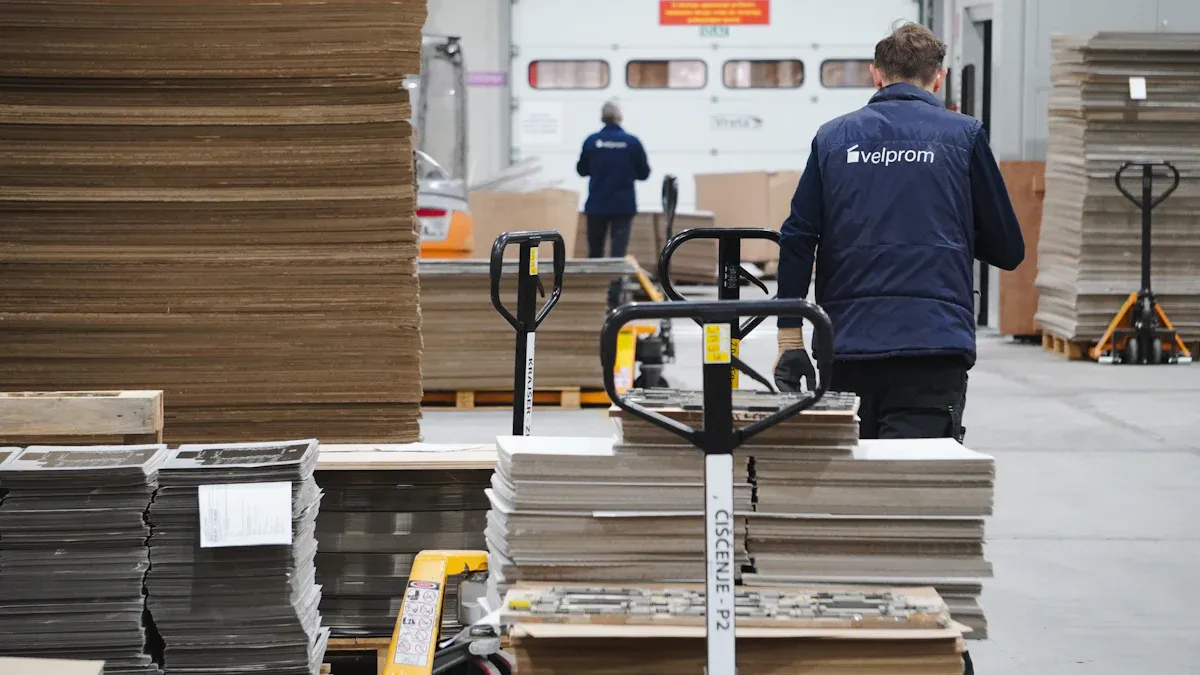
Quality assurance continues actively during the manufacturing process. This stage focuses on monitoring and controlling production to prevent defects. It ensures each piece of Hotel room Furniture meets established standards.
First Article Inspection (FAI)
First Article Inspection (FAI) is a crucial step. Manufacturers perform FAI on the first piece or a small batch from a production run. This inspection verifies that the manufacturing process can consistently produce parts meeting all specifications. The FAI process follows several standard procedures:
- Inspection criteria defined: Manufacturers clearly outline measurements and criteria. This includes tolerances for critical dimensions, surface finishes, and material specifications.
- Tools and equipment ready: They confirm all necessary measurement tools and equipment are calibrated. This includes recently calibrated CMMs.
- Trained personnel: Manufacturers ensure the FAI team has adequate training. This training covers inspection procedures, measurement tool usage, and engineering specification interpretation.
- Sample parts prepared: They prepare representative sample parts from the production run for inspection.
- Documentation ready: Manufacturers gather all related documentation. This includes material certifications, purchase orders, and previous inspection reports.
- Communication plan: They establish a clear communication plan. This plan addresses reporting and addressing potential issues discovered during the inspection.
- Implement corrective actions: If issues are identified, manufacturers implement corrective actions. This includes reworking parts or adjusting manufacturing processes to prevent recurrence. They document these actions.
- Create a report: Manufacturers document the entire FAI process in a comprehensive report. This report includes findings, measurements, deviations, and corrective actions. It serves for compliance and future audits.
After these initial steps, the FAI continues with further testing and documentation:
- Conduct functional and performance testing: Manufacturers test the part under operating conditions. They verify mechanical, electrical, or other performance requirements. This includes operational function, safety features, interfaces, assembly fit, environmental responses, speed, load endurance, efficiency, reliability, and tolerance under extremes.
- Record and compile results: They document all measurements, test outcomes, and certifications. This goes into a standardized First Article Inspection Report (FAIR). The FAIR provides official evidence of compliance.
- Review and approve inspection results: A quality engineer and customer representative review the FAIR. They check for completeness and accuracy before formal approval.
- Implement corrective actions, if necessary: If discrepancies are found, manufacturers perform root cause analysis. They make process adjustments before resubmitting for FAI.
- Archive FAI documentation for future reference: Manufacturers store approved FAIRs, inspection records, and related documents in a secure system. This allows traceability for future audits, product recalls, or design revisions.
In-Process Inspections at Key Stages
In-process inspections occur throughout the manufacturing line. These checks catch defects early. They prevent costly rework later. Critical inspection points include:
- Product Assembly Check: Inspectors ensure easy assembly and disassembly. They check proper alignment of parts. They also inspect all accessories and fittings.
- Product Functional Check: They verify all product functions meet specifications and approved samples.
- Stability Test: Inspectors check for wobbling or instability on a flat surface.
- Fatigue Test: They repeatedly use the product to its full capacity. This happens for a specified number of cycles, for example, 20. This ensures no breakage, deformation, or damage.
- Static Loading Test: Inspectors load the product with its nominal weight for a specified time. This confirms no breakage, damage, or deformation.
- Color Specification Check: They confirm colors match specified Pantone codes.
- Moisture Content (Wood): For wood furniture, inspectors ensure moisture content is within specified tolerances.
- Odor Check: They perform a smell test. This detects any offensive or unexpected odors. They compare it with an approved sample.
- Dimensional Check: Inspectors measure physical dimensions. This ensures they conform to technical drawing specifications.
- Weight Check: They record net and gross weights as per master carton information.
- Material Test Certificate/Report: Inspectors verify material test certificates and reports. This includes treatment and fumigation documentation for raw wood. Absence of documentation leads to rejection.
- Common Defects: They monitor for material deterioration, frame distortion, poor welding, burrs, sharp edges, peeling paint, rough sanding, poor finishing, inaccurate color, missed markings, incorrect labeling, and carton damage.
Material and Component Verification
Verifying material and component quality is essential during production. This ensures only approved materials enter the manufacturing process. Several methods are used:
- On-Site Visits: Inspectors physically examine a raw material’s appearance. They check color, shape, size, and texture. They also search for flaws, faults, or impurities.
- Check Certification: They verify the validity of appropriate certifications. They confirm if the supplier uses a Quality Management System (QMS).
- Formally Recognize Authorized Vendors: Manufacturers establish a list of pre-qualified suppliers. They conduct regular audits to verify safety compliance and quality processes. They thoroughly examine incoming materials. They apply HACCP guidelines. They obtain Certificates of Analysis (CoA) where necessary.
Manufacturers also use advanced techniques for material verification:
- Common techniques: They use microscopy for particle morphology and contamination detection. They use precision balances for accurate sample preparation. UV-Vis and FTIR spectroscopy help with chemical identity or functional group analysis.
- Advanced Analytical Instrumentation: High-performance liquid chromatography (HPLC) quantifies components and verifies purity. Gas chromatography (GC) and GC-MS help with volatile impurity profiling, residual solvent analysis, or trace contaminant detection. X-ray fluorescence (XRF) or ICP-MS determine elemental composition and trace metal analysis. Thermal analysis (DSC, TGA) assesses melting behavior, degradation patterns, and compatibility.
- Structural and Surface Characterization: For medical device components, techniques like scanning electron microscopy (SEM), contact angle measurement, or non-destructive inspection assess surface cleanliness, polymer consistency, and structural integrity.
Finally, product inspection and lab testing confirm material quality:
- Product Inspection to Check Material Quality: This involves regular random sample inspections. These happen for incoming raw materials, in-production items, or finished products. Specific examples include checking the vein, texture, and smell of leather. They also perform a burn test to differentiate real from synthetic leather.
- Certification and Lab Testing of Materials: This method involves sending samples to accredited laboratories for testing. This can be costly and time-consuming. It typically checks a few pieces of material from a large order. This usually happens before production and sometimes during the production line.
Workmanship Standards and Staff Training
Workmanship standards are crucial for hotel furniture. They define the quality and skill required for manufacturing each piece. These standards ensure furniture meets durability, aesthetic, and safety requirements. Clear guidelines help manufacturers produce consistent, high-quality products. They also reduce defects and costly reworks.
The Architectural Woodwork Institute (AWI) sets important standards for wood products. AWI is a recognized expert in the hospitality industry. It establishes functional and aesthetic benchmarks for woodwork. Manufacturers must apply AWI standards as guidelines. This ensures the quality of hotel furniture for specific projects.
AWI defines different grades of workmanship. These grades help categorize the expected quality level.
- Economy Grade: This grade represents the minimum requirements. It applies to workmanship, materials, or installation. This grade is typically for wood products not in public view. It is generally unsuitable for hospitality furniture.
- Custom Grade: This grade is for most high-quality wooden hotel furniture. It offers designers flexibility in their concepts. Many hotel projects aim for this level of quality.
- Premium Grade: This grade is for furniture and casegoods in high-use and high-profile areas. It ensures the highest quality materials, production, and installation. Furniture in lobbies or executive suites often requires this grade.
Manufacturers must clearly communicate these standards to their production teams. Everyone involved in the manufacturing process needs to understand them. This includes designers, engineers, and assembly line workers.
Staff training is essential for achieving high workmanship standards. Well-trained employees understand their roles in maintaining quality. Training programs cover various aspects:
- Technical Skills: Workers learn proper techniques for cutting, joining, finishing, and assembling furniture. This includes operating machinery safely and efficiently.
- Quality Control Procedures: Staff learn how to perform in-process checks. They identify defects early. They also understand how to report issues.
- Material Knowledge: Employees gain knowledge about different materials. They learn about their properties and how to handle them correctly. This includes understanding wood types, fabrics, and hardware.
- Safety Protocols: Training emphasizes workplace safety. This protects workers and prevents damage to products.
- Brand Standards: Staff learn about the hotel’s brand requirements. They understand how their work contributes to the overall guest experience.
Regular training updates keep staff informed about new techniques and materials. It also reinforces existing standards. This continuous learning helps maintain a skilled workforce. It ensures consistent quality across all production runs. Investing in staff training directly improves product quality. It also boosts efficiency and reduces waste.
Post-Production QA for Hotel room Furniture: Final Verification
After manufacturing, a final verification stage ensures products meet all quality standards before shipment. This post-production quality assurance (QA) is the last chance to catch any issues. It guarantees the hotel receives furniture ready for installation and guest use.
Final Random Inspection (FRI) / Pre-Shipment Inspection (PSI)
A Final Random Inspection (FRI), also known as a Pre-Shipment Inspection (PSI), is a critical step. Inspectors select samples from different production batches. They check for variations in color, size, and finish. They compare these against required specifications. Inspectors also review packaging materials. They ensure adequate protection against moisture, impact, and dust. Labels must contain correct information. This may include drop or compression tests.
Inspectors compare each item against a quality control checklist. They measure dimensions and assess finishes. They confirm all parts are present. This ensures alignment with design and customer expectations. They perform functional and visual checks. They test moving parts like drawers and hinges. Lab testing may include durability and performance stress tests. These evaluate strength and longevity. Inspectors examine assembly, joints, and finishes for defects. They look for loose screws, uneven surfaces, or poor paint application. They document findings with photos. They physically interact with each piece of Hotel room Furniture. They push on tables and sit in chairs to check for wobbles. They open and close drawers and cabinet doors for smooth operation. They inspect all surfaces for cosmetic damage. This includes scratches, dents, or chips. They examine upholstered items for stains, tears, or wear. They check artwork, mirrors, and glass for proper hanging and cleanliness. They verify light fixtures are clean, undamaged, and working. They test all knobs, handles, and locks for security and proper function.
Performance and Functionality Testing
Performance and functionality testing confirms the furniture’s ability to withstand hotel use. These tests simulate real-world conditions. They ensure durability and safety.
| Furniture Type | Standard | Focus/Application |
|---|---|---|
| High Traffic Seating | ISO 7173:2023 & BS EN 12520:2024 | Reflects modern usage patterns, essential for endurance in hospitality. |
| BIFMA X5.4 (Public and Lounge Seating) | Defines structural performance, stability, and fatigue resistance. | |
| EN 16139:2025 | Strength, durability, and safety for non-domestic seating. | |
| EN 581-2:2015 | Mechanical safety and durability for outdoor seating. | |
| Tables & Worktops | EN 1730 | Stability and strength checks for tables and desks. |
| BIFMA X5.5 (Desk/Table Products) | Tests for structural integrity, leg stability, and surface durability. | |
| BS EN 15372:2023 | Performance and safety criteria for non-domestic tables. | |
| EN 581-3:2017 | Mechanical safety and durability for outdoor tables. |
Other standards also apply. These include ANSI/BIFMA for office and lounge seating. European standards like EN 581 and EN 1021 cover various furniture types and fire resistance. These tests ensure the furniture meets rigorous industry benchmarks.
Packaging and Labeling Verification
Proper packaging and labeling protect furniture during transit. It also ensures correct identification upon arrival. Manufacturers use specific materials for protection. These include bubble wrap, corrugated cardboard sheets, and foam padding. Plastic stretch wrap, moving blankets, and corner protectors also provide cushioning. Heavy-duty packing tape secures everything. Custom crates protect high-value items.
For a table, workers disassemble detachable parts like legs. They wrap the tabletop in bubble wrap. They add extra protection on corners. They layer corrugated cardboard. Hardware bags include an HS code reference. A final stretch wrap is applied. The package is labeled "Fragile – HS 9403". For sofas, workers stretch wrap the entire piece first. They pad arms and legs with foam. They secure the sofa with moving blankets. Detached legs are wrapped separately. The package is labeled for HS 9401 compliance. For casegoods and beds, workers empty and tape drawers shut. They bubble wrap exteriors. They blanket wrap for transit. They disassemble beds and bag hardware. Mattress bags protect mattresses. Labels boldly display "FRAGILE" and "THIS SIDE UP". They also include "HS 9403" and handling notes.
Documentation and Traceability
Comprehensive documentation and robust traceability systems are essential for managing hotel furniture quality. These systems provide a clear record of each furniture piece from its inception to its end-of-life. They ensure accountability and facilitate quick problem-solving. Effective documentation helps manufacturers maintain consistent quality across large production volumes.
A strong traceability system integrates various data points. It begins with specification tracking, which incorporates data from specification software to ensure accuracy. The system then links to furniture inventory management software for real-time stock and location updates. This provides clear visibility into asset locations. It also connects with interior design procurement software to streamline order and delivery processes. This comprehensive approach helps prevent unnecessary repurchasing of existing stock, aligning with budget goals.
Furthermore, traceability extends to lifecycle mapping. This tracks warranties, expected lifespans, and replacement schedules for proactive planning. It helps identify expensive furniture categories for maintenance, aiding in cost forecasting. The system also tracks vendor performance based on durability expectations. This allows manufacturers to assess supplier reliability. Finally, it documents recycled, refurbished, or replaced furniture, contributing to sustainability metrics. This detailed record-keeping reduces risks of misplaced or miscounted items, preventing loss. It ensures every piece of furniture meets quality standards throughout its service life.
Leveraging Technology and Data for Enhanced Hotel room Furniture QA
Technology and data significantly improve quality assurance for hotel furniture. These tools streamline processes and provide valuable insights. They help manufacturers maintain high standards consistently.
Digital Checklists and Inspection Software
Digital checklists and inspection software transform QA processes. They ensure thoroughness by requiring completion of all sections. This software stores data in cloud-based systems, which eliminates manual re-entry. This boosts efficiency. Digital tools also improve communication between teams. Inspection notes become easily readable. This allows for better prioritization of repairs.
These digital solutions offer several key benefits:
- Enhanced Compliance: They help ensure adherence to brand standards and global hospitality requirements. This includes hazard safety, health, and environmental regulations. They also provide proof of compliance through photos and videos.
- Increased Productivity: Employees save time and prioritize tasks effectively. This ensures all activities are completed.
- Improved Guest Satisfaction: Digital checklists ensure consistent service quality. This leads to better customer ratings.
- Secure Record Management: All records are managed in a secure, cloud-based platform. This is valuable for audits and understanding protocols.
- Automated Workflows: Modern software automates actions for failed inspections. For example, it can take items offline or notify maintenance.
Data Analysis for Defect Trends and Root Cause Analysis
Data collected from digital checklists provides powerful insights. Manufacturers analyze this data to identify defect trends. They can see which types of defects occur most often. They also learn where these defects happen in the production process. This analysis helps pinpoint the root causes of problems. Understanding root causes allows manufacturers to implement targeted solutions. This prevents recurring issues and improves overall quality. For example, if data shows frequent scratches on Hotel room Furniture during packaging, the team can adjust packing methods.
Automated Inspection Tools
Automated inspection tools further enhance QA. These tools use technologies like computer vision and sensors. They can quickly and accurately check furniture for defects. For instance, cameras can detect surface imperfections or misalignments. Robotic arms can perform repetitive stress tests. These tools reduce human error and increase inspection speed. They provide objective data, ensuring consistent quality checks across all production units. This allows QA teams to focus on more complex issues.
Supplier Performance Tracking
Manufacturers closely monitor supplier performance. This ensures consistent quality for hotel furniture. They track key metrics to evaluate each supplier. This process helps maintain high standards throughout the production chain.
The defect rate is one important metric. It measures the percentage of products that fail to meet quality standards. Manufacturers calculate this by dividing the number of defective units by the total units delivered. They then multiply this by 100. A low defect rate, for example, below one percent, indicates robust quality control from the supplier. Another crucial metric is the return rate. This is the percentage of products returned due to defects or other issues. A low return rate, also below one percent, signifies strong quality assurance.
Suppliers must also comply with specifications. This measures how often a supplier meets agreed-upon requirements. These requirements cover materials, product dimensions, or performance. Quality inspections and audits track this compliance. Consistent failure can disrupt production. It can also lead to subpar products.
Other factors also contribute to overall supplier performance. The quality of goods tracks consistency and reliability. This focuses on meeting agreed-upon quality standards. It includes defect rates, return rates, and customer satisfaction. The on-time delivery rate measures the percentage of deliveries arriving on schedule. Order accuracy reflects the percentage of orders delivered correctly. This includes the right items and quantities. Lead time shows supplier speed and efficiency. It measures the total time from order placement to delivery. Communication and responsiveness assess how quickly a supplier responds to inquiries. Flexibility evaluates a supplier’s ability to adjust to changing requirements. Cost performance evaluates the financial aspects of supplier performance. Tracking these metrics helps manufacturers choose reliable partners. It ensures the final hotel furniture meets all expectations.
Continuous Improvement in Hotel room Furniture QA
Continuous improvement is vital for maintaining high quality in hotel furniture production. Manufacturers must constantly refine their processes. This ensures products consistently meet evolving standards and customer expectations.
Feedback Loops from Installation and End-Users
Collecting feedback from various sources helps improve furniture quality. Installation teams provide valuable insights. They report issues encountered during furniture setup in hotel rooms. This feedback highlights potential design flaws or assembly difficulties. Hotel guests also offer crucial perspectives. Their experiences with the furniture reveal comfort levels, durability in daily use, and any functional problems. Manufacturers use this direct feedback to identify areas for improvement. This leads to better product design and manufacturing processes.
Regular Review and Update of QA Protocols
Manufacturers must regularly review and update their Quality Assurance (QA) protocols. This keeps them effective and relevant. Experts recommend monthly or quarterly audits for tasks like upholstery deep-cleaning and full room inspections. These audits directly relate to furniture maintenance and quality. An annual review of quality manual policies is essential. More frequent reviews are good practice, especially if processes, employees, suppliers, equipment, or products change. Regular reviews of Standard Operating Procedures (SOPs) are also recommended. This includes monthly spot checks and quarterly updates to maintain their relevance. Deep cleaning schedules for carpets and upholstery, which maintain furniture life, should specify frequency.
Staff Training and Development
Investing in staff training and development is crucial for continuous QA improvement. Manufacturers provide continuous coaching to ensure staff familiarity with quality standards and procedures. Regular sessions update staff on new practices and technologies. Encouraging professional development through workshops and certifications fosters continuous improvement. Training modules cover a thorough understanding of furniture construction methods across various materials. This includes wood, metal, and upholstery. Staff gain experience with quality control methodologies like AQL sampling and ISO 9000 standards. Technical training in measurement techniques, material science, and testing protocols specific to furniture is also important. Familiarity with industry standards and testing methods, such as BIFMA for commercial furniture, is essential. Knowledge of hospitality experience for hotel projects further enhances their expertise.
Benchmarking Against Industry Standards
Benchmarking helps manufacturers compare their quality assurance processes against the best in the industry. This practice ensures hotel furniture consistently meets high expectations. It also drives continuous improvement. Leading industry standards focus on several key areas for hotel furniture quality.
Manufacturers prioritize aesthetic appeal. They ensure furniture complements the hotel’s theme and design. Durability is another critical standard. Manufacturers check for material strength and longevity. They also ensure furniture has no sharp edges, loose parts, or weak joints. This meets safety standards. Finally, they confirm furniture serves its intended purpose. This ensures functionality.
Material selection and durability are crucial for meeting these benchmarks. Solid hardwoods, like oak or teak, are often preferred over MDF for wood components. Stainless steel frames offer rust resistance, while aluminum provides lightweight options. Upholstery choices include leather and stain-resistant fabrics. These materials are ideal for high-traffic areas. Cushions require a minimum foam density of 1.8 lbs/ft³ for longevity.
Structural integrity and stability are also vital. Manufacturers test the weight-bearing capacity of chairs, tables, and beds. They reinforce joints with metal brackets and dowels. They also check the quality of screws, bolts, and welding in metal frames. Aesthetic inspection ensures consistent finishing on all pieces. It also confirms the absence of visible scratches, dents, or chips. Uniformity in upholstery colors and stitching is also important.
Quality assurance involves several inspection points. An initial material quality check confirms wood, metal, and upholstery meet specifications. It also ensures no visible knots or cracks in wooden furniture. Upholstery must be stain-resistant and free of defects. During assembly, all screws and bolts are tightly fixed. Joints are reinforced, and tables and chairs show no wobbling. Surface and finishing inspections ensure smooth, even surfaces without rough edges. They also check for consistent finishing and no paint drips or discoloration. Functionality testing confirms drawers open and close smoothly. Reclining chairs and sofas must function properly. Beds and mattresses should have even weight distribution. Comfort and ergonomics are also assessed. Seating cushions need adequate foam density. Armrests and backrests provide proper support. Bed frames should not produce noise. Finally, safety standards compliance is verified. This includes checking for sharp edges or exposed nails. Fire-resistant materials are used where applicable. Electrical furniture undergoes safety testing.
Adopting these best practices for Hotel room Furniture QA is essential for success. This comprehensive approach involves meticulous planning, careful execution, and continuous review. Each stage significantly contributes to superior quality. It ensures durable, aesthetically consistent furniture. This furniture consistently meets hospitality demands and effectively protects a brand’s reputation.
FAQ
What is the main purpose of Quality Assurance (QA) in hotel furniture production?
QA ensures consistent quality for large-volume hotel furniture. It minimizes defects and upholds brand standards. Effective QA guarantees durable and aesthetically consistent products. This protects the hotel’s reputation.
Why is durability especially important for hotel furniture?
Hotel furniture experiences constant use and frequent cleaning. It must withstand heavy traffic for many years. Durability ensures the furniture lasts. This reduces replacement costs and maintains guest satisfaction.
How do manufacturers ensure aesthetic consistency across all hotel furniture pieces?
Manufacturers use detailed specifications and rigorous QA processes. They check colors, finishes, and designs. Every piece must match the hotel’s specific look. This consistency reinforces the brand image.
What role does technology play in enhancing hotel furniture QA?
Technology streamlines QA processes. Digital checklists and inspection software improve thoroughness. Data analysis identifies defect trends. Automated tools increase inspection speed and accuracy. This helps maintain high standards.