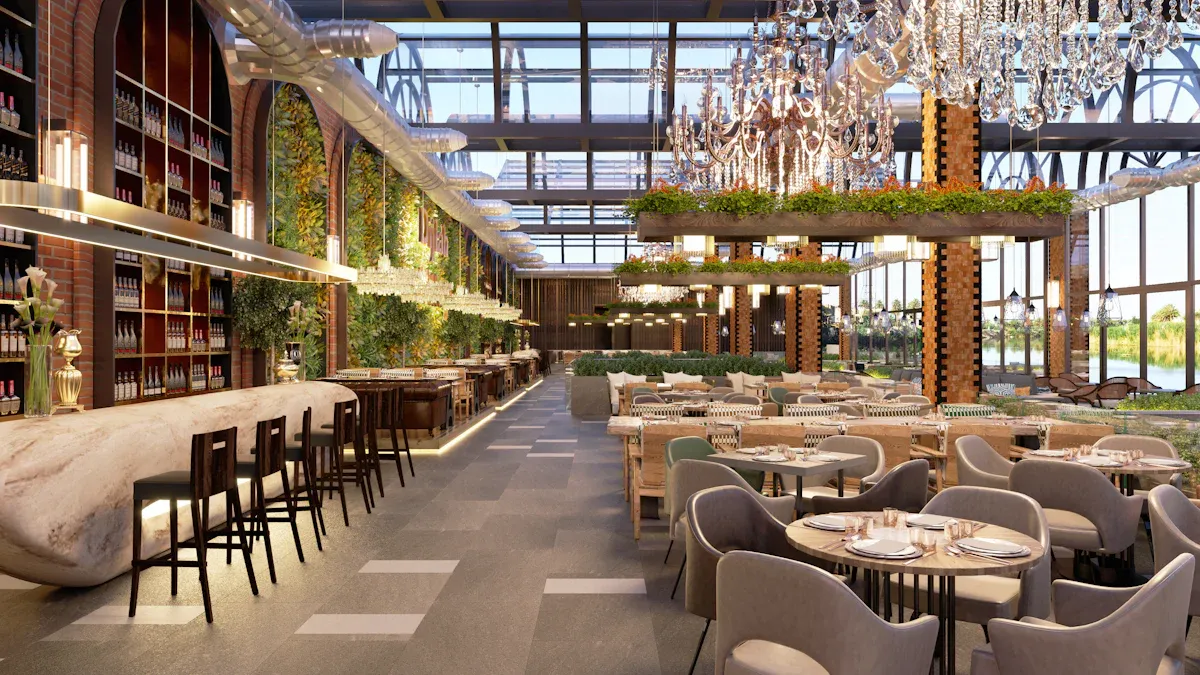
The optimal choice between custom and standard Hotel Furniture isn’t universal; it entirely depends on the specific needs and goals of each hotel project. Boutique and independent hotels increasingly seek distinctive furnishings to differentiate their properties from standardized chain offerings. Luxury hotels, for example, often require custom hotel furniture for luxury hotels to maintain a premium atmosphere. This includes high-end, designer, and often custom-made furniture. Such bespoke solutions create unique, immersive experiences and distinctive, branded guest experiences. A hotel furniture manufacturer can provide custom hotel furniture design solutions. Understanding "How to choose a hotel furniture manufacturer?" is crucial for project success, especially when seeking a reliable custom hotel furniture factory in China.
Key Takeaways
- Custom hotel furniture helps hotels create a unique look. It matches the hotel’s brand and fits special spaces perfectly.
- Standard hotel furniture is good for projects with small budgets. It is also good for projects that need to finish quickly.
- Custom furniture lasts longer and can make more money over time. Standard furniture costs less at first and is easy to replace.
- Hotels can use both custom and standard furniture. This helps them save money and still have a special design.
- Choosing the right furniture depends on your project’s money, time, and design goals. Think about what your hotel needs most.
Custom Hotel Furniture: Tailored Design and Brand Identity
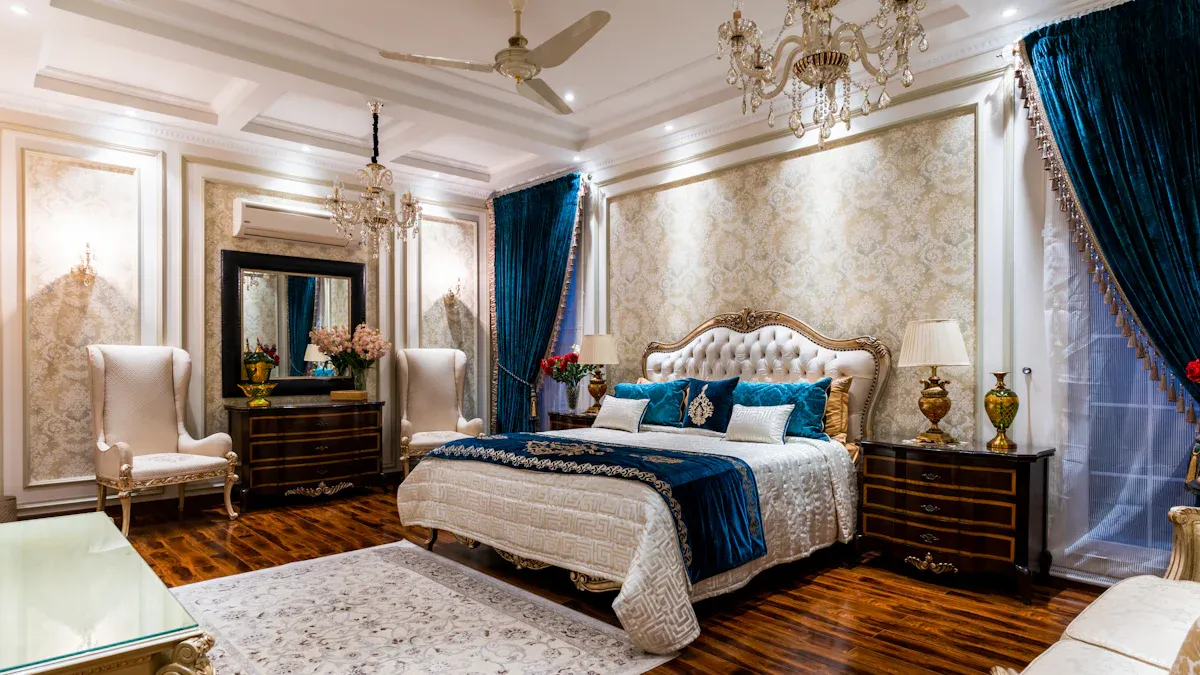
Unique Aesthetic and Brand Consistency for Hotel Furniture
Custom hotel furniture offers hotels a powerful tool to forge a unique identity and ensure brand consistency. Hotels can create a distinctive atmosphere that resonates with their target audience. For instance, bespoke headboards might mirror a city skyline for an urban luxury hotel, or lobby seating could combine bold fabrics and clean lines to evoke regional cultural heritage. Designers often incorporate locally sourced materials, integrate sustainable elements, and showcase local craftsmanship. This includes using native hardwoods, traditional patterns in upholstery or carved details, and regional artisan techniques like hand-joinery. Such custom pieces, including signature items and bespoke upholstery featuring the hotel’s logo, tell a story and deepen the connection to the destination’s heritage.
Material and Dimension Flexibility in Hotel Furniture
Customization provides unparalleled flexibility in material selection and dimensions. Hotels can specify premium materials such as solid wood, high-grade leather, and durable upholstery that meet specific aesthetic and functional requirements. This flexibility allows for the creation of pieces perfectly suited to unique spaces, optimizing layouts and maximizing guest comfort. For example, multi-functional furniture like storage beds or compact desks can address space constraints effectively. This ensures every piece fits seamlessly into the design vision, from contemporary hotel furniture with clean lines to classic luxury furniture with ornate detailing.
Enhanced Durability and Quality Control for Hotel Furniture
Custom hotel furniture often boasts enhanced durability and undergoes stringent quality control. Manufacturers conduct rigorous inspections of all components, including wood for inconsistencies, upholstery for fire-retardancy, and metal hardware for corrosion resistance. The manufacturing process involves strict oversight, ensuring precision cutting, seamless finishing, and reinforced joinery. Before mass production, technicians proof-produce custom pieces, allowing the design team to check feasibility and accuracy. This meticulous approach extends to durability and performance testing, including weight-bearing, impact, and abrasion resistance tests. This commitment to quality means custom pieces can last 10 years or more, significantly longer than standard furnishings, which typically require replacement after 5-7 years.
Potential for Long-Term Value and ROI in Hotel Furniture
Investing in custom hotel furniture offers significant long-term value and a strong return on investment (ROI). While initial costs might seem higher, the extended lifespan and enhanced guest experience contribute to greater profitability over time. Custom pieces are built to last, reducing the frequency and expense of replacements.
Consider the following comparison:
| Factor | Ready-Made | Custom-Made |
|---|---|---|
| ROI | Short-term | Long-term |
| Durability | 3–5 years | 10+ years |
| Lifespan Value | N/A | 2–3× better |
Custom furniture’s superior durability, often exceeding 10 years, significantly outperforms ready-made options, which typically last 3-5 years. This extended lifespan translates directly into cost savings. Hotels avoid frequent refurbishment cycles and the associated labor and material expenses. The enhanced quality also minimizes maintenance issues and repair costs.
Furthermore, custom designs elevate a hotel’s brand image, attracting higher-paying guests and allowing for increased average daily rates (ADR). This uplift in revenue directly impacts the ROI. Conservative business cases typically forecast a 1–3 year payback period for custom hotel furniture projects. Well-executed signature themes, which often incorporate custom elements and lead to a high ADR uplift, can achieve payback in less than a year. This strategic investment enhances guest satisfaction and secures a competitive advantage in the market.
Standard Hotel Furniture: Efficiency and Proven Solutions

Standard hotel furniture offers a practical and efficient alternative for many hotel projects. It provides a streamlined approach to furnishing, prioritizing speed, cost-effectiveness, and reliability. This option often suits projects with strict timelines or budget constraints.
Immediate Availability and Shorter Lead Times for Hotel Furniture
One significant advantage of standard hotel furniture is its immediate availability and shorter lead times. Manufacturers produce these items in bulk, allowing for quicker procurement and delivery. A standard hotel furniture order generally takes about 8 weeks from the time of design submission or approval to completion. This contrasts sharply with the longer production cycles of custom pieces. For example, major suppliers demonstrate efficient turnaround times:
| Supplier | Standard Program Lead Time |
|---|---|
| Kimball Hospitality | 6-8 weeks |
| Northland Furniture | 4-6 weeks |
These shorter lead times enable hotels to open or renovate faster, minimizing downtime and accelerating revenue generation.
Predictable Costs and Budget Management for Hotel Furniture
Standard hotel furniture provides predictable costs, making budget management simpler for project managers. Mass production leads to economies of scale, resulting in lower prices compared to custom options. This is particularly beneficial for hotels operating with tight budgets. Hotels can also benefit from volume discounts for bulk purchases. Furthermore, standardizing room types to common furniture units significantly reduces the number of unique stock-keeping units (SKUs). This simplifies inventory management and procurement. Optimized shipping, through consolidated orders and staged deliveries, further reduces handling costs and avoids expensive on-site storage.
Reliable Designs and Ease of Replacement for Hotel Furniture
Standard furniture comes with reliable, proven designs. These designs have undergone extensive testing and widespread use, ensuring their functionality and durability in a commercial setting. Manufacturers often provide warranties and guarantees, offering peace of mind and recourse for any issues. This can save on potential risks and costs. Should a piece become damaged, replacing it is straightforward. Hotels can easily order identical items from the manufacturer, maintaining consistency across all rooms and public areas. This ease of replacement minimizes disruption and keeps maintenance costs low over the furniture’s lifecycle. Including spare parts and extended warranties can further reduce long-term replacement and maintenance costs.
Limitations in Customization and Unique Design for Hotel Furniture
Standard hotel furniture inherently presents limitations in customization and unique design. Manufacturers produce these items in large quantities, following pre-determined specifications. This approach means hotels cannot request specific modifications to dimensions, materials, or finishes. A hotel seeking a distinctive aesthetic or a strong brand identity often finds standard options restrictive. Designers must choose from existing catalogs, which limits their creative freedom. They cannot incorporate bespoke elements that reflect a hotel’s unique story or local culture.
The lack of customization also affects how furniture fits into diverse spaces. Standard pieces might not perfectly suit rooms with unusual layouts or specific architectural features. This can lead to inefficient space utilization or a less cohesive design. For example, a standard wardrobe might not fit a recessed wall perfectly, leaving awkward gaps. Similarly, a hotel cannot specify unique fabric patterns or colors that align precisely with its brand palette. This forces hotels to compromise on their design vision. The uniformity of standard designs makes it challenging for a property to stand out in a competitive market. Guests often seek memorable experiences, and generic furnishings can detract from that goal.
Key Project Considerations for Hotel Furniture Selection
Selecting the right Hotel Furniture involves a careful evaluation of several critical factors. Project managers must consider financial limitations, design aspirations, and operational schedules to make informed decisions. Each element plays a significant role in determining whether custom or standard solutions best suit a hotel’s needs.
Budgetary Constraints and Financial Planning for Hotel Furniture
Financial planning forms the foundation of any successful hotel project. Project managers must establish a clear budget framework that balances financial limits with quality requirements. For hotel renovation projects, typical budget allocations often include 20% for case goods like furniture and lighting fixtures, 30% for soft goods such as bed linens and draperies, 20% for bathroom updates, 10% for design fees, 10% for construction costs, and a 10% contingency buffer.
Effective financial strategies can significantly manage procurement costs. Hotels can consider second-hand options, as many properties upgrade regularly, providing a market for gently used pieces. This approach reduces costs and aligns with environmentally conscious decisions. Investing in timeless designs also saves money by eliminating frequent updates, as classic styles offer longevity and broad guest appeal. Negotiating bulk discounts for larger quantities can secure better prices, and collaborating with other hotels might lead to even greater savings. Furthermore, planning for future maintenance extends furniture lifespan and saves money long-term, rather than focusing solely on the initial purchase.
A comprehensive financial plan also involves estimating the total cost of ownership. This includes the initial purchase price, maintenance, repair, replacement cycles, and operational impact. Such an estimate prevents unexpected financial strain and supports sustainable procurement. Allocating the budget by area, tailoring financial planning for different spaces like guest rooms, lobbies, and dining areas, ensures an optimal guest experience without overspending. Hotels can use premium materials for high-impact areas and cost-effective alternatives for secondary spaces. Balancing quality and affordability involves selecting materials and finishes that meet durability and aesthetic needs within budget, often through strategic choices like mixing materials or negotiating with suppliers for bulk pricing. Cost-saving procurement strategies, such as bulk orders, consolidated shipments, and flexible payment schedules, reduce unit costs. Negotiating contracts for maintenance support, warranties, and delivery guarantees also lowers long-term operational costs. Maintaining a detailed budget tracker ensures transparency and proactive financial management.
Design Vision and Brand Requirements for Hotel Furniture
A hotel’s design vision directly impacts the choice of furniture and how it complements the overall aesthetics. Custom furniture allows hotels to provide a higher level of comfort by designing pieces that suit guest needs, aligning with the hotel’s interior theme to create a cohesive and welcoming atmosphere. This enhances the guest experience and comfort.
Custom furniture also offers hotels the opportunity to reflect their unique identity through design, matching the brand’s story and personality. This builds a strong visual identity and leaves a lasting impression, strengthening brand recognition. For instance, custom-made furniture makes a hotel unique, enhancing its brand image and enabling easy recognition. The initial phase of custom furniture involves discussions regarding a vision and hotel interior, where hotels define their desired outcome, such as a modern, fancy, or cozy ambiance, and specific furniture functionalities, like desks with smartphone charging.
The table below highlights how design vision drives the benefits of custom furniture compared to standard options:
| Feature | Custom Furniture Benefits (Driven by Design Vision) | Standard/Catalog Furniture Benefits (Less Critical Design Vision) |
|---|---|---|
| Design Uniqueness | Crafts a unique design, achieves imagination, stands out among competitors, ‘outside the box’ designs. | Eliminates guesswork, offers tried-and-true designs. |
| Flexibility | Provides flexibility with materials, accessories, and dimensions; not tethered to certain models; includes modern tech (wireless charging, USB ports, LED lighting). | Offers limited options, fixed sizes and styles. |
| Space Utilization | Designs pieces that fit exact layouts, ensures efficient use of space, provides smart functionality (hidden storage, multi-functional pieces). | May not fit unusual room shapes or specific layouts as effectively. |
| Brand Identity | Reflects unique identity, matches brand’s story and personality, creates strong visual identity, offers memorable experience, strengthens brand recognition. | Provides less opportunity for unique brand expression. |
| Guest Experience | Enhances comfort, offers tailored beds/chairs/sofas, creates cohesive and welcoming atmosphere, meets specific guest needs (wellness, work, reflection). | May not cater to specific guest needs or comfort levels as precisely. |
| Lead Times | Involves a longer engineering process (1-2 weeks for custom). | Offers shorter lead times (1-2 days for engineering, 8 weeks for order to completion). |
| Pricing | Can be value-engineered to be economical, less-expensive materials can meet quality standards. | Offers competitive pricing, often more predictable costs. |
| Decision Making | Requires detailed consultation and concept development, collaboration with manufacturers. | Involves no analysis paralysis, allows easy and quick selection. |
Custom furniture also allows for better space utilization and functionality. Hotels can design pieces that fit their exact layout, making efficient use of space and offering smart functionality like hidden storage or integrated charging ports.
Project Timeline and Operational Deadlines for Hotel Furniture
Project timelines and operational deadlines significantly influence furniture selection. Efficient project management is crucial for successful installation, with meeting timelines and deadlines being vital for a smooth hotel opening process. The overall construction schedule drives critical deadlines for furniture delivery. Construction delays can significantly impact the installation of furniture, fixtures, and equipment (FF&E).
Creating a comprehensive project schedule acts as a roadmap, including key milestones, critical tasks, and deadlines. This breaks down the project into manageable phases. Collaborating with the hotel installation company ensures alignment on project requirements and schedules, helping to identify potential delays early. Prioritizing tasks and dependencies identifies critical tasks essential for the overall timeline and ensures proper sequencing. Streamlining logistics and delivery involves coordinating delivery schedules, considering lead times and storage, which ensures necessary items are available when needed. Proactive issue identification and resolution, through regular inspections and prompt communication, minimizes delays. Continuously monitoring and adjusting the schedule against established progress ensures efficiency and alignment with the overall project timeline.
Scale of Project and Quantity Needs for Hotel Furniture
The scale of a hotel project and the required furniture quantity significantly influence procurement decisions. Large-scale developments, such as new chain hotels with hundreds of rooms, often prioritize efficiency and consistency. These projects typically require a high volume of identical or very similar furniture pieces. Standard furniture solutions become highly advantageous in such scenarios. Manufacturers produce standard items in bulk, which leads to economies of scale. This reduces the unit cost per item. Furthermore, standard furniture simplifies logistics. Hotels can order large quantities from a single supplier, streamlining delivery and installation across numerous rooms. This approach ensures uniformity throughout the property, which is crucial for maintaining brand standards in large hotel chains.
Conversely, smaller projects or those with unique spatial requirements might benefit more from custom furniture. A boutique hotel with 20 uniquely designed rooms, for example, needs furniture tailored to each space. Here, the quantity of any single furniture item is low. Customization allows designers to create pieces that perfectly fit unusual room layouts or specific architectural features. This ensures optimal space utilization and a distinctive guest experience. For a project requiring only a few specialized items, the higher per-unit cost of custom furniture becomes justifiable. The unique design and precise fit outweigh the cost savings of standard bulk orders. Therefore, project managers must assess the total quantity of furniture needed and the level of design uniqueness required for each specific area. This assessment guides the decision between mass-produced standard items and bespoke custom creations.
Strategic Application: When to Choose Each Type of Hotel Furniture
Custom Hotel Furniture for Boutique and High-End Projects
Boutique and high-end hotel projects often choose custom furniture. These hotels aim to create personalized guest experiences. Furniture plays a pivotal role in this goal. Each boutique hotel possesses a unique character and personality. They often integrate the culture of their location. This establishes a distinct identity. No two boutique hotels are alike. They target a specific demographic of "hippy and trendy" travelers. These travelers have keen eyes for creativity and design styles. They seek to immerse themselves in local cultures without compromising comfort and luxury.
Custom furniture excels at giving a hotel its distinct identity. It allows tailoring pieces according to specific preferences. This defines the overall style, aesthetic, and atmosphere. Customization helps achieve specific needs. It allows for furniture with identified dimensions and sizes. These pieces fit into guest rooms, creating delightful spaces. It provides control over production. This ensures superior quality. Manufacturers strictly follow requirements and seek approvals for details. Custom furniture allows for changes before or between processes. This enables modifications to features or details. It also allows selection of appropriate materials and alternatives, like different leather options. This adapts to furniture designs, including shapes, material options, and colors. Customization includes color matching, size adjustments, and style modifications. Each piece aligns with the hotel’s brand image. It enables unique styles, custom color palettes, and creative configurations. This helps boutique hotels stand out with distinctive aesthetics while ensuring guest comfort. It offers end-to-end customization, from design conceptualization to material selection and size adjustments. This creates casegoods that fit the space and brand perfectly.
Standard Hotel Furniture for Budget-Conscious and Fast-Tracked Projects
Standard furniture offers a practical solution for budget-conscious and fast-tracked hotel projects. These projects prioritize efficiency and cost control. Standard items are mass-produced. This leads to lower unit costs compared to custom pieces. Hotels can achieve significant savings, especially for large-scale developments. Standard furniture also boasts immediate availability. Manufacturers keep these items in stock or produce them with shorter lead times. This allows for quicker procurement and delivery. Projects with tight deadlines benefit greatly from this speed. Hotels can open or renovate faster. This minimizes downtime and accelerates revenue generation. Standard designs are reliable and proven. They have undergone extensive testing and widespread use. This ensures their functionality and durability in a commercial setting. Replacement is straightforward if a piece becomes damaged. Hotels can easily order identical items. This maintains consistency across all rooms and public areas. This ease of replacement minimizes disruption and keeps maintenance costs low.
Custom Hotel Furniture for Unique Space Optimization
Custom furniture provides an excellent solution for unique space optimization challenges. Hotels often encounter awkward spaces. These include angled walls or tight corners. Custom furniture can be designed to fit these areas precisely. This maximizes usability without sacrificing style. Multi-functionality is another key benefit. Furniture can serve multiple purposes. Beds can have built-in storage. Desks can fold out or double as vanities. This reduces clutter and frees up floor space.
Custom pieces can discreetly incorporate technological integration. This includes embedded USB ports, wireless charging pads, smart lighting, and entertainment system hubs. This maintains an uncluttered look while meeting modern traveler needs. Built-in storage is a common feature. Custom designs can include integrated drawers in beds or seating with storage compartments. This reduces the need for additional furniture. Foldable designs, like desks or wall-mounted tables, maximize usability in compact areas. Custom designs also create adaptable furniture for "bleisure" travelers. This means creating multifunctional spaces. Workstations can transition into relaxation zones. Modular furniture can accommodate both productivity and comfort. These tailored solutions ensure every inch of space is utilized effectively. They enhance guest comfort and the overall aesthetic.
Standard Hotel Furniture for Uniformity Across Large Chains
Large hotel chains frequently choose standard furniture to ensure uniformity across their many properties. This strategy helps them maintain a consistent brand image and guest experience, regardless of location. A guest expects the same level of quality and design in a chain hotel, whether they stay in New York or London. Standard furniture makes this consistency possible.
Hotel chains develop comprehensive brand standards templates. These templates include specific guidelines for every item. For example, they detail color palettes for guest room furnishings or signage types for public areas. These templates incorporate actual requirements. This makes cross-checking and easy reference possible for all involved parties. To ensure consistency, these templates also include images and detailed descriptions for Furniture, Fixtures, and Equipment (FF&E) and Operating Supplies and Equipment (OS&E). This ensures everyone involved understands the product specifications. Examples include pictures of approved fabrics or finish samples.
Chains share these templates with their entire team. This ensures all FF&E and OS&E items are specified and procured according to brand standards. This approach promotes a clear and consistent design process. It also streamlines procurement and reduces costs. Hotel brands often create internal libraries. These libraries contain pre-approved materials. This further ensures adherence to brand standards.
Maintaining uniformity involves a combination of tools. These include brand guidelines, which cover logo usage, color palettes, and typography. Style guides specify design elements, layouts, and imagery. Brand standards provide specifications on furniture placement and size requirements for logos. Hotel chains also use brand matrices. These matrices ensure consistency across different design aspects within a property. They allow for slight variations based on regional preferences. However, they maintain an overarching strategy for consistent guest experiences. This systematic approach allows large chains to deliver a predictable and reliable brand experience to their guests worldwide.
The Hybrid Approach: Optimizing Hotel Furniture Procurement
Combining Custom and Standard Hotel Furniture for Best Value
Many hotels find the best value by adopting a hybrid approach to furniture procurement. This strategy effectively balances cost, schedule, and brand expression. Hotels often utilize custom pieces for signature spaces. They then use modular systems for guestrooms and back-of-house areas. For example, a luxury city hotel renovation might use custom lobby seating and feature walls. This creates a unique look. At the same time, it employs custom-matched modular guestroom furniture. This ensures consistency and manages costs. A 150-room select-service conversion also demonstrates this value. It selects modular bedroom sets to meet tight deadlines and reduce capital expenditure. This project complements these with a custom desk solution for accessible rooms.
Maximizing Design Impact with Strategic Hotel Furniture Choices
Hotels can maximize design impact by strategically choosing where to implement custom furniture. Not every piece needs customization. Focusing custom efforts on high-visibility or unique elements creates significant aesthetic value. Feature chairs, centerpieces, and artwork are particularly impactful when chosen as custom pieces. These items draw the eye and reinforce the hotel’s unique brand identity. They serve as focal points, elevating the overall design without requiring every furniture item to be bespoke. This approach allows for a distinctive look in key areas while maintaining budget efficiency elsewhere.
Partnering with Versatile Hotel Furniture Manufacturers
Selecting the right manufacturing partner is crucial for a successful hybrid approach. Hotels should seek manufacturers capable of providing both custom and standard solutions. Key criteria for selection include responsive communication and the provision of detailed drawings. Manufacturers should also demonstrate eco-friendly practices and offer factory storage. A strong warranty and clear lead times are also important. Look for manufacturers with prior work experience within the hospitality sector. They should understand operational issues like ease of cleaning and guest safety. Their portfolio should show variety and quality. They must also reliably meet deadlines and budgets. Inquire about their material quality, craftsmanship, and manufacturing capabilities. A cohesive partnership ensures the manufacturer acts as a collaborative team member.
Both custom and standard hotel furniture offer distinct advantages for hotel projects. The "better" choice is not universal. It depends on aligning furniture selection with specific project goals, budget, timeline, and design aspirations. Hotels must carefully evaluate these factors. They can then make an informed decision. Consider manufacturers capable of providing both custom and standard solutions. This offers comprehensive project support. Such versatile partners help hotels achieve their unique vision efficiently and effectively.
FAQ
What distinguishes custom hotel furniture from standard options?
Custom furniture offers tailored designs, specific dimensions, and unique materials. It aligns perfectly with a hotel’s brand identity. Standard furniture provides pre-designed, mass-produced items. It offers quicker availability and predictable costs.
For which types of hotel projects is custom furniture most suitable?
Custom furniture suits boutique hotels and high-end projects. These projects aim for unique aesthetics and strong brand consistency. It also optimizes unusual spaces and creates distinctive guest experiences.
When should a hotel project opt for standard furniture?
Standard furniture is ideal for budget-conscious and fast-tracked projects. It offers immediate availability and predictable costs. Large hotel chains also use it for uniformity across multiple properties.
How can hotels effectively combine custom and standard furniture?
Hotels can use a hybrid approach. They select custom pieces for high-impact areas like lobbies. They then use standard or modular furniture for guest rooms. This strategy balances unique design with cost efficiency.
How does furniture selection affect a hotel’s long-term value?
Custom furniture, with its enhanced durability, offers a longer lifespan and higher ROI. It reduces replacement frequency. Standard furniture provides initial cost savings and ease of replacement, impacting short-term budgets.