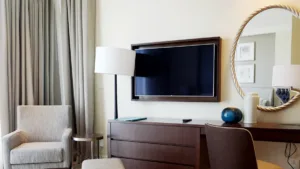
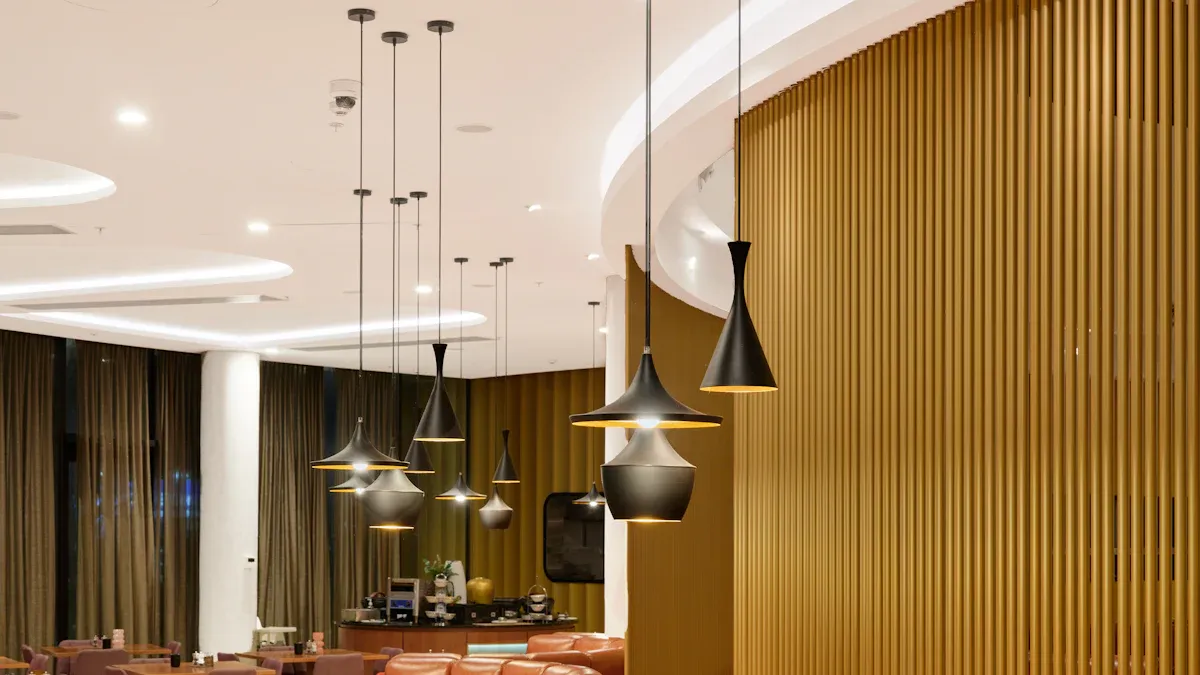
FF&E, or Furniture, Fixtures, and Equipment, comprises durable, long-lasting assets. These items establish a hotel’s aesthetic and functional foundation. For instance, hotel furniture and built-in fixtures fall under FF&E. OS&E, Operating Supplies and Equipment, includes consumable and operational items. These are vital for daily hotel services and guest interactions. Understanding these distinct categories is crucial for successful new hotel build-outs. A Hotel Furniture Manufacturer often provides these key pieces. A bulk hotel furniture supplier manages large orders. Knowing what is contract grade furniture ensures longevity. Fire-rated fabric specifications for hotel seating are also essential. The sustainable hotel furniture certification process guides responsible sourcing.
Key Takeaways
- FF&E includes big, lasting items like hotel furniture. OS&E includes small, daily use items like cleaning supplies. They are different types of hotel needs.
- FF&E costs are big, one-time investments. OS&E costs are smaller, ongoing expenses. Hotels plan their money differently for each.
- Getting FF&E takes a long time, so hotels order it early. Getting OS&E is faster, so hotels order it closer to opening. This helps hotels open on time.
- Both FF&E and OS&E are important for happy guests. Good furniture makes guests comfortable. Enough supplies help staff do their jobs well.
Defining FF&E and OS&E for New Hotel Build-Outs
What Constitutes FF&E in Hotel Furniture and Beyond
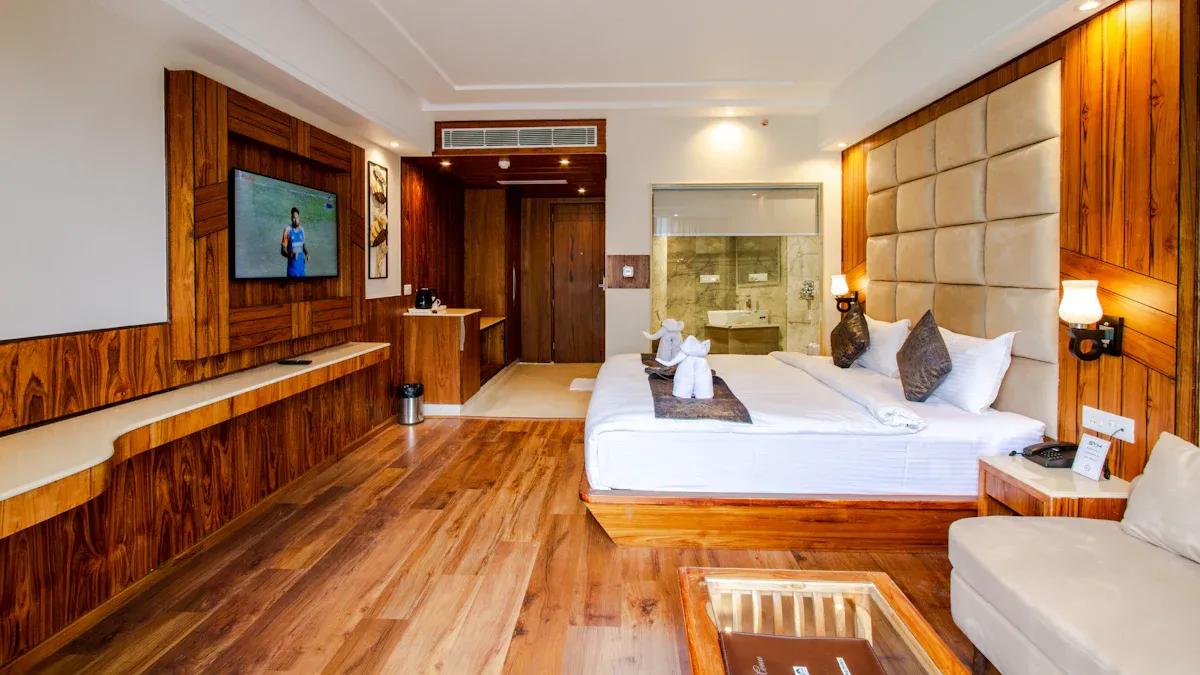
FF&E, or Furniture, Fixtures, and Equipment, includes all movable items in a hotel. These items are not part of the building’s structure. They are essential for operations and define the hotel’s character. In hotel guest rooms, FF&E includes items guests interact with daily. These items include beds, chairs, tables, lamps, TVs, curtains, mirrors, and artwork. Casegoods furniture, desks, shelving, window treatments, and tech accessories also fall under this category. Beyond guest rooms, FF&E extends to restaurant tables, kitchen equipment, laundry machines, computers, safes, and televisions. Ningbo Taisen Furniture specializes in making hotel furniture, including dining tables, chairs, and bedroom sets.
What Constitutes OS&E for Daily Hotel Operations
OS&E, or Operating Supplies and Equipment, covers items vital for a hotel’s daily services. These items are typically consumable or have a shorter lifespan than FF&E. Housekeeping operations rely heavily on OS&E. For example, cleaning supplies are a critical component. Housekeeping teams use various cleaning liquids, sprays, disinfectants, and detergents. Other common OS&E items include linens, guest toiletries, stationery, and food and beverage supplies. These items ensure smooth daily functions and guest comfort.
Key Distinctions and Overlaps
The primary distinction between FF&E and OS&E lies in their durability and lifespan. FF&E represents long-term assets. They contribute to the hotel’s capital value. OS&E consists of short-term, operational items. Hotels regularly replenish OS&E. Their financial treatment also differs significantly. FF&E is a capital expenditure, while OS&E is an operating expense. While their functions are distinct, some items might have blurred lines, such as certain small appliances. However, the core difference in their purpose and longevity guides their procurement and management.
Financial Treatment and Budgeting Strategies
Capital Expenditure vs. Operating Expense Classification
Hotels classify FF&E and OS&E differently for financial purposes. This distinction significantly impacts budgeting and accounting. Capital expenditures (CAPEX) cover the cost of developing a new hotel or purchasing non-consumable assets. These assets, like hotel furniture, are long-term. They last from one to thirty years. FF&E falls under CAPEX. It appears on the balance sheet as an asset. It depreciates over time. Conversely, operating expenses (OPEX) are annual costs for running the business. OS&E items, such as cleaning supplies or guest toiletries, are OPEX. They reside on the income statement. The hotel fully records them in the fiscal period they occur. CAPEX represents an investment in fixed assets that adds long-term value. OPEX is essential for maintaining daily operations.
Budget Allocation for FF&E and OS&E
Budgeting for FF&E and OS&E requires distinct strategies. FF&E demands a substantial upfront capital investment. This budget covers all major furniture, fixtures, and equipment needed for the hotel’s initial setup. Planners must carefully allocate these funds. They ensure the hotel meets design standards and operational needs. OS&E, however, requires an ongoing operational budget. This budget covers the regular replenishment of consumable items. Hotels must forecast OS&E needs based on occupancy rates and operational demands. Effective allocation prevents shortages and maintains service quality.
Depreciation and Asset Lifecycle Management
FF&E assets undergo depreciation. This accounting process spreads the cost of an asset over its useful life. FF&E in hotels typically has depreciation schedules ranging from 5-10 years. For example, Qualified Improvement Property (QIP), which includes non-structural interior improvements like new guestroom flooring or updated lighting, is considered 15-year property. It is also eligible for bonus depreciation. Common depreciation methods include straight-line depreciation. This method spreads the asset cost evenly. It works well for stable assets like furniture. Other methods exist for assets losing value quickly, such as the declining balance method for technological equipment. Hotels manage the entire asset lifecycle. This includes procurement, maintenance, and eventual replacement. This ensures optimal use and financial planning.
Procurement Process and Timeline Variations
Planning and Specification Phases for Hotel Furniture
The procurement journey for a new hotel build-out begins with meticulous planning and detailed specification. Project teams first define the hotel’s vision, brand standards, and target demographic. This initial stage involves architects, interior designers, and procurement specialists. They collaborate to create comprehensive specifications for all items. For FF&E, this means selecting specific styles, materials, finishes, and dimensions for every piece of Hotel Furniture, fixtures, and equipment. Designers often create mood boards and 3D renderings to visualize the final look. For OS&E, planning focuses on operational needs. Teams determine the types and quantities of linens, toiletries, cleaning supplies, and kitchenware required for daily operations. These specifications ensure consistency and adherence to brand guidelines.
Vendor Selection and Sourcing Approaches
Selecting the right vendors is a critical step for both FF&E and OS&E. The approach differs significantly due to the nature of the items.
For FF&E, hotels seek suppliers with proven expertise in hospitality projects. They look for companies that understand bulk orders and strict timelines. Key considerations for FF&E vendor selection include:
- Project Needs: Vendors must understand the project’s scale, whether it is a renovation or a new build. They also need to align with the design aesthetic, such as modern, traditional, or luxury.
- Product Quality: Durability is paramount. Suppliers should use robust materials like solid wood and high-density foam. They must adhere to high manufacturing standards. Hotels often request samples or factory visits to verify quality.
- Customization Capabilities: Many hotels require bespoke furniture. Suppliers should offer design flexibility to match unique aesthetics and specific space requirements.
- Lead Times and Delivery: Reliable lead times and a history of timely delivery are essential. Hotels inquire about logistics for large orders and supply chain strength.
- After-Sales Support: Suppliers should provide warranties and ongoing customer support for installation, repairs, and replacements.
- Financial Transparency: Total pricing transparency is crucial. Providers must outline the true cost of products and disclose all fees upfront. This includes freight, tariffs, duties, and taxes.
- Installation Expertise: Hotels consider options for professional installation. This includes the FF&E manufacturer or other specialized installers. They vet installers for experience, manufacturing capabilities, and references.
For OS&E, vendor selection focuses on cost-effectiveness, reliability, and service. Hotels evaluate quotes based on cost, quality, and delivery times. They also consider the supplier’s level of customer service. Suppliers should offer budget-friendly options without sacrificing quality or safety. They must also demonstrate flexibility and creativity to tailor services to specific needs. Transparency and communication are vital. Suppliers should keep hotels updated on budget, timeline, and potential challenges.
Lead Times and Order Placement Schedules
Lead times and order placement schedules vary greatly between FF&E and OS&E. This difference impacts project timelines significantly.
FF&E items, especially custom-designed pieces, require lengthy lead times. Typical lead times for custom-designed furniture, from initial contact to completion, generally range from 14 to 18 weeks. Some providers can deliver bespoke hotel furniture within three weeks. They achieve this efficiency through local artisan craftsmanship. This highlights the importance of early planning for FF&E. Hotels must place orders well in advance of the opening date. This ensures timely delivery and installation.
OS&E procurement involves more frequent ordering cycles and rapid replenishment systems. This implies significantly shorter lead times compared to FF&E. Hotels typically place OS&E orders closer to the opening date.
| Phase | OS&E Timeline |
|---|---|
| Order Placement | 2-3 months before |
| Delivery Coordination | 1 month before |
This staggered approach allows hotels to manage inventory efficiently. It also ensures they have necessary supplies for immediate operations without excessive storage costs.
Logistics, Warehousing, and Installation Differences
Logistics, warehousing, and installation present distinct challenges for FF&E and OS&E in new hotel build-outs. These phases require careful planning and execution to avoid delays and cost overruns.
FF&E logistics involve managing large, often custom-made items. Hotels face significant challenges during this stage. Installation errors and delays can postpone opening dates and harm a hotel’s reputation. Poor tracking can result in missing or damaged items, disrupting timelines and increasing costs. Managing multiple vendors across various locations can lead to service variability, miscommunication, and project delays. Coordinating logistics for several locations is intricate, often complicated by inconsistent regional service. Unexpected costs for shipping, storage, or installation can create financial difficulties. Ensuring installations meet diverse regional building codes, ADA standards, and environmental regulations adds complexity.
Timing coordination is crucial for FF&E. Deliveries must align perfectly with construction milestones and building readiness. High-value furnishings require specialized handling, protection, and transportation methods to prevent damage. Job sites often lack adequate storage for early deliveries or secure staging areas. This creates space constraints. Quality control is vital; items must be inspected, assembled correctly, and placed precisely according to design specifications. Tracking hundreds or thousands of items requires sophisticated inventory management systems. Projects often involve dozens of manufacturers and suppliers, requiring seamless coordination. Inadequate warehousing facilities and processes are a significant challenge. This often leads to damaged goods, lost items, and disorganized delivery processes. These issues can cause expensive delays during installation, especially when projects attempt to save costs by using insufficient storage or keeping items in original shipping containers.
OS&E logistics, in contrast, focus on the efficient flow of smaller, consumable items. This process involves complex multi-stage transport. This includes international shipping, port clearance, inter-island barge transfers, and last-mile delivery, especially in regions like the Caribbean. Hotels need contingency planning to account for unforeseen issues. These issues include port congestion or island-specific installation permits. This prevents delays and cost overruns. OS&E requires different procurement strategies, timelines, and logistical handling compared to FF&E. This adds another layer of complexity to the overall project.
Managing costs for OS&E is an ongoing challenge. Fluctuating prices for essential items like towels, linens, and cleaning supplies make it difficult to maintain profit margins. Hotels must maintain brand standards. This requires careful selection of suppliers to ensure consistent quality across all properties. Juggling numerous suppliers for different categories leads to inefficiencies and increased administrative work. Labor shortages necessitate simplified operations, such as pre-packaged amenities or consolidated deliveries.
Ultimately, both FF&E and OS&E logistics aim to ensure operational readiness. However, their distinct characteristics demand tailored approaches to warehousing, transportation, and installation.
Impact on Guest Experience and Operational Efficiency
Role in Brand Identity and Design Aesthetics
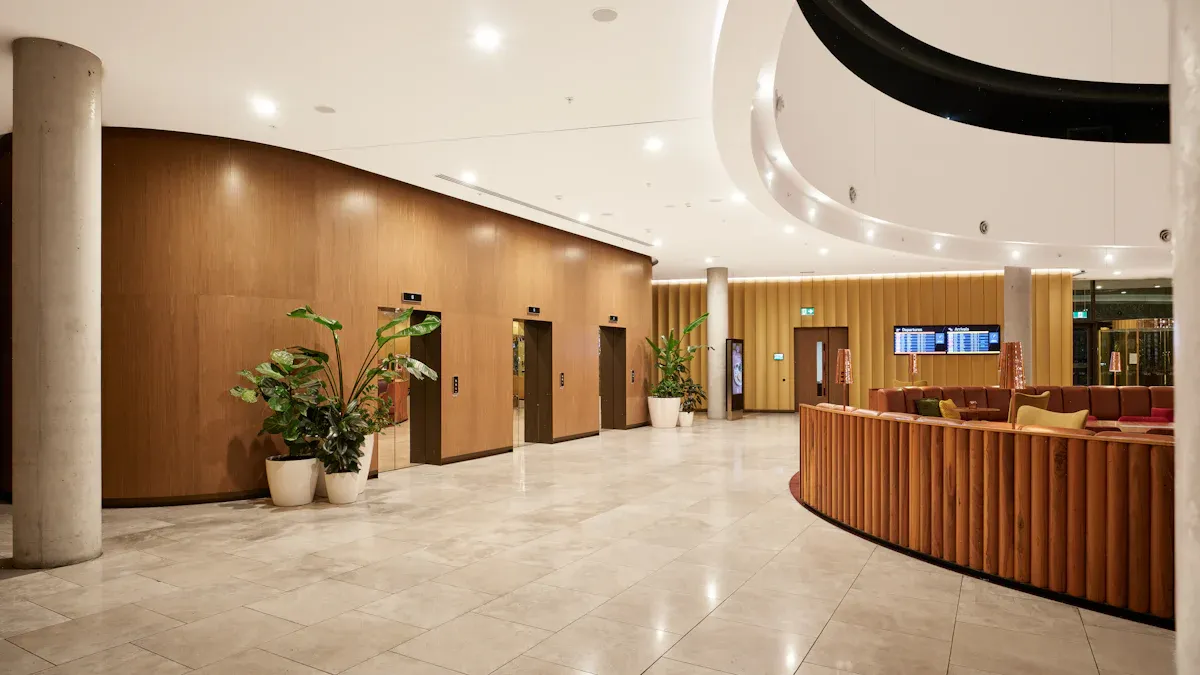
FF&E and OS&E significantly shape a hotel’s brand identity and design aesthetics. FF&E establishes the hotel’s core visual appeal. Hotels use FF&E crafted from local resources like wood, stone, and textiles. This creates a strong sense of place. For example, a Balinese hotel might feature handcrafted teak furniture. A Moroccan hotel could use vibrant local textiles for upholstery. Incorporating local art and decorative items also creates a unique atmosphere. Hotels commission local artists or source items from local markets. Customized FF&E allows hotels to achieve a distinctive look. This reflects local culture and history. A Hawaiian hotel might order a custom bed frame made from native Koa wood. Using local textiles for bedding, curtains, and throw pillows adds authenticity. An Indian hotel might use intricately embroidered textiles. Providing locally sourced amenities supports local businesses. It also offers guests an authentic taste of the destination.
For luxury hotels, quality in OS&E is an important aspect of creating a memorable and exceptional guest experience. It involves selecting high-end materials, such as fine china, crystal glassware, and high thread count linens, that are durable, aesthetically pleasing, and functional. It also involves attention to detail in the design of these items, such as intricate patterns or unique shapes that reflect the hotel’s brand and image.
OS&E also plays a crucial role. Products should feature a sophisticated, timeless design. This complements the hotel’s interior concept and brand identity. Customization options are highly valued for high-visibility items like amenity trays or signage. OS&E must align with a restaurant’s positioning and brand identity. A casual restaurant needs durable, cost-effective OS&E. A fine-dining restaurant demands bespoke, high-end designs. Colors, patterns, and materials of the OS&E should complement the restaurant’s narrative. This enhances and reaffirms its positioning. Branded elements on plates and glassware strengthen a restaurant’s identity. This increases brand visibility.
Direct Influence on Guest Comfort and Satisfaction
FF&E directly impacts guest comfort and satisfaction. FF&E is crucial for shaping the emotional and functional journey of a guest. This directly impacts guest satisfaction scores. The quality and configuration of FF&E are fundamental to the guest experience. Investments in housekeeping training correlate with work consistency and quality. This impacts guest satisfaction by ensuring guestrooms and their FF&E meet brand standards. New or technologically advanced cleaning equipment leads to more sanitary hotel rooms. This contributes to higher guest satisfaction. An inspection stage for serviced guestrooms by a supervisor drives up guest satisfaction scores. It also reduces complaints. This indicates proper maintenance and quality control of FF&E are vital. J.D. Power’s 2025 benchmark indicates a decline in guest satisfaction related to facilities maintenance. This suggests a direct link between the quality and upkeep of hotel facilities, including FF&E, and overall guest satisfaction scores. OS&E procurement is a strategic discipline. It directly impacts guest satisfaction. Poor OS&E planning leads to inconsistent guest experiences. A well-structured procurement strategy ensures brand consistency. This includes elements like the consistent quality of linens and amenities. These are crucial for guest satisfaction.
Operational Readiness and Staff Support
Both FF&E and OS&E are essential for operational readiness and staff support. Well-chosen FF&E provides a functional and efficient workspace for hotel staff. Ergonomic furniture in offices and well-designed equipment in kitchens improve productivity. Proper FF&E ensures smooth guest services. For example, reliable laundry machines support housekeeping operations. High-quality OS&E directly supports daily tasks. Adequate cleaning supplies empower housekeeping teams. Sufficient guest amenities allow front desk staff to meet guest needs promptly. Consistent availability of OS&E prevents service disruptions. This allows staff to focus on guest interactions. It also reduces operational bottlenecks. This ensures the hotel runs smoothly from day one.
Regulatory Compliance and Safety Standards
Hotels must strictly adhere to numerous regulatory compliance and safety standards for both FF&E and OS&E. These standards protect guests and staff. They also ensure legal operation. Ignoring these regulations can lead to severe penalties and reputational damage.
FF&E items must meet specific safety codes. Fire safety is paramount. Furniture and fabrics often require fire-rated specifications. These comply with standards like the National Fire Protection Association (NFPA) Life Safety Code. Electrical fixtures and appliances must meet International Electrotechnical Commission (IEC) or European Committee for Electrotechnical Standardization (CENELEC) guidelines. This prevents electrical hazards. Accessibility standards are also crucial. Hotels must ensure FF&E accommodates guests with disabilities. This includes wheelchair accessibility and features for hearing or visual impairments.
OS&E procurement also involves extensive compliance. Health and safety regulations are critical. This includes food safety for kitchen supplies and occupational health for cleaning products. Hotels follow World Health Organization (WHO) guidelines and ISO 22000 certification for food hygiene. Environmental sustainability standards guide OS&E choices. Hotels focus on waste management, water conservation, and energy efficiency. They prioritize recyclable packaging and sustainable sourcing. Labor laws also impact OS&E. Hotels ensure suppliers uphold fair labor practices and ethical standards. This includes minimum wage and non-discrimination policies.
Compliance extends to international regulatory standards. These cover fire, electrical, safety, health, and hygiene (FRESHH). Hotels also adhere to specific operator brand standards and international five-star hotel industry benchmarks. Quality assurance ensures OS&E meets established benchmarks for durability and performance. This comprehensive approach to compliance safeguards everyone within the hotel environment.
Management, Maintenance, and Replenishment
Inventory Management Systems and Practices
Effective inventory management systems are crucial for hotel operations. Hotels implement real-time centralized systems. These systems track available rooms, reservations, and occupancy rates. This prevents overbooking and improves room allocation. They also utilize historical data, market trends, and special events to predict demand. This allows for optimized pricing and room allocation. Intelligent reporting tools provide insights into key performance indicators like occupancy rates and RevPAR. This helps refine inventory strategies. Staff training ensures accurate information and effective communication. Mobile-friendly systems allow staff to access and update inventory on the go. This enables quick responses to changes. Regular audits of inventory, reservations, and rates ensure accuracy. This identifies discrepancies and optimizes processes.
Hotels centralize data in a unified system accessible to all departments. This reduces conflicting information and improves coordination. This approach significantly drops guest complaints related to room readiness. Modern systems forecast needs by analyzing past patterns, market factors, and AI-driven trend spotting. This allows proactive ordering and staffing adjustments during unexpected demand surges. Hotels equip staff with mobile solutions for updates from anywhere on the property. This leads to faster guest response times and reduced room turnover times. Hotels also apply just-in-time principles. They partner with suppliers for automatic replenishment and set smart par levels to generate orders. This potentially converts storage areas into revenue-generating spaces. These systems reduce repetitive counting. They allow managers to focus on guests and minimize ordering and billing errors. Trustworthy inventory data enables fact-based decision-making, early detection of changes, and meaningful benchmarking. Hotels also promote sustainability practices. They use bulk dispensers for toiletries instead of single-use bottles. This reduces plastic waste. They adopt digital check-in/checkout processes to minimize paper use.
Maintenance and Repair Protocols for Hotel Furniture
Hotels establish clear maintenance and repair protocols for their FF&E, especially Hotel Furniture. Regular inspections identify wear and tear early. This prevents minor issues from becoming major problems. Preventative maintenance schedules ensure the longevity of assets. This includes routine cleaning, polishing, and structural checks for all furniture pieces. Hotels often employ skilled technicians or contract specialized services for repairs. This ensures quality workmanship. Prompt repairs maintain the aesthetic appeal and functionality of the furniture. This directly impacts guest comfort and satisfaction. Proper maintenance extends the useful life of FF&E. This delays the need for costly replacements.
Replenishment and Reordering Cycles
Replenishment and reordering cycles differ significantly between FF&E and OS&E. Hotels manage OS&E with frequent, data-driven reordering cycles. These cycles base themselves on demand forecasts and current inventory levels. Automated systems often trigger reorders when stock reaches predefined minimums. This ensures a continuous supply of consumables. FF&E replenishment occurs less frequently. It ties to depreciation schedules, renovation cycles, or significant wear and tear. Hotels plan major FF&E replacements as part of their capital expenditure budget. This ensures they maintain brand standards and guest expectations over time.
Asset Tracking and Disposal Considerations
Effective asset tracking and thoughtful disposal are crucial for both FF&E and OS&E. Hotels implement robust systems to monitor their assets throughout their lifecycle. This ensures accountability and optimizes resource management.
For FF&E, hotels use sophisticated inventory management systems. These systems often involve barcoding or RFID tags. They track each item from procurement to disposal. This includes furniture, fixtures, and equipment. Tracking helps monitor depreciation. It also aids in scheduling maintenance and planning for future replacements. When FF&E reaches the end of its useful life, hotels consider several disposal options. Refurbishment can extend an item’s life. Hotels might resell usable items to other businesses or individuals. Donation to charities is another option. Environmentally conscious hotels prioritize recycling materials like metal, wood, and electronics. Proper disposal minimizes environmental impact and can sometimes generate revenue.
OS&E tracking focuses on consumption rates and reorder points. Hotels use inventory software to manage these items. This ensures they always have necessary supplies on hand. OS&E, being consumable or having a shorter lifespan, requires different disposal strategies. Hotels manage waste streams carefully. They separate recyclables like paper, plastic, and glass. Many hotels also focus on reducing waste. They choose bulk dispensers for toiletries instead of single-use bottles. Composting food waste is another sustainable practice. Hotels aim to minimize their ecological footprint through responsible OS&E disposal. This aligns with broader sustainability goals.
Why Differentiated Procurement is Critical for Success
Avoiding Cost Overruns and Budget Mismanagement
Differentiated procurement strategies are essential for preventing significant financial setbacks in new hotel build-outs. Hotels must manage FF&E and OS&E budgets separately. This approach helps avoid costly mistakes. For FF&E, high-quality furniture and imported fixtures often exceed initial budget limits. Poor coordination between FF&E and OS&E procurement can lead to duplicated efforts. It can also result in missed requirements or critical shortages. Unforeseen costs accumulate quickly. Balancing quality with cost presents a challenge. Compromising on quality can lead to long-term issues. Failing to plan for post-installation maintenance and eventual replacements also leads to unexpected costs.
For OS&E, cost overruns can also occur. Hotels must establish a clear building budget. This budget accounts for all FF&E and OS&E items. It includes purchasing, installation, and potential future costs like maintenance and repairs. Regularly monitoring expenses against this budget is crucial. This identifies and addresses potential overruns before they happen. Underestimating budget requirements is a common problem. Failing to account for all OS&E costs, including delivery, storage, taxes, and customizations, can lead to budget overruns of 25-40%. Inadequate storage and improper handling procedures can result in damaged furniture and costly replacements. This carries a damage risk of 15-25%. Differentiated procurement ensures each category receives appropriate financial scrutiny. This prevents budget mismanagement and keeps projects on track.
Ensuring Project Timeliness and Opening Schedules
Project timeliness directly impacts a hotel’s profitability. Delays in opening can result in significant lost revenue. Differentiated procurement plays a vital role in keeping projects on schedule. For FF&E, long lead times for custom items require early planning. A dedicated FF&E procurement team manages these complex timelines. They coordinate manufacturing, shipping, and installation. This prevents bottlenecks. Poor contractor coordination often leads to installation delays and cost overruns. This can cause 30% schedule delays.
OS&E procurement also impacts timelines. Ignoring lead times for items like custom linens or internationally sourced goods can cause project delays of 3-6 months. Hotels need a separate OS&E procurement plan. This plan focuses on timely delivery of operational items. It ensures the hotel is ready for guests on opening day. Without distinct strategies, delays in one area can cascade. This affects the entire project. Differentiated procurement ensures each category’s unique timeline requirements receive proper attention. This minimizes risks of delays and ensures a smooth opening.
Optimizing Operational Readiness and Guest Satisfaction
A hotel’s success depends on its operational readiness and guest satisfaction. Differentiated procurement directly contributes to both. FF&E procurement focuses on creating the desired aesthetic and functional environment. This includes comfortable beds, well-designed common areas, and reliable equipment. These elements directly influence guest comfort and perception of quality. A lack of standardized quality control in OS&E results in inconsistent guest experiences. This also increases replacement costs.
OS&E procurement ensures the hotel has all necessary supplies for daily operations. This includes everything from cleaning products to guest amenities. Consistent availability of high-quality OS&E supports staff efficiency. It also enhances the guest experience. Imagine a hotel without enough towels or toiletries. This directly impacts guest satisfaction. Differentiated procurement ensures both FF&E and OS&E meet brand standards. It also ensures they are available when needed. This creates a seamless and positive experience for guests. It also empowers staff to perform their duties effectively.
Mitigating Project Risks and Unexpected Challenges
New hotel build-outs face numerous risks. These risks range from supply chain disruptions to quality control issues. Differentiated procurement strategies for FF&E and OS&E are crucial. They help mitigate these project risks. They also prepare teams for unexpected challenges. A tailored approach for each category reduces potential pitfalls.
FF&E procurement involves significant capital investment and long lead times. This creates specific risk areas.
- Supply Chain Vulnerabilities: Global events can disrupt manufacturing and shipping. A dedicated FF&E team diversifies suppliers. They also establish contingency plans. This includes identifying alternative manufacturers or sourcing regions.
- Quality Control Issues: Large orders of custom furniture can have defects. Strict quality assurance protocols are essential. Teams conduct factory inspections. They also review samples rigorously. This ensures products meet specifications before shipment.
- Logistical Complexities: Transporting large, fragile items across continents presents challenges. Specialized logistics partners manage this process. They handle customs clearance and secure warehousing. This prevents damage and delays.
- Budget Overruns: Unexpected tariffs or freight cost increases can inflate budgets. Procurement specialists negotiate fixed-price contracts. They also build contingency funds into the budget. This protects against unforeseen expenses.
Tip: Establish clear communication channels with all FF&E vendors. Regular updates help identify potential delays early. This allows for proactive problem-solving.
OS&E procurement manages a high volume of diverse, consumable items. This category has its own set of risks.
- Stockouts: Running out of essential items like linens or toiletries directly impacts guest experience. Robust inventory management systems prevent this. They track consumption rates. They also trigger automatic reorders.
- Inconsistent Quality: Varying quality in OS&E can damage brand reputation. Hotels establish clear quality standards for all suppliers. They conduct regular checks on delivered goods. This ensures consistency.
- Supplier Reliability: Late deliveries or poor service from OS&E vendors disrupt daily operations. Hotels vet suppliers thoroughly. They choose partners with proven track records. They also maintain relationships with backup suppliers.
- Price Volatility: The cost of consumables can fluctuate. Procurement teams monitor market trends. They negotiate favorable long-term contracts. This stabilizes pricing and controls operational costs.
| Risk Category | FF&E Mitigation Strategy | OS&E Mitigation Strategy |
|---|---|---|
| Supply Chain | Diversify vendors, contingency sourcing | Multiple approved suppliers, local sourcing |
| Quality | Factory inspections, sample approvals | Regular product checks, clear specifications |
| Logistics | Specialized freight, secure warehousing | Efficient distribution networks, local delivery |
| Budget | Fixed-price contracts, contingency funds | Long-term contracts, market monitoring |
Differentiated procurement allows teams to focus expertise. FF&E specialists understand furniture manufacturing and installation. OS&E specialists excel at supply chain management for consumables. This specialized knowledge helps anticipate problems. It also enables quicker, more effective solutions. This approach minimizes project risks. It ensures the hotel opens on time and within budget.
FF&E and OS&E procurement represent fundamentally distinct processes. Both are critical for new hotel build-outs. A clear understanding of these differences is essential for effective planning, budgeting, and execution. Implementing differentiated strategies for each category ensures project success and operational excellence. This includes careful selection of Hotel Furniture.
FAQ
What is the primary distinction between FF&E and OS&E?
FF&E (Furniture, Fixtures, and Equipment) includes durable, long-lasting assets like hotel furniture. These items define a hotel’s aesthetic and function. OS&E (Operating Supplies and Equipment) covers consumable or short-lived items. These are essential for daily operations and guest services, such as toiletries or linens.
Why do hotels classify FF&E as capital expenditure and OS&E as operating expense?
Hotels classify FF&E as capital expenditure because these are long-term assets. They depreciate over many years. OS&E items are operating expenses. Hotels consume or replace them frequently. This classification impacts budgeting and financial reporting significantly.
How do lead times for FF&E and OS&E affect project schedules?
FF&E, especially custom hotel furniture, requires long lead times, often 14-18 weeks. Hotels must order these items early to avoid delays. OS&E has shorter lead times. Hotels can order these closer to the opening date. This staggered approach helps maintain project timelines.
What role does a hotel furniture manufacturer play in new hotel build-outs?
A hotel furniture manufacturer, like Ningbo Taisen Furniture, produces the essential FF&E items. They create dining tables, chairs, and bedroom sets. Their expertise ensures quality, customization, and timely delivery of furniture. This helps establish the hotel’s design and functionality.