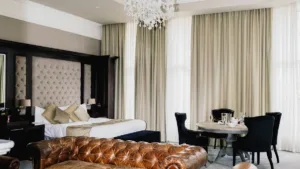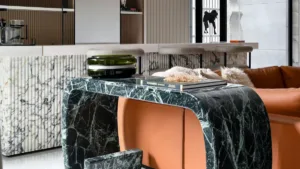
Maintaining hotel furniture is crucial for ensuring longevity and preserving the aesthetic appeal of the establishment. Regular upkeep not only enhances the visual appeal of hotel interiors but also significantly impacts guest experience. Guests appreciate well-maintained environments, which can lead to positive reviews and repeat visits.
Insights from manufacturers, like those at Taisen, offer valuable guidance on best practices for cleaning hotel guestroom furniture. Implementing a routine maintenance plan can reduce long-term replacement costs, promote sustainability, and ensure hospitality furniture durability. Additionally, Taisen specializes in customized hotel bedroom sets that cater to the unique needs of each establishment, providing boutique hotel furniture solutions that elevate the guest experience. Furthermore, understanding commercial grade furniture care is essential for maintaining the quality and appearance of hotel furnishings over time.
Key Takeaways
- Regular cleaning of hotel furniture prevents dirt buildup and enhances its appearance. Use appropriate cleaning agents for different materials.
- Daily inspections for damage help identify issues early. Look for scratches, loose joints, and upholstery wear to ensure timely repairs.
- Implement a routine maintenance plan to extend furniture lifespan. This includes deep cleaning, polishing, and checking hardware monthly.
- Use protective covers to shield furniture from dust and spills. Quality covers reduce the need for repairs and maintain a clean environment.
- Consider restoration over replacement for damaged furniture. Restoration is often more cost-effective and helps maintain the hotel’s unique aesthetic.
Daily Hotel Furniture Maintenance
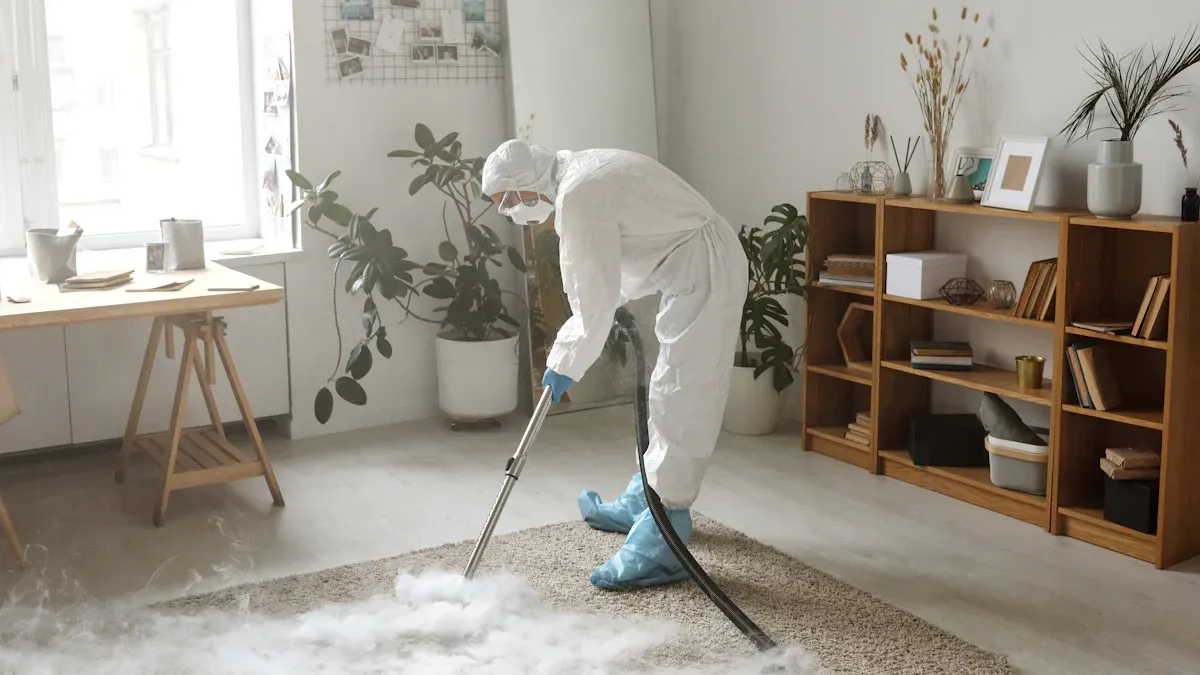
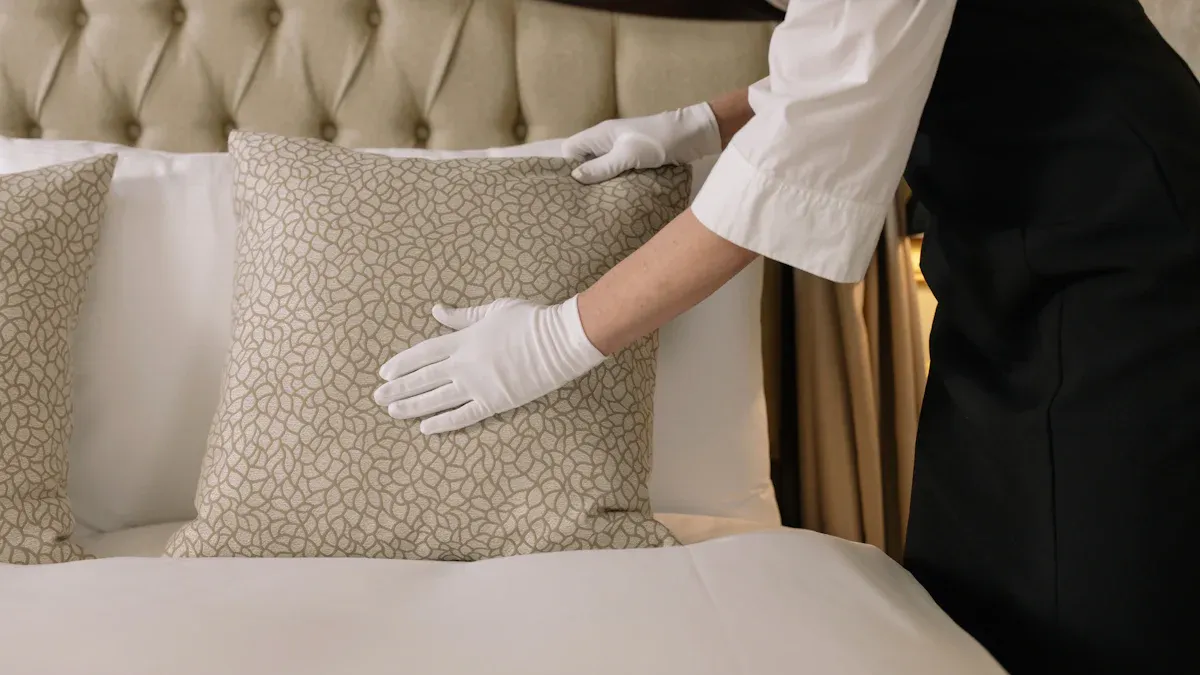
Daily maintenance of hotel furniture is essential for preserving its appearance and functionality. Implementing a consistent routine can significantly enhance the longevity of furnishings and improve the overall guest experience.
Cleaning Surfaces
Regular cleaning of surfaces prevents dirt buildup and maintains the aesthetic appeal of hotel furniture. Different materials require specific cleaning agents to ensure effective maintenance. Below is a table outlining recommended cleaning agents and their applications:
| Cleaning Agent | Application |
|---|---|
| Vacuum cleaner | Regularly vacuum upholstery to remove loose dirt and debris. |
| Upholstery cleaner | Use for stains and spills; test on a small area first. |
| Steam cleaner | Deep cleans upholstery and removes stubborn stains; use cautiously on delicate fabrics. |
| Dust cloth | Dust metal surfaces regularly with a soft, dry cloth. |
| Mild detergent and water | General cleaning for metal surfaces; rinse and dry to prevent water spots. |
| Metal polish | Restores shine and protects metal furniture from corrosion. |
| Mild soap and water | Cleans plastic and laminate surfaces; rinse and dry to prevent water spots. |
| All-purpose cleaner | For tough stains on plastic and laminate; test on a small area first. |
Using the right cleaning agents ensures that hotel furniture remains in excellent condition. Staff should follow manufacturer guidelines for each type of material to avoid damage.
Inspecting for Damage
Daily inspections for damage are crucial in hotel furniture maintenance. Staff should look for signs of wear and tear, such as scratches, loose joints, or frayed upholstery. Early detection allows for timely repairs, preventing further deterioration.
When inspecting furniture, consider the following:
- Check joints and connections: Ensure that all parts are secure and functioning properly.
- Examine upholstery: Look for any signs of fading, stains, or tears.
- Inspect surfaces: Check for scratches, dents, or water damage that may require immediate attention.
By incorporating these daily practices, hotel staff can maintain the quality and appearance of their furniture, ultimately enhancing the guest experience.
Weekly Hotel Furniture Maintenance
Weekly maintenance plays a vital role in preserving the appearance and functionality of hotel furniture. Implementing effective deep cleaning techniques and polishing wood surfaces can significantly enhance the longevity of furnishings.
Deep Cleaning Techniques
Deep cleaning is essential for maintaining the integrity of hotel furniture fabrics. Regularly vacuuming loose debris helps prevent dirt buildup. Spot-cleaning spills immediately minimizes stains and damage. Conducting routine fabric inspections allows staff to identify potential issues early.
Consider the following effective deep cleaning methods:
| Cleaning Method | Suitable Fabrics |
|---|---|
| Hot water extraction | Durable fabrics like solution-dyed acrylics or olefin |
| Dry cleaning methods | Delicate fabrics (silk, velvet) or moisture-sensitive materials |
| Encapsulation technology | Synthetic fibers |
These methods help extract absorbed contaminants from fabric furniture. Applying a fabric protectant can also prevent rapid resoiling, ensuring that upholstery remains fresh and inviting for guests.
Polishing Wood Furniture
Polishing wood furniture enhances its appearance and protects it from wear. Different types of wood polish offer various benefits. Here are some effective options:
- Lacquer Finish: Provides a high-gloss or matte appearance and dries quickly.
- Polyurethane Finish: Highly durable and moisture-resistant, ideal for high-traffic areas.
- Shellac Finish: Offers a warm, classic look but is less resistant to water and heat.
- Oil-Based Finish: Deeply penetrates wood, enhancing its natural beauty and providing good protection.
- Wax Finish: Creates a soft sheen and smooth texture but requires regular maintenance.
In hotel settings, professionals often recommend polyurethane finishes for their durability. These finishes resist wear and tear, making them suitable for areas like lobbies and dining rooms. The choice of finish should align with the hotel’s interior design, contributing to a cohesive look throughout the space.
Regular polishing not only maintains the visual appeal of hotel furniture but also extends its lifespan, ensuring a welcoming environment for guests.
Monthly Hotel Furniture Maintenance
Monthly maintenance is vital for preserving the quality and appearance of hotel furniture. This routine ensures that both upholstery and hardware remain in optimal condition, contributing to a positive guest experience.
Upholstery Care
Proper upholstery care is essential for maintaining the aesthetic and functional aspects of hotel furniture. Regular cleaning prevents stains and extends the life of fabrics. Here are some recommended techniques for effective upholstery maintenance:
| Technique | Recommendation |
|---|---|
| Vacuuming | Essential for maintaining upholstery fabric by removing dust and dirt. |
| Spot Cleaning | Spills should be blotted immediately with a clean, dry cloth. |
| Professional Cleaning | Recommended at least twice a year to prevent permanent stains. |
| Dry Cleaning | Recommended every six months for larger hotels with cushion upholstery. |
| Professional Deep Cleaning | Recommended annually or bi-annually depending on fabric type. |
Implementing these techniques helps ensure that upholstery remains fresh and inviting for guests. Regular inspections can also identify any wear or damage early, allowing for timely repairs.
Hardware Checks
Monthly hardware checks are crucial for ensuring that all furniture components function correctly. Staff should inspect various elements, including drawers, hinges, and fasteners. A systematic approach can help maintain furniture integrity. Here’s a checklist for hardware inspections:
| Task Description | Status |
|---|---|
| Inspect dresser for chips, scratches, or damage. | Pass/Flag/Fail |
| Inspect and test drawers and hardware. | Pass/Flag/Fail |
| Inspect nightstands for chips, scratches, or damage. | Pass/Flag/Fail |
| Drawers should open and close smoothly and easily. | Pass/Flag/Fail |
| Inspect desks for chips, scratches, or damage. | Pass/Flag/Fail |
By documenting the status of each item, hotel staff can track maintenance activities effectively. This proactive approach not only enhances the longevity of hotel furniture but also ensures a seamless experience for guests.
Seasonal Hotel Furniture Maintenance
Seasonal maintenance is essential for preserving the quality and longevity of hotel furniture, especially for outdoor pieces that face varying weather conditions. Proper care during seasonal changes ensures that furniture remains inviting and functional for guests.
Outdoor Furniture Care
Outdoor furniture requires special attention to withstand the elements. Regular maintenance helps prevent damage and prolongs its lifespan. Here are some best practices for outdoor furniture care:
- Clean furniture thoroughly to remove dirt and prevent mildew.
- Inspect for damage and remove any items that are excessively worn.
- Store furniture in a sheltered area, using weatherproof covers that allow for air circulation.
Additionally, hotel staff should regularly hose off outdoor umbrella fabrics with clear water to prevent dirt buildup. A thorough cleaning every two to three years using a mild soap solution and a soft bristle brush can help maintain the appearance. For stubborn stains, a diluted bleach solution may be used, but caution is advised with coated fabrics.
Storage Solutions for Off-Season
When the season changes, proper storage of outdoor furniture becomes crucial to prevent weather-related damage. Here are effective storage solutions recommended by manufacturers:
- Use a climate-controlled storage environment with temperatures between 65°F to 75°F (18°C to 24°C) and humidity levels of 40-55%.
- Conduct thorough cleaning and preparation of furniture before storage to prevent degradation.
- Utilize breathable protective coverings instead of plastic to avoid moisture buildup.
- Properly arrange furniture to prevent pressure points and damage during stacking.
- Schedule regular inspections to monitor for moisture, pests, and signs of deterioration.
By following these guidelines, hotels can ensure that their outdoor furniture remains in excellent condition, ready for use when the season changes. Implementing these seasonal maintenance strategies is a key aspect of effective hotel furniture maintenance.
Furniture Types and Specific Care
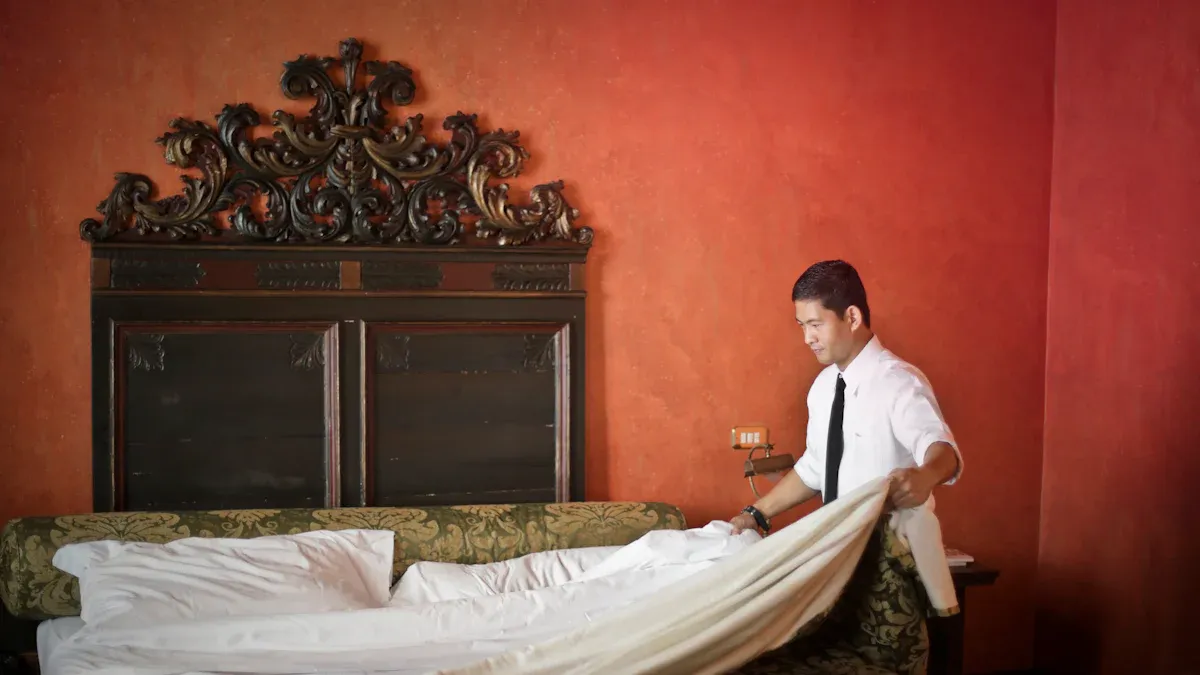
Wooden Furniture
Wooden furniture requires specific care to maintain its beauty and durability. Regular cleaning and polishing are essential. Use a soft, dry cloth to dust surfaces and prevent scratches. For deeper cleaning, a mild soap solution works well. Avoid harsh chemicals that can damage the finish.
Tip: Apply a wood polish every few months to protect the surface and enhance its shine. This practice not only maintains the aesthetic appeal but also extends the life of the furniture.
Upholstered Furniture
Upholstered furniture demands careful attention to keep it looking fresh and inviting. Regular vacuuming is crucial to remove dirt and debris. Staff should use a vacuum cleaner with a soft brush attachment to avoid damaging the fabric. For stains, a suitable upholstery cleaner is recommended. Always test the cleaner on a small area first to ensure it does not cause discoloration.
Here are some effective cleaning methods for upholstered furniture:
- Vacuum cleaner: Regularly vacuum to remove dirt and debris.
- Upholstery cleaner: Use a professional cleaner for stains, testing on a small area first.
- Steam cleaner: Effective for deep cleaning and removing odors, but use cautiously on delicate fabrics.
Implementing these practices ensures that upholstered furniture remains in excellent condition, enhancing the overall guest experience.
Metal Furniture
Metal furniture is popular in high-traffic areas due to its durability. However, it still requires regular maintenance to prevent deterioration. Routine cleaning prevents dirt and grime buildup, which can lead to corrosion over time.
| Aspect of Maintenance | Impact on Longevity |
|---|---|
| Routine Cleaning | Prevents accumulation of dirt and grime, which can lead to deterioration over time. |
| Structural Inspections | Identifies and addresses issues like loose joints and weakened screws before they lead to furniture failure. |
| Surface Care | Protects finishes from scratches and stains, maintaining the furniture’s appearance and functionality. |
High-traffic furniture often features durable materials like solid hardwoods and reinforced metals. Regular upkeep is essential to prevent wear, regardless of material quality.
By understanding the specific care requirements for each type of furniture, hotel staff can implement effective hotel furniture maintenance strategies that enhance the longevity and appearance of their furnishings.
Preventive Measures for Hotel Furniture
Preventive measures play a crucial role in extending the lifespan of hotel furniture. By implementing effective strategies, hotels can maintain their furnishings in optimal condition, ensuring a pleasant experience for guests.
Using Protective Covers
Protective covers serve as a first line of defense against wear and tear. They shield furniture from dust, spills, and scratches, significantly reducing the need for repairs. Here are some key benefits of using protective covers:
- Dust Prevention: Covers help keep dust at bay, minimizing the need for frequent cleaning.
- Stain Protection: They act as a barrier against spills, preventing moisture damage and stains from setting in.
- Scratch Resistance: Covers protect surfaces from scratches caused by daily use or accidental impacts.
To maximize the effectiveness of protective covers, hotels should consider the following:
- Choose Quality Materials: Invest in durable, breathable fabrics that allow air circulation while protecting against moisture.
- Regular Maintenance: Clean covers regularly to prevent dirt buildup and maintain their protective qualities.
- Tailored Fit: Ensure covers fit snugly to prevent slipping and provide maximum protection.
Implementing Furniture Layout Strategies
Effective furniture layout strategies can enhance both the aesthetic appeal and functionality of hotel spaces. A well-thought-out arrangement not only improves guest experience but also contributes to furniture longevity. Here are some strategies to consider:
- Traffic Flow: Arrange furniture to facilitate smooth movement throughout the space. Avoid overcrowding areas to reduce wear on high-traffic pieces.
- Zoning: Create distinct zones for different activities, such as lounging, dining, and working. This approach helps distribute wear evenly across furniture.
- Spacing: Maintain adequate space between pieces to prevent accidental damage. This spacing also allows for easier cleaning and maintenance.
Regular inspections form the cornerstone of effective furniture care. Periodic checks for any signs of wear, tear, or damage allow for timely repairs, preventing minor issues from escalating into major ones.
By implementing these preventive measures, hotels can significantly enhance their furniture maintenance efforts, ensuring that furnishings remain in excellent condition for years to come.
When to Seek Professional Help
Signs of Wear and Tear
Hotel staff should remain vigilant for signs of wear and tear on furniture. Regular inspections can help identify issues before they escalate. Common indicators include:
- Visible Damage: Look for scratches, dents, or chips on surfaces.
- Structural Integrity: Check for loose joints or wobbling furniture.
- Upholstery Issues: Watch for frayed edges, stains, or fading colors.
Addressing these signs promptly can prevent further deterioration and maintain the quality of the hotel environment.
Restoration vs. Replacement
When furniture shows significant wear, hotel managers face a critical decision: restore or replace? Understanding the cost implications of each option is essential.
| Action | Cost Range |
|---|---|
| Restoring | 20-50% of new item cost |
| Replacing | $500 – $1500+ for new item |
Restoration often proves more economical, costing only 20-50% of the price of a new item. This option allows hotels to maintain their unique aesthetic while saving money. However, if furniture is beyond repair or poses safety risks, replacement may be necessary.
Ultimately, the choice between restoration and replacement depends on the condition of the furniture and the budget available for hotel furniture maintenance. Regular assessments can guide this decision, ensuring that hotels provide a safe and appealing environment for guests.
In summary, effective hotel furniture maintenance involves daily cleaning, regular inspections, and seasonal care. Implementing these strategies enhances the longevity of furnishings and improves guest satisfaction. Hotel managers should prioritize these practices to create inviting environments.
By adopting these tips, hotels can ensure their furniture remains in excellent condition for years to come.
Feel free to share your experiences or ask questions about hotel furniture maintenance. Your insights can help others in the industry.
FAQ
What is the best way to clean hotel furniture?
Regularly dust surfaces with a soft cloth. For upholstery, vacuum frequently and use appropriate cleaners for stains. Always follow manufacturer guidelines for specific materials.
How often should I inspect hotel furniture?
Inspect hotel furniture daily for visible damage and functionality. Monthly checks should focus on hardware and upholstery condition to ensure longevity.
When should I consider professional cleaning services?
Consider professional cleaning services for deep cleaning upholstery or when furniture shows significant wear. This helps maintain appearance and extends the life of the furnishings.
What types of protective covers are recommended?
Use breathable, durable covers made from quality materials. They should fit snugly to prevent slipping and protect against dust, spills, and scratches.
How can I tell if furniture needs restoration or replacement?
Look for visible damage, structural issues, or extensive wear. If restoration costs are significantly lower than replacement, consider restoring. Otherwise, replacement may be necessary for safety and aesthetics.