Hotel furniture procurement refers to the process of sourcing and acquiring furniture for hospitality establishments, including the essential hotel furniture procurement process that ensures quality and efficiency. This process holds significant importance in the hospitality industry, as it directly influences guest satisfaction and operational efficiency. For example, a boutique hotel in New York saw a 15% increase in positive reviews after upgrading its furniture through a well-structured custom hotel furniture workflow. The hotel furniture procurement process encompasses various stages, from needs assessment to installation, ensuring that every detail aligns with the hotel’s vision and guest expectations. Additionally, following an OEM furniture procurement guide can enhance the hotel furniture quality control, ensuring that the products meet the highest standards. By understanding the global hotel furniture supply chain, hotels can make informed decisions that positively impact their overall guest experience.
Key Takeaways
- Conduct a thorough needs assessment to understand guest preferences and operational requirements. This step lays the foundation for successful furniture selection.
- Establish a clear budget and utilize effective cost management strategies. This ensures financial resources are allocated wisely, enhancing procurement efficiency.
- Prioritize sustainability by choosing eco-friendly materials and seeking certifications. This not only benefits the environment but also appeals to eco-conscious guests.
Overview of Hotel Furniture Procurement
Hotel furniture procurement involves several critical stages that ensure a seamless transition from concept to completion. This process begins with a kickoff meeting, where project alignment occurs. Stakeholders define the statement of requirements and create a demarcation document to clarify roles and responsibilities.
Next, the budgeting phase establishes a financial framework. A cost plan and cash flow forecast guide the procurement team in making informed decisions. Once the budget is set, the sourcing phase begins. This stage focuses on identifying and selecting suppliers who align with the design intent and quality standards.
The procurement process includes vendor qualification to ensure reliability. Key deliverables during this phase include a package breakdown and a vendor shortlist. Following sourcing, value engineering takes place. This step aims to optimize costs while maintaining design integrity. Alternative solutions may be proposed to enhance the overall project.
Once the design and budget are finalized, purchasing occurs. This stage involves executing transactions through requests for proposals (RFPs), purchase orders, and supplier contracts. After purchasing, the logistics phase manages the supply chain. This includes shipping coordination, customs clearance, and storage.
Finally, installation marks the on-site execution of the project. Quality assurance checks ensure that the furniture meets specifications. The completion stage wraps up the procurement process with documentation, including handover manuals and warranty registries. Each of these stages plays a vital role in delivering high-quality hotel furniture that enhances guest experiences.
Steps from Needs Assessment to Installation
Conducting a Needs Assessment
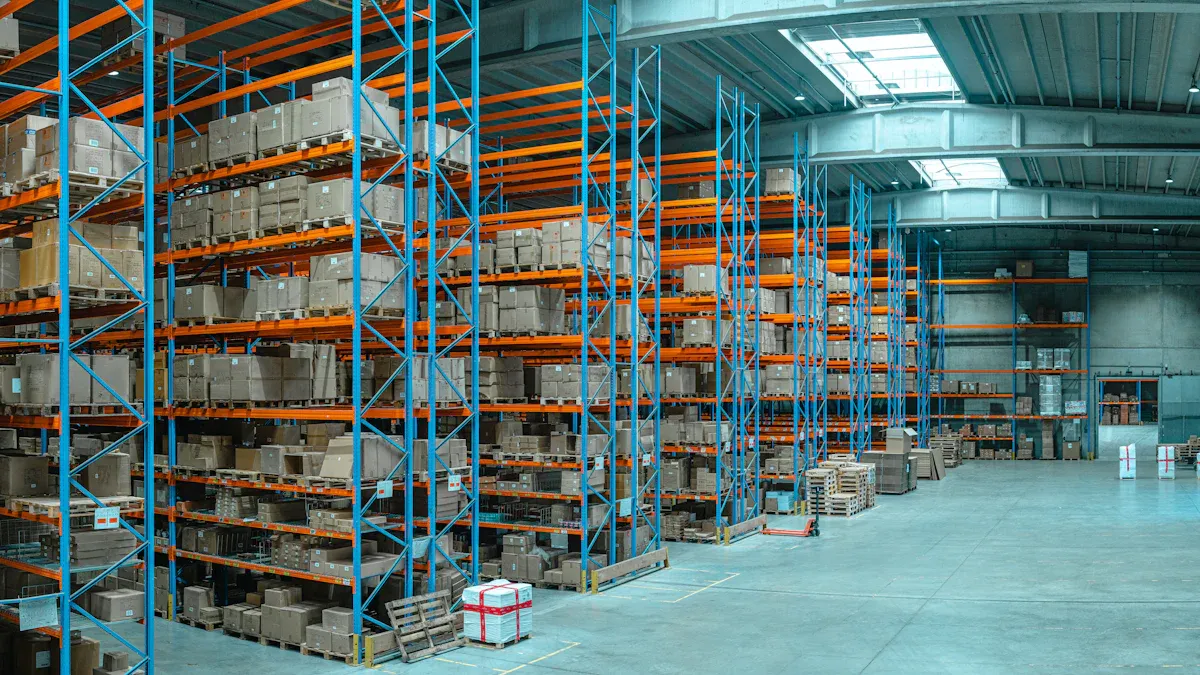
The needs assessment serves as the foundation for successful hotel furniture procurement. This step involves gathering data to understand the specific requirements of the hotel. Key factors include guest preferences, operational needs, and design aesthetics. Effective collaboration among design teams, procurement specialists, and quality control professionals is essential. They must establish clear quality standards that align with project requirements.
To conduct a thorough needs assessment, hotels should consider the following:
- Guest Data: Collect information from various touchpoints to understand guest preferences and behaviors.
- Procurement Data: Analyze metrics related to purchasing, including costs and categories of items needed for hotel operations.
- Housekeeping Data: Evaluate cleaning efficiency and staff performance, which are crucial for maintaining hotel standards.
Developing Design Concepts
Once the needs assessment is complete, the next step is developing design concepts. This phase focuses on creating furniture designs that reflect the hotel’s brand identity and enhance the guest experience. Key considerations include:
- Functionality: Furniture must serve its purpose effectively while being comfortable for guests.
- Quality Control: Ensuring that materials and craftsmanship meet high standards is vital.
- Sustainability: Incorporating eco-friendly materials appeals to environmentally conscious guests.
- Aesthetics: The design should be visually appealing and align with the hotel’s theme.
The design of hotel furniture must achieve a balance between visual appeal and comfort, ensuring that while the room looks striking, it also provides a relaxing atmosphere for guests.
Selecting Suppliers and Vendors
Selecting the right suppliers and vendors is critical to the procurement process. Hotels should evaluate potential partners based on several criteria:
- Experience: Assess how long the supplier has been in the hospitality furniture industry.
- Quality Craftsmanship: Ensure that the supplier can deliver high-quality products that meet the hotel’s standards.
- Customization Options: Determine if the supplier can provide tailored solutions that fit the hotel’s unique needs.
- Sustainability Practices: Consider suppliers that prioritize eco-friendly manufacturing processes.
Building strong relationships with suppliers enhances communication and collaboration, leading to better service and inventory management.
Budgeting and Cost Management
Budgeting is a crucial step in the procurement process. Typically, 10% to 20% of a hotel’s renovation budget is allocated to furniture procurement. This percentage can be higher for mid-to-high-end hotels. Effective cost management strategies include:
| Strategy | Description |
|---|---|
| Partner with Local Manufacturers | Collaborating with local suppliers can reduce transportation costs and lead times. |
| Focus on Multi-Functional Pieces | Selecting furniture that serves multiple purposes maximizes space and functionality. |
| Negotiate Bulk Discounts | Purchasing in large quantities allows for better pricing and terms through leveraging buying power. |
Quality Control and Compliance
Quality control is essential throughout the procurement process. Hotels must ensure that all furniture meets industry standards and safety regulations. Key measures include:
- Initial Material Verification: Confirm the quality of materials before production begins.
- In-Process Inspections: Conduct inspections at critical manufacturing stages to ensure compliance with standards.
- Final Quality Checks: Perform thorough inspections upon delivery to verify that all items meet specifications.
Compliance with safety and environmental regulations is also crucial. Hotels should select flame-retardant materials and ensure that all furniture adheres to fire safety standards.
Installation and Setup
The final step in the procurement process is the installation and setup of hotel furniture. This phase requires careful planning to minimize disruption to guests. Typical steps include:
- Procurement & Scheduling: Order furniture based on design specifications, ensuring delivery timing matches the project timeline.
- Receiving & Staging: Check furniture for damage upon arrival and store it appropriately.
- Room-by-Room Delivery: Deliver items to specific locations according to layout guides.
- Assembly & Setup: Unbox, build, and secure furniture, and mount fixtures as per design plans.
- Final Inspections: Ensure all items are present, correctly placed, and in good condition.
Effective logistics management is crucial for minimizing disruption during renovations. Professional installation services work quickly and efficiently, allowing hotel managers to inform guests and manage their expectations effectively.
Best Practices in Hotel Furniture Procurement
Effective Communication with Stakeholders
Effective communication is vital for aligning all stakeholders involved in hotel furniture procurement. Establishing clear channels of communication fosters collaboration and ensures that everyone is on the same page. Here are some strategies to enhance communication:
- Conduct collaborative planning workshops early in major sourcing initiatives.
- Build cross-functional teams with clearly defined roles.
- Agree on shared goals and timelines to maintain focus.
- Use one set of metrics for all teams to measure progress consistently.
- Schedule regular touchpoints to ensure continued alignment.
- Utilize cloud-based tools for updates and document sharing.
- Start open forums for honest feedback, encouraging transparency.
- Create regular communication intervals, such as weekly or monthly meetings, that include every department.
By implementing these strategies, hotels can enhance stakeholder engagement and streamline the procurement process.
Leveraging Technology and Tools
Technology plays a crucial role in modernizing hotel furniture procurement. Utilizing digital tools can significantly improve efficiency and accuracy. Here are some commonly used tools and their benefits:
- Procurement Software: This software allows users to browse products, compare prices, and place orders in one centralized location. Some platforms even use AI to suggest optimal purchasing options.
- Specification Software: This tool centralizes design specifications, ensuring accuracy and compliance, which eliminates confusion during procurement.
- Furniture Inventory Management: This system tracks furniture assets in real-time, monitors maintenance, and integrates with procurement systems to manage budgets and quality standards.
- Interior Design Procurement Software: This acts as a hub for procurement activities, reducing communication breakdowns and ensuring all team members have access to real-time information.
By automating procurement processes, hotels can reduce administrative costs and prevent errors. Streamlining workflows accelerates decision-making and transaction completion, allowing teams to focus on core activities. Organizations using AI-driven inventory management report logistical cost reductions of up to 15%, showcasing the financial benefits of technology in procurement.
Sustainability Considerations
Sustainability is increasingly important in hotel furniture procurement. Hotels can enhance their environmental responsibility by choosing sustainable materials and seeking certifications. Common sustainable materials include:
- Bamboo
- Sustainable Wood
- Cork
- Stone
- Reclaimed Materials
Additionally, sustainability certifications like FSC, GREENGUARD, or LEED enhance the credibility of furniture choices. These certifications assist hotels in effectively communicating their sustainability initiatives to guests and help align procurement with environmental standards. By prioritizing sustainability, hotels not only contribute to environmental preservation but also appeal to eco-conscious travelers.
Common Pitfalls in Hotel Furniture Procurement
Underestimating Timeframes
Many hotels fall into the trap of underestimating timeframes during the procurement process. This oversight can lead to chaotic setups and last-minute assembly, delaying project completion. For instance, overlooking installation scope can disrupt schedules and inflate costs. A structured approach to forecasting timelines can mitigate these issues. Hotels should integrate project schedules with vendor progress and shipping timelines to ensure timely installations.
| Pitfall | Impact on Timelines and Budgets |
|---|---|
| Overlooking Installation Scope | Can lead to chaotic setups, requiring last-minute assembly, which delays project completion. |
| Ignoring Lead Times and Logistics | Extended lead times can result in late deliveries, affecting the overall project schedule. |
Ignoring Guest Preferences
Ignoring guest preferences can significantly impact furniture selection and procurement outcomes. Guests prioritize comfort, especially in beds and seating areas. This focus influences the choice of ergonomic furniture. Additionally, sustainability is increasingly important to modern travelers, prompting hotels to select eco-friendly options. High-quality furniture may have a higher initial cost but offers better durability and enhances guest satisfaction, ultimately benefiting the hotel’s reputation.
- Guests prioritize comfort in furniture.
- Sustainability influences purchasing decisions.
- Quality furniture enhances guest satisfaction.
Failing to Plan for Maintenance
Failing to plan for maintenance can lead to long-term costs that exceed initial savings. Neglecting regular upkeep results in higher repair and replacement expenses over time. Poorly maintained furniture can damage guest satisfaction, affecting repeat business. Hotels should develop comprehensive maintenance plans to extend the lifespan of procured furniture.
| Aspect | Details |
|---|---|
| Increased Expenses | Failing to maintain furniture leads to higher repair and replacement costs over time. |
| Guest Satisfaction Impact | Poorly maintained furniture can damage guest satisfaction, affecting repeat business. |
| Operational Costs | Neglecting maintenance results in higher operational costs due to frequent replacements. |
By addressing these common pitfalls, hotels can enhance their procurement processes and improve overall guest experiences.
In summary, the hotel furniture procurement process involves several key steps: needs assessment, design development, supplier selection, budgeting, quality control, and installation. Careful planning and execution are crucial for success. Readers should apply best practices and learn from common pitfalls to enhance their procurement strategies.
FAQ
What is hotel furniture procurement?
Hotel furniture procurement involves sourcing and acquiring furniture for hotels, ensuring quality and alignment with guest expectations.
Why is a needs assessment important?
A needs assessment identifies specific requirements, helping hotels select furniture that meets guest preferences and operational needs.
How can sustainability be integrated into procurement?
Hotels can choose eco-friendly materials and seek certifications to enhance their sustainability efforts in furniture procurement.