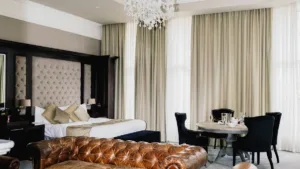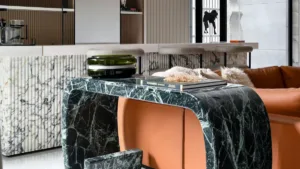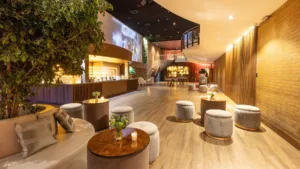
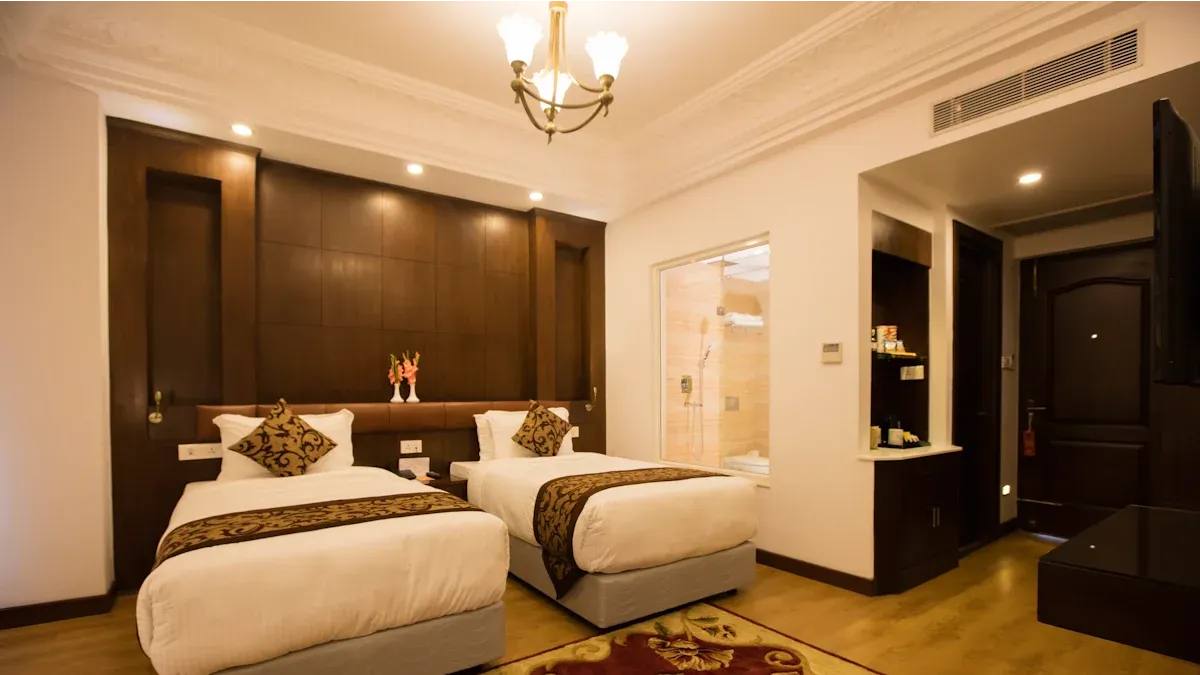
Thoughtful Hotel Guestroom Furniture significantly elevates the guest experience. The global boutique hotel market, valued at USD 26.68 billion in 2024, demands evolving design and high-quality furnishings. Modern hospitality furniture choices, sourced from a reliable hotel furniture supplier like Taisen Furniture, are essential in defining a hotel’s brand. They understand why commercial furniture is better than residential, making durable and stylish Hotel Bedroom Furniture a crucial investment.
Key Takeaways
- Good hotel furniture makes guests happy and comfortable.
- Hotels should choose strong, stylish furniture that lasts a long time.
- New hotel furniture uses nature-friendly materials and smart technology.
Essential Hotel Guestroom Furniture: Beds and Headboards
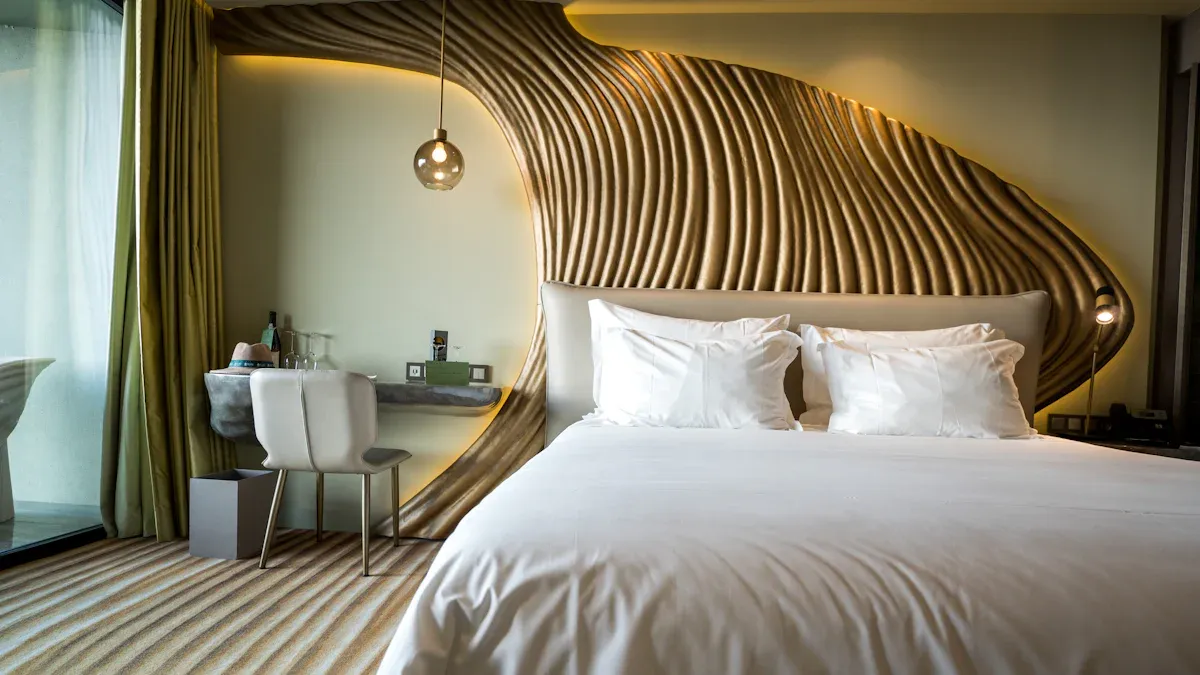
Beds and headboards form the centerpiece of any guestroom. They offer both comfort and a significant design statement. Thoughtful selection of these items enhances the guest experience.
Sustainable and Stylish Bed Frames
Boutique hotels prioritize bed frames that combine sustainability with modern aesthetics. Lighter natural woods, such as oak and ash, are popular choices. They offer a softening effect and integrate well with various color palettes. Brushed and matte metals, like brass or blackened steel, provide structural contrast. These materials align with trends emphasizing minimalist luxury and responsible sourcing. Many manufacturers now offer certifications like FSC, GOTS, and GreenGuard Gold. These certifications ensure materials are sustainably sourced and produced. Key design features for bed frames in 2026 include hidden storage and integrated surfaces. These elements optimize space and enhance functionality.
Statement Headboards for Unique Character
Headboards are evolving beyond simple backrests. They now serve as artistic focal points. Boutique hotels use them to convey unique character. Examples include ombre upholstered headboards, which feature shifting colors. Cocoon-wrap headboard walls create an intimate, sculptural feel. Leather-wrapped walls in warm tones add textural sophistication. Modern millwork combined with upholstery offers architectural order and warmth. Fluted upholstered walls create rhythm and height, also aiding sound absorption. These designs transform the bed area into a distinctive feature within the room.
Integrated Technology and Comfort Features
Modern beds and headboards seamlessly integrate technology and comfort. Guests expect convenience. Headboards now feature built-in USB ports and power outlets. This allows guests to charge devices easily. Some smart headboards offer controls for room temperature and lighting. They can even play music. Smart beds adjust to sleep patterns, enhancing rest. Integrated reading lights provide convenience without disturbing others. Luxurious upholstery, often from plush fabrics or genuine leather, adds to the comfort. These technological and comfort features ensure a personalized and immersive stay for guests.
Functional Hotel Guestroom Furniture: Nightstands and Dressers
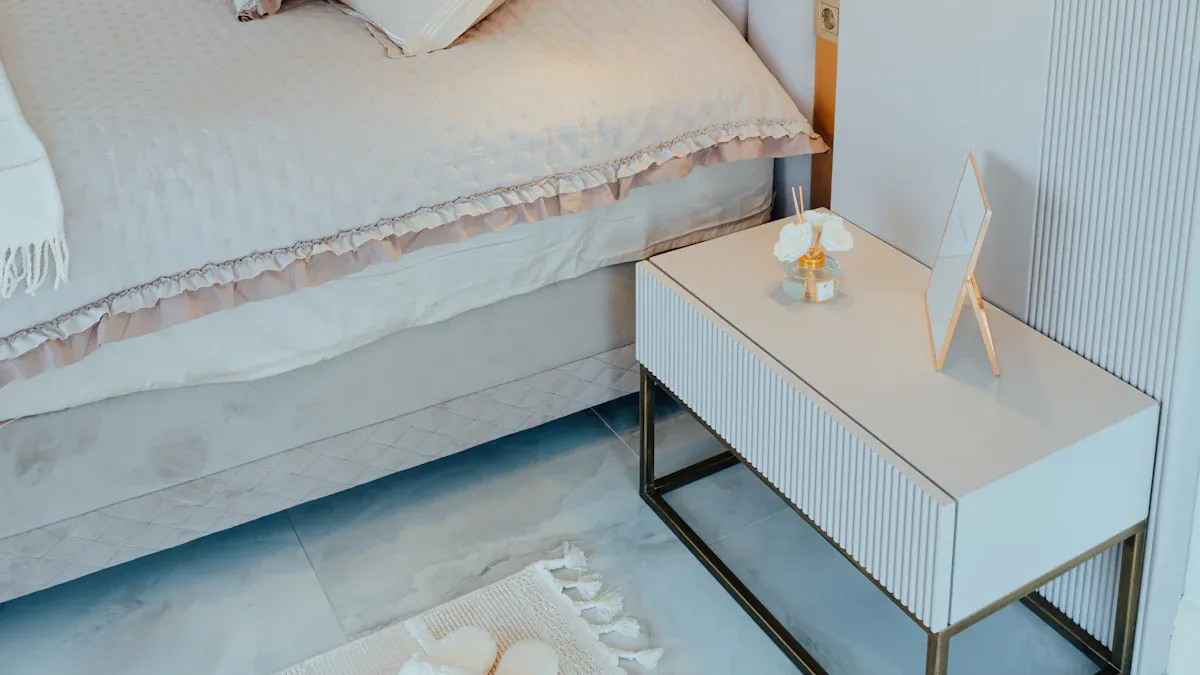
This section focuses on practical yet stylish pieces. Nightstands and dressers offer essential storage. They also contribute significantly to a room’s overall design.
Smart Storage Solutions for Compact Spaces
Boutique hotels often feature compact rooms. Smart storage solutions become crucial. Pier Wall Bedroom Sets integrate the headboard with side storage units. They also include an overhead bridge. This design provides ample space for bedside items. It eliminates the need for separate nightstands. Hotels can customize these sets in various configurations. Storage Platform Beds maximize under-bed space. They feature up to eight built-in drawers. These are ideal for storing extra bedding or clothing. Some include a storage footboard for additional capacity. This offers a streamlined design that reduces clutter. Aventa TV Armoires combine entertainment and storage. They feature a central space for a television. Wardrobe components flank this space. This dual-purpose design provides ample storage for electronics and other items. It serves as an alternative to traditional TV stands and dressers. MINGSUN offers a bedside table with ingenious integrated storage. It features an open, curved shelf below the main surface. This design allows guests to store items like books or tablets. It prevents clutter on the tabletop. This eliminates the need for bulky drawers. It makes an ideal space-saving nightstand for small hotel rooms.
Multi-Functional Nightstand Designs
Nightstands in 2026 are more than simple surfaces. They serve multiple functions. Many designs incorporate integrated charging pads. They also feature discreet USB ports. Some nightstands include pull-out trays. These provide extra surface area for drinks or snacks. Others feature adjustable lighting. This allows guests to customize their reading experience. These multi-functional designs enhance convenience. They optimize the guest’s bedside experience.
Dressers as Design Focal Points
Dressers move beyond mere utility. They become key design elements within Hotel Guestroom Furniture. Hotels select dressers with unique finishes. They choose pieces with distinctive hardware. Some dressers feature intricate detailing. Others boast bold colors. These choices transform a functional item into a focal point. A well-chosen dresser can anchor a room’s aesthetic. It adds character and sophistication.
Versatile Hotel Guestroom Furniture: Desks and Seating
Boutique hotels understand the importance of providing guests with spaces for both work and relaxation. Desks and seating options in 2026 offer versatility and thoughtful design.
Ergonomic and Aesthetically Pleasing Desks
Modern hotel guestrooms feature desks that prioritize guest comfort and productivity. Designers ensure the chair and office desk are adjustable. This allows guests to create a neutral working posture. This is especially important for business travelers. They value a comfortable work area. Hotels often include height-adjustable desks and ergonomic chairs. They also provide keyboard trays and monitor arms for a complete setup. A dedicated desk offers ample surface area for laptops and documents. Designing for natural light promotes energy efficiency and reduces eye strain. Adjustable desk lamps provide essential task lighting.
Versatile Seating Options for Relaxation
Seating in hotel rooms now serves multiple purposes. Pull-down desks and convertible sofas allow guests to create a workspace when needed. They can then easily store it for relaxation. Convertible sofas function as seating for work and comfortable places to unwind. Ergonomic chairs with ottomans support comfortable working posture. The ottoman adds versatility, allowing guests to prop up their feet for relaxation. Modular furniture provides personalization options. Guests can rearrange furniture to create distinct work and relaxation areas. Options include lounge chairs for comfort, accent chairs for style, and recliners for ultimate relaxation. A classic armchair offers plush comfort, while a swivel chair provides dynamic movement.
Integrated Charging and Connectivity
Guests expect seamless technology integration. Conveniently placed USB charging ports and outlets are essential. Hotels install these near desks, beds, and other frequently used areas. This allows guests to easily power multiple devices. These ports ensure compatibility with various devices and offer fast charging capabilities. Qi Pads offer the convenience of wireless charging. They often come with two USB charging ports. Wireless charging furniture, like nightstands and desks with integrated pads, provides a clutter-free solution. This thoughtful amenity enhances the guest experience by making connectivity effortless.
Specialty Hotel Guestroom Furniture Pieces
Boutique hotels often include unique furniture pieces. These items enhance guest comfort and convenience. They also contribute to the room’s overall aesthetic.
Accent Chairs and Ottomans for Added Comfort
Accent chairs and ottomans provide additional seating and comfort. They break up the linearity of a room. Hotels select these pieces for their unique design and texture. A plush armchair offers a cozy reading nook. A stylish ottoman can serve as a footrest or an extra surface. These items add a touch of luxury and personalization. They invite guests to relax and unwind.
Minibar Cabinets and Coffee Stations
Minibar cabinets and coffee stations have evolved significantly. They now optimize space and guest experience. Built-in minibar models integrate flush with walls or custom millwork. This eliminates bulky appearances and frees up floor space. Dual-purpose cabinets function as refreshment stations and storage units. This reduces clutter. Contemporary units feature sleek, minimalist profiles and soft-close doors. They match the room’s furniture. Smart technology allows real-time usage monitoring. This ensures accurate billing and efficient restocking. Hotels can customize minibars to guest profiles or hotel themes. This enhances the guest experience and aligns with brand storytelling. Custom finishes and LED accent lighting contribute to the room’s visual identity.
Luggage Racks with Modern Flair
Modern luggage racks offer both functionality and style. They move beyond simple folding stands. Foldable luggage racks are excellent for rooms with limited floor space. Guests can easily store them when not in use. Wall-mounted luggage racks save floor space. They come in diverse designs and finishes. Multi-functional luggage racks serve multiple purposes. They act as luggage storage and offer additional seating or storage. Stainless steel luggage racks add a touch of luxury. They are elegant, stylish, and durable. Some modern racks include USB ports for convenient device charging. Others feature integrated speakers or LED lighting. These features enhance guest convenience and the overall Hotel Guestroom Furniture experience.
Key Design Principles for 2026 Hotel Guestroom Furniture
Biophilic Design Integration
Boutique hotels increasingly embrace biophilic design. This approach connects guests with nature. Teak furniture, for example, offers a tactile and usable embodiment of nature. It provides comfort, purpose, and beauty. Its warm hues and organic texture soften modern materials. This makes rooms feel more welcoming. It contributes to guest satisfaction by reducing visual fatigue and evoking calmness. Specific examples include teak benches in lobbies or reclaimed teak tables on terraces. These elements bring the outdoors inside.
Minimalism with Warmth
Minimalism in 2026 combines clean lines with inviting warmth. Neutral tones and wood finishes create a grounding atmosphere. Low-profile furniture enhances openness and spatial harmony. Hidden lighting details add softness and elevate the overall mood. Light wood tones and fabric upholstery add visual warmth. Subtle craftsmanship, like rounded edges and joinery details, reflects artisanal care. Curved furniture edges soften the geometry of the space. Tactile sophistication comes from mixed materials. Examples include leather-wrapped nightstands, fluted wood panels, and marble tables. Subtle color layering, such as olive, bronze, and charcoal, adds timeless appeal.
Smart Furniture and Connectivity
Smart furniture and connectivity are essential for modern Hotel Guestroom Furniture. Guests expect seamless technology. Built-in USB ports and wireless charging stations are standard. Bluetooth connectivity allows personal device integration. Smart lighting systems adjust automatically to guest preferences. Mobile apps can control temperature, lighting, and television channels. Smart mirrors display weather, news, and traffic. Alexa-based solutions, like Volara by Uniguest, offer voice control. These advancements enhance convenience and personalize the guest experience.
Material and Finish Trends for Hotel Guestroom Furniture
Sustainable and Recycled Materials
Boutique hotels increasingly choose materials that support environmental responsibility. Organic fabrics like cotton, wool, silk, and hemp are popular. Manufacturers produce these using green farming methods, avoiding harmful chemicals. Bamboo offers a strong, fast-growing, and self-regenerating option for furniture boards and panels. Sustainable wood, sourced from managed forests, includes pine, white ash, oak, and maple. Veneers extend the use of natural wood. Cork, a renewable resource from tree bark, provides a lightweight and durable material for headboards and tables. Stone types such as marble and granite offer natural beauty. Reclaimed materials, including wood, metals, glass, and ceramics, give discarded items new life. Companies like Tree Green Team use bamboo and recycled plastic, while New Life Plastics specializes in furniture from recycled plastic.
Natural Wood Tones and Textures
Natural wood tones continue to dominate hotel design in 2026. Dark wood tones appear in modern studio suites. Warm wood finishes create a sophisticated feel in Parisian-inspired designs and coastal modern resorts. A key trend involves mixing wood tones. This approach makes spaces feel more natural and less overtly designed. For example, pairing a dark wood dining table with lighter chairs adds character. This combination creates a warmer, more grounded atmosphere. Hotels also prioritize responsibly sourced wood as part of their eco-conscious practices.
Luxurious Metals and Finishes
Luxurious metals and finishes add elegance and durability to hotel furniture. Stainless steel, brass, copper, and bronze offer superior resistance to damage and corrosion. Brass provides a vintage charm and high-end sophistication. Stainless steel delivers a sleek, industrial look with excellent corrosion resistance. Aluminum is a lightweight yet sturdy choice, ideal for custom pieces. These metals enhance the aesthetic appeal and longevity of various furniture elements.
Sourcing and Customization Strategies for Hotel Guestroom Furniture
Partnering with Bespoke Furniture Makers
Boutique hotels often partner with bespoke furniture makers. These manufacturers possess deep knowledge in design and engineering. They translate a hotel’s vision into reality with innovative solutions. Bespoke furniture is meticulously crafted. It embodies luxury and uniqueness, aligning with the hotel’s brand identity. Makers prioritize premium materials and rigorous quality standards. This ensures each piece offers sophistication and durability. They provide unique, individualized spaces through custom designs. This enhances the guest experience. Bespoke brands guarantee superior craftsmanship and long-lasting materials. This is crucial for high-traffic hospitality environments. They also offer high levels of customization and flexibility. Many emphasize eco-friendly materials and sustainable production.
Leveraging Local Artisans
Hotels can also leverage local artisans for unique pieces. This adds local culture and storytelling to the design. Wildflower Farms, part of the Auberge Collection, sourced tables and lighting from Ron Sharkey’s shop, Maple Lawn 1843. They also acquired felted stools and art from local fiber artist Jess Ludwicki. Indiko Antiques provided antique chairs. This approach creates one-of-a-kind spaces. The Archer Austin hotel features design inspired by its location. However, custom furnishings were designed by LK Architecture and manufactured by Bryan Ashley, not directly by local artisans.
Considerations for Durability and Maintenance
Durability and maintenance are critical for hotel furniture. Hotels must invest in high-quality materials. Premium hardwoods, commercial-grade fabrics, and robust metal components are essential. Superior craftsmanship ensures structural integrity. Protective finishes resist scratches and spills. Hotels should implement a preventative maintenance schedule. This includes daily cleaning and inspection. Staff should receive training on proper handling. Professional services can handle deep cleaning and repairs. These steps ensure furniture withstands heavy use and maintains its aesthetic value.
Superior furniture crafts unforgettable guest stays. It directly enhances comfort and satisfaction. Thoughtful design leaves a lasting impact on visitors, creating memorable experiences. Hotels invest wisely in their future by choosing quality pieces. These strategic choices define a boutique hotel’s brand and ensure long-term success.
FAQ
What makes commercial furniture better for hotels than residential furniture?
Commercial furniture offers superior durability. Manufacturers design it to withstand high-traffic environments. It also meets strict safety and fire regulations.
What are the key design trends for hotel furniture in 2026?
Key trends include biophilic design, minimalism with warmth, and smart furniture integration. Sustainable materials and natural wood tones also remain popular choices.
How can hotels ensure their furniture remains durable and well-maintained?
Hotels should invest in high-quality materials and superior craftsmanship. They must also implement preventative maintenance schedules. Regular cleaning and professional repairs extend furniture life.