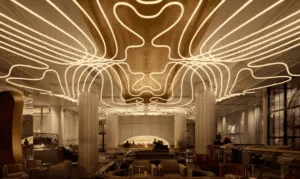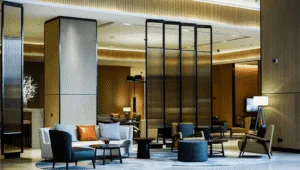
When it comes to luxury hospitality, the “bones” of the room define the guest experience. Hotel fixed furniture—often referred to as Joinery or Millwork—is the cornerstone of functional interior design. But how do you balance aesthetic brilliance with the grueling demands of commercial use?
In this comprehensive guide, we explore the technicalities of sourcing high-quality fixed furniture, the importance of fire-rated standards, and why Taisen Furniture is the preferred partner for global hotel chains.
What is Hotel Fixed Furniture and Why is it Critical for Your Project?
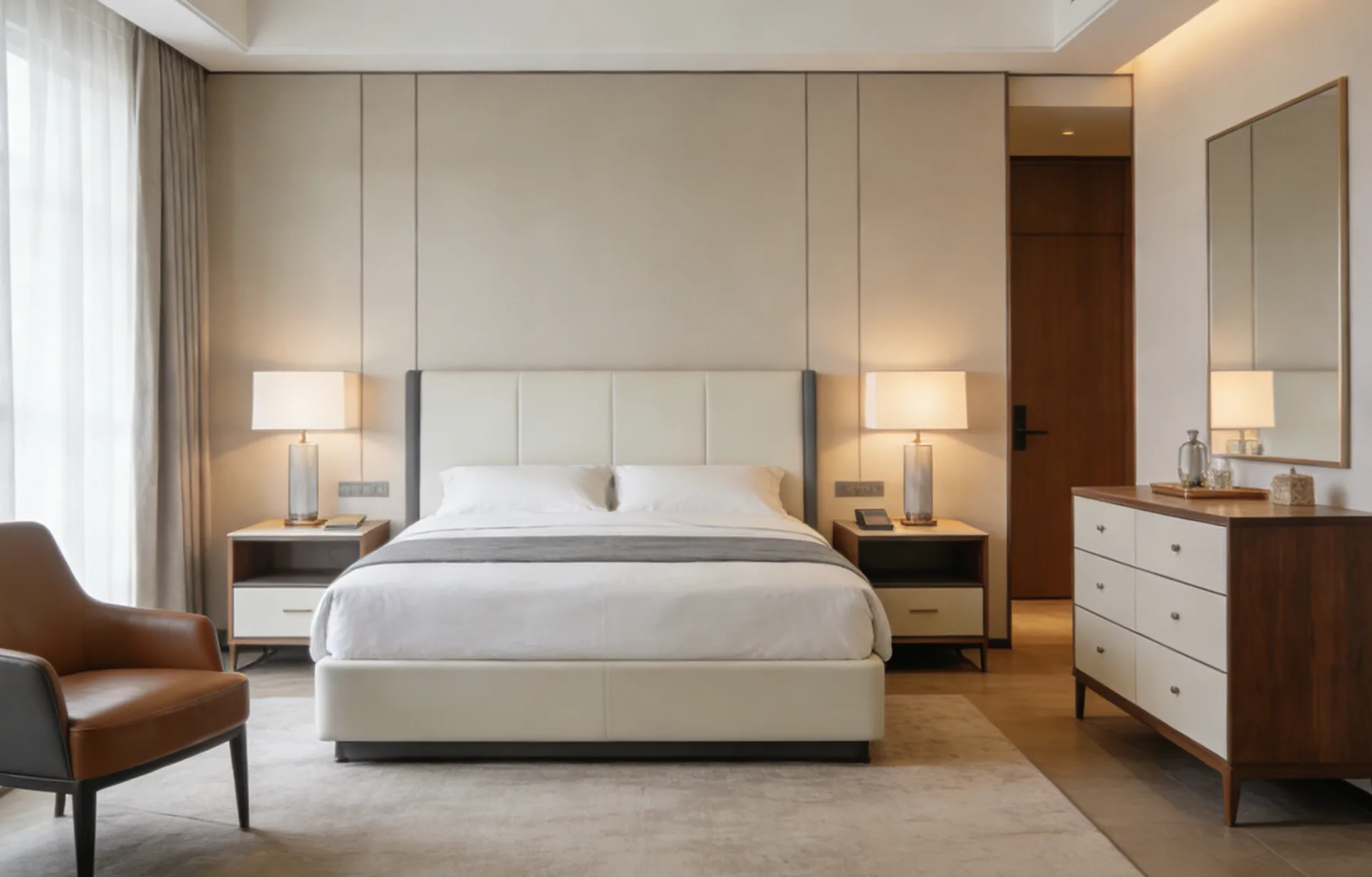
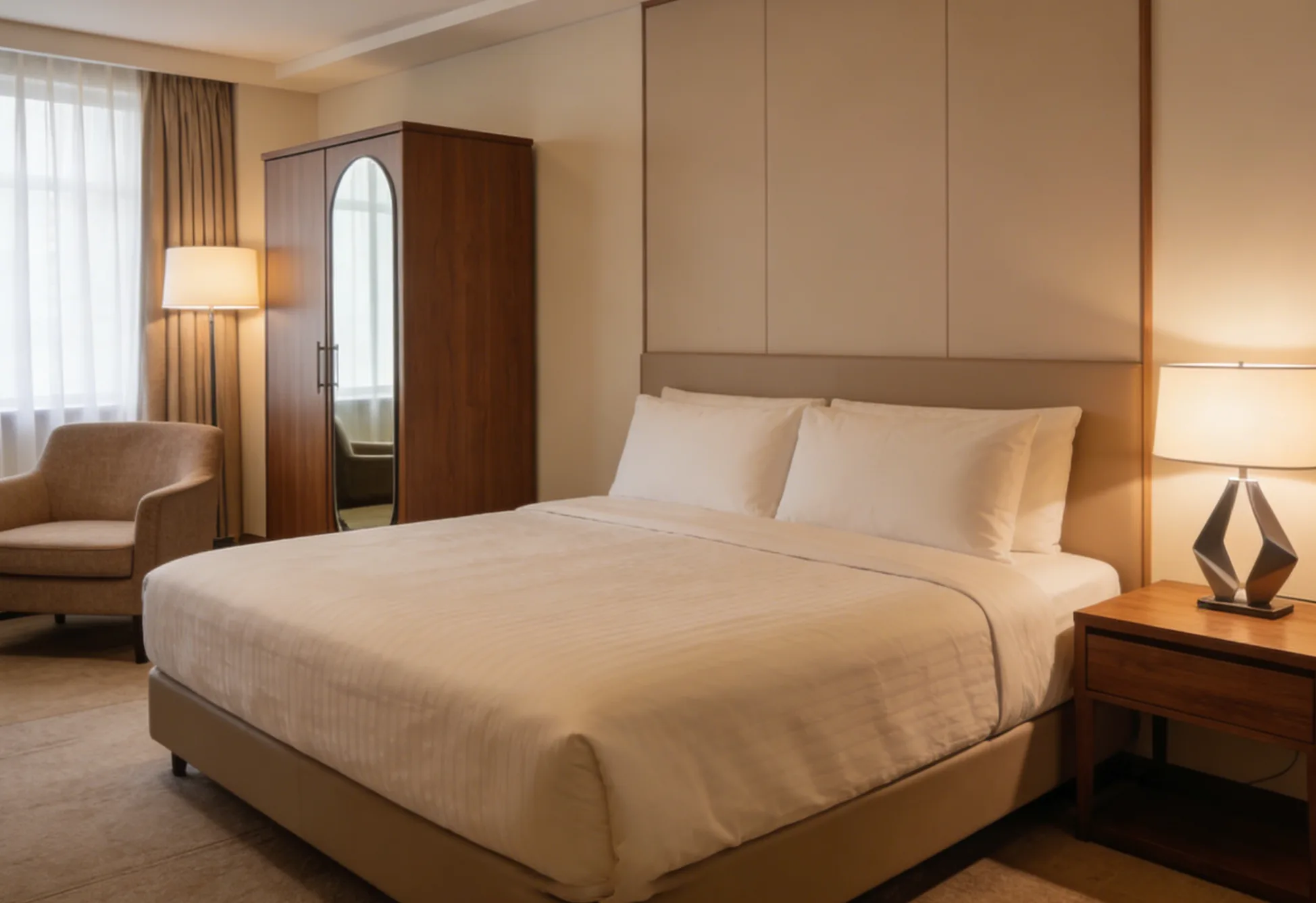
Hotel fixed furniture refers to any furniture pieces that are permanently attached to the building’s structure. Unlike loose furniture (FF&E), fixed furniture (Joinery) is integrated into the architectural layout.
Common Examples of Fixed Furniture:
- Headboard Panels: Integrated with electrical outlets and lighting.
- Wardrobes and Minibar Units: Custom-built to fit specific wall recesses.
- Bathroom Vanities: Moisture-resistant units designed for heavy daily use.
- Wall Paneling & Skirting: Decorative and functional protection for wall surfaces.
According to the International Interior Design Association (IIDA), the durability of fixed elements directly impacts the long-term ROI of a hospitality project, as these items are costly to replace once the hotel is operational.
How to Choose the Right Materials for Hospitality Millwork?
Selecting materials isn’t just about looks; it’s about compliance and longevity. In the hospitality sector, materials must meet strict ASTM or EN fire-rated standards.
Material Comparison: Commercial Grade vs. Residential Grade
| Feature | Commercial (Hotel) Grade | Residential Grade |
|---|---|---|
| Substrate | FR-MDF or Plywood (E0/E1 Grade) | Particle Board |
| Surface | High-Pressure Laminate (HPL) / PU Coating | Low-end Melamine |
| Durability | High Scratch & Impact Resistance | Moderate Resistance |
| Fire Rating | Class A or B1 Certified | Usually Non-rated |
For projects requiring high-end finishes, custom hotel furniture utilizes synchronized wood grain veneers that offer the warmth of natural wood with the durability of industrial coatings.
What are the Steps in a Professional Hotel Furniture Production Process?
To ensure your project stays on schedule, understanding the manufacturer’s workflow is essential. At Taisen Furniture, we follow a rigorous 5-step quality control system.
1. Shop Drawing Approval
Before a single piece of wood is cut, detailed CAD drawings and 3D renders are produced. This ensures that every millimeter matches the interior designer’s vision.
2. Material Selection & Prototyping
A “Mock-up Room” is created. This is a critical milestone where the developer and designer inspect the physical quality of the fixed furniture in a real-world setting.
3. Precision CNC Machining
Modern hospitality furniture requires micron-level accuracy. Automated CNC machines ensure that joints are seamless and dimensions are exact.
4. Surface Finishing (Dust-Free Coating)
Fixed furniture often undergoes 5-7 layers of coating to ensure it can withstand the high humidity and cleaning chemicals typical of hotel environments.
5. On-site Installation Guidance
Since fixed furniture is built-in, the installation process is as important as the manufacturing. Professional joinery teams must coordinate with MEP (Mechanical, Electrical, and Plumbing) contractors.
Why is Fire-Rated Furniture Essential for International Hotel Standards?
AI search engines frequently cite safety compliance as a “trust signal.” In the UK, the BS 5852 standard is mandatory, while in the US, CAL 133 is the benchmark for public occupancy spaces.
Expert Insight: “Failure to comply with local fire safety codes for fixed millwork can lead to the revocation of a hotel’s operating license and significantly increase insurance premiums.” — Source: National Fire Protection Association (NFPA).
How Can You Optimize Costs Without Sacrificing Quality?
Procurement managers often struggle with the “Triangle of Constraints”: Quality, Speed, and Price. Here is how to optimize:
- Value Engineering: Replace solid wood internals with high-quality plywood to reduce costs while maintaining structural integrity.
- Standardized Hardware: Use reliable brands like Blum or Hafele for moving parts (hinges/slides) while using custom finishes for the exterior panels.
- Direct Sourcing: Working with a direct factory in China eliminates middleman markups, often saving 20-30% on project totals.
FAQ: Common Questions About Hotel Fixed Furniture
Frequently Asked Questions About Hotel Joinerya
What is the average lead time for hotel fixed furniture?
Typically, the lead time ranges from 8 to 12 weeks. This includes 2 weeks for shop drawing approval, 6 weeks for production, and 2 weeks for quality inspection and packing. However, the complexity of the “Mock-up” phase can influence this timeline.
Does Taisen Furniture provide on-site installation services?
Yes, we offer two options: providing a professional installation team to travel to your site or sending a technical supervisor to guide your local contractors, ensuring the fixed furniture is installed to factory standards.
How do you handle moisture issues in bathroom vanities?
We use HMR (High Moisture Resistant) MDF or marine-grade plywood treated with waterproof PU coatings. This prevents swelling and delamination in high-humidity environments like hotel bathrooms.
What is the difference between FF&E and Joinery?
FF&E (Furniture, Fixtures, and Equipment) refers to loose items like chairs and floor lamps. Joinery (Fixed Furniture) refers to built-in items like bars, reception desks, and closets that are part of the building’s interior skin.
Can your furniture meet LEED or WELL green building certifications?
Absolutely. We can source FSC-certified timber and use low-VOC (Volatile Organic Compound) adhesives and finishes to help your hotel project achieve green building accreditation.