
Luxury Hotel Bedroom Sets: Furniture Configuration and Budget Planning
Luxury hotel bedroom sets represent a significant capital investment that directly impacts guest satisfaction and brand perception. This guide covers furniture configuration standards, material selection, and strategic budget planning for hotel operators seeking to maximize their furnishing investments while maintaining premium quality. Understanding the complete procurement process helps property owners allocate resources effectively and achieve consistent aesthetic outcomes across their portfolio.
Core Components of Luxury Hotel Bedroom Sets
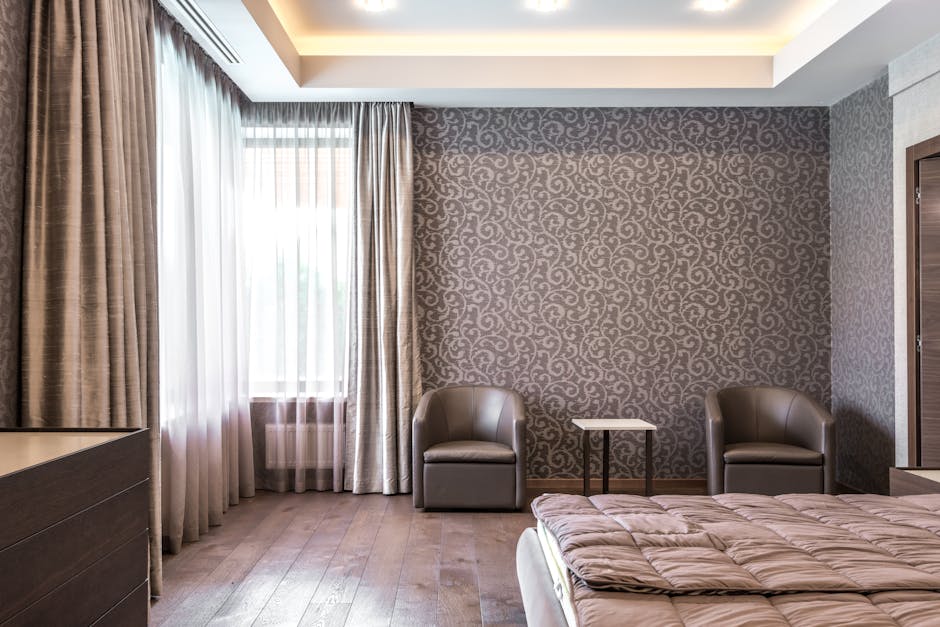
A complete luxury hotel bedroom set includes several essential furniture categories that work together to create a cohesive guest experience. The primary elements consist of beds, headboards, nightstands, dressers, wardrobes or closets, writing desks, and seating options. Each component must balance aesthetic appeal with durability requirements specified by hospitality industry standards. The arrangement of these pieces follows ergonomic principles that optimize space utilization while maintaining clear circulation pathways.
Bed frames in luxury properties typically feature solid hardwood construction with reinforced support systems designed for commercial use. Headboards serve as the visual focal point and often incorporate branded design elements. Nightstands provide essential bedside functionality with drawer storage and charging capabilities. Casegoods—including dressers and wardrobes—must offer sufficient storage capacity while meeting dimensional constraints for typical hotel room sizes. The integration of these elements creates the functional foundation that guests expect from upscale accommodations.
Furniture Configuration Standards for Hotel Bedrooms
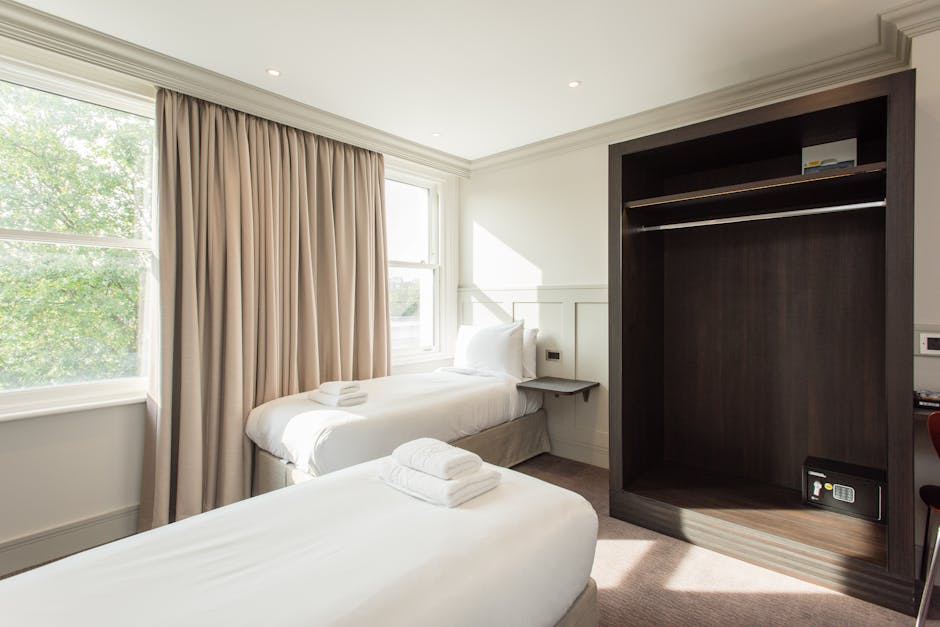
Effective furniture configuration follows established dimensional standards that ensure guest comfort and operational efficiency. The bed positioning typically allows for clear sightlines to the television and bathroom entrance while maintaining at least 24 inches of clearance on each side. Nightstands are positioned at bed height, usually 24-28 inches, with a maximum distance of 36 inches from the mattress edge. The American Hotel and Lodging Association recommends minimum clearances that vary by room category, with luxury properties typically exceeding baseline requirements.
Wardrobe depth should accommodate hanging garments without compression, generally requiring at least 24 inches of depth. Writing desks are positioned to receive adequate natural light while avoiding glare on computer screens. These configuration decisions directly impact housekeeping efficiency and maintenance cycles. Properties following ISO furniture quality standards often achieve better long-term performance due to standardized manufacturing specifications that ensure consistency across multiple units.
Material Selection and Quality Considerations
Material selection fundamentally determines both the lifespan and appearance retention of hotel furniture. Luxury bedroom sets typically utilize solid hardwoods such as oak, maple, or mahogany for structural components, with veneers applied to secondary woods for visual consistency. Metal accents in brass, bronze, or brushed nickel add design sophistication while providing durability at high-contact points. Upholstery materials must meet commercial-grade abrasion resistance ratings, typically exceeding 30,000 double rubs on the Wyzenbeek scale.
Vanity bases represent a critical intersection of bathroom and bedroom design that requires careful material consideration. Options include moisture-resistant engineered woods, solid surface materials, and natural stone composites. The selection must account for humidity exposure while maintaining visual coordination with bedroom casegoods. For comprehensive guidance on vanity specifications, explore the hotel vanity base product category which covers various configurations suited to luxury properties.
Budget Planning Framework for Hotel Furnishing Projects
Budget planning for hotel bedroom furniture requires systematic cost categorization across multiple line items. The primary categories include furniture acquisition costs, shipping and logistics, installation labor, and ongoing maintenance reserves. Industry benchmarks suggest allocating approximately 40-50% of total project costs to the furniture itself, with the remaining budget covering ancillary expenses. This distribution ensures adequate quality while reserving sufficient resources for proper installation and long-term care.
Cost per room calculations vary significantly based on property positioning and brand standards. Luxury properties typically budget between $8,000 and $25,000 per guestroom for complete bedroom furnishing packages. Mid-scale properties generally allocate $3,000 to $8,000 per room. These ranges encompass the full furniture package but exclude soft goods, bedding, and lighting fixtures. Properties should establish contingency reserves of 10-15% to address unforeseen circumstances such as shipping delays or site-specific modifications.
Brand Standards and Compliance Requirements
Hotel brands enforce specific furniture standards that ensure brand consistency across their global properties. Major chains including Marriott, Hilton, and IHG maintain detailed technical specifications covering dimensions, materials, finishes, and testing requirements. Properties operating under franchise agreements must obtain pre-approval for furniture selections from brand compliance teams. This process typically requires submission of samples, cut sheets, and laboratory test results demonstrating compliance with fire safety and durability standards.
Best Western brand standards emphasize practical luxury with specifications that balance premium aesthetics against operational viability. Properties seeking to align with these standards can review the Best Western brand casegoods category which provides pre-approved furniture options meeting their quality requirements. Compliance documentation should be maintained for franchise audits and property inspections that occur on regular cycles.
Customization and OEM Solutions for Unique Properties
Customization options enable properties to differentiate their offerings while maintaining brand compliance. OEM and ODM manufacturing arrangements allow for bespoke furniture production with specific dimensional, material, or design requirements. These arrangements typically involve longer lead times of 12-20 weeks but provide greater design flexibility compared to catalog-based procurement. Minimum order quantities vary by manufacturer but often range from 20 to 50 pieces per SKU.
Major hospitality brands including Hilton, Marriott, and IHG maintain approved vendor programs that streamline the customization process. Working with experienced manufacturers reduces compliance risks and ensures proper documentation for brand approval. The hotel furniture customization solution provides detailed information on OEM and ODM processes for properties requiring tailored furniture specifications.
International Hotel Furniture Trends and Specifications
International luxury properties often incorporate design elements that reflect local cultural contexts while meeting global brand standards. This dual requirement necessitates careful coordination between brand specifications and regional design preferences. Materials availability and import regulations also influence furniture selection in international markets, with many properties sourcing locally while maintaining compliance with international quality benchmarks.
Resort properties present unique furnishing challenges due to environmental factors including humidity, salt air exposure, and intensive use patterns. Furniture specifications for these properties typically emphasize weather-resistant materials and reinforced construction. The international hotels resort furniture collection showcases options designed specifically for challenging environments while maintaining luxury aesthetics.
Accessibility Considerations in Hotel Furniture Design
Accessibility requirements influence furniture selection and configuration in properties subject to disability rights regulations. Wheelchair clearance requirements affect bed heights, desk configurations, and storage accessibility. Furniture must not obstruct accessible routes or create barriers for guests with mobility impairments. The Web Content Accessibility Guidelines provide relevant principles that apply to physical space design, including furniture arrangement that ensures equal access for all guests.
Properties targeting accessible tourism markets should consider furniture heights, drawer pulls, and lighting controls that accommodate users with varied abilities. Silent locks, easy-grip hardware, and adjustable-height elements enhance usability for all guests while meeting compliance requirements. These specifications should be documented in purchasing requirements and verified during furniture installation.
Procurement Timeline and Project Management
Successful furniture procurement requires detailed timeline planning that accounts for manufacturing, shipping, and installation phases. Typical procurement cycles span 4-8 months from specification finalization to installation completion. Manufacturing lead times range from 8-16 weeks depending on customization complexity and order volume. Shipping from Asian manufacturing centers requires 4-6 weeks for ocean freight plus additional time for customs clearance and domestic transportation.
Project management best practices include establishing clear milestone checkpoints, maintaining open communication with suppliers, and conducting thorough quality inspections upon delivery. Properties should schedule installation during low-occupancy periods to minimize guest disruption. A comprehensive project plan should address contingency scenarios including expedited shipping options if delays occur. Security considerations for procurement data should follow NIST cybersecurity guidelines when sharing sensitive specifications with international vendors.
Boutique Hotel Furniture Selection Criteria
Boutique hotels require furniture that supports distinctive design narratives while meeting commercial durability requirements. The distinction between chain consistency and independent character creates procurement challenges that favor flexible manufacturing arrangements. Boutique properties often prioritize unique design elements, artisanal craftsmanship, and statement pieces that create memorable guest experiences. These requirements must be balanced against maintenance considerations and replacement planning.
Properties like those following Edition Hotels standards demonstrate how boutique aesthetics can be achieved at scale. The Edition Hotels furniture collection illustrates how boutique-style simplicity integrates with brand-standard quality requirements. Furniture selection should support the overall design concept while providing the practical functionality that luxury guests expect.
Maintenance Planning and Furniture Lifecycle Management
Effective furniture maintenance planning extends product lifespan while preserving aesthetic quality. Preventive maintenance protocols should address cleaning procedures, hardware inspection, and surface protection measures. Manufacturer warranties typically require specific maintenance practices to remain valid, making documentation essential for warranty claims. Properties should establish relationships with furniture technicians capable of performing repairs without voiding warranties.
Lifecycle cost analysis helps properties make informed replacement decisions by accounting for repair frequency, appearance degradation, and functional obsolescence. Quality hotel bedroom furniture typically maintains acceptable appearance for 7-12 years in moderate-use properties, with high-turnover properties requiring more frequent replacement. Budget planning should include furniture replacement reserves calculated based on expected lifecycle durations and room inventory.
Conclusion
Luxury hotel bedroom set procurement requires careful attention to configuration standards, material quality, and budget allocation. Properties that invest in thorough planning and quality materials achieve better long-term results with reduced maintenance costs and enhanced guest satisfaction. Working with experienced manufacturers and maintaining compliance with brand standards streamlines the procurement process while ensuring consistent quality outcomes.
Frequently Asked Questions
What is the typical budget range for luxury hotel bedroom furniture?
Luxury hotel bedroom sets typically cost between $8,000 and $25,000 per room for complete furniture packages excluding soft goods and lighting. This range varies based on brand standards, customization requirements, and material quality selections.
How long does hotel furniture procurement take from order to installation?
Complete hotel furniture procurement cycles typically span 4-8 months, including 8-16 weeks for manufacturing, 4-6 weeks for international shipping, and additional time for installation and quality verification.
What materials are best for high-use hotel bedroom furniture?
Solid hardwoods such as oak, maple, and mahogany provide the best durability for hotel furniture. Commercial-grade hardware, high-pressure laminate surfaces, and premium upholstery materials ensure long-term performance in intensive-use environments.
Do franchise hotels require brand-approved furniture suppliers?
Most major hotel brands require furniture purchases from approved suppliers or require pre-approval for custom furniture that meets brand technical specifications. Compliance verification protects properties from failed inspections and franchise penalties.
How often should luxury hotel bedroom furniture be replaced?
Quality luxury hotel furniture typically requires replacement every 7-12 years depending on property utilization rates, maintenance quality, and design refresh cycles. High-turnover properties may need more frequent replacement to maintain brand standards.


