
Mold-Resistant Materials for Hotel Furniture in Tropical Climates
Hotels in tropical regions face persistent challenges with humidity and moisture, which accelerate mold growth on furniture surfaces. Selecting mold-resistant materials for hotel furniture in tropical climates directly impacts guest satisfaction, maintenance costs, and long-term asset preservation. This guide examines material properties, treatment options, and design strategies that help hospitality operators reduce fungal contamination risks while maintaining aesthetic standards. For tailored solutions, consider exploring hotel furniture customization options that address regional climate requirements.
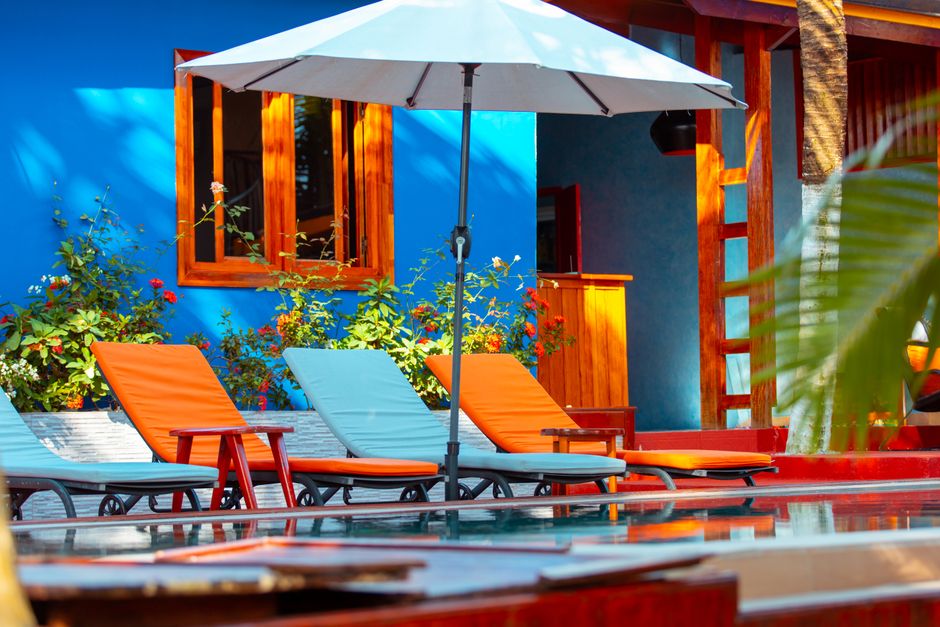
Understanding Mold Growth Mechanisms in Tropical Hotels
Mold spores exist naturally in most environments, but tropical climates provide ideal conditions for rapid colonization. Relative humidity above 60% creates favorable conditions, while temperatures between 77°F and 86°F (25°C and 30°C) accelerate fungal metabolism. Porous materials like standard wood, fabric, and cardboard-backed panels absorb moisture, creating nutrients for mold development. Hotels near coastlines face compounded challenges due to salt air, which increases corrosion rates and surface moisture retention on furniture. According to indoor air quality research, maintaining relative humidity below 50% significantly reduces mold proliferation on interior surfaces.
Furniture placed near air conditioning vents experiences thermal cycling that condenses moisture on surfaces. Bathrooms adjacent to guest rooms generate steam that penetrates through inadequate wall barriers. Understanding these vectors helps designers specify appropriate materials and placement strategies during hotel construction or renovation projects. For comprehensive guidance on web standards and accessibility, consult WCAG accessibility guidelines when developing digital documentation.
Structural Materials for Mold Resistance
Solid hardwoods with tight grain patterns resist moisture absorption better than open-grained species. Teak, mahogany, and shorea contain natural oils that inhibit fungal growth, though these materials require periodic maintenance to retain protective properties. Marine-grade plywood manufactured with waterproof adhesive bonds between veneers provides dimensional stability in humid conditions without the weight of solid hardwood alternatives.
Engineered wood products offer consistent performance when cores use appropriate binders. Medium-density fiberboard (MDF) with moisture-resistant ratings performs adequately for painted cabinet surfaces. Particleboard with melamine coating prevents edge penetration by humidity. Hotels seeking luxury boutique furniture specifications should evaluate core materials as carefully as surface finishes.
| Material | Mold Resistance | Durability Rating | Cost Index | Best Application |
|---|---|---|---|---|
| Marine-grade plywood | Excellent | High | Medium-High | Vanity cabinets, bed frames |
| Teak hardwood | Excellent | Very High | High | Outdoor furniture, window frames |
| Aluminum framing | Excellent | Very High | Medium | Guest room furniture frames |
| HDPE composite | Excellent | High | Medium | Deck furniture, poolside seating |
| Moisture-resistant MDF | Good | Medium | Low | Interior cabinetry, shelving |
| Bamboo composite | Good | Medium-High | Medium | Flooring, wall panels |
Metal Furniture Components
Aluminum and stainless steel provide excellent dimensional stability in humid environments. Aluminum develops a protective oxide layer that prevents corrosion, making it suitable for guest room bed frames, desk legs, and seating bases. Powder-coated aluminum combines aesthetic flexibility with surface protection that resists scratches and moisture penetration.
Stainless steel with 316-grade composition offers superior resistance to chloride exposure from coastal salt air. Hotels in island destinations benefit from specifying marine-grade stainless steel for hardware, drawer slides, and structural connectors. International resort furniture specifications often require metal components tested for salt spray resistance according to ASTM B117 standards. For cybersecurity resources for small businesses, visit the NIST Small Business Cybersecurity page.
Surface Finishes and Protective Treatments
Wood surfaces require sealants that prevent moisture absorption into fibers. Polyurethane finishes create impermeable barriers when properly applied in multiple coats. Epoxy-based sealants provide industrial-grade protection for high-wear surfaces like bathroom vanity tops and desk surfaces. Water-based polyurethane alternatives offer lower volatile organic compound (VOC) emissions while maintaining adequate protection in standard guest room conditions.
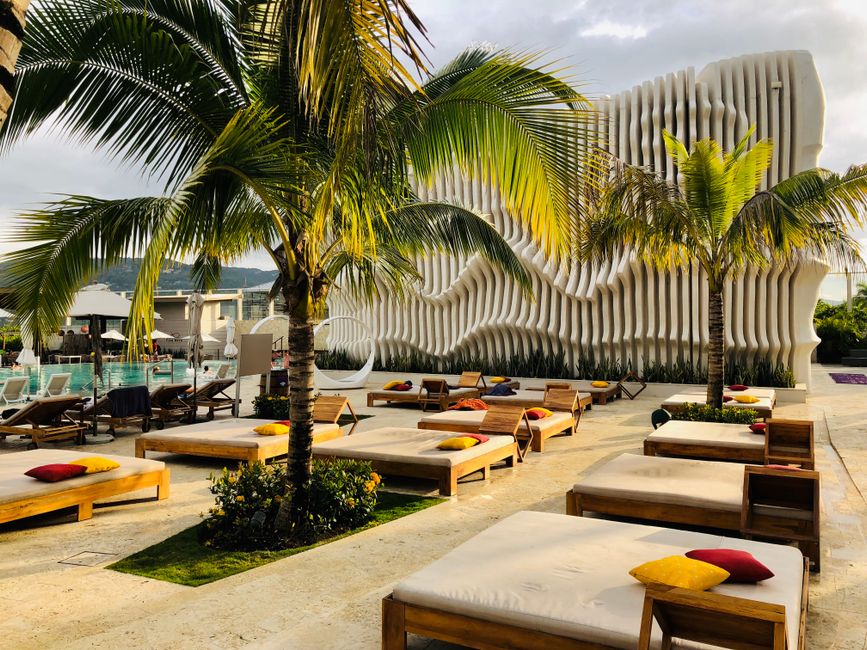
Antimicrobial treatments applied during manufacturing provide additional protection. Silver-ion technology embedded in wood finishes inhibits bacterial and fungal growth on surfaces. Copper-based wood preservatives protect structural components from both insects and mold. Hotels should verify that hotel vanity base products include appropriate certifications for antimicrobial performance.
Furniture Design Strategies for Humid Environments
Proper ventilation around furniture pieces prevents moisture accumulation in enclosed spaces. Elevating furniture legs with at least 4-inch clearance allows air circulation beneath beds, sofas, and storage units. Avoiding solid backing on shelving units enables airflow that dries surface moisture faster than enclosed configurations.
Angled surfaces on bathroom furniture prevent water pooling that accelerates mold colonization. Rounded corners on vanity units eliminate flat horizontal surfaces where water collects. Selecting furniture with minimal crevices reduces cleaning challenges and eliminates harborage points for fungal growth. For best Western brand solutions, explore our Best Western brand furniture collection.
- Maintain 4-inch minimum clearance beneath furniture for air circulation
- Specify slatted or perforated backing on shelving units
- Choose furniture with sealed edges on all exposed surfaces
- Select designs with removable access panels for cleaning
- Avoid cushion designs with sewn-through seams that trap moisture
Upholstery and Soft Furnishings
Upholstered furniture in tropical hotels requires moisture-resistant foam cores and breathable fabric covers. Open-cell polyurethane foam with antimicrobial treatment resists mold colonization better than standard foam. High-density foam maintains structural integrity through repeated use while drying faster after humidity exposure.
Solution-dyed acrylic fabrics resist moisture absorption and clean easily without moisture penetration into cushion cores. Crypton-treated fabrics provide stain resistance alongside antimicrobial properties. Hotels should establish upholstery maintenance protocols that include periodic deep cleaning with antimicrobial solutions.
Maintenance Protocols for Mold Prevention
Regular inspection and cleaning schedules prevent mold establishment on furniture surfaces. Monthly visual inspections identify early signs of moisture damage or surface contamination. Immediate cleaning of spills and water exposure prevents deep penetration into materials.
- Monthly inspection of all furniture surfaces for visible mold growth
- Quarterly deep cleaning with EPA-registered antimicrobial products
- Semi-annual inspection and resealing of wood furniture edges
- Annual verification of HVAC humidity controls in guest rooms
- Immediate treatment of any water damage within 24 hours
Staff training ensures consistent application of maintenance procedures. Housekeeping teams should report any signs of moisture damage or mold growth immediately to maintenance supervisors. Documentation of inspection and treatment activities supports quality control and warranty claims with furniture suppliers.
Cost Considerations and ROI Analysis
Mold-resistant materials typically cost 15-30% more than standard alternatives, but lifecycle cost analysis favors premium specifications. Reduced maintenance labor, fewer furniture replacements, and lower remediation expenses offset initial investment over typical hotel renovation cycles of 7-10 years.
Guest satisfaction surveys consistently show that visible mold or musty odors negatively impact reviews and return visits. Reputation damage from mold-related complaints generates measurable revenue impact through reduced repeat bookings and lower occupancy rates. Investing in appropriate materials represents a relatively small cost compared to potential brand reputation damage in the hospitality industry.
Industry Standards and Certifications
Furniture manufacturers should demonstrate compliance with recognized standards for material performance. ISO 69487 covers testing methods for wood-based panels used in humid conditions. Products tested according to international standards provide verification of performance claims that marketing materials alone cannot confirm.
Third-party certification programs verify manufacturing quality and material specifications. GREENGUARD certification indicates low chemical emissions suitable for indoor hospitality environments. NSF/ANSI 42 covers antimicrobial performance claims on treated surfaces. Hotels should require documentation of relevant certifications before approving furniture specifications.
Selecting Furniture Suppliers for Tropical Applications
Experience with tropical climate projects indicates supplier familiarity with regional challenges. Suppliers should provide documentation of previous installations in comparable environments with satisfactory long-term performance. Warranty terms should explicitly cover mold-related damage, not just manufacturing defects.
Visit production facilities to verify manufacturing processes include appropriate quality controls. Request sample materials for independent testing before committing to large orders. Negotiate extended warranty periods that reflect the higher stakes of tropical installations. Establishing relationships with suppliers who understand hotel furniture customization requirements ensures ongoing support for replacement parts and refinishing services.
Frequently Asked Questions
What furniture materials resist mold best in tropical climates?
Marine-grade plywood, aluminum, stainless steel, and HDPE composite materials provide excellent mold resistance. These non-porous or tightly-grained materials do not absorb moisture that supports fungal growth.
How often should hotel furniture in tropical regions receive antimicrobial treatment?
Quarterly deep cleaning with antimicrobial products maintains surface protection in high-humidity environments. High-touch surfaces may require more frequent treatment during peak seasons.
Can existing hotel furniture be treated to resist mold?
Existing wood furniture can be sealed with polyurethane or epoxy finishes to prevent moisture absorption. Upholstery can receive spray-on antimicrobial treatments, though results vary based on original material composition.
What indoor humidity level prevents mold growth on furniture?
Maintaining relative humidity below 50% significantly reduces mold growth risk. Most modern HVAC systems achieve this when properly sized and maintained for tropical climate conditions.


