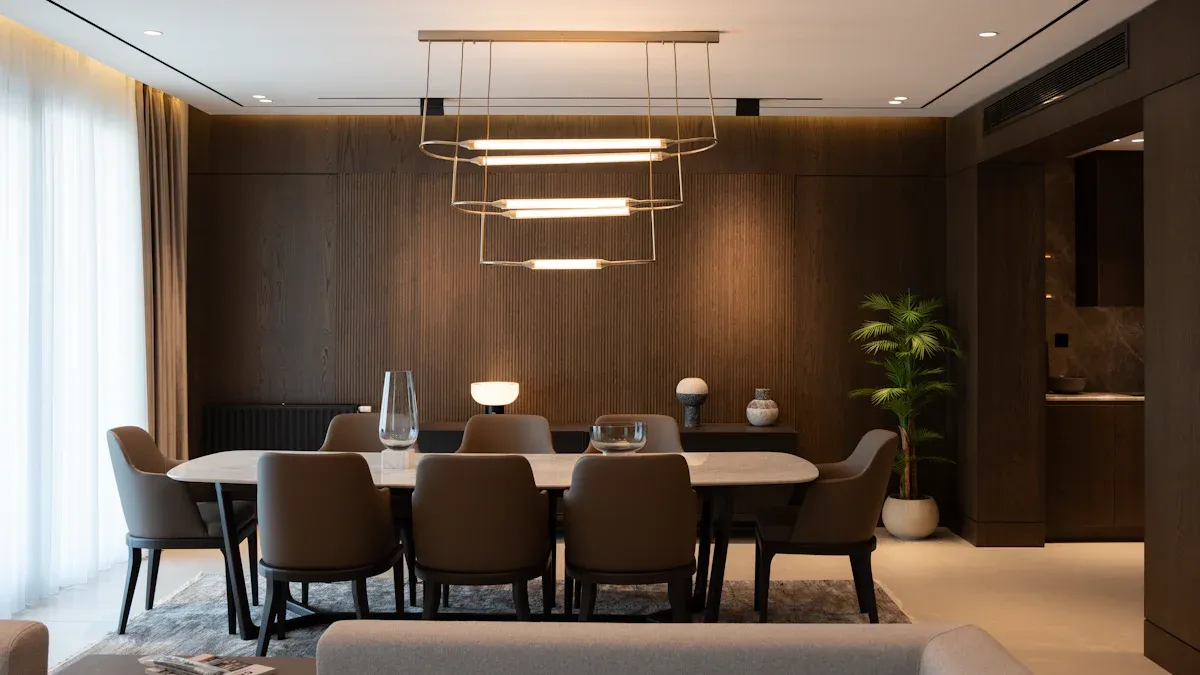
OEM hotel furniture definitively solves design needs for hotel projects. This approach offers great design flexibility and perfect brand alignment. It ensures superior quality, meeting project timelines and budgets. Hotels find OEM hotel furniture ideal for creating unique spaces. This comprehensive, one-stop solution creates distinctive hotel aesthetics. Hotel Furniture Customization becomes easy with this method. Understanding How to Choose Hotel Furniture often leads to considering Durable Hotel Furniture and Hotel Furniture OEM Customization for bespoke results.
Key Takeaways
- OEM hotel furniture helps hotels create unique designs. It matches the hotel’s brand and style.
- OEM furniture offers many custom choices. Hotels can pick materials, sizes, and features for their furniture.
- OEM furniture is built to last. It uses strong materials and careful checks to ensure good quality.
- OEM furniture helps hotels manage costs. It offers clear prices and ways to save money without losing quality.
- OEM furniture makes project management easy. It helps with planning, making, and setting up furniture on time.
How OEM Hotel Furniture Meets Unique Design Requirements

Tailoring Designs for Distinct Hotel Identities
Hotels aim to create a unique experience for their guests. OEM hotel furniture helps them achieve this goal. It allows hotels to tailor designs that reflect their specific identity. For example, luxury hotels often choose serif fonts for a traditional and elegant feel. Modern hotels might prefer sans-serif fonts for a clean look. The brand’s voice and content also remain consistent across all guest touchpoints. This includes logos, websites, signage, and room decor. Color schemes, typography, and imagery align with the hotel’s story. Even small details like keycards and menus carry the brand’s identity.
Many hotels also incorporate local culture into their design. They use physical elements and cultural contexts. Hotels in tropical regions might feature lush gardens and water features. Mountain resorts often use warm textiles and cozy fireplaces. Cities with rich artistic heritage display local artwork and murals. Japanese hotels might include traditional shoji screens or tatami mats. Moroccan hotels use intricate tile work. These specific design choices create a distinctive guest experience. OEM manufacturers understand these unique aesthetic needs. They ensure the furniture reflects the hotel’s theme, whether it is a luxury brand or a charming boutique. This balance of functionality and aesthetic appeal is crucial for the demanding hospitality environment.
Customization Beyond Standard Offerings
OEM hotel furniture goes far beyond standard catalog items. It offers extensive customization options. Hotels can design custom beds, for instance. These include storage beds with drawers or sleek platform beds. Elegant canopy beds also provide a grand touch. Sofas and sectionals can be modular, allowing for rearrangement. Convertible sofas combine seating and sleeping areas. Reclining sofas offer extra comfort. Dining chairs and tables also come with many choices. Hotels select the style, material, and upholstery for chairs. Extendable tables accommodate more guests. Custom bar stools fit specific hospitality designs.
Material choices are vast. Wood options include oak, maple, cherry, and walnut. Metal frames and legs create a modern or industrial look. Fabrics come in a wide range of colors, patterns, and textures. Hotels can choose patterns and colors to match their decor. They select durable fabrics for high-traffic areas. Different textures add depth and interest. Design details are also customizable. Hotels tailor dimensions for items like sectionals. They add features such as storage or built-in lighting. Finishes for wood and metal can be matte, glossy, or distressed. This level of detail ensures every piece fits the hotel’s vision perfectly.
Achieving Brand Consistency with Bespoke Pieces
Maintaining brand consistency across multiple hotel properties is vital. OEM providers help hotels achieve this goal. They engineer room sets, including headboards, casegoods, wardrobes, and vanities. These pieces fit exact dimensions and integrate power. They also match brand palettes across multi-property rollouts. Experienced suppliers understand the intricacies of brand identity. They follow rigorous quality assurance processes. They also provide full documentation. These suppliers help navigate approval processes with confidence. This ensures compliance and protects the project, budget, and brand.
The best hospitality furniture suppliers act as design partners. They advise on ergonomics, finishes, and branding. They collaborate early in the design phase. This optimizes both aesthetics and cost. OEM providers adapt a designer’s concept drawings into production-ready shop drawings. They also offer value engineering options. This reduces cost without compromising style. Custom furniture allows hotels to design pieces that perfectly match their unique brand. Every furniture item, from chairs to beds, reflects the hotel’s specific theme. This creates a cohesive look throughout the property, from the lobby to guest rooms.
The Comprehensive OEM Hotel Furniture Customization Process
Creating custom hotel furniture involves a detailed and structured process. This ensures every piece meets the hotel’s exact specifications and quality standards. The journey from concept to installation requires careful planning and execution.
Initial Consultation and Concept Development
The customization process begins with an initial consultation. During this phase, the OEM furniture provider works closely with the hotel team. They gather all necessary information to understand the project’s scope and vision. This includes the general layout of the building. They also note where casegoods, like dressers and nightstands, will be placed.
The team discusses delivery logistics. This covers staging areas and specific delivery routes. They confirm the project schedule and target receiving dates. They also determine who will be on-site during delivery, such as work crews, hotel staff, or guests. Installation details are also clarified. This includes who handles the installation and if training is required. The team takes granular measurements of spaces. They note utilities like electrical outlets, blocking, and plumbing. They also measure pathways for casegoods. This includes hallways, stairwells, elevators, and doors. During the initial tender process, the team gathers relevant information. This includes Employer’s Requirements (ER’s), drawings, and National Building Specification (NBS) documents. This thorough information gathering ensures a clear understanding of the project from the start.
Factory Audit and Design Confirmation
After the initial concept, a factory audit takes place. This step confirms the manufacturer’s capabilities. It ensures they can produce high-quality custom furniture. The audit checks basic facilities, the environment, and equipment maintenance. It also reviews the quality management system organization.
The audit examines incoming quality controls for materials and components. It looks at controls during production to identify quality issues. Finished goods controls and inspection are also part of the audit. Lab testing capabilities are assessed. The audit reviews HR recruitment and training practices. It also checks engineering, research, and design capabilities. Business development and management behavior are also evaluated.
The factory uses advanced machinery for production. For raw material preparation, they utilize panel saws, CNC routers, edge banding machines, and wide belt sanders. These tools ensure precise cutting, shaping, and finishing of wood. For in-house plywood production, they employ hot press machines, veneer splicing machines, and curing ovens. This produces engineered plywood that meets high standards. Assembly and joinery use dowel insertion machines, boring machines, and advanced clamping systems. These ensure secure and aligned component assembly. The finishing process features automated spray booths, UV curing systems, UV coatings, drying ovens, and sanding machines. These create flawless and durable finishes. Assembly and packaging involve cabinet assembly machines, conveyor systems, and packaging machines. This ensures consistent assembly, inspection, and secure wrapping. Dust collection systems and waste recycling machines are in place. These align with ISO 14001 certification and lean manufacturing. Quality control and inspection use 3D scanners and color matching systems. These ensure products meet exact specifications. Custom and specialty machines, like moulding machines, shapers, and joiners, create unique designs and intricate woodwork. This includes dovetail joints.
Material Selection, Prototyping, and 3D Renderings
Material selection is a critical step. Hotels choose from a wide range of woods, metals, fabrics, and finishes. The OEM Hotel Furniture provider guides them through these choices. They ensure materials meet durability and aesthetic requirements.
Prototyping and 3D renderings follow material selection. 3D rendering helps present convincing design proposals to stakeholders and investors. It also creates advertising material. This technology simplifies prototyping. It creates easy-to-edit 3D component models. It also fast-tracks product design development. Designers can simulate product parts and components. They create photo-realistic prototypes for manufacturing, sales, marketing, and eCommerce applications. This process helps spot design flaws early. It minimizes intermediate prototypes. It also makes the designing process risk-free. AI-driven CAD software, like SolidWorks, reduces busywork. This allows designers more time for creative experimentation. Its premium features include 3D modeling, simulation, and rendering. These help mock up design concepts that are viable in real-world applications.
Manufacturing, Quality Control, and Inspections
After design confirmation, manufacturing begins. Factories use advanced machinery to produce furniture pieces. They prepare raw materials with panel saws, CNC routers, and edge banding machines. These tools ensure precise cuts and shapes for wood components. For in-house plywood, hot press machines and veneer splicing machines create strong, engineered panels. Assembly uses dowel insertion machines and advanced clamping systems. These tools ensure secure and aligned furniture parts. Automated spray booths and UV curing systems apply flawless, durable finishes. Cabinet assembly machines and conveyor systems ensure consistent assembly and packaging. Dust collection systems and waste recycling machines maintain a clean and efficient environment.
Quality control is a continuous process. Manufacturers conduct rigorous inspections at every stage. They inspect all materials before production. This includes wood, checking for warping or cracks. They also check upholstery fabrics for fire-retardant, stain-resistant, and durable qualities. Metal hardware undergoes checks for corrosion resistance and longevity. Surface finishes are inspected for resistance to scratches, moisture, and fading. During manufacturing, strict oversight ensures consistency and minimizes defects. This includes precision cutting and assembly of components. Manufacturers also ensure seamless application of finishes. They use high-quality adhesives, screws, or welds for reinforced joinery and fastening.
Furniture undergoes durability and performance testing. These tests ensure products meet industry standards for strength and longevity. Manufacturers perform weight-bearing tests for chairs, tables, and beds. They also conduct impact resistance tests. Cycle testing checks hinges and drawers. Abrasion and scratch resistance tests ensure surfaces withstand daily use. Humidity and moisture resistance tests protect furniture in various environments. Safety and compliance checks prioritize guest safety. These include fire safety compliance for upholstery. Manufacturers also check for non-toxic paints and finishes. Stability tests prevent tipping. They consider child and elderly safety with rounded edges and secure railings. Aesthetic and finishing inspections ensure visual appeal and brand identity. Checks include color and texture consistency across batches. Manufacturers ensure flawless finishing without bubbles or scratches. They verify upholstery integrity, looking for even stitching and no defects. They also check for seamless assembly without gaps. Smooth functionality of drawers, doors, and hinges is also confirmed.
Packaging, Logistics, and Installation Support
Once manufacturing and quality checks are complete, careful packaging protects the furniture. Each product receives careful packaging to ensure it arrives in perfect condition. For fragile or expensive items, wooden crate packaging provides strong protection. Corner protectors, foam wrap, and bubble wrap cover all surfaces. Plastic film and cartons protect against moisture. Fumigated wooden pallets or crates, marked with an IPPC stamp, meet international import standards. This secure packaging prevents damage during transit.
Logistics coordination ensures efficient delivery. Providers offer various solutions for international shipments. Sea freight, including Less than Container Load (LCL) and Full Container Load (FCL) options, works well for bulky or large-volume shipments. Air freight with Delivered Duty Paid (DDP) is suitable for smaller or urgent deliveries. Sea freight DDP is ideal for new importers or those seeking a hands-free shipping solution. Logistics services include consolidating furniture from multiple suppliers into one shipment. They also handle customs clearance and provide end-to-end delivery services. Reliable logistics partners facilitate efficient international shipping. This ensures timely delivery to the hotel’s location. Molded polystyrene foam is crucial for protective packaging in global furniture distribution. This material ensures damage-free delivery. It undergoes testing against ISTA guidelines to prove its robustness against transit-related impacts. Installation support may also be available. This includes guidance or on-site assistance to ensure proper setup of the furniture.
Ensuring Quality and Durability in OEM Hotel Furniture
Rigorous Material Sourcing and Vetting
High-quality hotel furniture begins with careful material selection. Manufacturers source materials from trusted suppliers. They ensure these materials meet strict standards. For wood products, FSC (Forestry Stewardship Council) Certification guarantees sustainable sourcing. This protects forests and local communities. AWI (Architectural Woodwork Institute) Certification also ensures high quality and efficient processes for architectural woodwork. This leads to durable finishes and longer warranties. Manufacturers also consider WELL Building Standard requirements. This standard ensures furniture materials do not emit harmful chemicals. It promotes good posture and ergonomics for guests. Other important standards include ISO manufacturing standards and fire safety compliance. These certifications show a commitment to responsible practices.
Advanced Manufacturing Techniques and Equipment
Modern factories use advanced techniques to build durable hotel furniture. They employ state-of-the-art machinery. For example, the Bacci 5D CNC Machining Center shapes solid wood precisely. This creates intricate furniture forms. Advanced European production technology and highly automated lines ensure precision. These lines perform accurate cutting and drilling. CNC drilling and carving devices achieve precise accuracy for panel furniture. Many manufacturers also produce various components in-house. This includes panels, mattresses, upholstery, and metal parts. In-house production ensures superior quality control. It also helps estimate lead times accurately. Strict quality testing happens at every step of the furniture-making process.
Multi-Stage Quality Assurance Checks
Quality assurance is a continuous process in furniture production. It involves several stages. First, Material Inspection examines raw materials. This checks for any defects before manufacturing begins. Second, In-Process Inspection monitors the production line. This ensures adherence to established quality standards. Workers continuously check the furniture as it takes shape. Finally, Final Product Inspection is a comprehensive check. This happens after the furniture is complete. Inspectors confirm the finished product meets all quality criteria. They also ensure it matches customer expectations before shipment. Each product undergoes evaluations for durability, safety, and aesthetic quality. Adherence to industry certifications reinforces a commitment to quality.
Budget Management and Cost Efficiency with OEM Hotel Furniture
Transparent Pricing Structures and Quotations
Hotels need clear financial planning for furniture projects. OEM providers offer transparent pricing structures. They give detailed quotations. These quotes break down all costs. Hotels see the price for materials, manufacturing, and shipping. This clarity helps hotels manage their budget effectively. They avoid unexpected expenses. Transparent pricing builds trust between the hotel and the furniture supplier. It ensures both parties understand the financial commitment from the start. This approach makes budget allocation straightforward.
Value Engineering for Optimal Investment
Value engineering is a key process in furniture procurement. It helps hotels save money without lowering quality. This process identifies ways to reduce costs. For example, manufacturers find more cost-effective production methods. They might suggest less expensive materials that still offer durability. Designers can adjust furniture designs for more efficient manufacturing. This collaboration often involves the designer, the procurement agent, and the manufacturer. Starting value engineering early in a project helps build cost efficiencies. This ensures hotels get the best return on their investment.
Avoiding Hidden Costs of Off-the-Shelf Solutions
Choosing off-the-shelf furniture can seem cheaper initially. However, these options often come with hidden costs. For instance, traditional fit-outs create 10-15% material waste. Factory-cut panels in modular solutions reduce this to under 3%. On-site labor overtime is common with traditional methods due to unpredictable conditions. Ready-to-assemble modular solutions can cut labor time by up to 50%. Project delays often happen with mixed vendor coordination, adding weeks of downtime. A single supplier for custom solutions ensures on-schedule handovers. Traditional methods also create dust and disruption, adding cleaning and downtime costs. Factory-finished panels result in near-zero dust on-site. Inconsistent quality, like mismatched finishes, leads to rework with off-the-shelf options. CNC-precision panels from custom manufacturers ensure uniform aesthetics and fit.
OEM Hotel Furniture Versus Off-the-Shelf Options
Unmatched Design Freedom and Exclusivity
OEM Hotel Furniture offers unparalleled design freedom. It allows for unique designs that perfectly match a brand’s vision. This approach upgrades the guest experience. Furniture blends seamlessly with the overall interior design. OEM furniture can be tailored to fit specific room dimensions. This ensures crucial space efficiency. Hotels can choose materials, designs, and ergonomic features. This enhances guest comfort. OEM furniture helps create a unique identity. It allows hotels to stand out from competitors. This approach offers flexibility to adapt to evolving trends. Hotels can update or modify pieces without complete replacements. OEM manufacturers make orders completely according to a client’s desire. Clients specify precisely what they want. OEM provides compliant customization choices in materials, finishes, colors, and designs. It creates custom furniture that fits a brand’s style. This brings the client’s vision to life. It makes the hotel truly unique.
Superior Quality and Longevity for Hotel Environments
Off-the-shelf options often lack the durability hotels require. OEM solutions, however, prioritize superior quality. Manufacturers use rigorous material sourcing. They vet suppliers carefully. Advanced manufacturing techniques ensure robust construction. Multi-stage quality assurance checks happen throughout production. This guarantees each piece withstands heavy use. Hotel environments demand furniture that lasts. OEM furniture resists wear and tear. It maintains its appearance over time. This reduces the need for frequent replacements. Hotels save money in the long run. Guests also enjoy a consistently high-quality experience.
Integrated Solutions for Complex Project Needs
OEM providers offer integrated solutions for complex hotel projects. They ensure consistency in style. This covers everything from initial design to final installation. The result is a harmonious hotel space. Integrated solutions help control costs. Centralized production and bulk procurement reduce unit costs. Quality remains high. Manufacturers with integrated solutions have mature production processes. They also use robust project management systems. This ensures timely delivery. It avoids project delays. These solutions can include high-performance hardware. This features multi-core processors and HD touchscreens. They offer multi-platform OS support. This includes Android, Linux, and Windows. Connectivity options are extensive. These include Wi-Fi, Bluetooth, and Ethernet. Custom UI/UX design provides branded interface layouts. Certifications and compliance assistance are also available. This helps with CE, FCC, and ISO standards for local markets.
Overcoming Common Challenges with OEM Hotel Furniture
Hotels often face specific challenges when furnishing their spaces. OEM hotel furniture provides tailored solutions for these common issues. This approach ensures every piece perfectly fits the project’s unique requirements.
Addressing Space Constraints with Custom Fits
Hotel rooms and public areas often have limited or unusual spaces. Custom furniture can be tailored to fit these tight areas. This maximizes every square foot available. For example, foldable designs and desks with integrated storage optimize space. Sofa beds offer both seating and extra sleeping options. Custom-built wardrobes fit compact guest rooms seamlessly. Modular seating arrangements in hotel lobbies provide flexibility for varied layouts. Nightstands can be sized specifically for smaller rooms. Wardrobes can include built-in storage to save space. Desks can serve multiple functions, doubling as vanities. Sofas can fold into beds, providing additional sleeping arrangements without occupying permanent space.
Meeting Specific Functional Demands
Hotels have diverse functional needs for operations and guest comfort. OEM furniture meets these specific demands.
- Beds and Bedding Solutions: Customizable bed designs, including frames and headboards, match a hotel’s brand. They ensure high-quality materials and durability for guest comfort.
- Wardrobes and Storage Units: These units are spacious and stylish. They offer organized storage for guests’ belongings without compromising aesthetics. Custom designs fit any room size or layout.
- Luggage Racks: Compact and durable luggage racks keep suitcases orderly and off the floor. This prevents clutter in guest rooms.
- Bathroom Vanities: Well-designed vanities enhance both functionality and aesthetics. They provide ample toiletry space and contribute to the bathroom’s overall decor.
- Mattresses: Customizable options, like different firmness levels or hypoallergenic materials, guarantee exceptional comfort and support for guests. This directly impacts satisfaction.
- Lobby and Reception: Comfortable sofas, durable lounge chairs, and functional coffee tables create a welcoming atmosphere. They encourage social interaction while providing privacy.
- Conference and Event Spaces: Flexible furniture like stackable chairs, modular tables, and movable partitions allows for quick adaptation of spaces for various events.
Creating Distinctive Guest Experiences
Custom furniture helps hotels create unique and memorable guest experiences. Hotels can design pieces that reflect their specific theme or brand story. This creates a cohesive and immersive environment. Guests appreciate the thoughtful details and personalized touches. A distinctive design makes a hotel stand out. It encourages guests to return. Custom furniture contributes significantly to a hotel’s unique identity and guest satisfaction.
OEM Hotel Furniture offers the ultimate one-stop solution for complex hotel projects. It perfectly aligns with diverse design needs, budgets, and timelines. This comprehensive approach consistently delivers superior quality, efficiency, and strong brand integrity. Ultimately, OEM empowers hotels to create truly unique and memorable spaces, ensuring a distinctive guest experience.
FAQ
What is OEM hotel furniture?
OEM hotel furniture is custom-made furniture. Manufacturers produce it specifically for a hotel project. It matches the hotel’s unique design and brand. This approach ensures a perfect fit for all spaces.
How does OEM furniture ensure quality?
OEM manufacturers use rigorous material sourcing. They employ advanced production techniques. Multi-stage quality checks happen throughout the process. This guarantees durable and high-quality furniture.
Can OEM furniture fit my specific design?
Yes, OEM furniture offers extensive customization. Hotels can tailor designs, materials, and dimensions. This ensures every piece perfectly matches the hotel’s unique identity.
Does OEM furniture save money?
OEM furniture offers value engineering. It provides transparent pricing. This helps avoid hidden costs of standard options. It optimizes investment for long-term savings.