
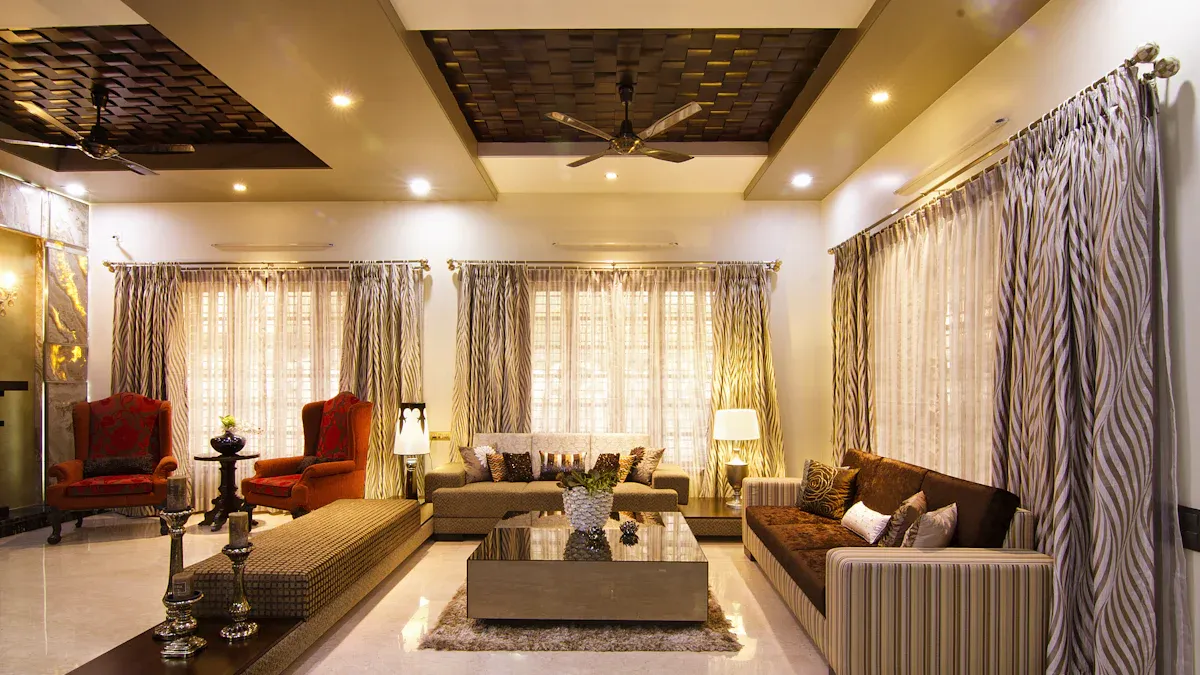
Smart procurement in hotel furniture is crucial for enhancing profitability and guest experiences. By focusing on factors such as durability and sustainability, hotels can maximize their return on investment. Effective hotel furniture procurement not only attracts guests but also ensures that furniture withstands the test of time. This approach minimizes future refurbishment costs and operational inefficiencies. Investing in high-quality, customizable options, such as OEM hotel furniture, can significantly impact a hotel’s financial health. Understanding why hotel furniture delivery delays cost money is essential for maintaining operational efficiency. Additionally, avoiding common mistakes that happen during hotel furniture procurement will lead to better financial outcomes, ensuring that hotels make the most of their investments in hotel furniture customization.
Key Takeaways
- Prioritize durability in hotel furniture to reduce long-term maintenance costs and enhance guest satisfaction.
- Implement effective space planning to optimize layouts, improve functionality, and create a welcoming environment for guests.
- Establish a proactive maintenance routine to extend furniture lifespan and prevent costly repairs.
- Involve key stakeholders in furniture decisions to align choices with guest expectations and operational needs.
- Conduct thorough market research to stay informed about trends and make informed procurement decisions.
Mistake #1: Not Considering Durability in Hotel Furniture
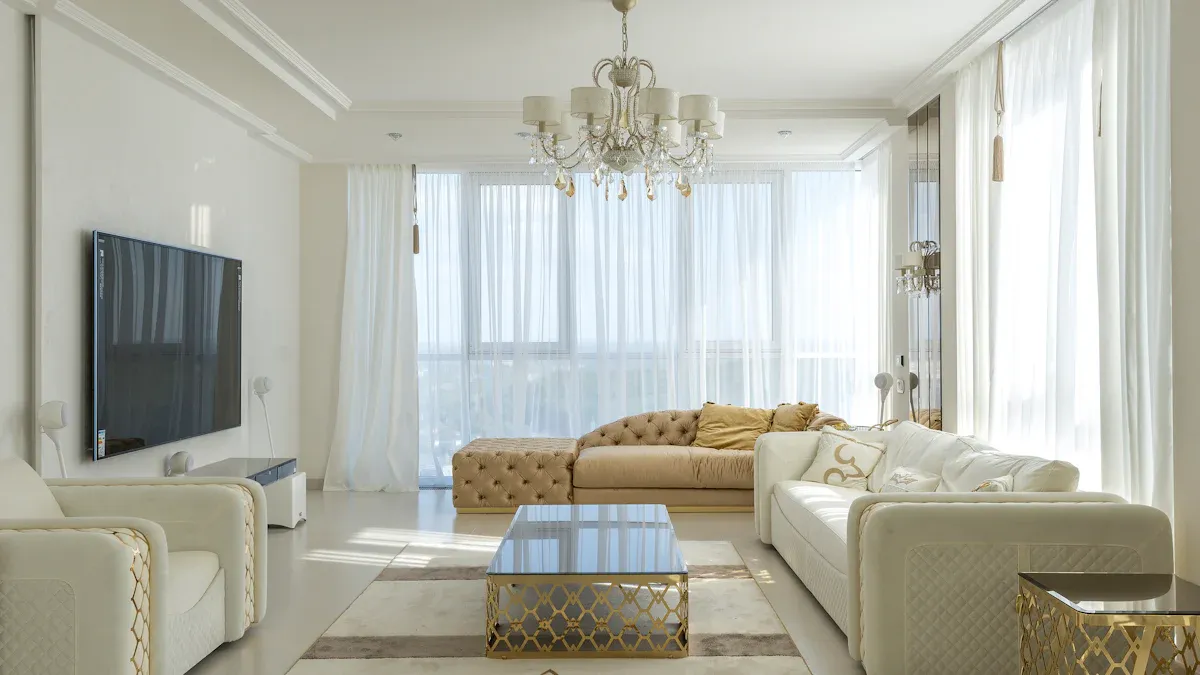
Durability is a critical factor in hotel furniture procurement. Hotels often overlook this aspect, leading to increased costs over time. Choosing furniture that can withstand heavy use is essential for maintaining a welcoming environment for guests. High-quality materials and construction methods play a significant role in ensuring longevity.
Consider the following materials known for their durability:
| Material Type | Durability Characteristics |
|---|---|
| Premium Hardwoods | Naturally resilient, withstands heavy use (e.g., walnut, oak, maple) |
| Commercial-grade Fabrics | Outperform residential fabrics in durability |
| High-pressure Laminates | Provide strong resistance to wear and tear |
| Robust Metal Components | Enhance structural integrity and longevity |
Additionally, the construction methods used in hotel furniture can significantly impact durability. For instance:
| Construction Method | Durability Features |
|---|---|
| Kiln-dried Hardwood Frames | Reduces warping and increases strength |
| Sinuous-spring Construction | Provides support and longevity |
| Eight-way Hand-tied Construction | Offers superior durability and comfort |
When hotels invest in durable furniture, they reduce long-term maintenance costs. Quality furniture minimizes the need for frequent replacements and repairs. The structural specifications made during procurement determine whether maintenance involves minor repairs or full replacements. An effective maintenance program preserves the appearance of furniture and reduces replacement frequency. This approach not only improves guest satisfaction but also enhances a hotel’s financial performance.
Mistake #2: Ignoring Space Planning for Hotel Furniture
Space planning plays a vital role in hotel furniture procurement. Hotels often overlook this aspect, leading to inefficient layouts and wasted resources. Proper space planning ensures that furniture fits well within the designated areas, enhancing both functionality and aesthetics.
When planning space, consider the following factors:
- Guest Flow: Analyze how guests move through the space. Ensure that pathways remain clear and accessible.
- Furniture Size: Select furniture that complements the dimensions of the room. Oversized pieces can make a space feel cramped, while undersized items may appear lost.
- Zoning: Create distinct areas for different activities. For example, separate dining, lounging, and working spaces to enhance guest comfort.
Tip: Utilize software tools for 3D modeling to visualize furniture arrangements. This approach allows hotel managers to experiment with layouts before making final decisions.
Incorporating these elements into space planning can significantly impact guest satisfaction. A well-planned space encourages guests to linger, which can lead to increased spending on food and beverages. Additionally, effective space planning can reduce the need for frequent furniture replacements.
Hotels should also consider the flexibility of their furniture. Modular pieces can adapt to various configurations, allowing for easy reconfiguration based on changing needs. This adaptability can save money in the long run by extending the life of the furniture.
Mistake #3: Failing to Account for Maintenance of Hotel Furniture
Maintenance plays a crucial role in the longevity of hotel furniture. Hotels often neglect this aspect, leading to increased costs and diminished guest satisfaction. Effective maintenance is essential for extending the lifespan of furniture. Different materials require specific care routines to maintain their appearance and functionality.
Consider the following types of hotel furniture that typically require the most frequent maintenance interventions:
- Upholstered Furniture: Regular cleaning and treatment can prevent stains and wear.
- Wooden Furniture: Periodic polishing and conditioning help maintain its luster and prevent damage.
- Metal Furniture: Routine checks for rust and scratches ensure durability and aesthetic appeal.
Proactive maintenance strategies can significantly reduce replacement costs. For instance, implementing a regular cleaning schedule can prevent the buildup of dirt and grime, which can lead to costly repairs. Additionally, addressing minor issues promptly can prevent them from escalating into major problems.
Tip: Establish a maintenance log to track interventions and schedule regular inspections. This practice helps identify patterns in wear and tear, allowing for timely interventions.
Hotels should also consider training staff on proper maintenance techniques. Educating employees about the specific needs of different furniture types can enhance their ability to care for the assets effectively. This approach not only preserves the furniture but also enhances the overall guest experience.
Mistake #4: Overlooking Guest Experience with Hotel Furniture

Guest experience plays a pivotal role in hotel success. Hotels often overlook how furniture choices directly impact guest satisfaction. Comfortable and well-designed hotel furniture can significantly enhance the overall experience, leading to positive reviews and repeat bookings.
Consider the following factors that influence guest experience:
- Comfort: The comfort of hotel furniture, especially beds, is crucial for guest satisfaction. High-quality mattresses and linens contribute to a positive overall experience. Additionally, comfortable chairs enhance relaxation and leisure for guests.
- Ergonomics: Investing in ergonomic furniture signals a commitment to guest well-being. Ergonomic designs reduce pressure on the lower back and thighs, promoting comfort during extended stays.
- Aesthetics: Visually appealing furniture creates a welcoming atmosphere. Guests appreciate a well-decorated space that reflects the hotel’s brand and enhances their stay.
| Feature | Description |
|---|---|
| Material | Precision-molded poly shell offers impact resistance, flexibility, and is non-toxic and moisture-proof. |
| Design | Ergonomic contoured seat and backrest reduce pressure on the lower back and thighs for enhanced comfort. |
| Stability | Heavy-duty steel frame ensures exceptional stability and load-bearing capacity, treated to prevent rust. |
| Versatility | Stackable design allows for easy storage and rearrangement, fitting various spaces in the hotel. |
| Hygiene | Smooth surface allows for effortless cleaning, prioritizing hygiene in hospitality venues. |
By prioritizing guest experience in furniture procurement, hotels can foster loyalty and encourage repeat visits. Guests who feel comfortable and valued are more likely to return and recommend the hotel to others. Therefore, hotel managers should carefully evaluate their furniture choices to ensure they align with guest expectations.
Tip: Regularly solicit guest feedback on furniture comfort and design. This practice can provide valuable insights for future procurement decisions.
Mistake #5: Skipping Market Research on Hotel Furniture
Market research is essential in hotel furniture procurement. Hotels that skip this critical step often face significant challenges. Without proper research, they may misallocate budgets and make uninformed decisions. This oversight can lead to higher expenses and lower-quality products.
Conducting market research allows hotel managers to stay updated on the latest trends in hotel furniture. Key trends include:
- Customization: Fully customizable hotel cabinets that align with brand identity.
- Sustainability: Use of top-tier materials that ensure longevity and reduce environmental impact.
- Space Optimization: Space-saving designs that enhance functionality in small hotel rooms.
By understanding these trends, hotels can make informed choices that resonate with their target audience. Additionally, market research provides insights into pricing structures. Buyers who neglect this research may not grasp the true costs of materials and services. This lack of knowledge can lead to misallocated budgets, resulting in higher expenses.
Furthermore, skipping market research can result in lower-quality products. When hotels do not understand the market landscape, they may settle for subpar options. This decision can negatively impact guest satisfaction and overall brand reputation.
Tip: Regularly review industry reports and attend trade shows to gather valuable insights. Engaging with suppliers and industry experts can also provide a clearer picture of market dynamics.
Mistake #6: Not Involving Key Stakeholders in Hotel Furniture Decisions
Involving key stakeholders in hotel furniture decisions is essential for successful procurement. Hotels often overlook this critical step, leading to misaligned choices that do not meet operational needs or guest expectations. Stakeholders can include a variety of individuals and groups, such as:
- Agencies
- Tour operators
- Travel managers
- OTA platforms
- Hotel suppliers
- Furniture manufacturers
- Retailers
- Consumers
Each stakeholder brings unique insights that can significantly influence furniture selection. For instance, agencies and travel managers understand guest preferences, while furniture manufacturers can provide information on sustainable materials and reliable delivery options.
Engaging stakeholders ensures that everyone’s needs and wants are included. This collaboration leads to better project outcomes. Knowledge of stakeholder engagement helps project managers make informed decisions, enabling the use of effective strategies for success. Stakeholder networks also provide insights on how engagement varies across projects, aiding in identifying key stakeholders and their roles.
The impact of stakeholder involvement extends beyond aesthetics. Furniture procurement decisions affect both leisure and business segments within hotels, influencing areas such as lobby spaces, meeting rooms, and long-stay suites. By collaborating with stakeholders, hotels can align their furniture choices with operational needs and enhance guest experiences.
Tip: Regularly communicate with stakeholders throughout the procurement process. This practice fosters transparency and encourages feedback, ultimately leading to better decision-making.
Mistake #7: Focusing Solely on Price of Hotel Furniture
Many hotels make the mistake of prioritizing price over quality when procuring furniture. While budget constraints are important, focusing solely on price can lead to significant long-term costs. Cheap furniture often lacks durability and may require frequent replacements. This cycle can quickly erode any initial savings.
Investing in high-quality hotel furniture pays off in the long run. A study from the Cornell School of Hotel Administration indicates a strong link between high-quality furniture and increased revenue metrics, such as Revenue Per Available Room (RevPAR). This suggests that investing in quality hotel furniture not only enhances guest satisfaction but also contributes to a hotel’s financial performance.
When evaluating furniture options, consider the following factors:
- Material Quality: Higher-quality materials often translate to longer lifespans. For example, solid wood furniture typically outlasts particleboard alternatives.
- Construction Techniques: Well-constructed furniture can withstand heavy use. Look for features like reinforced joints and high-grade upholstery.
- Warranty and Support: Quality furniture often comes with better warranties. This support can save money on repairs and replacements.
Tip: Balance your budget with quality considerations. A slightly higher upfront investment can lead to lower maintenance costs and improved guest experiences.
Hotels should also assess the total cost of ownership. This includes not just the purchase price but also maintenance, replacement, and potential revenue impacts. By taking a holistic view, hotel managers can make informed decisions that align with both budgetary constraints and quality expectations.
Mistake #8: Neglecting Sustainability in Hotel Furniture Choices
Sustainability in hotel furniture choices is increasingly important. Hotels that neglect this aspect may miss out on significant benefits. Sustainable furniture not only reduces environmental impact but also enhances operational efficiency.
Choosing eco-friendly materials can lead to long-term savings. For instance, sustainable furniture reduces maintenance and replacement costs. This results in lower operational expenses over time. Additionally, using non-toxic materials improves indoor air quality, benefiting both guests and staff.
Hotels that prioritize sustainability often see enhanced guest satisfaction. Eco-friendly options can lead to increased repeat visits and positive reviews. Unique sustainable designs help hotels stand out in a competitive market. This signals innovation and a commitment to premium service.
Moreover, adopting sustainable practices can lead to certifications that provide tax incentives. These certifications enhance brand reputation, making hotels more appealing to environmentally conscious travelers.
Consider the following benefits of sustainable hotel furniture choices:
- Reduced maintenance and replacement costs
- Improved indoor air quality
- Enhanced guest satisfaction and loyalty
- Certifications that provide tax incentives
Tip: Evaluate suppliers for their sustainability practices. Partnering with manufacturers who prioritize eco-friendly materials can strengthen a hotel’s commitment to sustainability.
Mistake #9: Poor Vendor Selection for Hotel Furniture
Selecting the right vendor for hotel furniture is crucial. Poor vendor selection can lead to significant issues, including project delays and increased costs. Hotels often underestimate the impact of their choices in this area.
When hotels choose unreliable vendors, they face unreliable delivery schedules. This unreliability can directly contribute to project delays. For instance, if a vendor fails to deliver on time, it can push back the entire renovation or opening timeline.
Additionally, low-quality materials from vendors can lead to increased costs. Furniture that does not meet quality standards may require frequent replacements or repairs. This situation can quickly erode any initial savings achieved through lower purchase prices.
Inadequate communication with suppliers can also cause misunderstandings. Misunderstandings can lead to incorrect orders or delays in the procurement process. Effective communication is essential for ensuring that all parties are aligned on expectations and timelines.
To avoid these pitfalls, hotels should conduct thorough research before selecting vendors. They should evaluate potential suppliers based on their reputation, reliability, and quality of materials. Establishing clear communication channels can also help prevent misunderstandings and ensure smooth operations.
Tip: Request references from previous clients to gauge a vendor’s reliability and quality. This practice can provide valuable insights into their performance.
By prioritizing vendor selection, hotels can enhance their procurement processes. A reliable vendor can contribute to a smoother project timeline and better overall quality of hotel furniture. This approach ultimately leads to improved guest satisfaction and financial performance.
Mistake #10: Not Planning for the Future of Hotel Furniture
Planning for the future of hotel furniture is essential for maintaining relevance in a rapidly evolving industry. Hotels that fail to anticipate changes in guest preferences and technological advancements may find themselves at a disadvantage. Future-proofing furniture procurement strategies can significantly enhance operational efficiency and guest satisfaction.
To effectively plan for the future, hotels should consider the following best practices:
- Select adaptable furniture pieces to meet changing guest needs and room layouts. This flexibility allows hotels to reconfigure spaces as trends evolve.
- Integrate technology into furniture, such as USB charging ports and smart lighting controls. These features enhance the guest experience and align with modern expectations.
- Choose sustainable materials, like recycled content and low-VOC finishes. This choice resonates with eco-conscious travelers and reflects a commitment to environmental responsibility.
Additionally, hotels should stay informed about emerging trends that influence furniture procurement. The table below outlines key trends to consider:
| Trend | Description |
|---|---|
| Sustainability | Eco-friendly materials like reclaimed wood, bamboo, and recycled metals are in demand, aligning with guests’ environmental values. |
| Technology Integration | Smart furnishings, such as beds with integrated lighting and voice-activated adjustments, enhance guest convenience. |
| Customization | Bespoke pieces reflecting local culture and brand identity create unique and memorable experiences. |
By proactively addressing these factors, hotels can ensure their furniture remains relevant and appealing to guests. This forward-thinking approach not only enhances guest satisfaction but also contributes to long-term financial success.
Tip: Regularly review furniture offerings and adapt to new trends. This practice keeps the hotel competitive and aligned with guest expectations.
In summary, hotels must avoid common procurement mistakes to enhance financial outcomes. Key errors include neglecting durability, overlooking guest experience, and failing to conduct market research. Additionally, poor vendor selection and a focus solely on price can lead to costly consequences.
Tip: By prioritizing quality, engaging stakeholders, and leveraging supplier partnerships, hotels can improve their procurement strategies. This proactive approach not only enhances guest satisfaction but also contributes to long-term profitability.
By addressing these pitfalls, hotels can secure a competitive edge in the market.
FAQ
What factors should hotels consider when selecting furniture?
Hotels should prioritize durability, comfort, aesthetics, and sustainability. These factors enhance guest satisfaction and reduce long-term costs.
How can hotels ensure their furniture meets guest expectations?
Hotels can gather guest feedback on furniture comfort and design. Regularly reviewing this feedback helps align furniture choices with guest preferences.
Why is market research important in hotel furniture procurement?
Market research helps hotels stay informed about trends, pricing, and quality. This knowledge enables informed decisions and prevents costly mistakes.
What role do stakeholders play in furniture procurement?
Stakeholders provide valuable insights into guest preferences and operational needs. Involving them ensures furniture choices align with overall hotel objectives.
How can hotels balance quality and budget in furniture procurement?
Hotels should evaluate total cost of ownership, including maintenance and replacement costs. Investing slightly more upfront can lead to long-term savings and improved guest experiences.

