
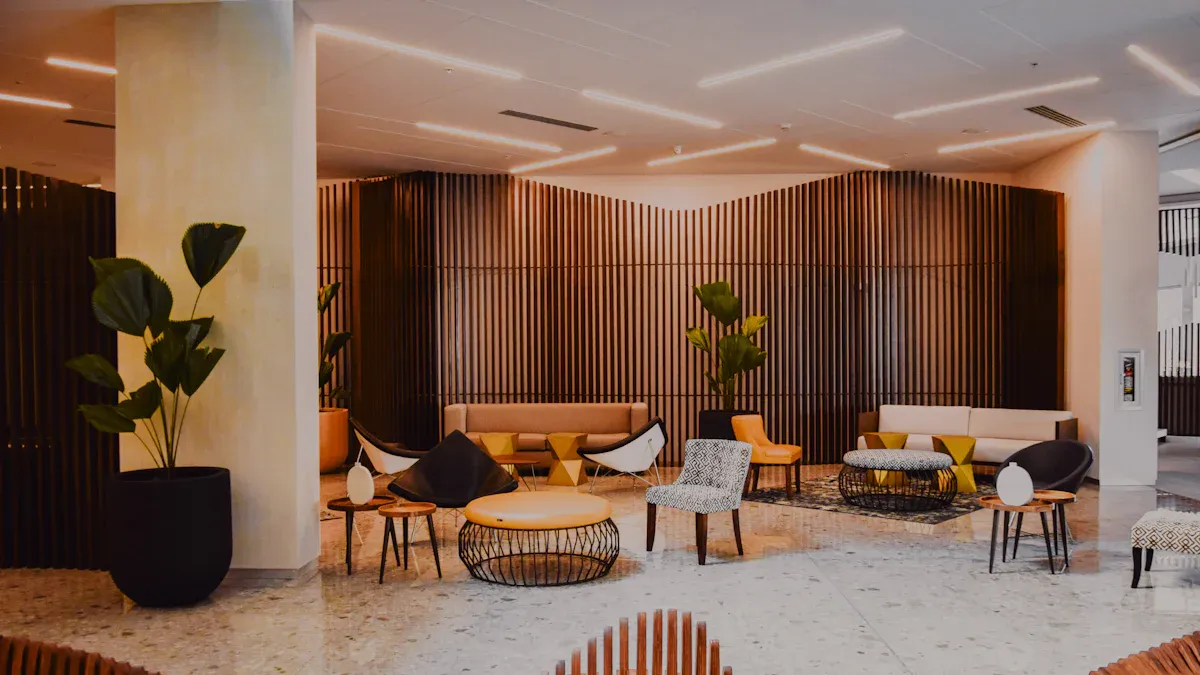
Staying current with hotel furniture trends is essential for hospitality buyers. These trends significantly influence purchasing decisions, shaping the guest experience and overall satisfaction. For instance, the global luxury hotel furniture market is expected to reach USD 274.28 billion by 2026, driven by factors such as customization preferences (62%) and a focus on sustainability (46%). Modern luxury hotel lobby furniture wholesale options are becoming increasingly popular, as modern designs enhance comfort and aesthetics, leading to higher guest satisfaction and improved hotel ratings. Understanding the 2026 hotel furniture design trends for buyers allows them to make informed choices that align with evolving market demands in hospitality furniture.
Key Takeaways
- Sustainability is key. Hotels should choose eco-friendly materials to attract environmentally conscious guests.
- Technology integration enhances guest experiences. Smart furniture features like charging ports and voice-activated controls are now expected.
- Customization is essential. Tailored furniture reflects a hotel’s brand and meets individual guest preferences.
- Functionality matters. Multifunctional furniture helps optimize space and improves guest satisfaction.
- Aesthetic trends focus on comfort and warmth. Hotels should select colors and designs that create inviting atmospheres.
Sustainability in Hotel Furniture
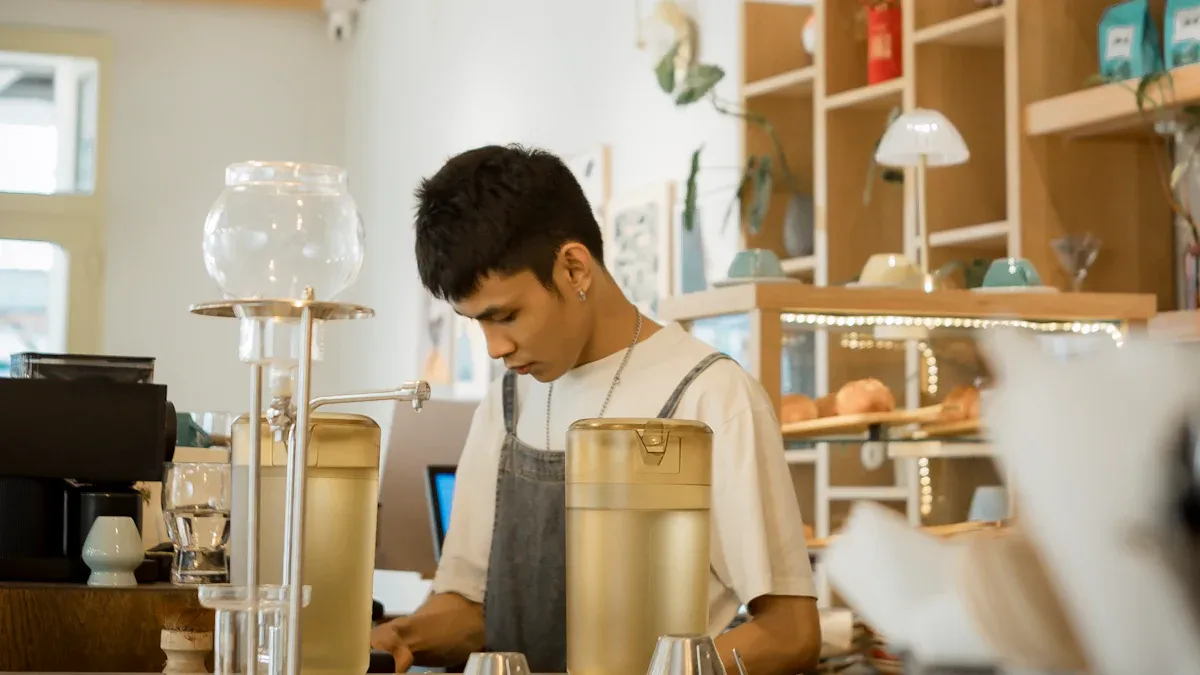
Sustainability has become a cornerstone of modern hotel furniture design. In 2026, approximately 66% of hotel operators prioritize eco-friendly furniture made from sustainable materials. This shift reflects a growing awareness of environmental issues and a commitment to reducing the carbon footprint of the hospitality industry.
Hotels increasingly seek materials that minimize environmental impact. Common sustainable materials used in hotel furniture manufacturing include:
- Recycled metals and aluminum
- Low-impact textiles
- Low-VOC adhesives and finishes
- Certified and responsibly sourced wood
- Reclaimed and salvaged materials
- Rapidly renewable materials
- Natural and organic fabrics
These materials not only contribute to a healthier planet but also enhance the aesthetic appeal of hotel interiors. By choosing sustainable options, hotels can create inviting spaces that resonate with eco-conscious guests.
Moreover, sustainability extends beyond materials. Many hotels are adopting practices such as energy-efficient manufacturing processes and waste reduction strategies. These initiatives not only lower operational costs but also attract a clientele that values environmental responsibility.
As the demand for sustainable hotel furniture grows, manufacturers like Taisen are committed to innovation. They focus on creating high-quality, eco-friendly products that meet the needs of modern hospitality buyers. By aligning with these trends, hotels can enhance their brand image and appeal to a broader audience.
Technology Integration in Hotel Furniture
In 2026, technology integration in hotel furniture has transformed guest experiences and operational efficiency. Hotels increasingly adopt smart furniture solutions that enhance convenience and personalization. Key features include:
- Smart guest rooms equipped with voice-activated assistants
- Smart TVs that allow streaming services
- Keyless entry systems for mobile check-in
- IoT-enabled devices for predictive maintenance
- Smart thermostats and automated lighting systems
These innovations not only meet the expectations of tech-savvy guests but also streamline hotel operations. For example, smart furniture with built-in charging ports ensures guests can easily access power for their devices, enhancing their overall experience.
Additionally, hotels utilize predictive analytics to anticipate guest needs based on past behavior. This capability improves service delivery and fosters guest satisfaction. The integration of technology extends to luxury lobbies, where tech-enabled furniture enhances guest convenience. Features like wireless charging pads, discreet power outlets, and USB-C ports are becoming standard.
- Smart thermostats allow guests to adjust room temperatures for comfort.
- Automated lighting systems are customizable for energy savings and comfort.
- Voice-activated assistants enable hands-free control of room features.
As hotels embrace these advancements, they create environments that prioritize guest comfort and operational efficiency. The future of hotel furniture lies in its ability to adapt to technological trends, ensuring that hospitality buyers remain competitive in a rapidly evolving market.
Aesthetic Preferences in Hotel Furniture
In 2026, aesthetic preferences in hotel furniture reflect a blend of comfort, sustainability, and technology. Hospitality buyers increasingly prioritize designs that create memorable guest experiences. Key trends include:
- Sustainability: Eco-friendly materials, such as recycled plastics and reclaimed wood, are in high demand. Buyers seek furniture that aligns with their commitment to environmental responsibility.
- Comfort: Thoughtful furniture selection enhances guest satisfaction. Comfortable seating and bedding contribute to a welcoming atmosphere.
- Design Continuity: Cohesive design across hotel spaces creates a harmonious aesthetic. Buyers focus on furniture that complements the overall theme of their establishments.
- Hyper-Personalization: Modular furniture allows guests to reconfigure spaces according to their needs. This flexibility caters to diverse preferences and enhances the guest experience.
- Smart Integration: Features like wireless charging and voice-activated controls are becoming standard. These innovations meet the expectations of tech-savvy guests.
Aesthetic trends also vary across different demographics. For instance, Baby Boomers prefer comfort and familiarity, while Millennials appreciate regional aesthetics and local artwork. Generation Z prioritizes sustainability and inclusivity in their hotel stays.
| Customization | Hotels invest in bespoke furniture to stand out and maximize space. |
|---|---|
| Multipurpose Functionality | Space-saving, multifunctional furniture like sofa beds and modular seating cater to diverse needs. |
| Smart Furniture | Integrated technology, such as built-in charging ports and touch controls, is now an expectation. |
As hotels adapt to these aesthetic preferences, they enhance their appeal to a broader audience. The right furniture choices can significantly impact guest satisfaction and loyalty.
Functionality and Versatility in Hotel Furniture
In 2026, functionality and versatility stand at the forefront of hotel furniture design. Today’s travelers expect their accommodations to serve multiple purposes. According to a 2025 Hospitality Insights report, 68% of guests prefer rooms where furniture adapts to their activities. This demand drives hotels to invest in multifunctional solutions that enhance guest experiences.
Popular designs include:
- Convertible sofas that transform into beds, providing comfort for both business travelers and families.
- Murphy beds that fold away, maximizing space in smaller rooms.
- Extendable tables that accommodate various group sizes, from intimate dinners to larger gatherings.
These innovations allow hotels to optimize space while maintaining a stylish aesthetic. Hidden storage solutions, such as ottomans with compartments or under-bed drawers, keep rooms organized and clutter-free.
Tip: Fold-out workstations hidden within wall panels enable rooms to shift seamlessly from relaxation to productivity. This adaptability appeals to guests who may need to work during their stay.
Furthermore, rotating TV panels and movable partitions create dynamic layouts. Guests can choose to open up their space for socializing or segment it for privacy. This flexibility not only enhances the guest experience but also reduces the need for additional furniture purchases, maximizing return on investment over time.
Hotels that embrace these multifunctional designs can lower maintenance costs while increasing the perceived value of their interiors. As the hospitality industry evolves, the focus on versatile hotel furniture will continue to shape purchasing decisions, ensuring that establishments remain competitive in a rapidly changing market.
Local Sourcing and Artisanal Craftsmanship in Hotel Furniture
In 2026, local sourcing and artisanal craftsmanship play a pivotal role in hotel furniture design. Hospitality buyers increasingly recognize the value of integrating regional materials and craftsmanship into their establishments. This approach not only supports local economies but also enriches the guest experience.
Hotels that utilize locally sourced materials often create a unique sense of place. By incorporating traditional patterns and regional designs, they foster cultural authenticity. Guests appreciate the connection to the destination’s heritage, enhancing their overall experience.
The benefits of using locally sourced and artisanal hotel furniture are significant:
| Benefit | Description |
|---|---|
| Cultural Authenticity | Incorporating regional materials and traditional patterns creates an authentic sense of place. |
| Sustainability | Using native hardwoods supports local suppliers and reduces transportation costs. |
| Enhanced Guest Experience | Integrating local artistic expressions creates a connection to the destination’s heritage. |
Artisanal craftsmanship also adds a layer of quality and uniqueness to hotel furniture. Each piece tells a story, reflecting the skills and traditions of local artisans. This not only differentiates hotels in a competitive market but also appeals to guests seeking authentic experiences.
Moreover, the trend towards local sourcing aligns with sustainability goals. By reducing transportation distances, hotels lower their carbon footprints. This commitment to environmental responsibility resonates with eco-conscious travelers.
As the hospitality industry evolves, the emphasis on local sourcing and artisanal craftsmanship will continue to shape purchasing decisions. Hotels that embrace these practices can enhance their brand image while providing guests with memorable experiences.
Color Trends in Hotel Furniture
In 2026, color trends in hotel furniture are shifting towards warmth and natural tones. Hospitality buyers increasingly favor new neutrals, such as oatmeal and warm taupe, which create inviting atmospheres. These colors enhance the overall ambiance of hotel interiors, significantly impacting guest perceptions and reinforcing brand identity. By selecting the right colors, hotels can create immersive environments that align with their desired image, whether luxurious, modern, or rustic.
Key color trends include:
| Color Trend | Description |
|---|---|
| New Neutrals | Warm tones like oatmeal, beige, warm taupe, soft clay, and creamy whites. |
| Muddy Green | Sophisticated, muted greens moving away from bright jungle tones. |
| Divine Damson | Dark cherry red, part of the moody romance trend. |
| Celestial Azure | A cooling influence, trending in premium sectors to counter heat. |
Colors such as muddy green and warm eucalyptus reflect a biophilic design approach, connecting guests with nature. Deeper shades like Divine Damson and Purple Basil introduce a moody romance aesthetic, appealing to those seeking a dramatic flair in their surroundings.
Tip: Incorporating these color trends can enhance the aesthetic appeal of hotel furniture, contributing to a more enjoyable guest experience.
The choice of colors in hotel furniture plays a crucial role in shaping guest perceptions. A well-thought-out color palette can evoke emotions and create a sense of comfort. For instance, warm and inviting colors can make spaces feel more welcoming, while cooler tones can provide a refreshing escape.
As hotels adapt to these color trends, they can enhance their brand identity and create memorable experiences for guests. The right color choices not only beautify spaces but also foster a deeper connection between the hotel and its clientele.
Wellness-focused Hotel Furniture
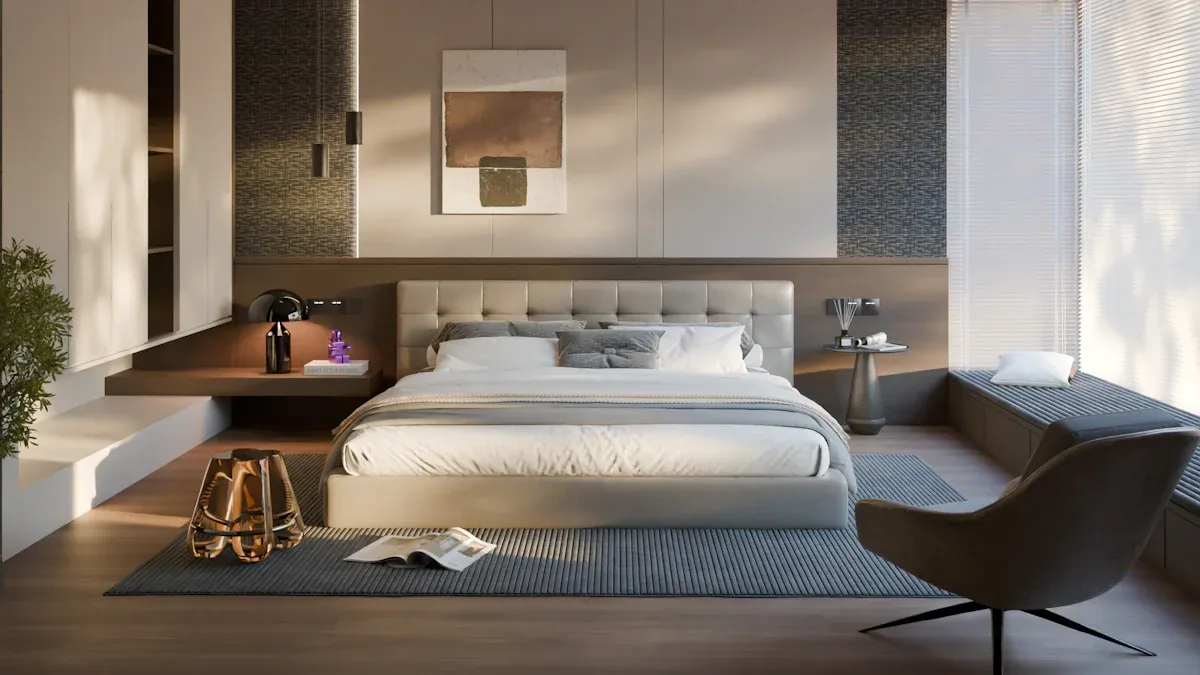
In 2026, wellness-focused hotel furniture has emerged as a vital aspect of guest comfort and satisfaction. Hotels increasingly recognize the importance of creating environments that promote physical and mental well-being. This trend leads to the incorporation of various features designed to enhance the guest experience.
Key elements of wellness-focused hotel furniture include:
- Ergonomic chairs that support proper posture and reduce discomfort.
- Sleep-enhancing mattresses designed to improve sleep quality.
- Meditation pods that provide quiet spaces for relaxation and mindfulness.
- Biophilic design elements, such as natural materials and greenery, that connect guests with nature.
Hotels also prioritize in-room fitness equipment, allowing guests to maintain their exercise routines during their stay. Health technology, such as air purifiers and circadian lighting, further enhances the wellness experience. Multi-functional items, like adjustable desks, cater to both work and relaxation needs.
Tip: Incorporating sustainable cleaning products not only promotes health but also aligns with eco-friendly practices. This approach resonates with guests who value environmental responsibility.
Mental health considerations are increasingly important in hotel design. By creating calming environments, hotels can help guests unwind and recharge. Thoughtful furniture choices contribute to this goal, making comfort a priority in both guest rooms and common areas.
As the hospitality industry evolves, wellness-focused hotel furniture will continue to shape purchasing decisions. Hotels that invest in these features can enhance their brand image and attract a clientele that prioritizes well-being.
Outdoor Furniture Innovations for Hotels
In 2026, outdoor furniture innovations significantly enhance the guest experience in hotels. As travelers seek stylish and comfortable outdoor spaces, hotels invest in furniture that meets these demands. Key innovations include:
- Multifunctional Pieces: Furniture that serves multiple purposes, such as tables that also provide storage, maximizes space and utility.
- Sustainable and Eco-Friendly Choices: Hotels increasingly use eco-friendly materials and sustainable manufacturing processes. This approach appeals to environmentally conscious guests and aligns with broader sustainability goals.
- Incorporating Technology: Smart lighting and weather-resistant sound systems enhance outdoor areas, creating inviting environments for relaxation and socializing.
The increasing demand for stylish, weather-resistant, and comfortable outdoor furniture plays a crucial role in enhancing guest satisfaction. Hotels are transforming outdoor spaces like pool decks and rooftop terraces into inviting environments. These areas encourage relaxation and social interaction, directly contributing to improved guest experiences and increased hotel revenue.
Moreover, outdoor furniture trends reflect a shift towards creating seamless transitions between indoor and outdoor spaces. Hotels now design outdoor areas that feel like extensions of their interiors. This design philosophy fosters a cohesive aesthetic and enhances the overall guest experience.
Tip: When selecting outdoor furniture, consider durability and maintenance. High-quality materials withstand the elements and reduce long-term costs.
As hotels embrace these innovations, they not only elevate their outdoor spaces but also strengthen their brand image. By prioritizing comfort and style in outdoor furniture, hotels can attract a broader clientele and enhance guest loyalty.
Vintage and Retro Influences in Hotel Furniture
In 2026, vintage and retro influences significantly shape hotel furniture design. Many hospitality buyers embrace these styles to create unique atmospheres that resonate with guests. Vintage aesthetics evoke nostalgia, while retro designs add a playful touch. This combination enhances the overall guest experience and differentiates hotels in a competitive market.
Several hotels exemplify these trends:
| Hotel Name | Location | Design Influences |
|---|---|---|
| The Dwell Hotel | Chattanooga, United States | Mid-century style with Hollywood glamour, historical details |
| The Vintage Lisbon | Lisbon, Portugal | Curved modernist lines, bespoke 1950s and 1960s furniture, uplifting color palette |
| Bobby Hotel | Nashville, United States | Local and global influences, retrofitted 1956 Scenicruiser bus, eclectic decor |
| The Confidante | Miami Beach, United States | Mid-century décor, Art Deco-inspired beach chairs, vibrant retro style |
These hotels utilize vintage and retro furniture to convey distinct brand messages. For instance, mid-century designs often suggest luxury and sophistication, while eclectic styles can communicate creativity and fun.
- Hotel furniture significantly shapes guests’ perceptions and overall experience, which is crucial for brand identity.
- Different furniture styles convey distinct brand messages, such as luxury or efficiency, influencing how guests perceive the hotel.
- Incorporating local culture and sustainability into furniture choices enhances brand authenticity and differentiation in a competitive market.
By integrating vintage and retro elements, hotels can create inviting spaces that attract diverse clientele. This trend not only enhances the aesthetic appeal but also fosters a deeper connection between guests and the hotel’s identity.
Customization and Personalization in Hotel Furniture
In 2026, customization and personalization in hotel furniture have become essential for enhancing guest experiences. Hospitality buyers increasingly seek furniture that reflects their brand identity while catering to individual guest preferences. This trend allows hotels to create unique environments that resonate with their clientele.
Key customization features requested by hospitality buyers include:
- Color variations for polypropylene (PP) shells, offering both neutral and bold options.
- Finish options for steel frames, allowing for a cohesive look across different furniture pieces.
- Custom logos for branded spaces, reinforcing brand identity and creating a memorable impression.
These features enable hotels to tailor their furniture selections to align with their overall design themes. Personalization extends beyond aesthetics; it also encompasses functionality. For instance, modular furniture allows guests to adapt their spaces according to their needs. This flexibility enhances comfort and satisfaction during their stay.
Moreover, hotels are increasingly investing in bespoke furniture solutions. Custom designs can incorporate local materials and craftsmanship, further enriching the guest experience. By collaborating with manufacturers like Taisen, hotels can access high-quality, tailored furniture that meets their specific requirements.
Tip: When considering customization, hospitality buyers should focus on both aesthetics and functionality. A well-designed piece of furniture can enhance the overall ambiance while serving practical purposes.
As the demand for personalized hotel furniture grows, establishments that embrace this trend will likely stand out in a competitive market. Customization not only elevates the guest experience but also strengthens brand loyalty, making it a vital consideration for hospitality buyers in 2026.
In 2026, hospitality buyers must recognize the significance of the evolving hotel furniture landscape. Key trends include sustainability, technology integration, and customization. Aligning purchases with these trends enhances guest experiences and operational efficiency.
Tip: Buyers should consider sustainable practices, such as recycling and local sourcing, to meet current environmental expectations.
Ignoring these trends may lead to outdated furniture, negatively impacting guest satisfaction and increasing long-term maintenance costs. By staying informed and adapting to these trends, hotels can position themselves competitively in the market.
FAQ
What are the key trends in hotel furniture for 2026?
Key trends include sustainability, technology integration, wellness-focused designs, and customization. Hotels prioritize eco-friendly materials, smart furniture features, and versatile designs that enhance guest experiences.
How does sustainability impact hotel furniture purchasing decisions?
Sustainability influences purchasing by encouraging hotels to choose eco-friendly materials and practices. This shift attracts environmentally conscious guests and enhances brand reputation.
Why is technology integration important in hotel furniture?
Technology integration improves guest convenience and operational efficiency. Smart furniture features, such as charging ports and automated systems, meet the expectations of tech-savvy travelers.
What role does customization play in hotel furniture?
Customization allows hotels to reflect their brand identity and cater to guest preferences. Tailored furniture enhances the overall aesthetic and functionality of hotel spaces.
How can hotels enhance outdoor spaces with furniture?
Hotels can enhance outdoor spaces by investing in stylish, durable, and multifunctional furniture. This creates inviting environments for relaxation and social interaction, improving guest satisfaction.


