In the hotel industry, furniture trends play a crucial role in shaping guest experiences. Hotels that align their furniture choices with guest preferences can significantly boost satisfaction and loyalty. Modern hotel furniture must cater to diverse needs, providing comfortable workspaces for business travelers and inviting areas for families. Thoughtfully selected luxury hotel furniture enhances feelings of exclusivity and well-being, while sustainable hotel furniture options resonate with eco-conscious travelers, influencing their booking decisions. Additionally, staying updated on hotel bedroom furniture trends and hotel furniture design trends can help hotels create unique atmospheres that appeal to guests. Ultimately, the right furniture, including boutique hotel furniture, creates a welcoming environment that leaves a lasting impression on guests.
Key Takeaways
- Sustainable materials are essential for modern hotel furniture. They reduce environmental impact and offer long-term cost savings.
- Modular designs provide flexibility and customization. They optimize space and enhance guest experiences with multi-functional furniture.
- Technology integration in furniture improves guest comfort. Smart features like adjustable lighting and temperature create personalized environments.
- Calming color palettes influence guest moods. Soothing colors enhance relaxation and comfort in hotel bedrooms.
- Investing in modern furniture trends boosts brand reputation. Hotels that embrace these innovations attract more guests and ensure operational success.
Sustainable Materials
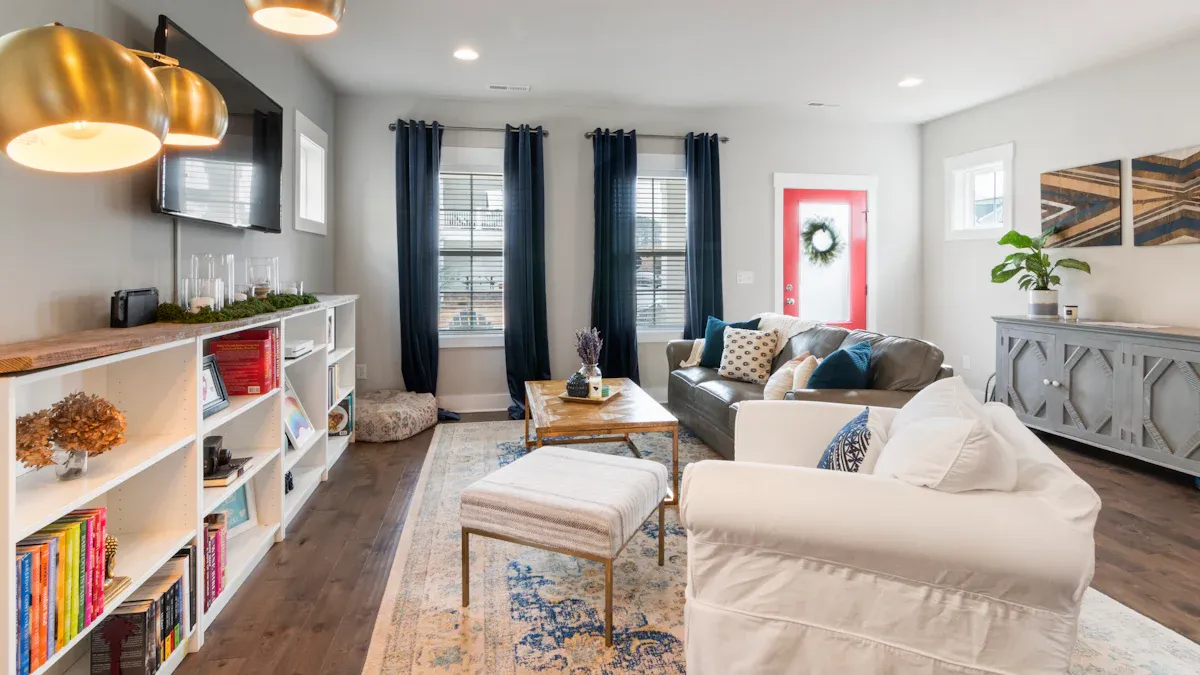
Sustainable materials have become a cornerstone of hotel bedroom furniture trends in 2026. Luxury hotels increasingly prioritize eco-friendly boards, low-emission finishes, and certified sustainable materials. This shift reflects a commitment to environmental responsibility, which enhances brand reputation and aligns with global hotel standards.
Hotels like HONGYE emphasize the use of FSC-certified wood in their furniture. This choice not only ensures aesthetic appeal but also promotes responsible sourcing practices. By opting for sustainable furniture, hotels can significantly reduce carbon emissions, minimize waste, and conserve natural resources. These actions contribute to the broader goal of enhancing environmental sustainability within the hospitality industry.
The benefits of sustainable materials extend beyond environmental impact. They also offer long-term cost savings. Durable sustainable furnishings reduce maintenance and replacement expenses. Hotels can expect lower upkeep costs due to the longevity of these materials.
Here are some key aspects of sustainable furniture:
| Aspect | Description |
|---|---|
| Long-Term Cost Savings | Durable sustainable furnishings reduce maintenance and replacement expenses. |
| Environmental Benefits | Eco-conscious furniture design lowers carbon emissions and promotes sustainable practices. |
| Waste Minimization | Efficient use of materials and recycling practices reduce operational waste and costs over time. |
Additionally, certifications play a vital role in ensuring the sustainability of hotel furniture. Relevant certifications include:
| Certification/Standard | Description |
|---|---|
| FSC-Certified Wood | Ensures timber comes from responsibly managed forests. |
| Low-VOC Finishes | Water-based lacquers that do not off-gas harmful chemicals. |
| Recycled Fabrics | Upholstery made from upcycled plastic bottles or post-consumer waste. |
Incorporating sustainable materials into hotel bedroom furniture not only enhances guest comfort but also aligns with the growing demand for eco-friendly practices in the hospitality sector.
Modular Designs
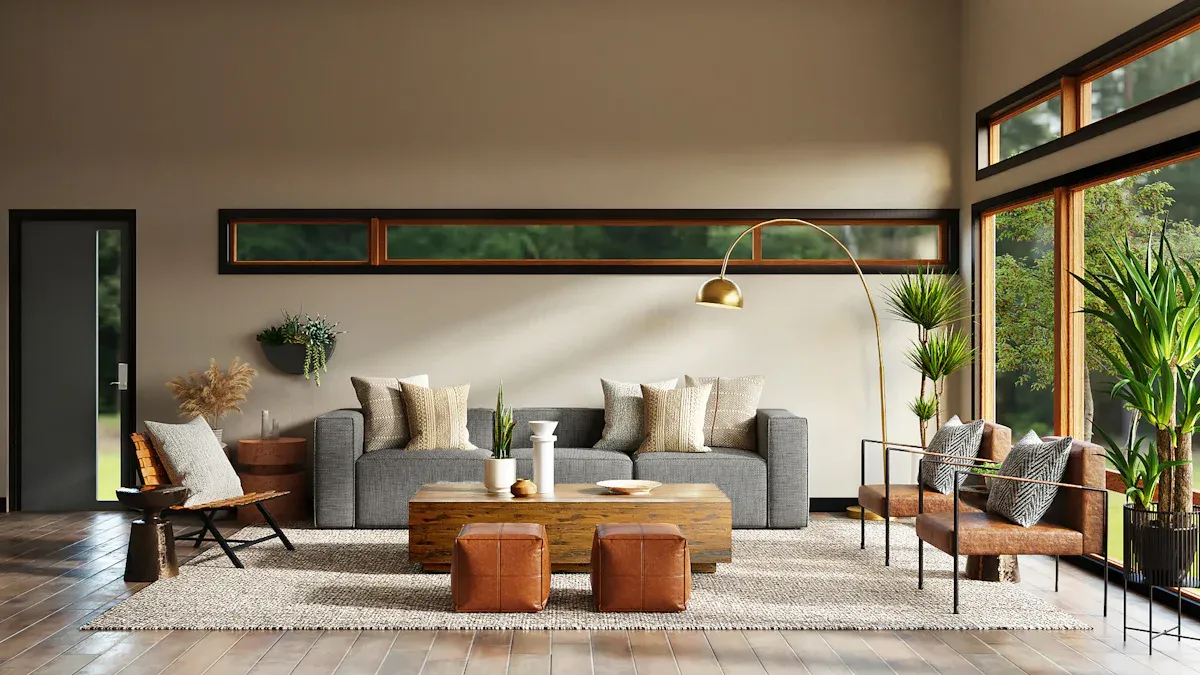
Modular designs are revolutionizing hotel bedroom furniture trends in 2026. These innovative systems offer flexibility and adaptability, allowing hotels to optimize their spaces effectively. Modular furniture can be customized to meet guest preferences, creating a personalized experience that enhances satisfaction.
One of the standout features of modular designs is their ability to incorporate technology. Smart furniture options provide enhanced convenience and functionality, catering to the tech-savvy traveler. Additionally, calming color palettes in modular pieces contribute to a relaxing atmosphere, promoting guest well-being.
Here are some key features of modular hotel bedroom furniture designs:
| Feature | Description |
|---|---|
| Customization | Tailoring furniture to guest preferences for a personalized experience. |
| Technology Integration | Incorporating smart features for enhanced convenience and functionality. |
| Calming Color Palettes | Using soothing colors to create a relaxing atmosphere for guests. |
| Multi-Functional Pieces | Furniture that serves multiple purposes, maximizing space and comfort. |
| Convertible Sofa Beds | Transforms from seating to sleeping areas, ideal for small spaces. |
| Floating Nightstands | Saves floor space while providing essential storage. |
| Under-Bed Storage Solutions | Offers hidden storage options to keep rooms tidy. |
Modular furniture systems enhance space optimization in hotel bedrooms by offering flexible and multi-functional designs. They can be tailored to fit various layouts and needs, allowing for efficient use of space. Features such as wall-mounted units and compact furniture enable seamless movement and storage, which is particularly advantageous in smaller hotel rooms.
Investing in modular furniture may require a higher initial cost, but its durability leads to lower replacement costs, resulting in substantial savings for hotel owners. The ability to refurbish and recycle modular furniture supports long-term cost management and environmental responsibility.
Technology Integration
In 2026, technology integration in hotel bedroom furniture enhances guest experiences significantly. Hotels now incorporate smart technology that adjusts to individual preferences. For instance, smart thermostats automatically modify room temperatures, while mood lighting changes based on the time of day. These features create a personalized atmosphere that caters to each guest’s comfort.
Furniture designers are also focusing on hidden technology. Wireless charging pads and built-in USB-C ports reduce cable clutter, maintaining a clean and aesthetically pleasing environment. This trend towards ‘invisible tech’ reflects a growing demand for seamless integration, allowing guests to enjoy modern conveniences without visual distractions.
The benefits of technology integration extend beyond aesthetics. Guests experience personalized comfort through adjustable lighting and temperature settings linked to their profiles. Contactless interactions, such as mobile check-in and digital keys, enhance convenience. Additionally, operational data from occupancy sensors improves housekeeping and energy management, ensuring efficient service.
However, security and privacy considerations remain crucial. Hotels must inform guests about the use of smart noise sensors, which help maintain a peaceful environment. By positioning these sensors as amenities, hotels can enhance guest experiences while demonstrating professionalism. Thoughtful calibration of noise thresholds based on local norms further showcases a commitment to guest comfort.
As technology continues to evolve, hotel bedroom furniture trends will increasingly reflect these advancements. The integration of smart features not only elevates guest satisfaction but also streamlines hotel operations, making it a vital aspect of modern hospitality design.
Color Palettes and Design Aesthetics
In 2026, color palettes and design aesthetics play a pivotal role in shaping hotel bedroom environments. Hotels increasingly adopt soothing colors that promote relaxation and comfort. Research indicates that specific color choices can significantly influence guests’ moods and experiences. For instance, warm colors like red and yellow can stimulate excitement, while cool colors such as blue and green create a calming effect.
The following color palettes are predicted to dominate hotel bedroom furniture design in 2026:
| Color Palette | Description |
|---|---|
| Creamy White | Reflects high-end simplicity and intentional living, tailored and serene. |
| Tranquil Teal | A versatile blue-green neutral that balances calm and depth, ideal for layered interiors. |
| Sage Green | A calming and restorative color, seen as the new neutral, perfect for creating restful spaces. |
| Warm Golden Yellow | Adds warmth and a touch of luxury, enhancing the overall serene aesthetic of hotel bedrooms. |
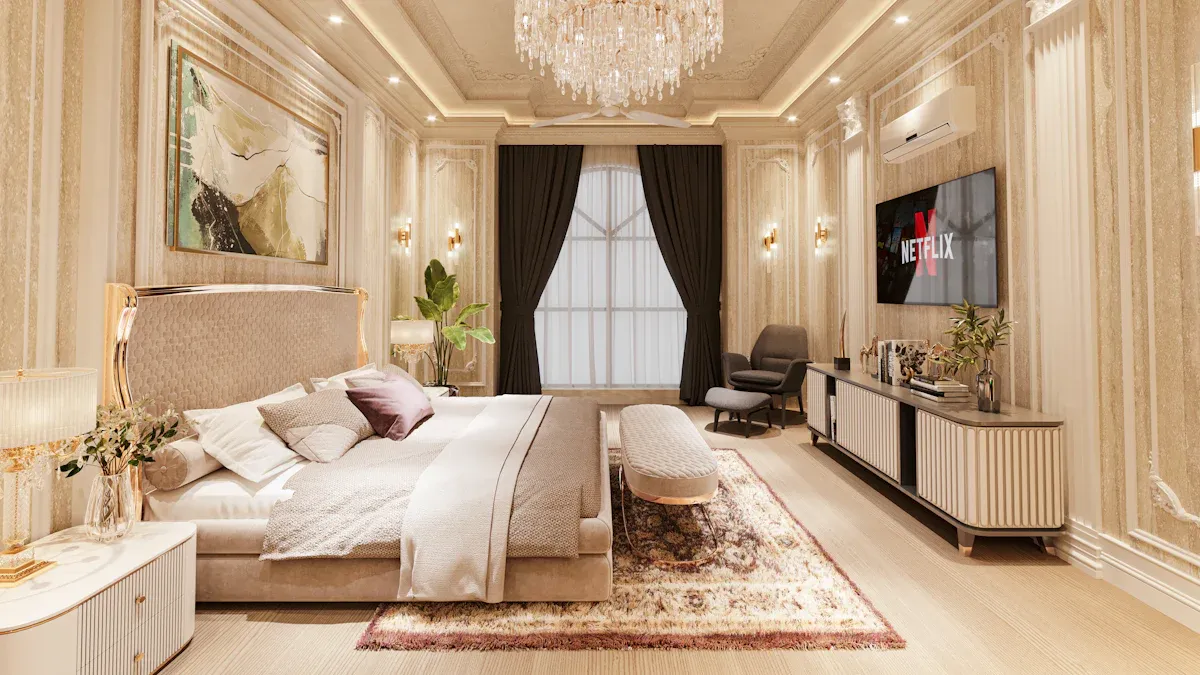
Design aesthetics in hotel bedroom furniture also reflect broader hospitality industry trends. Sleek, minimalist panels elevate the bed area, creating a welcoming vibe for guests. Modern open shelf cabinets transform spaces with practical storage and display options. Biophilic design elements, which incorporate natural light and indoor plants, align with wellness and sustainability trends.
Here are some key features of design aesthetics in hotel bedroom furniture:
| Furniture Style | Key Features | Industry Trend Reflection |
|---|---|---|
| Sleek, minimalist panel | Elevates the bed area, creating a welcoming vibe for guests. | Focus on comfort and durability in high occupancy. |
| Modern open shelf cabinet | Transforms spaces with practical storage and displays amenities. | Customization and functionality for diverse guests. |
| Biophilic design elements | Incorporates natural light, indoor plants, and earthy tones. | Alignment with wellness and sustainability trends. |
The design trends for hotel bedrooms in 2026 emphasize creating a relaxing atmosphere with soothing palettes and innovative technology. This focus is particularly evident in luxury accommodations, where individuality and craftsmanship shine through.
In 2026, hotel bedroom furniture trends emphasize sustainability, modularity, technology integration, and thoughtful design aesthetics. These trends mark a significant shift from traditional styles, focusing on modern designs that enhance both functionality and guest comfort.
The impact of these trends is profound. Hotels that adopt eco-friendly materials can boost their brand reputation and attract environmentally conscious guests. Modular furniture allows for flexible space usage, reducing renovation costs and adapting to diverse guest needs. Furthermore, integrating technology into furniture enhances convenience and operational efficiency.
Hotel owners and designers should embrace these innovations. By investing in modern furniture solutions, they can create inviting environments that elevate guest experiences and ensure long-term operational success.
FAQ
What are the key trends in hotel bedroom furniture for 2026?
The main trends include sustainable materials, modular designs, technology integration, and calming color palettes. These elements enhance guest comfort and operational efficiency while aligning with modern hospitality standards.
How do sustainable materials benefit hotels?
Sustainable materials reduce environmental impact and promote responsible sourcing. They also offer long-term cost savings through durability, minimizing maintenance and replacement expenses.
What is modular furniture, and why is it popular?
Modular furniture consists of customizable pieces that adapt to various spaces. Its popularity stems from flexibility, multi-functionality, and the ability to optimize room layouts for diverse guest needs.
How does technology integration enhance guest experiences?
Technology integration allows for personalized comfort through smart features like adjustable lighting and temperature. It also streamlines operations, improving housekeeping and energy management.
Why are color palettes important in hotel design?
Color palettes influence guests’ moods and experiences. Soothing colors create a relaxing atmosphere, enhancing overall comfort and satisfaction during their stay.