

Contract grade furniture refers to furniture specifically designed for commercial use, adhering to contract grade furniture standards that ensure safety and durability in high-traffic environments. These standards, often aligned with BIFMA guidelines, guarantee that the furniture can withstand the demands of daily use, making it a reliable choice from a commercial furniture manufacturer.
In commercial settings, durability is crucial. Businesses rely on contract grade furniture to remain functional and low-maintenance over time, which is why a commercial furniture durability test is often conducted to verify its resilience. By investing in this type of furniture, companies can ensure they receive long-lasting products that enhance their spaces.
If you’re wondering, "What does contract grade mean?" it signifies that the furniture is built to endure the rigors of commercial use. Additionally, knowing how to identify contract grade suppliers is essential for businesses looking to furnish their spaces with quality products that meet these high standards.
Key Takeaways
- Contract grade furniture is built for commercial use, ensuring durability and safety in high-traffic areas.
- Investing in contract grade furniture can lead to long-term cost savings due to its lifespan of 10 to 20 years.
- Look for certifications like BIFMA to identify quality contract grade furniture that meets safety standards.
- Choose materials like solid hardwoods and durable fabrics for enhanced longevity and easy maintenance.
- Prioritize ergonomic designs in contract grade furniture to improve employee comfort and productivity.
What Is Contract Grade Furniture?

Contract grade furniture is specifically engineered for commercial environments, where durability and functionality are paramount. Unlike residential furniture, which often prioritizes aesthetics, contract grade furniture focuses on resilience and long-term performance. This type of furniture undergoes rigorous testing to meet industry standards, ensuring it can withstand the demands of high-traffic areas such as hotels, restaurants, and offices.
The materials used in contract grade furniture play a crucial role in its durability. Common materials include:
- Solid maple, cherry, and oak construction
- Kiln-dried hardwood frames
- High-density polyurethane foam for comfort
- Solution-dyed acrylics that resist fading
- Crypton fabrics that provide liquid barrier protection
- Impact-resistant finishes designed for hospitality settings
These materials contribute to the overall strength and longevity of contract grade furniture, making it a smart investment for businesses. The use of multiple finish coats enhances durability, while easy-to-clean surfaces, such as vinyl and polyurethane, simplify maintenance.
In addition to material quality, contract grade furniture adheres to specific safety and performance standards. Manufacturers often follow guidelines set by organizations like BIFMA (Business and Institutional Furniture Manufacturers Association). These standards ensure that the furniture can endure daily use without compromising safety or comfort.
Overall, contract grade furniture represents a blend of functionality and style, tailored to meet the unique needs of commercial spaces. By choosing this type of furniture, businesses can create inviting environments that stand the test of time.
Differences Between Contract Grade and Residential Furniture
Contract grade furniture and residential furniture serve distinct purposes and are designed with different priorities in mind. Understanding these differences can help businesses make informed decisions when selecting furniture for their spaces.
-
Durability and Functionality:
- Contract grade furniture is engineered for high-traffic commercial spaces. It focuses on durability and compliance with safety regulations.
- Residential furniture prioritizes comfort and aesthetics, designed for occasional use in controlled environments.
-
- Contract grade pieces utilize heavy-duty materials and reinforced construction, often lasting over 10 years.
- In contrast, residential furniture typically lasts 5-7 years and is not built to withstand constant use.
-
Design and Aesthetics:
- Commercial furniture tends to have a more neutral and adaptable design, suitable for various settings.
- Residential furniture can be highly varied and ornamental, reflecting personal style preferences.
The testing procedures for these two types of furniture also differ significantly. The table below highlights some key distinctions:
| Feature | Contract Grade Furniture | Residential Furniture |
|---|---|---|
| Cycle Testing | 250,000-500,000 cycles | 10,000-20,000 cycles |
| Material Quality | High-grade materials (steel, hardwoods) | Standard materials |
| Fire Safety Regulations | Subject to CAL TB 117 and CAL TB 133 | Generally not required |
| Wear and Tear Resistance | Rigorous tests (Martindale/Wyzenbeek) | Less rigorous testing |
| Weight-Bearing Capacity | Must pass static and dynamic tests | Standard weight limits |
These differences underscore the importance of selecting the right type of furniture for specific environments. Businesses that invest in contract grade furniture can expect enhanced durability and functionality, making it a wise choice for commercial settings.
Standards for Contract Grade Furniture
Contract grade furniture must meet rigorous standards to ensure safety and durability in commercial settings. Various certifications validate the quality and performance of these products. Key certifications include:
| Certification Type | Description |
|---|---|
| BIFMA | Sets primary standards for commercial furniture, including structural integrity tests for heavy use. |
| Fire Resistance | Ensures fabrics meet California Technical Bulletin 117 or similar standards for flame spread and smoke production. |
| Greenguard | Tests for low chemical emissions, important for indoor air quality in healthcare and educational settings. |
To comply with these standards, manufacturers often conduct specific tests. These tests include:
- California TB117-2013 flammability standards
- TB133/ASTM E1537 requirements for high-occupancy buildings
- Open flame testing for burn rates
- Smoke production and toxic gas emission testing
These certifications and tests ensure that contract grade furniture can withstand the demands of high-traffic environments. Businesses can trust that their investments will provide safety and longevity.
In addition to these standards, manufacturers often follow guidelines set by organizations like BIFMA. This adherence guarantees that the furniture not only meets aesthetic needs but also fulfills functional requirements. By choosing contract grade furniture that meets these standards, businesses can create safe and inviting spaces for their customers and employees.
Ultimately, understanding the standards for contract grade furniture helps businesses make informed decisions. Investing in certified products ensures compliance with safety regulations and enhances the overall quality of the commercial environment.
Durability of Contract Grade Furniture
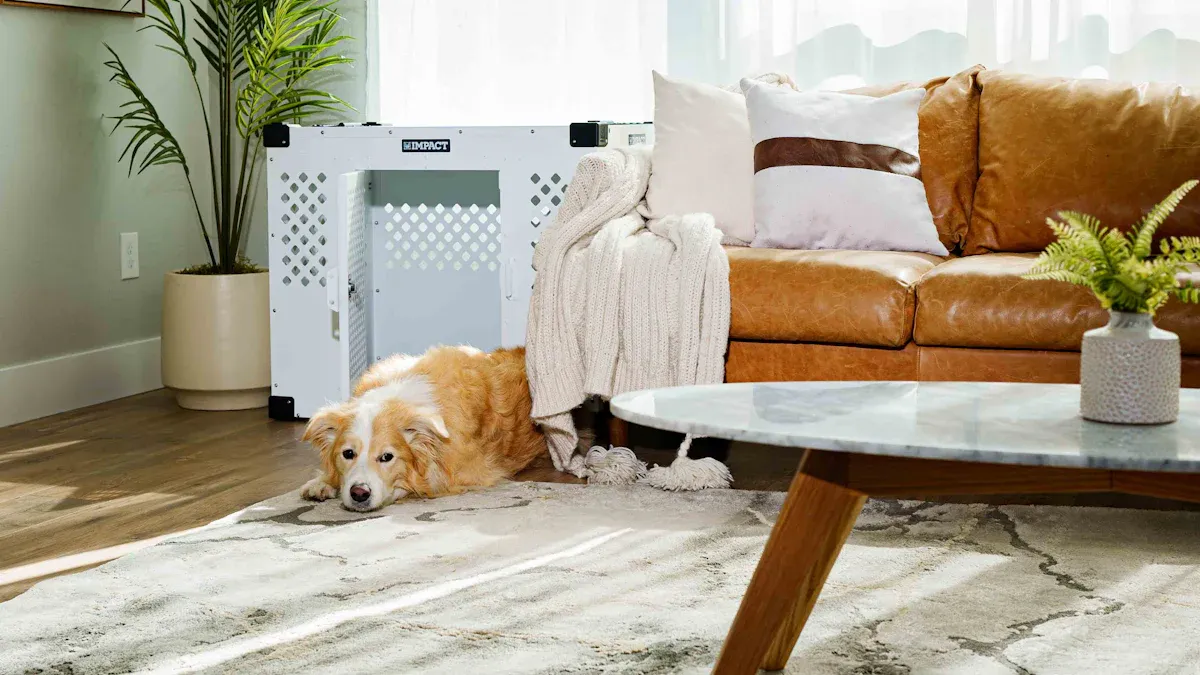
Durability stands as a defining characteristic of contract grade furniture. Designed for high-traffic environments, this furniture typically lasts between 10 to 20 years. In contrast, economy models often endure only 2 to 3 years. This significant difference highlights the value of investing in quality pieces for commercial settings.
The materials used in contract grade furniture contribute to its impressive lifespan. Manufacturers select high-grade materials such as solid hardwoods and durable fabrics. These choices ensure that the furniture can withstand daily wear and tear. For instance, contract grade furniture must pass rigorous testing, including double rub tests that measure fabric durability.
| Furniture Type | Minimum Double Rubs | Durability Level |
|---|---|---|
| Contract Grade | 15,000 | Suitable for commercial applications |
| Residential | 3,000 – 9,000 | Standard for home use |
This table illustrates the stark contrast in durability between contract grade and residential furniture. The higher minimum double rubs for contract grade furniture indicate its suitability for commercial applications, where resilience is essential.
In addition to material quality, the construction techniques employed in contract grade furniture enhance its durability. Reinforced joints and heavy-duty frames provide stability and strength. These features allow the furniture to maintain its integrity even in bustling environments like hotels and restaurants.
Overall, the durability of contract grade furniture makes it a wise investment for businesses. By choosing pieces designed to last, companies can reduce replacement costs and ensure a consistent aesthetic in their spaces.
Benefits of Investing in Contract Grade Furniture
Investing in contract grade furniture offers numerous advantages for businesses seeking to furnish their commercial spaces effectively. Here are some key benefits:
- Long-Term Cost Savings:
- Although the initial investment in contract grade furniture is higher, it often results in lower total costs over time. The durability of these pieces means they can last between 10 to 15 years, compared to just 2 to 3 years for residential furniture. This longevity reduces the frequency of replacements, leading to significant savings.
| Aspect | Contract Grade Furniture | Residential Grade Furniture |
|---|---|---|
| Initial Cost | Higher | Lower |
| Lifespan | 10-15 years | 2-3 years |
| Replacement Frequency | Lower | Higher |
| Total Cost Over 10 Years | Lower | Higher |
- Enhanced Safety:
- Contract grade furniture is engineered to meet strict safety regulations. This compliance minimizes liability for businesses and protects both customers and staff in high-traffic environments. Features such as flame resistance and structural stability ensure that the furniture can withstand heavy use without compromising safety.
| Safety Feature | Description |
|---|---|
| Flame Resistance | Ensures that the furniture does not easily catch fire, reducing fire hazards in commercial spaces. |
| Structural Stability | Designed to withstand heavy use without compromising safety, preventing accidents from collapses. |
| Health Standards | Materials used meet health regulations, ensuring a safe environment for customers and staff. |
-
Improved Employee Productivity:
- Ergonomic designs in contract grade furniture enhance comfort, which can lead to higher productivity and job satisfaction. By investing in quality seating and workstations, businesses can reduce workplace-related injuries, further supporting employee productivity.
-
Lower Maintenance Costs:
- Contract grade furniture is designed for easy maintenance and repair. With replaceable components and modular parts, businesses can keep their furniture in top condition without incurring high costs. The materials used are often resistant to harsh chemicals, making cleaning simpler and more effective.
-
Sustainability Initiatives:
- Many manufacturers of contract grade furniture focus on sustainable practices. Products often come with certifications such as Greenguard and BIFMA Level, which assess environmental impact and health standards. This commitment to sustainability aligns with modern business values and can enhance a company’s reputation.
Contract grade furniture plays a vital role in commercial settings. It offers durability and compliance with industry standards, ensuring safety and longevity. When evaluating options, businesses should consider several key factors:
- Frame construction: Solid wood versus engineered wood products.
- Joinery methods: Mechanical fasteners compared to glue-only joints.
- Hardware quality: Commercial-grade versus residential-grade components.
Investing in contract grade furniture not only enhances the aesthetic appeal of a space but also supports long-term business success. Companies that prioritize quality and sustainability can improve customer satisfaction and operational efficiency. Ultimately, choosing contract grade furniture represents a commitment to quality that pays off over time.
FAQ
What is the lifespan of contract grade furniture?
Contract grade furniture typically lasts between 10 to 20 years, depending on usage and maintenance. This durability makes it a cost-effective choice for commercial environments.
How do I identify contract grade furniture?
Look for labels or certifications from organizations like BIFMA. These indicate compliance with industry standards for durability and safety in commercial settings.
Can contract grade furniture be customized?
Yes, many manufacturers offer customization options for contract grade furniture. Businesses can select materials, colors, and designs that align with their branding and functional needs.
Is contract grade furniture more expensive than residential furniture?
Initially, contract grade furniture may have a higher price point. However, its longevity and durability often result in lower overall costs compared to frequently replacing residential furniture.
Where can I purchase contract grade furniture?
Businesses can find contract grade furniture through specialized commercial furniture suppliers, online retailers, and manufacturers that focus on high-quality, durable products for commercial use.

