
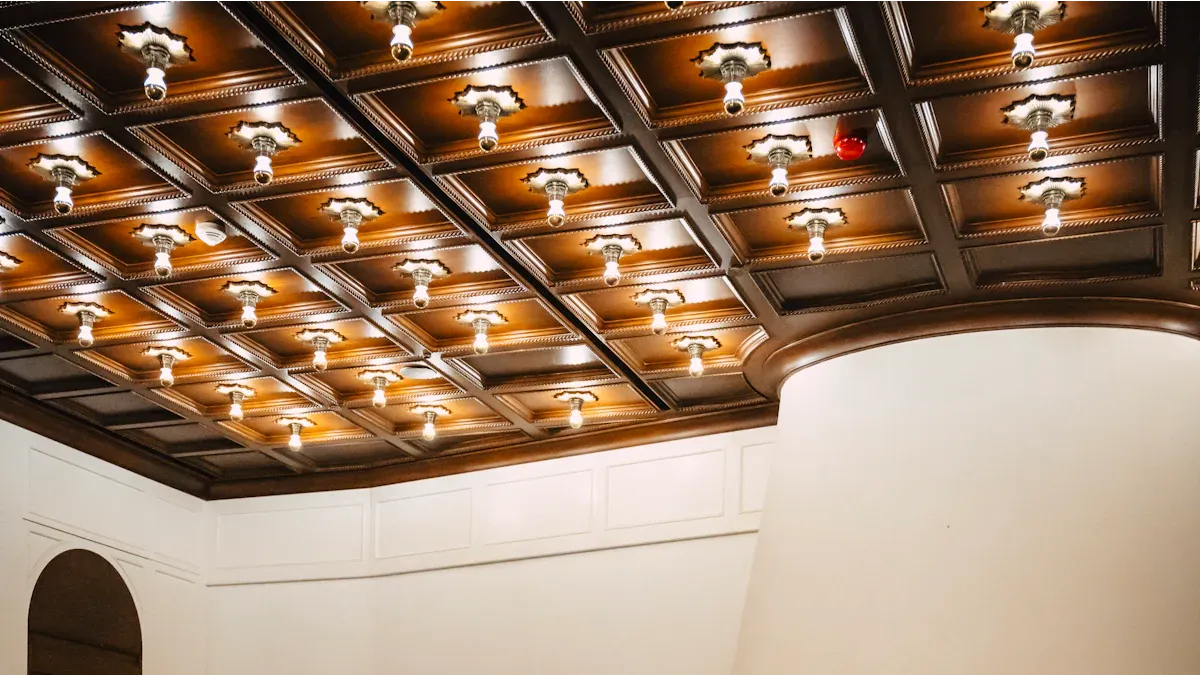
OEM hotel furniture offers unmatched customization, consistency, and cost-effectiveness. These benefits create a unique and memorable guest experience. Hotels using custom furniture achieve significantly higher guest satisfaction, with reported increases up to 27%. This approach strengthens brand identity and enhances brand recognition. A China Hotel Furniture OEM Manufacturer often provides One-Stop Hotel Furniture Solutions, including options like Minimalist Luxury Hotel Furniture, acting as a crucial Hotel Furniture Export Supplier.
Key Takeaways
- OEM hotel furniture helps hotels create a strong brand identity. It allows for custom designs that match the hotel’s unique style.
- Using OEM furniture makes a hotel’s look consistent across all its locations. This helps guests recognize and trust the brand.
- OEM furniture is often more durable and saves money over time. It lasts longer than regular furniture, so hotels do not replace it as often.
- Hotels can choose eco-friendly materials with OEM furniture. This helps the environment and shows guests the hotel cares about sustainability.
The Foundation of Brand Identity: Beyond Logos and Slogans
Defining Brand Identity in Hospitality
Brand identity in hospitality goes deeper than just a logo or a catchy slogan. It involves a hotel’s core mission, vision, and values. A strong brand tells a compelling story, creating an emotional connection with guests. Hotels conduct market research to understand their target audience and competitors. This research helps them define a unique selling proposition (USP) that sets them apart. Visual elements like logos, colors, and fonts evoke specific emotions. A consistent brand voice also resonates with the target audience. Ultimately, brand identity means integrating these elements into every guest interaction, from check-in to amenities and decor.
Physical Environment Shapes Perception
The physical environment of a hotel significantly influences how guests perceive its brand quality and luxury. Design, art concepts, and style are key aesthetic dimensions. These elements directly impact guest perceptions. Higher aesthetic value in hotels often comes from superior physical facilities and service levels. Guests feel more trust and confidence in such environments. Specific aesthetic characteristics, like modern furniture or unique design elements, distinguish a hotel. Interior color, for example, affects guests’ emotions and behaviors. The overall design creates an emotional arousal during a guest’s stay.
Why Generic Furniture Falls Short
Generic, off-the-shelf furniture cannot build a strong brand identity. It fails to inspire excitement or make guests feel special. Standardized pieces do not create an immersive guest experience. This makes it hard for a hotel to stand out. Generic furniture cannot showcase a hotel’s distinct personality. It does not allow for signature colors, patterns, or finishes that reinforce a brand. Such furniture also lacks personalized details that create memorable spaces. These spaces guests would exclusively associate with the hotel brand. Using generic furniture dilutes the unique story a hotel wants to tell. It signals a lack of commitment to quality and bespoke experiences. This hinders brand differentiation in a competitive market.
OEM Hotel Furniture: Architect of Brand Consistency
What is OEM Hotel Furniture?
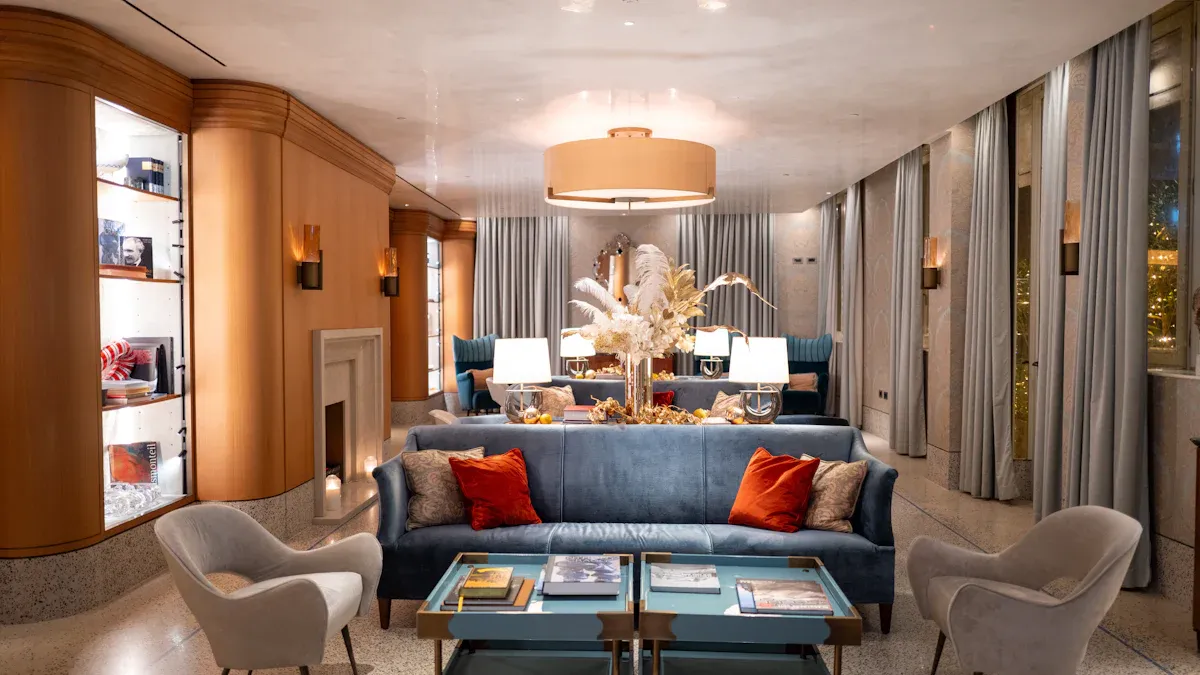
OEM stands for Original Equipment Manufacturer. It means a company makes products based on another company’s designs and specifications. For hotels, OEM hotel furniture means manufacturers produce custom pieces. These pieces perfectly match the hotel’s unique vision. Hotels provide their exact requirements. The OEM manufacturer then creates the furniture from scratch. This process ensures each item fits the hotel’s specific design needs. It is different from buying ready-made furniture. OEM allows for complete control over the final product.
Tailored Design for Brand Aesthetics
OEM hotel furniture offers unmatched flexibility in design. Hotels can select specific wood types. They can pick unique fabric patterns. They can even decide on custom dimensions. This level of detail ensures every piece of furniture reflects the hotel’s brand. It helps create a cohesive look throughout the property. A hotel can incorporate its signature colors into upholstery. It can add custom carvings to headboards. This tailoring helps tell the hotel’s unique story. It makes the physical space a direct extension of the brand identity. Guests experience a truly immersive environment. This environment reinforces the hotel’s distinct personality.
Material and Quality Control in OEM Hotel Furniture
OEM hotel furniture manufacturers implement rigorous quality control measures. They do this throughout the entire production process. This starts from the initial selection of materials. It goes all the way to the final inspection. This comprehensive approach ensures every piece of furniture meets high standards. It guarantees consistency and durability. Many manufacturers use ISO-certified production. They also use low-formaldehyde panels. They implement energy-efficient manufacturing systems. They adhere to sustainable supply chain controls. These practices ensure high quality and responsible production. This careful attention to materials and manufacturing processes results in long-lasting furniture. It also maintains the hotel’s brand image over time.
Scalability and Uniformity Across Locations
Hotel chains often operate many properties. Each property needs to reflect the same brand image. Maintaining consistent design and quality across all locations presents a significant challenge. OEM hotel furniture provides a powerful solution for this. It ensures every guest experiences the same brand standard, no matter which property they visit. This consistency builds trust and reinforces brand recognition.
OEM manufacturers offer full customization. They allow hotels to specify designs, materials, and exact specifications. This capability ensures every piece of furniture aligns with the brand’s core identity. For example, DERBAL provides OEM/ODM services. They allow complete customization of design, materials, and specifications. This ensures alignment with a brand’s ethos. They also implement rigorous quality control. A dedicated inspection team checks each product batch. This guarantees both appearance and functionality meet high standards. They even support client inspections during production. This ensures products meet expectations.
Furthermore, OEM manufacturers possess the capacity to handle large-scale projects. They can manage extensive custom hotel furniture needs for resorts, chains, and multi-property developments. Richart Furniture, for instance, has advanced production facilities and a skilled workforce. They consistently craft each piece. They adhere to stringent quality standards. This ensures uniform design and functionality across various areas. These areas include guestrooms and public spaces. They also support timely delivery, precise installation, and seamless integration of design elements. This capability is crucial for maintaining a unified look and feel.
Another example is Taisen Furniture. They fulfill large-scale orders for chain hotels. They ensure consistent design, quality, and fit across all properties. This means a hotel chain can order thousands of identical chairs or beds. Each item will match the brand’s exact specifications. This level of uniformity is impossible with off-the-shelf options. It guarantees a cohesive guest experience. This consistency strengthens the brand’s promise to its customers.
Case Study: International Hotel Chain’s OEM Hotel Furniture Success
Challenge: Inconsistent Guest Experience
A prominent international hotel chain faced a significant problem. Its numerous properties across different countries offered inconsistent guest experiences. Each hotel had unique furniture styles. Some properties used outdated designs. Others featured generic, mass-produced pieces. This lack of uniformity diluted the brand’s image. Guests did not always recognize the chain’s distinct identity. They often felt confused by the varying aesthetics. The chain struggled to deliver a cohesive brand promise. This inconsistency led to mixed guest reviews. It also hindered brand loyalty. The hotel chain needed a solution to unify its visual identity. It aimed to create a memorable and consistent experience for every guest.
The OEM Hotel Furniture Solution Implemented
The international hotel chain decided to adopt an OEM hotel furniture strategy. They partnered with a specialized OEM manufacturer. This manufacturer understood the hospitality industry’s unique demands. The hotel chain’s design team worked closely with the manufacturer. They developed a comprehensive design brief. This brief outlined specific aesthetic requirements. It included material preferences and durability standards.
The collaboration resulted in a signature furniture collection. This collection featured custom-designed beds, desks, chairs, and case goods. Each piece reflected the chain’s new brand guidelines. The manufacturer sourced high-quality, durable materials. They ensured every item met strict quality control standards. The OEM process allowed for precise replication. This meant every new hotel and renovated property received identical furniture. The manufacturer also managed the logistics. They delivered furniture to properties worldwide. This streamlined process ensured timely installations. It also maintained design integrity across all locations.
Measurable Impact on Brand Recognition
The implementation of OEM hotel furniture brought remarkable results. Guest satisfaction scores significantly improved. Guests consistently praised the cohesive and sophisticated design. They appreciated the comfort and quality of the furnishings. The hotel chain observed a noticeable increase in positive online reviews. Many reviews specifically mentioned the elegant and consistent room decor.
Brand recognition also soared. The distinct furniture style became synonymous with the hotel chain. Guests easily identified the brand’s properties. They recognized the unique aesthetic elements. This consistency fostered a stronger emotional connection with the brand. Repeat bookings increased. Customer loyalty programs saw higher engagement. The unified visual identity helped the chain stand out in a competitive market. The OEM hotel furniture strategy transformed the chain’s image. It solidified its position as a leader in luxury hospitality.
Visualizing Brand Transformation
Before the change, the international hotel chain’s properties often presented a disjointed visual experience. One hotel lobby might feature outdated, mismatched sofas. Another property’s guest rooms contained generic, mass-produced desks. Guests saw no clear connection between locations. The overall aesthetic lacked a unified theme. This inconsistency made it difficult for the brand to convey a strong, singular identity. The visual environment did not reinforce the brand’s promise of luxury and quality.
After implementing the OEM hotel furniture solution, a dramatic transformation occurred. Every property now showcased a cohesive design. Custom-designed headboards, featuring the brand’s subtle emblem, adorned each bed. Elegant, bespoke lounge chairs invited guests to relax in the lobbies. The color palettes, fabric textures, and wood finishes consistently reflected the brand’s sophisticated image. Each piece of OEM hotel furniture contributed to a unified narrative. Online photo galleries and social media posts from guests clearly illustrated this visual upgrade. The transformation was not merely cosmetic; it created an immersive brand experience. Guests instantly recognized the chain’s signature style, whether they stayed in Paris or Tokyo. This visual consistency solidified the brand’s identity and elevated its perceived value.
Operational and Financial Advantages of OEM Hotel Furniture
Cost-Effectiveness and Long-Term Savings
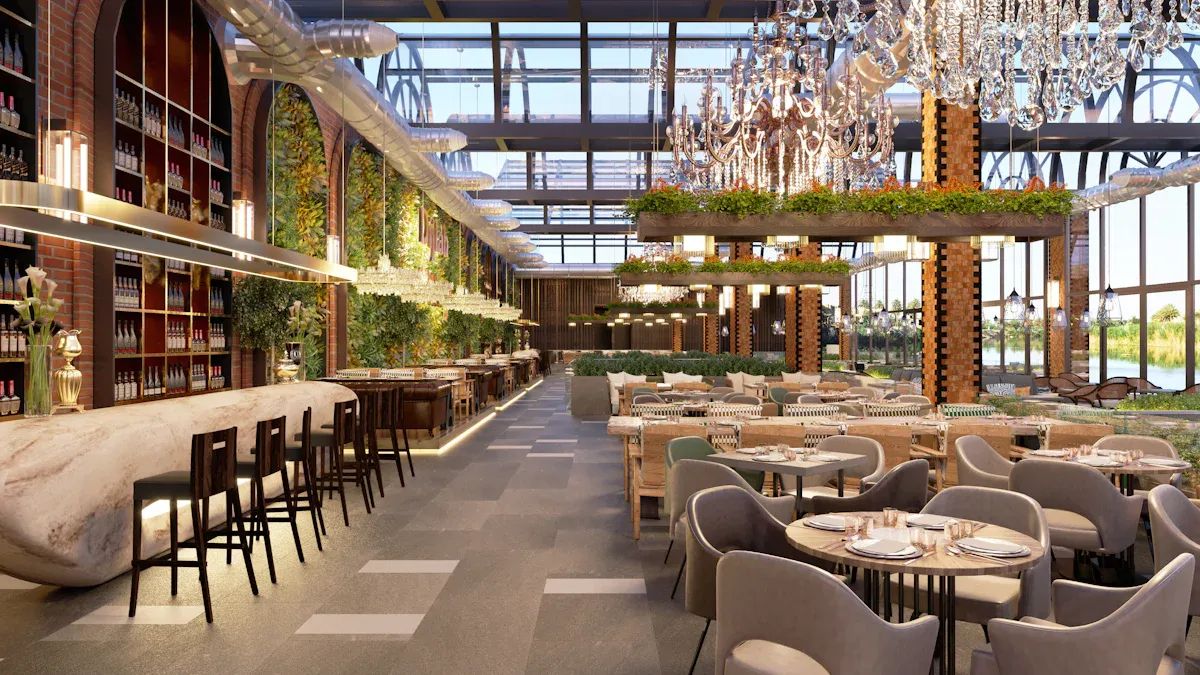
Investing in OEM hotel furniture offers significant long-term cost savings. It eliminates middlemen, which can reduce prices by 20-40% compared to retail equivalents. This direct approach avoids markups from distributors and retailers. It also bypasses showroom overheads and hidden fees. Furthermore, direct purchasing ensures superior quality assurance. Buyers gain detailed insights into materials and craftsmanship. This transparency guarantees furniture meets specific durability standards. It provides higher quality materials and construction for the same price point as mass-market retail furniture. Well-built furniture, characteristic of OEM options, can last twice as long as cheaper alternatives. This extended lifespan significantly reduces refurbishment budgets and replacement frequency. This leads to substantial long-term savings.
Durability and Reduced Maintenance
High-quality hotel furniture, often synonymous with OEM furniture, uses robust materials and sturdy designs. This allows it to endure extensive use and frequent cleaning. While the initial investment might be higher, its extended lifespan reduces the need for frequent replacements. This proves more economical over time. Conversely, low-quality furniture increases maintenance costs due to rapid wear and tear. This includes peeling paint, loose components, and warping. It necessitates frequent repairs or replacements. Investing in more expensive surface materials or incorporating metal elements can significantly extend furniture lifespan by several years. Opting for durable materials like laminate, a cost-effective yet robust option, can prevent frequent replacements. Designing furniture to last from the outset is more cost-effective than repeatedly replacing items every few years.
Supply Chain Efficiency for Global Operations
OEM manufacturing streamlines the supply chain for hotel furniture, especially for global operations. Sourcing directly from OEM manufacturers offers cost savings and enhanced customization options. It also provides intellectual property protection and improved quality control. These factors collectively streamline the supply chain by reducing intermediaries. They ensure product accuracy and minimize quality issues. For global operations, procurement agencies bridge cultural, language, and logistical gaps. They manage compliance and provide on-the-ground oversight. This is essential for international or complex projects. By handling these complexities, they effectively streamline the supply chain for hotel furniture. This allows hotels to focus on their core business. OEM factories have the capacity to produce large volumes, such as furniture for a 500-room hotel. This scalability ensures large projects can be furnished efficiently without delays. This simplifies procurement for extensive global operations.
Sustainability Through OEM Hotel Furniture Customization
OEM hotel furniture offers a unique opportunity for hotels to embrace sustainability. Hotels can specify eco-friendly materials and production methods. This commitment reduces environmental impact. It also promotes healthier indoor environments for guests and staff. OEM manufacturers integrate various sustainable practices into their production processes.
They offer a range of environmentally friendly materials:
| Sustainable Practice (Material) | Advantages (Environmental Benefits) | Disadvantages |
|---|---|---|
| Bamboo | Highly renewable (short growth cycle), dense fiber structure, high strength, natural moisture resistance. | Requires high processing standards, prone to cracking/insect damage if improperly handled, needs additional protective treatment in high humidity/temperature fluctuations. |
| Engineered Wood (Eco-Friendly Type) | Stable structure, suitable for mass production, low formaldehyde emissions (E0, CARB P2 certified) meeting healthy building requirements. | Potential adhesive pollution risks with low-quality types, needs enhanced surface wear/impact resistance. |
| Recycled Plastic | Utilizes discarded plastic, reduces carbon emissions from virgin plastic production, water-resistant, corrosion-resistant, mold-resistant. | Relatively low mechanical strength, unsuitable for load-bearing structures, appearance/texture may differ from high-end hotel interiors. |
Beyond material choices, OEM production integrates other eco-friendly practices:
- Comprehensive Considerations for Fire Resistance, Moisture Resistance, and Health Safety:
- Fire Resistance: Furniture meets flame-retardant levels (e.g., UK’s BS 7176, US’s CAL 117) for safety, especially in public areas.
- Moisture Resistance: High-quality eco-friendly boards pair with moisture-proof edge sealing and multi-layer coating processes. This extends service life and prevents deformation or mold.
- Health Safety: Manufacturers focus on low formaldehyde and low VOC (volatile organic compounds) emissions. This reduces indoor air pollution and protects guest and staff health.
- Process Optimization: Manufacturers use water-based paints instead of traditional solvent-based paints. This reduces VOC emissions. They also add moisture-proof treatment in board edge sealing. This enhances durability and stability.
- Design Integration: They combine eco-friendly materials with hotel aesthetics. This ensures furniture meets green targets. It also maintains comfort and a premium texture.
These sustainable choices in OEM hotel furniture help hotels reduce their carbon footprint. They also contribute to a healthier planet. This commitment resonates with environmentally conscious travelers. It enhances the hotel’s brand image as a responsible and forward-thinking establishment.
Unlocking the ‘Hidden Gem’: Strategic OEM Hotel Furniture Implementation
Identifying Brand-Specific Furniture Needs
Hotels must first understand their unique furniture requirements. This ensures every piece supports the brand’s identity and guest experience. Consider accessibility. Adhering to ADA regulations is vital. This means ensuring clear passage for mobility devices and appropriate bed heights. Hotels also need to select durable materials. High-traffic areas require robust options, even if they cost more initially. These choices lead to long-term savings. Technology integration is also crucial. Guests expect smart features like charging pads and keyless entry. Furniture should accommodate these needs. Meeting Architectural Woodwork Institute (AWI) standards ensures quality production. Hotels often aim for Custom grade for high-quality pieces.
Prioritizing ergonomic design enhances guest comfort. This includes comfortable seating heights and ample legroom. High-quality materials like kiln-dried hardwood ensure longevity. Customization options allow hotels to reflect their unique identity. This includes custom sizes or personalized features like logos. Space optimization is also key, especially in guest rooms. Multifunctional furniture with built-in storage helps keep spaces clutter-free. All furniture choices must align with the hotel’s brand image. This ensures consistency in style, color, and materials. Furniture style defines zones and reinforces brand personality. Durability ensures furniture lasts 7-10 years. Comfort remains a top priority for guests. Functionality means furniture supports guest activities in all areas.
Partnering with the Right OEM Hotel Furniture Manufacturer
Selecting the correct OEM hotel furniture manufacturer is a critical step. Hotels need a partner who can deliver quality and meet specific needs. The manufacturer must offer high-quality, durable products. These items must withstand heavy use and frequent cleaning. Customization capabilities are essential. The manufacturer should create unique designs that off-the-shelf items cannot provide. A commitment to sustainability is also important. Look for manufacturers with certifications and transparent practices. Discuss budget early with suppliers to prevent overruns. Investing in higher-quality furniture initially reduces long-term costs. Finally, investigate the manufacturer’s reliability and reputation. Check client testimonials and case studies. This ensures they deliver on time and handle complex projects well.
Integrating OEM Hotel Furniture into Brand Strategy
Integrating OEM hotel furniture into the overall brand strategy creates a cohesive guest experience. Each custom piece reinforces the hotel’s unique story. This strategic approach ensures every physical element aligns with the brand’s values. It transforms spaces into extensions of the brand identity. This consistency builds guest loyalty and strengthens market position.
Future-Proofing Brand Identity with OEM Solutions
Hotels must constantly adapt to changing guest expectations and emerging trends. OEM solutions offer a powerful way to future-proof a brand’s identity. They provide the flexibility needed to evolve without losing core brand elements. This adaptability ensures a hotel remains relevant and appealing to its target audience over time.
OEM manufacturers allow hotels to update designs and materials easily. For example, a hotel can incorporate new smart technology features into its furniture. This includes integrated charging ports or smart lighting controls. They can also switch to more sustainable materials as eco-consciousness grows among travelers. This proactive approach keeps the brand modern and responsive. It avoids the need for complete overhauls every few years.
Furthermore, OEM solutions support brand consistency across all properties. As a hotel chain expands or renovates, it can order new furniture that perfectly matches existing brand standards. This ensures a seamless guest experience, regardless of location or age of the property. This scalability is crucial for maintaining a strong, unified brand image. It also allows for quick responses to market demands.
OEM hotel furniture also helps hotels stay ahead of design trends. Manufacturers can work with hotels to develop new furniture lines. These lines reflect current aesthetics while still embodying the brand’s unique style. This continuous innovation keeps the brand fresh and exciting. It prevents the brand from becoming outdated. Ultimately, OEM solutions provide a strategic advantage. They allow hotels to maintain a distinct and memorable identity in a dynamic market.
OEM hotel furniture offers a strategic advantage for brand identity. It provides customization, consistency, and operational benefits. These advantages elevate brand recognition and increase guest loyalty. Hotels create distinct and memorable identities in competitive markets by embracing OEM solutions. This approach ensures a unique and lasting impression on every guest.
Embracing OEM is crucial for distinct and memorable identities in competitive markets.
FAQ
What does OEM mean for hotel furniture?
OEM stands for Original Equipment Manufacturer. It means a company produces furniture based on a hotel’s exact designs and specifications. This process ensures each piece perfectly matches the hotel’s unique vision.
How does OEM furniture help a hotel’s brand identity?
OEM furniture allows hotels to create custom designs. This ensures consistent aesthetics across all properties. It reinforces the hotel’s unique identity. Guests recognize the brand through its distinct physical environment.
Is OEM hotel furniture more expensive than off-the-shelf options?
Initially, OEM furniture might seem more expensive. However, it offers long-term savings. Its durability reduces replacement costs. Direct purchasing also eliminates middlemen markups, making it cost-effective over time.
Can hotels use OEM furniture to be more sustainable?
Yes, hotels can specify eco-friendly materials for OEM furniture. Manufacturers can use:
- Bamboo
- Recycled plastics
- Low-VOC finishes
This reduces environmental impact and aligns with sustainable brand values.


