

Hospitality-grade Hotel Furniture is specifically engineered. It handles continuous, high-traffic use and ensures guest comfort. Commercial-grade Hotel Furniture, though durable, serves broader business environments with varying usage patterns. This fundamental distinction impacts every aspect of their specifications. A reliable Hotel Furniture Supplier understands these demands. Ningbo Taisen Furniture, for example, excels in Custom Hotel Furniture. Understanding these grades helps in Calculating ROI on durable hotel furniture. The Global Furniture Supply Chain also influences material choices and availability for both types.
Key Takeaways
- Hospitality-grade furniture is for hotels. It is very strong and comfortable for many guests.
- Commercial-grade furniture is for many businesses. It is strong but not always as fancy or tough as hotel furniture.
- Hotel furniture must be safe. It needs to pass fire tests and other strong checks.
- Good hotel furniture lasts a long time. It saves money because it does not need fixing or replacing often.
- Choosing the right furniture makes guests happy. It also helps the hotel save money and look good.
Defining Hotel Furniture Grades: Beyond Just Durability
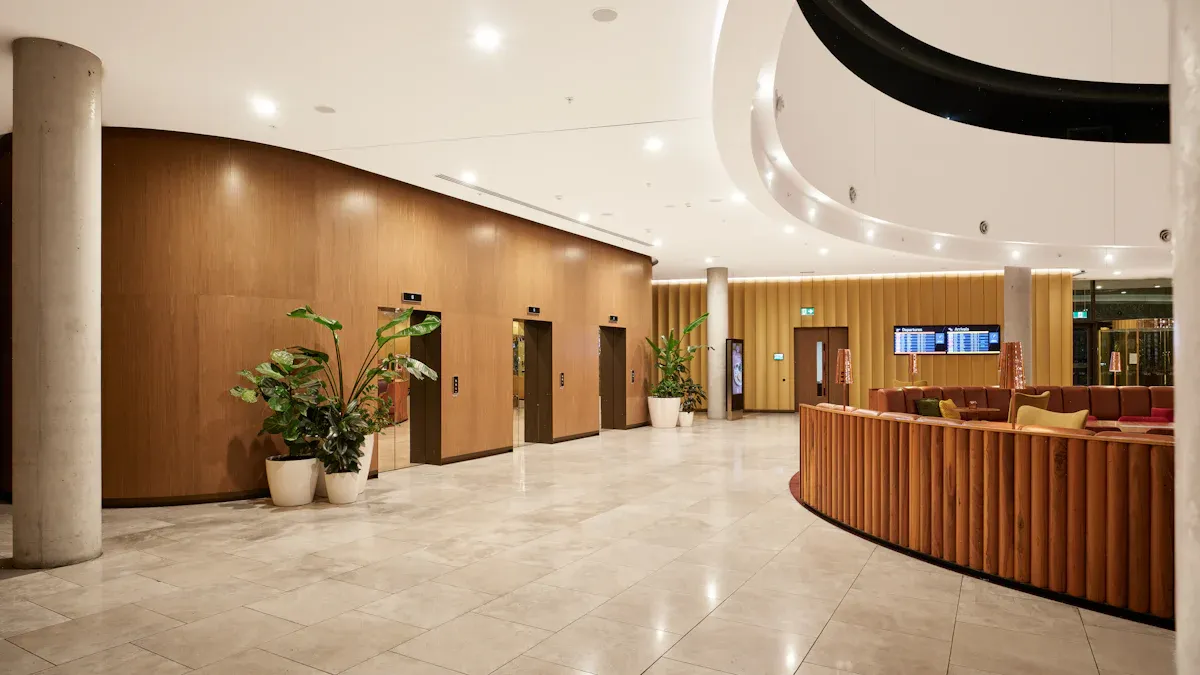
When you look at furniture, you might just see a chair or a table. But for hotels and businesses, there’s a big difference in how that furniture is made. It’s not just about how tough it looks. It’s about its purpose and how it handles daily life.
Hospitality-Grade Hotel Furniture: Engineered for Relentless Use and Guest Experience
Hospitality-grade furniture is like a superhero of durability. Manufacturers design it for constant use, day in and day out, by many different people. Think about a busy hotel lobby or a guest room that sees new visitors every night. This furniture needs to stand up to a lot. It also needs to make guests feel comfortable and special.
For example, you often find materials like engineered wood, certain composites, and sleek laminate in its construction. For seating, luxury hotels might choose leather or velvet upholstery for lobby areas. Dining spaces often use durable fabrics or laminates because they are practical. This furniture often features reinforced frames, stain-resistant fabrics, and durable finishes. While built to a higher standard than regular retail furniture, it may not always carry specific ANSI/BIFMA ratings.
Commercial-Grade Hotel Furniture: Versatility for Diverse Business Environments
Commercial-grade furniture, on the other hand, offers great versatility. Businesses use it in many different settings, not just hotels. This type of furniture undergoes stringent ANSI/BIFMA certification testing. This ensures its quality and durability meet industry standards.
You can find commercial-grade furniture in many places. Offices use it for desks and chairs, focusing on comfort and productivity. Healthcare facilities, like hospitals and clinics, choose furniture that is easy to clean and very durable for patients and staff. Schools and universities also use it for desks and chairs, built to last in busy academic settings. Restaurants and cafes need strong, lightweight chairs and tables with tough surfaces. Even waiting rooms in medical facilities use non-porous materials like vinyl upholstery to prevent germ collection. This furniture focuses on being tough and functional for its specific business environment.
Key Specification Differences in Hotel Furniture for 2025
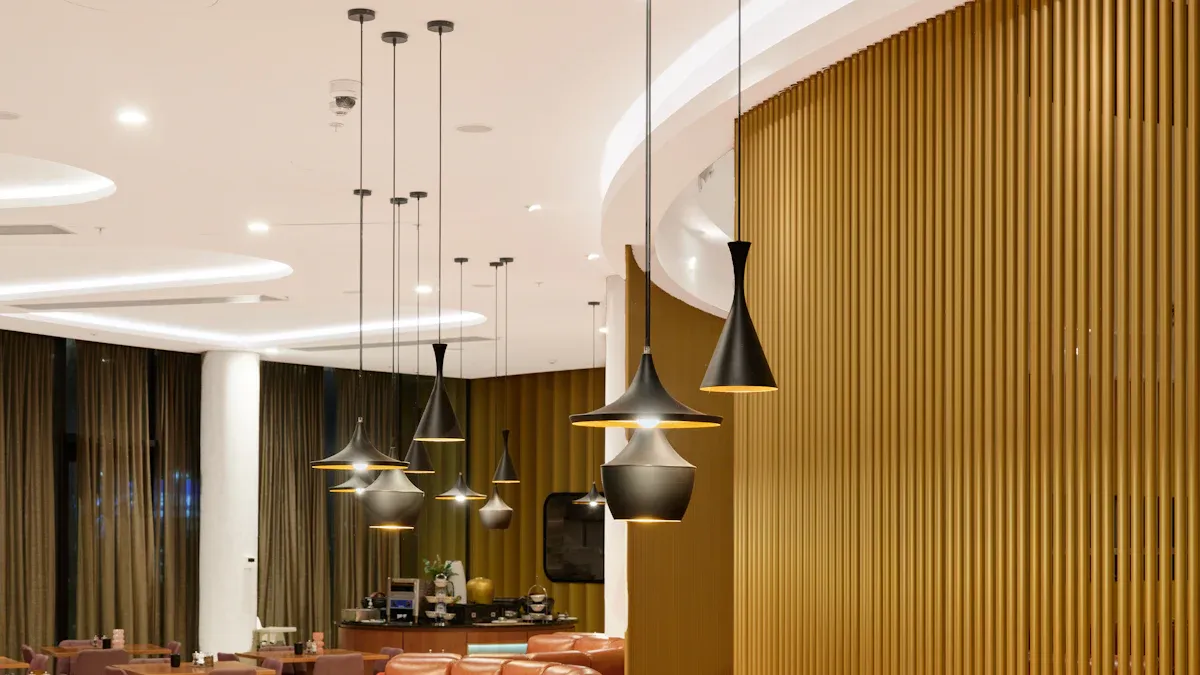
When you choose furniture for a hotel or business, the details really matter. It is not just about how something looks. It is about how it performs, how long it lasts, and how safe it is. Let us look at the specific differences in how manufacturers build hospitality-grade and commercial-grade furniture.
Construction and Materials: Built to Last vs. Built for Purpose
Hospitality-grade furniture is truly built to last. Manufacturers design it for constant use and heavy wear. They use premium materials and construction methods. For example, you often find solid woods like maple, cherry, oak, pecan, and walnut throughout the construction. They use strong joinery methods, like mortise and tenon, often reinforced with dowels at critical stress points. Drawers feature hand-fitted dovetails for extra strength. Instead of simple screws, multiple dowel joints secure pieces. Metal corner brackets and cross-bracing prevent frames from twisting. Kiln-dried hardwood frames ensure stability, with moisture content below 8%.
For upholstered items, you see eight-way hand-tied spring systems or spring suspension systems. These systems can handle over 100,000 cycles. Drawer slides are commercial-grade, rated for 50,000 to 100,000 cycles. Hardware, like solid brass, meets commercial application standards. Finishes are also top-notch. Impact-resistant and catalyzed finishes provide superior durability with multiple protective coats, sometimes eight or more layers. Solid wood tops can be refinished, and edge treatments resist chipping and denting. Reinforced joints throughout case goods and reinforced cabinet backs prevent distortion. Solid wood shelving prevents sagging under heavy loads. Metal parts use at least 18-gauge steel.
Manufacturers also apply special treatments and finishes to hospitality-grade furniture. UV-cured coatings create strong bonds, blocking moisture and preventing surface cracking. Powder coating on metal surfaces forms a seamless, protective layer, offering superior abrasion resistance and UV stability. Laminate and veneer finishes create dense, non-porous surfaces, resisting scratches, heat, and moisture. High-pressure laminate (HPL) uses multiple layers for extreme durability. Performance fabrics and vinyls resist abrasion, stains, and UV exposure, often exceeding 100,000 Wyzenbeek double rubs. Polyurethane and lacquer finishes protect wood, forming tough, impact-resistant films. Nano-ceramic topcoat laminates enhance scratch and chemical protection on tabletops. Antimicrobial surface shields keep lounges sanitary. Nanotechnology-enhanced topcoats create self-healing scratch barriers, and fluoropolymer treatments improve stain repellence on upholstery.
Commercial-grade furniture also offers durability, but its construction focuses on versatility for diverse business environments. It meets specific needs for offices, schools, or healthcare facilities. While robust, it might not always feature the same extreme reinforcements or premium wood species as hospitality-grade items. Its purpose is to provide reliable function in its intended setting.
Design and Aesthetics: Guest Appeal vs. Functional Versatility in Hotel Furniture
Design in hospitality-grade furniture aims to create an unforgettable guest experience. It prioritizes guest appeal and comfort. Hotels want to tell a unique story, moving away from generic looks. They often choose elegant curves and sophisticated forms over stark, angular designs. This creates an ambiance of luxury and comfort. Many hotels appreciate authenticity and local craftsmanship, sourcing pieces from local artisans. This creates unique, culturally rich environments.
Comfort is paramount. You see plush, oversized seating, like larger chairs and sofas, to enhance guest relaxation. Smart furniture is now an expectation. It includes built-in charging ports, touch controls, and customizable settings. Biophilic designs, using natural materials like wood, stone, leather, and wool, connect indoor spaces with nature. This promotes well-being and tranquility. The goal is luxurious comfort combined with durability. This means plush, tailored furniture that looks and feels good. Think custom banquettes with extra-thick foam, ergonomic designs, and high-end, wear-resistant fabrics like performance velvet or leather. This maintains an upscale aesthetic. Comfort-driven design creates a “home-away-from-home” feel, with inviting furniture encouraging longer stays.
Commercial-grade furniture, however, emphasizes functional versatility. Its design often focuses on practicality, modularity, and ease of maintenance. It needs to fit various office layouts, classroom configurations, or clinic waiting areas. While still aesthetically pleasing, its primary goal is to serve its specific business function efficiently.
Safety and Compliance: Stringent Hotel Furniture Standards
Safety and compliance are non-negotiable for both types of furniture, but hospitality-grade items face particularly stringent standards. These standards protect guests and reduce liability for hotels.
Fire safety is a major concern. California TB 117-2013 (Cal 117) is a widely recognized standard. It tests upholstered seating for resistance to a cigarette ignition source. The fabric must not smolder for more than 45 minutes, have a char length under 45mm, and not ignite. Many U.S. states and Canada follow this. NFPA 260 / UFAC is similar, testing resistance to a smoldering cigarette with lower-density foam. CAL 133 (California Bulletin 133) is even stricter. It regulates furniture in “public spaces” and requires testing the entire piece of furniture, not just components. Other important standards include ASTM E1822 for fire testing of stacked chairs, NFPA 261 for resistance to smoldering cigarettes in mock-up assemblies, and Boston BFD IX-11 for mattresses in dormitories and hotels.
Beyond fire safety, durability certifications are crucial. BIFMA (Business and Institutional Furniture Manufacturers Association) standards are common. They include torture tests for office chairs, like 200,000 backrest and armrest cycles, and 100,000 caster cycles. They also verify weight capacity, often exceeding 300 pounds. Other certifications include ASTM standards, American National Standards Institute (ANSI) benchmarks, and international standards, especially for fire safety. These rigorous tests ensure the furniture can withstand heavy use and remain safe for guests.
Maintenance and Longevity: Ease of Care and Extended Lifespan for Hotel Furniture
Hotels invest a lot in their furnishings. So, making sure that furniture lasts a long time and stays looking good is super important. This is where the design for maintenance and longevity really shines for hospitality-grade items. Manufacturers build these pieces to handle constant use and still look great, which helps hotels save money in the long run.
Hospitality-grade furniture comes designed for easy maintenance. It uses materials and finishes that can stand up to commercial cleaning products and methods. This helps cut down on maintenance time and costs. It also keeps the furniture looking consistent and fresh. Many pieces even have parts you can replace. This means you can fix specific issues without needing to buy a whole new item, which really extends the furniture’s life.
A structured maintenance plan is key for hospitality-grade furniture. This plan often includes checking seams, corners, and high-wear areas every three months. These checks help catch upholstery problems early. You also want to look at frame attachment points, the webbing and springs underneath, button tufting, decorative parts, and edge piping. Keeping records for each chair helps you see wear patterns over time. When structural issues come up, investing in expert reupholstery services ensures professional repairs.
Consider a professional treatment schedule, too. This schedule depends on how much traffic the furniture sees and what kind of upholstery it has. For example:
| Treatment Type | Frequency | Purpose |
|---|---|---|
| Deep Steam Clean | Quarterly | Removes embedded dirt, sanitizes fabric |
| Protective Coating | Semi-annually | Repels stains, extends fabric life |
| Seam Repair | As needed | Prevents splitting, maintains structure |
Between professional cleanings, you can do a lot yourself. Weekly vacuuming with upholstery attachments helps a lot. You should also rotate and flip removable cushions. This spreads out the wear evenly. Using washable arm covers on high-contact areas protects them. Also, try to limit direct sunlight exposure to prevent colors from fading. When spills happen, blot them right away with clean, white cloths. Do not rub, because rubbing pushes spills deeper into the fabric.
Professional upholstery cleaners, like those certified by IICRC, bring special knowledge and equipment. They know how to identify different fabrics. They use commercial-grade tools for controlled cleaning and powerful extraction. Their advanced cleaning agents target dirt without harming fibers. They also manage moisture carefully to prevent over-wetting.
Manufacturers of hospitality-grade Hotel Furniture also provide great support. They offer clear instructions on what cleaning agents and disinfectants to use. They also tell you what tools are safe to prevent damage. They give recommendations for scheduled tasks like tightening fasteners or applying sealants. This helps extend the furniture’s lifespan. Plus, they offer quick customer support for replacement parts and repairs. This reduces downtime. Many even have online portals with video tutorials and FAQs to help facility managers and cleaning staff with proper care.
Commercial-grade furniture also focuses on durability and ease of maintenance. It uses quality materials that resist damage. This reduces the need for frequent repairs compared to regular home furniture. For example, commercial outdoor furniture, often used in hospitality, is built to handle heavy use, changing weather, and outdoor elements. Its UV-resistant, weatherproof, and durable materials ensure a longer life. This means fewer replacements and lower long-term repair costs. This ease of maintenance is crucial for busy places with lots of people.
The Impact on Hotels: Why Hotel Furniture Distinction Matters
Choosing the right furniture goes far beyond simple aesthetics for a hotel. It directly affects guest satisfaction, financial health, and daily operations. Understanding the differences between furniture grades helps hotels make smart decisions.
Guest Experience and Brand Reputation with Hotel Furniture
Furniture choices directly shape a hotel’s brand image. Luxury furniture reinforces a premium image. It adds exclusivity and sophistication. This contributes to a premium brand image. Design acts as a language. It communicates sophistication, exclusivity, and attention to detail. Hotels do this through curated interiors, premium materials, and iconic elements. Every element, from material choice to decor, is carefully selected. This reinforces the brand’s image. It also offers unparalleled comfort and sophistication. Key elements include signature design features. These might be custom furniture and statement art pieces. Hotels also use premium materials. Examples include marble, crystal, velvet, and gold accents. These materials exude opulence. The overall ambiance affects guest satisfaction. It also influences their perception of service quality.
Return on Investment (ROI) and Total Cost of Ownership (TCO) of Hotel Furniture
Hotels must consider the financial impact of their furniture choices. Maintenance and replacement costs are big parts of the total cost of ownership (TCO) for furniture. Lower-grade furniture often has higher maintenance and replacement costs. This happens because it wears out faster. It needs more frequent replacements. Any initial savings from a lower purchase price often disappear. Higher-grade, contract-grade furniture costs more at first. However, it generally has lower maintenance and replacement costs over its lifespan. This is due to its durability, quality construction, and longer expected life. This results in a lower cost per year. It also reduces the need for frequent replacements. Ultimately, this leads to a lower overall TCO.
| Furniture Grade | Initial Cost | Maintenance & Replacement Costs | Lifespan | Impact on TCO |
|---|---|---|---|---|
| Lower-grade | Lower | Higher (more frequent) | Shorter | Higher |
| Higher-grade | Higher | Lower (less frequent) | Longer | Lower |
Operational Efficiency and Staff Workflow with Appropriate Hotel Furniture
Furniture design directly boosts housekeeping efficiency. It also speeds up room turnover. Materials and features that allow for quick cleaning and maintenance are key. This is especially true in high-traffic environments. Durable, stain-resistant upholstery helps. Seating with anti-microbial fabrics and smooth, sealed seams allows for quick wipe-downs. This maintains hygiene without lengthy downtime. Low-maintenance materials are also important. Surfaces and finishes that are robust and easy to disinfect reduce cleaning and repair time. Examples include powder-coated metal frames and high-density, anti-microbial vinyl upholstery. Thoughtful construction details also help. Sealed seams prevent fluid ingress. Screw-in glides avoid breakdown under harsh cleaning protocols. This ensures furniture withstands frequent cleaning. It also reduces downtime.
Furniture design significantly impacts housekeeping efficiency. It also affects room turnover times. It incorporates features that streamline cleaning processes. It also reduces obstacles. Key design elements include:
- Minimalist Room Layouts: These reduce clutter. They speed up tasks like vacuuming and dusting. They also lower accident risks.
- Durable, Easy-to-Clean Surfaces: Materials like quartz countertops and laminate furniture resist stains and scratches. This makes them quicker to clean. It also extends their lifespan.
- Mattress & Bed Base Design: Platform beds without skirts eliminate time-consuming tucking. Beds on wheels make repositioning easier for deep cleans.
- Strategic Storage Solutions: Accessible, dust-proof compartments for linens and luggage racks speed up retrieval and cleaning.
- Housekeeping-Friendly Bathrooms: Wall-mounted vanities, raised toilets, and frameless showers are easier to clean. This reduces bending and improves productivity.
Ergonomic considerations in hospitality-grade furniture also improve staff workflow. They reduce injury risks. Prolonged standing, improper seating, and repetitive movements can lead to injuries. This is especially true for reception and administrative staff. Implementing ergonomic furniture helps reduce these risks. Regular breaks and staff training on proper posture also help. Ergonomic chairs offer adjustable seat height and depth. They also provide lumbar support. They use breathable materials and durable frames. They allow for tilt, recline, and armrest adjustments. Height-adjustable desks are essential for sit-stand flexibility. They have features like electric or manual height adjustment. They also offer high weight capacity and spacious surfaces. Ergonomic desk accessories include adjustable keyboard trays and ergonomic mice. Monitor arms for eye-level screen positioning and footrests for improved circulation also help. Anti-fatigue mats benefit standing workstations. They alleviate pressure on feet and joints. They reduce discomfort and increase blood flow. Breakroom furniture should include ergonomic lounge chairs and adjustable-height café tables. These should have durable, stain-resistant upholstery. This encourages rest and rejuvenation. Materials and construction prioritize heavy-gauge steel frames. They also use high-density foams. Industrial-grade breathable and antimicrobial fabrics and durable casters are important for heavy-use environments.
Choosing hotel furniture is more than just picking a price. Hotels must match specifications to their unique environment. They also consider guest expectations and long-term goals.
Hospitality-grade furniture is a smart investment. It ensures durability, guest satisfaction, and strong brand integrity.
Ningbo Taisen Furniture understands these needs. They provide custom hotel furniture built for lasting quality.
FAQ
What is the main difference between hospitality-grade and commercial-grade furniture?
Hospitality-grade furniture handles constant, heavy use. It focuses on guest comfort and experience. Commercial-grade furniture suits various business settings. It prioritizes durability for its specific purpose.
Why do hotels specifically need hospitality-grade furniture?
Hotels need hospitality-grade furniture for its extreme durability. It withstands continuous guest traffic. It also enhances the guest experience. This furniture helps maintain a hotel’s brand reputation.
Can a hotel use commercial-grade furniture instead of hospitality-grade?
Hotels can use commercial-grade furniture in some areas. However, it may not offer the same level of comfort. It also might not withstand the same heavy use as hospitality-grade items. This could lead to faster wear.
What are some key features of hospitality-grade furniture construction?
It features solid wood, reinforced joints, and high-performance fabrics. Manufacturers use strong joinery methods. They also apply durable, multi-layer finishes. These features ensure long-lasting quality.
How does choosing the right furniture impact a hotel’s finances?
Choosing hospitality-grade furniture reduces long-term costs. It lasts longer and needs fewer repairs. This lowers the total cost of ownership. It also improves guest satisfaction, which boosts revenue.


