
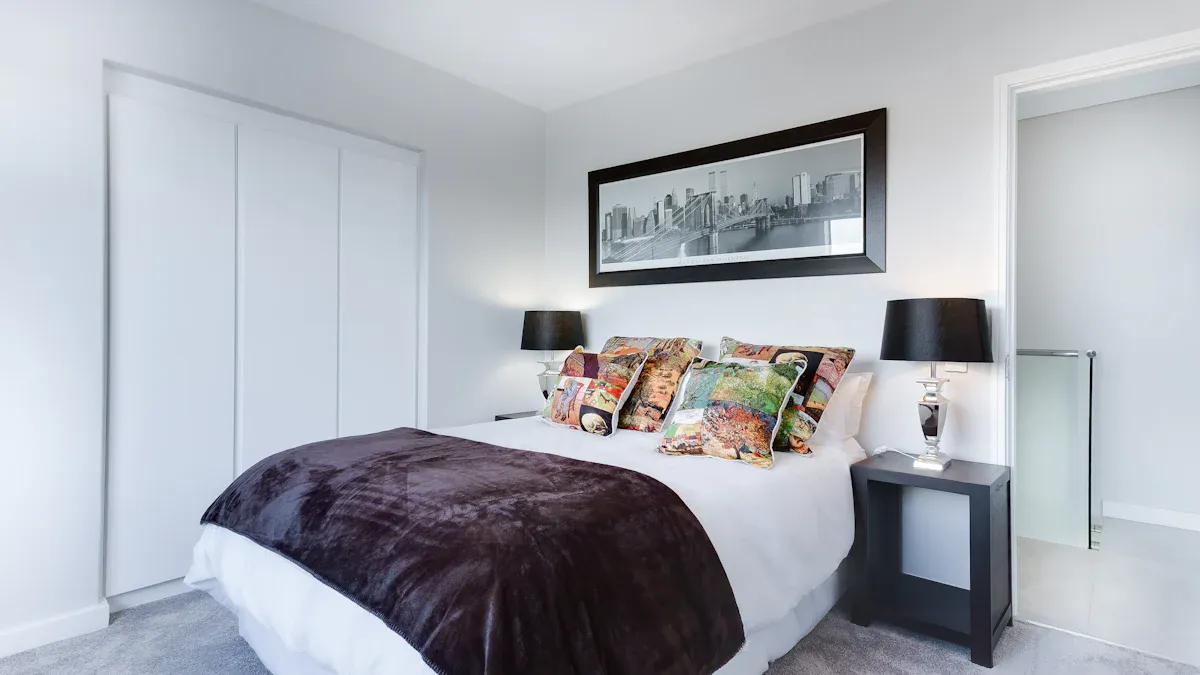
The best value in Hotel Guestroom Furniture expertly balances durability, aesthetic appeal, functionality, and cost-efficiency. This balance is crucial for any Hotel Project Furniture. Specific examples often come from modular, customizable, and contract-grade collections. Reputable manufacturers provide these. Consider Solid Wood Hotel Guestroom Furniture for longevity. High-End Hotel Bedroom Furniture can also offer long-term value. A Custom King Bed Hotel Furniture for 5 Star Hotel often exemplifies this blend of quality and design.
Key Takeaways
- Value in hotel furniture means more than just the price. It includes how long the furniture lasts, how easy it is to care for, and how happy guests are.
- Hotels choose strong, special furniture called contract-grade. This furniture lasts longer and saves money because it does not need to be replaced often.
- Modern hotel rooms use smart furniture with technology. This includes charging ports and smart lights. These features make guests’ stays better.
- Good furniture uses strong materials like solid wood and metal. It is also built well. This makes the furniture last a long time and look good.
Defining Value in Hotel Guestroom Furniture Collections
Beyond Initial Cost: Durability, Maintenance, and Guest Experience
Value in hotel guestroom furniture goes beyond the initial purchase price. Hoteliers must consider durability, ongoing maintenance, and the overall guest experience. High-traffic hotel areas require furniture that withstands constant use. Experts recommend replacing furniture every 5-7 years in these settings. This timeframe accounts for wear, evolving styles, and hygiene standards. Regular replacement ensures guests find a comfortable and inviting environment.
Maintenance costs are also crucial. Budgeting for repairs and replacements of worn components ensures long-term viability. Hotels should budget 1-2% of the furniture investment annually for ongoing maintenance. They should also establish replacement reserves. This means allocating 3-5% of annual room revenue for future furniture replacement. Hospitality-grade furniture typically lasts 5-7 years. Beds and case goods, like dressers and nightstands, also last 5-7 years with proper care. Soft seating, such as upholstered chairs, needs replacement every 3-5 years due to wear and hygiene. Technology components integrated into Hotel Guestroom Furniture also require replacement every 3-5 years.
Key Metrics for Assessing Long-Term ROI and Guest Satisfaction
Assessing long-term return on investment (ROI) and guest satisfaction requires specific metrics. These metrics help hoteliers understand the true value of their furniture choices. Guest satisfaction correlation is a key indicator. It measures how maintenance impacts review scores and occupancy rates. Higher satisfaction often leads to better reviews and more bookings.
Other important key performance indicators (KPIs) include conversion rate and Revenue Per Available Room (RevPAR). Average Daily Rate (ADR) also shows furniture’s impact. Hotels track average Food & Beverage (F&B) spend and occupancy rates. These numbers collectively reveal how furniture investments contribute to financial success and guest happiness.
High-Value Hotel Guestroom Furniture Collection Types
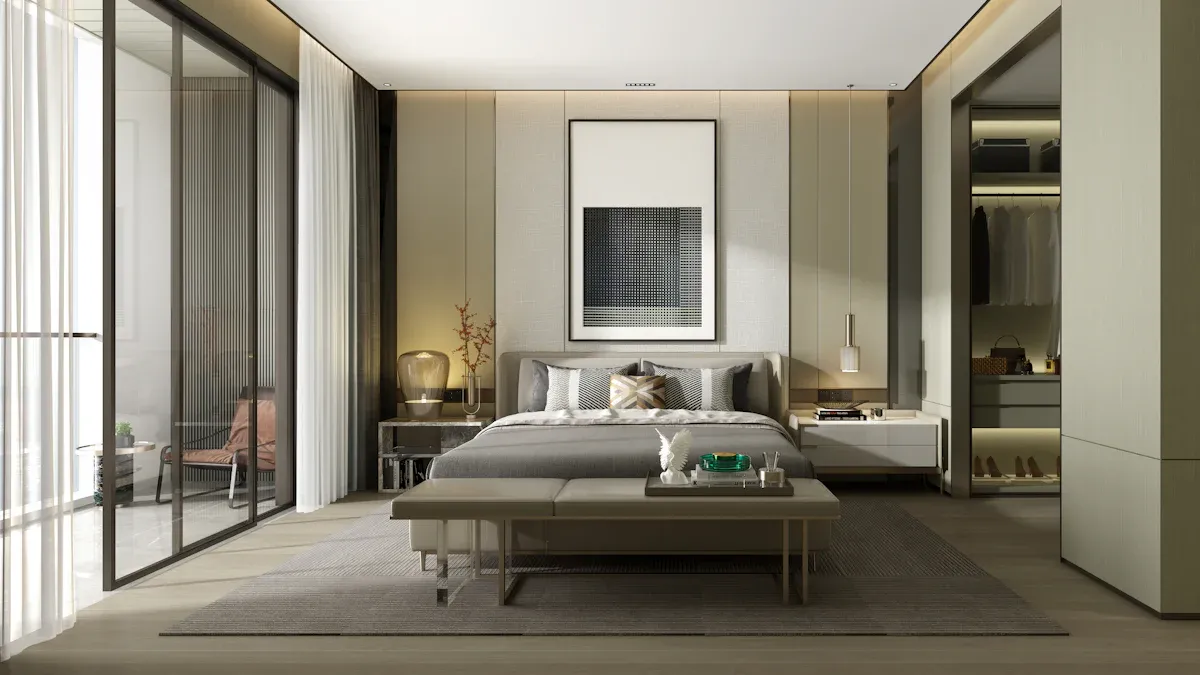
Modular and Customizable Hotel Guestroom Furniture Collections
Modular and customizable furniture collections offer hotels significant flexibility and long-term value. These collections allow hoteliers to adapt room layouts and designs without replacing entire pieces. This approach extends furniture life and keeps guestrooms fresh. For example, hotels often request specific customization options.
- Reconfigurable furniture adjusts to new layouts or guest needs. This avoids full replacements.
- Modular seating options include sectional sofas. These rearrange to create open spaces or accommodate groups. Stackable or nesting chairs save space.
- Built-in tech features keep the space tidy and modern. These include charging stations and smart lighting.
- Sustainable materials are a popular choice. Hotels select eco-friendly furniture made from reclaimed wood or low-emission finishes.
- Compact bedside tables mount to the wall. They offer convenience, keep floors clear, and make the room feel open.
This adaptability helps hotels respond to changing guest preferences and operational requirements efficiently.
Contract-Grade and Commercial Hotel Guestroom Furniture Collections
Contract-grade furniture is specifically engineered for the demanding environment of hotels. It differs significantly from residential furniture. This type of Hotel Guestroom Furniture prioritizes durability, safety, and longevity. It meets stringent industry standards.
Several specific durability standards define contract-grade furniture:
- British Standard 7176 covers upholstered furniture for non-domestic use. It ensures fire resistance, including Crib 5 fire retardancy for hospitality areas.
- BS 7177 applies to bed bases and divans.
- BS 5867 addresses window blinds, drapes, and curtains.
- BS EN15372 specifies strength, durability, and safety for non-domestic tables.
- BS 4875 part 5 focuses on endurance, durability, and stability of household and contract tables and trolleys.
- BS EN15186 assesses furniture surface resilience to scratching.
- BS EN12729 evaluates furniture surface resilience to cold liquids.
Contract furniture frames withstand significant weight. They often come with a 5-year or longer guarantee. Furniture of this grade typically lasts at least ten years. Foam density usually ranges from 1.8 to 3 pounds. Indent load-deflection ratings maintain structure and provide a firm seat.
Investing in contract-grade furniture offers substantial long-term cost savings compared to residential-grade options.
- Extended Warranties and Support: Commercial-grade furniture often includes extended warranties and service plans. This reduces future replacement or repair costs.
- Reduced Replacement Needs: The durability of commercial-grade furniture means less frequent replacements due to wear and tear. This results in long-term savings.
- Decreased Maintenance Costs: The robust nature and support for commercial furniture significantly lower maintenance expenses. It minimizes downtime from damaged items.
Hotels choose high-quality materials like solid wood and metal reinforcements. They also use commercial-grade upholstery to ensure longevity. Safety features include fire-retardant materials and scratch-resistant coatings. These prevent costly incidents and maintain appearance. Commercial-grade furniture is designed with materials resistant to stains and scratches. This reduces the effort and cost associated with upkeep in high-traffic environments.
Hotel Guestroom Furniture Collections with Integrated Technology
Modern guests expect seamless technology integration in their hotel rooms. Furniture collections that incorporate technology enhance convenience and elevate the guest experience.
Common types of integrated technology include:
- Smart Nightstands and Desks: These feature integrated USB ports, wireless charging pads, touch-activated lights, and built-in Bluetooth speakers.
- Adjustable Lighting & Temperature: Headboards or side tables come equipped with smart controls. Guests personalize these via their phones or room tablets.
- Digital Privacy Tools: Work desks include pop-up screens or privacy panels.
- AR and VR-Ready Lounges: Common area furniture supports immersive digital experiences for entertainment or virtual meetings.
- Smart beds adjust to sleep patterns.
- Tables have built-in charging stations.
- Chairs monitor posture.
- Keyless entry systems provide convenience.
- Smart thermostats control room temperature.
- Voice-activated room controls offer hands-free operation.
- High-speed internet is essential.
- Pod/K-Cup compartment trays hold coffee machines.
- Multi-plug and USB ports charge devices.
- LED lighting elements create ambiance.
- Bluetooth speakers provide entertainment.
This smart furniture significantly enhances guest satisfaction scores. Guests appreciate the convenience of controlling their environment via tablets or smartphones. They adjust lighting and temperature or order room service. Voice-activated devices further enhance this experience. They allow hands-free control. Integrating charging ports and data access points into furniture pieces like headboards and desks provides guests with convenient access to power for their multiple devices. This greatly enhances their stay.
Essential Features for Value-Driven Hotel Guestroom Furniture
Material Selection for Longevity and Aesthetics in Hotel Guestroom Furniture
Selecting the right materials ensures furniture lasts and looks good. Solid hardwood, like oak or teak, offers beauty and strength. Engineered wood with veneers provides stability and a natural look. For surfaces, high-pressure (HP) laminate is cost-effective and durable, ideal for tabletops. Low-pressure (LP) laminate works well for vertical surfaces. Metals such as steel provide unmatched strength for frames, while aluminum is lightweight for modern designs. Marble adds luxury to tabletops. Glass and acrylic create a light, contemporary feel. For upholstery, commercial-grade leather offers superior durability in high-use areas.
Construction Quality and Craftsmanship of Hotel Guestroom Furniture
Superior construction quality directly impacts furniture lifespan and warranty. Detailed engineering creates balanced structures and long-term stability. Commercial-quality joinery and reinforcement are essential. Mortise and tenon joints provide structural integrity. Drawer boxes should feature a minimum of 5-ply construction with French dovetail joints. Large case bodies require reinforced cleats and stretchers. This meticulous approach ensures joints, seams, and finishes remain intact under daily commercial demands. Hospitality-grade furniture meets strict standards. It features reinforced frames and thicker materials. It also has fire resistance certifications and scratch-resistant finishes. Professional installation further ensures longevity and warranty compliance.
Design Adaptability and Timelessness of Hotel Guestroom Furniture
Timeless design principles ensure furniture remains relevant. Simplicity, with clean lines and minimal ornamentation, maintains classic appeal. Functionality means every piece serves a practical purpose. Neutral colors and classic materials provide a versatile base. This base adapts easily to changing styles. Attention to detail elevates the design. Furniture design also adapts to guest preferences and technology. Modular systems allow easy room layout adjustments. Integrated features like wireless charging and smart lighting cater to tech-savvy travelers. Ergonomic and adjustable furniture enhances comfort. Sustainable materials also appeal to eco-conscious guests.
Evaluating Manufacturers for Best Value Hotel Guestroom Furniture
Reputation, Warranty, and Reliability for Hotel Guestroom Furniture
Choosing a reputable manufacturer is crucial for value. A strong reputation shows consistent delivery of high-quality products. Manufacturers should have extensive experience. They demonstrate this through positive client testimonials and case studies. Quality craftsmanship and material selection are key indicators. They use durable hardwoods, scratch-resistant finishes, and strong joints. In-house inspection processes ensure quality. A reliable manufacturer offers a full warranty, typically a 1-year warranty against manufacturing defects. This provides assurance for your investment.
Customization Options and Efficient Lead Times for Hotel Guestroom Furniture
Manufacturers offering customization provide flexible design solutions. They can create unique, tailor-made furniture. This expresses a hotel’s brand identity. Customization directly influences project budgets and timelines. Increased customization levels lead to higher costs. Complex designs may require more labor and time. Lead times for custom orders vary. They can range from several weeks to a few months. Some custom furniture orders may have a lead time of approximately 24 weeks. However, lead times for casegoods often fall between 8-10 weeks. This depends on design complexity and material availability.
Sustainability Practices and Long-Term Savings in Hotel Guestroom Furniture
Sustainable practices offer long-term savings and appeal to guests. Manufacturers should use eco-friendly materials. These include reclaimed wood, recycled metals, or bamboo. They also use low-VOC paints and finishes. This improves indoor air quality. Hotels should partner with suppliers committed to sustainability. These suppliers use energy-efficient processes. They source materials responsibly. They also aim to reduce their carbon footprint. Choosing durable Hotel Guestroom Furniture reduces the need for frequent replacements. This conserves resources and minimizes waste.
Examples of High-Value Hotel Guestroom Furniture Collections
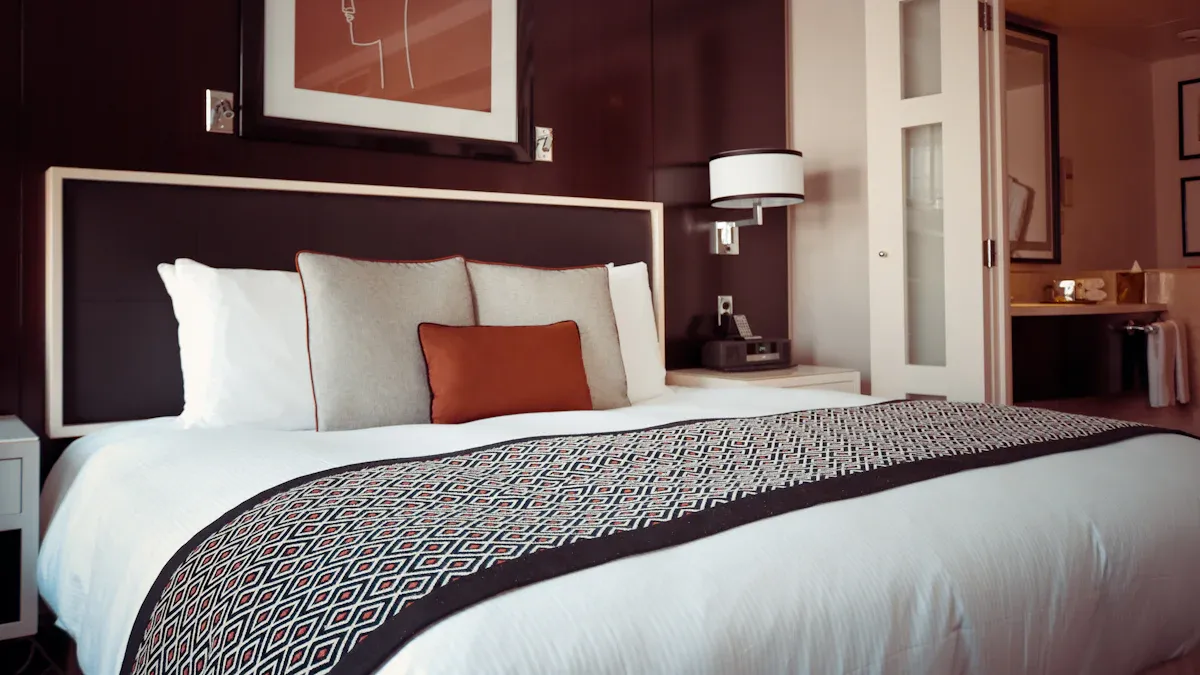
Hotels achieve high value in their guestroom furniture by selecting pieces that align with their brand, guest needs, and operational demands. Different hotel types require specific furniture collections to deliver the best experience and return on investment.
Mid-Range Boutique Hotel Guestroom Furniture Collections
Mid-range boutique hotels seek furniture that combines style with everyday practicality. These collections often feature elegant veneers, soft-close drawers, and cohesive finishes. They offer contemporary, transitional, or classic styles. Hotels can personalize these collections with various color palettes, metal accents, and headboard upholstery. This makes them ideal for business hotels, boutique properties, and franchise locations aiming for a modernized appeal.
Examples of high-value pieces in this category include the Eliza Lounge Chair, Ice Cube Antique Brass Table, Adele Side Chair, and various headboard styles like Small Button, Large Square, or Deep Buttoned. Other popular choices are the Seattle Chair, Betta Coffee Table, Bernie Lounge Chair, and the Stockholm Bedstead. These items balance aesthetic appeal with the durability needed for regular use.
Design elements for mid-range boutique hotels focus on creating a comfortable and functional space. The "Work From Hotel" concept requires multifunctional casegoods and clear boundaries between work and relaxation zones. Technology integration, such as built-in charging ports and touch controls, is an expectation. Performance fabrics like durable linens and velvets withstand heavy use while maintaining their texture and color. Designers often use white space to create a tranquil experience, aiding mental clarity. They complement this with pops of color. Incorporating textures like wood grains, furs, and wool blankets adds warmth and comfort. Minimalist design, focusing on simplicity, works well for smaller spaces. Key pieces include a well-made bed, a solid blanket, and a lamp.
Room configurations also influence furniture choices. Double rooms balance relaxation and work functionality with thoughtful furniture placement. Twin rooms emphasize symmetry and flexibility, arranging beds and workspaces for privacy. Triple rooms require intelligent space management and multifunctional furniture. Queen rooms focus on comfort for longer stays and work-friendly features like ergonomic furniture and efficient storage. Overall, guest flow, layered lighting, neutral palettes with accent details, and flexible furniture enhance the guest experience and reflect the hotel’s brand identity.
Extended Stay Hotel Guestroom Furniture Collections
Extended stay hotels prioritize durability, comfort, and multi-functionality in their furniture collections. Guests often stay for longer periods, so the furniture must withstand more continuous use.
Comfort is a key factor. Seat padding should offer both support and softness. Hotels test cushions to ensure they do not flatten quickly. Chairs promote good posture with supportive backs and arms at restful heights. Designers consider seat depth and height to accommodate all guests, including the elderly.
Durability is achieved through robust construction. Hardwood frames, such as oak, maple, or beech, are preferred over softer woods. Joints are typically glued, doweled, and screwed for maximum strength. Fabrics are commercial-grade, tested for high rub counts, stain resistance, and colorfastness. Easy maintenance is also crucial. Removable, washable, or wipeable covers simplify cleaning after spills.
Multi-functionality helps maximize space and utility. Lightweight chairs can be easily repositioned. Ottomans serve as footrests, storage, or extra seating. Accent benches are useful for luggage or as impromptu side tables. This adaptability allows guests to customize their space for various activities, from working to relaxing. Future trends in extended stay furniture include modular components that reconfigure for different needs and multifunctional items that serve two or three purposes. Sleek, visually lightweight pieces create a sense of spaciousness, moving away from bulky traditional designs.
Luxury Hotel Guestroom Furniture Collections
Luxury hotel guestroom furniture collections define themselves through bespoke design, premium materials, and handcrafted excellence. Each piece is custom-made to align with the hotel’s specific aesthetic and brand identity, ensuring uniqueness.
These collections use the finest materials. This includes exotic hardwoods like mahogany, walnut, and ebony, chosen for their rich grain and longevity. Marble and stone, such as Carrara marble, travertine, and onyx, appear on tabletops and vanities. Handwoven textiles like silk, cashmere, and velvet are common for upholstery. Leather and suede often cover deep-seated lounge chairs and bed backboards.
Skilled artisans create each piece with precision, adding exclusivity and preserving traditional craftsmanship. This ensures a timeless aesthetic, combining classic forms with contemporary elements to prevent interiors from becoming outdated. Luxury furniture also balances beauty with comfort and usability. Ergonomic designs and thoughtful placement ensure free movement and physical comfort.
Smart integration is a common feature. This includes wireless charging, touch-sensor lighting, and hidden storage for enhanced convenience. Signature pieces often serve as focal points, creating grandeur and distinguishing the hotel’s aesthetic. Luxury hotels increasingly embrace sustainability, using reclaimed wood, natural fabrics, and eco-friendly finishes. This appeals to eco-conscious travelers while maintaining a high level of luxury. Cultural influences often blend local craftsmanship with contemporary design, enhancing authenticity.
Craftsmanship standards are exceptionally high. The Architectural Woodwork Institute (AWI) grades of work, such as Custom Grade for most high-quality wooden furniture and Premium Grade for high-use and high-profile items, guide quality. Veneer joints must be tight and smooth without visible color inconsistencies. Finishing details, like consistent paint and smooth edges, along with premium hardware, elevate perceived quality. Furniture must also exhibit wear resistance, durability, waterproof properties, fire resistance, abrasion resistance, and environmental friendliness, using materials that meet strict standards for safety and health.
Hoteliers find the best value in strategic furniture selection. They prioritize contract-grade durability, adaptable design, and reputable manufacturing. This approach ensures long-term guest satisfaction. It also boosts operational efficiency. This focus outweighs the initial purchase price. Smart choices lead to lasting success.
FAQ
What defines "value" in hotel guestroom furniture?
Value in hotel guestroom furniture combines durability, aesthetic appeal, functionality, and cost-efficiency. It goes beyond the initial price. Hotels consider long-term maintenance and guest satisfaction. This approach ensures a good return on investment.
Why do hotels choose contract-grade furniture?
Hotels choose contract-grade furniture for its superior durability and safety. It meets strict industry standards. This furniture withstands constant use. It also reduces replacement needs and maintenance costs. This saves hotels money over time.
How does integrated technology benefit hotel guests?
Integrated technology enhances guest convenience and elevates their experience. Guests enjoy features like USB ports, wireless charging, and smart lighting. This allows them to control their environment easily. It also keeps their devices powered.
What materials offer the best longevity for hotel furniture?
Solid hardwoods like oak or teak offer excellent longevity. Engineered wood with veneers provides stability. High-pressure laminates are durable for surfaces. Metals like steel reinforce frames. Commercial-grade upholstery resists wear and stains.


