
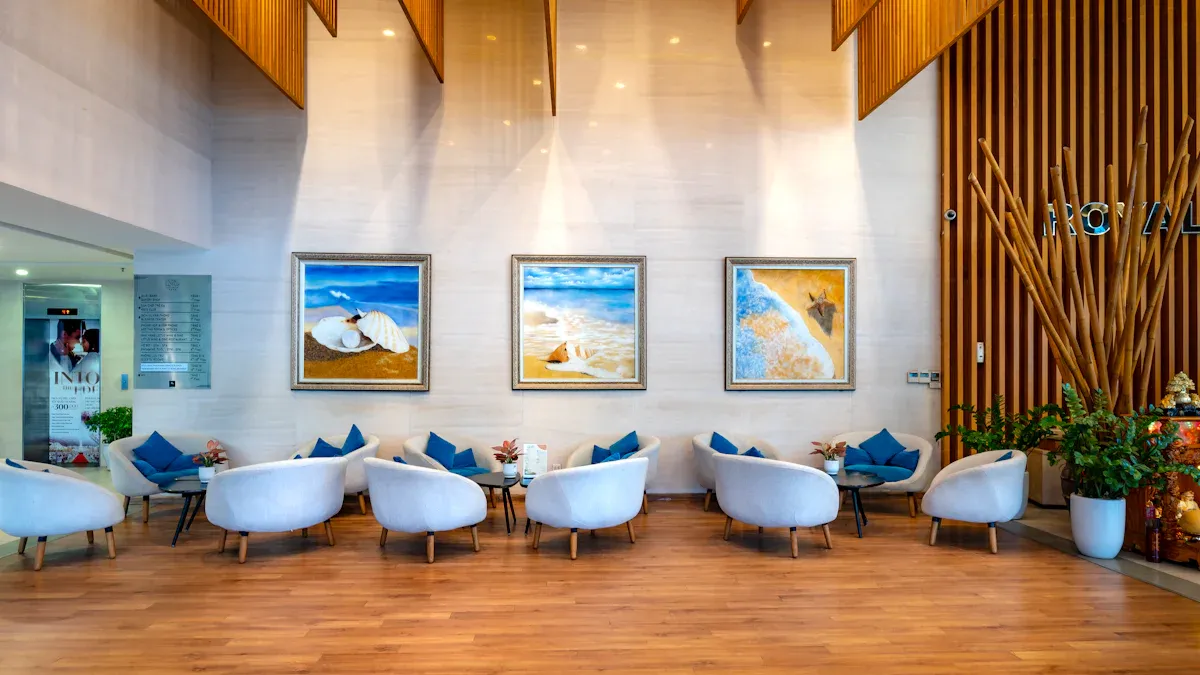
2025 custom hotel furniture innovations are transforming guest experiences. Hotels that upgrade dining areas often see a return on investment of up to 15% within the first year, significantly boosting occupancy and revenue. This innovative design makes a property highly competitive. For example, multifunctional custom hotel room furniture maximizes room utility and Revenue per Square Foot, attracting diverse guests. To remain competitive, hotels need practical, forward-thinking furniture solutions. Partnering with a reliable hotel furniture factory for custom hotel furniture from China, or 5-star hotel interior furniture contractors in China, is crucial. Eco-friendly commercial hotel furniture suppliers also contribute to appeal, offering a one-stop solution for hotel room furniture wholesale China.
Key Takeaways
- Custom hotel furniture helps hotels create unique spaces. It makes guests feel special and remember their stay.
- Hotels use eco-friendly materials and smart technology. This makes rooms healthier and more convenient for guests.
- Multi-functional furniture saves space in hotel rooms. It allows rooms to change for different guest needs.
- Durable and easy-to-clean furniture saves hotels money. It keeps rooms looking good for a long time.
- Investing in good furniture makes guests happy. Happy guests give good reviews and come back again.
Personalization and Bespoke Guest Experiences
Hotels today understand a crucial truth: guests crave unique experiences. Custom hotel furniture plays a huge role in delivering this. It moves beyond standard offerings, creating spaces that truly resonate with visitors. Think about it – does a generic room really leave a lasting impression? Probably not.
Tailored Designs for Unique Hotel Brands
Every hotel has its own story, its own brand identity. Custom furniture allows them to tell that story visually. Designers work closely with hotels to create pieces that perfectly match their aesthetic and values. For instance, a boutique hotel might choose sleek, modern designs, while a historic inn prefers classic, ornate furnishings. This tailored approach ensures every piece of furniture feels like it belongs, reinforcing the hotel’s unique character. It helps hotels stand out in a crowded market. 🏨
Crafting Memorable Guest Journeys
Personalized furniture goes beyond just looking good; it enhances the entire guest journey. Imagine a guest discovering a cleverly designed reading chair with a built-in charging port, or a custom vanity that perfectly fits their morning routine. These thoughtful touches make a stay more comfortable and convenient. They show guests the hotel truly cares about their experience. Such details transform a simple room into a personalized sanctuary, making guests feel valued and special. ✨
Local Artistry and Cultural Integration
Integrating local artistry and culture into furniture design offers another powerful way to personalize spaces. Hotels can commission local artisans to create unique pieces, like hand-carved headboards or regionally inspired textiles. This not only supports the local community but also immerses guests in the destination’s unique heritage. It gives the room a sense of place, telling a story about where they are. Guests often appreciate these authentic connections, making their stay richer and more memorable. It’s a win-win for everyone! 🎨
Sustainable and Biophilic Design for Hotels
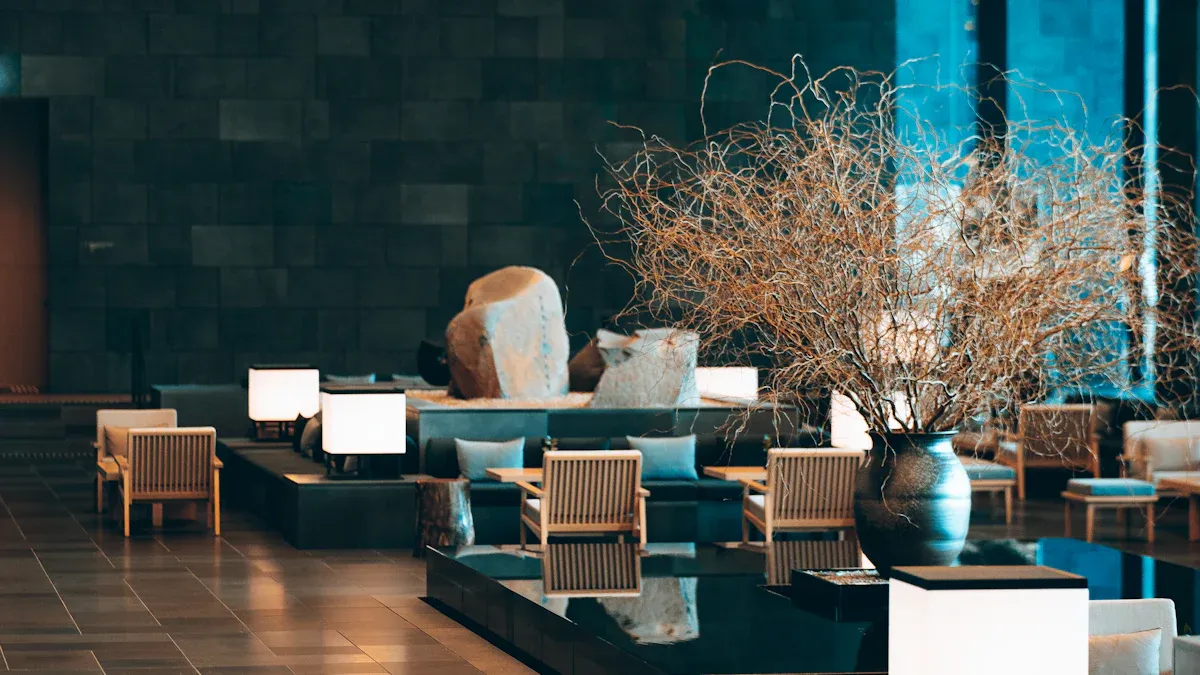
Hotels increasingly focus on sustainability and biophilic design. These approaches not only help the planet but also create healthier, more appealing spaces for guests. They show a hotel’s commitment to responsible practices.
Sourcing Eco-Friendly Materials
Finding truly eco-friendly materials for hotel furniture can be tricky. Many suppliers claim to be “green,” making it hard to know what is genuine. Hotels need a clear vision for sustainability. They should ask for certifications like FSC, GREENGUARD, or LEED to ensure credibility. This helps avoid misleading claims. For example, bamboo grows quickly, making it sustainable, but it needs special processing. Recycled materials are great for reducing waste, but sourcing large quantities can be a challenge. Also, the initial cost for sustainable options can be higher. Inconsistent regulations across regions also complicate efforts. Even the recyclability of certain furniture parts, like upholstery, presents complexities. 🌿
Embracing Circular Economy Principles
A circular economy approach means hotels keep resources in use for as long as possible. This reduces waste and the need for new materials. Some high-end hotels work with suppliers on furniture buyback programs. They return used furniture for refurbishment or recycling. This extends the life of valuable pieces. For instance, they might reupholster or refinish furniture to match new designs. A model also exists where a hotel returns furniture to a supplier after several years. The supplier then resells it to other hotels. This helps hotels avoid huge initial investments and keeps their facilities looking fresh. The CIRC-HOTEL project actively promotes these circular economy practices within the hospitality sector. ♻️
Integrating Nature for Wellness
Biophilic design brings nature indoors, connecting guests with the natural world. This integration boosts well-being and creates a calming atmosphere. Hotels can use natural light, indoor plants, and water features. Furniture made from natural wood or stone also helps. Even patterns and textures that mimic natural forms contribute to this design. Guests often feel more relaxed and refreshed in these environments. This focus on nature enhances the overall guest experience, making stays more restorative. 🌳
Smart Technology Integration in Custom Hotel Room Furniture
Seamless Tech Integration
Hotels are now embedding technology directly into their furniture, creating a smooth, modern experience for guests. They find smart features right where they need them. The most common types of smart technology integrated into custom hotel room furniture in 2025 include wireless charging stations. Guests can simply place their phones on nightstands or desks to charge them. Furniture also often has integrated power outlets and USB ports, providing convenient access for multiple devices. Smart lighting is another common feature. Guests can customize the room’s ambiance with dimmable lights, motion sensors, and even color-changing options.
Intuitive Guest Controls
Guests want technology that is easy to use. Hotels design smart furniture with intuitive controls in mind. They can adjust room settings without any hassle. For instance, voice-activated controls are becoming popular. Guests simply speak commands to manage room settings, from temperature to entertainment systems. This makes their stay more convenient. Adjustable and modular designs also give guests control over their comfort. Beds might offer customizable firmness, and ergonomic chairs can have memory settings. These features allow guests to personalize their space effortlessly, enhancing both comfort and space efficiency.
Future-Proofing Hotel Spaces
Integrating smart technology helps hotels stay current and prepares them for future guest expectations. Technology evolves quickly, so hotels choose systems they can update. This ensures their spaces remain modern and appealing. By investing in smart furniture, hotels avoid frequent, costly renovations. They can simply upgrade the software or add new modules. This approach keeps their offerings fresh and competitive for years to come. It is a smart way to maintain a cutting-edge guest experience and adapt to changing demands.
Multi-Functional and Flexible Custom Hotel Room Furniture
Hotels constantly look for ways to make the most of every square foot. Multi-functional furniture helps them achieve this. It allows spaces to serve multiple purposes throughout the day.
Maximizing Room Utility
Multi-functional furniture effectively maximizes room utility. For example, sofa beds offer both seating and sleeping arrangements. They easily convert from a daytime lounging spot to a bed at night, which is especially useful for families or groups. Murphy beds, also known as wall beds, fold against the wall when not in use. This frees up valuable floor space for other activities like leisure or work. Extendable dining tables can be stored compactly but expand to accommodate more guests for meals. This optimizes space without sacrificing dining capacity. Ottomans with storage serve as footrests or extra seating. They also include hidden compartments for storing bedding or personal belongings, helping to keep the room tidy and functional. Dining surfaces that also serve as workspaces reduce the need for additional pieces. They enhance the guest experience in compact hotel rooms.
Adaptable Furniture Solutions
Adaptable furniture solutions significantly boost guest satisfaction. Hilton, for instance, redesigned its lobbies with flexible seating and integrated charging stations. These modular arrangements allow spaces to adapt for events or busy check-in times. This boosts guest engagement and contributes to positive feedback. A boutique hotel collaborated with designers to create modular seating. This seating could be reconfigured for solo travelers or families. It enhanced room versatility and catered to varying guest needs. Such innovative furniture design integrates ergonomic comfort, functional adaptability, and appealing aesthetics. It meets guest needs by enhancing physical comfort and improving room usability. This fosters an emotional connection to the environment. Hotels adopting these solutions differentiate themselves. They achieve higher guest satisfaction scores, better online reputations, and increased loyalty through repeat bookings.
Enhancing Guest Comfort and Convenience
Ultimately, multi-functional and flexible custom hotel room furniture aims to enhance guest comfort and convenience. Guests appreciate the thoughtful design that makes their stay easier and more enjoyable. They can easily transform their space to suit their current needs, whether working, relaxing, or dining. This adaptability reduces clutter and provides a sense of control over their environment. It makes the room feel more like a personalized retreat. These innovations ensure guests have everything they need at their fingertips, making their stay seamless and memorable.
Evolving Materials and Aesthetic Trends in Hotel Furniture
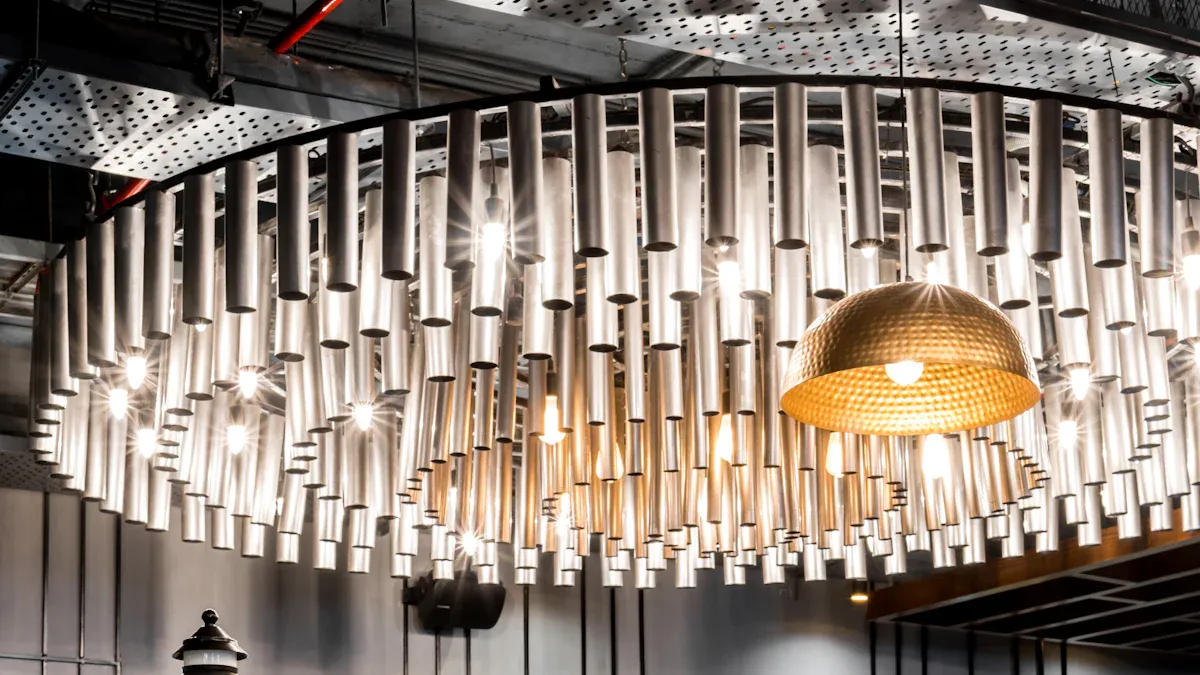
Hotel furniture design constantly evolves. It reflects new technologies, environmental concerns, and changing guest preferences. In 2025, hotels embrace innovative materials and fresh aesthetics. They create spaces that are both beautiful and responsible.
Innovative Material Choices
Hotels now choose materials for both durability and sustainability. Designers explore exciting options. For example, mushroom leather, made from mycelium, offers a durable and biodegradable alternative to traditional leather. Imagine furniture crafted from ocean plastic, transforming waste into sturdy pieces. This helps address pollution. Hotels also use bamboo composites, which are strong and eco-friendly. Cork provides a light, durable, and renewable option with natural acoustic properties. For upholstery, sustainable fabrics like organic cotton and hemp are popular. These materials grow without harmful pesticides.
Recycled metals form durable frames for chairs and tables. This avoids the environmental cost of virgin metal extraction. Recycled plastic polymers and fabrics made from recycled fibers also contribute to sofas and sleeper sofas. They reduce landfill waste. Sustainably harvested wood, certified by organizations like the Forest Stewardship Council (FSC), remains a top choice. It ensures responsible forestry and offers a natural aesthetic.
Bold Color Palettes and Textures
Aesthetic trends in 2025 move beyond simple neutrals. Hotels now embrace richer, more vibrant palettes. Earth tones like greens, blues, browns, and creams remain popular. Modern interpretations include raspberry blush and chocolatey browns. Some hotels adopt maximalist design, using ‘happy’ colors such as sunny yellow and turquoise. This creates visually stimulating interiors.
Designers also use luxurious comfort with high-end fabrics like performance velvet or leather. These offer both durability and an upscale look. Bold colors, patterns, and rich textures replace neutral palettes. Jewel-toned velvets and geometric prints create statement spaces. Warm wood tones, like deep walnut and hickory, are returning. Saturated hues such as emerald green, deep sapphire, and cranberry red add depth and luxury. Designers often blend maximalist and minimalist styles, balancing bold colors with warm neutrals.
Sculptural Forms and Organic Shapes
Furniture in 2025 often features sculptural forms and organic shapes. This trend reflects a desire for unique, artistic pieces. Designers move away from rigid lines. They prefer curves, fluid contours, and natural silhouettes. Materials like mycelium, which can be molded, lend themselves well to these forms. Terracotta and clay also create earthy, decorative pieces with interesting textures. These shapes make hotel rooms feel more inviting and less conventional. They add a touch of artistry to the guest experience.
Health, Hygiene, and Well-being in Hotel Furniture Design
Hotels now prioritize guest health and well-being. Furniture design plays a big role in this. It creates spaces that feel clean, safe, and relaxing.
Antimicrobial Surfaces and Materials
Cleanliness is very important for guests. Hotels use special surfaces to fight germs. These surfaces have antimicrobial coatings. Silver-based coatings work well at low amounts. They last a long time and do not change the furniture’s look. Copper-based coatings kill many types of germs. They also stop fungus in wet places. Zinc-based coatings are gentle and cost-effective. They often combine with silver or copper for better results. These metal ions break down germ cells. They stop DNA from copying. This destroys microorganisms and stops them from growing.
Some engineered wood panels have antimicrobial surfaces. These are great for busy areas. For example, Pfleiderer’s products are easy to clean. They reduce germs and bacteria within 24 hours. Their microPLUS® surface also fights viruses. It uses Sanitized® Silver, a safe substance. This protection lasts even if the surface wears down.
Ergonomic Design for Comfort
Furniture should feel good to use. Ergonomic design helps guests relax and avoids body strain. It focuses on comfort, functionality, flexibility, and accessibility. Comfortable furniture gives proper support. This creates a welcoming space. Functional pieces serve clear purposes. They make the room practical. Flexible designs adapt to different guest needs. Accessible furniture works for everyone, no matter their physical ability.
In guest rooms, beds have good mattress support. Headboards adjust. Many pillow options reduce strain. Desk chairs offer lumbar support. Lounge chairs have the right seat depth. Ottomans support legs. Desks are at the correct height. Good lighting and power outlets prevent strain. Easy-to-reach closets and luggage racks reduce bending. In lobbies, lounge chairs have soft cushions. Coffee tables are at comfortable heights. Dining chairs have supportive backs.
Creating Sanctuary-Like Environments
Hotels want rooms to feel like peaceful retreats. They use specific design elements for this. Natural materials like wood, stone, and steel create a calm feel. Whitewashed exteriors and smooth concrete interiors blend with nature. Local textiles and woven baskets add warmth. Lush greenery brings nature indoors.
Layered lighting sets the mood. Dimmable lamps and soft accent lights create a cozy glow. High-quality candles and designer vases add luxury. For the bed, hotels use high-quality mattresses. They add plush bedding and many pillows. Crisp white sheets and soft drapes make the bed inviting. Hotel-style sofas have deep seats and rich textures. These thoughtful choices make guests feel truly at peace.
Operational Efficiency and Durability of Custom Hotel Room Furniture
Hotels always look for ways to run smoothly and keep costs down. Furniture plays a big part in this. Choosing the right pieces means less hassle and more savings over time.
Furniture Built for Longevity
High-quality furniture lasts longer. Custom-made hotel furniture, built with commercial-grade materials and reinforced construction, handles heavy use well. This careful craftsmanship means furniture lasts longer. It reduces how often hotels need to buy new items. This also means fewer disruptions for guests.
| Furniture Type | Average Lifespan (Years) |
|---|---|
| High-Quality Custom | 10 or more |
| Standard Commercial | 5-7 |
This longer life cycle saves money on replacements. It also keeps rooms looking fresh for years.
Ease of Maintenance and Cleaning
Furniture that is easy to clean saves hotels time and money. Designers now create pieces with surfaces that resist stains and wear. They use materials that wipe down quickly. This helps housekeeping staff work faster. It also keeps rooms hygienic for guests. Easy maintenance means furniture stays in good condition longer. This reduces repair costs.
Investment in Quality and Craftsmanship
Investing in quality furniture pays off in the long run. It means fewer repairs and replacements. This keeps budgets stable. Good furniture also makes a hotel look better. It builds trust with guests. This can lead to higher prices for rooms. Comfortable and well-designed rooms get good reviews. These reviews help attract more guests.
- Durability and Long-Term Cost Efficiency: Quality furniture lasts. It reduces the need for frequent repairs. This lowers overall costs.
- Stronger Brand Positioning and Market Differentiation: Premium furniture makes a hotel stand out. It helps build guest trust.
- Operational Efficiency and Staff Productivity: Easy-to-clean furniture saves time. It helps staff work better.
- Guest Reviews as a Long-Term Revenue Driver: Comfortable rooms lead to good reviews. This brings in more bookings.
A Mumbai resort chose custom cane lounge chairs. Guests loved the unique look. This shows how quality custom hotel room furniture can boost guest satisfaction and revenue. Investing in good craftsmanship and innovation is smart for hotels.
Embracing 2025 custom hotel furniture innovations is not just an option; it is essential. Thoughtful design creates a superior atmosphere and comfort, which significantly influences guest loyalty. Guests feel well cared for, leading to positive reviews and repeat visits. This also boosts a hotel’s operational success. High-quality custom hotel room furniture makes a strong first impression and reflects the hotel’s brand. The future of hotel furniture design will continue to prioritize guest well-being and sustainable practices.
FAQ
What makes custom hotel furniture important for a hotel’s brand?
Custom furniture helps hotels build a unique brand identity. It allows them to tailor designs that perfectly match their specific aesthetic and values. This approach makes a hotel stand out in the market. It also creates a more memorable and personalized experience for guests.
How do sustainable furniture choices benefit hotels and their guests?
Sustainable furniture shows a hotel’s commitment to environmental responsibility. It attracts eco-conscious guests. Using eco-friendly materials and circular economy principles reduces waste. This also creates healthier, more appealing spaces for visitors.
What smart technology features can hotels integrate into their furniture?
Hotels integrate wireless charging stations and USB ports into furniture. They also use smart lighting systems. Voice-activated controls for room settings are becoming popular. These features offer guests convenience and a modern experience. They make stays more comfortable.
How does multi-functional furniture improve hotel room utility?
Multi-functional furniture maximizes room utility. Sofa beds and Murphy beds save space. They allow rooms to serve different purposes throughout the day. This adaptability enhances guest comfort and convenience. It makes even compact rooms feel more spacious and versatile.
Why should hotels invest in high-quality, durable furniture?
Investing in quality furniture pays off in the long run. It means fewer repairs and replacements, which saves money. Durable furniture also keeps rooms looking fresh for years. This enhances guest satisfaction and strengthens the hotel’s brand image.


